
The D56 'End of Minimum Speed' sign indicates that any previously mandated minimum speed requirement no longer applies. You can now drive at a speed appropriate to the road conditions and general traffic rules, as long as it's safe and legal. Always pay attention to subsequent signs, road markings, or general traffic laws that might dictate a new speed limit or other driving instructions.
Mastering the 'End of Minimum Speed' sign (D56) is crucial for adapting your driving to Danish road laws, ensuring compliance and safe speeds. This sign's interpretation is a common element in theory test revision, so understanding its context will improve your road sign knowledge.
This Danish mandatory sign requires a specific action rather than merely giving information. It may prescribe direction, lane choice, path use, pass-side, minimum speed, or the route for a particular road user. Drivers should match the sign to the correct lane and road layout, then check markings, panels, and end signs to understand how long the instruction remains in force. Official catalogue code: D56.
The "End of minimum speed" sign marks where the previous mandatory requirement no longer applies. Continue under the next sign, marking, or general road rule. Catalogue code D56.
Get clear, practical answers to the most common questions about the D56 - End of minimum speed road sign. Learn how the sign works, what rules it represents, and how it affects real driving situations. This FAQ strengthens your understanding and supports accurate decision making for the Danish driving theory exam in Denmark.
When you see the D56 sign, it means you are released from any previous obligation to maintain a minimum speed. You can adjust your speed according to the current traffic, road conditions, and other applicable speed limits, ensuring you drive safely and legally.
No, the D56 sign only signifies the end of a *minimum* speed requirement. It does not remove any existing *maximum* speed limits. You must always adhere to the posted speed limits and drive at a speed appropriate for the situation.
This sign is typically used after a stretch of road where a minimum speed was enforced, such as on certain ramps, acceleration lanes, or specific sections of highways or busy roads. It signals the end of that particular instruction.
A common trap is confusing the 'end of minimum speed' with the end of all speed restrictions. Learners might mistakenly believe they can speed up beyond the general limit. Remember, it only lifts the minimum speed obligation; standard speed limits still apply.
You must always comply with any subsequent traffic signs, road markings, or signals you encounter. The D56 sign simply cancels a previous minimum speed rule; new rules or limits might be introduced immediately afterwards, so stay vigilant.
A clear reference image of the D56 - End of minimum speed road sign used in Denmark.
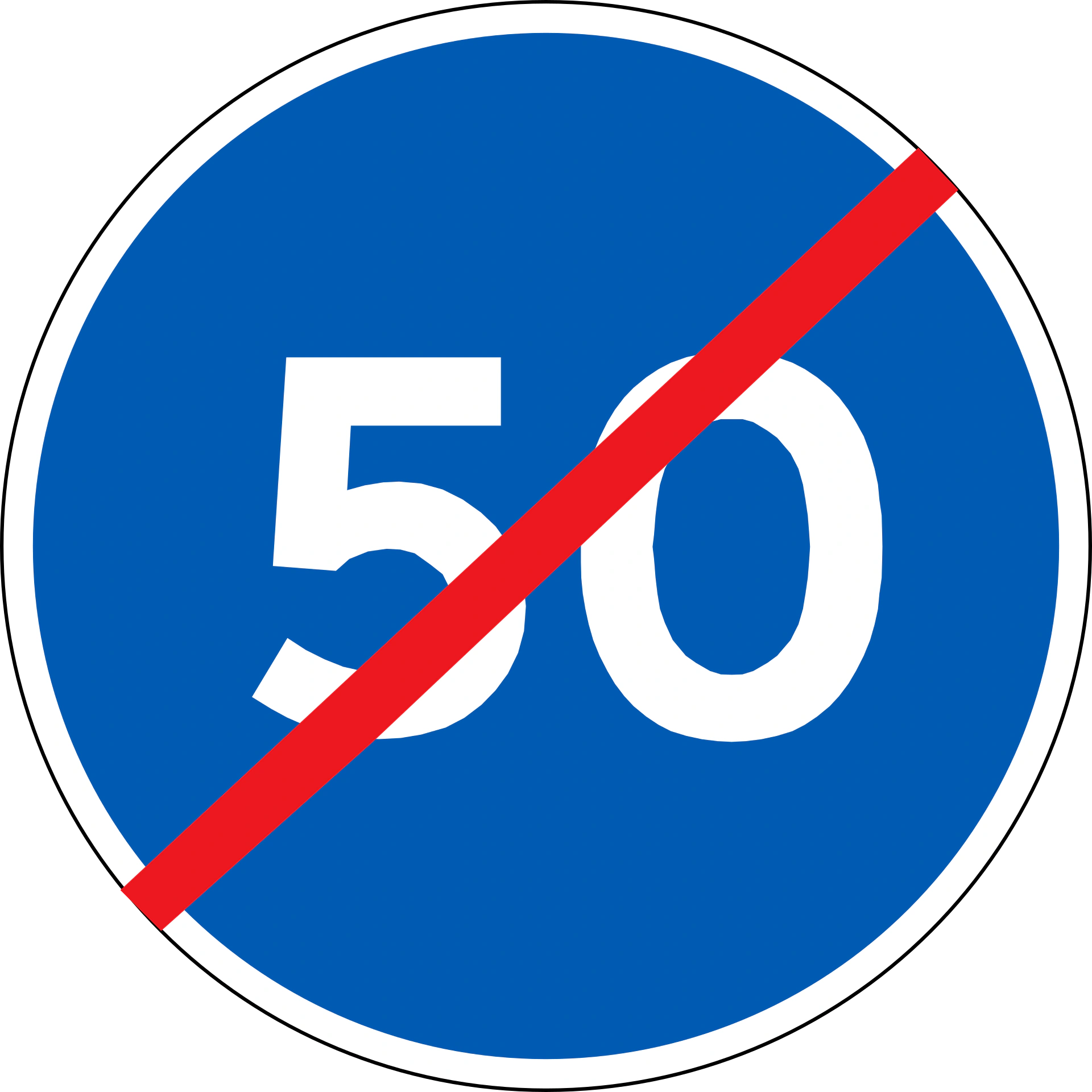
The D56 - End of minimum speed road sign may also be known by these alternative names or terms.
The D56 - End of minimum speed road sign is part of the Danish Mandatory Signs category, which groups together signs with similar rules and functions.
Strengthen your theory test revision by comparing "End of minimum speed" (D56) with other Danish mandatory signs. Understanding subtle differences aids accurate traffic sign recognition and reduces exam errors.
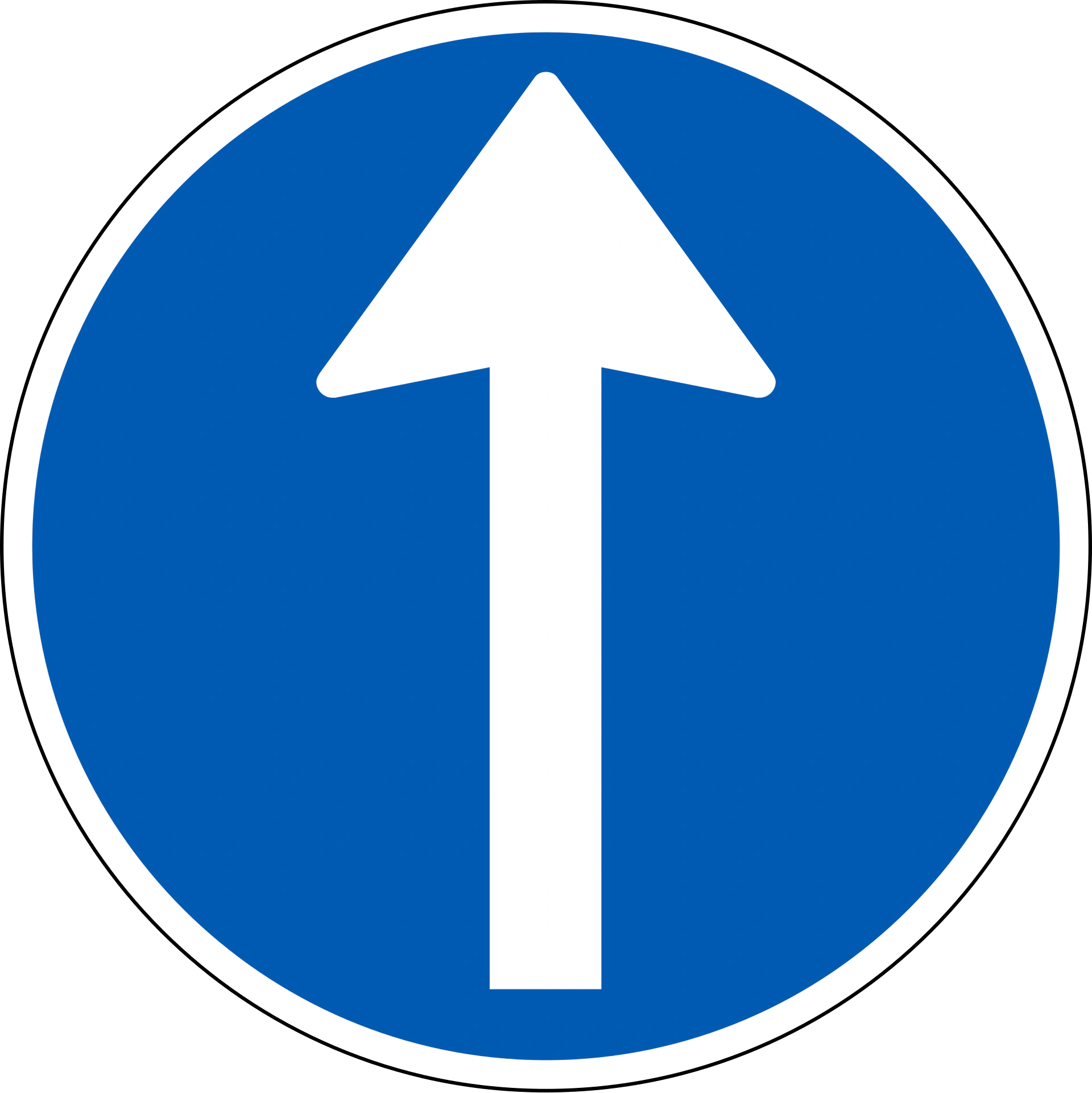
D11.1 Mandatory Direction: You Must Follow This Instruction
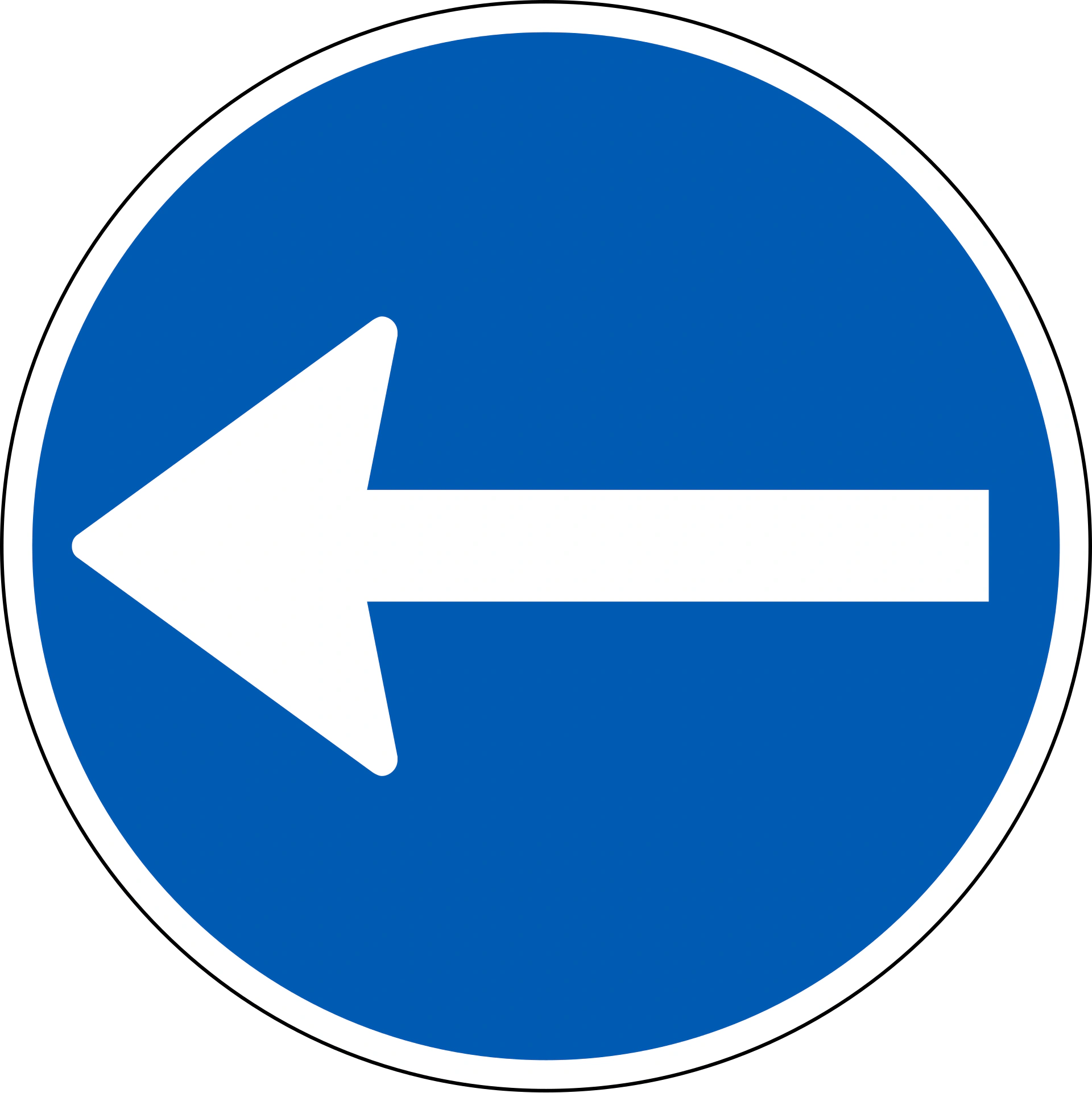
D11.2 Mandatory Direction: Follow the Required Path or Lane
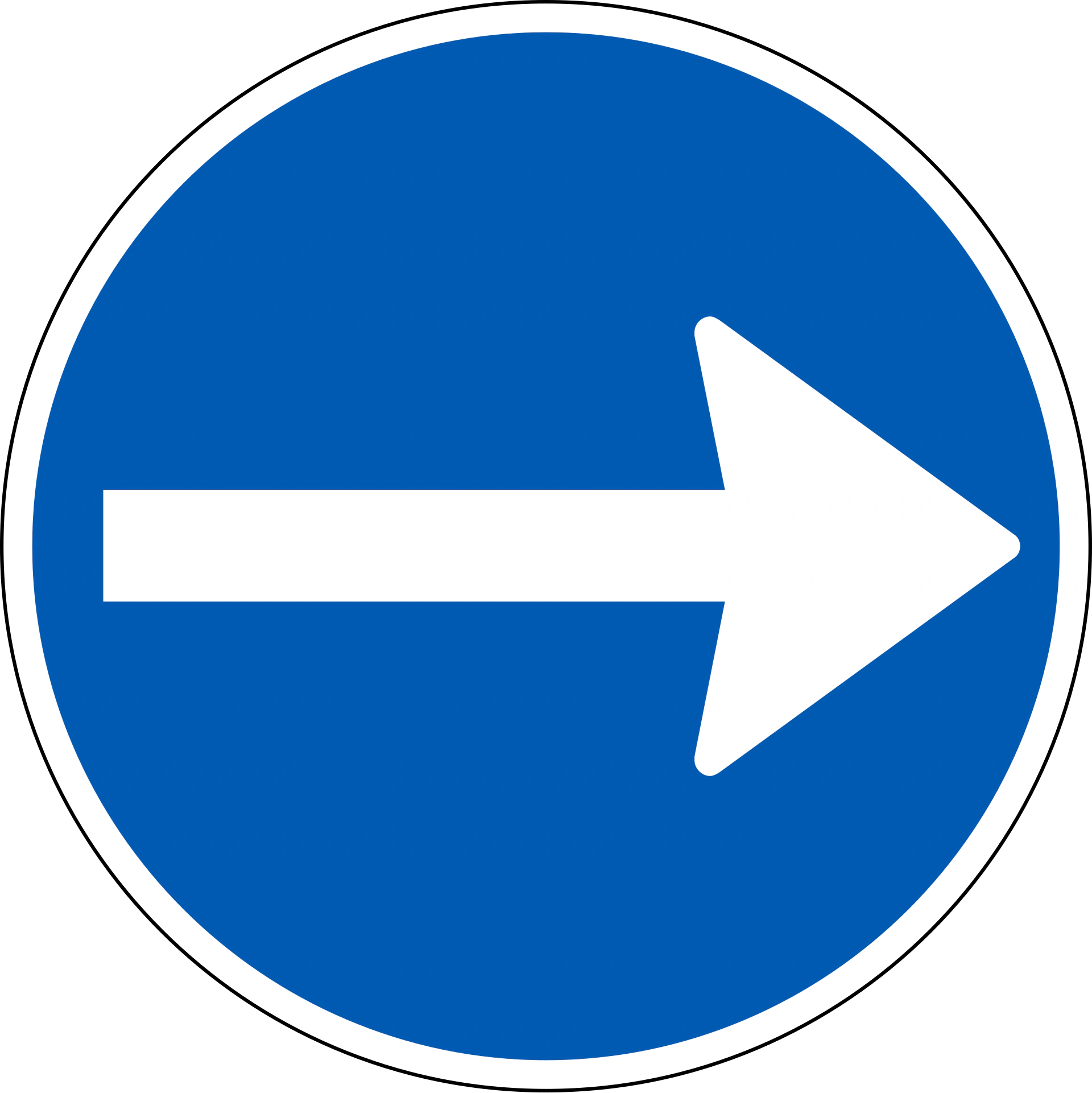
Mandatory Direction: Follow the Arrow or Lane Indicated
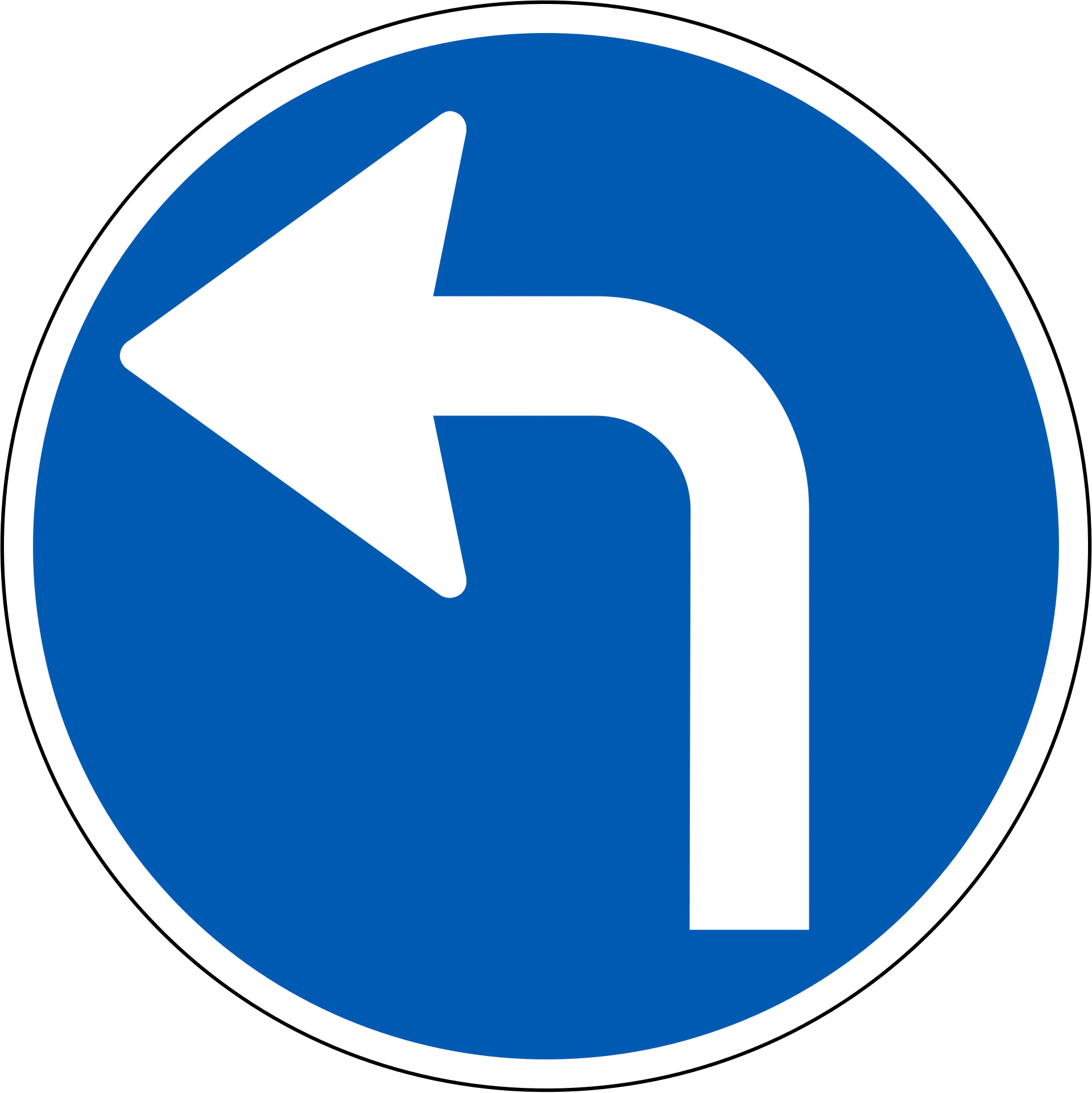
Mandatory Direction Signs: Follow the Path Set For You
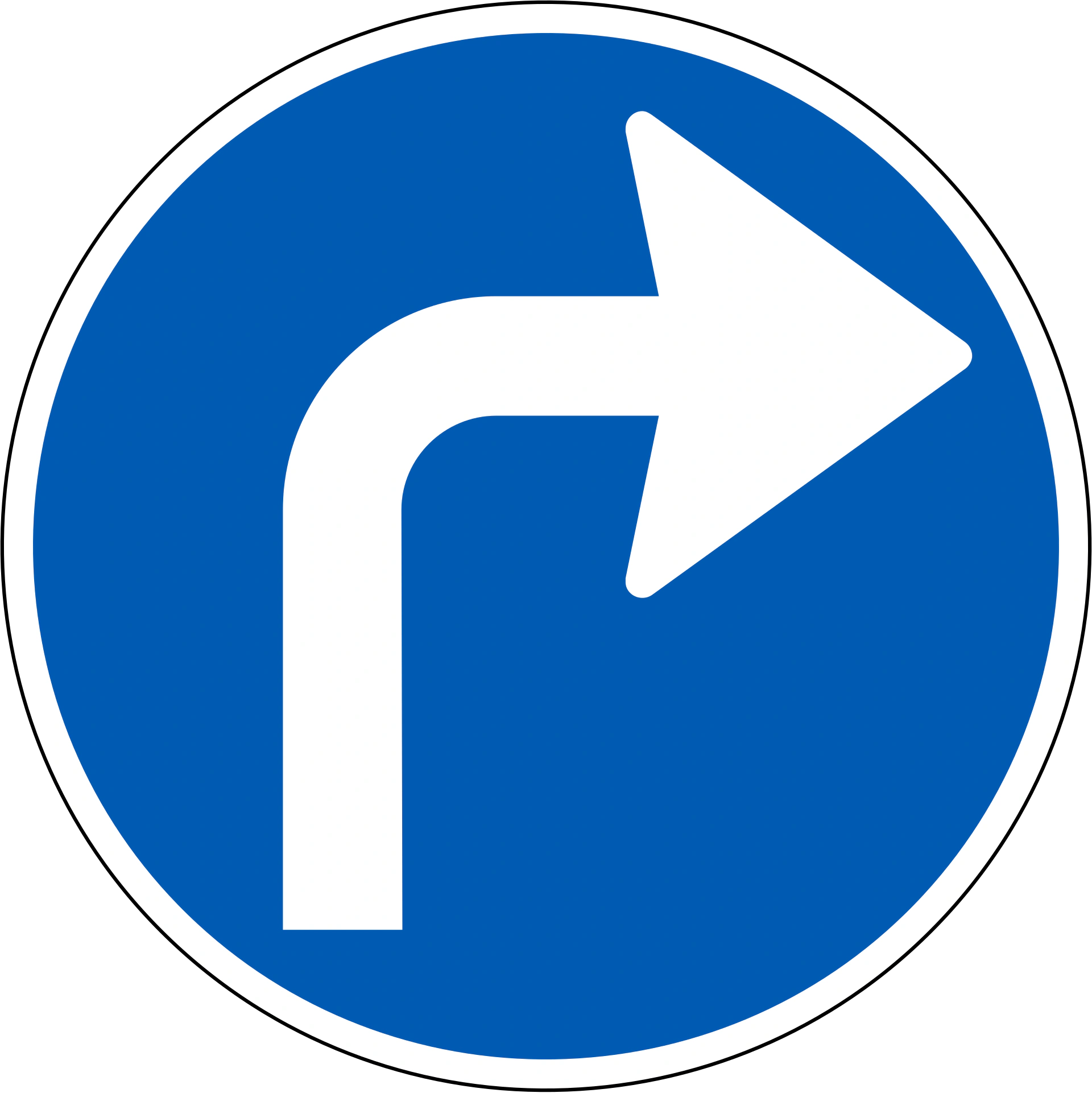
The D11.5 Mandatory Direction Sign: You Must Follow This Path
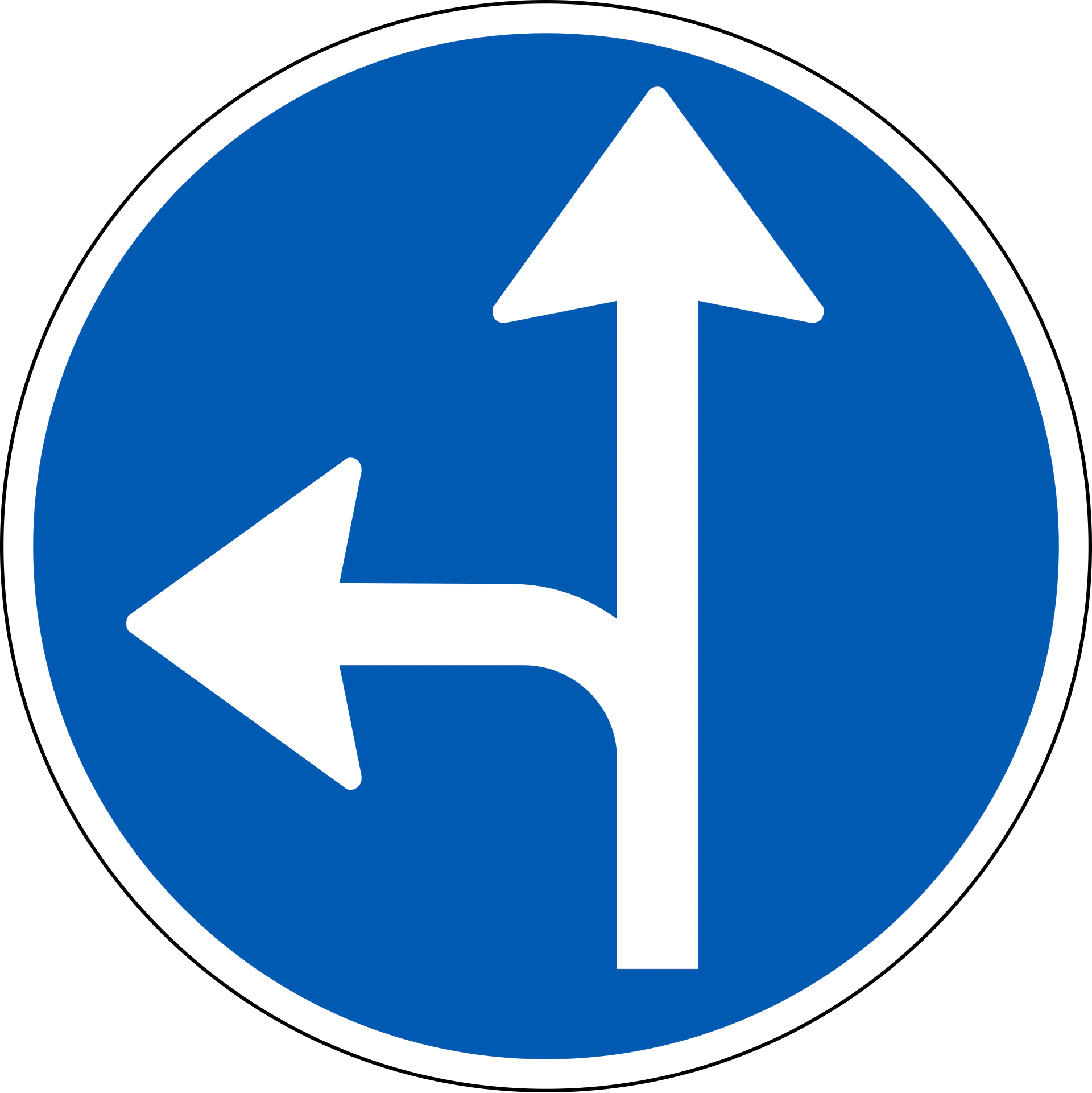
This D11.6 sign mandates a specific direction or path – follow it closely!
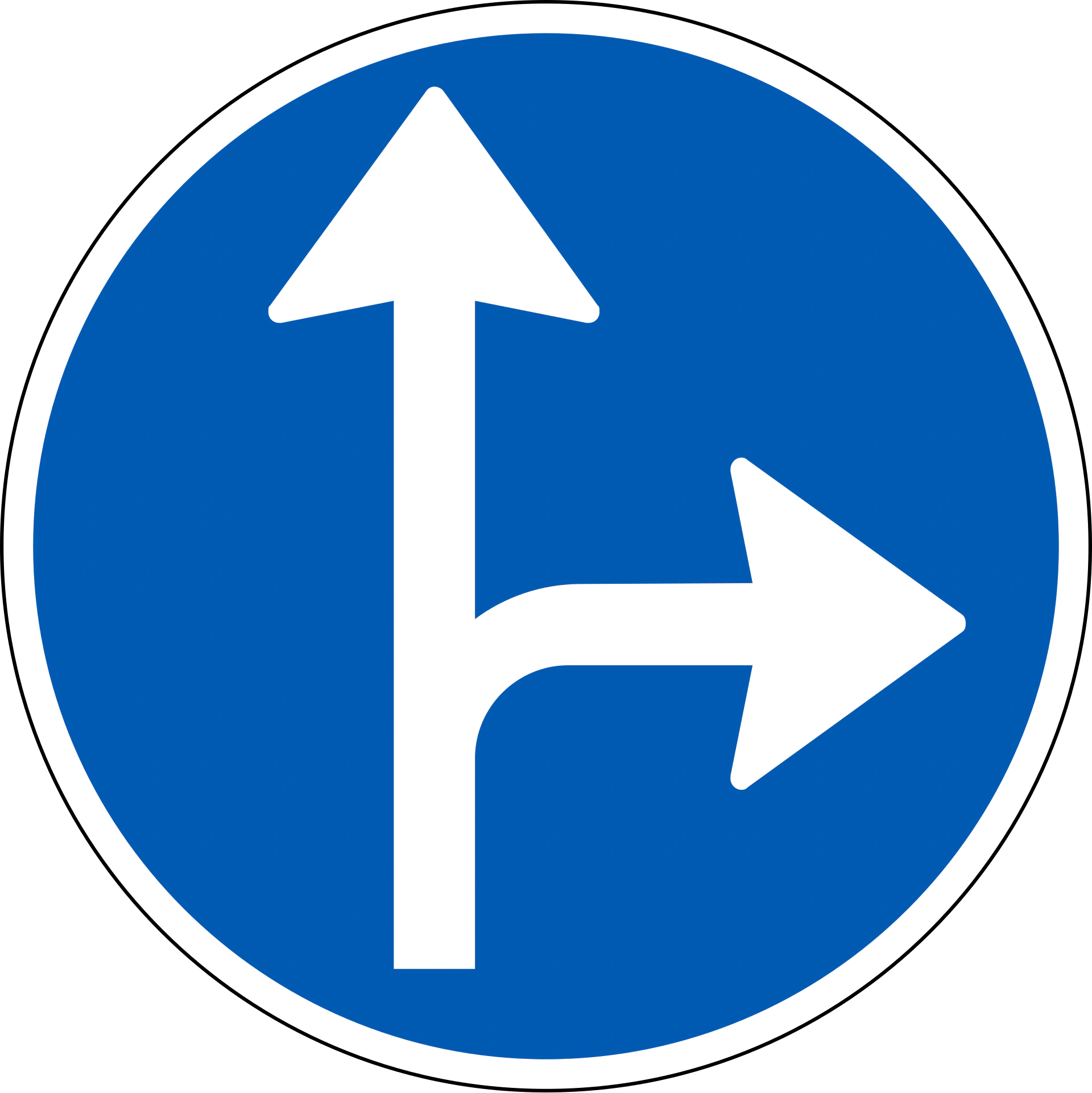
Follow the Mandatory Direction Indicated by Sign D11.7
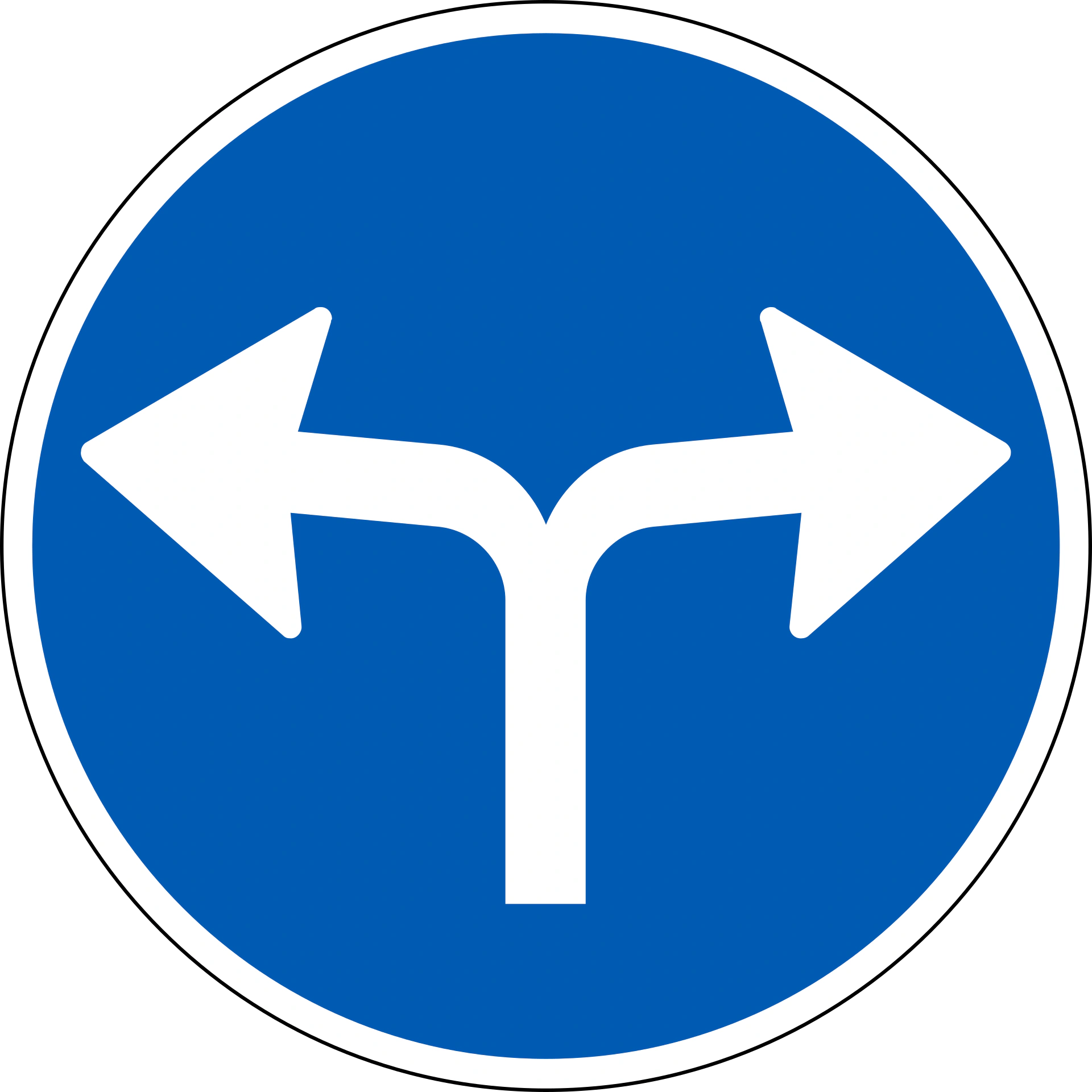
Follow the Mandatory Direction indicated by the D11.8 sign
Strengthen your theory test preparation by exploring how these specific road signs influence priority, speed limits, and traffic flow across Danish roads. Review our curated resources to ensure you understand the legal obligations associated with each sign.
Understanding road markings is a foundational requirement for any driver in Denmark. This article explains the core functions of various surface lines, including the legal significance of solid versus broken lines, the yield requirements of hajtænder, and the specific behavior expected at cyklistboks or box junctions. By learning these rules, you will be well-prepared to identify road regulations and demonstrate correct conduct during your practical and theory assessments.
Navigate Danish Roads: Avoid Fines and Foster Safety with Correct Stopping & Parking.
Master Motorcycle Riding Essentials for Your Danish Theory Exam
Learn the precise requirements for mobile phone usage while driving in Denmark, including why the law strictly prohibits handheld devices even when stationary in traffic. We break down the 'klippekortordning' penalty system and how a single violation can lead to points on your record, with heightened risks for those holding a probationary license. This guide ensures you understand your legal obligations to prevent distractions and pass your theory exam with confidence.
This Danish mandatory sign requires a specific action rather than merely giving information. It may prescribe direction, lane choice, path use, pass-side, minimum speed, or the route for a particular road user. Drivers should match the sign to the correct lane and road layout, then check markings, panels, and end signs to understand how long the instruction remains in force. Official catalogue code: UD21.2.
This Danish mandatory sign requires a specific action rather than merely giving information. It may prescribe direction, lane choice, path use, pass-side, minimum speed, or the route for a particular road user. Drivers should match the sign to the correct lane and road layout, then check markings, panels, and end signs to understand how long the instruction remains in force. Official catalogue code: D11.1.
After reviewing the full list of Danish road signs, test your understanding by attempting practice questions focused on sign recognition and meaning. Reinforce your learning and identify areas needing further study to confidently pass your driving theory exam.
View All Danish Road Signs List