
The UD1 sign, known as 'Subpanel which points to lane or path', is a mandatory Danish traffic sign that directs specific actions related to lane use, direction, minimum speed, or the path for certain road users. It is crucial to match this sign with the correct lane and understand its instructions, often reinforced by road markings and other panels, to ensure safe and lawful driving.
This mandatory sign, UD1, dictates specific lane or path usage in Denmark, crucial for safe navigation and theory test success. Familiarize yourself with its meaning to ensure compliance with traffic rules and correct lane selection during your driving licence revision.
This Danish mandatory sign requires a specific action rather than merely giving information. It may prescribe direction, lane choice, path use, pass-side, minimum speed, or the route for a particular road user. Drivers should match the sign to the correct lane and road layout, then check markings, panels, and end signs to understand how long the instruction remains in force. Official catalogue code: UD1.
The "Subpanel which points to lane or path" sign requires the direction, path, lane use, minimum speed, pass-side, or road-user route shown. Position early and follow the instruction smoothly. Catalogue code UD1.
Get clear, practical answers to the most common questions about the UD1 - Subpanel which points to lane or path road sign. Learn how the sign works, what rules it represents, and how it affects real driving situations. This FAQ strengthens your understanding and supports accurate decision making for the Danish driving theory exam in Denmark.
The UD1 sign indicates a mandatory instruction for a specific lane or path. This instruction could relate to the direction you must take, the lane you must use, the minimum speed you must maintain, the side you must pass, or the route for a particular road user. You must follow the instruction shown by the sign.
When you see a UD1 sign, you must prepare to follow its instruction. This means aligning yourself with the correct lane or path indicated and adhering to the specific requirement, whether it's a direction, speed, or passing side. Pay close attention to road markings and any additional panels that might provide further context or indicate the end of the instruction.
Yes, the UD1 sign prohibits you from choosing a different movement or lane than what is mandated. For example, if the sign indicates you must turn right, you are prohibited from going straight or turning left from that lane. You also must not assume the instruction has ended until you see a specific end sign or another traffic rule supersedes it.
A common exam trap is assuming the instruction ends immediately after the sign. The UD1 sign's instruction remains active until an end sign appears or a new rule applies. Another trap is ignoring the sign because you think you know the road; always follow the mandatory instruction, especially in test conditions, as lane management is critical.
Absolutely. The UD1 sign is often used in conjunction with road markings, arrows on the road surface, or other supplementary panels. These elements work together to clarify the exact nature of the mandatory instruction. Always check for these alongside the sign itself to fully understand your required action.
A clear reference image of the UD1 - Subpanel which points to lane or path road sign used in Denmark.
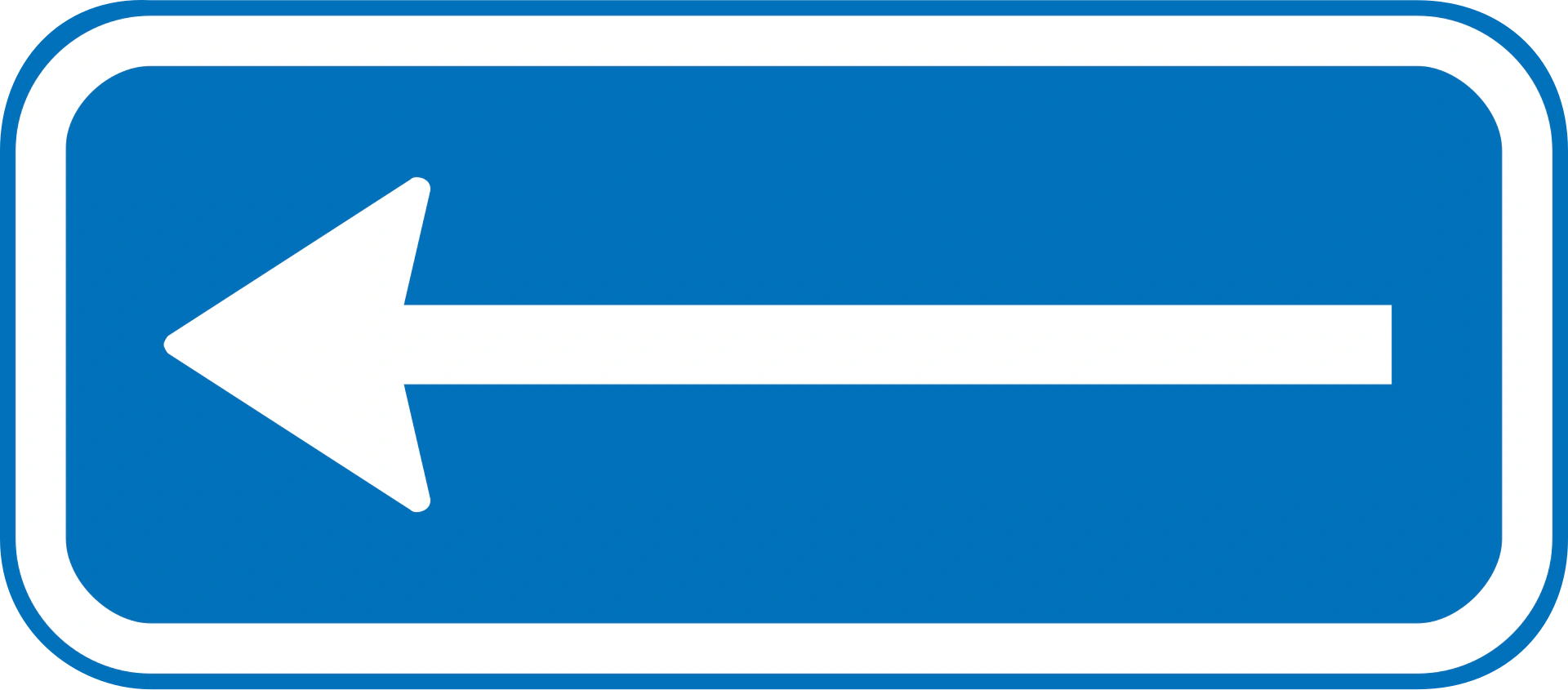
The UD1 - Subpanel which points to lane or path road sign may also be known by these alternative names or terms.
The UD1 - Subpanel which points to lane or path road sign is part of the Danish Mandatory Signs category, which groups together signs with similar rules and functions.
Reviewing related road signs side-by-side aids immediate recognition and helps prevent common errors during your theory test revision. Enhance your sign recognition and improve your traffic sign comparison skills for confident exam preparation.
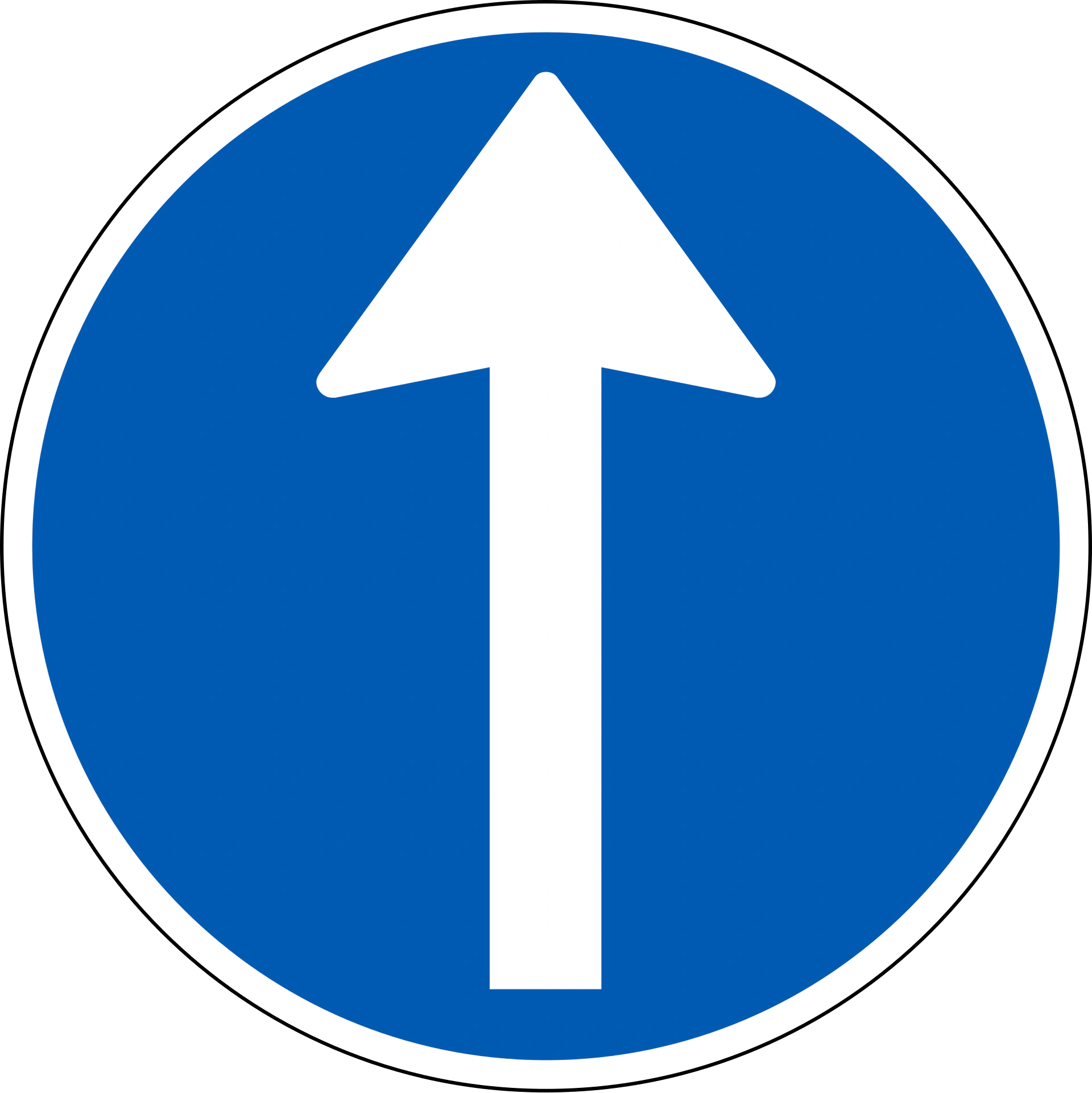
D11.1 Mandatory Direction: You Must Follow This Instruction
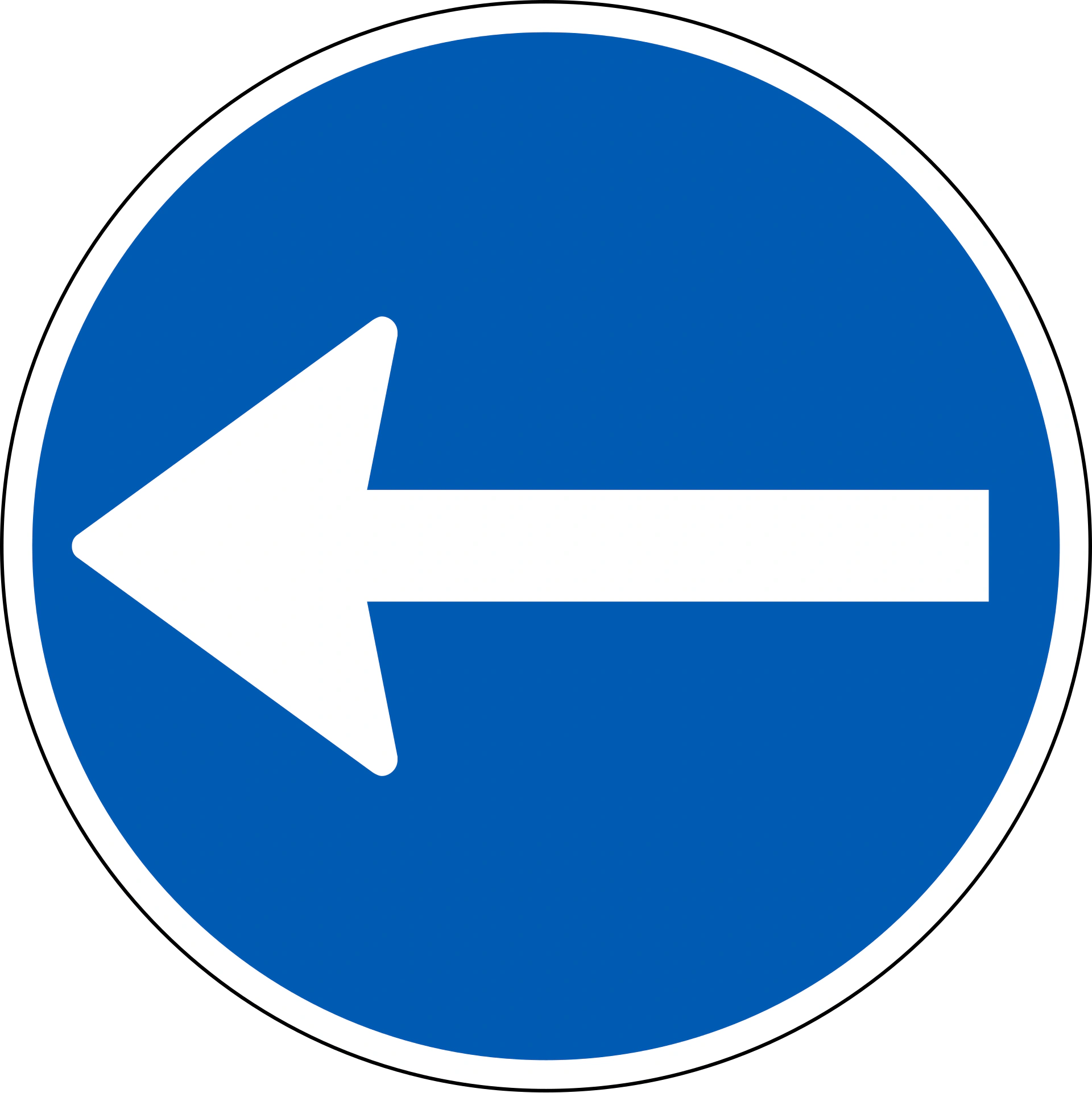
D11.2 Mandatory Direction: Follow the Required Path or Lane
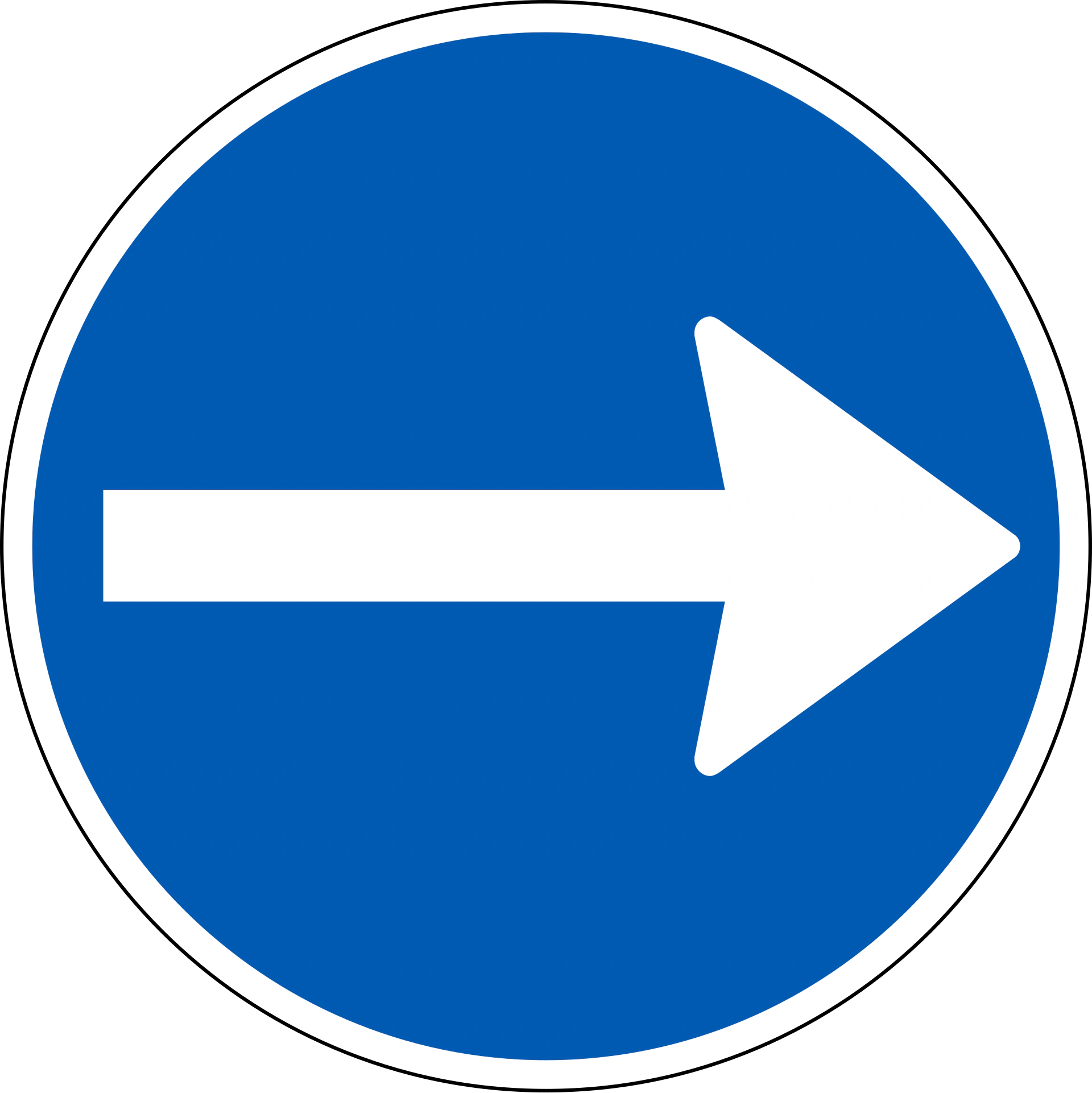
Mandatory Direction: Follow the Arrow or Lane Indicated
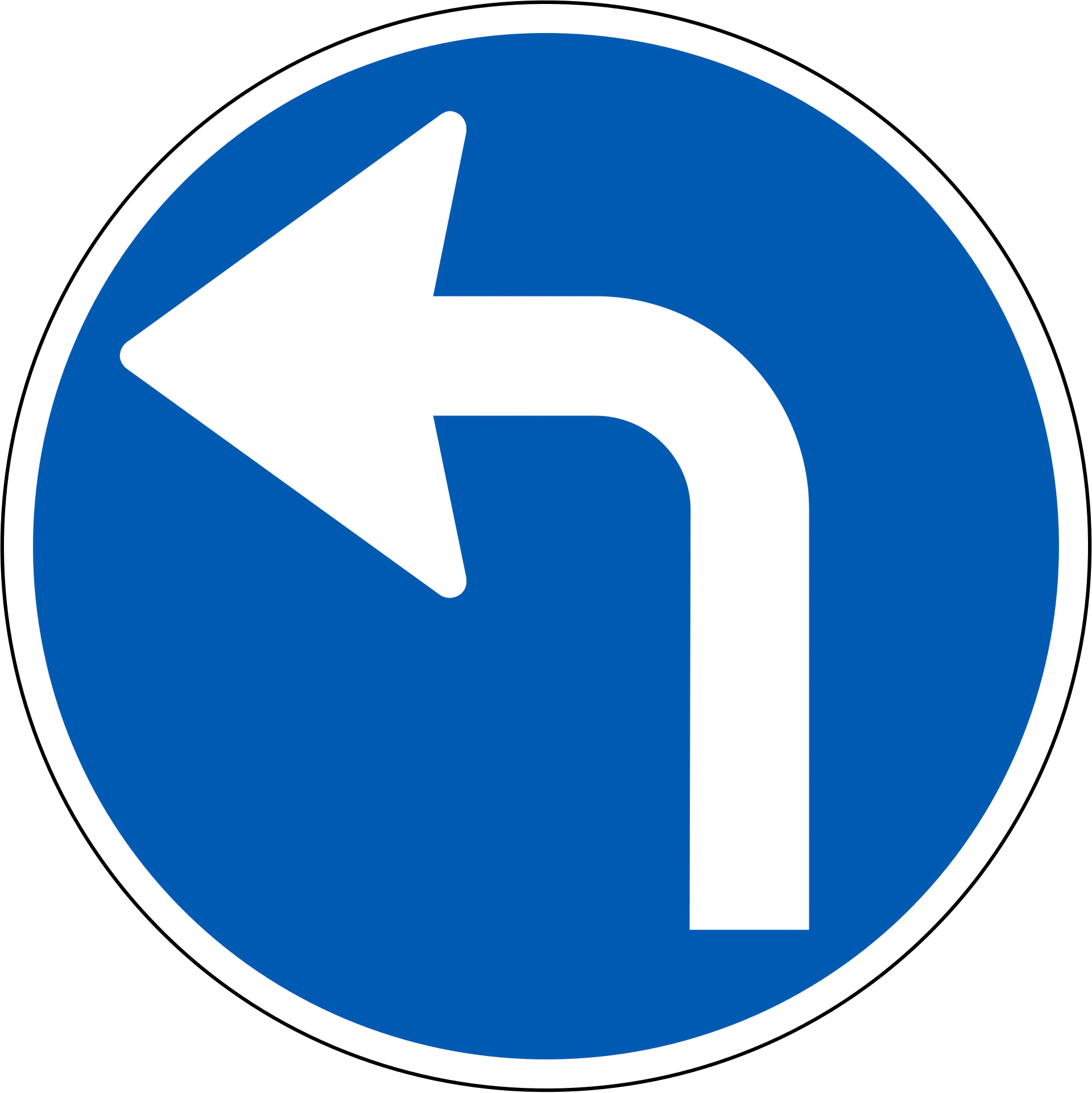
Mandatory Direction Signs: Follow the Path Set For You
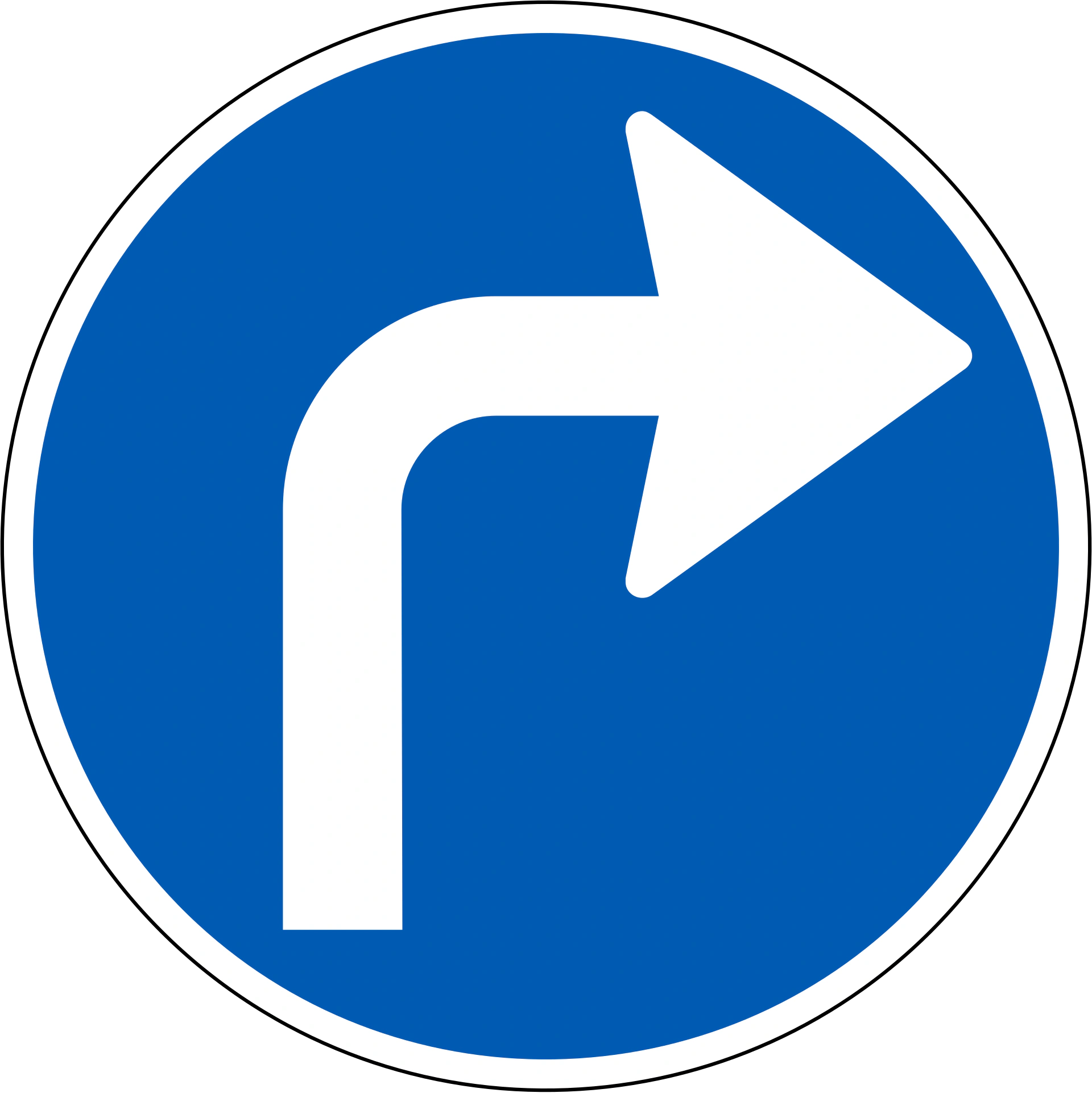
The D11.5 Mandatory Direction Sign: You Must Follow This Path
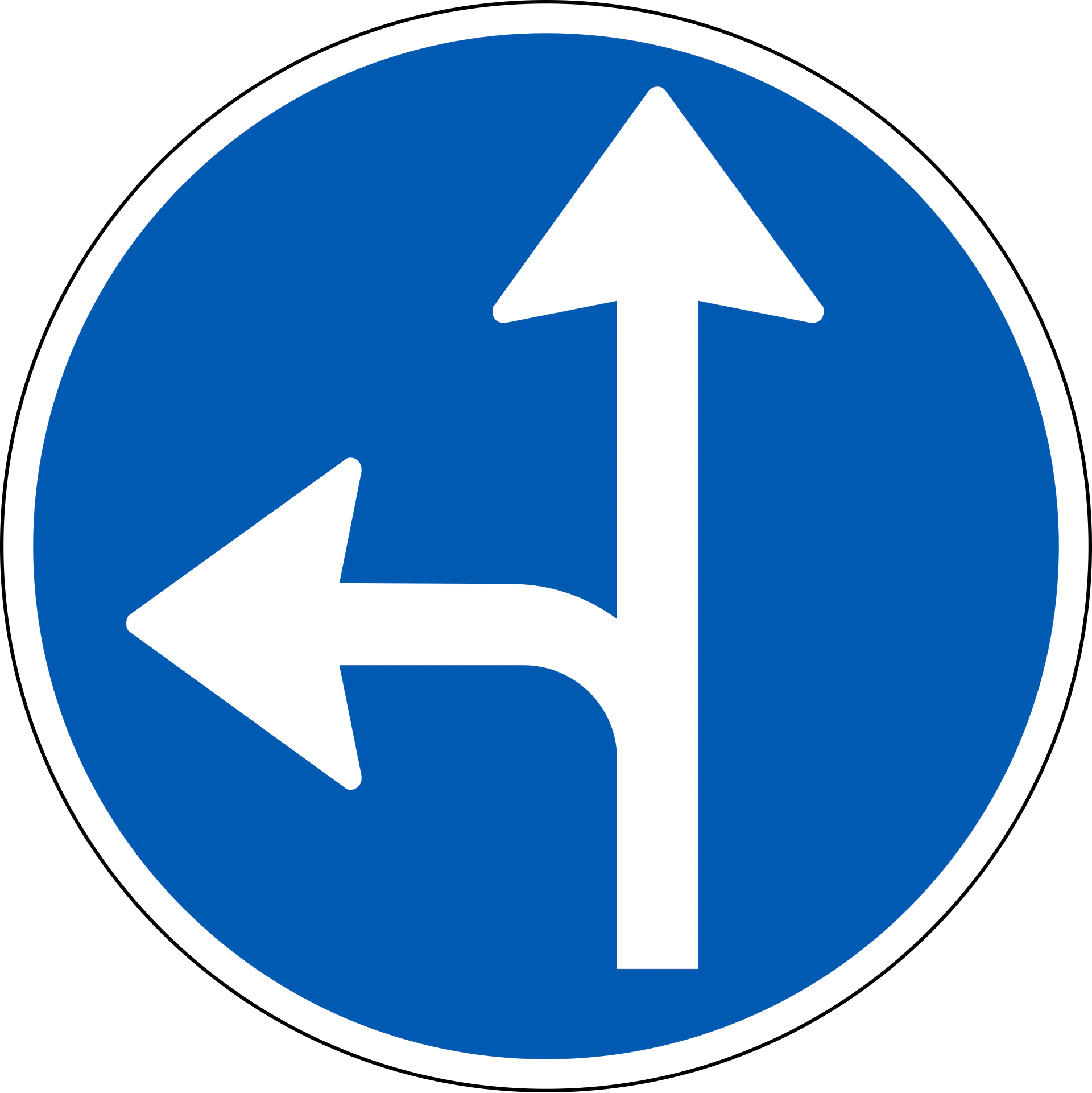
This D11.6 sign mandates a specific direction or path – follow it closely!
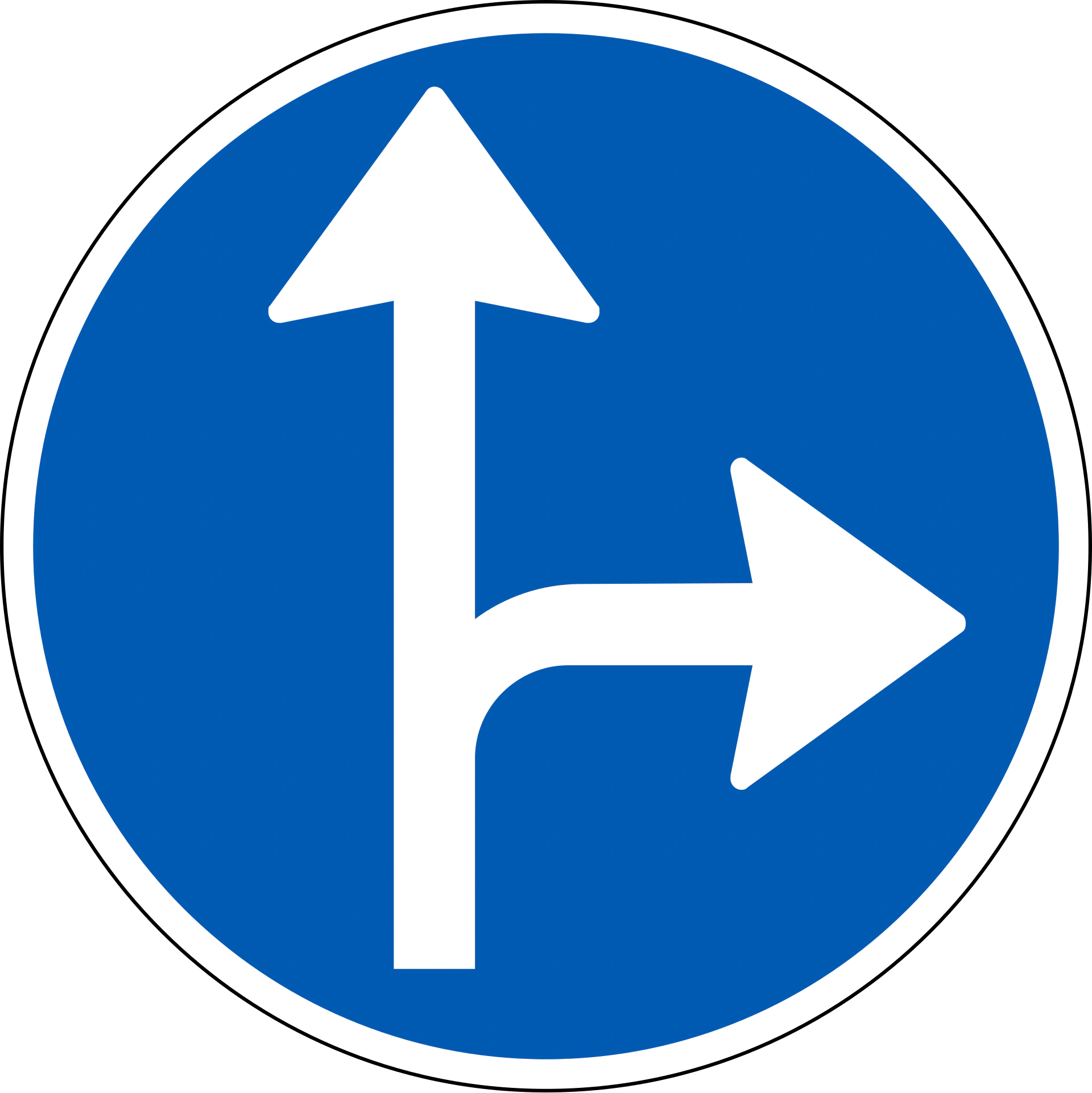
Follow the Mandatory Direction Indicated by Sign D11.7
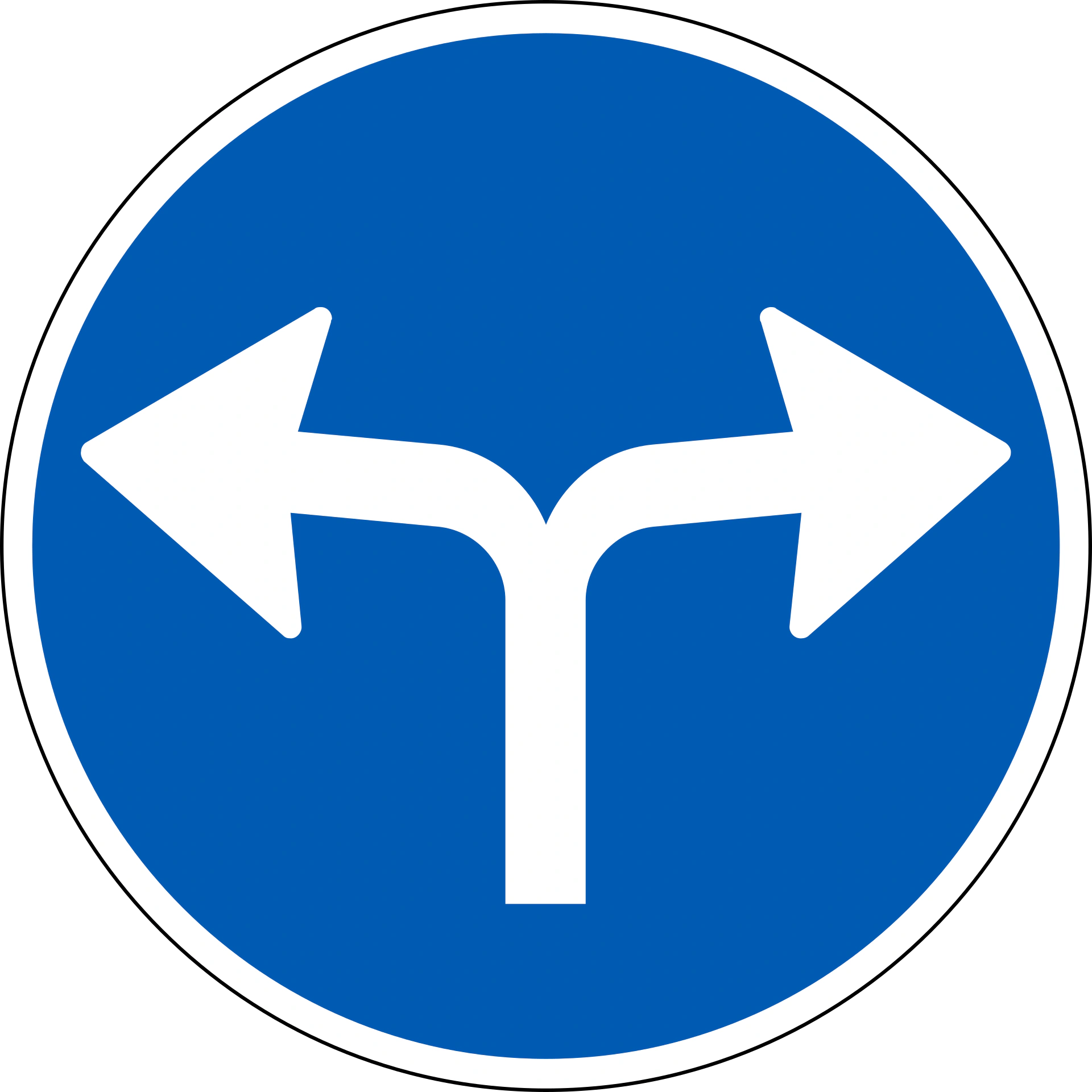
Follow the Mandatory Direction indicated by the D11.8 sign
Strengthen your theory test preparation by exploring how these specific road signs influence priority, speed limits, and traffic flow across Danish roads. Review our curated resources to ensure you understand the legal obligations associated with each sign.
Master the unique challenges and responsibilities of new drivers in Danish traffic.
Master the responsibilities of a driving companion for Danish 17-year-old drivers.
Since Denmark allowed 17-year-olds to drive unsupervised, there has been a notable increase in traffic offenses, particularly speeding and driving without the proper permits. This article delves into the reasons behind this trend, including lack of experience and new freedoms, and explains the critical safety and financial implications, such as higher insurance premiums, that young drivers must be aware of.
Understanding road markings is a foundational requirement for any driver in Denmark. This article explains the core functions of various surface lines, including the legal significance of solid versus broken lines, the yield requirements of hajtænder, and the specific behavior expected at cyklistboks or box junctions. By learning these rules, you will be well-prepared to identify road regulations and demonstrate correct conduct during your practical and theory assessments.
This Danish mandatory sign requires a specific action rather than merely giving information. It may prescribe direction, lane choice, path use, pass-side, minimum speed, or the route for a particular road user. Drivers should match the sign to the correct lane and road layout, then check markings, panels, and end signs to understand how long the instruction remains in force. Official catalogue code: D11.1.
This Danish mandatory sign requires a specific action rather than merely giving information. It may prescribe direction, lane choice, path use, pass-side, minimum speed, or the route for a particular road user. Drivers should match the sign to the correct lane and road layout, then check markings, panels, and end signs to understand how long the instruction remains in force. Official catalogue code: D11.2.
After reviewing the full list of Danish road signs, test your understanding by attempting practice questions focused on sign recognition and meaning. Reinforce your learning and identify areas needing further study to confidently pass your driving theory exam.
View All Danish Road Signs List