
This lesson covers the critical safety aspects of tyre maintenance and the specific seasonal regulations required for driving in Austria. You will learn the legal standards for winter equipment and how to ensure your vehicle remains safe and roadworthy in various climate conditions.
Lesson content overview
Tyres are the sole point of contact between your vehicle and the road, making their condition and suitability paramount for safe driving. In the Austrian Driving License B Theory Course, understanding tyre types, their maintenance, and adherence to seasonal requirements is not just about compliance with the law; it's fundamental to preventing accidents, ensuring optimal vehicle performance, and protecting yourself and other road users. This comprehensive guide will detail the critical aspects of tyre knowledge, from legal minimums to practical maintenance, ensuring you are well-prepared for Austria's diverse driving conditions.
The condition and type of your vehicle's tyres directly influence its handling, braking distance, fuel efficiency, and overall stability. A well-maintained tyre provides optimal grip, allowing for effective acceleration, precise steering, and shorter stopping distances, especially in adverse weather. Conversely, tyres that are worn, improperly inflated, or unsuitable for the prevailing conditions drastically compromise safety, increasing the risk of aquaplaning, skidding, and loss of control. Understanding the dynamics of tyre-road interaction is crucial for any driver.
Different tyre designs are specifically engineered to perform optimally under varying environmental conditions. The rubber compounds, tread patterns, and structural features of a tyre are tailored to provide maximum grip and safety in specific temperature ranges and weather scenarios.
Summer tyres are designed for optimal performance in warmer temperatures, typically above +7°C. Their rubber compound is harder, which provides excellent grip and responsiveness on dry asphalt. The tread patterns of summer tyres are generally shallower and feature fewer sipes (small, thin slits in the tread blocks) compared to winter tyres. This design enhances handling stability and braking efficiency on warm, dry, and wet roads by effectively displacing water without compromising the contact patch.
Using summer tyres outside their intended temperature range, particularly on snow or ice, severely compromises safety. The harder rubber becomes rigid in cold temperatures, significantly reducing grip and extending braking distances.
Winter tyres are specifically engineered for cold weather, snow, slush, and ice. Their defining characteristics include a softer rubber compound that remains flexible at temperatures below +7°C, ensuring better grip. They also feature a distinctive tread pattern with deeper grooves and numerous sipes. These sipes actively bite into snow and ice, providing crucial traction, while the deeper grooves effectively channel away slush and water, reducing the risk of aquaplaning.
In Austria, the use of winter tyres is not merely a recommendation; it is often a legal requirement during specific periods and under certain weather conditions. Failing to equip your vehicle with appropriate winter tyres during these times can lead to fines and, more importantly, a significant increase in accident risk.
All-season tyres, also known as all-weather tyres, aim to offer a compromise between summer and winter tyres. They are designed with features that allow them to perform reasonably well in a wider range of temperatures and conditions, from mild summer heat to light winter snow. While they might seem like a convenient option, it is important to understand their limitations, especially in Austria.
Many all-season tyres carry the M+S (Mud and Snow) marking, which in the past was often sufficient to meet winter tyre obligations. However, modern Austrian regulations increasingly emphasize the "three-peak mountain snowflake" (3PMSF) symbol for true winter performance. All-season tyres that only have the M+S marking may not offer sufficient grip in severe Austrian winter conditions and might not fulfill the legal requirements. For severe winter driving or frequent travel in alpine regions, dedicated winter tyres are always the safest and often the legally required choice.
Beyond selecting the correct tyre type for the season, maintaining tyres in excellent condition is non-negotiable for road safety and legal compliance in Austria. Several key parameters must be regularly checked and maintained.
The tread depth of a tyre is crucial for its ability to displace water, snow, and slush, thereby maintaining grip and preventing aquaplaning. Austrian law specifies different minimum tread depths for summer and winter tyres:
Regularly check your tyre tread depth. Driving with tyres below the legal minimum tread depth significantly increases the risk of aquaplaning on wet roads and dramatically reduces traction on snow or ice, potentially leading to fines and severe safety hazards.
How to Check Tread Depth: While professional tools offer the most accurate readings, you can perform a basic check using a 1-euro coin:
Correct tyre pressure is vital for road safety, vehicle handling, fuel efficiency, and tyre longevity. Tyres inflated to the manufacturer's recommended pressure ensure that the tyre's contact patch – the area of the tyre touching the road – is optimized for maximum grip and even wear.
Checking Tyre Pressure: Tyre pressure should always be checked when the tyres are "cold" – meaning before driving or after the vehicle has been stationary for at least three hours. Driving heats up the air inside the tyres, causing the pressure to rise, leading to inaccurate readings. The recommended cold tyre pressure for your vehicle can typically be found:
Locate the recommended cold tyre pressure for your vehicle.
Remove the valve cap from one tyre.
Press a tyre pressure gauge firmly onto the valve stem.
Read the pressure displayed on the gauge.
Add or release air until the correct pressure is reached.
Replace the valve cap.
Repeat for all four tyres, and don't forget the spare tyre if applicable.
Every tyre is manufactured with specific capabilities regarding the maximum load it can carry and the maximum speed at which it can safely operate. These capabilities are indicated by the tyre's load index and speed rating, respectively.
Load Index: This is a numerical code that corresponds to the maximum weight (in kilograms) a single tyre can support when properly inflated. For example, a load index of 91 typically means the tyre can carry 615 kg. It is critical that the tyres fitted to your vehicle meet or exceed the load index required by the vehicle manufacturer, especially when carrying heavy loads or towing. Overloading tyres can lead to excessive heat buildup, premature wear, and even sudden tyre failure.
Speed Rating: This is an alphabetical code that indicates the maximum safe speed for a tyre under optimal conditions. For example, an "H" rating means the tyre is safe up to 210 km/h, while a "V" rating goes up to 240 km/h. Tyres must have a speed rating equal to or higher than your vehicle's maximum design speed. If you fit winter tyres with a lower speed rating than your vehicle's maximum speed, a sticker indicating the lower speed limit must be displayed prominently within the driver's field of vision. This is a common allowance for winter tyres, as they are not typically used for high-speed driving.
Tyre rubber, like any material, degrades over time due to exposure to UV light, temperature fluctuations, and chemical processes. Even if a tyre has ample tread depth and appears visually sound, its structural integrity and performance characteristics can diminish significantly with age.
Manufacturers and safety organizations generally recommend replacing tyres that are six years old or older, regardless of their apparent condition or tread depth. For spare tyres, this recommendation is often stricter, at around ten years, due to less frequent inspection.
The manufacturing date of a tyre is encoded in its DOT code (Department of Transportation code) found on the sidewall. The last four digits of this code indicate the week and year of manufacture (e.g., "1223" means the tyre was manufactured in the 12th week of 2023). Regularly checking the DOT code is an important part of comprehensive tyre maintenance.
Austria has specific laws regarding the use of winter tyres, known as the "Winterreifenpflicht" (§ 31 Abs 2 StVO). These regulations are designed to enhance road safety during the challenging winter months.
The general mandatory period for winter tyres in Austria is from 1 November to 15 April. During this time, private cars (Pkw) and light commercial vehicles (Lkw up to 3.5 tonnes total weight) must be equipped with winter tyres if winter road conditions prevail.
Winter road conditions include roads covered with snow, slush (Gatsch), or ice (Eis). If any of these conditions are present on the road, winter tyres are mandatory during the specified period.
This means that even within the mandatory period, if the roads are completely dry and free of snow or ice, you are technically not obliged to use winter tyres. However, given the unpredictable nature of winter weather in Austria, especially in mountainous regions, it is highly recommended to switch to winter tyres by 1 November regardless of the immediate weather forecast. Relying on summer tyres, even in seemingly mild winter conditions, significantly increases accident risk.
Consider fitting winter tyres as soon as temperatures consistently drop below +7°C, even if it's before November 1st. Winter tyres offer superior grip in cold, wet conditions even without snow or ice.
While the rule is clear, there are a few nuances:
Regular tyre checks are simple, quick, and can prevent serious accidents while saving you money on fuel and premature tyre replacement. Make it a habit to inspect your tyres monthly and before any long journey.
As discussed, use a tread depth gauge or the 1-euro coin trick. Check across the entire width of the tyre and in multiple places around its circumference. Look for uneven wear, which could indicate issues with tyre pressure, wheel alignment, or suspension.
Always check pressure when tyres are cold using a reliable gauge. Compare the reading to your vehicle's recommended cold pressure. Remember that tyre pressure should also be adjusted when carrying heavier loads than usual, as recommended in your vehicle manual.
Beyond tread depth and pressure, visually inspect your tyres for any signs of damage:
Address any signs of damage or unusual wear promptly by consulting a professional tyre specialist.
Failing to adhere to Austrian tyre regulations and maintain your tyres in good condition carries significant risks and legal consequences:
Understanding the basic physics behind tyre performance reinforces the importance of proper tyre maintenance.
By understanding these principles, you can appreciate why meticulous attention to your tyres is not just a regulatory burden, but a fundamental pillar of responsible and safe driving within the Austrian road network.
This lesson covers Austrian tyre regulations essential for safe driving and theory test success. It distinguishes summer tyres (optimal above +7°C, 1.6mm minimum tread) from winter tyres (soft rubber for cold, 4mm minimum tread) and explains the seasonal obligation period of November 1 to April 15. Proper tyre pressure when cold ensures optimal contact patch, fuel efficiency, and safety, while the DOT code helps identify tyres needing replacement at six years old. Understanding the 3PMSF symbol requirement and the definition of winter road conditions helps learners avoid fines and stay safe on Austrian roads.
A short set of high-value points that capture the most important learning from this lesson.
Tyres are the only contact point between vehicle and road, making their condition critical for safety and control.
Summer tyres must have at least 1.6mm tread depth; winter tyres require a minimum of 4mm during the mandatory period.
Austrian law requires winter tyres (or chains on two driving wheels) from 1 November to 15 April when winter road conditions prevail.
Tyre pressure should only be checked when tyres are cold—before driving or after at least three hours stationary.
The 3PMSF (three-peak mountain snowflake) symbol is increasingly required in Austria; M+S marking alone may not meet legal winter tyre standards.
Explore all units and lessons included in this driving theory course.
Winter road conditions means snow, slush (Gatsch), or ice on the road—not just cold temperatures.
Check tyre age using the DOT code's last four digits (e.g., 1223 = week 12, 2023); replace tyres six years old or older regardless of tread.
Underinflation causes outer-edge wear and overheating; overinflation causes centre wear and reduced grip.
All-season tyres are a compromise—dedicated winter tyres are safest and most legally reliable for severe Austrian alpine conditions.
Always carry snow chains if using them as an alternative, and only use them on roads continuously covered with snow or ice.
Assuming winter tyres are only needed when roads are visibly snowy, rather than during the full Nov 1–Apr 15 period under winter conditions.
Relying on M+S-marked all-season tyres without checking for the 3PMSF symbol, which may not satisfy Austrian legal requirements.
Checking tyre pressure after driving, when tyres are warm, leading to overinflation and incorrect adjustments.
Overlooking tyre age; visually inspecting tread depth but ignoring that rubber degrades with time even if tread appears adequate.
Assuming chains are a permanent substitute for winter tyres rather than an emergency measure for specific snow-covered roads.
Lesson content overview
A short set of high-value points that capture the most important learning from this lesson.
Tyres are the only contact point between vehicle and road, making their condition critical for safety and control.
Summer tyres must have at least 1.6mm tread depth; winter tyres require a minimum of 4mm during the mandatory period.
Austrian law requires winter tyres (or chains on two driving wheels) from 1 November to 15 April when winter road conditions prevail.
Tyre pressure should only be checked when tyres are cold—before driving or after at least three hours stationary.
The 3PMSF (three-peak mountain snowflake) symbol is increasingly required in Austria; M+S marking alone may not meet legal winter tyre standards.
Explore all units and lessons included in this driving theory course.
Winter road conditions means snow, slush (Gatsch), or ice on the road—not just cold temperatures.
Check tyre age using the DOT code's last four digits (e.g., 1223 = week 12, 2023); replace tyres six years old or older regardless of tread.
Underinflation causes outer-edge wear and overheating; overinflation causes centre wear and reduced grip.
All-season tyres are a compromise—dedicated winter tyres are safest and most legally reliable for severe Austrian alpine conditions.
Always carry snow chains if using them as an alternative, and only use them on roads continuously covered with snow or ice.
Assuming winter tyres are only needed when roads are visibly snowy, rather than during the full Nov 1–Apr 15 period under winter conditions.
Relying on M+S-marked all-season tyres without checking for the 3PMSF symbol, which may not satisfy Austrian legal requirements.
Checking tyre pressure after driving, when tyres are warm, leading to overinflation and incorrect adjustments.
Overlooking tyre age; visually inspecting tread depth but ignoring that rubber degrades with time even if tread appears adequate.
Assuming chains are a permanent substitute for winter tyres rather than an emergency measure for specific snow-covered roads.
Explore search topics learners often look for when studying Tyre Types, Condition, and Seasonal Requirements. These topics reflect common questions about road rules, driving situations, safety guidance, and lesson level theory preparation for learners in Austria.
Browse additional driving theory lessons that cover connected traffic rules, road signs, and common driving situations related to this topic. Improve your understanding of how different rules interact across everyday traffic scenarios.
Understand mandatory winter tyre periods, legal minimum tread depths, and correct tyre pressure in Austria. Learn how tyre condition impacts safety and compliance with driving theory regulations.
This lesson provides detailed information on heavy vehicle tyres, covering topics such as correct inflation pressures, legal tread depth requirements, and understanding the load index. It explains how to identify signs of abnormal wear or damage that could compromise safety. Proper tyre maintenance is crucial for optimal handling, braking, and overall vehicle safety.
This lesson focuses specifically on motorcycle tyre maintenance, a critical safety component. It explains how to accurately measure tyre pressure, inspect for adequate tread depth, and identify uneven wear patterns that may indicate other issues. Understanding how tyre condition affects grip, handling, and braking performance is essential for every rider to maintain control.

This lesson provides practical information on the use of winter equipment for AM vehicles. It explains the legal requirements for winter tires and snow chains in Austria under specific conditions. The content includes guidance on how to correctly install and remove snow chains to ensure they are effective and safe.

This lesson focuses on adapting driving techniques for hazardous weather conditions. It details the legal requirements for winter tires and the proper use of snow chains in Austria. Additionally, it covers safe driving practices in low visibility conditions like fog, such as reducing speed and using appropriate lights.

This lesson provides guidance on tailoring riding practices to the season. For colder months, it emphasizes the importance of layered clothing and awareness of icy patches, especially in shaded areas. For spring, it highlights hazards like leftover road salt and gravel from winter maintenance, as well as slippery wet leaves, requiring heightened caution.
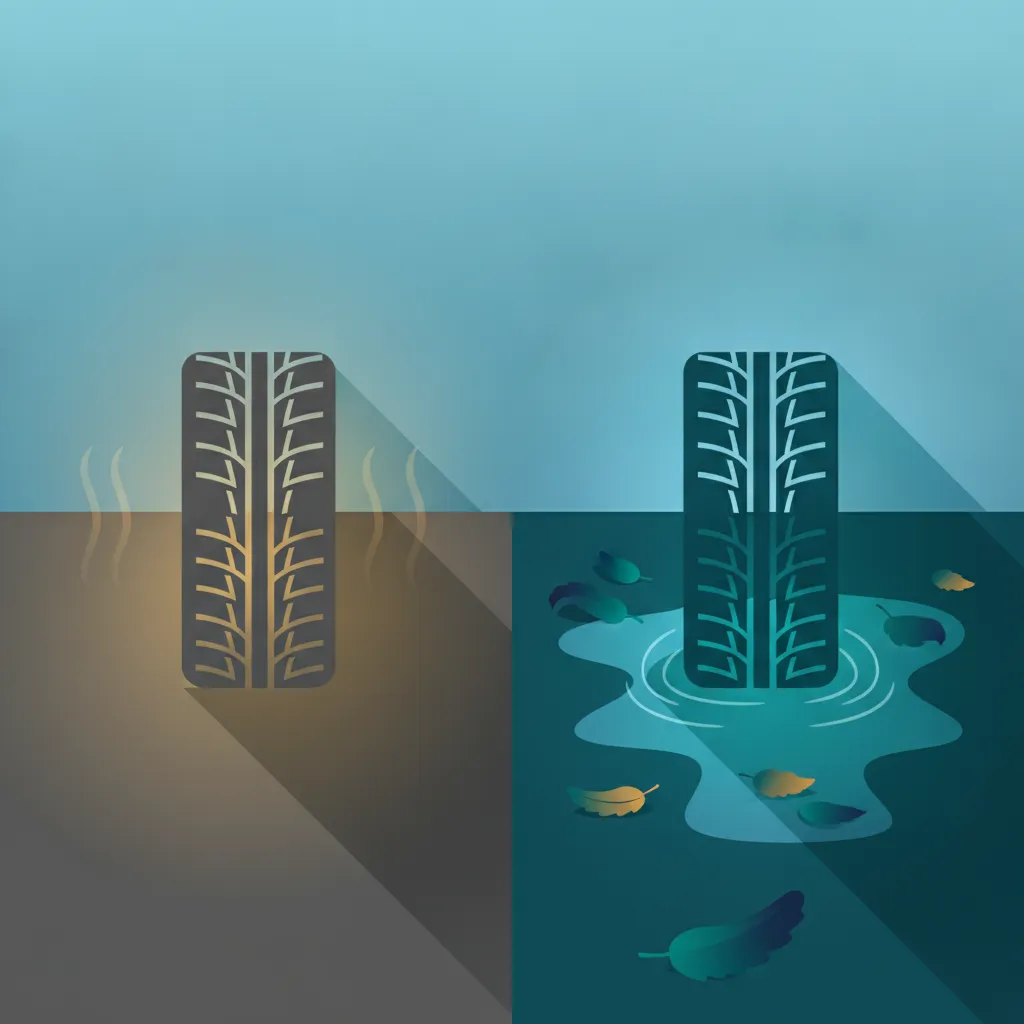
This lesson explores the critical relationship between tire grip and different road surfaces. It provides strategies for identifying and navigating hazards such as wet leaves, gravel, and potential black ice. The importance of maintaining correct tire pressure and monitoring tread wear for optimal traction is also emphasized.
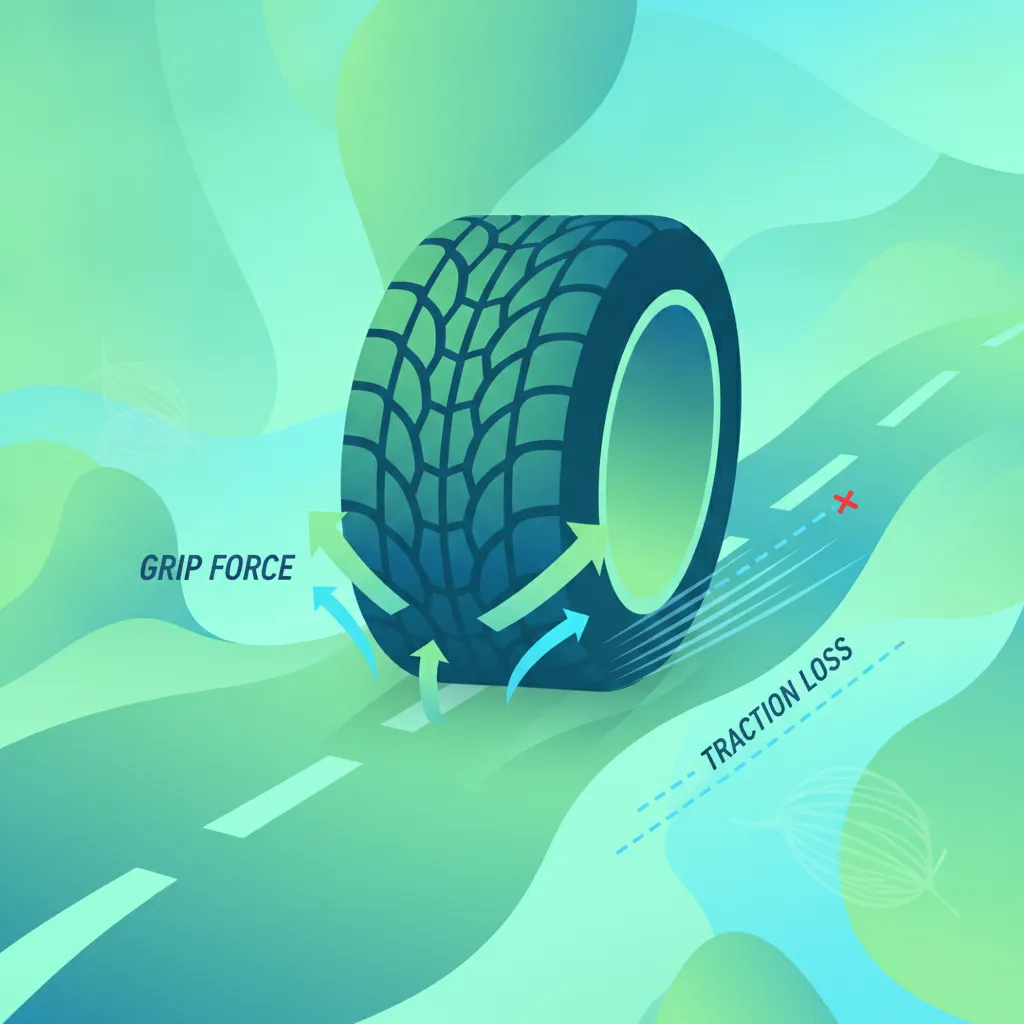
This lesson delves into the science of tyre traction, explaining how the small contact patch is critical for control. It examines how factors like tyre pressure, temperature, and road surface conditions (wet, dry, gravel) affect the available grip. Understanding the limits of traction is essential for knowing how hard a rider can safely brake or corner in any given situation.

This lesson equips drivers with the knowledge to handle a range of adverse weather conditions safely. It explains the risks of hydroplaning in heavy rain, reduced visibility in fog, and loss of traction on snow and ice, including the hidden danger of black ice. The content provides practical strategies for speed adaptation, correct use of lighting, and maintaining vehicle control, as well as specific considerations for night driving.

This lesson examines how adverse weather directly affects motorcycle safety. It explains how water on the road reduces tyre grip, increasing braking distances and the risk of aquaplaning. Strategies for riding in fog, dealing with reduced visibility from road spray, and identifying potential ice patches are covered to help riders manage weather-related risks.

Winter driving in Austria presents a serious challenge that requires specific equipment and skills. This lesson covers how to drive on snow and ice, emphasizing smooth, gentle control inputs to maintain traction. It provides a practical overview of when and how to correctly fit snow chains ('Schneeketten') to the drive wheels, a legal requirement on many alpine roads.
Explore tyre load index, speed ratings, and the crucial role of the DOT code for tyre age in Austria. Understand limitations of all-season tyres and how tyre condition affects driving physics.
This lesson provides detailed information on heavy vehicle tyres, covering topics such as correct inflation pressures, legal tread depth requirements, and understanding the load index. It explains how to identify signs of abnormal wear or damage that could compromise safety. Proper tyre maintenance is crucial for optimal handling, braking, and overall vehicle safety.
This lesson focuses specifically on motorcycle tyre maintenance, a critical safety component. It explains how to accurately measure tyre pressure, inspect for adequate tread depth, and identify uneven wear patterns that may indicate other issues. Understanding how tyre condition affects grip, handling, and braking performance is essential for every rider to maintain control.
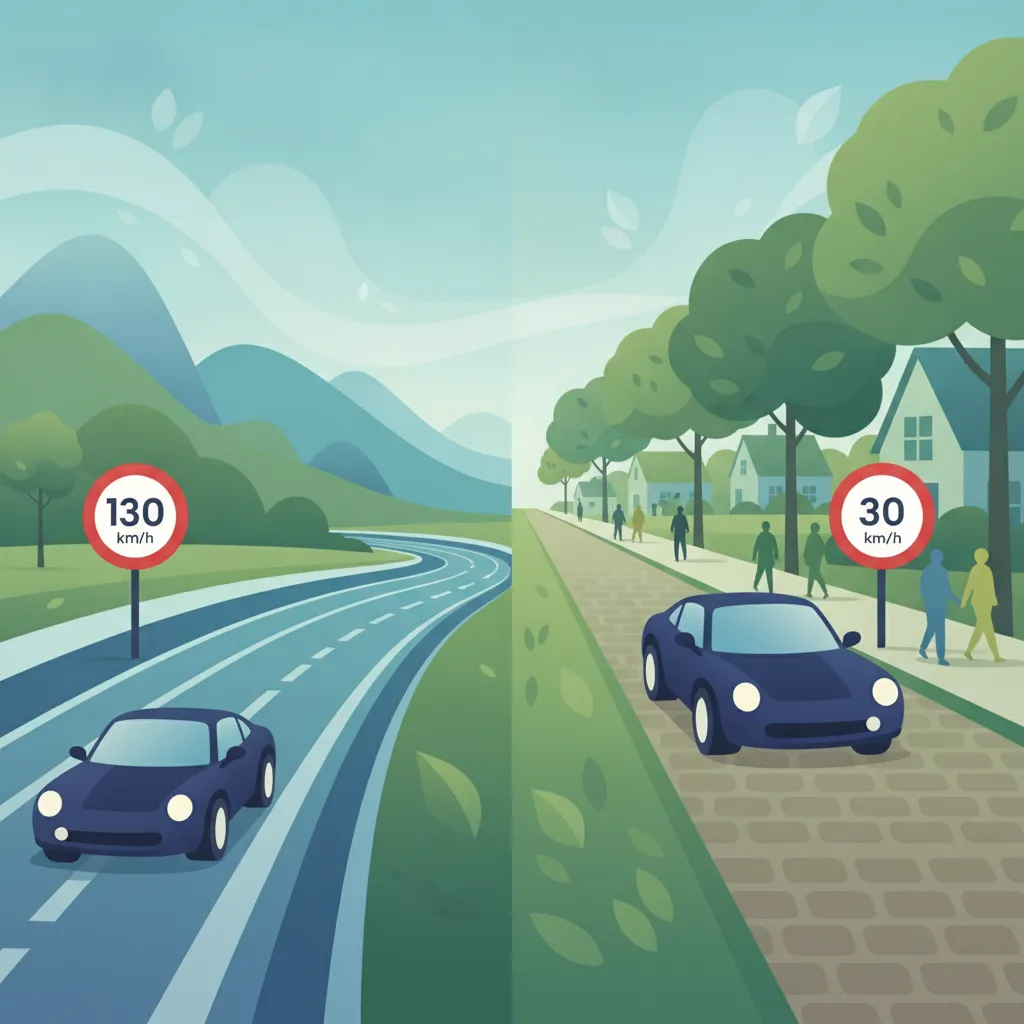
This lesson details the legally prescribed speed limits across Austria's road network, including the specific limits for urban areas (Ortsgebiet), rural roads (Landstraßen), motorways (Autobahnen), and expressways (Schnellstraßen). Learners will understand how to interpret speed limit signs, including those with supplementary conditions. Adherence to these legal requirements is a fundamental aspect of road safety and compliance with the Austrian road traffic act (StVO).
Find clear answers to common questions learners have about Tyre Types, Condition, and Seasonal Requirements. Learn how the lesson is structured, which driving theory objectives it supports, and how it fits into the overall learning path of units and curriculum progression in Austria. These explanations help you understand key concepts, lesson flow, and exam focused study goals.
In Austria, winter tyres are mandatory for Category B vehicles from November 1st to April 15th if there are winter road conditions such as snow, slush, or ice. Even outside these dates, you must use them if required by road signs.
For summer tyres, the legally required minimum tread depth in Austria is 1.6 mm. However, it is highly recommended to replace them when they reach 3 mm to ensure safety, especially in wet conditions.
Yes, theory questions often cover the relationship between pressure, fuel consumption, and safety. Correct pressure ensures optimal grip and shorter braking distances, while incorrect pressure increases wear and reduces vehicle stability.
All-season tyres are accepted only if they have the appropriate winter markings, such as the 'Alpine symbol' (snowflake) or 'M+S' designation, and meet the required tread depth. They must perform adequately under winter conditions to be legal.
Refine your study plan by searching for specific Austrian driving theory practice sets. Pinpoint questions related to particular road rules, signs, or challenge levels, and begin practicing immediately to reinforce your knowledge and excel in your official exam with confidence. Get started with focused revision today.