
This lesson explores the vital connection between your moped's tires and the road surface, ensuring you can identify hazards before they become dangerous. As part of our focus on safe riding in Unit 4, you will learn how to maintain your vehicle and adjust your riding to match changing Austrian road conditions.
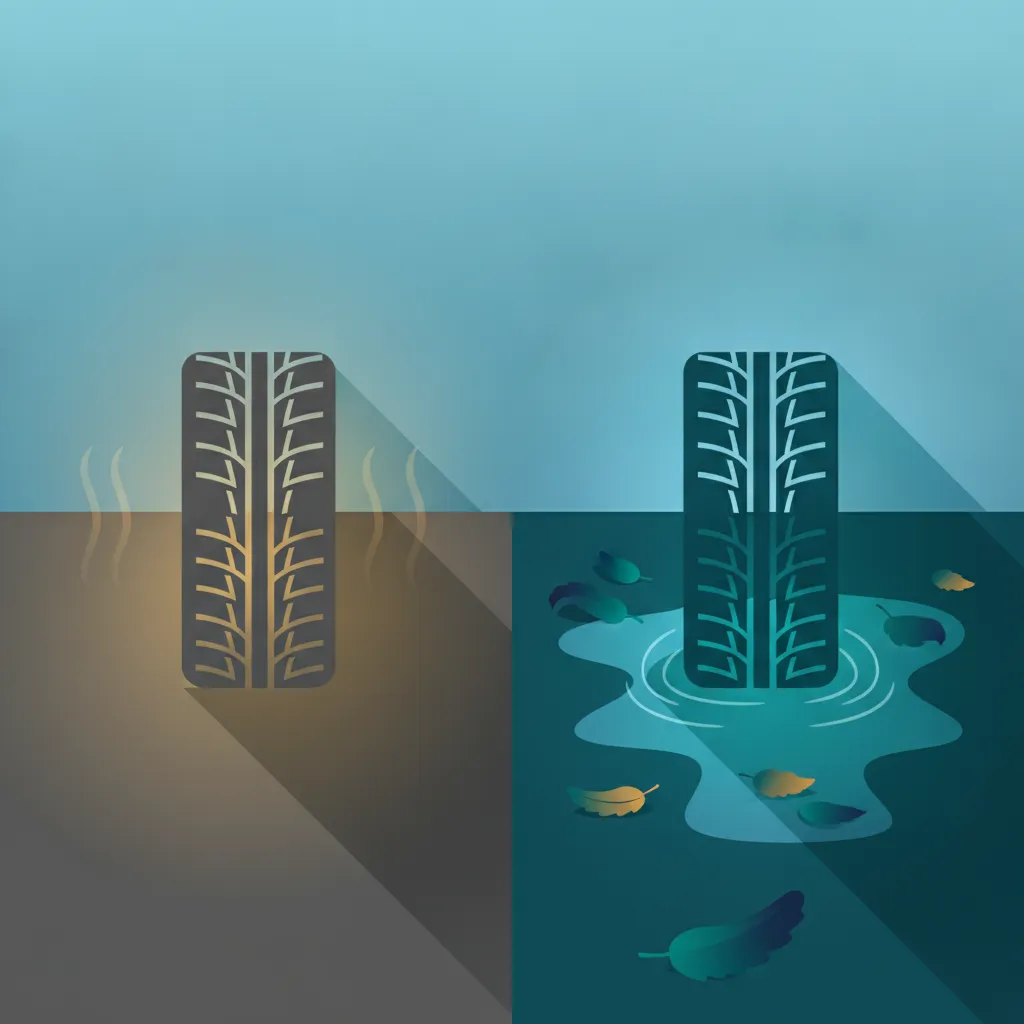
Lesson content overview
Safe riding on mopeds, small scooters, and light quadricycles in Austria requires a profound understanding of how your vehicle interacts with the road. The most critical point of contact is between your tires and the road surface, determining your ability to accelerate, brake, and corner safely. This lesson, part of your Austrian AM Driving Theory course, delves into the essential relationship between tire grip, various road conditions, and the selection and maintenance of your tires. By mastering these principles, you can significantly enhance your safety and control, preparing you for diverse riding scenarios.
At its core, grip is the usable friction between your tires and the road surface. This friction is the force that allows your vehicle to move forward, slow down, and change direction without slipping. Without friction, your tires would simply slide, rendering your vehicle uncontrollable.
The resistive force between two surfaces in contact that prevents or opposes relative motion. For tires, it's the force that allows traction.
The amount of grip available depends on several factors, primarily the coefficient of friction (μ) between the tire rubber and the road surface, and the normal force (N), which is the weight pushing the tire onto the road. The greater the coefficient of friction and the greater the normal force, the more grip is potentially available.
There are two main types of friction relevant to riding:
For safe riding, the goal is always to stay within the limits of static friction. Exceeding these limits—whether through too much acceleration, braking, or leaning in a corner—will cause your tires to slip, leading to a loss of control. For instance, on dry asphalt, the coefficient of static friction might be around 0.8 to 1.0, offering excellent grip. However, on wet leaves, this can plummet to below 0.3, drastically reducing the available grip and requiring a much more cautious approach.
The condition of the road surface is arguably the most significant external factor influencing grip. Different surfaces offer vastly different levels of friction, demanding constant vigilance and adaptation from the rider.
Dry asphalt or concrete generally provides the highest coefficient of friction, offering the best grip for your tires. Under these ideal conditions, your AM vehicle can brake, accelerate, and corner most effectively, assuming your tires are in good condition and correctly inflated. However, even on dry roads, unexpected hazards like loose sand or small stones can suddenly reduce grip.
When roads are wet due to rain, the coefficient of friction significantly decreases. A film of water forms between the tire and the road, reducing direct rubber-to-surface contact. This demands reduced speed, smoother inputs for braking and steering, and increased following distances.
A dangerous condition where a layer of water builds up between the tires and the road surface, causing the vehicle to lose traction and effectively "float" on the water.
Hydroplaning is a particular risk on wet roads. It occurs when your tires cannot channel water away fast enough through their tread grooves, leading to a loss of contact with the road. The risk increases with speed, shallow tread depth, and the volume of water on the road. A tire with insufficient tread depth, for example, can begin to hydroplane at speeds as low as 30 km/h in standing water.
One of the most dangerous surface conditions, often overlooked, is an oily patch. These are common near intersections, traffic lights, and bus stops where vehicles frequently stop, accelerating, or idle, dripping fuel, oil, or coolant. Oil dramatically reduces the coefficient of friction, sometimes to as low as 0.2, making these areas incredibly slippery. They are difficult to spot, especially on wet roads, and can cause immediate loss of traction if not approached with extreme caution and reduced speed. Always be extra wary of dark, shimmering patches on the road, particularly in areas of heavy vehicle traffic.
Riding over loose surfaces like gravel, sand, or dirt drastically reduces tire grip. The loose material acts like tiny ball bearings, preventing the tire from getting firm contact with the underlying solid surface. This can cause the wheels to slide or spin easily, especially during braking, acceleration, or turning.
When encountering gravel or other loose surfaces, always reduce your speed significantly and avoid sudden braking, acceleration, or steering inputs. Apply brakes very gently, mainly the rear brake if necessary.
Autumn brings beautiful foliage but also a significant hazard for AM riders: fallen leaves. While dry leaves can be somewhat slippery, wet leaves become extremely hazardous. They create a slick, often oily, surface that dramatically reduces friction, similar to black ice or oil. Piles of leaves can also conceal potholes or other road damage. Always reduce speed and be extra cautious when riding over leaf-covered roads, particularly after rain.
Snow and ice, including the notoriously difficult-to-spot black ice, represent the lowest coefficient of friction conditions. Even a thin layer of ice can reduce grip to near zero, making it almost impossible to brake, steer, or maintain balance. Black ice is particularly dangerous because it's transparent, often forming on shaded parts of the road, bridges, or overpasses, and is nearly invisible until you're already on it.
A thin, transparent layer of ice that forms on road surfaces, making it extremely slippery and often difficult for riders to see until they are already on it.
In Austria, during winter conditions (snow, ice, frost, slush), specific regulations apply to tire choice for AM vehicles, which we will discuss further below. Riding on snow or ice with summer tires is exceptionally dangerous and often illegal.
The type of tire you choose is a critical factor in determining your vehicle's grip and overall safety, especially in varying weather conditions. Tires are engineered with specific rubber compounds and tread patterns to perform optimally under different circumstances.
Summer tires are designed for warm temperatures (typically above 7°C) and dry or wet (non-freezing) road conditions. They use a softer rubber compound that provides excellent grip and handling in warmer weather. Their tread patterns are optimized for water displacement on wet roads but are not designed for snow, ice, or very cold temperatures, where their rubber can harden and lose flexibility, drastically reducing grip.
Winter tires are specifically engineered for cold weather, snow, and ice. They feature a unique rubber compound that remains flexible at low temperatures (below 7°C) and a distinct tread pattern with deeper grooves and numerous small slits (sipes). These features allow them to grip more effectively on snow and ice, channel slush away, and maintain traction when temperatures drop.
In Austria, winter tires are often mandatory for AM vehicles when winter road conditions (snow, slush, ice) prevail. Fitting them before the first frost is a smart and legally compliant choice.
All-season tires offer a compromise between summer and winter performance. They are designed to provide acceptable grip across a wider range of temperatures and conditions, suitable for moderate climates that don't experience extreme winters or scorching summers. However, they typically do not perform as well as dedicated summer tires in hot, dry conditions, nor do they match the grip of dedicated winter tires on heavy snow or ice. They are a "jack of all trades, master of none" solution.
The tread depth refers to the depth of the grooves on your tire. These grooves are essential for channeling water away from the contact patch, thereby preventing hydroplaning on wet surfaces.
The vertical distance from the top of the tire tread to the bottom of its deepest grooves, critical for water displacement and grip on wet roads.
As tires wear, their tread depth decreases, reducing their ability to displace water. This significantly increases the risk of hydroplaning and reduces overall grip on wet roads. There is a legal minimum tread depth that must be maintained for safety and compliance.
The rubber compound used in a tire affects its characteristics:
Tire manufacturers carefully balance these properties to create tires suited for specific purposes.
Beyond selecting the correct type of tire, proper maintenance is crucial for ensuring optimal grip and safety.
The air pressure inside your tires directly affects their shape and, critically, the size and shape of the contact patch – the small area of the tire that actually touches the road.
The specific area of the tire that is in direct contact with the road surface at any given moment, crucial for transmitting all forces (braking, acceleration, cornering).
You must always maintain the tire pressure recommended by your vehicle manufacturer, which can typically be found in your owner's manual or on a sticker on your vehicle (e.g., inside the glove box or near the tire valve). Remember to adjust tire pressure for changes in load (e.g., carrying a passenger or luggage) and ambient temperature, as temperature can affect internal tire pressure. Check your tire pressure at least once a month and before any long rides.
Regular inspection of your tire tread depth is essential.
The legal minimum tread depth for summer and all-season tires on AM vehicles is generally 1.6 mm. Winter tires may have different recommendations or requirements. You can easily check tread depth using a simple tread depth gauge or by observing the built-in "wear bars" (small raised indicators within the main tread grooves). If the tread is flush with these bars, the tire is at its legal limit and must be replaced immediately.
Beyond simple depth, look for:
Understanding grip and surface conditions is not just theoretical; it profoundly impacts your riding decisions and techniques.
The most crucial adjustment you can make to maintain safety is adapting your speed to the prevailing road conditions. Even if the posted speed limit allows for a higher speed, your actual safe speed is always dictated by the available grip. Austrian road traffic law (StVO) implicitly mandates this duty of care, requiring riders to adapt their speed to conditions like weather, road surface, visibility, and traffic.
Never assume the posted speed limit is safe regardless of conditions. On slippery surfaces (wet leaves, gravel, ice), you must reduce your speed significantly to stay within the limits of static friction.
When grip is reduced, your stopping distance increases. This means you need more space to react and brake safely. Therefore, always increase your following distance (the gap between your vehicle and the one in front) when riding on wet, oily, gravelly, or icy roads. A good rule of thumb is to double your usual following distance in adverse conditions.
The weight carried by your AM vehicle (rider, passenger, luggage) affects the normal force on your tires. While an increased load can technically increase potential grip due by increasing the normal force, it also significantly impacts handling and requires adjustments to tire pressure.
How the total weight of the vehicle, rider(s), and cargo is spread across the front and rear tires, influencing handling and tire pressure requirements.
If you're carrying a passenger or heavy luggage, you must adjust your tire pressure according to the manufacturer's recommendations for a loaded vehicle. Failing to do so can lead to under-inflation, resulting in a bulging contact patch, reduced stability, and compromised grip, especially in corners. Always check your vehicle's maximum permissible load and never exceed it.
Compliance with Austrian road traffic regulations is mandatory for all AM riders. These rules are in place to ensure your safety and the safety of other road users.
In Austria, the legal minimum tread depth for AM vehicle tires is 1.6 mm. This applies to summer and all-season tires. Regularly check your tires to ensure they meet this requirement. Riding with tires below this minimum is illegal and extremely dangerous, significantly increasing your risk of hydroplaning and losing control.
Austrian law mandates the use of winter tires for mopeds, small scooters, and light quadricycles during specific periods and under certain conditions. Generally, if winter road conditions prevail – meaning there is snow, slush, or ice on the road – then winter tires must be fitted. This obligation typically runs during the winter months. Winter tires have special compounds and tread patterns that remain flexible in low temperatures and provide better traction on slippery winter surfaces, making them indispensable for safe riding in cold weather.
As per Austrian road traffic law (StVO), riders have a general duty to adapt their speed and riding style to all prevailing road and traffic conditions. This includes reducing speed and increasing following distances on slippery or hazardous surfaces, even if it means driving slower than the posted speed limits. Failure to do so can result in penalties and, more importantly, a significantly increased risk of accidents.
Awareness of common pitfalls can help you avoid dangerous situations:
Understanding grip, road surface conditions, and proper tire choice is fundamental to safe riding on your AM vehicle in Austria. It is not merely about following rules, but about understanding the physics of traction and proactively adapting your riding to the environment.
Key Action Steps for Every AM Rider:
By consistently applying these principles, you will significantly enhance your control, reduce your risk of accidents, and ensure a safer, more confident riding experience.
This lesson explains the critical relationship between tire grip and road surface conditions for Austrian AM riders, covering how friction physics determines your ability to accelerate, brake, and corner safely. It details the varying grip levels on different surfaces from dry asphalt to wet leaves, oil slicks, and black ice, emphasizing that all these conditions demand significant speed reductions. The content covers essential tire knowledge including summer and winter tire selection based on temperature, the importance of correct tire pressure for optimal contact patch shape, and the Austrian legal requirement of 1.6 mm minimum tread depth. Riders must understand that their safe speed is always dictated by available grip rather than posted limits, and that increased following distances are essential when traction is reduced.
A short set of high-value points that capture the most important learning from this lesson.
Grip is the usable static friction between tire and road, enabling safe acceleration, braking, and cornering; kinetic friction (during sliding) is always lower and harder to control
Road surface conditions dramatically affect grip coefficients: dry asphalt offers μs ~0.8-1.0, while wet leaves or oil can drop below 0.3
Hydroplaning occurs when water separates tires from the road, risk increases with speed, shallow tread, and water volume; tires can hydroplane at speeds as low as 30 km/h in standing water
In Austria, winter tires are mandatory for AM vehicles when winter road conditions (snow, slush, ice) prevail, and summer tires become dangerous below 7°C
Your safe speed is always determined by available grip, not posted limits; you must reduce speed on any low-friction surface
Explore all units and lessons included in this driving theory course.
Summer tires use soft rubber compounds for excellent warm-weather grip but harden below 7°C; winter tires remain flexible in cold with special tread patterns for snow and ice
Under-inflated tires create a distorted, oversized contact patch with uneven edge wear; over-inflated tires create a smaller, center-concentrated patch with reduced grip
Wet leaves create an extremely slippery surface similar to black ice; they can conceal potholes and dramatically reduce friction when ridden over
Oily patches are common at intersections, traffic lights, and bus stops where vehicles frequently stop or idle, reducing friction to as low as μ ~0.2
The legal minimum tread depth for Austrian AM vehicle tires is 1.6 mm; below this, hydroplaning risk increases significantly and riding is illegal
Ignoring regular tire pressure checks, which compromises handling, increases wear, and reduces available grip
Using summer tires in cold or icy conditions where they harden and lose flexibility, creating extremely dangerous low-grip situations
Underestimating wet leaves and riding at normal speeds, leading to sudden loss of traction during braking or cornering
Maintaining normal speed when encountering gravel or loose surfaces, causing immediate wheel slip and loss of control
Failing to increase following distance on slippery roads despite significantly longer stopping distances
Lesson content overview
A short set of high-value points that capture the most important learning from this lesson.
Grip is the usable static friction between tire and road, enabling safe acceleration, braking, and cornering; kinetic friction (during sliding) is always lower and harder to control
Road surface conditions dramatically affect grip coefficients: dry asphalt offers μs ~0.8-1.0, while wet leaves or oil can drop below 0.3
Hydroplaning occurs when water separates tires from the road, risk increases with speed, shallow tread, and water volume; tires can hydroplane at speeds as low as 30 km/h in standing water
In Austria, winter tires are mandatory for AM vehicles when winter road conditions (snow, slush, ice) prevail, and summer tires become dangerous below 7°C
Your safe speed is always determined by available grip, not posted limits; you must reduce speed on any low-friction surface
Explore all units and lessons included in this driving theory course.
Summer tires use soft rubber compounds for excellent warm-weather grip but harden below 7°C; winter tires remain flexible in cold with special tread patterns for snow and ice
Under-inflated tires create a distorted, oversized contact patch with uneven edge wear; over-inflated tires create a smaller, center-concentrated patch with reduced grip
Wet leaves create an extremely slippery surface similar to black ice; they can conceal potholes and dramatically reduce friction when ridden over
Oily patches are common at intersections, traffic lights, and bus stops where vehicles frequently stop or idle, reducing friction to as low as μ ~0.2
The legal minimum tread depth for Austrian AM vehicle tires is 1.6 mm; below this, hydroplaning risk increases significantly and riding is illegal
Ignoring regular tire pressure checks, which compromises handling, increases wear, and reduces available grip
Using summer tires in cold or icy conditions where they harden and lose flexibility, creating extremely dangerous low-grip situations
Underestimating wet leaves and riding at normal speeds, leading to sudden loss of traction during braking or cornering
Maintaining normal speed when encountering gravel or loose surfaces, causing immediate wheel slip and loss of control
Failing to increase following distance on slippery roads despite significantly longer stopping distances
Explore search topics learners often look for when studying Grip, Surface Conditions, and Tire Choice. These topics reflect common questions about road rules, driving situations, safety guidance, and lesson level theory preparation for learners in Austria.
Browse additional driving theory lessons that cover connected traffic rules, road signs, and common driving situations related to this topic. Improve your understanding of how different rules interact across everyday traffic scenarios.
Explains how different weather conditions like rain, snow, and ice impact tire grip. Provides essential Austrian driving theory knowledge on adapting speed and control for challenging road surfaces, ensuring rider safety.
This lesson provides practical information on the use of winter equipment for AM vehicles. It explains the legal requirements for winter tires and snow chains in Austria under specific conditions. The content includes guidance on how to correctly install and remove snow chains to ensure they are effective and safe.
This lesson details the critical role tyres play in vehicle safety, focusing on Austrian regulations for seasonal use. Learners will understand the mandatory period for winter tyres, the legal minimum for tread depth, and the importance of maintaining correct tyre pressure for optimal grip and fuel efficiency. The content explains how tyre condition directly affects braking distance and the risk of aquaplaning, making it a key safety component.
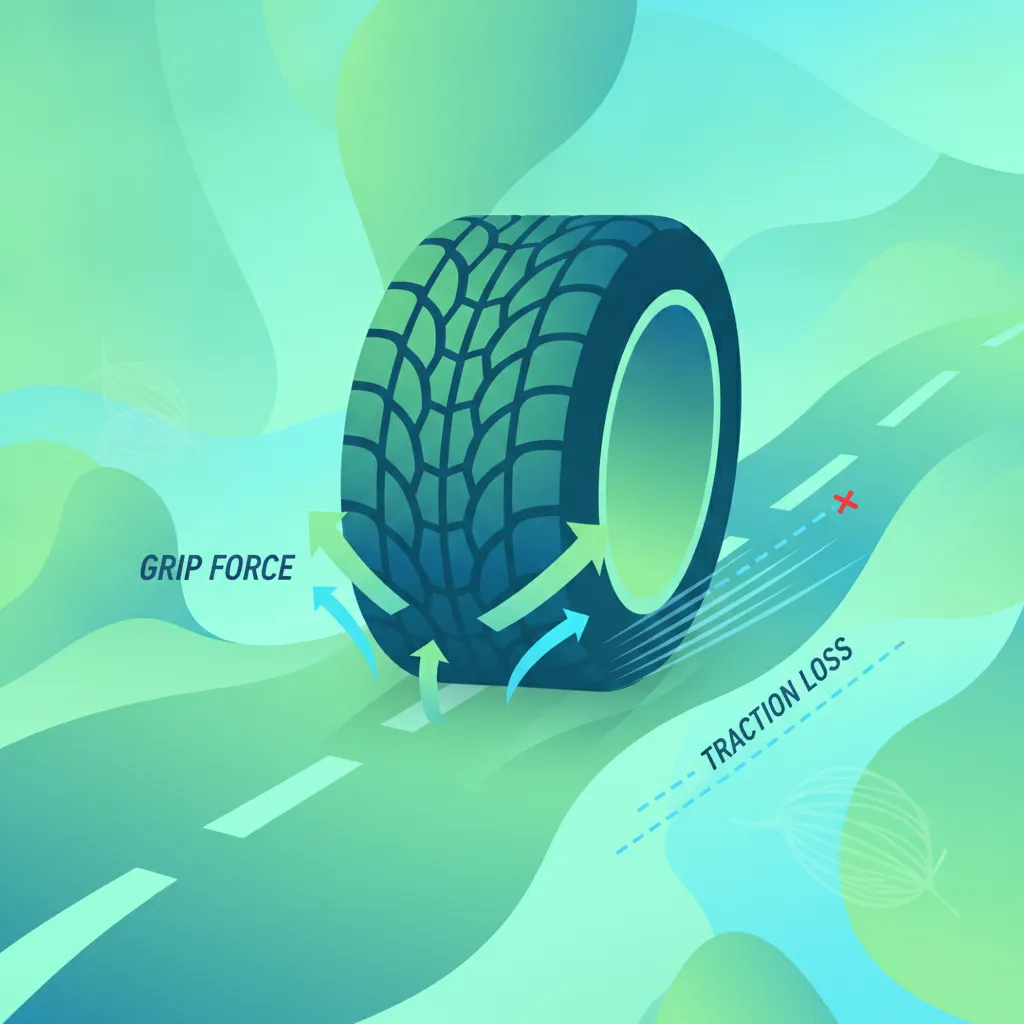
This lesson delves into the science of tyre traction, explaining how the small contact patch is critical for control. It examines how factors like tyre pressure, temperature, and road surface conditions (wet, dry, gravel) affect the available grip. Understanding the limits of traction is essential for knowing how hard a rider can safely brake or corner in any given situation.

This lesson focuses on adapting driving techniques for hazardous weather conditions. It details the legal requirements for winter tires and the proper use of snow chains in Austria. Additionally, it covers safe driving practices in low visibility conditions like fog, such as reducing speed and using appropriate lights.

This lesson addresses the complex skill of braking while the motorcycle is leaned over in a corner or on low-traction surfaces. It introduces the concept of trail braking to adjust speed and tighten a cornering line, and provides strategies for gentle brake application on wet or loose surfaces. Mastering these techniques requires a delicate touch and a deep understanding of traction limits.

This lesson focuses on strategies for riding safely in conditions of poor visibility, such as rain, fog, and low sun glare. It explains how to use lights effectively, increase following distances, and moderate speed to maintain control. The content also addresses braking techniques on wet surfaces to prevent skidding and hydroplaning.
This lesson equips drivers with the knowledge to handle a range of adverse weather conditions safely. It explains the risks of hydroplaning in heavy rain, reduced visibility in fog, and loss of traction on snow and ice, including the hidden danger of black ice. The content provides practical strategies for speed adaptation, correct use of lighting, and maintaining vehicle control, as well as specific considerations for night driving.
This lesson examines how adverse weather directly affects motorcycle safety. It explains how water on the road reduces tyre grip, increasing braking distances and the risk of aquaplaning. Strategies for riding in fog, dealing with reduced visibility from road spray, and identifying potential ice patches are covered to help riders manage weather-related risks.
This lesson provides guidance on tailoring riding practices to the season. For colder months, it emphasizes the importance of layered clothing and awareness of icy patches, especially in shaded areas. For spring, it highlights hazards like leftover road salt and gravel from winter maintenance, as well as slippery wet leaves, requiring heightened caution.
This lesson covers the significant risks associated with riding in winter conditions, particularly snow and ice. It teaches riders how to identify areas where black ice is likely to form and the techniques for gentle acceleration, braking, and steering to maintain traction. The importance of appropriate tires and other winter equipment is also highlighted.
Focuses on the importance of proper tire pressure and tread wear for safe riding in Austria. Covers essential vehicle checks and understanding how tire condition affects grip and braking for AM category riders.
This lesson focuses specifically on motorcycle tyre maintenance, a critical safety component. It explains how to accurately measure tyre pressure, inspect for adequate tread depth, and identify uneven wear patterns that may indicate other issues. Understanding how tyre condition affects grip, handling, and braking performance is essential for every rider to maintain control.
This lesson provides practical information on the use of winter equipment for AM vehicles. It explains the legal requirements for winter tires and snow chains in Austria under specific conditions. The content includes guidance on how to correctly install and remove snow chains to ensure they are effective and safe.
This lesson focuses on strategies for riding safely in conditions of poor visibility, such as rain, fog, and low sun glare. It explains how to use lights effectively, increase following distances, and moderate speed to maintain control. The content also addresses braking techniques on wet surfaces to prevent skidding and hydroplaning.
This lesson details the essential legal and administrative requirements for operating an AM vehicle in Austria. It covers the processes for vehicle registration, the obligation for licence plates, and the necessity of third-party liability insurance. Furthermore, it explains the importance of regular technical inspections to ensure the vehicle remains roadworthy and compliant with national standards.
This lesson details the critical role tyres play in vehicle safety, focusing on Austrian regulations for seasonal use. Learners will understand the mandatory period for winter tyres, the legal minimum for tread depth, and the importance of maintaining correct tyre pressure for optimal grip and fuel efficiency. The content explains how tyre condition directly affects braking distance and the risk of aquaplaning, making it a key safety component.
This lesson teaches correct braking techniques, including the coordinated use of front and rear brakes for maximum efficiency. It explains how to calculate total stopping distance based on speed, perception time, and reaction time. The content also covers adjustments needed for braking on wet or slippery surfaces to avoid loss of control.

This lesson details the mandatory lighting and reflector requirements for Category AM vehicles in Austria. It explains the functions of different light settings, including daytime running lights, and their importance for being seen. Additionally, it covers the legal standards for protective helmets, a critical component of rider safety.
This lesson delves into the science of tyre traction, explaining how the small contact patch is critical for control. It examines how factors like tyre pressure, temperature, and road surface conditions (wet, dry, gravel) affect the available grip. Understanding the limits of traction is essential for knowing how hard a rider can safely brake or corner in any given situation.

This lesson focuses on the rider's primary responsibility: ensuring they are visible and their actions are predictable to other road users. It explains effective strategies such as using proper lighting, wearing reflective clothing, and adopting a safe road position. The content also emphasizes how clear signaling and anticipating the actions of others can significantly reduce the risk of collisions.

This lesson provides guidance on selecting the appropriate road position to maximize visibility and safety. It covers strategies for riding in different parts of a lane based on traffic, road conditions, and potential hazards like parked cars. The goal is to establish a defensive position that allows for adequate reaction time and makes the rider predictable to others.
Find clear answers to common questions learners have about Grip, Surface Conditions, and Tire Choice. Learn how the lesson is structured, which driving theory objectives it supports, and how it fits into the overall learning path of units and curriculum progression in Austria. These explanations help you understand key concepts, lesson flow, and exam focused study goals.
Correct tire pressure is essential because it maintains the optimal contact patch between your tire and the road. If pressure is too low or too high, your moped will have significantly less grip, increasing the risk of sliding, especially on wet or uneven Austrian road surfaces.
Worn-out tires cannot effectively channel water away from the contact patch, leading to hydroplaning even at lower speeds. For an AM vehicle, maintaining the minimum legal tread depth is a safety requirement that ensures you can stop safely in all weather conditions.
When you encounter gravel, you should immediately reduce your speed and avoid sudden braking or sharp steering changes. Gravel acts like ball bearings under your tires, so staying upright and moving at a steady, slow pace is the best way to maintain balance.
Yes, in Austria, vehicle equipment must be appropriate for the conditions. During winter, it is crucial to ensure your tires are suitable for lower temperatures and that your moped is in a condition to handle potential snow or ice, as your safety depends entirely on your grip.
Refine your study plan by searching for specific Austrian driving theory practice sets. Pinpoint questions related to particular road rules, signs, or challenge levels, and begin practicing immediately to reinforce your knowledge and excel in your official exam with confidence. Get started with focused revision today.