
Understand the specific Danish traffic regulations (Færdselsloven) that apply to horse-drawn vehicles, often referred to as 'hestevogne', and other slow-moving traffic on Danish roads. This guide covers their legal status as vehicles, necessary lighting, and optimal road positioning. Most importantly, it provides critical advice for drivers on how to safely approach and pass horses, reinforcing the vital duty of care required in these encounters.
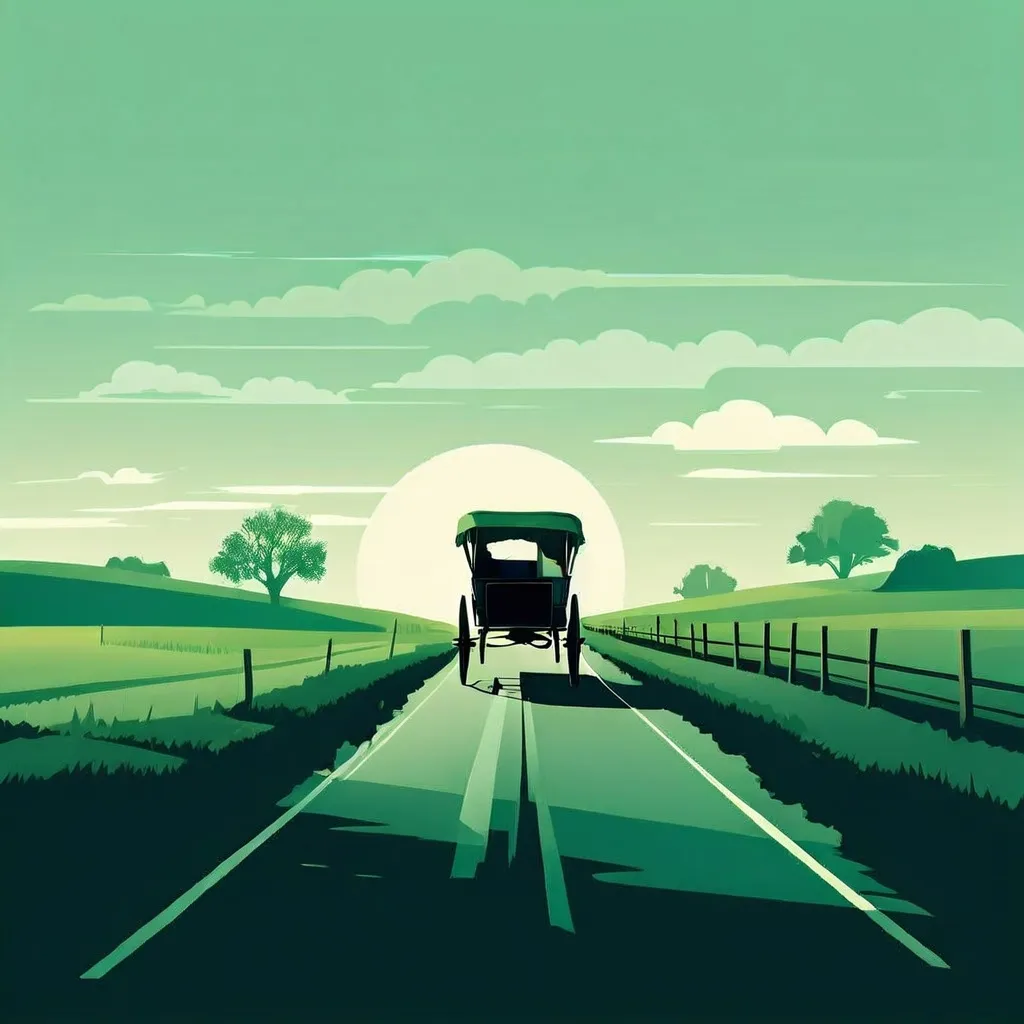
Article content overview
Driving on Danish roads requires an understanding of all road users, including those travelling at a slower pace. This is particularly true for horse-drawn vehicles, often referred to as 'hestevogne', and other forms of slow-moving traffic, especially prevalent on rural routes. The Danish Færdselsloven, the primary traffic act, provides clear guidelines for these vehicles and dictates the responsibilities of motor vehicle drivers when encountering them. Mastering these rules is not only crucial for road safety but also a common area tested in the Danish driving theory examination. This article will delve into the specifics of Danish traffic legislation concerning slow-moving vehicles, focusing on 'hestevogne', their road positioning, necessary lighting, and the critical rules surrounding how faster traffic must interact with them, ensuring you are well-prepared for your theory test and for safe driving in Denmark.
Under Danish traffic law, specifically the Færdselsloven, a horse-drawn vehicle, or 'hestevogn', is formally classified as a vehicle. This classification is significant because it means these conveyances are subject to many of the same regulations as other vehicles on the road. This includes requirements for lighting, the need to be positioned correctly on the carriageway, and rules regarding their interaction with faster-moving motor traffic. It is essential for learner drivers to recognise that 'hestevogne' are not merely occasional impediments but are legitimate participants in road traffic, deserving of the same consideration and adherence to rules as any other road user.
The Færdselsloven mandates that horse-drawn vehicles, like other slow-moving traffic, must keep to the right side of the road. This principle ensures that the main part of the carriageway is left as clear as possible for faster-moving traffic, thereby minimising the risk of congestion and potential conflicts. Furthermore, if the road verge, or 'rabat', is available and safely passable, horse-drawn vehicles are permitted, and often encouraged, to use it. This practice further enhances road safety by moving the slow-moving traffic further from the main traffic lanes, creating a safer environment for both the occupants of the 'hestevogn' and the drivers of other vehicles.
Just as with any other vehicle operating on Danish roads, horse-drawn vehicles are subject to specific lighting requirements, particularly during periods of reduced visibility. When travelling at night or during conditions such as fog, heavy rain, or snowfall, 'hestevogne' must be equipped with appropriate lighting. This typically includes at least one white light illuminating the front of the vehicle and one red light illuminating the rear. Reflectors are also a crucial component, especially at the rear, to enhance visibility to vehicles approaching from behind. These lighting regulations are not optional; they are legal requirements designed to ensure that slow-moving vehicles are clearly visible to all other road users, thereby preventing potentially dangerous situations.
Learner drivers must understand that failure to ensure proper lighting on 'hestevogne' during dim conditions can lead to serious accidents. Always be prepared to identify slow-moving vehicles by their lights, even if they are not the usual shape of a car or truck.
One of the most critical aspects of Danish road law concerning horses and horse-drawn vehicles revolves around the duty of care that motor vehicle drivers owe to these animals. Horses are inherently flight animals, meaning they can startle and react unpredictably to sudden noises, movements, or appearances. The Færdselsloven, under its general duty of care provisions (§3), places a significant responsibility on drivers of motor vehicles to anticipate and mitigate potential hazards. This means approaching horses and horse-drawn vehicles with extreme caution, significantly reducing speed, and ensuring ample space is provided.
When a motor vehicle driver needs to overtake a horse-drawn vehicle or a horse being ridden, the procedure must be executed with utmost care. The general recommendation for a safe passing speed when overtaking a horse on a rural Danish road is typically between 20–30 km/h. It is also imperative to maintain a significant lateral clearance, generally advised to be at least 1.5 to 2 meters, between your vehicle and the horse or 'hestevogn'. Using the horn when approaching a horse from behind is strongly discouraged, as it is highly likely to cause the horse to become agitated, bolt, or react in a dangerous manner. Instead, drivers should reduce speed well in advance, allow the rider to become aware of your presence, and only proceed with the overtake when it is safe and clear to do so, moving slowly and predictably.
Many rural roads in Denmark, particularly in regions with a strong equestrian culture, experience regular horse traffic, especially on weekend mornings. Be aware of this possibility and adjust your driving accordingly.
The Danish driving theory test frequently includes questions designed to assess a learner driver's understanding of their responsibilities towards vulnerable road users, including those on horseback or in horse-drawn vehicles. Common traps involve assuming that the usual rules for overtaking apply, or underestimating the importance of speed reduction and lateral space. Learners might also be tested on their knowledge of specific lighting requirements or the correct road positioning. It is vital to remember that the primary concern in these situations is the safety of the horse and its rider, and drivers must prioritise this over their own convenience.
While the focus often falls on 'hestevogne', it's important to also consider horse riders ('ryttere') as they share similar considerations on Danish roads. Horse riders are also classified as road users and must adhere to the principle of riding on the right side of the road, utilising the verge where it is practical and safe. The overarching principle for all motor vehicle drivers is one of increased vigilance and reduced speed when encountering any form of slow-moving traffic, especially animals.
The Færdselsloven's emphasis on adapting to specific traffic conditions means that drivers must be prepared to deviate from their usual driving patterns. This includes being patient, anticipating potential hazards, and always acting in a manner that prioritises the safety of less protected road users.
The legal framework in Denmark clearly prioritises the safety of all road users. When encountering horses or horse-drawn vehicles, your primary responsibility is to ensure you do not cause them distress or danger through your actions.
For further information on navigating specific road situations and understanding Danish traffic laws, explore our resources on priority rules, speed limits, and interaction with different road users.
This article covers Danish traffic regulations for horse-drawn vehicles (hestevogne) and slow-moving traffic as defined under the Færdselsloven. Hestevogne are classified as vehicles and must adhere to road positioning rules (keeping right and using the rabat when safe) and lighting requirements (white front light, red rear light, and reflectors in poor visibility). Motor vehicle drivers carry a heightened duty of care under §3 towards horses as flight animals, requiring significant speed reduction (20–30 km/h) and lateral clearance (1.5–2 meters) when passing. Horn use near horses is prohibited as it can cause dangerous reactions. These rules are common in Danish driving theory examinations and reflect Denmark's emphasis on protecting vulnerable road users.
A short set of high-value points that capture the most important ideas from this article.
Horse-drawn vehicles (hestevogne) are legally classified as vehicles under the Færdselsloven and must follow the same road positioning rules as other vehicles.
Slow-moving traffic must keep to the right and use the verge (rabat) when safely passable to keep the carriageway clear.
Lighting requirements for hestevogne include a white front light, red rear light, and rear reflectors during reduced visibility.
Motor vehicle drivers owe a heightened duty of care (§3 Færdselsloven) to horses because they are flight animals that can react unpredictably.
When passing horses or hestevogne, drivers must reduce speed to 20–30 km/h and maintain at least 1.5–2 meters lateral clearance.
Hestevogne must display white front lighting and red rear lighting plus reflectors at night or in poor visibility conditions.
Using the horn when approaching a horse from behind is strongly prohibited as it can startle the animal.
The legal term rabat refers to the road verge or shoulder, which slow-moving vehicles may use when safe.
The duty of care obligation under Færdselsloven §3 requires drivers to anticipate hazards and avoid causing distress to horses.
Horse riders must also ride on the right side of Danish roads and use verges where practical.
Assuming standard overtaking rules apply without adjustment when passing horses or hestevogne.
Failing to reduce speed sufficiently or maintain adequate lateral distance when overtaking equestrian traffic.
Using the vehicle horn to signal presence to a horse or rider, which risks causing the horse to bolt.
Not recognising the lighting configuration of hestevogne as the vehicle's legal requirement rather than optional equipment.
Underestimating the need for patience and early speed reduction when encountering slow-moving traffic on rural roads.
Article content overview
A short set of high-value points that capture the most important ideas from this article.
Horse-drawn vehicles (hestevogne) are legally classified as vehicles under the Færdselsloven and must follow the same road positioning rules as other vehicles.
Slow-moving traffic must keep to the right and use the verge (rabat) when safely passable to keep the carriageway clear.
Lighting requirements for hestevogne include a white front light, red rear light, and rear reflectors during reduced visibility.
Motor vehicle drivers owe a heightened duty of care (§3 Færdselsloven) to horses because they are flight animals that can react unpredictably.
When passing horses or hestevogne, drivers must reduce speed to 20–30 km/h and maintain at least 1.5–2 meters lateral clearance.
Hestevogne must display white front lighting and red rear lighting plus reflectors at night or in poor visibility conditions.
Using the horn when approaching a horse from behind is strongly prohibited as it can startle the animal.
The legal term rabat refers to the road verge or shoulder, which slow-moving vehicles may use when safe.
The duty of care obligation under Færdselsloven §3 requires drivers to anticipate hazards and avoid causing distress to horses.
Horse riders must also ride on the right side of Danish roads and use verges where practical.
Assuming standard overtaking rules apply without adjustment when passing horses or hestevogne.
Failing to reduce speed sufficiently or maintain adequate lateral distance when overtaking equestrian traffic.
Using the vehicle horn to signal presence to a horse or rider, which risks causing the horse to bolt.
Not recognising the lighting configuration of hestevogne as the vehicle's legal requirement rather than optional equipment.
Underestimating the need for patience and early speed reduction when encountering slow-moving traffic on rural roads.
Explore related topics, search based questions, and concepts that learners often look up when studying Horses & Slow Traffic: Danish Rules. These themes reflect real search intent and help you understand how this topic connects to wider driving theory knowledge in Denmark.
Find clear and practical answers to common questions learners often have about Horses & Slow Traffic: Danish Rules. This section helps explain difficult points, remove confusion, and reinforce the key driving theory concepts that matter for learners in Denmark.
Yes, under the Danish Færdselsloven, horse-drawn vehicles ('hestevogne') are classified as vehicles and must adhere to relevant traffic regulations, including lighting and road positioning.
When approaching a horse-drawn vehicle or a horse, you must significantly reduce your speed. Pass slowly and with ample lateral clearance, ensuring not to startle the animal. Using your horn is strongly discouraged.
At night or in poor visibility, horse-drawn vehicles must display white front lights and red rear lights, along with rear reflectors, similar to other vehicles on Danish roads.
Horse-drawn vehicles should keep to the right side of the carriageway and may use the road verge (rabat) where available and safe to do so.
Horses are sensitive to sudden noises and movements. Drivers must exercise a high duty of care to avoid startling them, as this can cause them to bolt unexpectedly and create a dangerous situation.
Continue your learning journey by searching for additional articles or browsing our comprehensive topic categories. Deepen your knowledge of Danish road law, vehicle mechanics, and hazard perception to ensure complete preparation for your official theory exam.