
Learn about the comprehensive drink-driving detection process in Denmark, including the initial roadside alcometer screening and subsequent evidential tests. This guide explains your options for evidential testing, the timeframes involved, and the critical legal implications of refusing a test according to Danish traffic law, Færdselsloven. Understanding this process is vital for all drivers.
Article content overview
Driving under the influence of alcohol poses a significant risk to road safety in Denmark, and the Danish authorities employ a robust system to detect and deter such behaviour. Understanding the procedures involved in drink-driving tests, including roadside screening and subsequent evidential testing, is crucial for all drivers preparing for their Danish driving licence theory test and for maintaining legal compliance on Danish roads. This article delves into the two-stage process mandated by Danish traffic law, Færdselsloven, outlining driver's rights, obligations, and the severe consequences of non-compliance, particularly concerning refusal to test.
The Danish approach to detecting drink-driving, as outlined in Færdselsloven, primarily involves a two-stage process designed to ensure accuracy and fairness. This system begins with a quick roadside assessment and, if necessary, proceeds to a more definitive evidential test. The aim is to identify drivers who may be impaired by alcohol and are therefore a danger to themselves and others on the road. This structured approach aims to be efficient while upholding legal standards for evidence gathering.
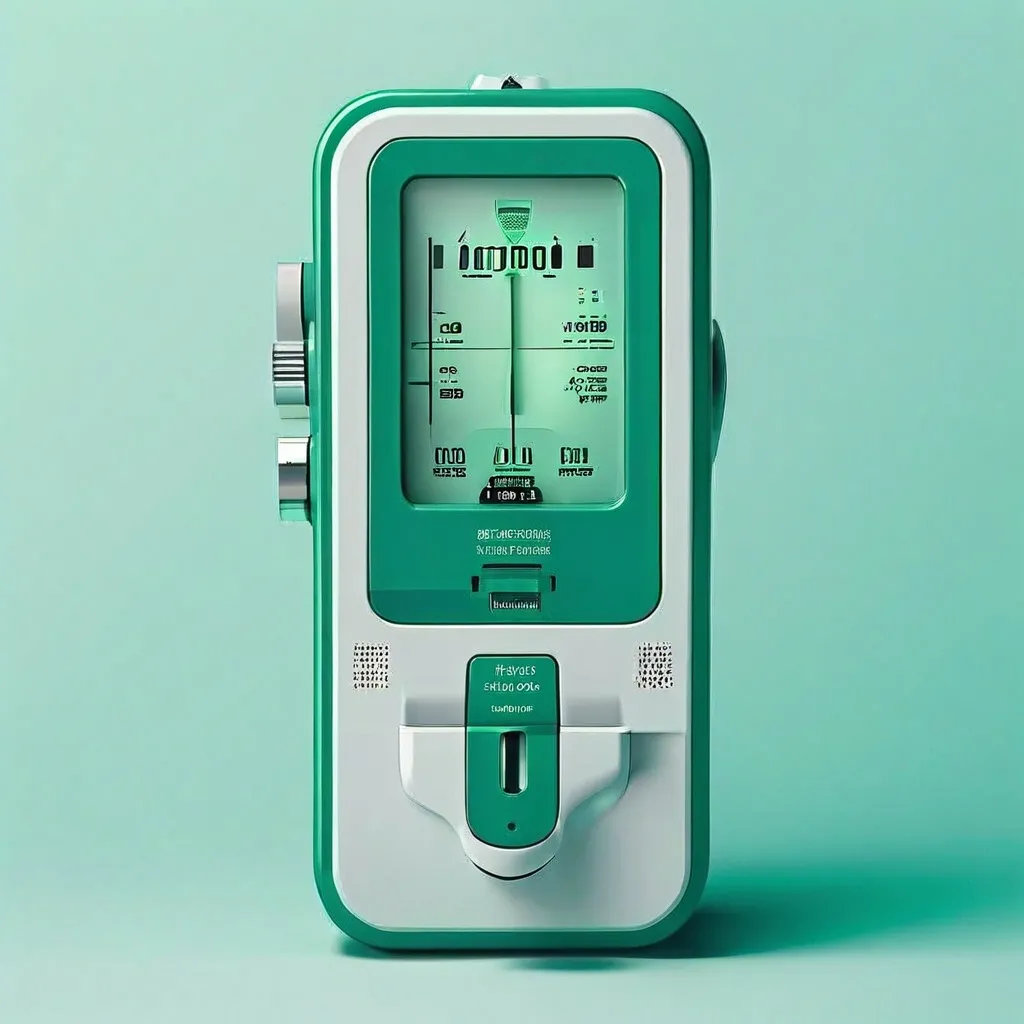
The initial step in the drink-driving detection process is the roadside screening test, often referred to as a "vejsideapparatur" or a screening test. Police officers are empowered to request any driver to undertake this test if they have reason to suspect the driver has consumed alcohol. This preliminary test uses a portable alcometer to provide an immediate indication of alcohol presence. While this reading is not considered definitive proof in court on its own, it serves as a crucial indicator for the authorities.
If the roadside screening test indicates an alcohol concentration that raises suspicion, or if the driver exhibits other signs of impairment, the driver will be taken for a more accurate evidential test. This ensures that initial suspicions are backed by legally sound evidence before further action is taken, safeguarding against erroneous accusations and upholding the integrity of the legal process.
Following a positive roadside screening, or if there are other indications of impairment, the driver will be required to undergo an evidential test. According to Færdselsloven §55 and related regulations like BEK nr. 1202/2019, drivers are typically presented with a choice between two types of evidential tests. This choice is designed to offer a degree of flexibility while ensuring the collection of legally admissible evidence for potential prosecution.
The first option is an evidential alcometer test, which is conducted at a police station using a calibrated, approved device. These are more sophisticated than the roadside screening devices and provide a legally recognised measurement of alcohol concentration. Alternatively, the driver may be offered a blood test, which is usually performed at a hospital or by a police doctor. The blood test is generally considered the most accurate method, though it takes longer to process the results.
When subjected to a drink-driving test in Denmark, drivers have specific rights and obligations under Færdselsloven. It is imperative to understand these to navigate the process correctly and avoid unnecessary legal repercussions. The law is clear on how these situations are handled, and ignorance of the rules is not a valid defence.
As mentioned, a driver typically has the option to choose between an evidential breath test at the police station or a blood test at a medical facility. This choice is important, as each test has its own characteristics. The breath test provides immediate results, whereas the blood test requires laboratory analysis and thus takes longer to yield a definitive outcome. However, the blood test is often considered the most accurate and can be crucial in complex cases or if there are concerns about the accuracy of breath analysis.
The police will inform the driver of their options, and it is the driver's responsibility to make a choice. In some circumstances, if a breath test is deemed unsuitable due to medical reasons or if the roadside screening was inconclusive, a blood test may be directly mandated.
Danish law, underpinned by the principle of ensuring that alcohol levels are accurately measured, stipulates that an evidential test must be conducted as soon as practicable after the initial roadside screening. The general guideline is that this test should ideally be taken within two to three hours of the initial stop. This timeframe is critical because alcohol concentration in the body changes over time as it is metabolised.
The law requires the test to be performed while the alcohol is still considered measurable and representative of the level at the time of driving. Delaying the test beyond this window could potentially impact its evidentiary value, though the authorities aim to conduct these tests promptly to avoid such issues.
Refusing to cooperate with drink-driving tests in Denmark carries severe penalties, often more stringent than failing a test with a moderate alcohol level. Færdselsloven is unequivocal on this matter, treating refusal as a serious offence that directly impacts a driver's licence and legal standing. This strict approach aims to deter drivers from evading detection and to underscore the seriousness of drink-driving.
According to Færdselsloven §55, if a driver refuses to undertake either the alcometer test or the blood test when lawfully requested by the police, this refusal is treated as an admission of guilt. This means the individual faces the same legal consequences as if they had been caught driving with a blood alcohol concentration of 1.2‰ or higher. This is a significant penalty, intended to ensure that drivers do not circumvent the law through non-compliance.
A refusal to test will lead to immediate, unconditional revocation of the driver's licence. This means the licence is taken away for a prolonged period, and the driver will likely have to retake both the theory and practical driving tests to regain their driving privileges. In addition to licence suspension, substantial fines are also imposed, often calculated based on the driver's income and the presumed alcohol level they were attempting to avoid testing for. The refusal sends a clear message that evading testing is unacceptable.
Denmark has established clear legal alcohol limits for drivers, and exceeding these limits results in significant penalties. The Færdselsloven sets these boundaries, with different consequences depending on the measured alcohol concentration and whether it is a first-time offence or a repeat offence. The core aim is to reduce the incidence of impaired driving.
The legal blood alcohol concentration (BAC) limit in Denmark is 0.5‰ (promille). This is equivalent to 0.25 mg of alcohol per litre of exhaled air. Drivers who have a BAC above this limit are subject to penalties for spirituskørsel (drink-driving). It's important to note that even if a driver's BAC is below 0.5‰, they can still be penalised if they are deemed to be unable to drive in a safe manner due to alcohol consumption.
The penalties for drink-driving in Denmark vary based on the BAC level and previous convictions.
Both the evidential breath test and the blood test are designed to provide accurate measurements of alcohol concentration. Understanding the nuances of each can help drivers appreciate the process. The Danish authorities rely on these tests to build a case against alleged drink-drivers, and their results are admissible in court.
Evidential breath analysers used in Denmark, often of the Draeger Evidential type or equivalent, are highly accurate instruments. They measure the amount of alcohol in a person's breath, which is then correlated to a blood alcohol concentration. The test is administered under controlled conditions at a police station, ensuring the integrity of the sample and the reading. These devices are subject to regular calibration and verification to maintain their accuracy.
A blood test provides the most definitive measurement of alcohol in the body. It is performed by drawing a sample of blood, which is then sent to a laboratory for analysis. While this method is highly accurate, the results take longer to obtain due to the laboratory processing time. In some situations, such as when a breath test is not feasible due to medical conditions or if there is a dispute over the breath test result, a blood test may be preferred or required.
The Danish theory test often includes questions designed to assess a driver's understanding of drink-driving laws and their consequences. Being aware of common exam traps can help you prepare effectively. These questions frequently probe the driver's knowledge of legal limits, the implications of refusing a test, and the effects of alcohol on driving.
One common trap involves misinterpreting the legal alcohol limit or believing that certain methods can speed up alcohol metabolism. The exam will emphasize that there is no quick way to reduce alcohol levels; only time will do that. Another frequent area of questioning relates to the consequences of refusing a breathalyser or blood test, highlighting that refusal is treated as an admission of guilt and leads to severe penalties, including unconditional licence revocation.
Understanding Denmark's comprehensive drink-driving testing procedures is a vital part of responsible driving and a key component of the Danish driving licence theory. The two-stage testing process, the driver's options, the strict legal limits, and the severe consequences of refusal all underscore the Danish commitment to road safety. By staying informed and always choosing not to drive after consuming alcohol, you contribute to safer roads for everyone in Denmark.
This article explains Denmark's two-stage drink-driving detection process, beginning with a roadside screening alcometer and progressing to either an evidential breath test at a police station or a blood test at a medical facility. The legal BAC limit is 0.5‰, with penalties escalating based on concentration and prior convictions—conditional revocation for 0.5‰ to 1.2‰ and unconditional revocation for levels above 1.2‰. Refusing any lawful test is treated as an admission of guilt and carries severe penalties, including immediate licence revocation. Understanding these procedures, limits, and consequences is essential for both safe driving and passing the Danish theory test.
A short set of high-value points that capture the most important ideas from this article.
Denmark uses a two-stage drink-driving detection process: roadside screening alcometer followed by evidential breath or blood testing
Drivers typically have the right to choose between an evidential breath test at a police station or a blood test at a medical facility
The legal BAC limit in Denmark is 0.5‰ (promille), equivalent to 0.25 mg of alcohol per litre of exhaled air
Refusing either an evidential breath test or blood test when lawfully requested is treated as an admission of guilt under Færdselsloven §55
Evidential tests must be conducted within two to three hours of the initial roadside stop to ensure accurate measurement
BAC levels 0.5‰ to 1.2‰ result in conditional licence revocation requiring a passed driving test within six months
BAC exceeding 1.2‰ leads to unconditional licence revocation even for first offences
Unconditional licence revocation means the driver must retake both theory and practical tests to regain their licence
Blood tests are considered the most accurate method but require laboratory analysis and take longer for results
The roadside screening alcometer provides only an indicative reading and is not definitive court evidence on its own
Assuming the roadside screening alcometer result is sufficient for prosecution when it is only preliminary evidence
Believing there is a quick way to reduce alcohol levels before testing—only time allows alcohol to metabolise
Thinking that refusing a test might avoid penalties, when in fact refusal carries the same consequences as testing above 1.2‰
Confusing conditional and unconditional licence revocation; only conditional allows the possibility of retaining the licence by passing tests
Assuming drivers can always choose which evidential test; a blood test may be mandated if breath testing is medically unsuitable
Article content overview
A short set of high-value points that capture the most important ideas from this article.
Denmark uses a two-stage drink-driving detection process: roadside screening alcometer followed by evidential breath or blood testing
Drivers typically have the right to choose between an evidential breath test at a police station or a blood test at a medical facility
The legal BAC limit in Denmark is 0.5‰ (promille), equivalent to 0.25 mg of alcohol per litre of exhaled air
Refusing either an evidential breath test or blood test when lawfully requested is treated as an admission of guilt under Færdselsloven §55
Evidential tests must be conducted within two to three hours of the initial roadside stop to ensure accurate measurement
BAC levels 0.5‰ to 1.2‰ result in conditional licence revocation requiring a passed driving test within six months
BAC exceeding 1.2‰ leads to unconditional licence revocation even for first offences
Unconditional licence revocation means the driver must retake both theory and practical tests to regain their licence
Blood tests are considered the most accurate method but require laboratory analysis and take longer for results
The roadside screening alcometer provides only an indicative reading and is not definitive court evidence on its own
Assuming the roadside screening alcometer result is sufficient for prosecution when it is only preliminary evidence
Believing there is a quick way to reduce alcohol levels before testing—only time allows alcohol to metabolise
Thinking that refusing a test might avoid penalties, when in fact refusal carries the same consequences as testing above 1.2‰
Confusing conditional and unconditional licence revocation; only conditional allows the possibility of retaining the licence by passing tests
Assuming drivers can always choose which evidential test; a blood test may be mandated if breath testing is medically unsuitable
Explore related topics, search based questions, and concepts that learners often look up when studying Denmark Drink-Driving Tests. These themes reflect real search intent and help you understand how this topic connects to wider driving theory knowledge in Denmark.
Find clear and practical answers to common questions learners often have about Denmark Drink-Driving Tests. This section helps explain difficult points, remove confusion, and reinforce the key driving theory concepts that matter for learners in Denmark.
The first step is a roadside screening test using an alcometer. If this indicates alcohol presence above the legal limit or the driver shows signs of impairment, a more definitive evidential test will follow.
If a roadside screening is positive, you will be offered either an evidential breath test at a police station or a blood test, usually conducted at a hospital or by a police doctor.
Refusing to take an evidential test, whether breath or blood, is treated under Danish law (Færdselsloven) as an admission of guilt. You will face penalties equivalent to being caught with a blood alcohol level of 1.2‰ or higher, including unconditional licence revocation.
The evidential test must be taken as soon as practicable, typically within 2 to 3 hours of the roadside screening, to ensure the alcohol concentration can still be accurately measured.
Yes, both evidential breath test results and blood test results are admissible as evidence in Danish court proceedings for drink-driving offences.
Continue your learning journey by searching for additional articles or browsing our comprehensive topic categories. Deepen your knowledge of Danish road law, vehicle mechanics, and hazard perception to ensure complete preparation for your official theory exam.