
Understand your legal entitlements and responsibilities when driving light commercial vehicles, specifically N1 category vans, in Denmark using your Category B driving licence. This guide ensures you grasp crucial aspects like vehicle classification, weight limits, and speed restrictions, crucial knowledge for passing your Danish theory test.
Article content overview
Navigating Denmark's roads with a light commercial vehicle, often referred to as a "varevogn" or van, requires a solid understanding of specific regulations. Many individuals preparing for their Danish driving theory test may be uncertain about the precise rules governing the operation of these vehicles, especially when relying on a standard Category B driving licence. This article delves into the crucial aspects of driving vans up to 3,500 kg Maximum Authorised Mass (MAM) in Denmark, ensuring you are well-prepared for both the theory exam and safe driving practices.
Understanding vehicle classifications and their associated licence requirements is fundamental to Danish traffic law. For most everyday drivers, the Category B licence is the standard qualification for operating passenger cars. However, its scope extends to certain types of goods vehicles, provided they adhere to specific weight and design criteria. This guide will clarify these boundaries, helping you distinguish between vehicles that can be legally driven with a Category B licence and those that necessitate a more advanced category, such as C1.
In Denmark, light commercial vehicles designed for the carriage of goods, commonly known as vans or light lorries, are categorised based on their weight and intended use. The most relevant category for drivers with a standard Category B licence is the N1 category. This classification encompasses vehicles with a Maximum Authorised Mass (MAM), also known as Gross Vehicle Weight (GVW), that does not exceed 3,500 kg. This weight limit includes the vehicle itself, fuel, driver, passengers, and any cargo it might carry.
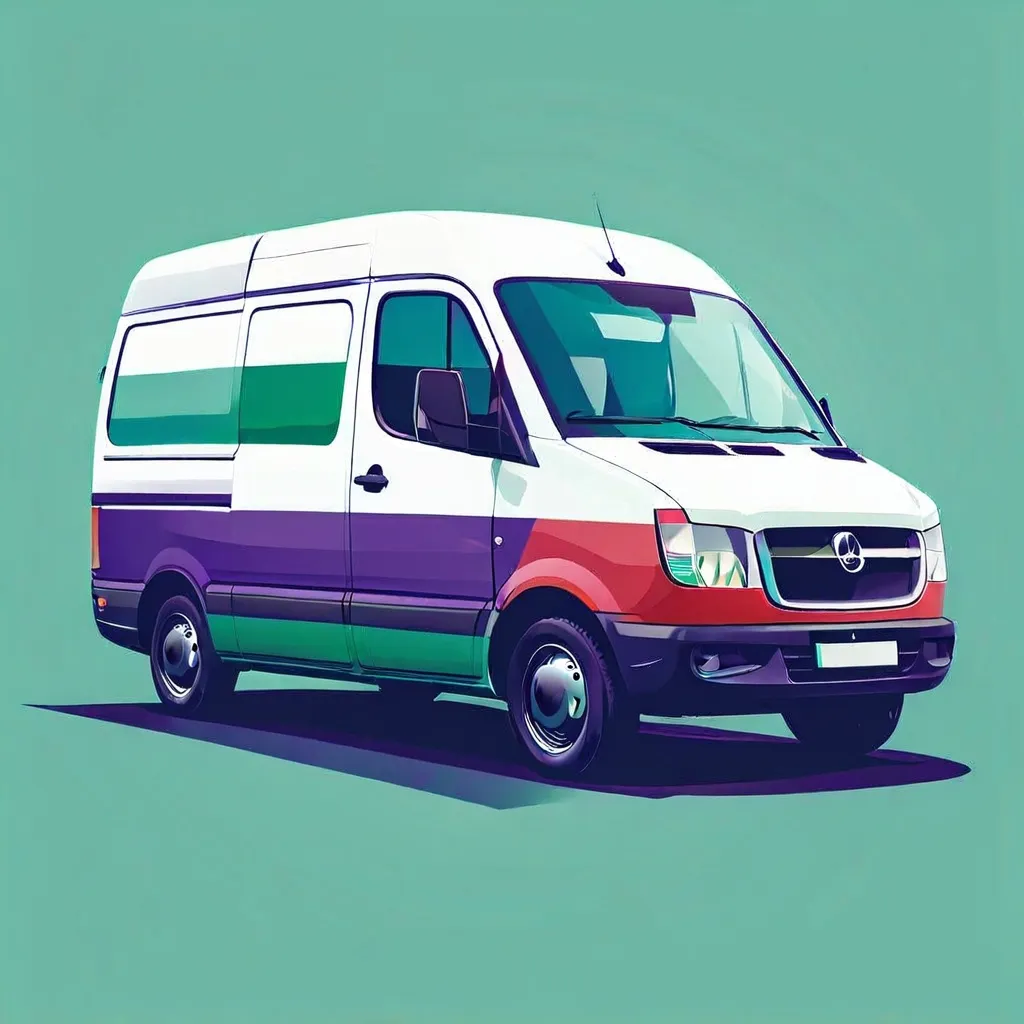
A standard Category B driving licence in Denmark grants the holder the legal right to drive these N1 category vehicles, provided they are within the 3,500 kg MAM limit. This means that many commonly used panel vans, such as those in the VW Transporter, Ford Transit, or lighter configurations of Mercedes Sprinter, can be operated with just a Category B licence, as long as their officially recognised maximum weight does not surpass this threshold. It is paramount for all drivers to check the vehicle's MAM, which is typically found on a plate within the vehicle itself, to ensure compliance with the law.
The Maximum Authorised Mass (MAM), also known as Gross Vehicle Weight (GVW) or Totalvægt in Danish, is the maximum laden weight at which the vehicle can be legally operated on the road. This figure is specified by the manufacturer and is crucial for determining licence requirements and speed limits.
Speed limits are a critical component of Danish traffic safety, and they can vary depending on the type of vehicle and the road environment. For N1 category vans weighing up to 3,500 kg MAM, specific speed regulations apply that differ from those for standard passenger cars. While passenger cars on Danish motorways are generally permitted to travel at 130 km/h, vans in the N1 category may be subject to lower limits, particularly if they are not type-approved for higher speeds or are configured differently.
Specifically, on Danish motorways, vans with an MAM exceeding 2,000 kg may have a mandated speed limit of 100 km/h or 120 km/h, depending on their specific tyre speed rating and type approval. It is imperative for drivers to consult the vehicle's documentation or the information displayed on the dashboard or vehicle identification plate to ascertain the correct maximum speed. Driving a van in excess of its legally permitted speed, or its type-approved speed, can lead to penalties and is a common point of focus in the Danish theory test.
On rural roads (landeveje) outside of urban areas, the general speed limit for N1 category vehicles without specific passenger seating arrangements or other specialised restrictions is typically 80 km/h. This limit is intended to account for the potentially different handling characteristics and braking capabilities of goods vehicles compared to passenger cars, especially when laden. Always be aware of surrounding speed limit signs, as temporary or local restrictions can override general rules.
It is a common misconception that all vans up to 3,500 kg MAM can travel at the same speed as passenger cars on motorways. Always verify the specific speed limits applicable to the N1 category vehicle you are driving, as indicated by Danish traffic law and the vehicle's own specifications.
The distinction between a Category B licence and a C1 licence becomes crucial when dealing with heavier goods vehicles. The Danish Category B licence is strictly limited to vehicles with a MAM of up to 3,500 kg. If the total authorised mass of a goods vehicle, including any attached trailer, exceeds this 3,500 kg limit, a different licence category is required. For vehicles with a MAM between 3,500 kg and 7,500 kg, this is the C1 category.
Obtaining a C1 licence involves specific training and testing requirements, and it is typically available to individuals who are at least 18 years old and already hold a Category B licence. Vehicles falling into the C1 category include larger vans, smaller lorries, and combinations of vehicles where the MAM exceeds 3,500 kg. Drivers operating vehicles in this weight class must adhere to the speed limits designated for lorries, which are generally lower than those for passenger cars and vans. On motorways, this typically means a maximum speed of 80 km/h, and a tachograph may also be required for commercial use, depending on the vehicle and operational details.
The C1 licence category in Denmark permits the holder to drive motor vehicles with a MAM between 3,500 kg and 7,500 kg. It also allows for towing a trailer with a maximum weight of 750 kg, provided the combined MAM of the vehicle and trailer does not exceed 7,500 kg.
Beyond the total MAM, the payload capacity of a van is also an important consideration, particularly for commercial operators. While the Category B licence permits driving N1 vehicles up to 3,500 kg MAM, the vehicle's design must also be suitable for carrying goods. Vehicles specifically converted for passenger transport (e.g., minibuses) or those with significant modifications that alter their weight distribution or intended use might have different regulatory requirements.
The Danish legal framework, drawing from EU regulations, categorises vehicles for taxation and operational purposes. For N1 vehicles, if the weight exceeds 3,500 kg, even if it's due to the battery pack in an electric vehicle or other components of an alternative fuel system, special conditions can apply. For instance, a Category B licence holder who has possessed their licence for at least two years may be permitted to drive such an alternative fuel vehicle with a MAM up to 4,250 kg, but only if the excess weight is solely attributable to the propulsion system and the vehicle's load-carrying capacity has not been increased. This is a nuanced area often tested in the theory exam to assess a candidate's detailed understanding of vehicle regulations.
When operating a van for commercial purposes in Denmark, even if it falls within the N1 category and is drivable with a Category B licence, additional rules may apply. These can include requirements for commercial insurance, adherence to EU driver's hours regulations, and specific vehicle maintenance and safety checks. The carriage of goods for hire or reward often triggers these stricter regulations, ensuring that commercial operations meet a certain standard of safety and compliance.
The Danish Færdselsloven (Road Traffic Act) and related ministerial decrees outline these requirements. For instance, the use of certain vehicles for professional transport of goods may necessitate the installation and use of a tachograph, a device that records driving time, rest periods, and speed. While this is less common for light vans driven by individuals on a personal basis, it becomes a significant factor for businesses transporting goods professionally. Understanding these nuances is vital for anyone considering using a van for commercial activities in Denmark.
Always check the vehicle's registration documents and the specific requirements for its intended use. If you plan to use a van commercially, consult with relevant authorities or a legal expert to ensure full compliance with Danish and EU regulations regarding goods transport.
The Danish driving theory test is designed to assess a comprehensive understanding of traffic law, road signs, and vehicle operation. Questions related to driving goods vehicles, including vans under 3,500 kg MAM, are common, particularly for candidates pursuing a standard Category B licence. The test often focuses on areas where learners frequently make mistakes, such as the specific speed limits applicable to different vehicle types and the precise definition of weight limits for licence categories.
Pay close attention to questions that differentiate between passenger cars and goods vehicles regarding speed, priority, and licence requirements. Understanding the MAM and how it dictates licence category (B vs. C1) is a fundamental concept that is frequently tested. Moreover, be aware of questions that explore the implications of vehicle configuration, such as the presence or absence of passenger seating and the role of alternative fuel systems, as these can introduce specific nuances to the rules.
To solidify your understanding and prepare for the specific question formats used in the Danish theory test, engaging with practice questions is highly recommended. This will allow you to apply the knowledge gained from this article to realistic exam scenarios and identify any areas requiring further review.
This article explains the Danish regulations for driving light commercial vehicles (N1 category vans) up to 3,500 kg Maximum Authorised Mass with a Category B licence. Key distinctions include specific speed limits for vans on motorways (100 or 120 km/h) and rural roads (80 km/h) that differ from passenger car limits. The critical 3,500 kg threshold separates Category B from C1 licence requirements, with C1 needed for vehicles between 3,500 and 7,500 kg. A notable exception allows Category B holders with two years' experience to drive alternative fuel vehicles up to 4,250 kg when excess weight is solely from the propulsion system. Commercial van operations may require additional compliance measures such as tachographs and adherence to driver's hours regulations.
A short set of high-value points that capture the most important ideas from this article.
N1 category goods vehicles with a Maximum Authorised Mass (MAM) up to 3,500 kg can be legally driven with a standard Danish Category B licence.
Speed limits for N1 vans differ from passenger cars: motorways typically allow 100 km/h or 120 km/h (not 130 km/h), and rural roads are limited to 80 km/h.
Vehicles exceeding 3,500 kg MAM require a C1 licence, which covers goods vehicles between 3,500 kg and 7,500 kg.
Alternative fuel vehicles may be driven with Category B up to 4,250 kg MAM if the excess weight is solely from the propulsion system and the driver has held B licence for at least two years.
Commercial use of N1 vans triggers additional requirements including potential tachograph obligations and EU driver's hours regulations.
Always check the vehicle's MAM plate (Totalvægt) to confirm licence eligibility and applicable speed limits.
Category B licence covers N1 vehicles up to 3,500 kg; C1 licence is required for vehicles between 3,500 kg and 7,500 kg.
On Danish motorways, N1 vans exceeding 2,000 kg MAM may be limited to 100 or 120 km/h depending on type approval, not the 130 km/h allowed for passenger cars.
The 4,250 kg alternative fuel exception only applies when excess weight is caused solely by the propulsion system and the driver has held B licence for two years.
For professional goods transport (hire or reward), additional regulations beyond the basic licence requirements may apply.
Assuming all vans under 3,500 kg MAM can travel at the same motorway speed as passenger cars (130 km/h) when they may be limited to 100 or 120 km/h.
Confusing the 3,500 kg MAM limit and operating a vehicle requiring a C1 licence without the proper qualification.
Misinterpreting the alternative fuel vehicle exception and assuming any van can be upgraded to 4,250 kg MAM under Category B without meeting the specific conditions.
Overlooking that speed limits for N1 vans are determined by their type approval and tyre speed rating, not just their weight category.
Failing to distinguish between MAM (total vehicle weight including load) and payload capacity, which are separate regulatory concepts.
Article content overview
A short set of high-value points that capture the most important ideas from this article.
N1 category goods vehicles with a Maximum Authorised Mass (MAM) up to 3,500 kg can be legally driven with a standard Danish Category B licence.
Speed limits for N1 vans differ from passenger cars: motorways typically allow 100 km/h or 120 km/h (not 130 km/h), and rural roads are limited to 80 km/h.
Vehicles exceeding 3,500 kg MAM require a C1 licence, which covers goods vehicles between 3,500 kg and 7,500 kg.
Alternative fuel vehicles may be driven with Category B up to 4,250 kg MAM if the excess weight is solely from the propulsion system and the driver has held B licence for at least two years.
Commercial use of N1 vans triggers additional requirements including potential tachograph obligations and EU driver's hours regulations.
Always check the vehicle's MAM plate (Totalvægt) to confirm licence eligibility and applicable speed limits.
Category B licence covers N1 vehicles up to 3,500 kg; C1 licence is required for vehicles between 3,500 kg and 7,500 kg.
On Danish motorways, N1 vans exceeding 2,000 kg MAM may be limited to 100 or 120 km/h depending on type approval, not the 130 km/h allowed for passenger cars.
The 4,250 kg alternative fuel exception only applies when excess weight is caused solely by the propulsion system and the driver has held B licence for two years.
For professional goods transport (hire or reward), additional regulations beyond the basic licence requirements may apply.
Assuming all vans under 3,500 kg MAM can travel at the same motorway speed as passenger cars (130 km/h) when they may be limited to 100 or 120 km/h.
Confusing the 3,500 kg MAM limit and operating a vehicle requiring a C1 licence without the proper qualification.
Misinterpreting the alternative fuel vehicle exception and assuming any van can be upgraded to 4,250 kg MAM under Category B without meeting the specific conditions.
Overlooking that speed limits for N1 vans are determined by their type approval and tyre speed rating, not just their weight category.
Failing to distinguish between MAM (total vehicle weight including load) and payload capacity, which are separate regulatory concepts.
Explore related topics, search based questions, and concepts that learners often look up when studying Vans under 3,500 kg in Denmark. These themes reflect real search intent and help you understand how this topic connects to wider driving theory knowledge in Denmark.
Find clear and practical answers to common questions learners often have about Vans under 3,500 kg in Denmark. This section helps explain difficult points, remove confusion, and reinforce the key driving theory concepts that matter for learners in Denmark.
With a standard Danish Category B licence, you can drive light commercial vehicles (N1 category) with a Maximum Authorised Mass (MAM) up to 3,500 kg.
Yes, while standard vans up to 3,500 kg generally follow car speed limits, specific vehicle types or configurations may have lower mandated speeds on motorways or rural roads. Always check the vehicle's specifications and Danish traffic law.
You need a C1 licence if the van's Maximum Authorised Mass (MAM) exceeds 3,500 kg. This licence allows you to drive heavier light commercial vehicles, typically between 3,501 kg and 7,500 kg.
In Denmark, N1 category refers to vehicles designed and constructed for the carriage of goods and having a maximum mass not exceeding 3,500 kg.
No, the Danish rules for alternative fuel goods vehicles up to 4,250 kg with an extended Category B licence do not apply to standard N1 vans exceeding 3,500 kg. For vehicles over 3,500 kg, a C1 licence is typically required.
Continue your learning journey by searching for additional articles or browsing our comprehensive topic categories. Deepen your knowledge of Danish road law, vehicle mechanics, and hazard perception to ensure complete preparation for your official theory exam.