
This practice set is vital for learners preparing for the Danish driving license theory exam. You will learn to correctly interpret various cyclist hand signals and body language, understanding when to yield, wait, or proceed safely. Master observing cyclist intentions early to prevent accidents and confidently apply Danish traffic rules in real-world driving situations, improving your hazard perception.
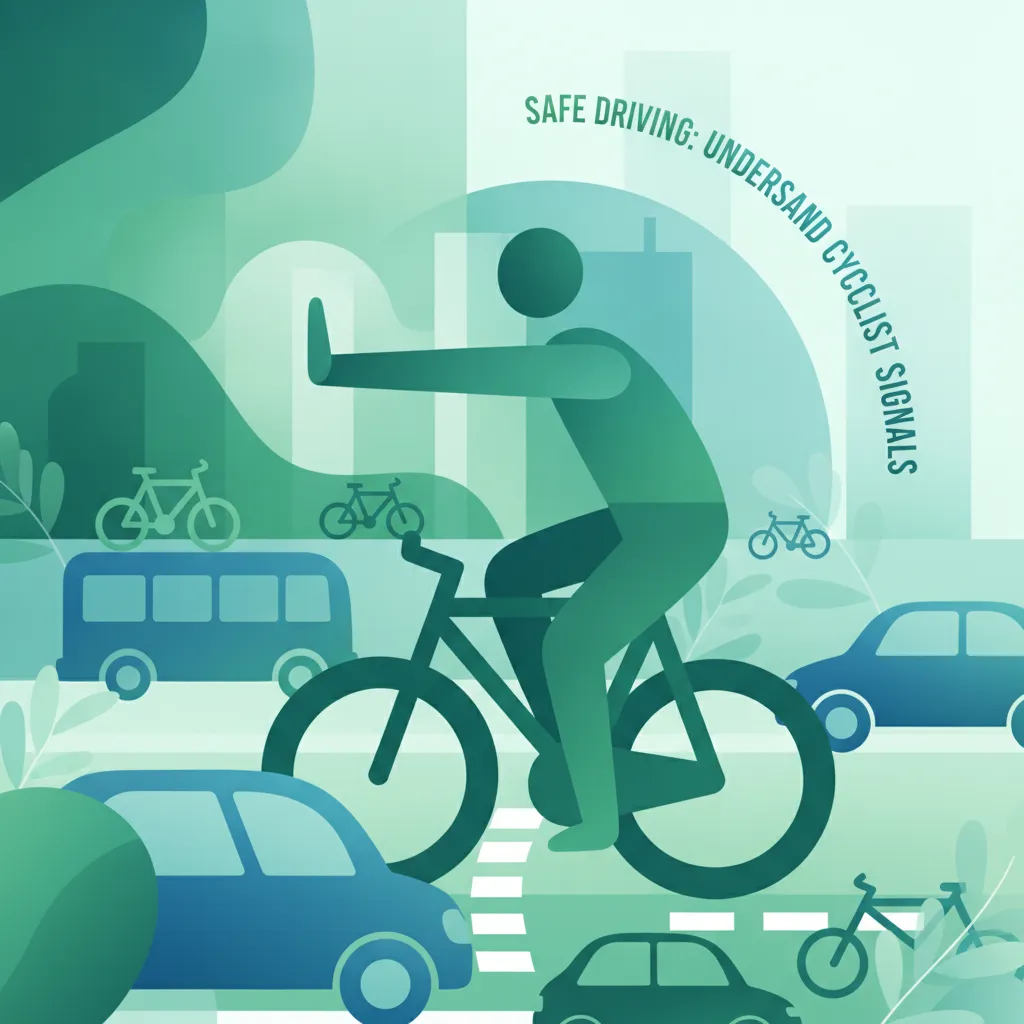
Effectively revise cyclist hand signals crucial for Danish traffic. This practice set helps you predict cyclist actions and react safely, improving your hazard perception and exam preparation for the driving theory test.
Navigate urban and rural roads with confidence by understanding how cyclists signal their intentions. This set covers key hand signals for turns, stops, and lane changes, teaching you to predict cyclist actions and react safely to avoid common traffic hazards during the Danish driving theory exam.
Preview sample questions from the Cyclist Signals & Responses practice set to see how they help you prepare for the driving theory exam in Denmark.
Learners choose Cyclist Signals & Responses to improve accuracy and understanding of key exam themes in Denmark. It offers realistic driving theory questions and targeted revision for effective preparation.
Find answers to the most common queries learners have when practising Cyclist Signals & Responses, including how questions match the official theory exam in Denmark, how scoring works, and how this practice improves exam readiness.
Understanding cyclist hand signals is crucial for driver safety and compliance with Danish traffic laws. It allows you to anticipate their movements, such as turns or stops, reducing the risk of collisions and ensuring smoother traffic flow, particularly in highly cycle-dense areas like Denmark.
In Denmark, cyclists signal a left turn by extending their left arm horizontally. For a right turn, they extend their right arm horizontally. They may also look over their shoulder in the direction they intend to turn.
If a cyclist signals a sudden stop, a driver must immediately reduce speed and maintain a safe following distance. Be prepared to stop completely and ensure you do not inadvertently push the cyclist forward or cause a rear-end collision. Anticipation is key.
No, you must never overtake a cyclist who is signalling a left turn. You must slow down, provide sufficient space, and wait until the cyclist has completed their turn or it is clearly safe to pass after they have resumed a straight path, ensuring you do not impede their manoeuvre.
Cyclists are expected to position themselves appropriately before a turn. For a left turn, they may move towards the middle of their lane or the lane they intend to enter. For a right turn, they should stay as far right as safe. Drivers should observe these positioning cues along with hand signals.
By completing Cyclist Signals & Responses, you will gain stronger rule knowledge, faster recognition of signs and situations, better decision making in traffic scenarios, and increased accuracy on exam style questions used in Denmark. These outcomes directly support higher scoring exam performance.
Explore related practice sets to solidify your knowledge of cyclist communication and driver responses. This targeted approach enhances your theory test practice and exam preparation by covering essential Danish traffic rules.

Master cyclist interactions to drive confidently and pass your Danish theory test.

Navigate Complex Danish Intersections Safely and Confidently.

Mastering Safe Driving in Denmark's Bicycle-Focused Urban Spaces.
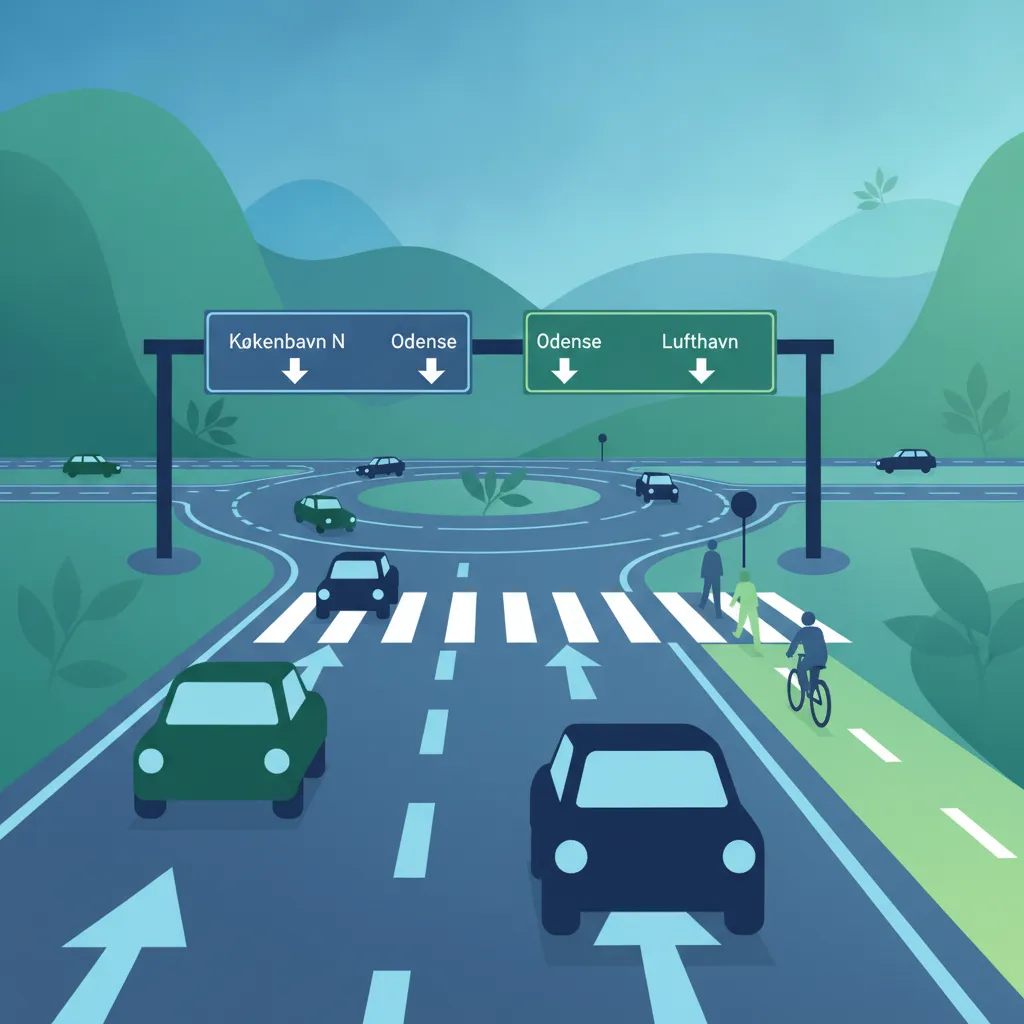
Navigate Danish roundabouts confidently for your driving theory exam.

Master Danish Traffic Light Rules: Stop, Go, and Yield with Confidence.

Ensure safe distances and timing when passing vulnerable road users in Denmark.
Questions in Cyclist Signals & Responses
Exam focused questionss
Cyclist Signals & Responses offers quick, focused exam style practice to boost your Danish knowledge for the driving theory exam in Denmark.
Cyclist Signals & Responses helps learners in Denmark with clear explanations and targeted Danish practice to improve essential driving theory topics.
This set is for intermediate learners and anyone preparing for the Danish driving theory exam who wants to improve their interactions with cyclists. Many drivers struggle with predicting cyclist behaviour or reacting appropriately to their signals. This practice provides crucial insights to enhance your hazard perception and ensure safe coexistence with cyclists on Danish roads.
Explore more topics for the Danish driving theory exam in Denmark.
After reviewing the category list, select the topics where you need the most practice. Dive into specific exercises on road signs, traffic rules, or hazard perception to reinforce your knowledge and prepare confidently for your official Danish driving theory exam.
Practice Categories Overview