
This E91 'Speed feedback sign' is a Danish special regulation sign used to establish a specific rule, road type, zone, or operating condition. Unlike signs that simply warn or prohibit, this sign can define areas like motorways, expressways, bicycle boulevards, pedestrian zones, or zones with variable messages. You must apply the special rule from the point the sign is displayed until an end sign or further instruction indicates otherwise. Always pay attention to the sign's placement, surrounding road markings, and any accompanying panels, as these details are crucial for understanding the exact nature of the special regulation.
Mastering the Speed Feedback Sign (E91) is crucial for your Danish theory test revision, helping you understand real-time speed adjustments and their implications. This essential road sign explanation clarifies its role in managing traffic flow and ensuring compliance with Danish traffic rules.
This Danish special regulation sign defines a special rule, road type, zone, or operating condition. It may establish motorway or expressway status, one-way movement, bicycle boulevard rules, pedestrian zones, living streets, urban areas, parking zones, low-emission zones, variable messages, or surveillance. Drivers should apply the rule from the signed point until an end sign or later instruction changes it. Official catalogue code: E91.
The "Speed feedback sign" sign establishes or ends a special traffic rule, road type, zone, lane arrangement, surveillance condition, or local regulation. Apply it from the signed point or zone boundary. Catalogue code E91.
Get clear, practical answers to the most common questions about the E91 - Speed feedback sign road sign. Learn how the sign works, what rules it represents, and how it affects real driving situations. This FAQ strengthens your understanding and supports accurate decision making for the Danish driving theory exam in Denmark.
The E91 sign means that a special traffic rule or condition applies from this point onwards. This could relate to speed limits, road type (like a living street or urban area), or surveillance. You must follow the specific rule associated with the signed zone until you see an end sign or receive other instructions.
The E91 sign itself doesn't detail the specific rule. You need to interpret it based on its placement, the road markings, traffic signals, and any additional information panels or sub-signs that accompany it. The additional notes state that the road layout and context are key to understanding the practical response.
Yes, you should not assume that ordinary road rules still apply unchanged within a signed special zone. Also, do not ignore these signs just because the road looks familiar; always look for and understand the specific regulation that has been implemented.
When you see a corresponding end sign for the E91 special regulation, it signifies that the special rule or zone is no longer in effect. You can then revert to the standard traffic rules that apply to that particular road or area, unless other signs indicate new regulations.
Yes, while the E91 sign itself is a 'special regulation sign', it can be used to establish various conditions, including specific speed regimes or zones where variable speed limits are displayed. Always check accompanying signs or panels for precise speed requirements within the zone designated by the E91 sign.
A clear reference image of the E91 - Speed feedback sign road sign used in Denmark.
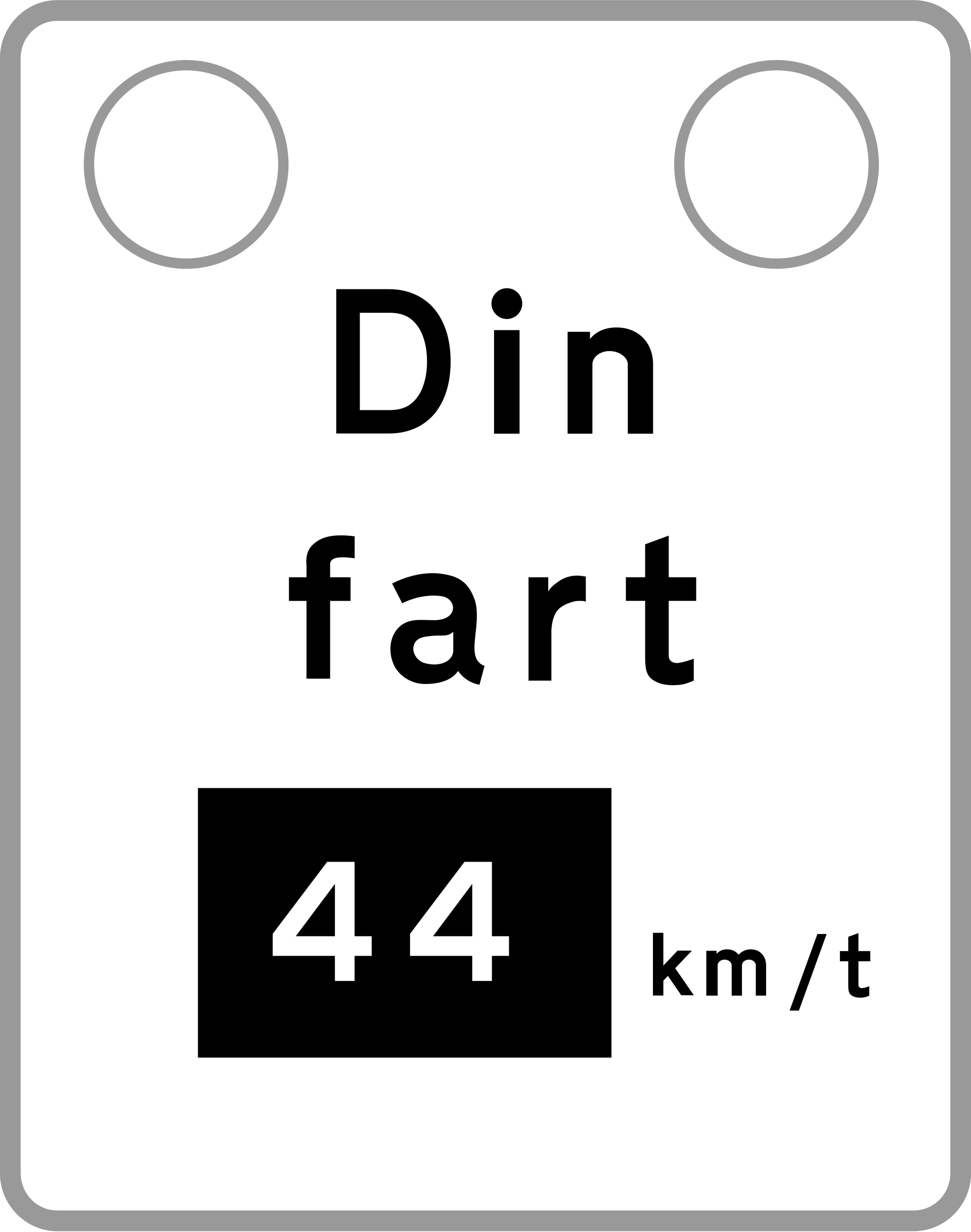
The E91 - Speed feedback sign road sign may also be known by these alternative names or terms.
The E91 - Speed feedback sign road sign is part of the Danish Special Regulation Signs category, which groups together signs with similar rules and functions.
Deepen your understanding by comparing the Speed feedback sign with other Danish special regulation signs, improving your recall and reducing confusion. This focused review is essential for effective theory test revision and mastering traffic sign comparison.
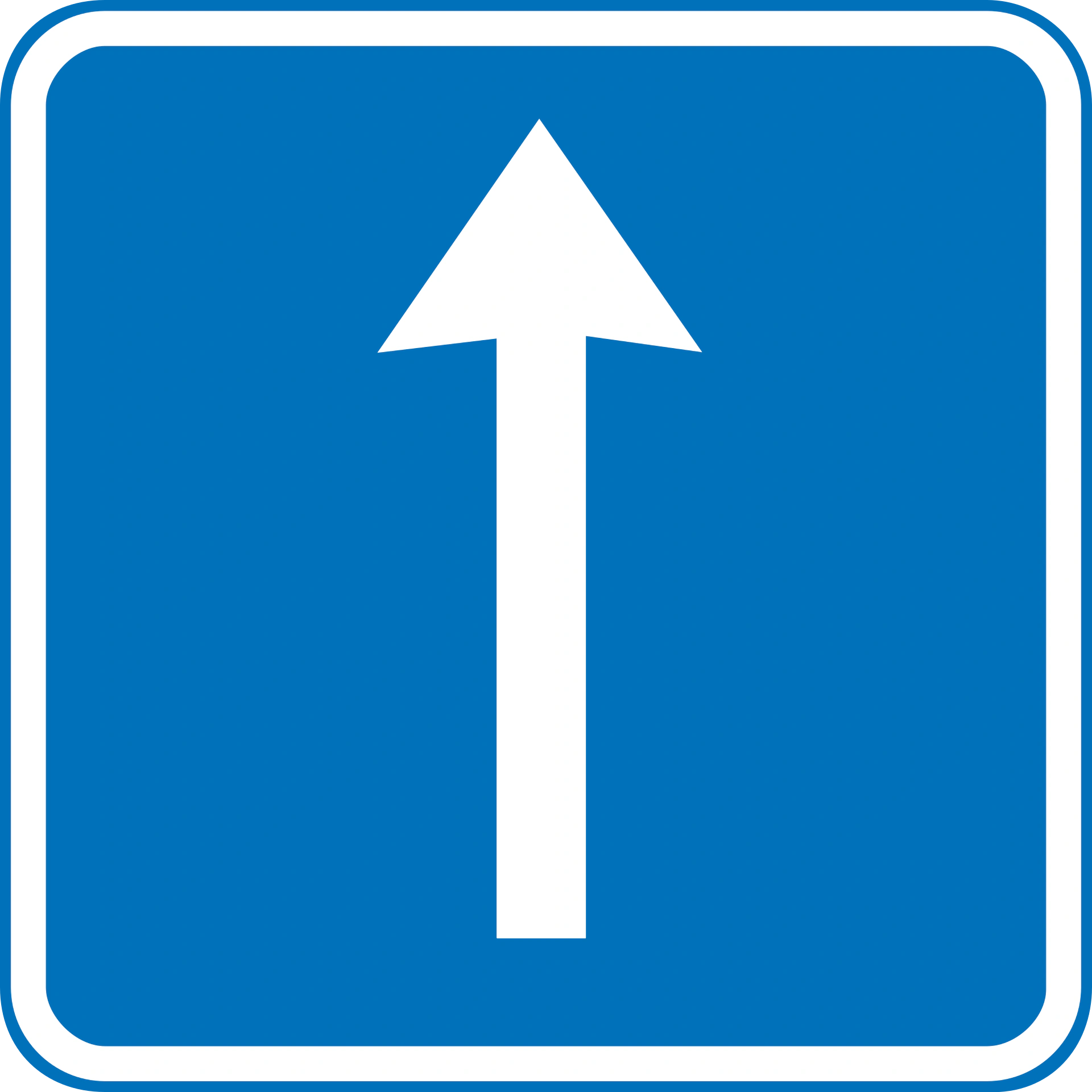
The E11.1 'Continue Straight' sign means you must follow a special rule for this road.
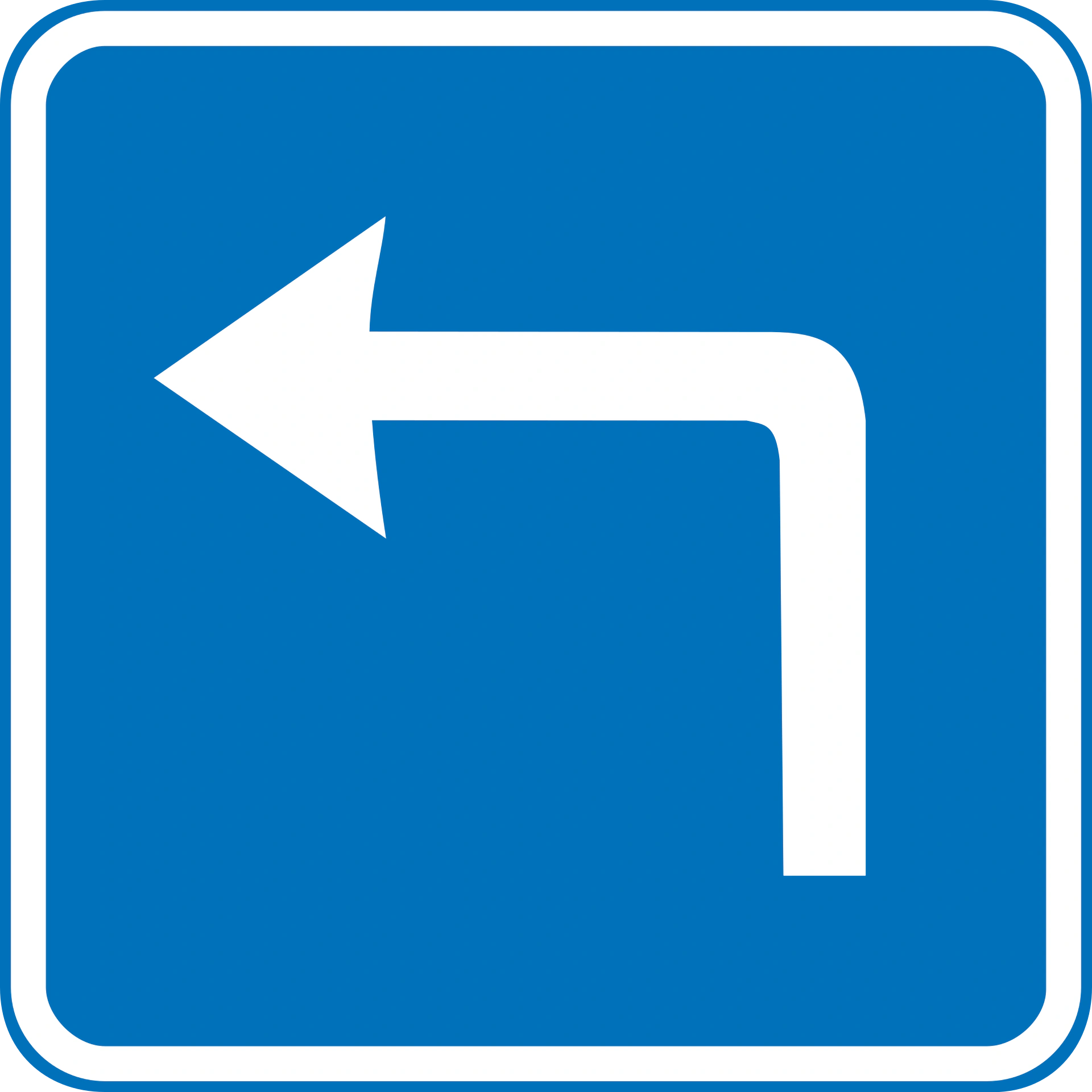
Understand the Danish E11.4 'Turn Left' Special Regulation Sign
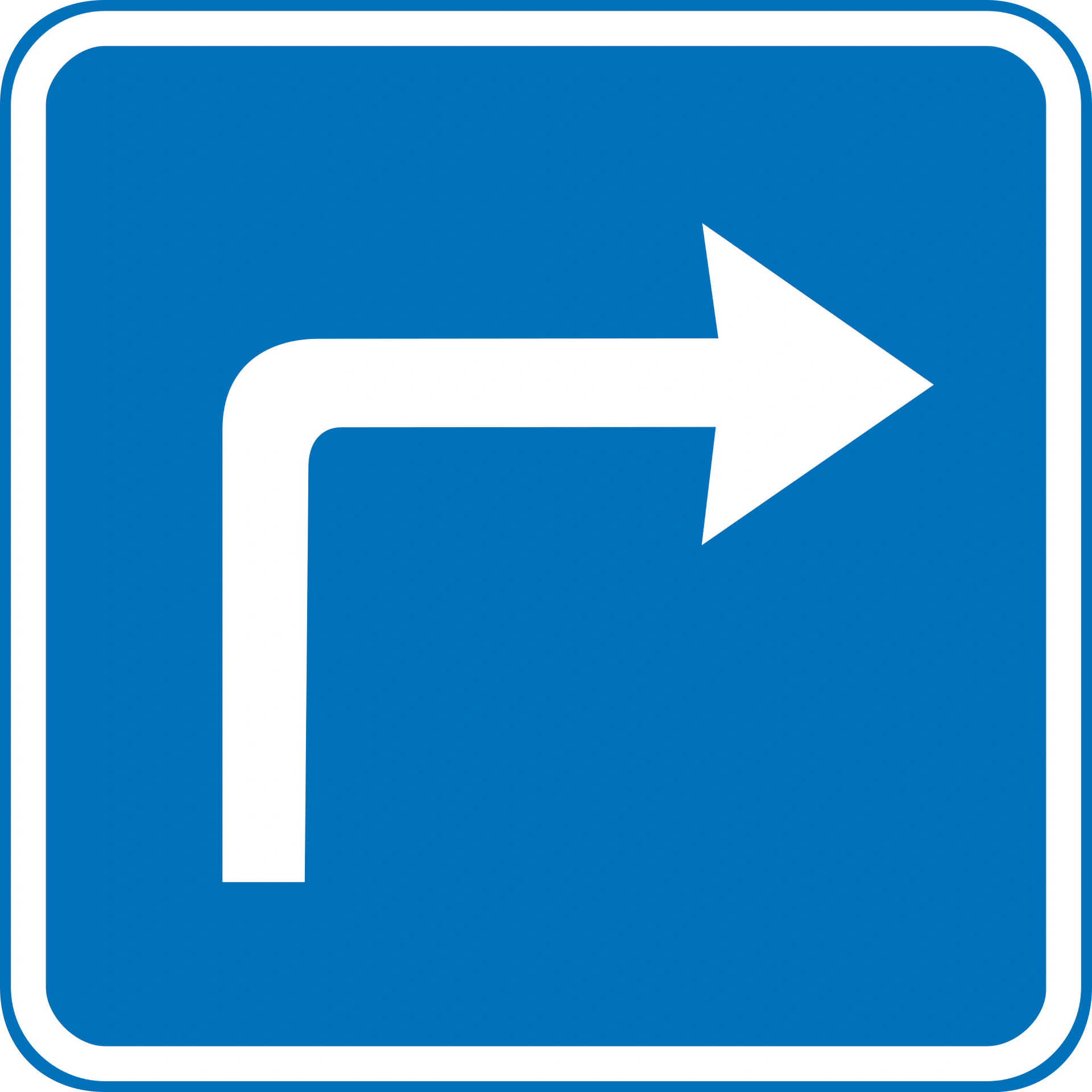
This sign means you must turn right, setting a special traffic rule.
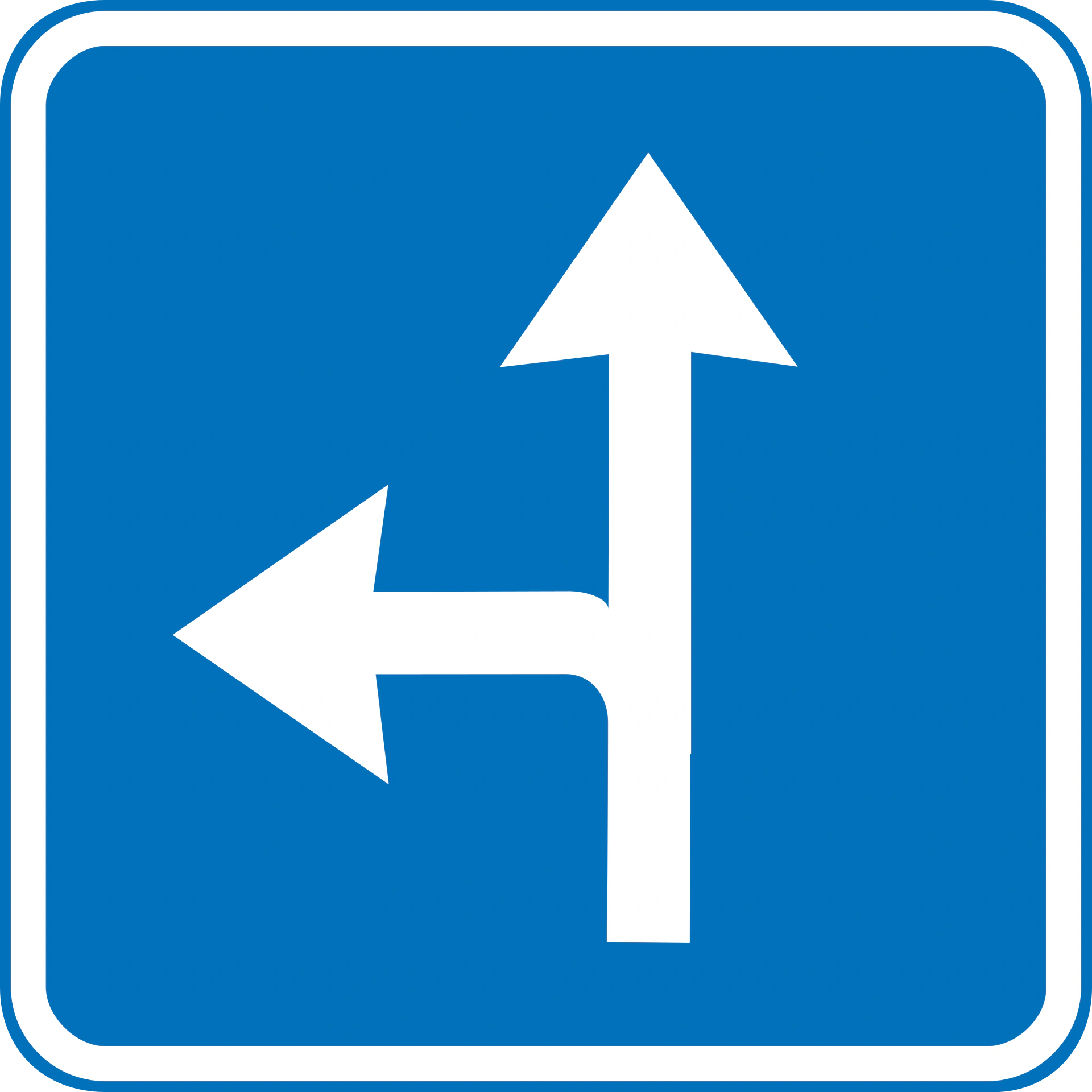
Understand the E11.6 'Continue straight or turn left' Special Regulation Sign
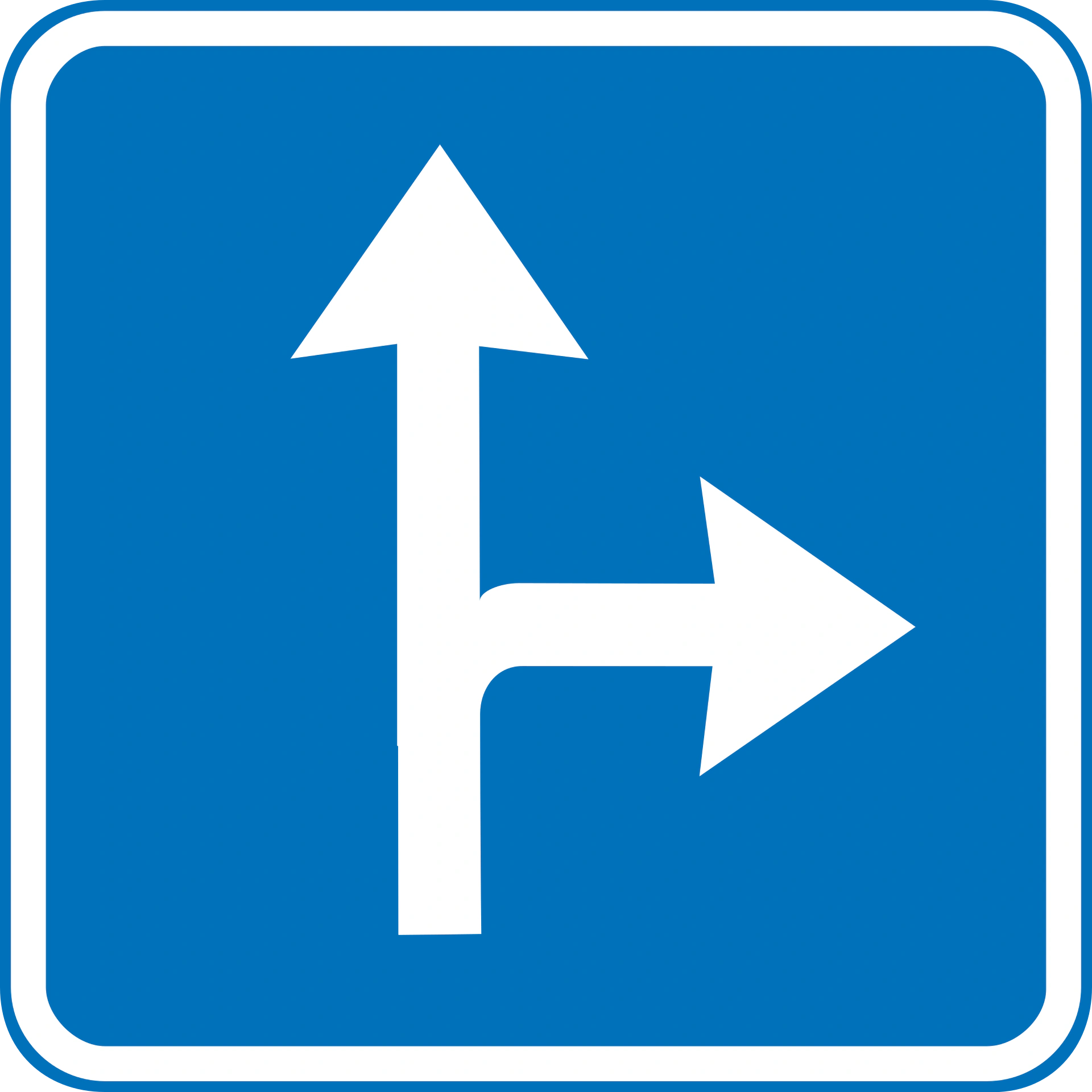
Special Regulation: Continue Straight or Turn Right
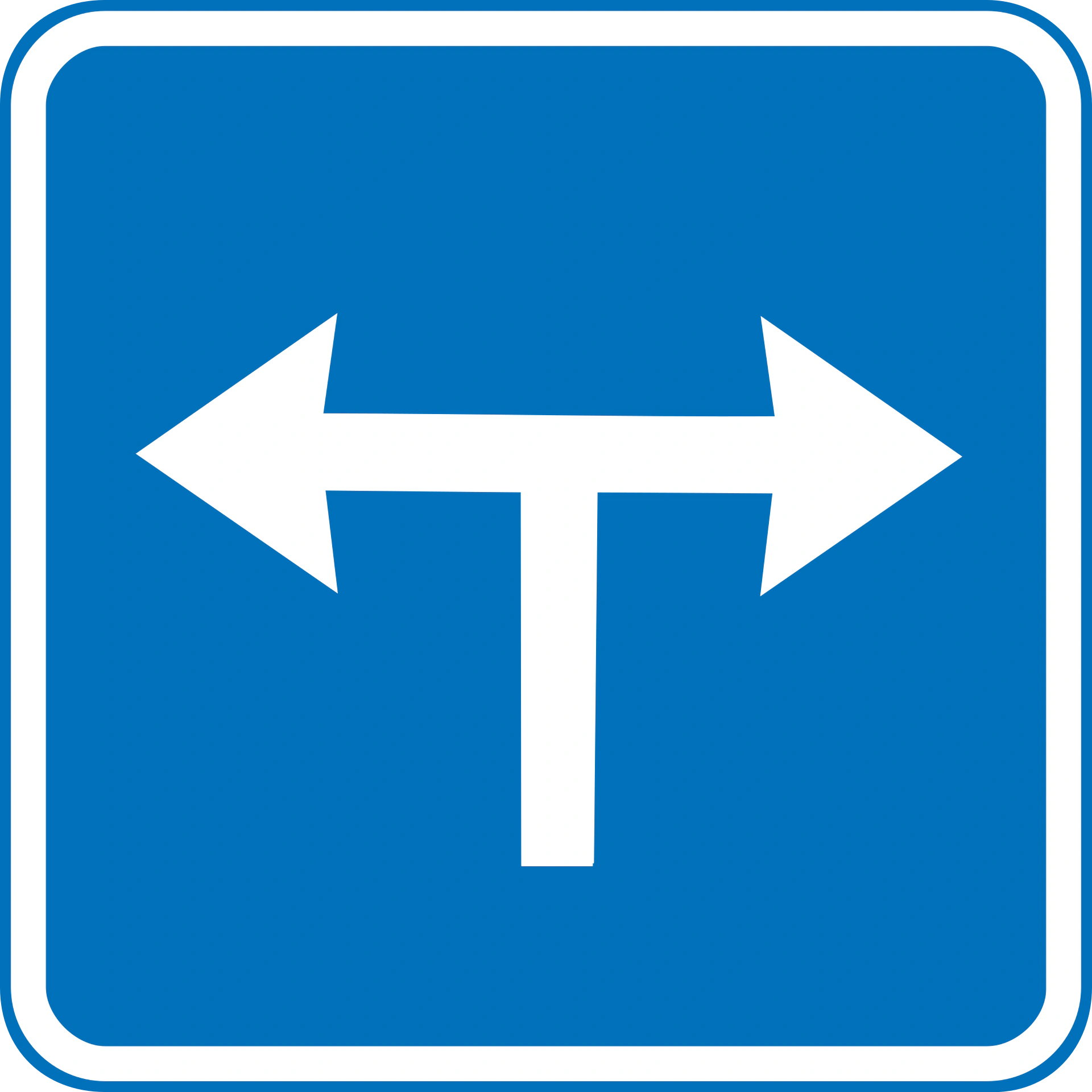
Special Regulation: 'Turn Left or Right' Sign (E11.8)
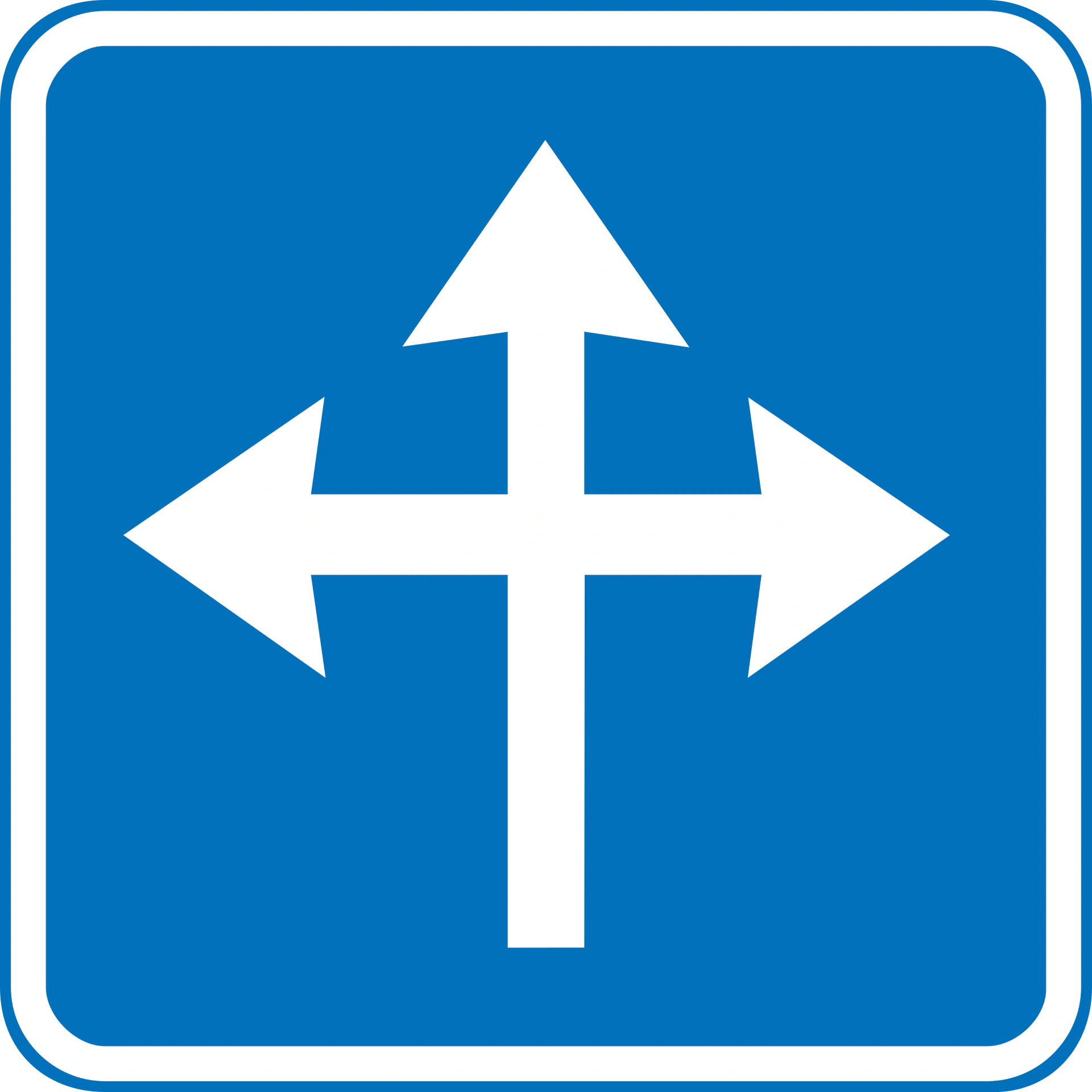
The E11.9 sign means you must follow a special road rule: continue straight, turn left, or turn right.
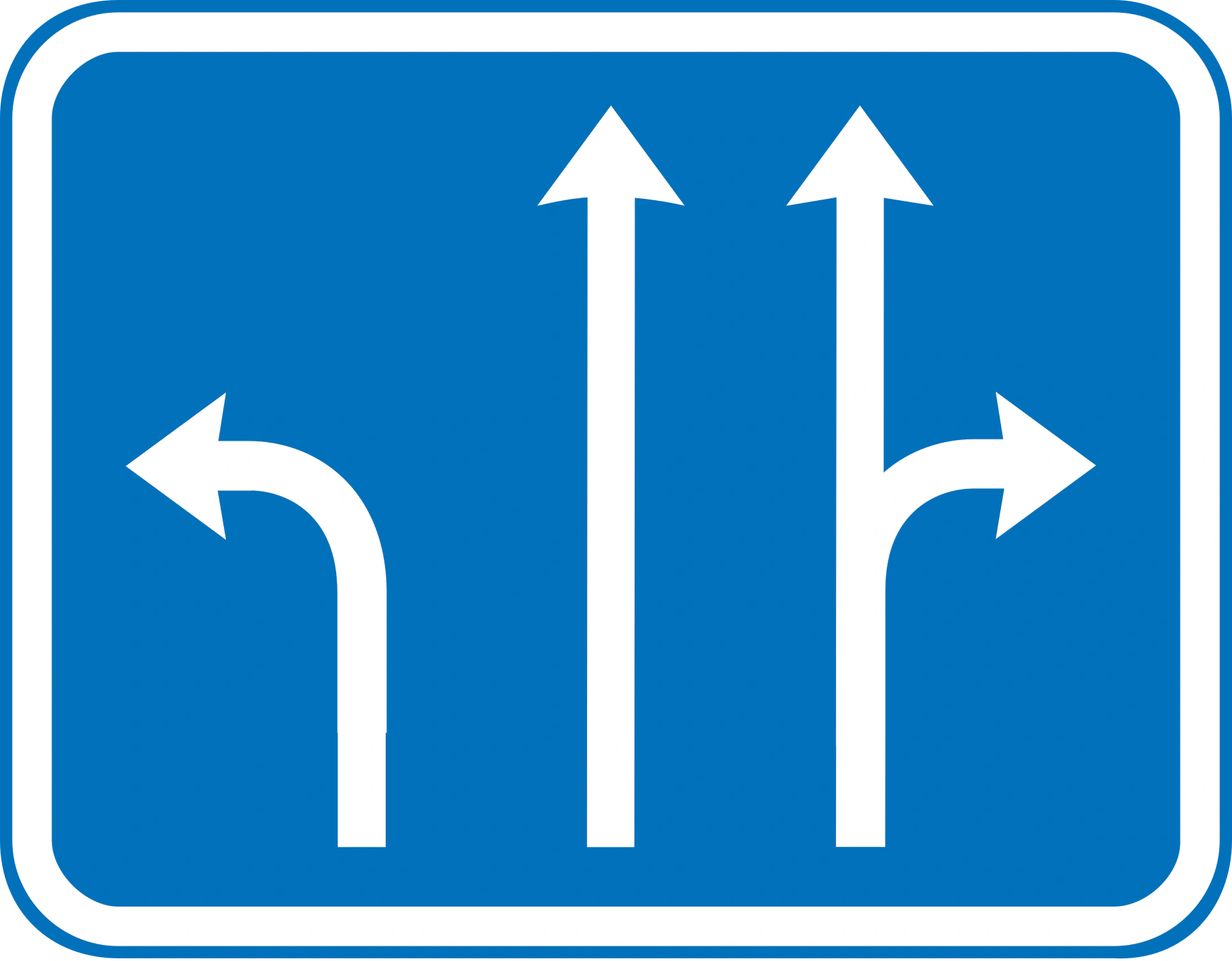
Understand Danish E15 Special Regulation: Lanes at Intersection Sign
Strengthen your theory test preparation by exploring how these specific road signs influence priority, speed limits, and traffic flow across Danish roads. Review our curated resources to ensure you understand the legal obligations associated with each sign.
Passing your Danish driving test in an automatic car means your 'kørekort' will carry a Code 78 restriction, limiting you to automatics. This article clarifies what Code 78 signifies, why it's in place according to Færdselsstyrelsen regulations, and the essential steps to undertake a manual transmission test to remove this restriction. Learn how to navigate this rule to gain full driving flexibility in Denmark.
Mastering Safe Driving in Denmark's Bicycle-Focused Urban Spaces.
Master the Art of Lane Changes and Boost Your Exam Confidence!
Navigating the rules for towing a trailer is essential for both your driving theory test and your future as a responsible driver. This guide explains how weight limits on registration documents determine your licence needs, distinguishing between basic Category B, Code 96, and Category B/E requirements. You will learn the importance of the combined total weight of your vehicle and trailer to ensure you stay within legal limits on Danish roads.
This Danish special regulation sign defines a special rule, road type, zone, or operating condition. It may establish motorway or expressway status, one-way movement, bicycle boulevard rules, pedestrian zones, living streets, urban areas, parking zones, low-emission zones, variable messages, or surveillance. Drivers should apply the rule from the signed point until an end sign or later instruction changes it. Official catalogue code: E47.
This Danish special regulation sign defines a special rule, road type, zone, or operating condition. It may establish motorway or expressway status, one-way movement, bicycle boulevard rules, pedestrian zones, living streets, urban areas, parking zones, low-emission zones, variable messages, or surveillance. Drivers should apply the rule from the signed point until an end sign or later instruction changes it. Official catalogue code: E48.
After reviewing the full list of Danish road signs, test your understanding by attempting practice questions focused on sign recognition and meaning. Reinforce your learning and identify areas needing further study to confidently pass your driving theory exam.
View All Danish Road Signs List