The A96 'Low airplanes' sign is a Danish warning sign alerting you to the potential hazard of aircraft flying at low altitudes. When you see this sign, it's a cue to prepare by reducing your speed, increasing your observation range, and being extra vigilant for aircraft noise or presence. This early warning helps you maintain control and safety on the road.
This Danish warning sign (A96) alerts drivers to the potential hazard of low-flying aircraft, requiring immediate adaptation of driving behaviour. Proper interpretation is crucial for your theory test revision and safe navigation on Danish roads.
This Danish warning sign is an early planning cue. It appears before the hazard so drivers can adapt speed, following distance, lane position, and observation before the situation becomes demanding. A strong theory explanation connects the sign to a practical response: anticipate the risk, keep control, avoid unnecessary overtaking, and leave extra margin where visibility, grip, crossings, or road width may change. Official catalogue code: A96.
The "Low airplanes" sign gives advance warning of low airplanes. It gives drivers time to reduce speed if needed, widen observation, and prepare before reaching the hazard. Catalogue code A96.
Get clear, practical answers to the most common questions about the A96 - Low airplanes road sign. Learn how the sign works, what rules it represents, and how it affects real driving situations. This FAQ strengthens your understanding and supports accurate decision making for the Danish driving theory exam in Denmark.
The A96 sign is a warning sign indicating that airplanes may be flying at a low altitude in the vicinity. It prompts drivers to be aware of this potential hazard and adjust their driving accordingly.
Upon seeing the A96 sign, you should reduce your speed if necessary, widen your observation, and be prepared for the presence of low-flying aircraft. This helps you react calmly and safely if aircraft noise becomes distracting or if their flight path is close to the road.
The sign is placed in advance to give you time to adapt your driving behaviour proactively. This means adjusting your speed, following distance, and observation strategy before you reach the area where low airplanes are a concern, ensuring you are prepared and not surprised.
You should avoid treating the warning as decorative or waiting until the hazard is directly ahead. It's also advisable not to overtake or make abrupt lane changes in the area indicated by the warning sign, as this could reduce your safety margin.
Widening observation means looking and listening more broadly than usual. For the A96 sign, this includes scanning the sky for aircraft, paying attention to the sound of engines, and being aware of how aircraft proximity might affect other road users or your concentration.
A clear reference image of the A96 - Low airplanes road sign used in Denmark.
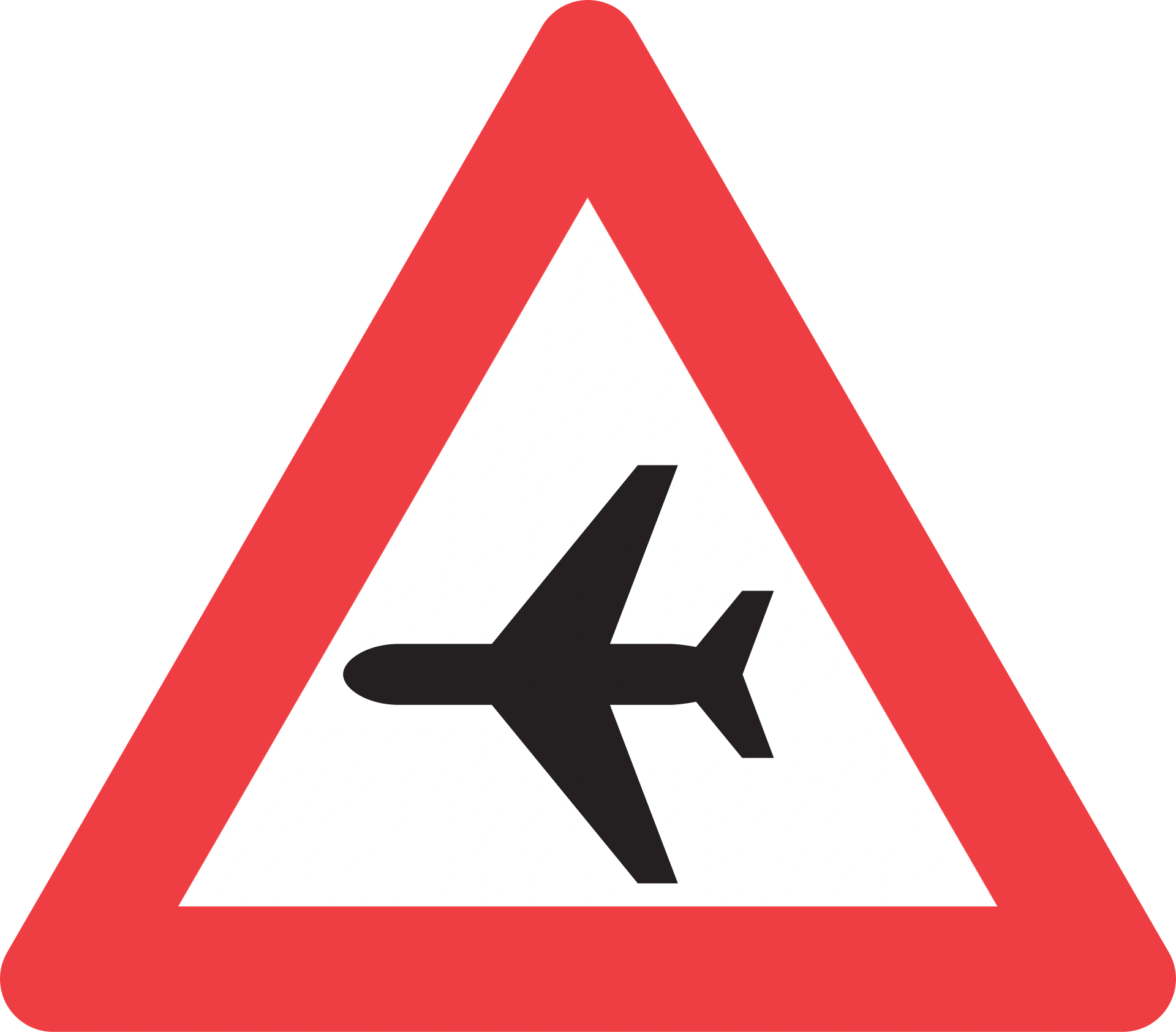
The A96 - Low airplanes road sign may also be known by these alternative names or terms.
The A96 - Low airplanes road sign is part of the Danish Warning Signs category, which groups together signs with similar rules and functions.
Comparing similar road signs like 'Low airplanes' (A96) and others helps solidify your understanding and improves sign recognition for the Danish theory test. Effective traffic sign comparison is key to reducing confusion and boosting recall during your exam preparation.

Prepare for a Dangerous Junction with a Non-Priority Road Ahead (A11)

Get Ready for Roundabouts with the A16 Warning Sign

Prepare for Pedestrians with the Danish A17 Warning Sign for Pedestrian Crossing

A18 Two-Way Traffic: Prepare for oncoming vehicles ahead.
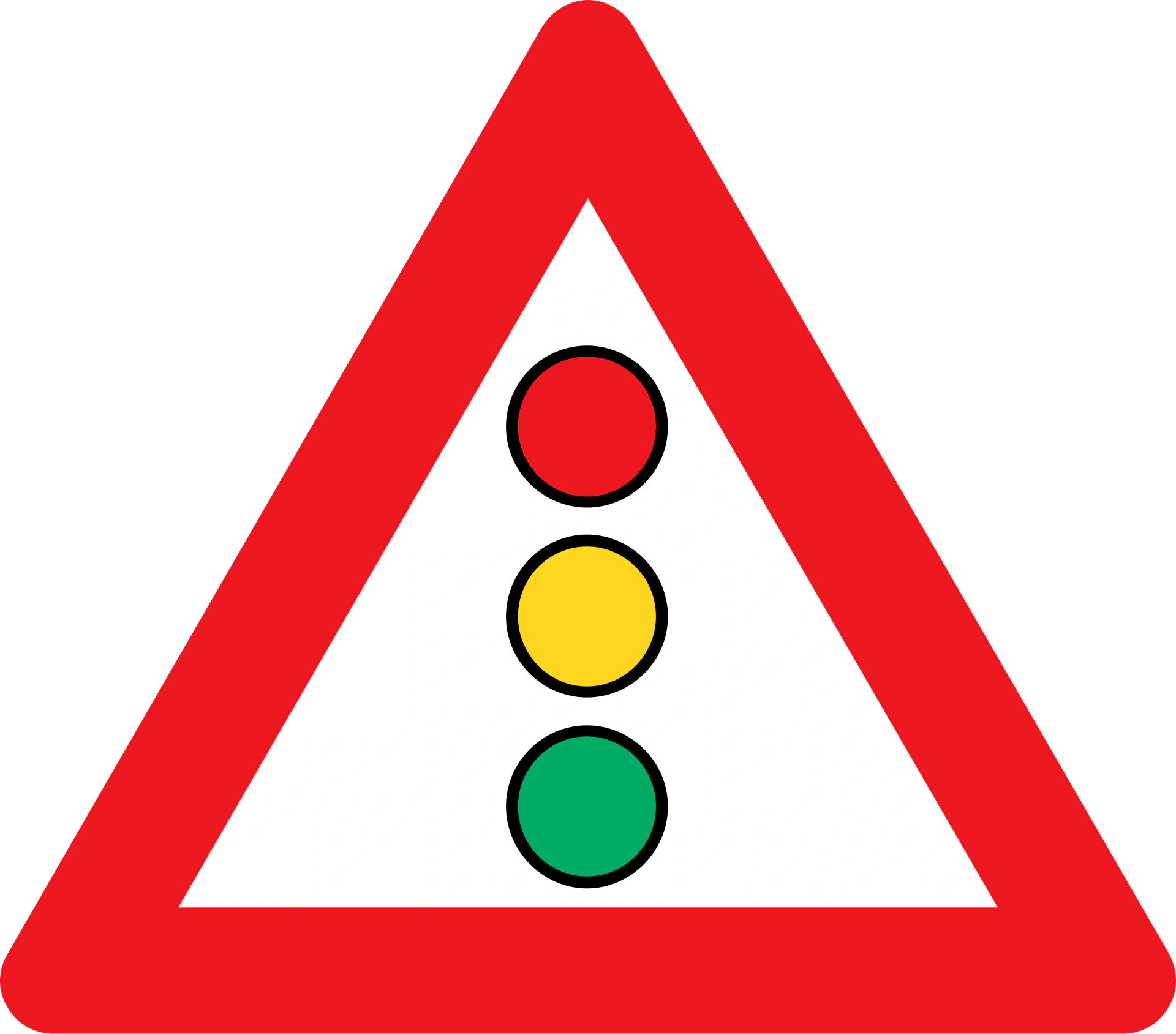
Prepare for upcoming traffic signals with the A19 warning sign.
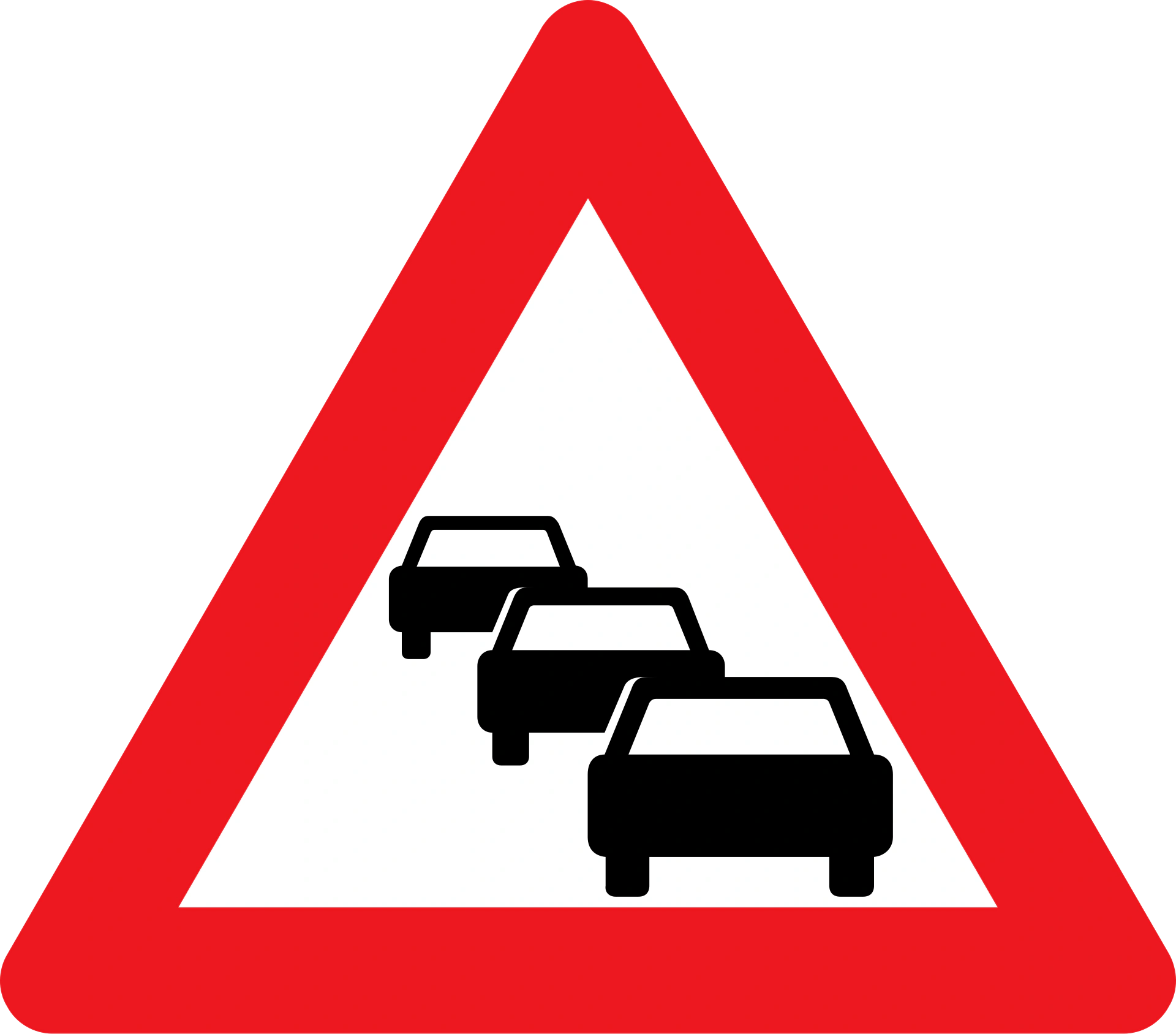
Prepare for traffic queues ahead with the A20 warning sign.
Strengthen your theory test preparation by exploring how these specific road signs influence priority, speed limits, and traffic flow across Danish roads. Review our curated resources to ensure you understand the legal obligations associated with each sign.
Learn the precise requirements for mobile phone usage while driving in Denmark, including why the law strictly prohibits handheld devices even when stationary in traffic. We break down the 'klippekortordning' penalty system and how a single violation can lead to points on your record, with heightened risks for those holding a probationary license. This guide ensures you understand your legal obligations to prevent distractions and pass your theory exam with confidence.
Before purchasing a used vehicle, it is essential for every driver to verify its legal and technical status to avoid hidden liabilities. This article covers how to use the Danish Motor Register (DMR) and other reliable platforms to check for inspection history, outstanding debt, and environmental zone compliance. Mastering these checks helps you navigate the responsibilities of a car owner and ensures you stay compliant with national regulations.
Adapt Your Driving: Conquer Rural Roads and Village Entrances with Confidence.
Master the Rules to Avoid a Driving Ban in Denmark
This Danish warning sign is an early planning cue. It appears before the hazard so drivers can adapt speed, following distance, lane position, and observation before the situation becomes demanding. A strong theory explanation connects the sign to a practical response: anticipate the risk, keep control, avoid unnecessary overtaking, and leave extra margin where visibility, grip, crossings, or road width may change. Official catalogue code: A11.
This Danish warning sign is an early planning cue. It appears before the hazard so drivers can adapt speed, following distance, lane position, and observation before the situation becomes demanding. A strong theory explanation connects the sign to a practical response: anticipate the risk, keep control, avoid unnecessary overtaking, and leave extra margin where visibility, grip, crossings, or road width may change. Official catalogue code: A16.
After reviewing the full list of Danish road signs, test your understanding by attempting practice questions focused on sign recognition and meaning. Reinforce your learning and identify areas needing further study to confidently pass your driving theory exam.
View All Danish Road Signs List