
In Germany, aggressive driving behavior often crosses the line from a civil traffic offense into a serious criminal act punishable under §240 of the German Criminal Code (StGB). This guide helps you identify behaviors that constitute coercion, explains the potential consequences like the loss of your driving license, and provides essential advice on how to handle hostile encounters on the road while adhering to legal standards.
Article content overview
Operating a motor vehicle in Germany requires more than just mastering technical skills; it demands strict adherence to the Straßenverkehrs-Ordnung (StVO) and an understanding of the legal boundaries that keep our roads safe. While many drivers view road rage as a momentary lapse in judgment or a frustrating "bad habit," German law classifies aggressive behavior as a serious matter that can quickly cross the threshold from a civil traffic violation (Ordnungswidrigkeit) into a criminal offense.
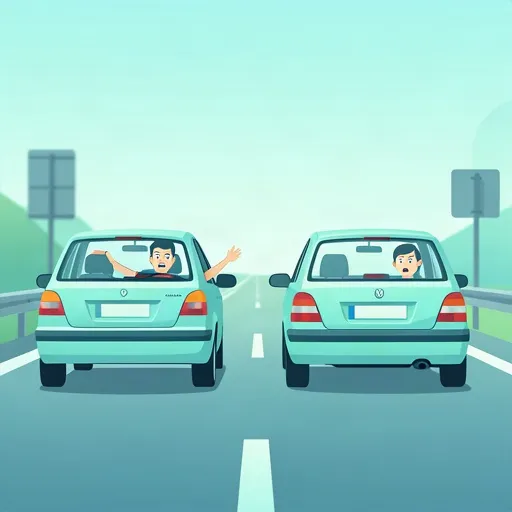
In the German legal system, the term Nötigung refers to the act of coercion or duress. Under §240 of the German Criminal Code (Strafgesetzbuch or StGB), a driver commits a criminal act if they use force or threaten another person to force them to act against their will. On the road, this often manifests as intimidating behavior designed to compel another driver to change their speed, direction, or lane.
Unlike a simple fine for speeding, Nötigung is a criminal charge. If a court finds that a driver intentionally endangered or intimidated others, the consequences can include substantial monetary fines, the suspension of the driver's license (Fahrverbot), or even prison sentences of up to three years in severe cases.
Nötigung, or coercion, occurs in traffic when a driver uses force (such as aggressive braking or blocking) or threats to force another road user to act, tolerate, or omit an action against their own will.
German authorities and courts have clearly defined the types of driving conduct that qualify as Nötigung. These behaviors are frequently tested in the hazard perception section of the theoretical driving exam because they represent high-risk scenarios that threaten road safety.
When you encounter an aggressive driver, your primary goal must be de-escalation. Engaging with the aggressor, such as by gesturing or escalating your own speed to "teach them a lesson," only increases the likelihood of an accident and could result in you sharing legal culpability.
Do not attempt to capture evidence yourself while driving. Using a handheld device to film or photograph another driver while behind the wheel is itself an illegal offense and distracts you from critical traffic hazards.
In modern traffic law, dashcam footage has become a significant source of evidence in criminal proceedings for Nötigung. German courts increasingly accept recordings that capture aggressive behavior, provided the footage complies with data protection regulations. However, rely on police intervention rather than taking matters into your own hands. Remember that the Polizei is the proper authority to handle reports of criminal traffic behavior.
In Germany, aggressive driving behaviors such as persistent tailgating, brake checking, blocking overtaking, and aggressive high-beam flashing can escalate from civil traffic violations (Ordnungswidrigkeit) to criminal coercion (Nötigung) under §240 StGB when intent to intimidate or force another road user is established. The penalties are severe, including substantial fines, temporary driving bans (Fahrverbot), and up to three years imprisonment in serious cases. When encountering aggressive drivers, the correct response is de-escalation, maintaining safety distance, noting vehicle details, and reporting to police via 110 rather than engaging or attempting self-evidence. Dashcam footage has become a valuable tool in prosecuting these offenses, but must be handled according to data protection laws and submitted through proper authorities.
A short set of high-value points that capture the most important ideas from this article.
Nötigung under §240 StGB is a criminal offense, not merely a civil traffic violation, and carries serious penalties including fines, Fahrverbot, or imprisonment
Persistent tailgating with intent to intimidate or force lane changes constitutes criminal coercion under German law
Brake checking, blocking overtaking maneuvers, and aggressive high-beam flashing are prosecutable behaviors that courts have specifically addressed
The core element of Nötigung is using force or threats to compel another road user to act against their will
Dashcam footage is increasingly accepted as evidence in German courts for prosecuting aggressive driving offenses
§240 StGB (Strafgesetzbuch) is the specific criminal code provision that defines coercion in traffic
The legal threshold for criminal Nötigung requires intentional intimidation or force, distinguishing it from simple Ordnungswidrigkeit
Calling 110 to report dangerous behavior is the correct procedure; do not attempt self-confrontation or self-evidence gathering
Fahrverbot (driving ban) is a direct consequence of criminal Nötigung convictions alongside potential monetary penalties
Sicherheitsabstand (safety distance) violations combined with aggressive intent can elevate a traffic offense to criminal status
Assuming aggressive driving only results in fines when it can lead to criminal charges and license suspension
Responding to aggressive drivers with gestures, horn use, or retaliatory acceleration which can create shared legal culpability
Using a handheld device to film or photograph another driver while driving, which is itself an illegal offense
Believing that simply being tailgated or brake-checked means you have no legal recourse; report these incidents to police
Underestimating the severity of dashcam usage—while evidence is valuable, it must comply with data protection regulations and be submitted through proper legal channels
Article content overview
A short set of high-value points that capture the most important ideas from this article.
Nötigung under §240 StGB is a criminal offense, not merely a civil traffic violation, and carries serious penalties including fines, Fahrverbot, or imprisonment
Persistent tailgating with intent to intimidate or force lane changes constitutes criminal coercion under German law
Brake checking, blocking overtaking maneuvers, and aggressive high-beam flashing are prosecutable behaviors that courts have specifically addressed
The core element of Nötigung is using force or threats to compel another road user to act against their will
Dashcam footage is increasingly accepted as evidence in German courts for prosecuting aggressive driving offenses
§240 StGB (Strafgesetzbuch) is the specific criminal code provision that defines coercion in traffic
The legal threshold for criminal Nötigung requires intentional intimidation or force, distinguishing it from simple Ordnungswidrigkeit
Calling 110 to report dangerous behavior is the correct procedure; do not attempt self-confrontation or self-evidence gathering
Fahrverbot (driving ban) is a direct consequence of criminal Nötigung convictions alongside potential monetary penalties
Sicherheitsabstand (safety distance) violations combined with aggressive intent can elevate a traffic offense to criminal status
Assuming aggressive driving only results in fines when it can lead to criminal charges and license suspension
Responding to aggressive drivers with gestures, horn use, or retaliatory acceleration which can create shared legal culpability
Using a handheld device to film or photograph another driver while driving, which is itself an illegal offense
Believing that simply being tailgated or brake-checked means you have no legal recourse; report these incidents to police
Underestimating the severity of dashcam usage—while evidence is valuable, it must comply with data protection regulations and be submitted through proper legal channels
Explore related topics, search based questions, and concepts that learners often look up when studying Road Rage and Nötigung Laws. These themes reflect real search intent and help you understand how this topic connects to wider driving theory knowledge in Germany.
Find clear and practical answers to common questions learners often have about Road Rage and Nötigung Laws. This section helps explain difficult points, remove confusion, and reinforce the key driving theory concepts that matter for learners in Germany.
A traffic violation, or Ordnungswidrigkeit, is a breach of traffic regulations like the StVO, usually resulting in fines. Nötigung, however, is a criminal offense under §240 StGB involving the use of force or threats to compel others to act against their will, which can lead to criminal prosecution, higher fines, and imprisonment.
Common examples include persistent, dangerously close tailgating intended to intimidate, repeated flashing of high beams to force a lane change, deliberately blocking another driver, or brake checking.
Yes, German courts increasingly accept dashcam recordings as admissible evidence in cases involving traffic-related criminal offenses like Nötigung to prove the sequence of events.
Stay calm, do not engage in confrontation, maintain a safe following distance, note the vehicle details, and report the behavior to the police via 110.
Didn't find what you were looking for? Continue your German driving theory preparation by exploring related articles, specific road sign categories, or in-depth guides on complex traffic situations. Deepen your understanding before the official test.