
This lesson provides an essential overview of the various categories of road users encountered on German streets. By understanding how to interact safely with pedestrians, cyclists, public transport, and other vehicles, you build the foundation for responsible and defensive driving.
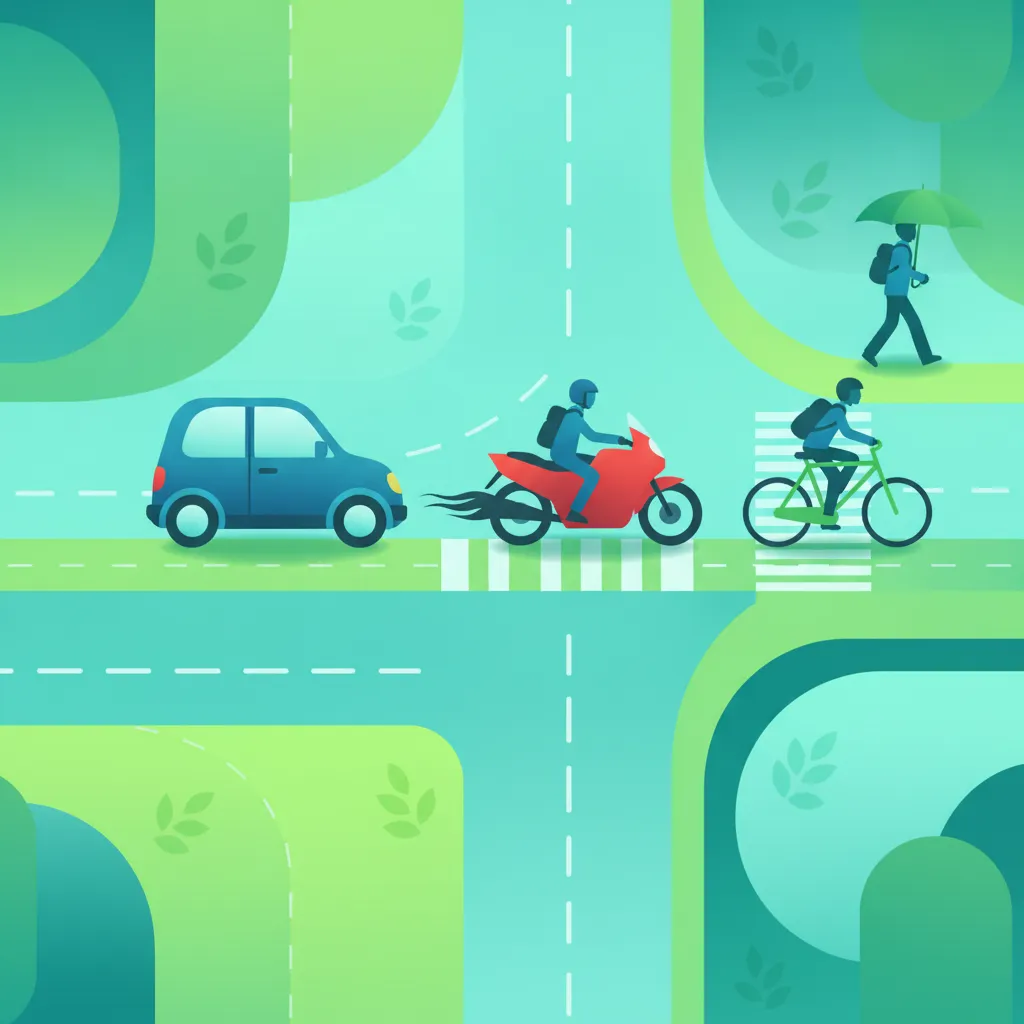
Lesson content overview
Understanding the diverse array of road users is fundamental for safe and respectful participation in German road traffic. From pedestrians and cyclists to powerful trucks and emergency vehicles, each category has distinct characteristics, rights, and responsibilities under the Straßenverkehrs-Ordnung (StVO), Germany's road traffic regulations. This lesson provides a comprehensive overview of these categories, explaining how their unique attributes impact driving behavior and why recognizing them is crucial for preventing accidents and ensuring smooth traffic flow.
The road environment in Germany is a complex ecosystem where various participants interact. As a driver, your ability to anticipate the actions of others, respect their vulnerabilities, and adhere to specific rules for each group directly contributes to overall road safety. This knowledge is not just about passing your German Category B driving license theory exam; it's about fostering a culture of mutual respect and informed decision-making every time you get behind the wheel. Recognizing different road user categories allows you to adapt your speed, distance, and signaling, minimizing risks for everyone.
Safe interaction on German roads hinges on a few core principles that apply universally, regardless of the specific user category:
The German road network accommodates a wide range of users. Let's explore each category in detail, focusing on their characteristics and the specific considerations for drivers.
Pedestrians are human road users traveling on foot. They are the most numerous and often the most vulnerable participants in traffic. While they typically use sidewalks, they frequently interact with vehicular traffic at crossings, driveways, and in residential areas.
Always scan for pedestrians, especially when turning, driving in residential areas, or approaching bus stops. Their unpredictable movements can pose a sudden hazard.
Cyclists, including users of traditional bicycles and various electric bicycles, are an increasingly common sight on German roads and dedicated cycle paths. They are also highly vulnerable due to their lack of physical protection.
Never "squeeze" past a cyclist. If there isn't enough space to overtake safely with the required minimum distance, wait until it is safe to do so.
Motorcyclists operate two-wheeled motor vehicles, including motorcycles, scooters, and mopeds. They offer great maneuverability but are extremely vulnerable in a collision.
Passenger vehicles, commonly referred to as cars, are the most prevalent type of vehicle on German roads. While they offer more protection than two-wheeled vehicles, drivers still have a significant responsibility to all other road users.
Heavy Goods Vehicles (HGVs), including delivery trucks, long-haul lorries, and articulated vehicles, are essential for logistics but present unique challenges in traffic due to their size, weight, and operational characteristics.
Buses and other public transport vehicles, such as trams or streetcars, are designed for mass passenger transport and operate on fixed routes. Their frequent stops and large size affect traffic flow.
Emergency vehicles, identified by their blue flashing lights and/or sirens, are responding to urgent situations and require immediate and unimpeded passage.
Agricultural vehicles, such as tractors and combine harvesters, are primarily used in farming and are most commonly encountered on rural roads. They often move slowly and can be very large.
Road workers and maintenance vehicles are involved in the construction, repair, and upkeep of roads, often creating temporary alterations to traffic flow.
Always assume workers may step onto the road unexpectedly. Their safety is paramount.
Animals, both wild and domestic, can pose an unpredictable hazard on roads, particularly in rural or forested areas.
Interaction with different road users is governed by specific rules embedded in the StVO. Here are some of the most critical regulations:
In Germany, the rule for zebra crossings is absolute: if pedestrians are waiting to cross or are already on the crossing, drivers must stop and yield. This applies to all vehicles. Failure to do so is a serious offense.
The StVO specifies minimum lateral distances when overtaking cyclists. This is not a suggestion but a mandatory requirement to ensure the cyclist's safety and provide them with enough space to react to road hazards.
The smallest legally allowed lateral gap between your vehicle and another road user when overtaking. For cyclists, this is typically 1.5 meters on bike lanes and 1 meter on the general road.
When an emergency vehicle (police, ambulance, fire brigade) approaches with active blue lights and siren, all other road users must yield immediately. This involves safely pulling over and stopping to allow them an unimpeded passage. On multi-lane roads, drivers must form an emergency lane (Rettungsgasse).
HGVs and buses have specific restrictions, particularly regarding overtaking. They generally require more time and space for maneuvers. Drivers of these vehicles must indicate lane changes well in advance and often have restrictions on using the leftmost lanes on Autobahnen. Other drivers should be particularly patient and aware of their blind spots.
While not specific to a single road user category, this rule is crucial for safe interaction with all users. Drivers must always adjust their speed to match visibility, road grip, and traffic density. This is especially vital in adverse weather conditions (rain, snow, fog) or on slippery surfaces, as stopping distances increase dramatically, affecting interactions with vulnerable users.
Understanding common mistakes helps prevent them. Here are typical violations and challenging scenarios related to different road user categories:
Your interaction with road users is rarely static. It constantly adapts based on various conditions:
Understanding these direct links reinforces why specific driving behaviors are crucial:
Let's look at a few practical scenarios to solidify your understanding:
This lesson has provided a detailed breakdown of the various participants you will encounter on German roads. To summarize the essential takeaways for safe driving:
By internalizing these principles and applying them diligently, you will not only comply with the StVO but also contribute significantly to the safety and harmony of German road traffic, becoming a responsible and skilled driver.
This lesson covers the full spectrum of road users in German traffic—from vulnerable pedestrians and cyclists to heavy goods vehicles and emergency services—emphasizing that each category has distinct rights, vulnerabilities, and interaction requirements under the StVO. Key regulations include absolute pedestrian priority at zebra crossings, mandatory minimum passing distances for cyclists (1.5m on bike lanes, 1m on roads), and immediate yielding requirements for emergency vehicles using blue lights and sirens. The content highlights that successful defensive driving depends on correctly categorizing other road users, assessing their vulnerability, and adapting speed, distance, and signaling accordingly. Practical scenarios demonstrate how these rules apply at zebra crossings, when overtaking cyclists, and when emergency vehicles approach intersections.
A short set of high-value points that capture the most important learning from this lesson.
Pedestrians, cyclists, and motorcyclists are classified as Vulnerable Road Users (VRU) because they have significantly less physical protection than vehicle occupants
At zebra crossings (Zebrastreifen), drivers must always stop and yield to pedestrians who are waiting or already crossing—this is an absolute rule under StVO
When overtaking cyclists, maintain a minimum lateral distance of 1.5 meters on dedicated bike lanes and at least 1 meter on general roads
Emergency vehicles with blue flashing lights (Blaulicht) and sirens (Martinshorn) have immediate priority; on multi-lane roads, drivers must form an emergency lane (Rettungsgasse)
Always adjust your driving behavior based on weather, road type, time of day, and the specific characteristics of the vehicles around you
Explore all units and lessons included in this driving theory course.
VRU includes pedestrians, cyclists, and motorcyclists who require extra space, reduced speed, and heightened vigilance
Pedelecs (electric bicycles up to 25 km/h) are legally treated as bicycles; S-Pedelecs up to 45 km/h require moped registration
HGVs have extensive blind spots (No-Zone), longer braking distances, and restricted lane usage on Autobahnen
You must yield to buses signaling to re-enter traffic from designated bus stops and never pass buses on the passenger boarding side
Hitting a large wild animal requires a police report under German law
Underestimating the required 1.5-meter passing distance when overtaking cyclists on bike lanes, which can startle cyclists and cause collisions
Failing to stop at zebra crossings when pedestrians are waiting or crossing, assuming they will yield instead
Not checking blind spots thoroughly for motorcycles before changing lanes or turning, as they are hard to spot in mirrors
Cutting in front of trucks or HGVs, expecting them to brake as quickly as a car, when in fact they have dramatically longer stopping distances
Treating temporary speed limits in road work zones as optional rather than mandatory safety measures
Lesson content overview
A short set of high-value points that capture the most important learning from this lesson.
Pedestrians, cyclists, and motorcyclists are classified as Vulnerable Road Users (VRU) because they have significantly less physical protection than vehicle occupants
At zebra crossings (Zebrastreifen), drivers must always stop and yield to pedestrians who are waiting or already crossing—this is an absolute rule under StVO
When overtaking cyclists, maintain a minimum lateral distance of 1.5 meters on dedicated bike lanes and at least 1 meter on general roads
Emergency vehicles with blue flashing lights (Blaulicht) and sirens (Martinshorn) have immediate priority; on multi-lane roads, drivers must form an emergency lane (Rettungsgasse)
Always adjust your driving behavior based on weather, road type, time of day, and the specific characteristics of the vehicles around you
Explore all units and lessons included in this driving theory course.
VRU includes pedestrians, cyclists, and motorcyclists who require extra space, reduced speed, and heightened vigilance
Pedelecs (electric bicycles up to 25 km/h) are legally treated as bicycles; S-Pedelecs up to 45 km/h require moped registration
HGVs have extensive blind spots (No-Zone), longer braking distances, and restricted lane usage on Autobahnen
You must yield to buses signaling to re-enter traffic from designated bus stops and never pass buses on the passenger boarding side
Hitting a large wild animal requires a police report under German law
Underestimating the required 1.5-meter passing distance when overtaking cyclists on bike lanes, which can startle cyclists and cause collisions
Failing to stop at zebra crossings when pedestrians are waiting or crossing, assuming they will yield instead
Not checking blind spots thoroughly for motorcycles before changing lanes or turning, as they are hard to spot in mirrors
Cutting in front of trucks or HGVs, expecting them to brake as quickly as a car, when in fact they have dramatically longer stopping distances
Treating temporary speed limits in road work zones as optional rather than mandatory safety measures
Explore search topics learners often look for when studying Categories of Road Users. These topics reflect common questions about road rules, driving situations, safety guidance, and lesson level theory preparation for learners in Germany.
Browse additional driving theory lessons that cover connected traffic rules, road signs, and common driving situations related to this topic. Improve your understanding of how different rules interact across everyday traffic scenarios.
Explore the specific rules and best practices for interacting safely with pedestrians, cyclists, motorcyclists, and other vehicles on German roads. This lesson clarifies rights and needs of all road users.
This lesson teaches riders how to interact safely and predictably with pedestrians, cyclists, and public transport vehicles. It highlights the importance of yielding at designated crossings, maintaining a safe passing distance, and anticipating the movements of buses and trams. The content emphasizes using eye contact and clear signaling to foster safe and respectful interactions with all road users.
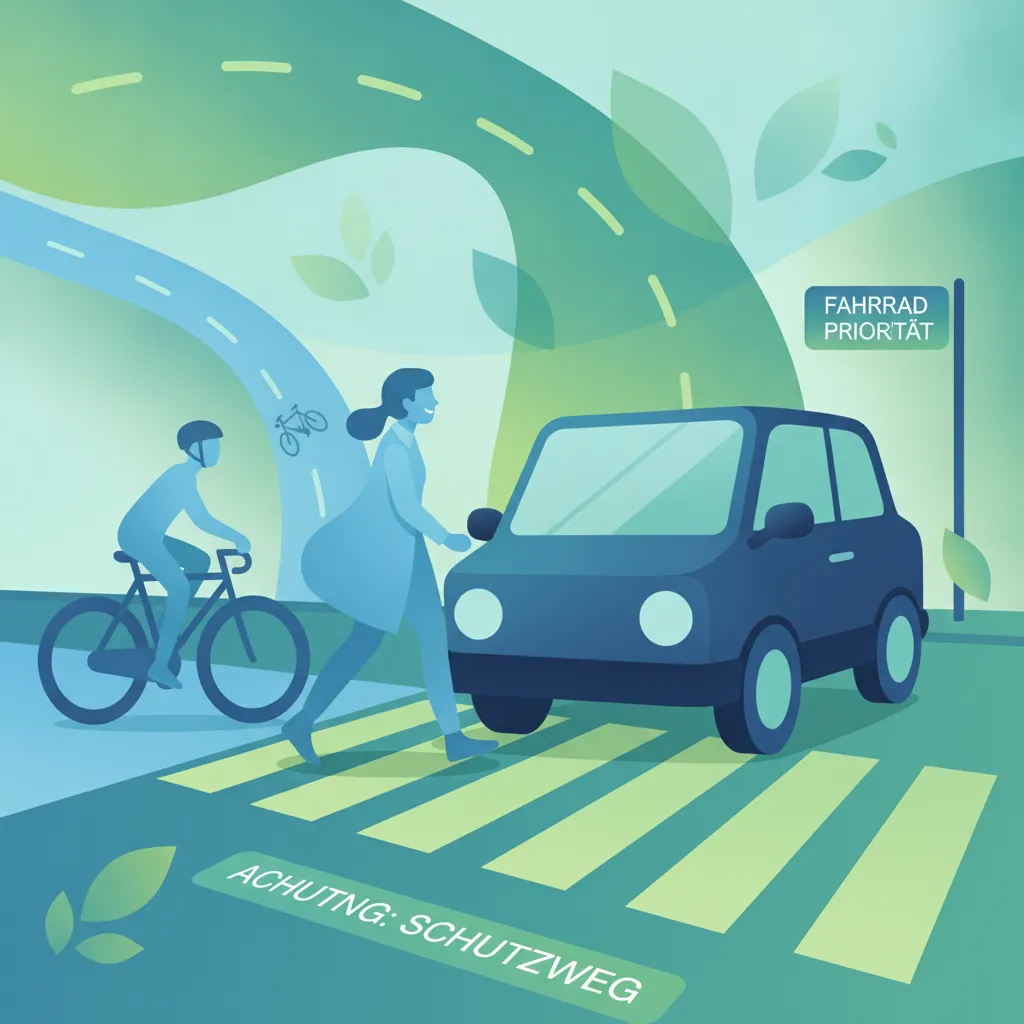
This lesson provides specific guidance on how to safely share the road with pedestrians and cyclists, who are among the most vulnerable road users. It covers the rules of conduct at zebra crossings, traffic lights for pedestrians, and designated cycle lanes. The content emphasizes the importance of vigilance, yielding right-of-way, and maintaining a safe distance to prevent accidents in urban and rural environments.
This lesson focuses on identifying road users who require special attention and caution, such as children, the elderly, and individuals with disabilities. It details the appropriate behavior when encountering school buses and public transport, which often involve unpredictable pedestrian movement. A critical topic covered is the legal requirement to form an emergency corridor ('Rettungsgasse') for responding emergency vehicles.
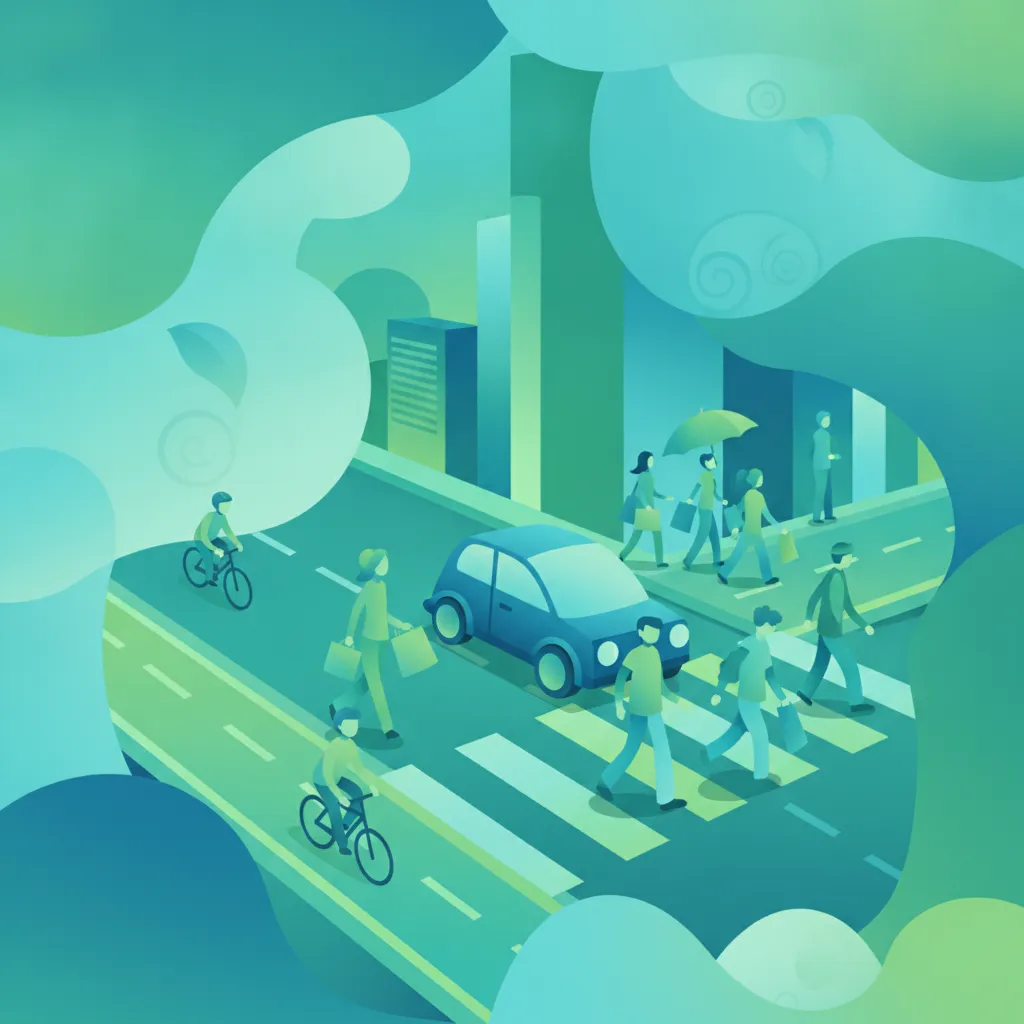
This lesson addresses the critical skill of safely interacting with other road users, particularly vulnerable ones like pedestrians and cyclists. It covers rules for yielding at crosswalks, maintaining a safe passing distance, and being aware of the limited visibility of a moped to car drivers. The focus is on fostering a defensive and cooperative mindset in mixed traffic.
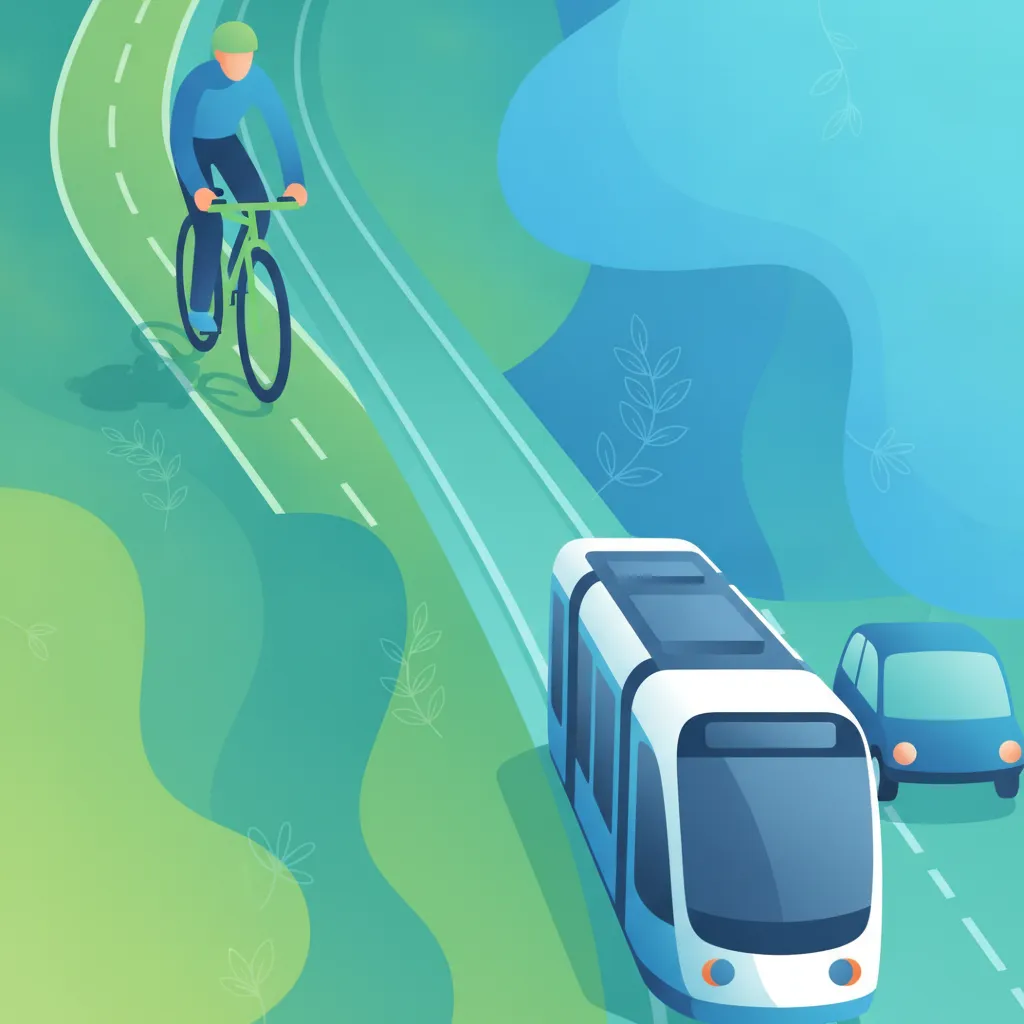
This lesson focuses on complex traffic environments where different types of road users share the same space. It provides guidance on situations like driving on streets with integrated tram tracks or where bus and bicycle lanes are part of the roadway. The content emphasizes understanding the specific priority rules and being extra vigilant to anticipate potential conflicts in these busy, shared zones.
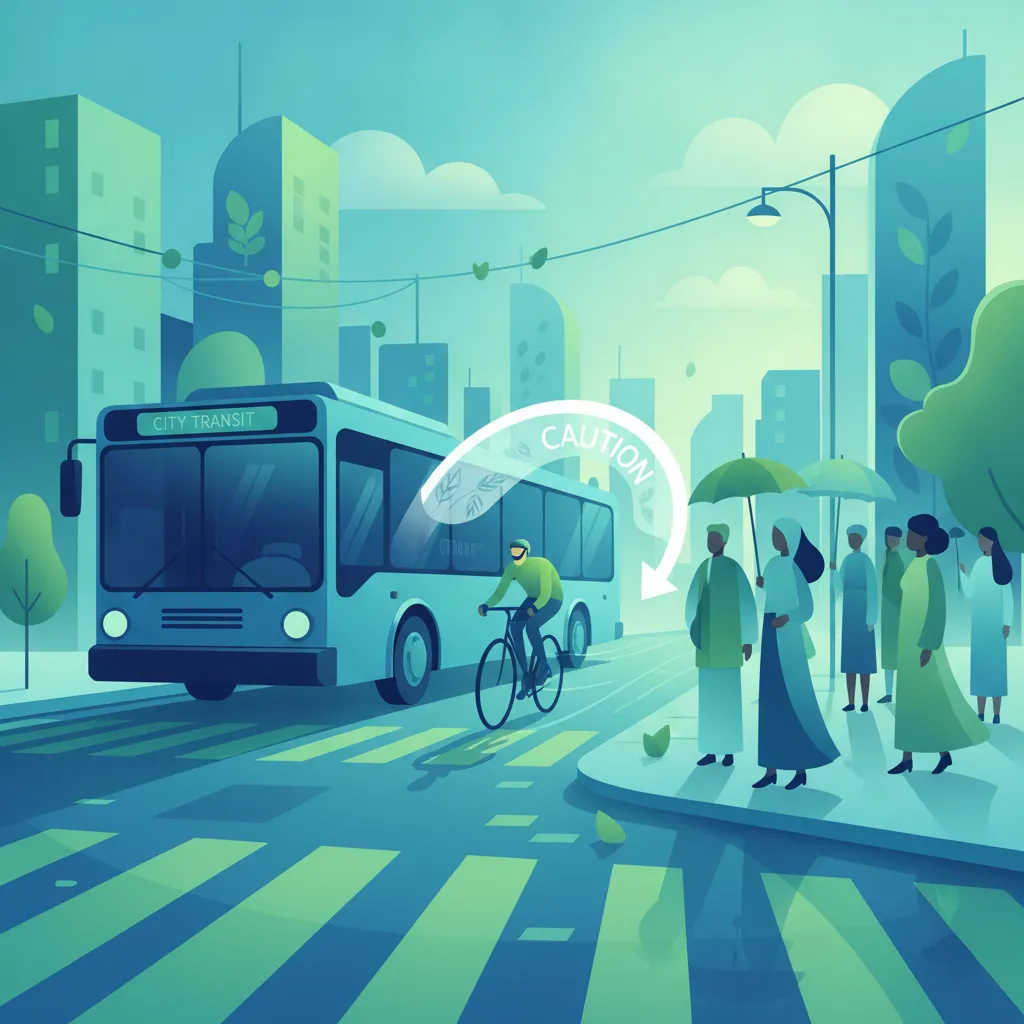
This lesson focuses on the critical moments of interaction with pedestrians and cyclists near bus stops, a common location for accidents. It reinforces the importance of reducing speed, yielding right-of-way, and constantly monitoring blind spots during the stopping process. Learners will practice techniques like making eye contact and using signals to communicate intentions, creating a safer environment for everyone around the vehicle.
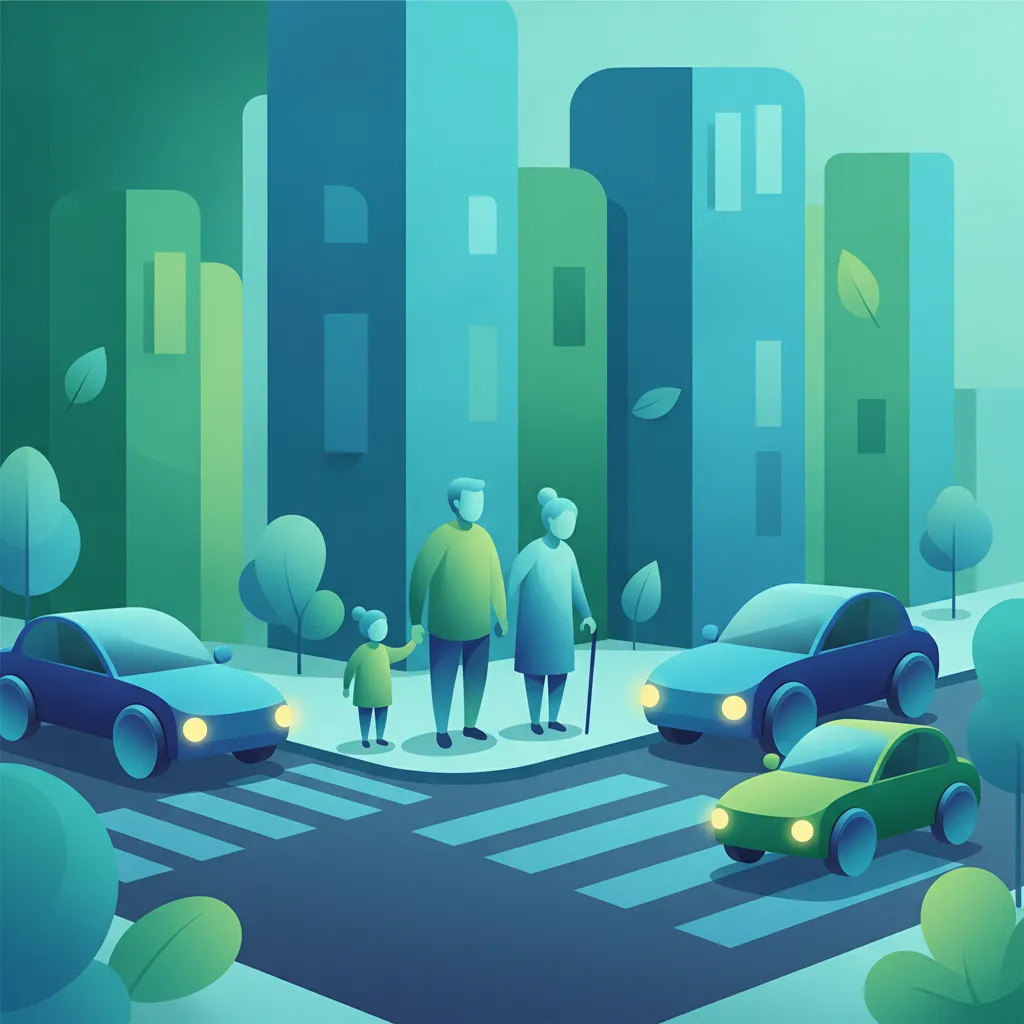
This lesson focuses on the particular care required when driving near pedestrians, with a special emphasis on children and the elderly, whose behavior can be unpredictable. It covers the rules for yielding at zebra crossings and the importance of reducing speed near schools, playgrounds, and residential areas. The goal is to instill a habit of constant vigilance and readiness to stop.
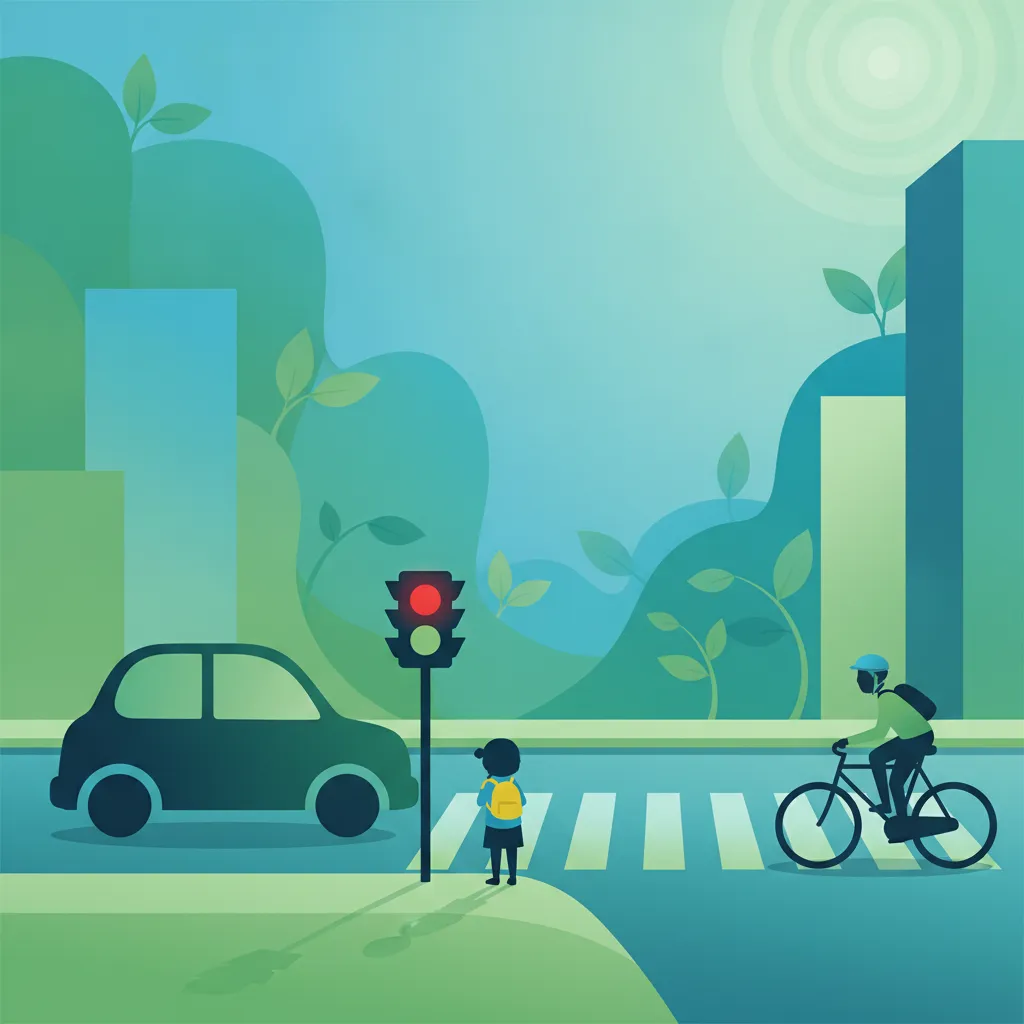
This lesson trains drivers to proactively identify vulnerable road users and anticipate their often unpredictable behavior. It highlights the specific risks posed by children, elderly pedestrians, cyclists, and e-scooter users, particularly near bus stops and crossings. The goal is to develop a heightened sense of risk perception and apply defensive driving techniques to protect those who are most at risk on the road.
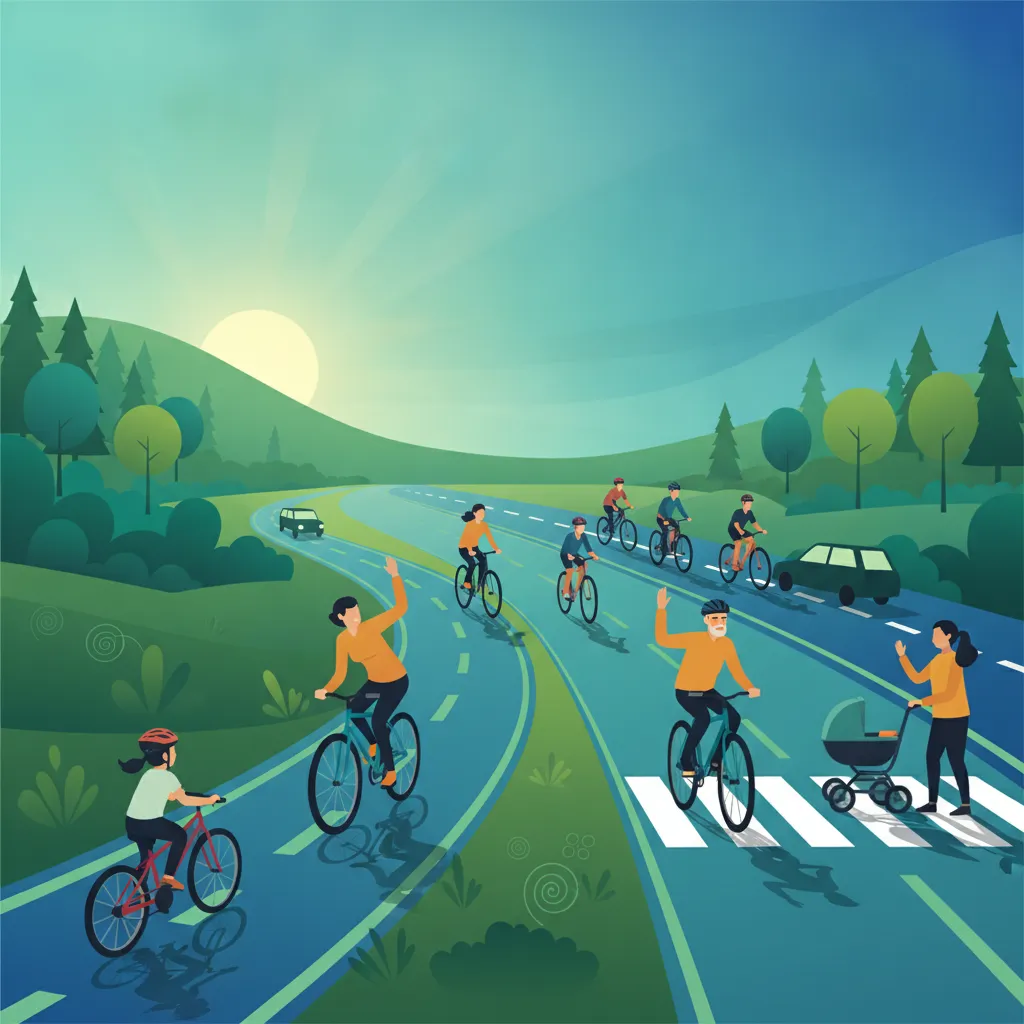
This lesson covers the correct and safe way to interact with cyclists. It explains the different types of bicycle infrastructure, such as dedicated cycle paths and advisory bike lanes on the road. Key topics include maintaining the legally required minimum passing distance, checking for cyclists before turning right, and being aware of the risk of 'dooring' when parked.
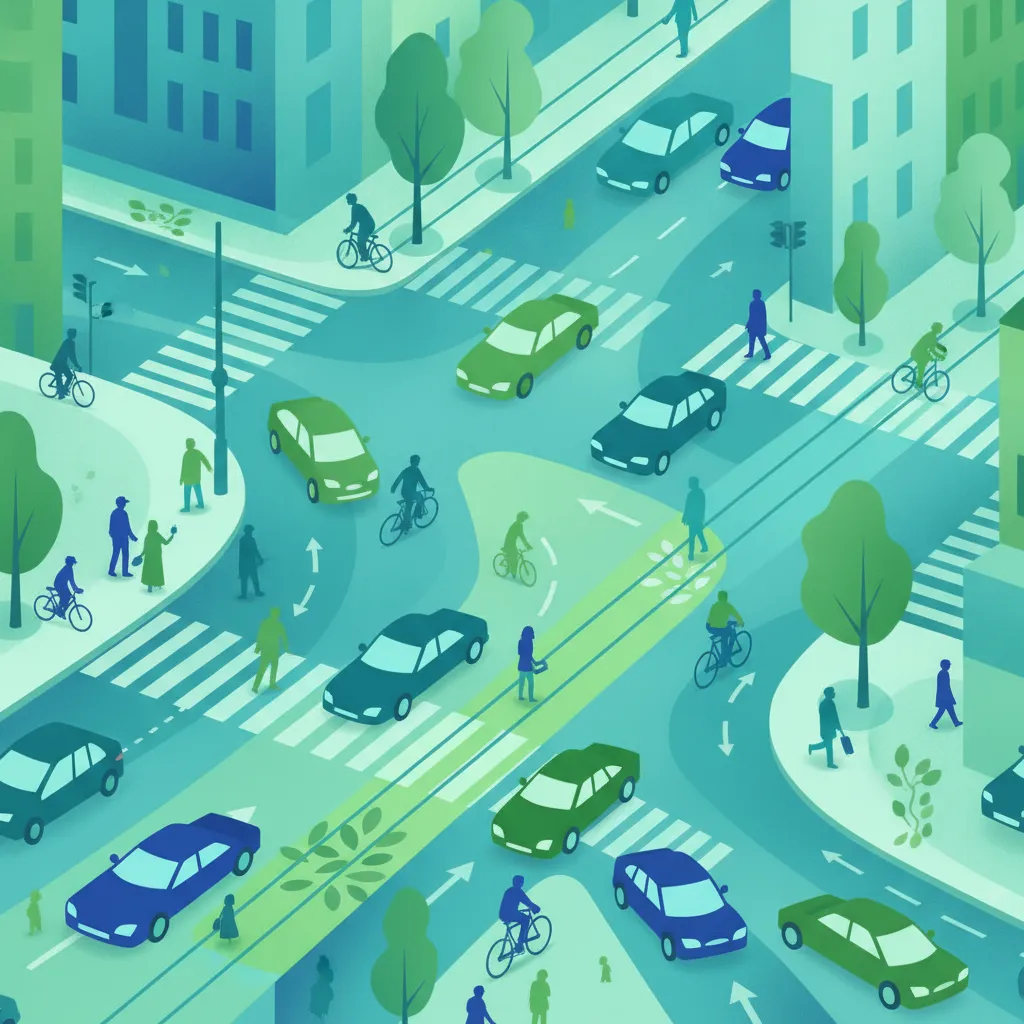
This lesson addresses the challenges of operating a small AM vehicle in dense, mixed traffic. It provides strategies for increasing visibility to other drivers, positioning oneself defensively, and safely sharing lanes with cyclists. The content emphasizes awareness of larger vehicles' blind spots and maintaining a safe space cushion.
Learn about the specific rights, needs, and safety considerations for vulnerable road users like pedestrians and cyclists in Germany. Understand how to share the road safely and ensure their protection according to the StVO.
This lesson focuses on identifying road users who require special attention and caution, such as children, the elderly, and individuals with disabilities. It details the appropriate behavior when encountering school buses and public transport, which often involve unpredictable pedestrian movement. A critical topic covered is the legal requirement to form an emergency corridor ('Rettungsgasse') for responding emergency vehicles.
This lesson trains drivers to proactively identify vulnerable road users and anticipate their often unpredictable behavior. It highlights the specific risks posed by children, elderly pedestrians, cyclists, and e-scooter users, particularly near bus stops and crossings. The goal is to develop a heightened sense of risk perception and apply defensive driving techniques to protect those who are most at risk on the road.
This lesson focuses on the particular care required when driving near pedestrians, with a special emphasis on children and the elderly, whose behavior can be unpredictable. It covers the rules for yielding at zebra crossings and the importance of reducing speed near schools, playgrounds, and residential areas. The goal is to instill a habit of constant vigilance and readiness to stop.
This lesson provides specific guidance on how to safely share the road with pedestrians and cyclists, who are among the most vulnerable road users. It covers the rules of conduct at zebra crossings, traffic lights for pedestrians, and designated cycle lanes. The content emphasizes the importance of vigilance, yielding right-of-way, and maintaining a safe distance to prevent accidents in urban and rural environments.
This lesson teaches riders how to interact safely and predictably with pedestrians, cyclists, and public transport vehicles. It highlights the importance of yielding at designated crossings, maintaining a safe passing distance, and anticipating the movements of buses and trams. The content emphasizes using eye contact and clear signaling to foster safe and respectful interactions with all road users.
This lesson addresses the critical skill of safely interacting with other road users, particularly vulnerable ones like pedestrians and cyclists. It covers rules for yielding at crosswalks, maintaining a safe passing distance, and being aware of the limited visibility of a moped to car drivers. The focus is on fostering a defensive and cooperative mindset in mixed traffic.
This lesson highlights the specific risks associated with motorcyclists, who are less visible and more vulnerable than car drivers. It teaches you to actively look for motorcycles, especially at intersections and during lane changes, as their smaller profile can be easily missed. You will learn about their potential for rapid acceleration and instability, emphasizing the need for extra following distance.
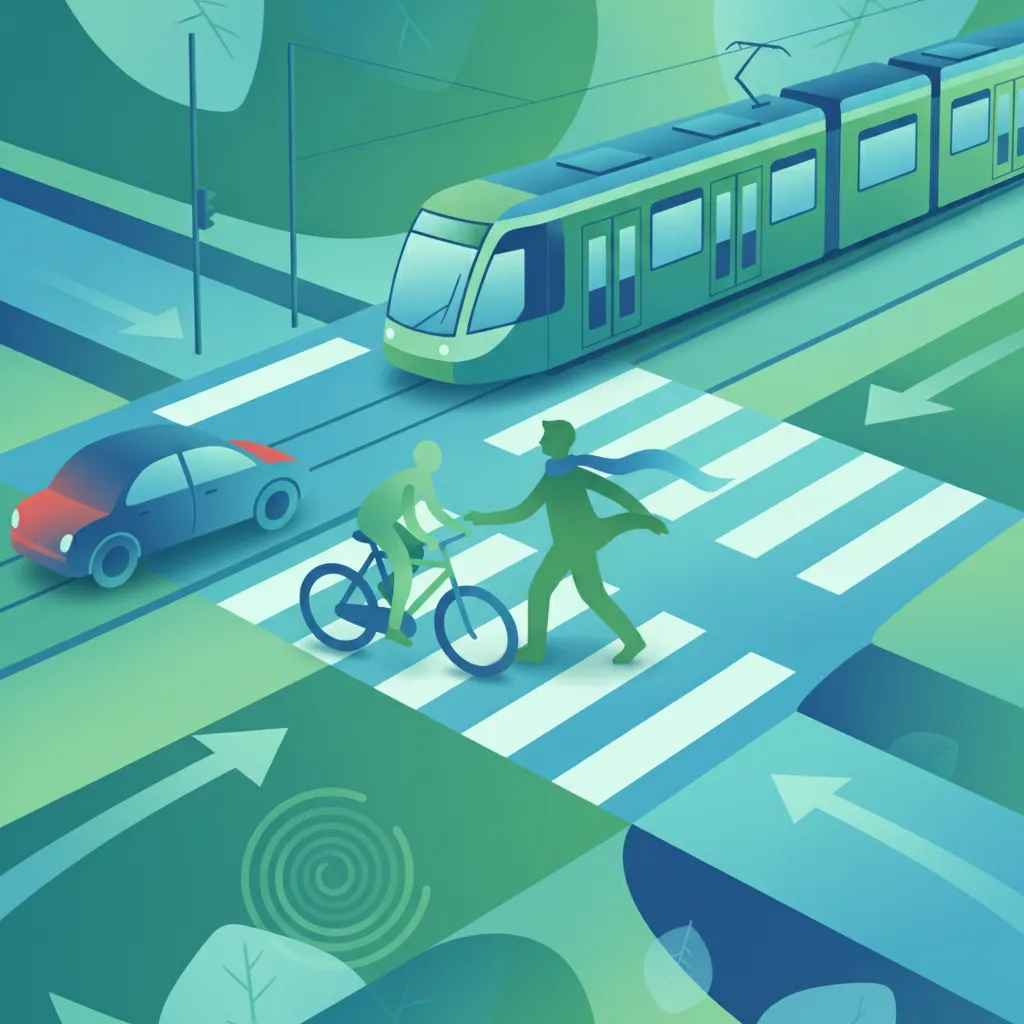
This lesson details the critical right-of-way regulations according to the German StVO. It covers the default 'right before left' rule, the meaning of priority road signs, and specific rules for roundabouts and yielding to pedestrians. A thorough understanding of these priority rules is fundamental for preventing accidents at junctions.
This lesson focuses on the legal responsibilities and duties of a vehicle operator according to German traffic law, primarily the StVO. It covers the obligation to drive safely, the rules of conduct at an accident scene, and the legal consequences of traffic violations. Understanding these principles is crucial for maintaining road safety and avoiding penalties such as fines, points, or driving bans.
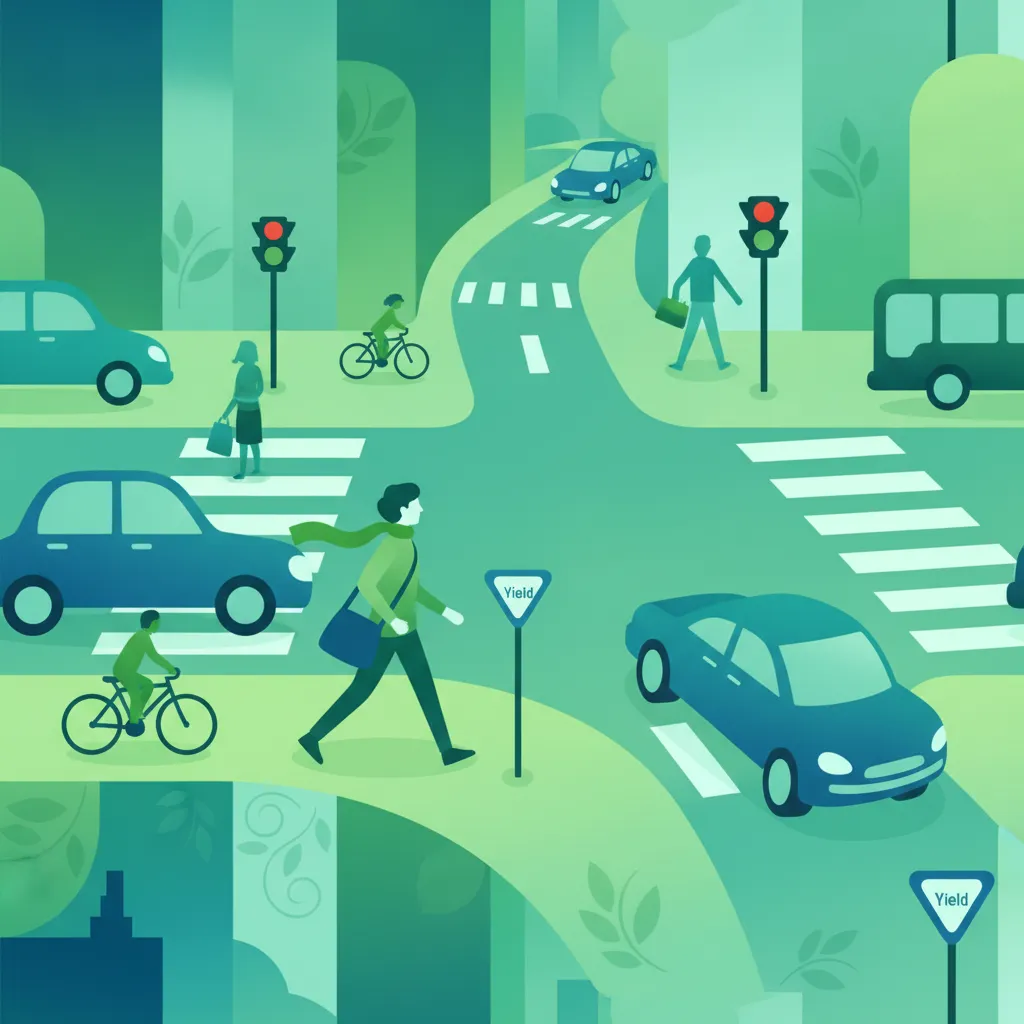
This lesson introduces the foundational concept of right-of-way ('Vorfahrt') in German traffic law. It explains the default priority rule, 'Rechts vor Links' (right before left), which applies at intersections without any regulating signs or signals. You will learn to identify situations where this rule applies and understand the basic principles of yielding to ensure safe passage at junctions.
Find clear answers to common questions learners have about Categories of Road Users. Learn how the lesson is structured, which driving theory objectives it supports, and how it fits into the overall learning path of units and curriculum progression in Germany. These explanations help you understand key concepts, lesson flow, and exam focused study goals.
Vulnerable road users typically include pedestrians, cyclists, and motorcyclists. They are considered vulnerable because they lack the physical protection of a car body and are at higher risk of serious injury in traffic accidents.
No, cyclists must follow the same traffic signals and signs as other vehicles. However, drivers are legally required to show special consideration, particularly when turning or when cyclists are using designated bike lanes.
When a school bus has its hazard lights activated while at a bus stop, you must drive past it at a walking pace and with enough distance to avoid endangering boarding or alighting passengers.
The theory exam frequently presents visual scenarios where you must identify potential hazards involving other road users. Recognizing their category and typical behavior helps you choose the correct reaction or maneuver.
Begin your targeted revision now. Use our practice search to quickly find specific German driving theory questions. Filter by StVO rules, road signs, or hazard perception to create your focused study plan. Master challenging areas and prepare confidently for your theoretical driving test.