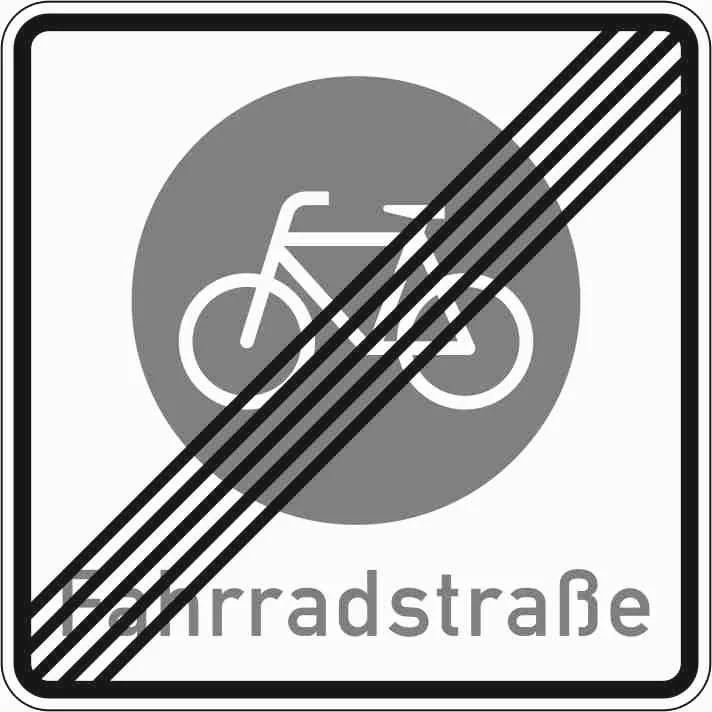
German traffic sign 244.2, officially 'Ende einer Fahrradstraße', indicates the end of a special bicycle street. As a regulatory sign, it signifies that the specific rules for bicycle streets, which typically prioritize cyclists and restrict other traffic, no longer apply from this point. You should recognize this sign in advance, adapt your driving, and be aware that normal traffic rules will resume. Always check for other signs or road markings that might modify the situation.
Hide the name and meaning, look at the sign and check whether you know what it means.
This sign marks the end of a designated bicycle street, signalling a change in traffic regulations and requiring drivers to recognise the situation. Proper interpretation is crucial for successful theory test revision and navigating German traffic rules.
German road sign 244.2, officially designated "Ende einer Fahrradstraße", belongs to the regulatory signs group. It assigns a required direction, lane, route, or traffic area and must be followed from the point where the sign applies. You may see it in junctions, restricted streets, cycle and pedestrian facilities, parking areas, low-emission zones, and roads with binding lane or speed rules, depending on how the road authority has arranged the location. An end version marks the point where that specific rule, facility, or marked section ceases to apply. The practical meaning is not just the symbol itself, but the driving decision it triggers: adjust speed, position, priority, route choice, stopping behaviour, or attention before the situation becomes urgent. For learners, the key skill is knowing whether the sign commands, forbids, limits, or cancels a rule. Always combine the sign with road markings, traffic lights, police instructions, and any supplementary plates at the same location.
German road sign 244.2 means "End Bicycle street" and is officially listed as "Ende einer Fahrradstraße". In practice, it tells drivers to recognise the situation early, adapt before reaching the controlled area, and check whether markings or supplementary plates change how the rule applies.
Get clear, practical answers to the most common questions about the 244.2 - End Bicycle street road sign. Learn how the sign works, what rules it represents, and how it affects real driving situations. This FAQ strengthens your understanding and supports accurate decision making for the German driving theory exam in Germany.
Sign 244.2 means that the special rules for a bicycle street are ending. You can now resume normal driving behaviour according to standard traffic regulations, unless other signs indicate otherwise. It's important to be aware of this transition and adjust your actions accordingly.
No, sign 244.2 does not require you to stop. It simply signals the end of a designated bicycle street. You can continue driving, but be mindful that you are no longer in an area exclusively or primarily for cyclists, and general traffic rules apply again.
After passing sign 244.2, you should revert to standard traffic rules. This might include observing speed limits for the new road, yielding to other traffic as usual, and being aware of potential changes in priority. Always look out for any other traffic signs or markings that might be present.
A common trap is assuming that exiting a bicycle street automatically means you can speed up or behave as you wish. Learners sometimes forget that normal traffic rules, including speed limits and priority rules, apply immediately after the sign unless modified by other signage. Always confirm the current rules for the road you are entering.
Yes, supplementary signs can significantly alter the meaning or application of sign 244.2. For example, a sign might indicate that only certain types of vehicles can now enter, or that a specific speed limit applies. Always observe all signs present at the location to understand the full picture.
A clear reference image of the 244.2 - End Bicycle street road sign used in Germany.
The 244.2 - End Bicycle street road sign may also be known by these alternative names or terms.
The 244.2 - End Bicycle street road sign is part of the German Regulatory Signs category, which groups together signs with similar rules and functions.
Reviewing signs like 'End Bicycle Street' alongside similar traffic signs helps solidify your understanding and recall. Master traffic sign comparison to improve your recognition accuracy and reduce mistakes during your theory test revision.
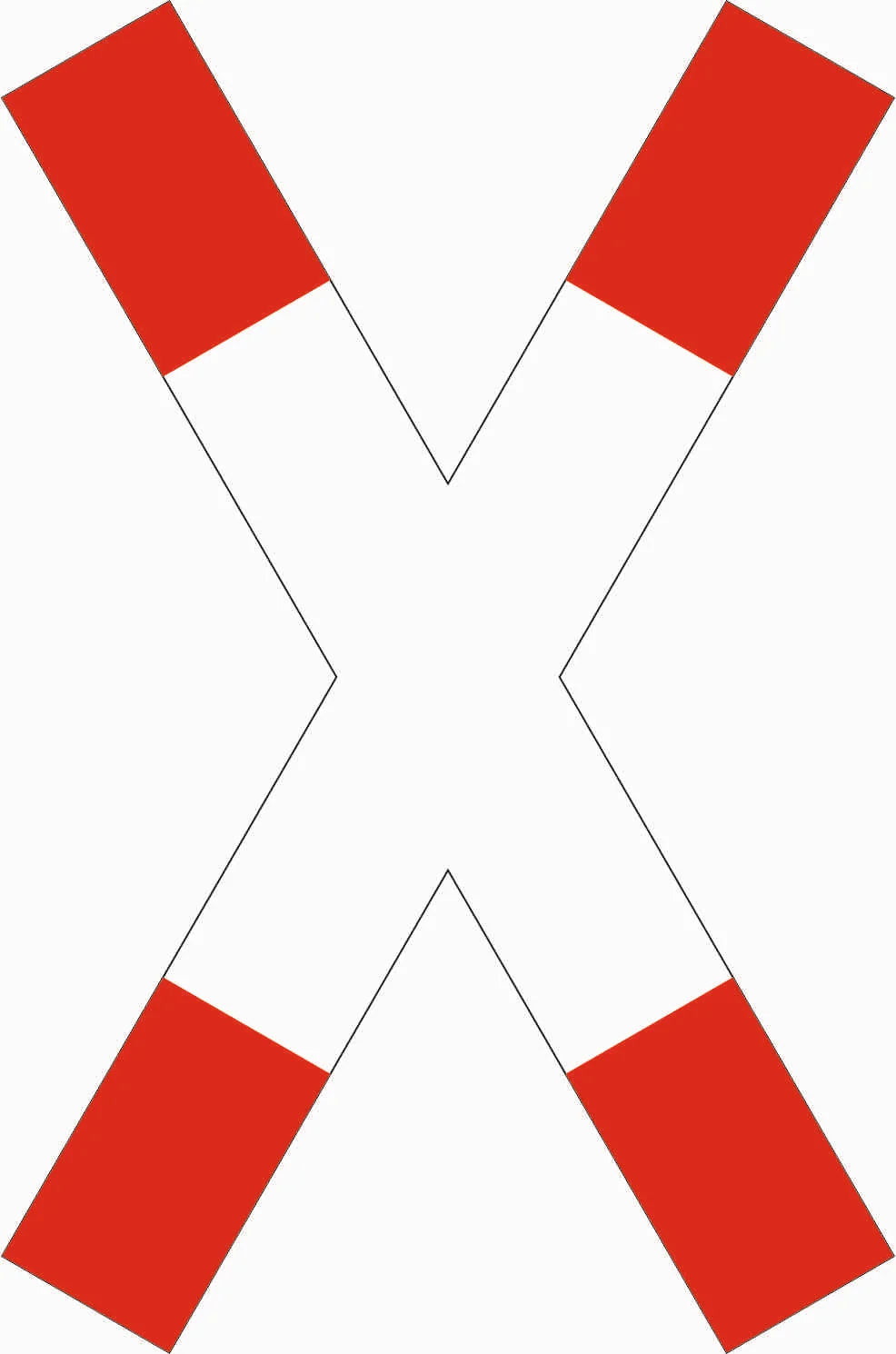
Master the Standing Railway Crossbuck (Andreaskreuz - stehend) Sign
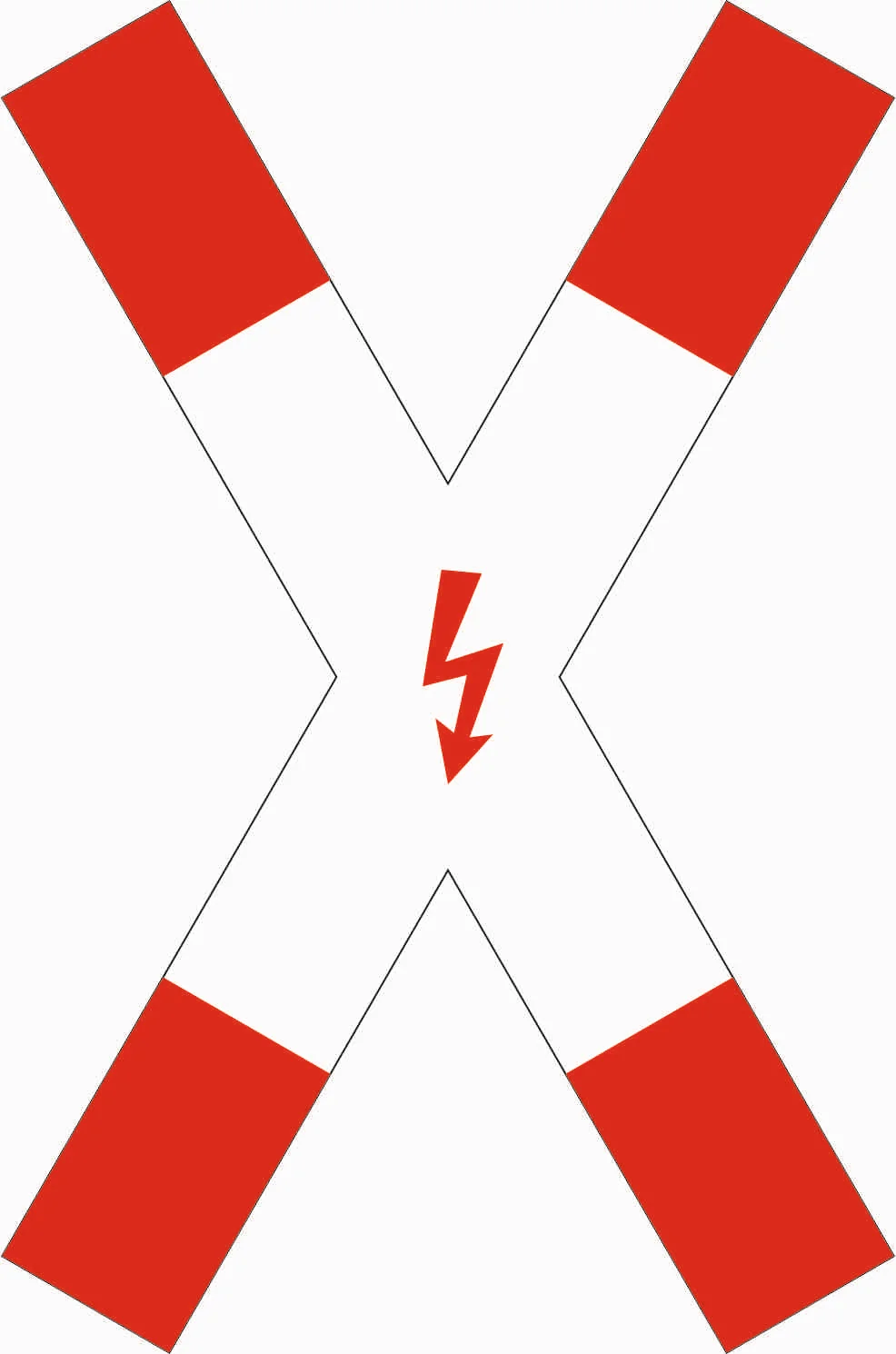
Understand the Railway Crossbuck with Blitzpfeil (Sign 201-51) in Germany
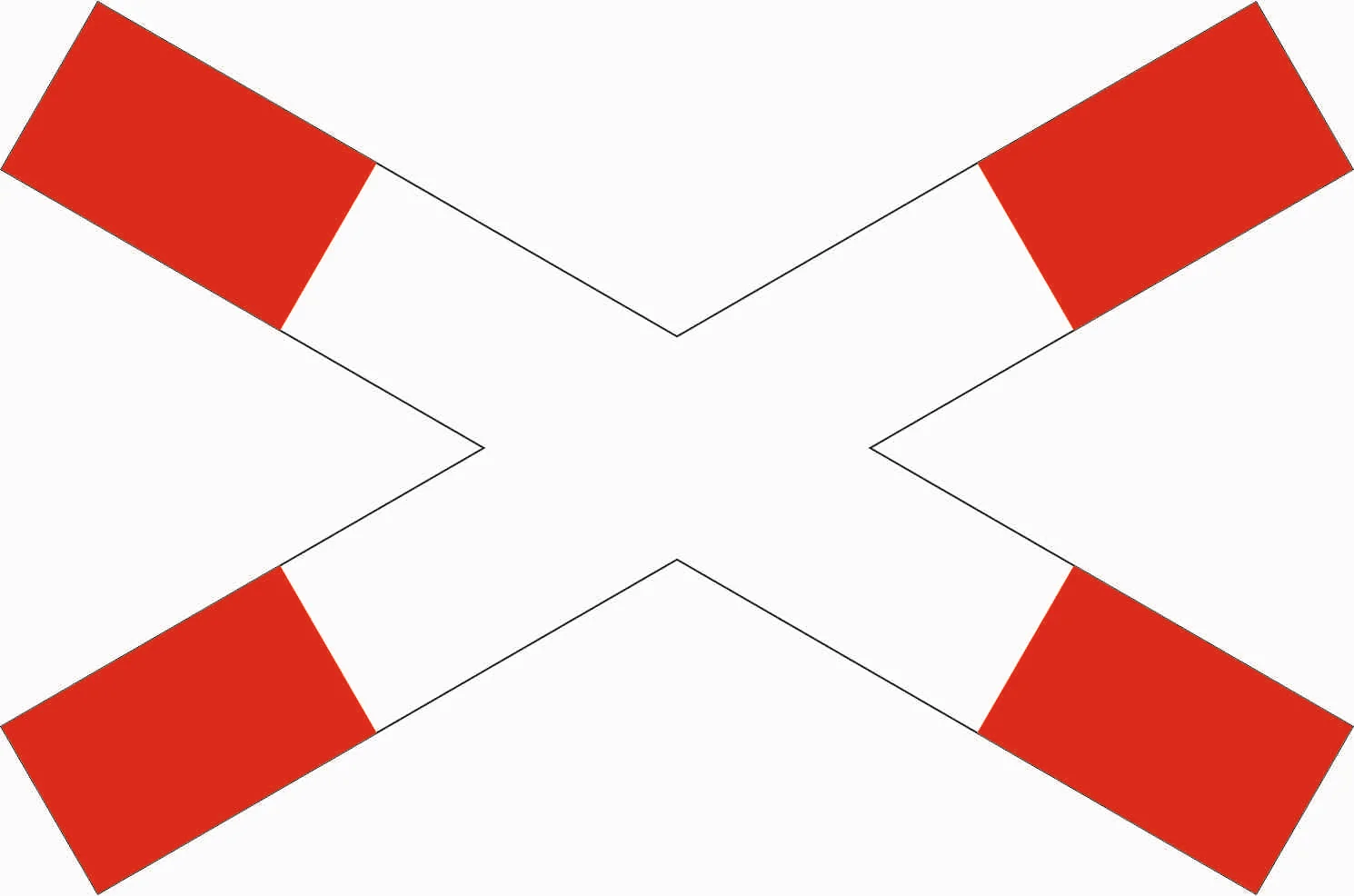
German road sign 201-52: The Railway Crossbuck 'Andreaskreuz - liegend'
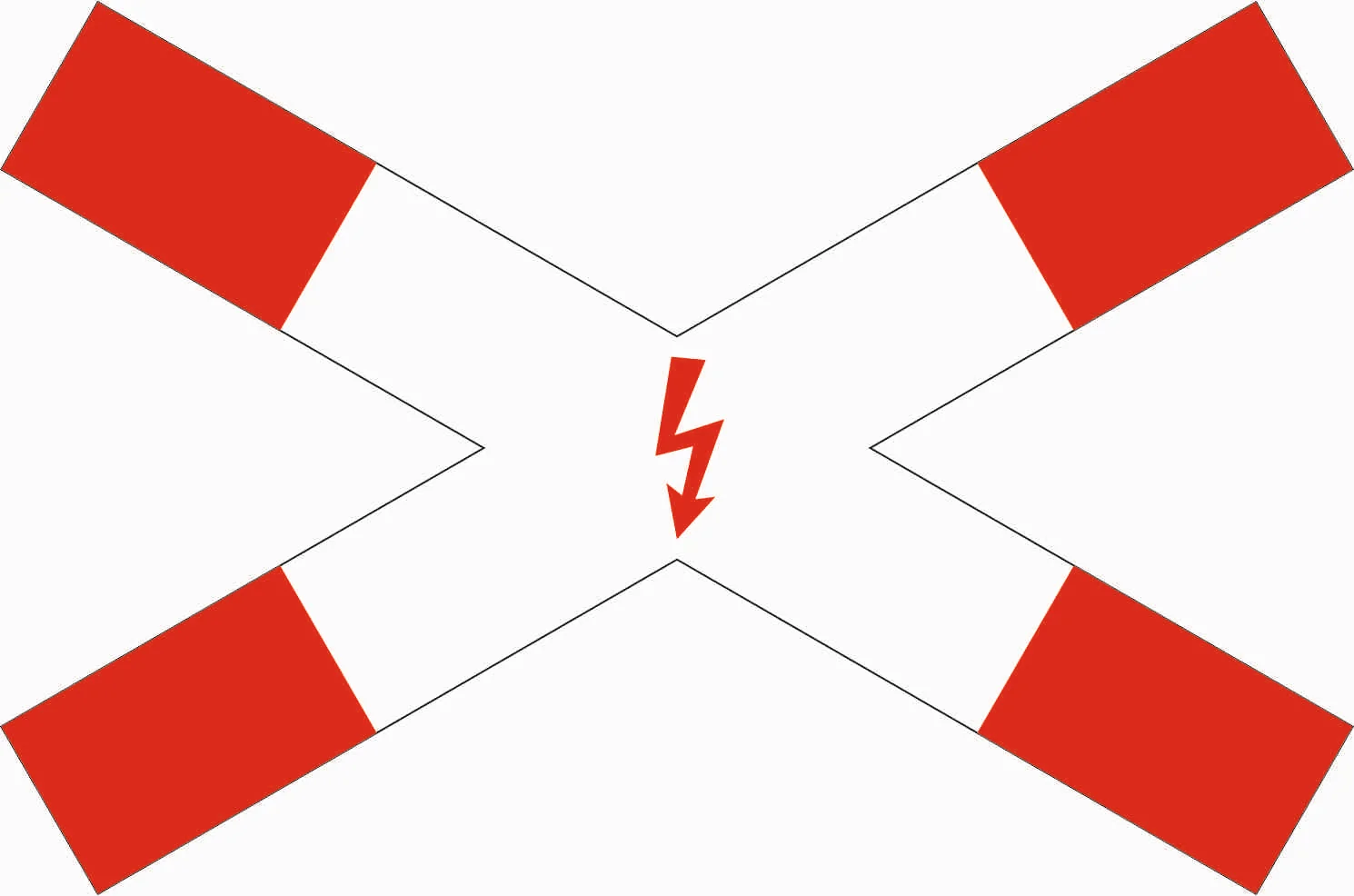
Germany's Railway Crossbuck Sign 201-53 with Blitzpfeil: What You Need to Know
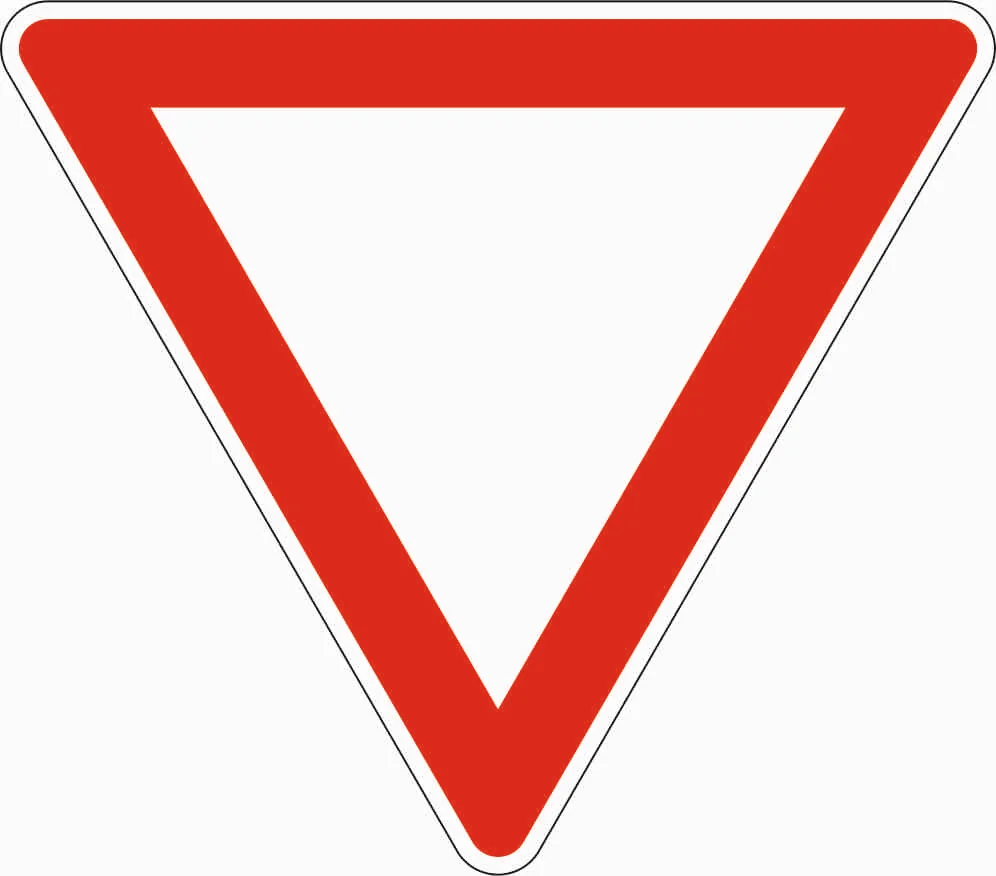
Understand the German "Yield" Sign (Sign 205 - Vorfahrt gewähren)
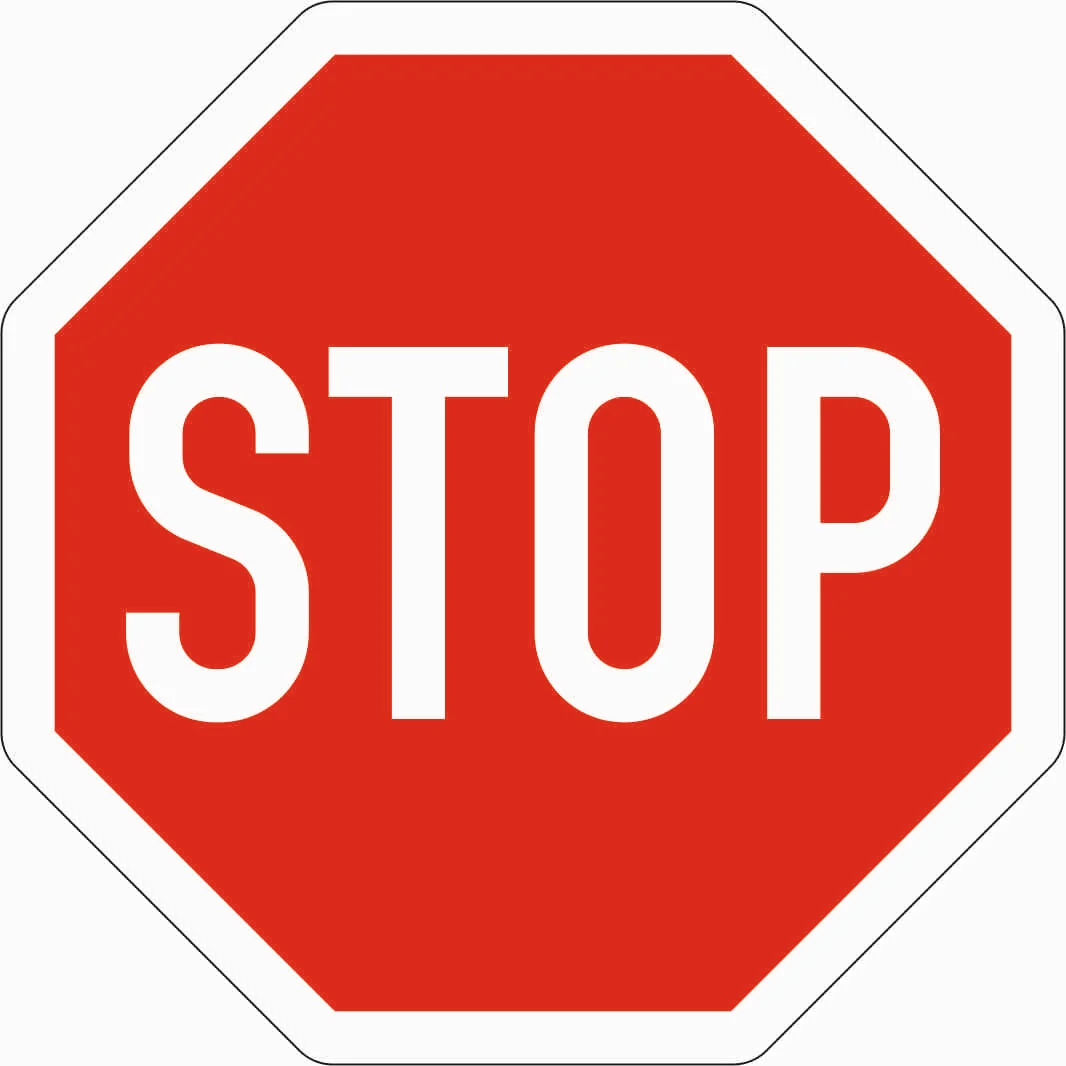
Sign 206: Stop and Yield – You must stop and give way
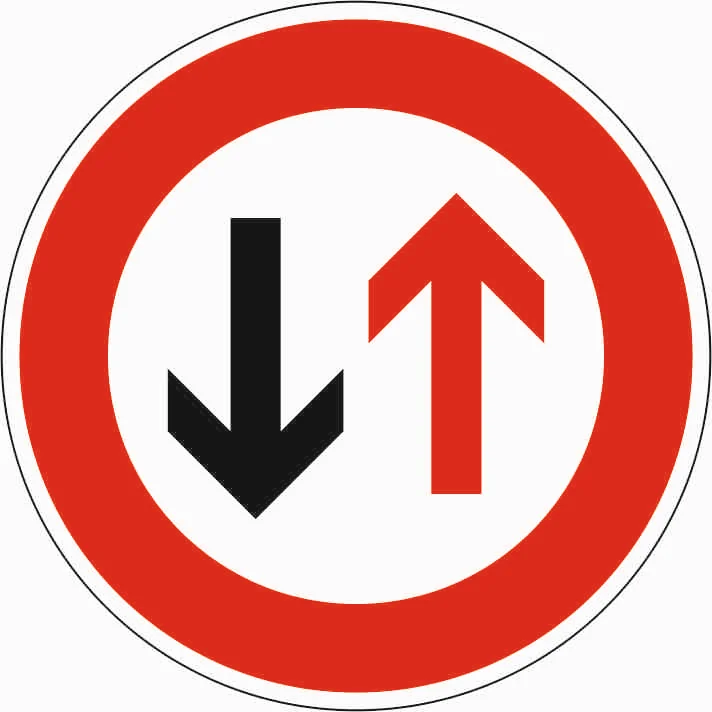
Sign 208: You Must Yield to Oncoming Traffic on This Road
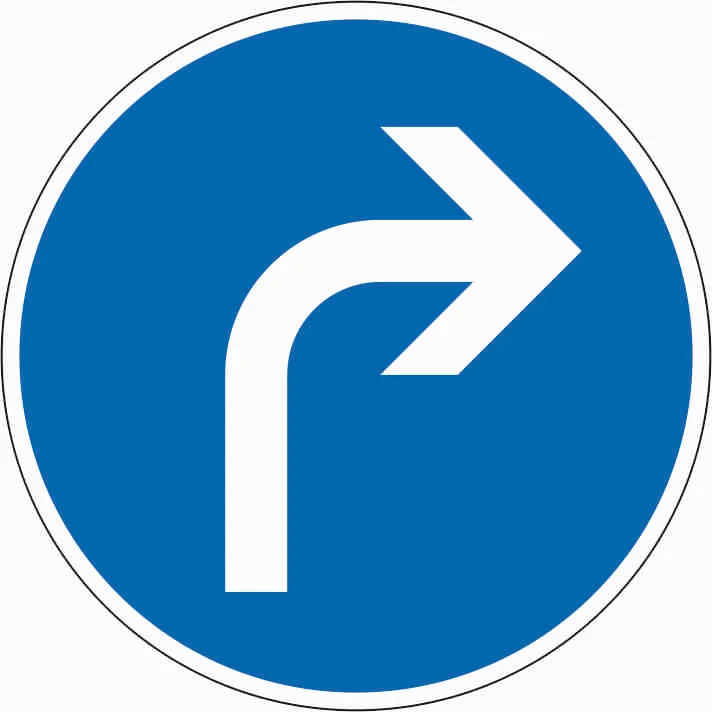
Mandatory Direction - Right: Sign 209 Explained
Deepen your understanding of these specific road markings by exploring related traffic rules and situational hazard perception exercises. Applying the official StVO regulations ensures you recognize critical signage accurately during your theory test.
Selecting the right driving school is a foundational step in your journey to obtaining a German driver's licence. This article outlines how to assess potential schools by considering the official Fahrschüler-Ausbildungsordnung alongside subjective indicators of teaching quality and organizational structure to help you prepare effectively for your theory and practical tests.
Master the rules for German Autobahn service areas and rest stops.
Obtaining a driver's license in Germany through an intensive course requires careful planning and an understanding of the mandatory curriculum. This guide breaks down the balance between theory sessions and practical training, helping you navigate the complexities of booking lessons and exam slots in busy urban areas. You will gain insight into the necessary legal steps to ensure your training effectively prepares you for the official German theory and practical driving tests.
Stay Safe and Legal: Navigate German Roads with Confidence in Any Weather.
German road sign 286-11, officially designated "Eingeschränktes Haltverbot - Ende - Aufstellung links", belongs to the regulatory signs group. It creates a binding restriction or prohibition that applies until it is cancelled, replaced, or limited by a supplementary plate. You may see it in junctions, restricted streets, cycle and pedestrian facilities, parking areas, low-emission zones, and roads with binding lane or speed rules, depending on how the road authority has arranged the location. This left-side version is used where the sign is placed on the left side of the carriageway or where a mirrored symbol fits the approach direction. An end version marks the point where that specific rule, facility, or marked section ceases to apply. Any left reference should be read as part of the direction, road side, lane arrangement, or placement shown by the sign. The practical meaning is not just the symbol itself, but the driving decision it triggers: adjust speed, position, priority, route choice, stopping behaviour, or attention before the situation becomes urgent. For learners, the key skill is knowing whether the sign commands, forbids, limits, or cancels a rule. Always combine the sign with road markings, traffic lights, police instructions, and any supplementary plates at the same location.
German road sign 550-21, officially designated "Zusammenführungstafel - an durchgehender Strecke - 2-streifig plus 1 Fahrstreifen von rechts", belongs to the traffic control boards group. It shows how lanes are arranged, shifted, narrowed, separated, or merged, usually before a roadworks or high-speed lane-change area. You may see it in motorways, multilane roads, temporary roadworks, lane closures, lane shifts, merge areas, and construction-stage traffic management, depending on how the road authority has arranged the location. An end version marks the point where that specific rule, facility, or marked section ceases to apply. Any right reference should be read as part of the direction, road side, lane arrangement, or placement shown by the sign. The practical meaning is not just the symbol itself, but the driving decision it triggers: adjust speed, position, priority, route choice, stopping behaviour, or attention before the situation becomes urgent. For learners, the key skill is translating the arrows into early lane choice rather than reacting at the last moment. Always combine the sign with road markings, traffic lights, police instructions, and any supplementary plates at the same location.
Deepen your understanding of specific road sign categories or test your knowledge with practice questions. Explore our themed sign groups for targeted study or jump into quizzes to reinforce your recognition skills for the official German theory exam.
All German Road Signs List