
The 'End of Temporary Restriction' sign (380) signals the conclusion of a temporary traffic management layout, often found in roadworks or incident zones. When you see this sign, it means you are leaving the specially managed section, and the normal road rules and signage will now apply again. Always be prepared to transition smoothly back to standard traffic conditions, as the temporary measures were in place for a reason, often involving hazards or altered road layouts.
This road sign meaning is vital for safely transitioning out of temporary work zones or incident areas. Correct sign interpretation ensures you understand when specific restrictions, like reduced speed limits or altered lane priority, no longer apply, which is crucial for your Icelandic driving theory test.
End of Temporary Restriction is used in temporary traffic management where normal road conditions have been changed by works, maintenance, or an incident. Its purpose is to guide drivers safely through a layout that may include narrowed lanes, changed priority, reduced speeds, diverted traffic, temporary signals, workers near the carriageway, or unfinished surfaces. The correct approach is to slow down early, read every temporary sign in sequence, and expect the layout to change again before the end of the work zone. Temporary signs are there because the normal road assumptions are no longer safe, so they should be treated with full priority.
This temporary sign controls end of temporary restriction in a roadworks or incident-management layout. Drivers must follow it as the current rule on site even if the normal permanent signs and markings would usually say something different.
Get clear, practical answers to the most common questions about the 380 - End of Temporary Restriction road sign. Learn how the sign works, what rules it represents, and how it affects real driving situations. This FAQ strengthens your understanding and supports accurate decision making for the Icelandic driving theory exam in Iceland.
Sign 380 indicates that the temporary traffic management system, such as reduced speed limits, narrowed lanes, or altered priority, due to roadworks or an incident, is now over. You can resume normal driving according to the permanent signs and road markings.
No, the 'End of Temporary Restriction' sign (380) signifies the end of a reduced speed zone or altered traffic layout. Instead, you should have been driving at the reduced speed and following the temporary rules *before* reaching this sign. Once past sign 380, you can return to the normal speed limit unless otherwise indicated by permanent signs.
After passing sign 380, you are exiting the temporary work or incident zone. You should revert to following the permanent road signs and markings that govern the area. Be aware that the transition might involve rejoining normal traffic flow or navigating areas where temporary hazards may have recently been present.
Yes, while temporary restrictions are in place, temporary signs and markings always override conflicting permanent ones. The 'End of Temporary Restriction' sign (380) is the signal that this override is finished, and normal conditions resume. Always follow temporary signs from the point they appear until you see sign 380.
A common mistake is not taking temporary signs seriously enough, assuming permanent signs still apply, or not slowing down early enough. Learners might also be caught out by the 'End of Temporary Restriction' sign (380), thinking it applies to them when they are still within the temporary zone, or conversely, failing to resume normal speed promptly after passing it.
A clear reference image of the 380 - End of Temporary Restriction road sign used in Iceland.
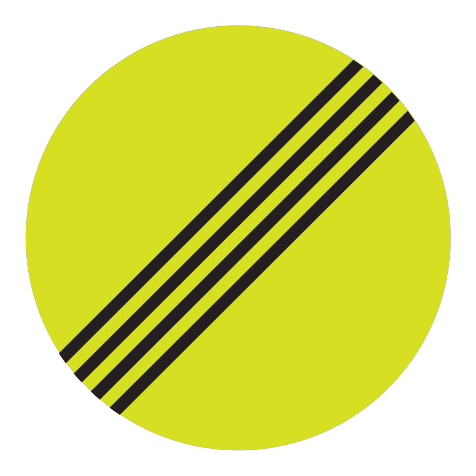
The 380 - End of Temporary Restriction road sign may also be known by these alternative names or terms.
The 380 - End of Temporary Restriction road sign is part of the Temporary Work-Zone Signs category, which groups together signs with similar rules and functions.
By reviewing related signs like 'End of Temporary Restriction' alongside others, you strengthen your understanding and improve sign recognition for the Icelandic theory test. Effective traffic sign comparison is key to mastering road rules and ensuring safer driving.
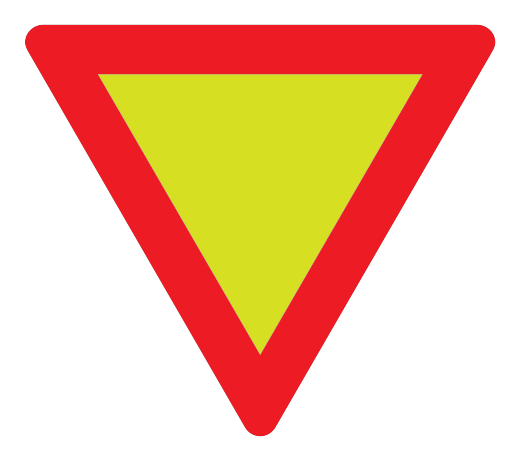
Obey Temporary Give Way signs, especially in roadworks, overriding normal rules.
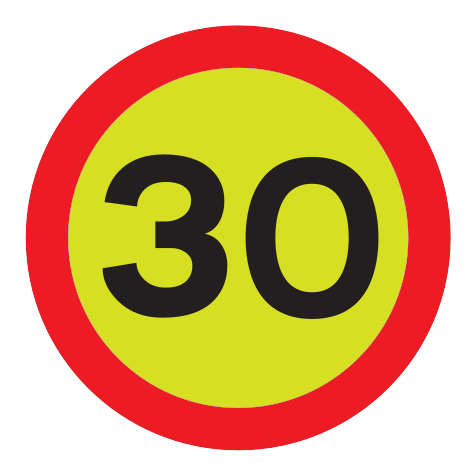
Understand the temporary 30 km/h speed limit sign and why it overrides normal rules.
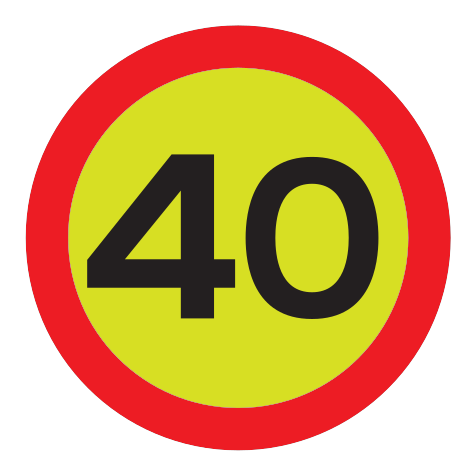
Obey Temporary 40 km/h Speed Limits in Roadworks Zones
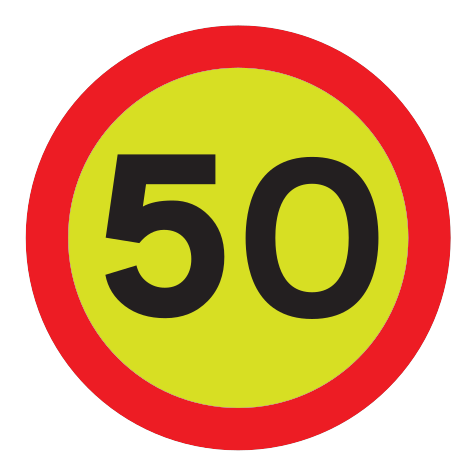
Temporary 50 km/h Speed Limit: Follow the Reduced Speed in Roadworks
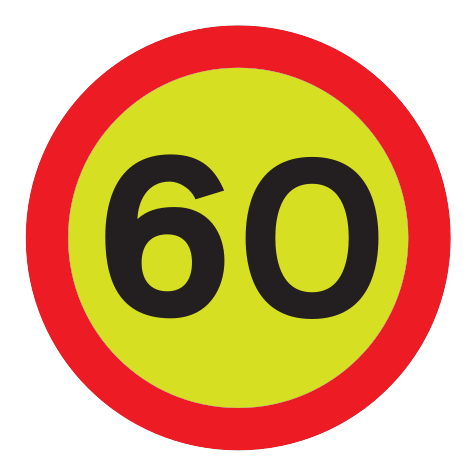
Obey the Temporary 60 km/h Speed Limit Sign in Roadworks
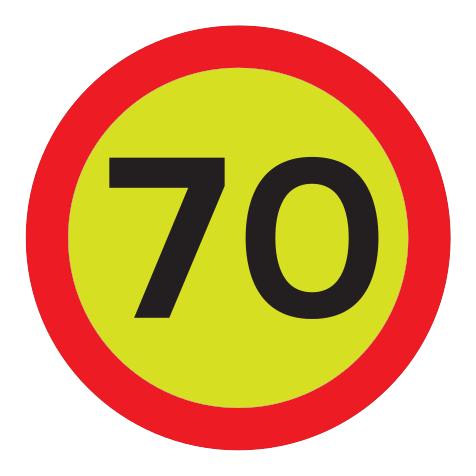
Observe the temporary 70 km/h speed limit sign in roadworks.
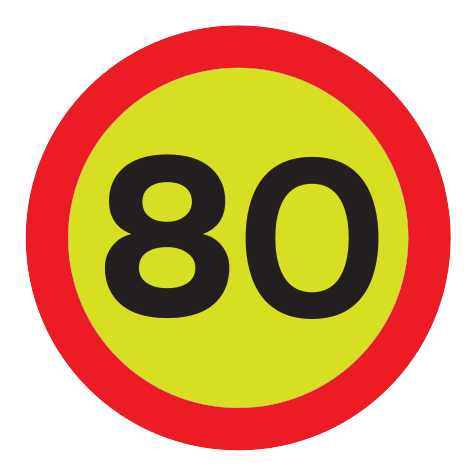
Temporary 80 km/h Speed Limit: Your Guide to Roadworks Safety
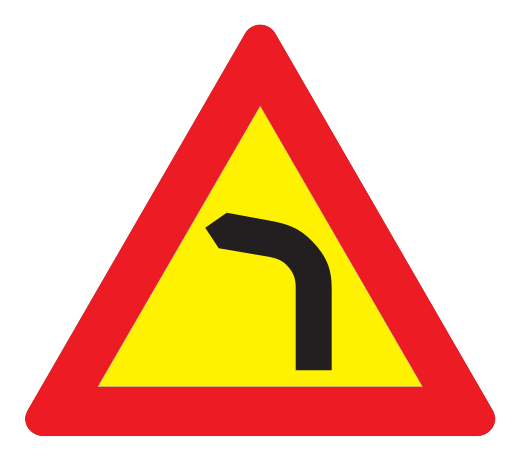
Prepare for a Dangerous Left-Hand Bend Ahead with Sign 100.2
Explore curated theory modules and safety procedures that clarify how specific road signs dictate right-of-way and vehicle conduct on Icelandic roads. Apply this knowledge to your driving theory test preparation by linking visual signage to real-world traffic laws.
Moving to Iceland and need to drive legally? This guide explains how expats can exchange their foreign driving license for an Icelandic one, focusing on the crucial 6-month residency rule and the differences for EEA, UK, and Japanese licenses versus those requiring a full test. Proper exchange ensures compliance with Icelandic traffic laws.
Understand Your Rights and Responsibilities During Roadside Checks in Iceland.
Master Icelandic Crosswalk Rules for a Safer Drive and Exam Success
Moving to Iceland from the EU or UK? Learn the simplified procedure for exchanging your driving licence for an Icelandic one. This guide covers the residency requirements and the direct 'paper exchange' process handled by the District Commissioner's office, helping you navigate this administrative step smoothly.
Temporary 30 km/h Speed Limit is used in temporary traffic management where normal road conditions have been changed by works, maintenance, or an incident. Its purpose is to guide drivers safely through a layout that may include narrowed lanes, changed priority, reduced speeds, diverted traffic, temporary signals, workers near the carriageway, or unfinished surfaces. The correct approach is to slow down early, read every temporary sign in sequence, and expect the layout to change again before the end of the work zone. Temporary signs are there because the normal road assumptions are no longer safe, so they should be treated with full priority.
Temporary 40 km/h Speed Limit is used in temporary traffic management where normal road conditions have been changed by works, maintenance, or an incident. Its purpose is to guide drivers safely through a layout that may include narrowed lanes, changed priority, reduced speeds, diverted traffic, temporary signals, workers near the carriageway, or unfinished surfaces. The correct approach is to slow down early, read every temporary sign in sequence, and expect the layout to change again before the end of the work zone. Temporary signs are there because the normal road assumptions are no longer safe, so they should be treated with full priority.
After reviewing the full list of Icelandic road signs, reinforce your learning with targeted practice. Explore our sign group categories or take a specific quiz to test your recognition and recall. Ensure you're fully prepared to identify and interpret all traffic signs for your upcoming driving theory exam.
View All Icelandic Road Signs