
The Temporary Give Way sign (202) is crucial for safety in changing traffic situations like roadworks or incident management. It means you must follow the priority rules indicated by this temporary sign, even if they differ from permanent road signs or markings. Always reduce your speed when you see temporary work zone signs and be prepared for altered road layouts, potential hazards, and workers nearby.
This temporary give way sign is critical for navigating Icelandic roadworks safely, ensuring you understand altered priority and traffic flow during maintenance or incidents. Mastering its meaning is essential for your theory test revision and safe driving practice, clarifying temporary traffic rules.
Temporary Give Way is used in temporary traffic management where normal road conditions have been changed by works, maintenance, or an incident. Its purpose is to guide drivers safely through a layout that may include narrowed lanes, changed priority, reduced speeds, diverted traffic, temporary signals, workers near the carriageway, or unfinished surfaces. The correct approach is to slow down early, read every temporary sign in sequence, and expect the layout to change again before the end of the work zone. Temporary signs are there because the normal road assumptions are no longer safe, so they should be treated with full priority.
This temporary sign controls temporary give way in a roadworks or incident-management layout. Drivers must follow it as the current rule on site even if the normal permanent signs and markings would usually say something different.
Get clear, practical answers to the most common questions about the 202 - Temporary Give Way road sign. Learn how the sign works, what rules it represents, and how it affects real driving situations. This FAQ strengthens your understanding and supports accurate decision making for the Icelandic driving theory exam in Iceland.
The Temporary Give Way sign (202) is used in temporary traffic management, such as roadworks or incident sites. Its purpose is to guide drivers safely through a modified road layout by establishing temporary priority rules that must be followed.
Yes, absolutely. Temporary work-zone signing, including the Temporary Give Way sign (202), overrides any conflicting permanent signs or markings. You must always follow the temporary arrangement from the moment you enter the work zone until you pass the signed end of the works.
When you see the Temporary Give Way sign (202) in a work zone, you should reduce your speed early, be extra vigilant, and be prepared for changes in lane position, potential obstacles, or workers. You must give way according to the temporary instructions, even if they differ from what you'd normally expect.
Yes, you must avoid assuming that normal road signs still apply, driving at your usual speed through altered layouts, ignoring temporary priority changes, or making sudden lane changes. Always treat temporary signs as the current, authoritative rule for the area.
For your Icelandic driving theory exam, understanding the Temporary Give Way sign (202) means recognising that temporary rules take precedence. You'll be tested on your ability to react appropriately to these signs, demonstrating safe driving practices in dynamic work zones.
A clear reference image of the 202 - Temporary Give Way road sign used in Iceland.
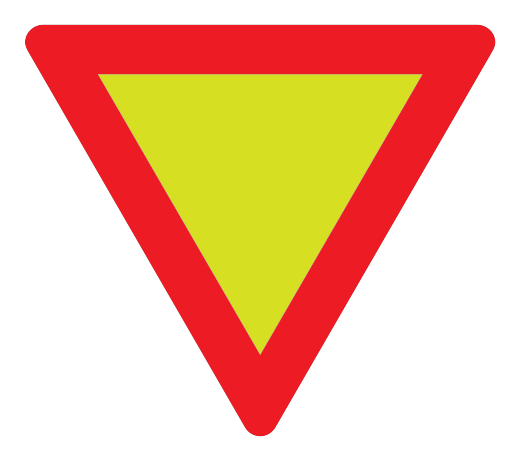
The 202 - Temporary Give Way road sign may also be known by these alternative names or terms.
The 202 - Temporary Give Way road sign is part of the Temporary Work-Zone Signs category, which groups together signs with similar rules and functions.
Reviewing related temporary road signs alongside this 'Temporary Give Way' sign helps solidify your understanding of Iceland's traffic rules and improves sign recognition for your theory test revision. Comparing similar road signs prevents confusion and ensures you master the nuances of traffic sign comparison for your Icelandic driving licence.
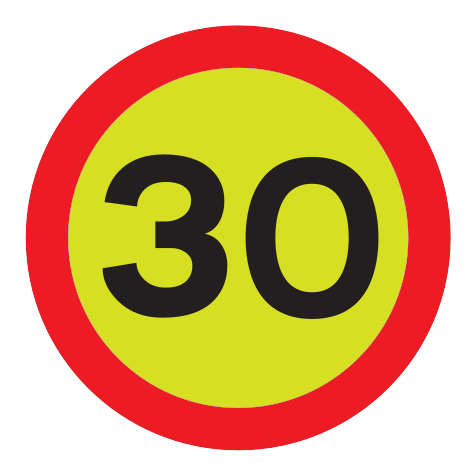
Understand the temporary 30 km/h speed limit sign and why it overrides normal rules.
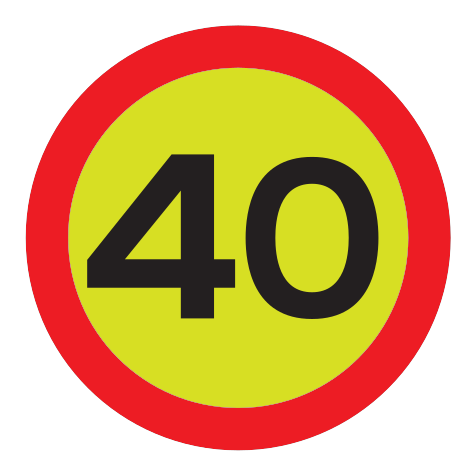
Obey Temporary 40 km/h Speed Limits in Roadworks Zones
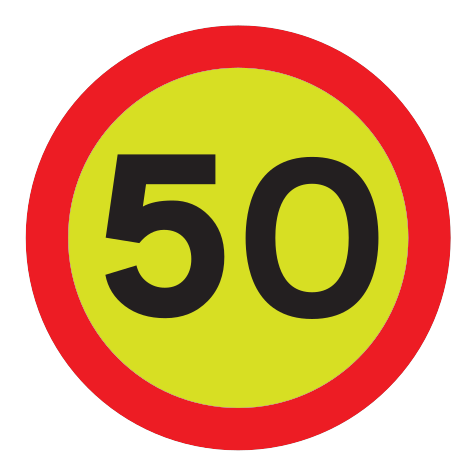
Temporary 50 km/h Speed Limit: Follow the Reduced Speed in Roadworks
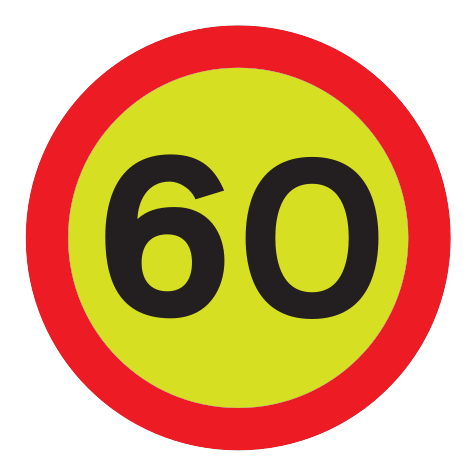
Obey the Temporary 60 km/h Speed Limit Sign in Roadworks
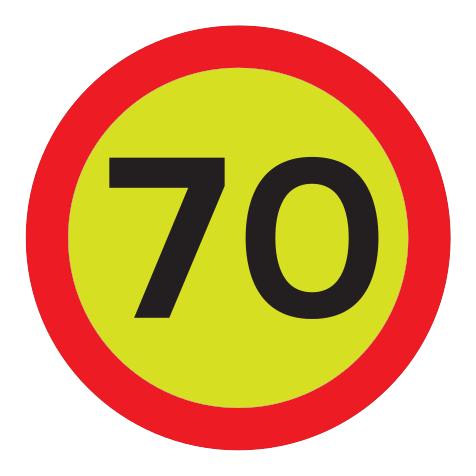
Observe the temporary 70 km/h speed limit sign in roadworks.
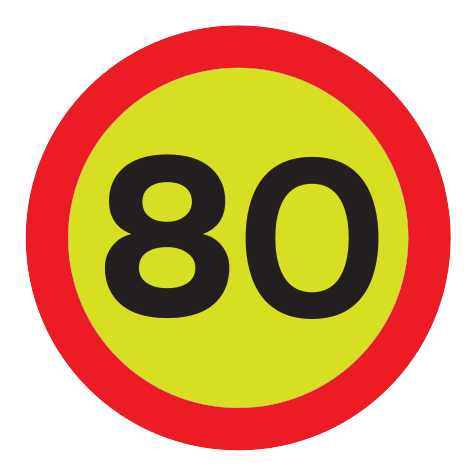
Temporary 80 km/h Speed Limit: Your Guide to Roadworks Safety
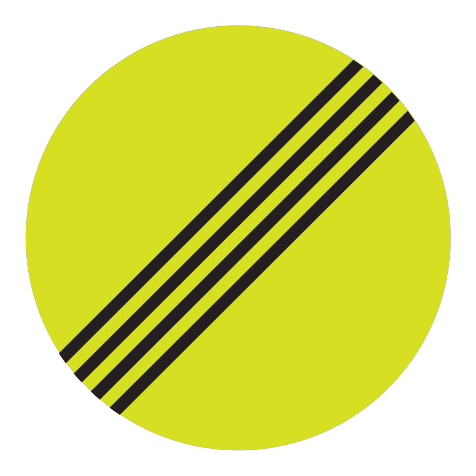
Understand the 'End of Temporary Restriction' Sign (380) to Safely Exit Roadworks
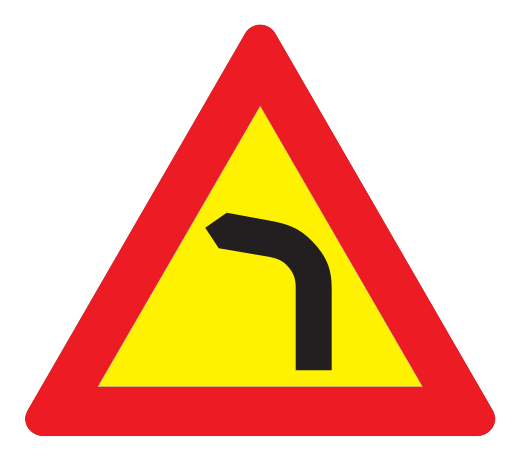
Prepare for a Dangerous Left-Hand Bend Ahead with Sign 100.2
Explore curated theory modules and safety procedures that clarify how specific road signs dictate right-of-way and vehicle conduct on Icelandic roads. Apply this knowledge to your driving theory test preparation by linking visual signage to real-world traffic laws.
Deciphering your Icelandic driving licence categories is essential for legal and safe operation of vehicles. This guide will clarify the scope of common categories like B, BE, and A, detailing vehicle and trailer weight restrictions. Gaining a clear understanding of these entitlements prepares you for the demands of Icelandic traffic and the official theory examination.
Moving to Iceland and need to drive legally? This guide explains how expats can exchange their foreign driving license for an Icelandic one, focusing on the crucial 6-month residency rule and the differences for EEA, UK, and Japanese licenses versus those requiring a full test. Proper exchange ensures compliance with Icelandic traffic laws.
Don't let a false sense of security put you at risk on Icelandic roads.
Understand Your Rights and Responsibilities During Roadside Checks in Iceland.
Temporary 30 km/h Speed Limit is used in temporary traffic management where normal road conditions have been changed by works, maintenance, or an incident. Its purpose is to guide drivers safely through a layout that may include narrowed lanes, changed priority, reduced speeds, diverted traffic, temporary signals, workers near the carriageway, or unfinished surfaces. The correct approach is to slow down early, read every temporary sign in sequence, and expect the layout to change again before the end of the work zone. Temporary signs are there because the normal road assumptions are no longer safe, so they should be treated with full priority.
Temporary 40 km/h Speed Limit is used in temporary traffic management where normal road conditions have been changed by works, maintenance, or an incident. Its purpose is to guide drivers safely through a layout that may include narrowed lanes, changed priority, reduced speeds, diverted traffic, temporary signals, workers near the carriageway, or unfinished surfaces. The correct approach is to slow down early, read every temporary sign in sequence, and expect the layout to change again before the end of the work zone. Temporary signs are there because the normal road assumptions are no longer safe, so they should be treated with full priority.
After reviewing the full list of Icelandic road signs, reinforce your learning with targeted practice. Explore our sign group categories or take a specific quiz to test your recognition and recall. Ensure you're fully prepared to identify and interpret all traffic signs for your upcoming driving theory exam.
View All Icelandic Road Signs