
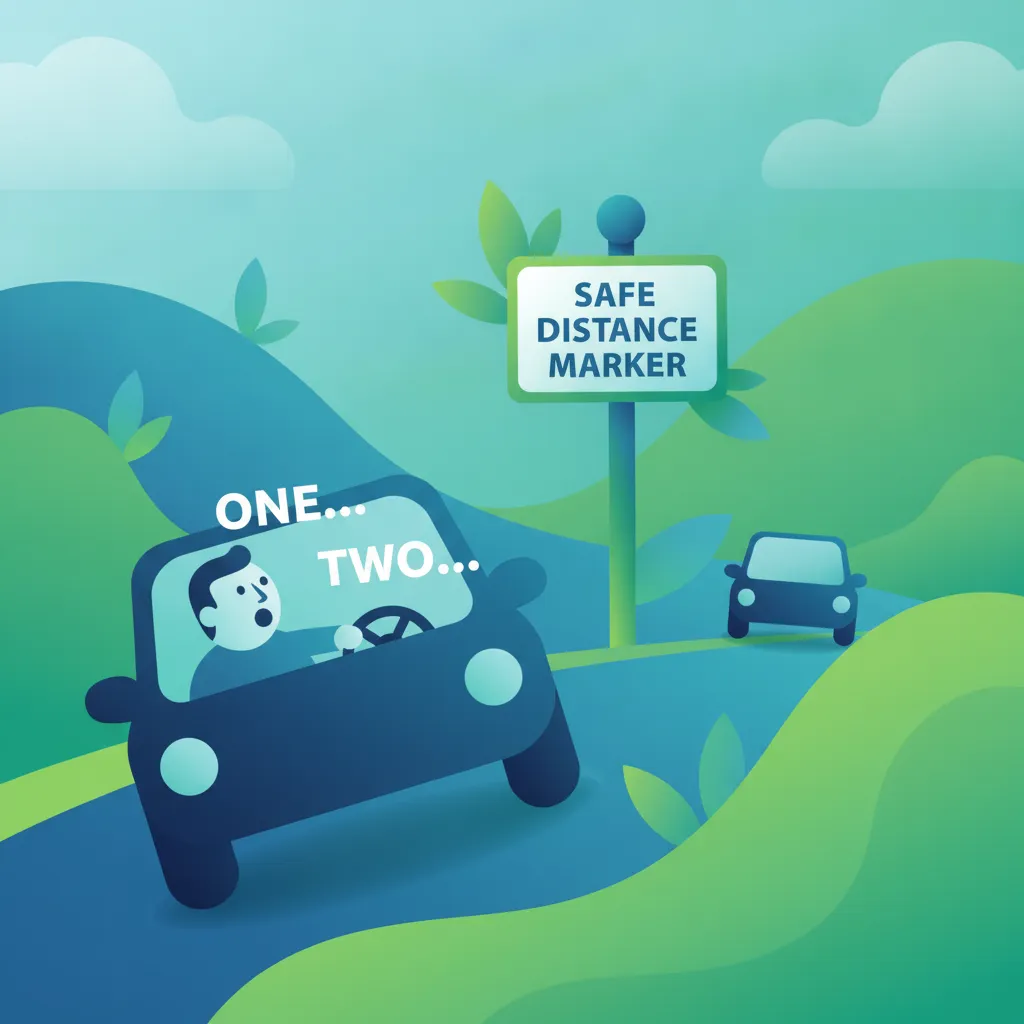
This lesson teaches you how to accurately judge and maintain a safe following distance from the vehicle in front, a core requirement for Category B drivers. By mastering the two-second rule, you will learn to adjust your gap based on road conditions, ensuring you have enough time to react to hazards. This skill is vital for both passing your theory test and preventing dangerous rear-end collisions on Irish roads.
Lesson content overview
Maintaining a safe following distance is one of the most fundamental principles of defensive driving. On the road, situations can change in a fraction of a second. A leading vehicle might brake suddenly to avoid a hazard, slow down for an unexpected turn, or stop abruptly due to a collision ahead. If you are following too closely, you eliminate the crucial buffer of time and space needed to perceive, react, and bring your vehicle to a safe stop.
Rear-end collisions are among the most common types of traffic accidents on Irish roads. Fortunately, they are also among the most preventable. By understanding the physics of stopping distances and mastering the application of the two-second and four-second rules, you will significantly reduce your risk of collision, protect vulnerable road users, and prepare yourself thoroughly for the Category B Irish Driver Theory Test.
To understand why a time-based gap is necessary, it is first essential to understand how a vehicle comes to a stop. Stopping distance is not instantaneous; it is a physical process governed by speed, friction, and human cognitive processing.
The total distance your vehicle travels from the moment you first spot a hazard to the moment your vehicle comes to a complete standstill is called the Total Stopping Distance. This is divided into two distinct phases:
The physics of speed dictate that as your speed increases, your stopping distance does not increase linearly—it increases exponentially. When you double your speed, your braking distance quadruples. This is because the kinetic energy of a moving vehicle is proportional to the square of its speed. At higher speeds, you need vastly more space to stop, which is why following distances must be measured in time (seconds) rather than fixed physical distances (metres). A time-based gap automatically scales the physical distance as your speed increases.
The standard recommended following distance under normal, dry road conditions is at least two seconds. This is commonly referred to as the Two-Second Rule.
The two-second rule is designed to accommodate the average driver's reaction time (which is typically between 1 and 1.5 seconds under alert conditions) while leaving a small physical buffer for the vehicle's braking system to engage and slow the car down safely.
The two-second rule is a minimum safety margin, not a target. Whenever you feel fatigued, are driving on unfamiliar roads, or are carrying heavy loads, you should proactively increase this distance.
Measuring your following distance in seconds is simple and does not require you to guess physical distances in metres. You can calculate this gap dynamically using stationary roadside markers.
Select a stationary reference point: Look ahead and choose a fixed object along the roadside. This could be a road sign, a lamppost, a bridge pier, a shadow across the road, or a specific road marking.
Observe the vehicle ahead: Wait for the rear bumper of the vehicle directly in front of you to pass your chosen reference point.
Start counting: Immediately begin counting the seconds naturally. To ensure accurate timing, count: "One thousand and one, one thousand and two."
Assess your position: Note where your vehicle is when you finish counting. If you pass the exact same reference point before you have finished saying "one thousand and two," you are following too closely (tailgating). You must ease off the accelerator to increase the gap and repeat the test until you are at least two seconds behind.
To help visualize how the physical distance changes with your speed, consider these approximate safe distances when maintaining a strict two-second gap:
The two-second rule is only valid under ideal, dry road conditions. When road surfaces become wet, damp, or greasy, tyre grip is significantly reduced. This reduction in friction dramatically increases your vehicle's braking distance.
To compensate for this lack of grip and the resulting increase in braking distance, the Road Safety Authority (RSA) guidelines dictate that you must double your following distance to at least four seconds on wet or greasy road surfaces. This is known as the Four-Second Rule.
Rain compromises safety in several ways:
When applying the four-second rule, use the exact same counting technique as the two-second rule, but extend your count: "One thousand and one, one thousand and two, one thousand and three, one thousand and four." If you pass the reference point before reaching "four," slow down and increase the space.
While wet roads require a minimum of four seconds, winter conditions such as ice, snow, or hard frost demand extreme caution. On icy roads, tyre friction drops close to zero, and your braking distance can be up to ten times greater than on dry tarmac.
In these freezing conditions, standard rules of thumb must be expanded. You should maintain a following distance of at least 10 to 20 seconds, or avoid driving entirely if warning alerts are active. Keep your speed low, steer smoothly, and avoid any sudden braking or acceleration.
A safe driver must continually adapt to the surrounding environment. There are several common driving scenarios where you must increase your following distance beyond the standard two or four seconds.
Large vehicles, such as heavy goods vehicles (HGVs), buses, and agricultural tractors, pose unique safety challenges:
If your vehicle is towing a caravan, utility trailer, or carrying a heavy boot load or multiple passengers, its weight increases significantly. According to the laws of physics, a heavier vehicle carries more kinetic energy, which directly increases the braking distance. When towing, you must extend your following distance to allow for this extra weight and to prevent jackknifing under emergency braking.
When following motorcyclists, scooter riders, or cyclists, you should increase your following distance. Two-wheeled vehicles are much more susceptible to road surface imperfections, such as potholes, wet leaves, metal manhole covers, or loose gravel. A motorcyclist or cyclist may swerve suddenly or fall. Maintaining a generous following distance ensures you have ample time to brake or steer around them safely.
In fog or falling snow, your ability to perceive hazards is severely compromised. It takes your brain longer to process a hazard when visibility is low, which increases your reaction time. In these conditions, use your fog lights as legally required, reduce your speed, and significantly extend your following distance.
Following too closely behind another vehicle is known as tailgating. Tailgating is a highly dangerous, aggressive, and irresponsible driving habit that leaves zero margin for error.
Tailgating is a primary cause of multi-car pileups on high-speed dual carriageways and motorways. If the lead vehicle brakes suddenly and you are tailgating, a collision is physically unavoidable.
If a driver behind you is tailgating, do not react aggressively, speed up beyond the legal limit, or tap your brakes aggressively. Instead, follow these defensive driving steps:
In Ireland, maintaining a safe following distance is not just a matter of safe driving advice; it is a legal requirement.
Under the general provisions of the Road Traffic Acts, drivers have a strict legal duty to drive with reasonable consideration for other road users. Failing to maintain a safe stopping distance and tailgating can be prosecuted as Driving Without Reasonable Consideration or, in more severe cases, Careless Driving or Dangerous Driving.
If you are involved in a rear-end collision, the legal and insurance presumption is almost always that the following driver was at fault. The law presumes that if you hit a vehicle from behind, you were either driving too fast for the conditions, failing to pay proper attention, or failing to maintain a safe following distance.
To help cement your understanding, let us review how these principles apply to real-world driving situations on Irish roads.
The two-second rule provides the minimum safe following distance under dry conditions by accounting for average human reaction time, while the four-second rule compensates for reduced tyre grip on wet or greasy surfaces. These time-based gaps scale automatically with speed, unlike fixed distances, because braking distance increases exponentially with velocity. Tailgating eliminates all margin for error, leaving no time to react if the vehicle ahead brakes suddenly, and the law presumes fault against the rear vehicle in any rear-end collision. Special conditions—including ice, heavy loads, large vehicles, and poor visibility—all require significantly increased following distances beyond the standard rules.
A short set of high-value points that capture the most important learning from this lesson.
The two-second rule is the minimum safe following gap under dry conditions, designed to accommodate average human reaction time of 1-1.5 seconds.
Stopping distance increases exponentially with speed because kinetic energy is proportional to the square of velocity, making time-based gaps essential.
On wet or greasy roads, you must double your following distance to at least four seconds to compensate for reduced tyre grip and increased braking distance.
Extreme winter conditions like ice and snow can increase braking distance up to ten times, requiring 10-20 second gaps or avoiding travel altogether.
When following large vehicles, you should increase distance until you can see their side mirrors—if you cannot see them, they cannot see you.
Explore all units and lessons included in this driving theory course.
Count using natural speech: 'One thousand and one, one thousand and two' to accurately measure a two-second gap.
Initial rain creates the most slippery conditions because it mixes oil and rubber residue on the road into a greasy film.
Rear-end collisions carry a legal presumption that the following driver was at fault for hitting the vehicle ahead.
If being tailgated, do not speed up or brake aggressively—instead increase your own forward gap and allow the tailgater to pass safely.
At 100 km/h, your vehicle travels approximately 28 metres per second, meaning a 10-metre tailgate gap leaves virtually no reaction time.
Applying the two-second rule during wet weather instead of the required four-second rule, thinking the gap is sufficient in all conditions.
Confusing car lengths with time-based measurements—two seconds translates to roughly 6 car lengths at 50 km/h but 15 car lengths at 120 km/h.
Relying on brake lights alone for warning; some drivers decelerate using engine braking, which does not activate brake lights.
Following too closely behind large vehicles assuming you can see hazards around them, when their size actually blocks your forward vision completely.
Assuming quiet or dry roads permit closer following distances, which eliminates the buffer needed for unexpected hazards like animals or debris.
Lesson content overview
A short set of high-value points that capture the most important learning from this lesson.
The two-second rule is the minimum safe following gap under dry conditions, designed to accommodate average human reaction time of 1-1.5 seconds.
Stopping distance increases exponentially with speed because kinetic energy is proportional to the square of velocity, making time-based gaps essential.
On wet or greasy roads, you must double your following distance to at least four seconds to compensate for reduced tyre grip and increased braking distance.
Extreme winter conditions like ice and snow can increase braking distance up to ten times, requiring 10-20 second gaps or avoiding travel altogether.
When following large vehicles, you should increase distance until you can see their side mirrors—if you cannot see them, they cannot see you.
Explore all units and lessons included in this driving theory course.
Count using natural speech: 'One thousand and one, one thousand and two' to accurately measure a two-second gap.
Initial rain creates the most slippery conditions because it mixes oil and rubber residue on the road into a greasy film.
Rear-end collisions carry a legal presumption that the following driver was at fault for hitting the vehicle ahead.
If being tailgated, do not speed up or brake aggressively—instead increase your own forward gap and allow the tailgater to pass safely.
At 100 km/h, your vehicle travels approximately 28 metres per second, meaning a 10-metre tailgate gap leaves virtually no reaction time.
Applying the two-second rule during wet weather instead of the required four-second rule, thinking the gap is sufficient in all conditions.
Confusing car lengths with time-based measurements—two seconds translates to roughly 6 car lengths at 50 km/h but 15 car lengths at 120 km/h.
Relying on brake lights alone for warning; some drivers decelerate using engine braking, which does not activate brake lights.
Following too closely behind large vehicles assuming you can see hazards around them, when their size actually blocks your forward vision completely.
Assuming quiet or dry roads permit closer following distances, which eliminates the buffer needed for unexpected hazards like animals or debris.
Explore search topics learners often look for when studying Calculating Safe Following Distances (Two-Second Rule). These topics reflect common questions about road rules, driving situations, safety guidance, and lesson level theory preparation for learners in Ireland.
Browse additional driving theory lessons that cover connected traffic rules, road signs, and common driving situations related to this topic. Improve your understanding of how different rules interact across everyday traffic scenarios.
Learn how to proactively scan the road for potential dangers beyond just maintaining distance. This lesson explores the cognitive skills needed to identify hazards early, understand driver response times, and apply defensive driving habits required by the Road Safety Authority to ensure safe progress on Irish roads.
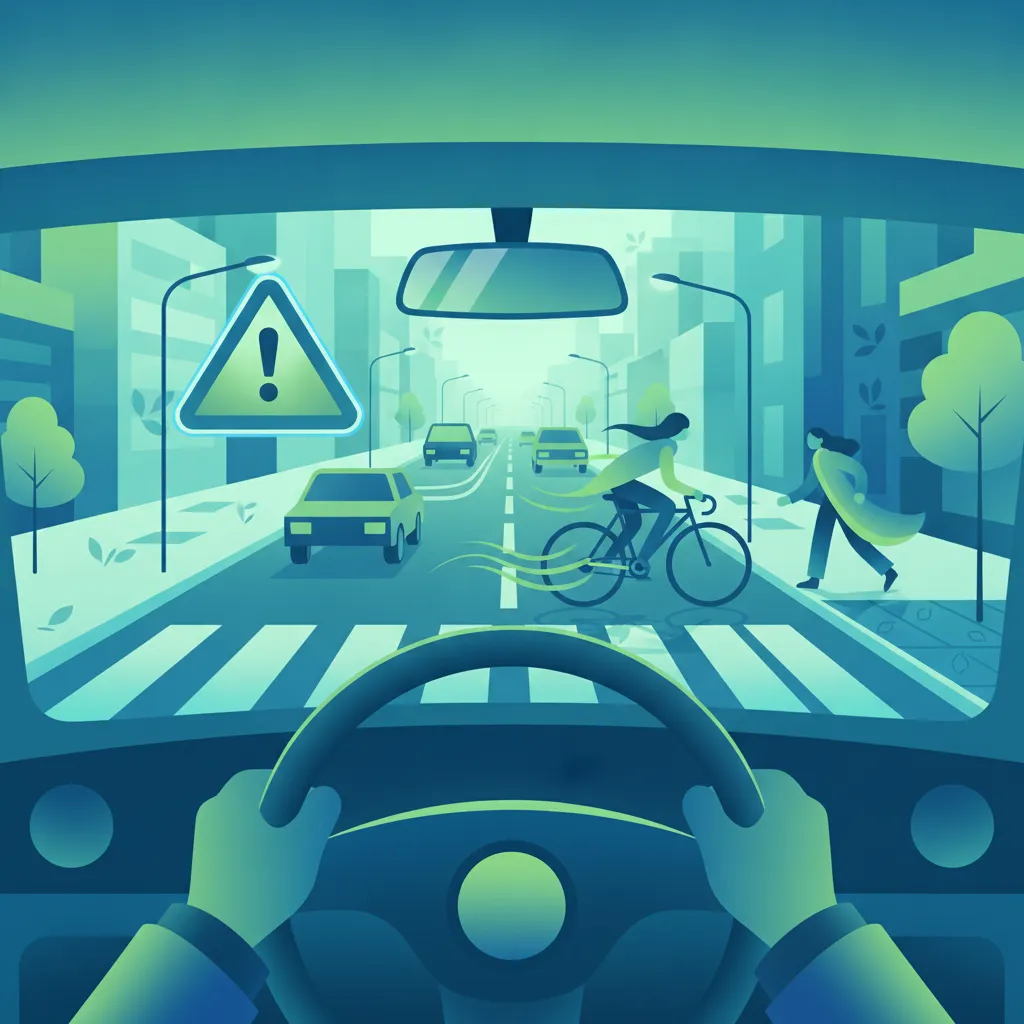
Proactive hazard perception involves constantly scanning the road ahead to identify potential dangers before they turn into actual emergencies. This lesson covers active scanning techniques, helping you look far ahead, check mirrors regularly, and identify subtle risk clues such as exhaust smoke from parked cars or children playing near kerbs. Anticipating these developments gives you the time to adjust speed and position safely.
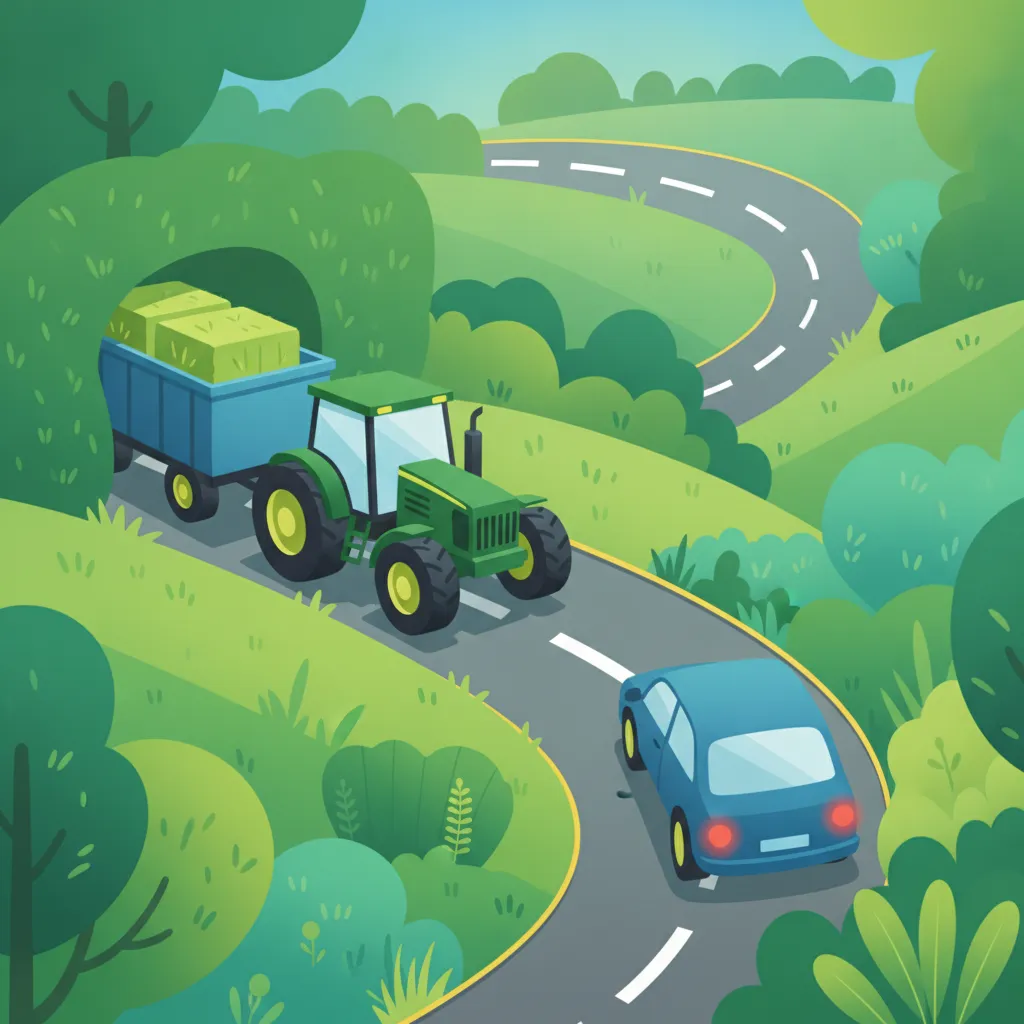
Irish rural roads are often narrow, winding, and bordered by high hedges, presenting unique hazards compared to urban streets. This lesson focuses on scanning for hidden hazards such as slow-moving farm machinery, mud on the road surface, and loose livestock. You will learn how to adjust your speed before entering blind bends, sound your horn at blind crests, and safely share the road with local agricultural traffic.
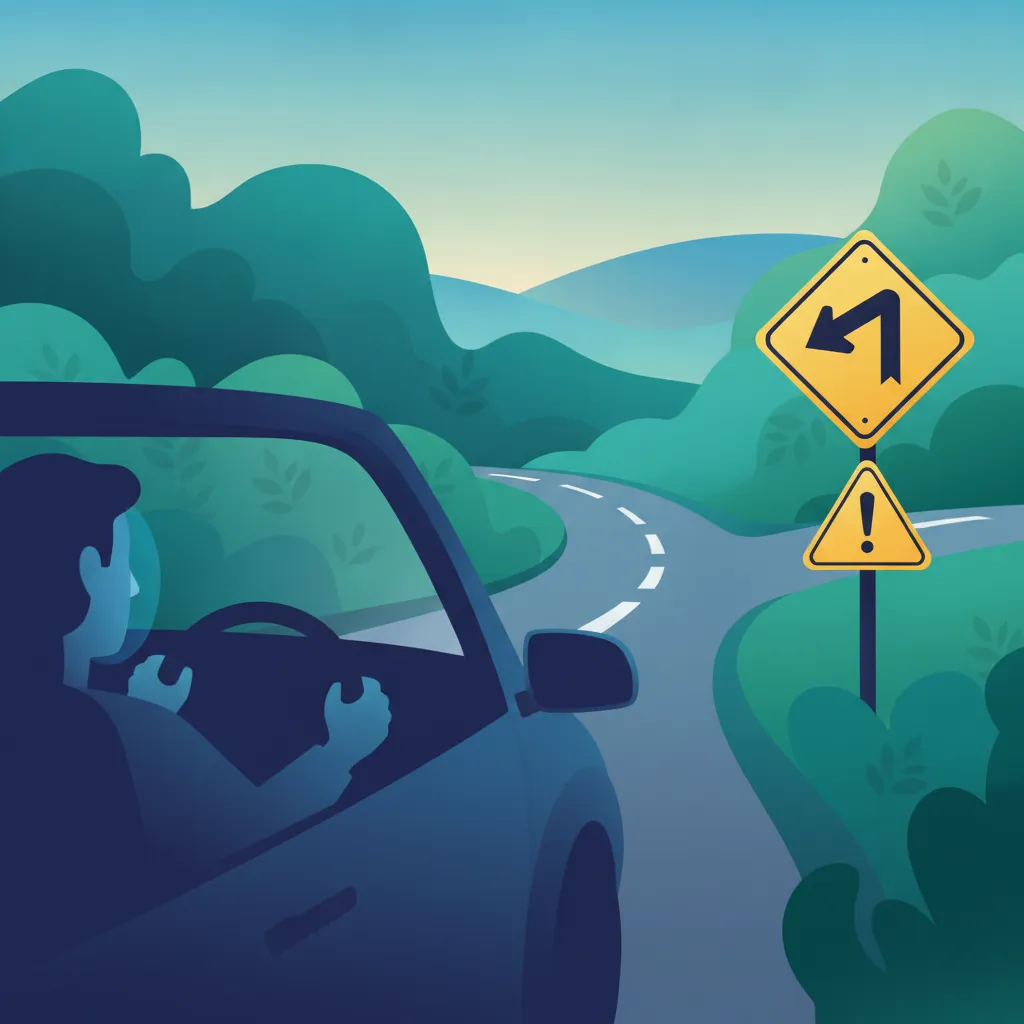
Warning signs in Ireland are typically diamond-shaped with yellow backgrounds and black symbols, indicating potential dangers on the road ahead. This lesson details signs for upcoming sharp bends, narrow roads, steep hills, pedestrian activity, and animal hazards. Learning to spot these warning indicators early allows you to reduce speed safely and adjust your vehicle positioning before encountering the hazard itself.
Heavy vehicles require continuous visual scanning to identify small or slow-moving road users who may enter the path of travel. This lesson explores the typical behaviors of young children, elderly pedestrians, and visually impaired road users. Drivers will build strong hazard perception skills to anticipate sudden movements, ensuring they can brake safely and avoid serious accidents.
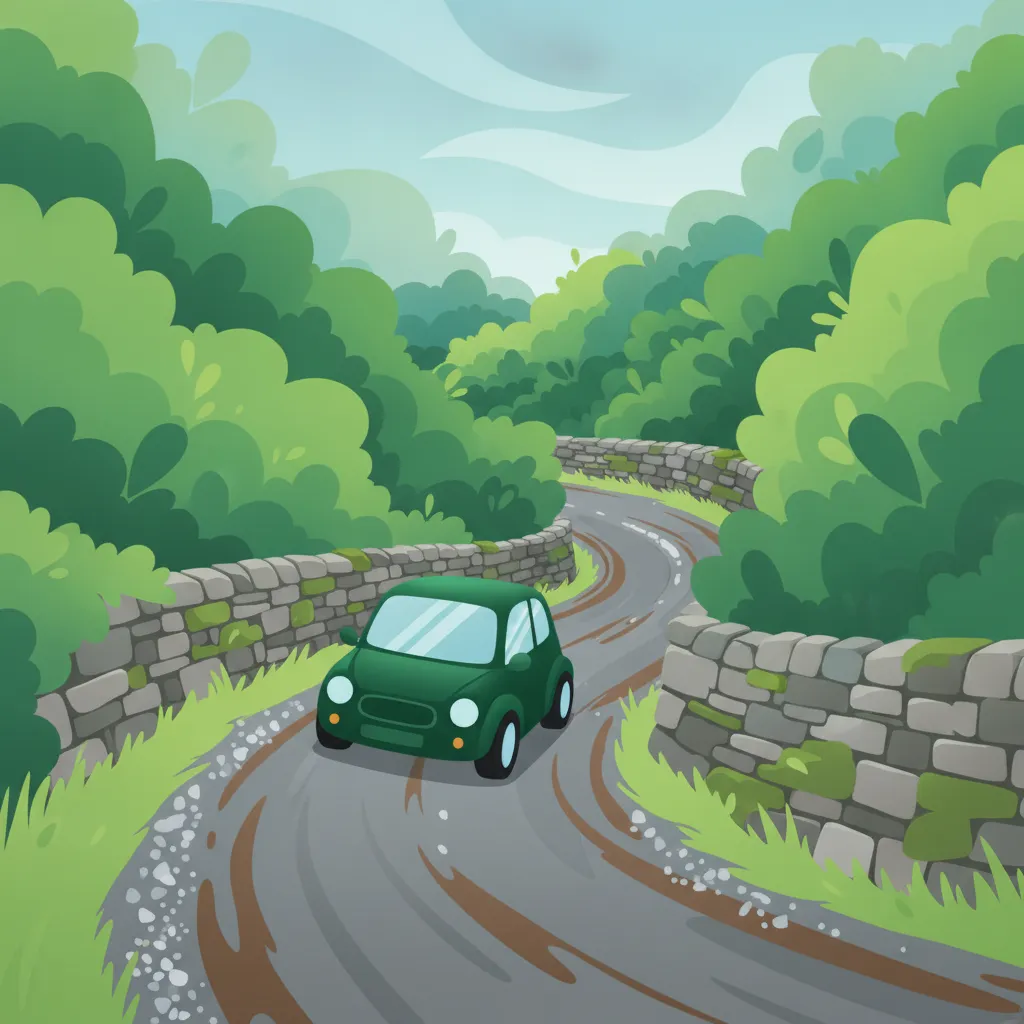
Irish rural routes are often narrow, lacking central markings, and bordered by tall hedges that restrict forward visibility on sharp bends. This lesson teaches drivers how to negotiate blind curves, anticipate slow-moving agricultural machinery, and respond to wandering farm animals. Drivers will learn to regulate vehicle speed proactively, maintaining a safe stopping margin in rural areas.
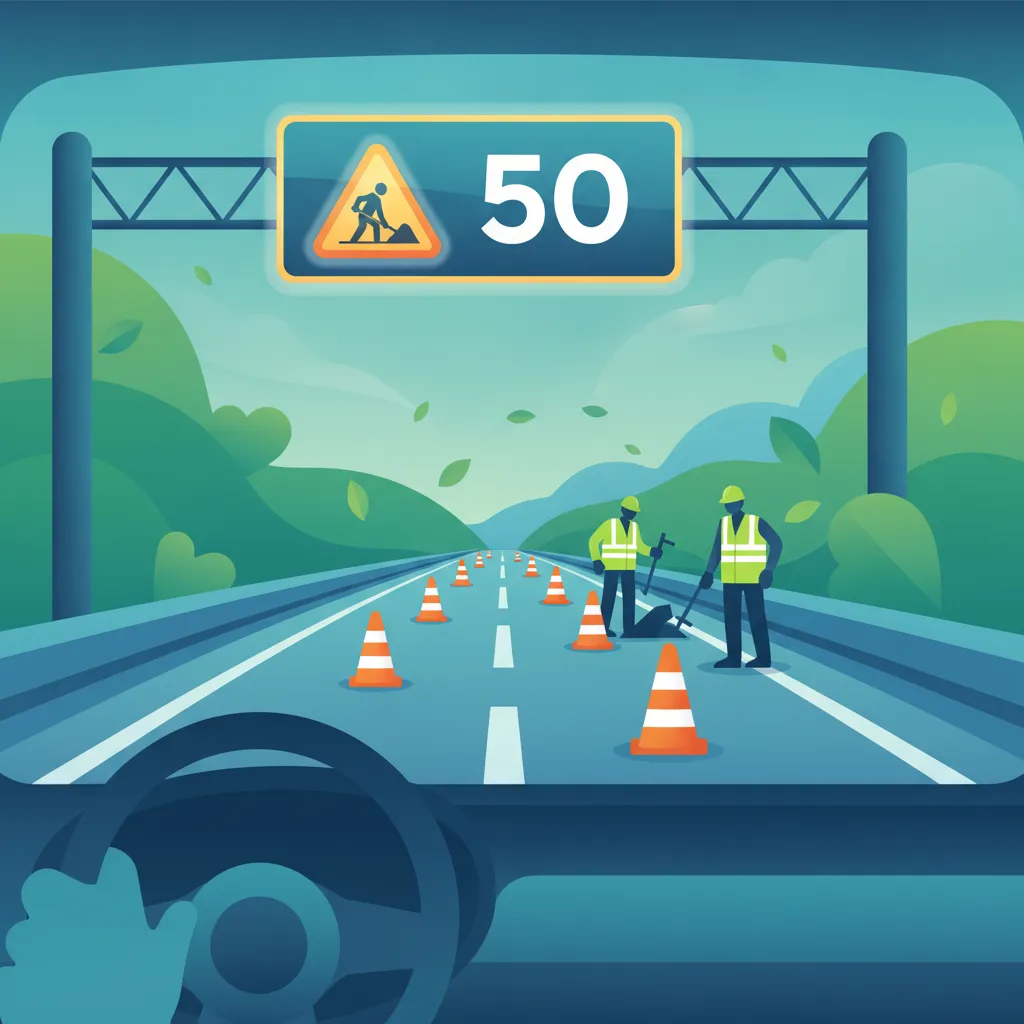
Variable Message Signs and roadwork indicators communicate temporary safety conditions, such as lane closures, heavy delays, or dynamic speed restrictions. This lesson teaches you how to interpret digital overhead gantries, temporary hazard cones, and specific detour layouts often encountered on Irish motorways and regional routes. Adhering to these real-time instructions protects both you and the vulnerable road crews working ahead.
Driving at night presents severe challenges due to reduced visibility, driver fatigue, and headlight glare from oncoming vehicles. This lesson teaches you how to manage your headlights, use road edge markers to steer through dark curves, and look away from oncoming bright lights. You will learn to drive within the range of your headlights and remain highly alert for pedestrians or cyclists not wearing reflective gear.
Safeguarding vulnerable road users requires more than simple obedience to traffic signs; it demands a defensive driving mindset. This lesson summarizes safe practices, including scanning far ahead in urban areas, keeping massive safety margins in wet weather, and executing thorough blind spot checks before reversing. By anticipating the unpredictable movements of others, you can prevent accidents and support a safe road culture.

This lesson outlines how motorcyclists should respond when permanent road signs are dirty, damaged, or hidden by overgrown trees and hedges. It introduces the temporary signage, warning cones, and detour markers commonly deployed at active roadwork zones in Ireland. Riders will learn to read the road ahead defensively, reducing speed when visual information is incomplete or compromised.
Adverse weather severely compromises tyre traction and forward visibility, demanding immediate speed reductions and extra space. This lesson focuses on the physics of aquaplaning in heavy rain, driving safely on black ice, and navigating thick fog using designated fog lamps. You will learn how to manage your windshield defoggers, adjust wipers, and handle high crosswinds that can destabilise your vehicle.
Explore the specific rules governing motorway travel in Ireland, including speed limits, correct lane usage, and merging procedures. Understanding these requirements is essential for safely navigating high-speed traffic, maintaining proper gaps from larger vehicles, and managing visibility during long-distance travel on national primary routes.
Motorways are designed for safe, high-speed travel, but require strict adherence to lane discipline and specific regulations. This lesson explains that the left lane is for normal driving, while middle and right lanes are strictly for overtaking slower traffic. You will learn how to identify motorway exits, use the hard shoulder during absolute emergencies, and understand the legal restrictions placed on learner permit holders.

Irish driving theory demands that drivers keep to the left-hand side of the road unless overtaking or turning right. This lesson explains how to maintain consistent lane discipline on multi-lane roads, how to perform safe lane changes, and the dangers of drifting. You will learn the safety sequence of checking mirrors, checking blind spots, signalling, and smoothly executing a lane change without disrupting trailing traffic.
Large passenger vehicles must maintain consistent lane positioning to prevent side-swipe incidents and sustain smooth urban traffic patterns. This lesson covers standard lane selection rules, safe overtaking procedures, and how to use designated public transit corridors correctly. Drivers will learn the importance of checking mirrors continuously and planning lane changes well in advance.

This lesson outlines the rules and procedures for riding safely on dual carriageways and motorways in Ireland. It covers merging from slip roads, maintaining lane discipline, and executing high-speed overtaking manoeuvres in accordance with RSA standards. Motorcyclists will learn to anticipate turbulence from large commercial trucks and recognize the safety signs used on high-speed routes.
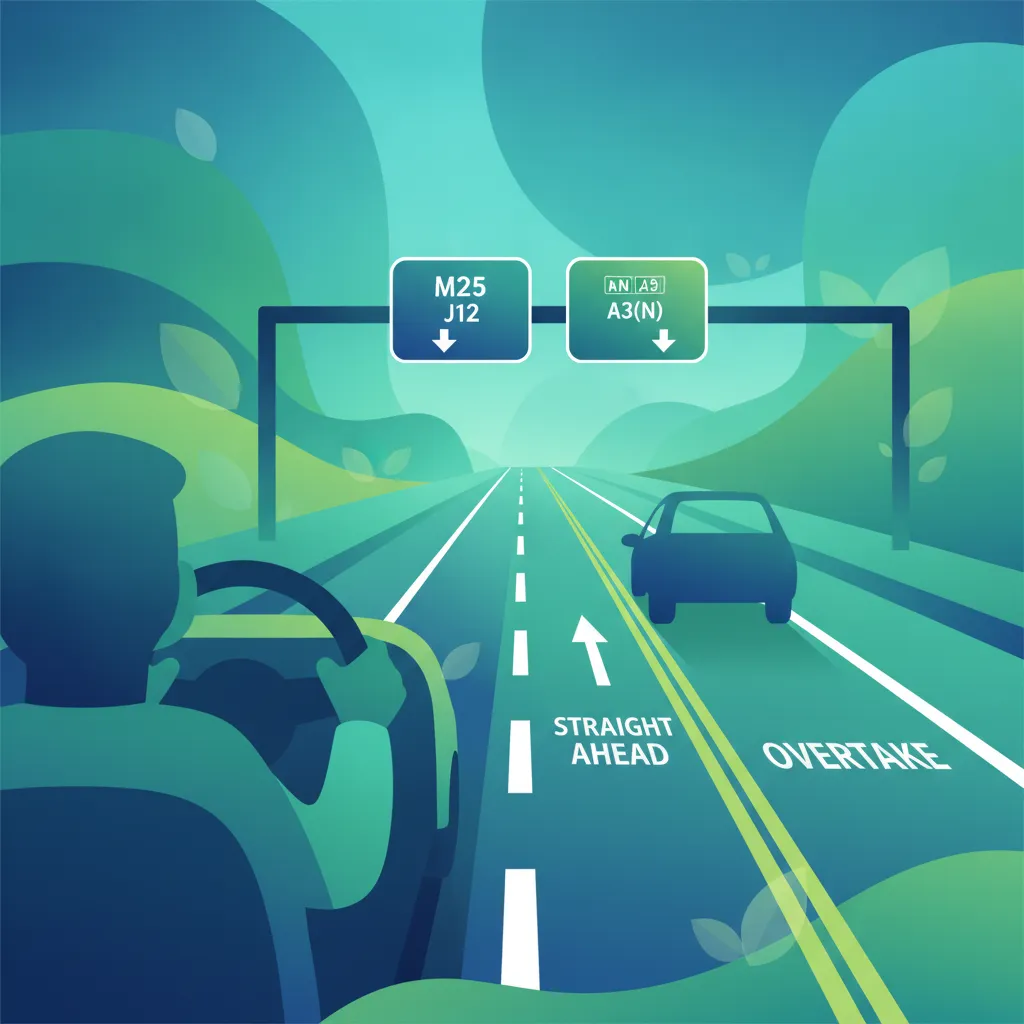
This lesson describes the legal regulations and driving conventions for operating heavy commercial vehicles on motorways and high-speed dual carriageways. It explains specific Irish motorway rules, including bans on heavy goods vehicles occupying the outer overtaking lanes. Drivers will learn to manage high-speed slip-road merging, maintain safe spacing buffers, and anticipate long-range changes in overall traffic flow.
This lesson explains the critical meanings of solid, broken, and continuous lines painted on Irish road surfaces. It defines the legal rules surrounding bus lanes, bicycle lanes, and yellow box junctions in urban settings. Riders will learn correct lane discipline to ensure their safety and maintain proper separation from surrounding traffic.
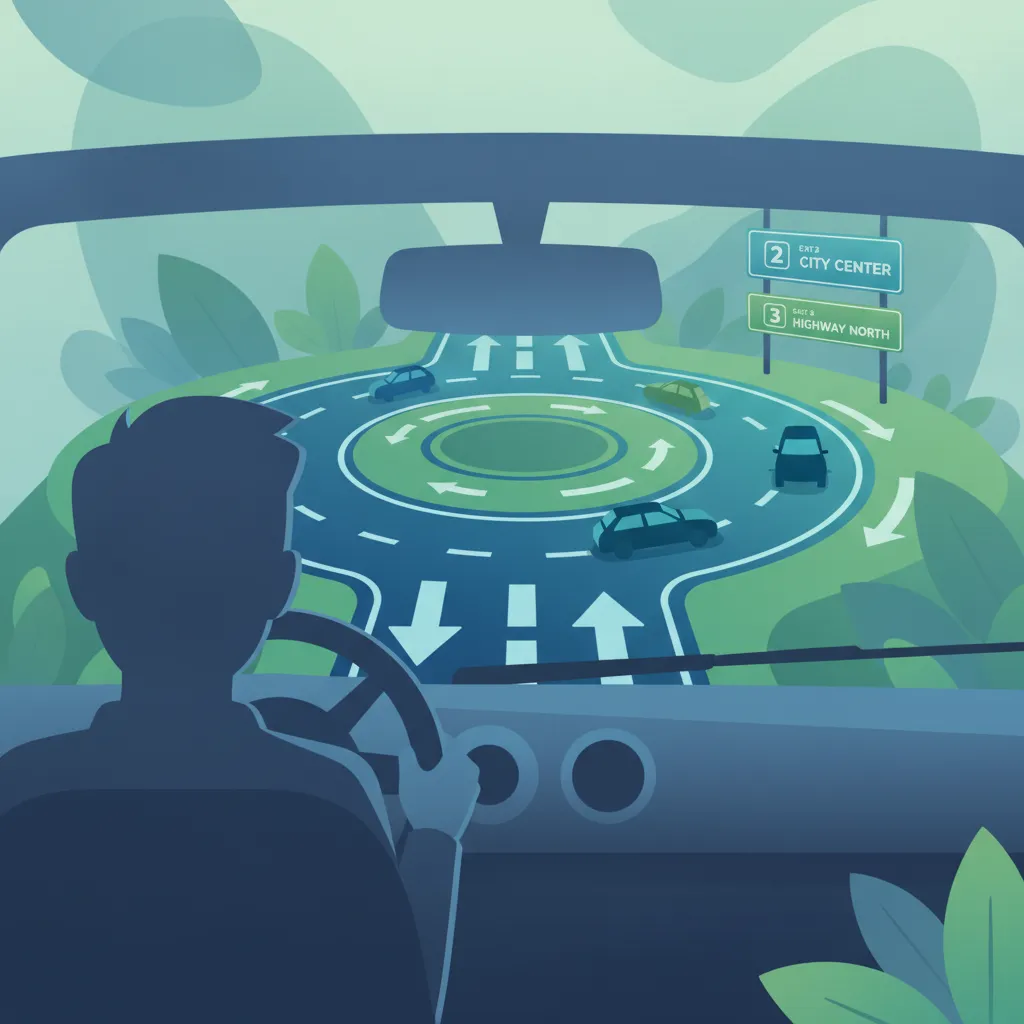
Navigating multi-lane roundabouts requires precise lane selection, continuous scanning, and timely signaling. This lesson teaches you the 'clock rule' for determining which lane to enter, how to yield to traffic already on the roundabout from your right, and when to activate your left indicator to exit. Mastering these procedures minimizes lane-drift accidents and ensures a seamless flow of traffic on busy roundabouts.
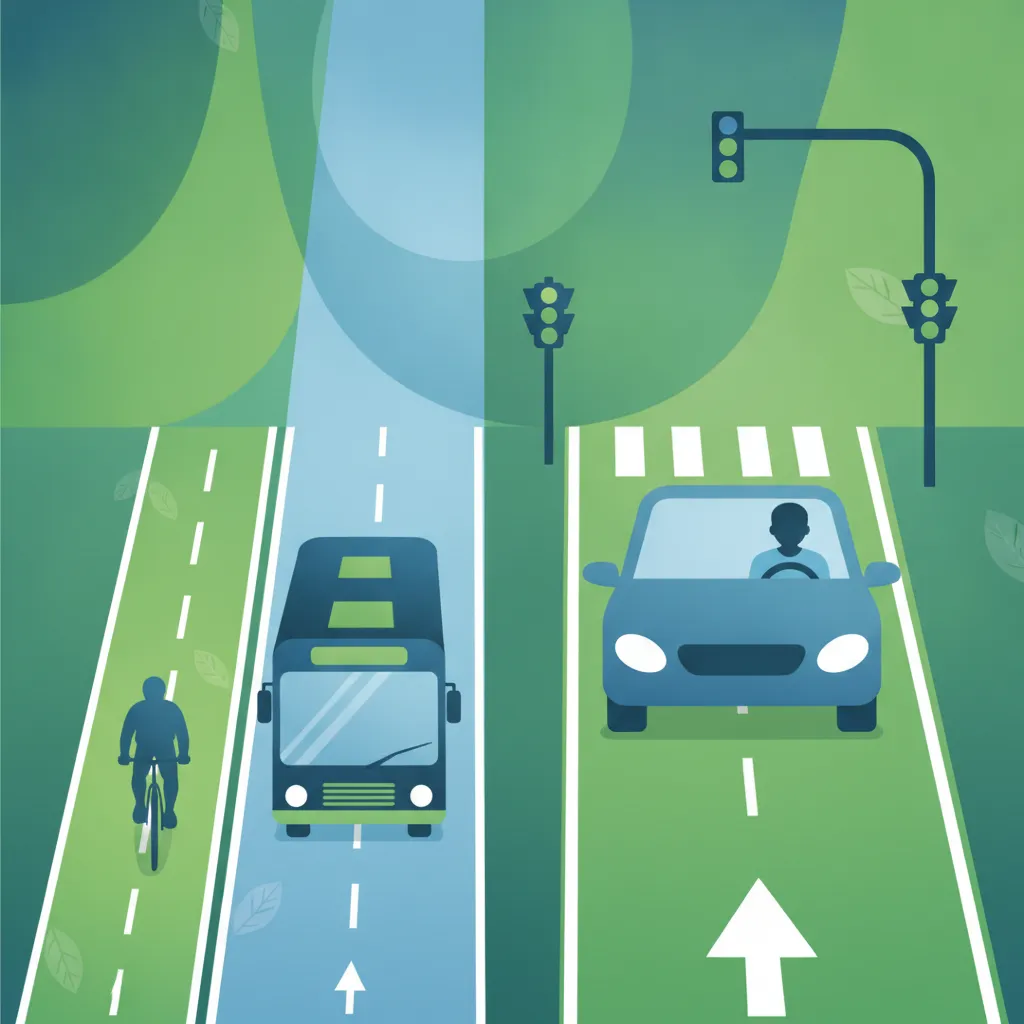
Bus lanes and cycle tracks are designed to encourage public transport and safe active travel in congested urban areas. This lesson explores the differences between with-flow and contra-flow bus lanes, detailing the restricted operating hours during which other vehicles are banned. You will understand when taxi drivers or emergency vehicles can use these lanes, and how to avoid costly traffic violations and safety risks.

This lesson outlines the legal and safety requirements for maintaining proper lane discipline on multi-lane roads, roundabouts, and motorways in Ireland. It teaches drivers how to account for lane width, manage trailer off-tracking, and position the cab to prevent encroachment on neighboring lanes. Drivers will master safe lane-changing strategies, signaling protocols, and traffic merging techniques.
Motorway transport requires consistent forward planning, strict speed restriction compliance, and clear mirror checks before exiting lanes. This lesson details the rules of joining and leaving motorways, navigating toll plazas safely, and managing breakdowns on the hard shoulder. Drivers will learn to balance high-speed travel with passenger stability, ensuring a comfortable, secure ride.
Find clear answers to common questions learners have about Calculating Safe Following Distances (Two-Second Rule). Learn how the lesson is structured, which driving theory objectives it supports, and how it fits into the overall learning path of units and curriculum progression in Ireland. These explanations help you understand key concepts, lesson flow, and exam focused study goals.
Wet roads significantly reduce tyre grip, meaning it takes much longer to come to a complete stop. You must double your gap to at least four seconds to compensate for the increased braking distance and lower traction.
Pick a stationary object like a sign or a lamppost. As the car in front passes it, count 'one thousand and one, one thousand and two'. If you pass the same object before you finish counting, you are too close.
Yes, the rule is a time-based measurement that naturally scales with speed. As you drive faster, two seconds represents a much longer distance in metres, which is exactly what is needed for higher speeds.
Yes, tailgating is a key focus of hazard awareness and defensive driving. Exam questions often highlight it as a major cause of rear-end collisions, which are frequently cited in accident statistics.
Use the practice question search tool to pinpoint specific topics, road signs, or rules you need to master for your official Driver Theory Test. Refine your study strategy and ensure comprehensive preparation for all aspects of the Irish driving exam. Start your focused revision now and build confidence for your learner permit test.