
High temperatures can significantly alter road conditions, requiring drivers to be proactive and attentive. This guide explains the phenomenon of bleeding asphalt and why it is a critical factor for vehicle safety in Sweden. By learning to adjust your speed, following distance, and monitoring official sources like SMHI and Trafikverket, you will be better prepared to handle environmental risks during your theory test and in real-world traffic.
Article content overview
Driving in Sweden is often associated with navigating snow, ice, and dark winter conditions. However, the Swedish summer brings its own unique set of challenges that every learner driver must understand to pass their theory exam and ensure safety on the road. Extreme heat can significantly alter road surface dynamics, transforming familiar routes into hazardous environments that require proactive risk assessment and defensive driving habits.
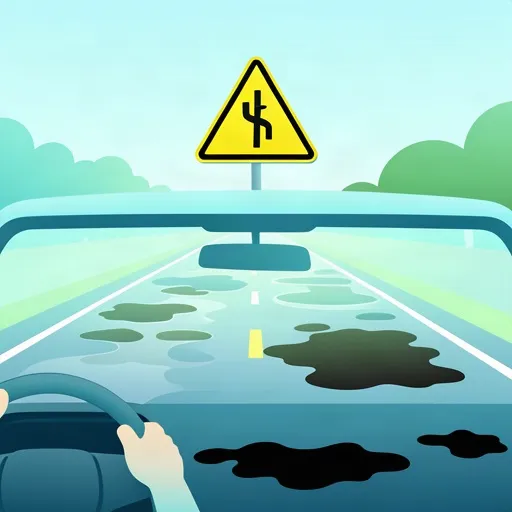
When temperatures soar during a Swedish heatwave, road surfaces can undergo a process known as "bleeding asphalt." This occurs when the bitumen—the binder within the asphalt—softens, expands, and rises to the surface. To a driver, this manifests as dark, glossy, or black patches on the road that look deceptively like oil spills or wet pavement.
These patches drastically reduce the friction coefficient between your tires and the road surface. In practical terms, this means your vehicle's braking distance can increase significantly, and your ability to steer or corner safely is compromised. Recognizing these surfaces early is a core skill for hazard perception; if you see dark, shiny patches during a hot day, you should immediately reduce your speed and increase your following distance to provide yourself with a larger safety margin.
Bleeding asphalt can make the road surface extremely slippery. Always treat shiny, black patches in hot weather as a potential skid hazard, similar to how you would approach a patch of ice in winter.
Defensive driving is about anticipating risks before they become critical. In extreme heat, the responsibility lies with the driver to adjust their behavior to compensate for environmental factors that the road infrastructure cannot fully mitigate. When Trafikverket issues warnings about high temperatures, it is a cue for you to adopt a more cautious driving style.
Beyond reduced friction, heat can lead to a quicker onset of driver fatigue. The combination of intense sunlight, high cabin temperatures, and the effort required to stay focused can drain your energy rapidly. Taking regular, short breaks is not just a comfort measure; it is a critical safety strategy to ensure you remain alert enough to react to emerging hazards. Always ensure you have sufficient water in the vehicle to maintain hydration, as physical discomfort directly impacts your cognitive performance behind the wheel.
The Swedish theory exam tests your ability to make sound judgments based on current conditions. You are expected to demonstrate that you can synthesize information from sources like SMHI and Trafikverket into your driving plan. For instance, if you are planning a long journey, checking the road conditions map is as important as checking your tire pressure.
While road users focus on the asphalt, it is worth noting that extreme heat also impacts rail infrastructure, where "sun kinks" (buckling of tracks) can occur. While this specifically affects train traffic, it serves as a reminder of how heat affects all infrastructure. As a driver, your focus must remain on your vehicle's interaction with the road, particularly the grip levels of your tires.
In the theory exam, you may be presented with scenarios involving varying weather conditions. The key is to remember that rules regarding safe speed and following distance are not static; they must be adapted based on the environmental reality. Always aim to choose the answer that demonstrates caution, foresight, and a high level of responsibility toward other road users.
Extreme heat in Sweden creates the phenomenon of bleeding asphalt, where bitumen rises to the road surface and forms glossy, slippery patches that significantly reduce tire grip and increase braking distance. Drivers must learn to visually identify these patches, treat them as serious skid hazards, and respond by reducing speed and increasing following distance. The Swedish theory exam expects candidates to demonstrate awareness of dynamic risk factors and the ability to adapt driving behaviour based on real-time environmental conditions, using official sources like SMHI and Trafikverket for pre-trip planning.
A short set of high-value points that capture the most important ideas from this article.
Bleeding asphalt occurs when bitumen softens and rises to the road surface during extreme heat, creating dark, glossy patches that drastically reduce tire grip.
Reduced friction from bleeding asphalt increases braking distance and compromises steering control, particularly on curves and at intersections.
Always treat shiny black patches on hot roads as potential skid hazards requiring immediate speed reduction and increased following distance.
Trafikverket and SMHI weather alerts are essential pre-departure resources for assessing heat-related road risks.
Heat-induced driver fatigue is a safety risk; regular breaks and hydration are critical, not optional comfort measures.
Bleeding asphalt is visually similar to oil spills or wet pavement—look for dark, reflective patches on sunny days.
Increase following distance to at least three seconds when road friction is compromised.
Speed adjustments are mandatory in hot conditions, especially on curves and before intersections.
Never leave children, pets, or passengers in a parked vehicle—cabin temperatures reach dangerous levels quickly.
Safe speed and following distance are dynamic; they must be adapted to current environmental conditions, not just posted limits.
Assuming smooth, dark road patches are harmless water or oil residue rather than signs of reduced friction.
Maintaining normal following distances during extreme heat without accounting for extended braking requirements.
Failing to check weather and traffic condition updates from SMHI and Trafikverket before departure.
Underestimating driver fatigue as a heat-related hazard, viewing breaks as optional rather than safety-critical.
Applying winter driving caution (treating roads like ice) inconsistently or only in cold conditions, when slippery surfaces also occur in summer heat.
Article content overview
A short set of high-value points that capture the most important ideas from this article.
Bleeding asphalt occurs when bitumen softens and rises to the road surface during extreme heat, creating dark, glossy patches that drastically reduce tire grip.
Reduced friction from bleeding asphalt increases braking distance and compromises steering control, particularly on curves and at intersections.
Always treat shiny black patches on hot roads as potential skid hazards requiring immediate speed reduction and increased following distance.
Trafikverket and SMHI weather alerts are essential pre-departure resources for assessing heat-related road risks.
Heat-induced driver fatigue is a safety risk; regular breaks and hydration are critical, not optional comfort measures.
Bleeding asphalt is visually similar to oil spills or wet pavement—look for dark, reflective patches on sunny days.
Increase following distance to at least three seconds when road friction is compromised.
Speed adjustments are mandatory in hot conditions, especially on curves and before intersections.
Never leave children, pets, or passengers in a parked vehicle—cabin temperatures reach dangerous levels quickly.
Safe speed and following distance are dynamic; they must be adapted to current environmental conditions, not just posted limits.
Assuming smooth, dark road patches are harmless water or oil residue rather than signs of reduced friction.
Maintaining normal following distances during extreme heat without accounting for extended braking requirements.
Failing to check weather and traffic condition updates from SMHI and Trafikverket before departure.
Underestimating driver fatigue as a heat-related hazard, viewing breaks as optional rather than safety-critical.
Applying winter driving caution (treating roads like ice) inconsistently or only in cold conditions, when slippery surfaces also occur in summer heat.
Explore related topics, search based questions, and concepts that learners often look up when studying Safe Driving in Swedish Heat. These themes reflect real search intent and help you understand how this topic connects to wider driving theory knowledge in Sweden.
Find clear and practical answers to common questions learners often have about Safe Driving in Swedish Heat. This section helps explain difficult points, remove confusion, and reinforce the key driving theory concepts that matter for learners in Sweden.
Bleeding asphalt occurs when heat softens the bitumen in the road surface, causing it to rise to the top as black, glossy patches. These spots have significantly lower friction, making the road slippery and potentially hazardous for braking and steering.
You should proactively reduce your speed, increase your following distance to compensate for potential loss of traction, and be prepared for sudden changes in road surface quality. Taking regular breaks and staying hydrated is also essential for maintaining focus.
SMHI issues warnings for extreme heat which can alert you to potential road and rail disruptions. Monitoring these reports helps you make informed decisions about your travel, including whether to adjust your route or reschedule if conditions are severe.
Yes. As a responsible driver, you are expected to adapt your behavior to current conditions, including weather-related hazards like heat, even if traffic signs remain unchanged. Assessing environmental risks is a core component of safe driving.
Continue your learning journey by exploring more detailed articles and guides. Clarify specific traffic rules, understand complex road signs, or review safe driving practices. Our extensive content library supports your Swedish driving license theory preparation.