
As automated driving technology advances, smart infrastructure like digital road signs and sensors are becoming increasingly important. This article delves into ongoing research in Sweden, including the 'Augmented CCAM' project, to explain how these systems aim to enhance traffic flow and safety. For learner drivers, understanding these future concepts is vital for anticipating changes in traffic management and driving expectations.
Article content overview
The landscape of driving is constantly evolving, and understanding these changes is crucial, not only for safe driving but also for passing your Swedish driving theory test. Sweden is at the forefront of integrating smart infrastructure into its road networks, aiming to create a safer, more efficient, and sustainable transportation system for everyone. This article delves into how these advancements, including digital road signs and interconnected sensors, are shaping the future of Swedish traffic and what it means for you as a learner driver.
Smart infrastructure refers to the integration of advanced technologies into the physical road environment. This goes beyond traditional asphalt and barriers; it involves systems that can communicate with vehicles and other infrastructure elements. The core idea is to create a more dynamic and responsive road network that can adapt to changing traffic conditions and anticipate potential hazards. This concept is often referred to as Vehicle-Infrastructure Interaction (VII) or more broadly, Physical, Digital, and Communication Infrastructure (PDI). In Sweden, research institutes like VTI (Statens väg- och transportforskningsinstitut – the Swedish National Road and Transport Research Institute) are actively involved in exploring and developing these PDI concepts to enhance road safety and traffic flow.
The Swedish Transport Agency (Transportstyrelsen) and the Swedish Transport Administration (Trafikverket) are key bodies guiding the implementation and regulation of such advancements. As these systems become more prevalent, understanding their purpose and how they interact with both human drivers and automated vehicles will be increasingly important for all road users and future driving licence holders. The focus is on creating a cohesive ecosystem where the road itself can provide real-time information and guidance, complementing the onboard systems of modern vehicles.
A significant part of Sweden's engagement with smart infrastructure is its participation in EU-funded projects. The 'Augmented CCAM' project is one such initiative where VTI is a partner. CCAM stands for Connected and Automated Mobility, highlighting the dual focus on connectivity and autonomous driving capabilities. This project specifically investigates how PDI can foster safer, more efficient, and environmentally friendly traffic, accommodating a mix of vehicles driven by humans and those that are automated.
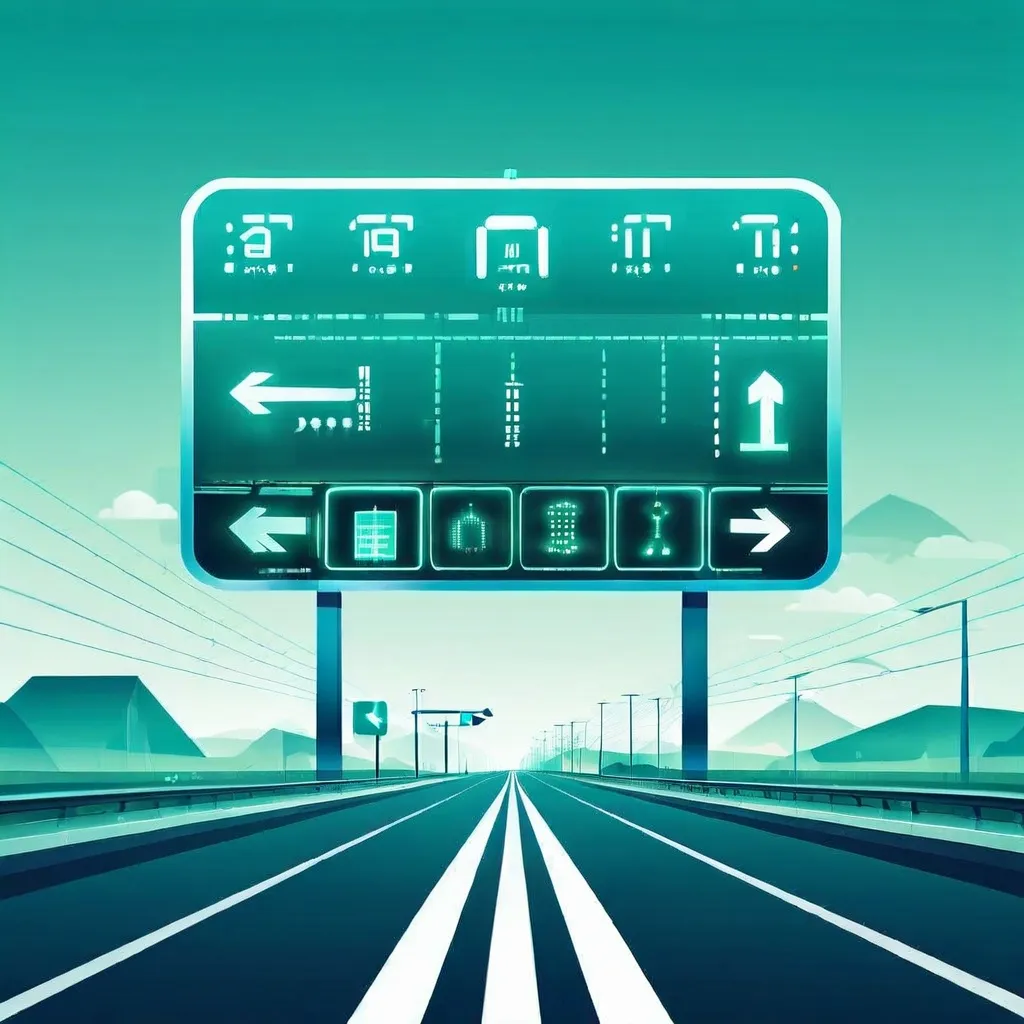
The project explores a range of PDI technologies, including digital road signs that can change their messages dynamically, sensors embedded in the road surface, intelligent traffic lights, and smart road markings. These elements are designed to communicate with vehicles, enabling them to detect potential dangers that might be less visible to human drivers or traditional sensors. Examples include identifying unprotected pedestrians or cyclists, warning about road works ahead, facilitating smoother merging onto highways, and even prioritizing emergency vehicle passage. The research involves a multi-faceted approach, combining individual vehicle studies, driving simulator experiments, and detailed traffic flow simulations to understand the complex interactions.
For learner drivers, understanding the principles behind projects like Augmented CCAM is beneficial. It provides context for the direction of road safety research and can help anticipate how future traffic management systems might influence driving rules and expectations in Sweden.
The practical application of smart infrastructure aims to bridge the gap between the limitations of current road systems and the capabilities of advanced vehicles. Digital road signs, for instance, can provide real-time information about speed limits, diversions, or hazards that are only relevant at specific times or under particular conditions. Sensors can monitor traffic density, road surface conditions (like ice or water), and the presence of vulnerable road users. This information can then be transmitted to vehicles, allowing them to adjust their speed, route, or driving behaviour proactively.
Consider a scenario where road works are taking place. Instead of relying solely on static signage that a driver might miss or misinterpret, smart infrastructure could communicate the presence and nature of the road works directly to an automated vehicle, guiding it safely around the obstruction. For human drivers, digital signs might offer clearer, more immediate warnings. Furthermore, smart infrastructure can help manage traffic flow during peak hours or special events, optimising speed limits and signal timings to prevent congestion and reduce travel times. The ultimate goal is a system that continuously learns and adapts, improving overall road network performance.
One of the key findings from research into smart infrastructure, including the Augmented CCAM project, is that automated vehicles and human drivers can interact with these systems differently. Automated vehicles are programmed to respond precisely and instantaneously to digital signals and data feeds from infrastructure. This means they can potentially react faster to hazards or guidance provided by smart road elements, leading to smoother and more efficient traffic flow when all vehicles are automated.
However, human drivers often possess a greater capacity for overall planning, foresight, and nuanced interpretation of complex situations. Factors such as attitude, attention levels, and driving experience allow humans to make judgments that might go beyond the immediate signals provided by smart infrastructure. For example, a human driver might anticipate a potential bottleneck based on the behaviour of other drivers or a subtle change in traffic flow, even if the smart infrastructure hasn't yet issued a direct warning. The challenge for smart infrastructure is to provide information in a way that is easily understood and acted upon by both automated systems and human drivers, without creating confusion or over-reliance on technology.
A common concern is that drivers might develop an over-reliance on advanced driver assistance systems (ADAS) and smart infrastructure, leading to reduced vigilance. Always maintain your situational awareness and be prepared to take manual control, even when advanced systems are active.
While the integration of smart infrastructure holds immense promise, its overall impact on safety and efficiency is not a simple equation. Research indicates that PDI systems work well in specific contexts, such as guiding automated vehicles around known hazards like road works. However, their effectiveness can vary depending on a multitude of factors. These include the percentage of automated vehicles on the road, the design and reliability of the smart infrastructure itself, the way drivers (both human and automated) interpret and respond to the information, and the overall traffic density.
The balance between enhancing traffic flow and ensuring paramount safety is delicate. Sometimes, measures that increase efficiency might introduce new types of risks if not implemented carefully. For instance, if smart infrastructure is designed to speed up traffic, it must do so without compromising the safety margins required for unexpected events or human error. Furthermore, the economic feasibility and the question of responsibility when accidents occur involving smart infrastructure are significant considerations that are still being explored.
As smart infrastructure and automated driving technologies mature, it is inevitable that traffic rules and regulations will evolve. While the core principles of safe driving—such as yielding, maintaining safe distances, and obeying speed limits—will remain fundamental, new rules may emerge concerning the interaction between vehicles and infrastructure, and the responsibilities of drivers in partially automated vehicles. Transportstyrelsen and Trafikverket are continuously evaluating these developments to ensure that Swedish roads remain safe and accessible for all.
For learner drivers preparing for their theory test, understanding these evolving concepts is vital. While your current test will focus on established traffic laws and road signs, future exams might incorporate questions related to advanced driver assistance systems, basic principles of automated driving, and the role of smart infrastructure. Familiarising yourself with these topics now will give you a significant advantage as you navigate your driving journey and prepare for any potential changes in the testing regime. The current focus on safe driving behaviour, hazard perception, and understanding traffic dynamics remains the cornerstone of passing your Swedish driving theory exam.
To help you grasp the concepts discussed, here are some essential terms and their definitions:
While the future of traffic technology is exciting, your immediate focus for the Swedish driving theory test should be on mastering the current rules of the road. This includes understanding priority rules, speed limits, road markings, safe driving practices, and the meaning of all standard road signs. The principles of defensive driving and hazard perception are paramount.
As you progress through your learning, staying informed about developments in traffic technology will provide valuable context, but a thorough understanding of the established Swedish traffic regulations is your most important tool for success. Remember, the goal of the theory exam is to ensure you can drive safely and responsibly in the existing traffic environment.
Article content overview
Explore related topics, search based questions, and concepts that learners often look up when studying Smart Infrastructure in Swedish Traffic. These themes reflect real search intent and help you understand how this topic connects to wider driving theory knowledge in Sweden.
Find clear and practical answers to common questions learners often have about Smart Infrastructure in Swedish Traffic. This section helps explain difficult points, remove confusion, and reinforce the key driving theory concepts that matter for learners in Sweden.
Smart infrastructure refers to the integration of digital technologies, such as sensors, digital signs, and communication systems, into the road network to interact with vehicles and improve traffic safety and efficiency.
Automated vehicles can process and react to smart infrastructure signals more quickly, while human drivers may benefit from the information for overall planning and hazard perception, though their reaction times can vary based on attention and attitude.
VTI (Swedish National Road and Transport Research Institute) is involved in EU projects like 'Augmented CCAM' to research and develop how Physical, Digital, and Communication Infrastructure (PDI) can create safer and more efficient traffic environments for both automated and human-driven vehicles.
The effectiveness of smart infrastructure is complex and depends on various factors, including the proportion of automated vehicles, driver behaviour, and the specific application. Research is ongoing to determine its overall impact.
As smart infrastructure and automated driving systems evolve, traffic rules and regulations will likely adapt to accommodate these technologies, potentially changing how vehicles interact and how drivers are expected to behave on the road.
Continue your learning journey by exploring more detailed articles and guides. Clarify specific traffic rules, understand complex road signs, or review safe driving practices. Our extensive content library supports your Swedish driving license theory preparation.