This lesson provides a comprehensive guide to interpreting official Turkish warning signs crucial for Category AM riders. You will learn how to identify hazards like sharp bends, pedestrian crossings, and school zones to adjust your riding safely, ensuring you are fully prepared for the MTSK e-sınav.
Lesson content overview
In the Turkish traffic system, anticipating hazards before they materialize is the cornerstone of defensive riding. For riders preparing for the official Turkish MTSK (Motorlu Taşıt Sürücü Kursu) e-sınav for the Category AM (locally referred to as the M Sınıfı Sürücü Belgesi for mopeds and light motorized bicycles), understanding danger warning signs is not just a theoretical requirement—it is a critical survival skill.
Mopeds and light motorized bicycles are physically vulnerable. With small wheel diameters (often 10 to 14 inches), lightweight frames, and limited engine power (under 50cc or 4kW), these vehicles respond intensely to physical road hazards, changes in surface traction, and sudden wind gusts. This comprehensive guide details the key warning signs (Tehlike Uyarı İşaretleri) you will encounter on Turkish roads, the physics behind navigating these hazards, and the precise legal duties mandated by Turkish Highway Traffic Law (Karayolları Trafik Kanunu).
In Turkey, danger warning signs are characterized by their distinct triangular shape with a bold red border and a white background (though yellow backgrounds may occasionally be used in active road construction zones).
The primary purpose of these signs is to compensate for the limited sight distances, braking capabilities, and cognitive reaction times of road users. For an AM category rider, seeing a warning sign must trigger an immediate sequence of actions:
This sequence is known as anticipatory driving. Waiting until the hazard is physically visible before reacting often results in emergency braking, which can easily destabilize a two-wheeled vehicle.
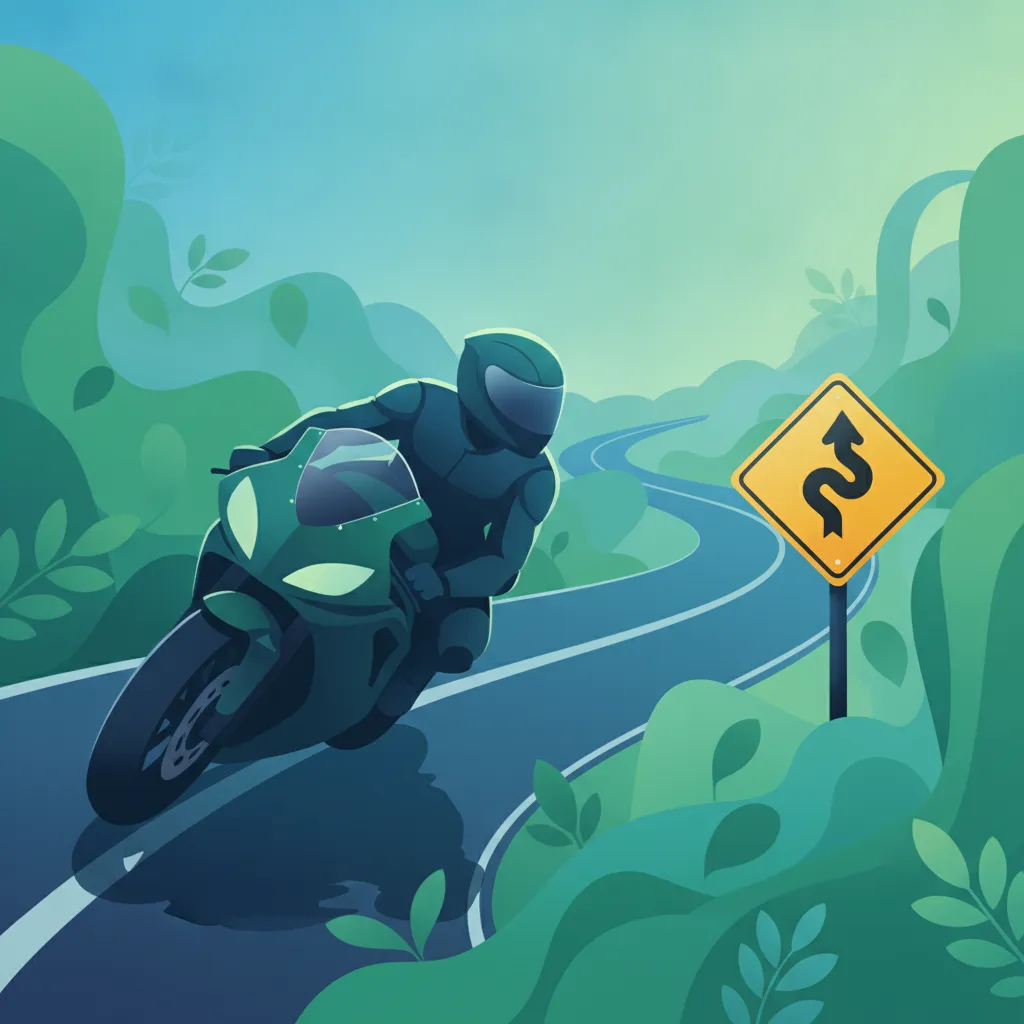
Sharp bends are among the most demanding road layouts for two-wheeled vehicles. Because mopeds must lean to counteract centrifugal force during a turn, any mistake in entry speed or positioning can lead to a fall or a head-on collision.
When a moped enters a turn, it relies entirely on the friction (grip) between its two small tire contact patches and the road surface. This grip must split its work between two forces: braking/acceleration and cornering (lateral force). If you enter a bend too fast and attempt to brake mid-turn, you exceed the tires' traction limits, resulting in a low-side slide or a high-side flip.
To safely negotiate a sharp bend, follow this systematic approach:
Slow Down Early: Complete all braking in a straight line before entering the curve. Do not brake while leaning.
Select the Right Gear: If riding a manual or semi-automatic moped, downshift to an appropriate gear to maintain engine braking and smooth throttle control.
Look Through the Turn: Keep your chin up and turn your head to look where you want to go (the exit of the curve), not down at the front wheel.
Maintain a Steady Throttle: Apply a slight, smooth, constant throttle through the bend to stabilize the suspension and keep traction balanced.
Moped riders often underestimate the curve radius or assume a gentle slowdown is sufficient. Mid-curve braking on a moped often locks the front wheel, leading to an immediate fall. Additionally, failing to clean or inspect the road surface can cause tires to slip on gravel or dust pushed to the outer edges of the lane by larger vehicles.
Road narrowing signs warn riders that the physical width of the drivable surface is decreasing. This requires careful lateral adjustment.
Because mopeds are smaller and move slower than passenger cars or heavy commercial trucks, larger vehicles often attempt to overtake them even when the road is narrowing. If you remain too far to the right, a passing vehicle may "squeeze" you against the curb or guardrail.
When you see a road narrowing sign, do not cling to the extreme edge of the road. Instead, perform a rear mirror check, execute a shoulder check (the "lifesaver look"), signal your intention, and take the center of your lane if it is safe to do so. Occupying the center of the lane prevents larger vehicles from executing dangerous, tight overtaking maneuvers in the narrow section.
A moped's stability depends entirely on two tiny points of contact with the ground. A slippery road surface drastically reduces your safety margin.
In Turkey, roads can become exceptionally slick due to several regional factors:
If you encounter a slippery road warning, you must immediately reduce your speed using gentle, progressive deceleration. Avoid sudden throttle inputs or sharp steering adjustments.
Emergency Braking on Slippery Surfaces: Never grab the front brake lever aggressively. On an AM moped (most of which lack ABS), locking the front wheel on a slippery surface causes an almost instantaneous crash. Apply both brakes smoothly, utilizing engine braking where possible.
Vulnerable road users must always be protected. Under Turkish law, pedestrians always have the absolute right of way at marked crossings.
In Turkey, failing to yield to pedestrians at marked crossings or school zones carries heavy administrative fines and penalty points on your driver's licence. When approaching these signs, you must:
School zones require extreme vigilance. Children have limited traffic awareness, smaller physical profiles (making them harder to see behind parked cars), and may run into the street unexpectedly. The standard speed limit in Turkish school zones is often legally reduced to 30 km/h or lower.
Turkey's diverse landscape means rural and suburban roads frequently intersect with livestock grazing routes or wild animal habitats.
When passing through areas marked with animal crossing signs:
The following table summarizes the key legal mandates, rationales, and applications for the warning signs covered in this lesson.
| Rule | Statement | Applicability | Legal Status | Rationale | Correct Application | Incorrect Application |
|---|---|---|---|---|---|---|
| R1 | Reduce speed before entering a sharp bend. | All sharp bends (Tehlikeli Viraj). | Mandatory | To maintain traction, stabilize the suspension, and prevent running wide into opposing traffic. | Brake in a straight line, select a low gear, and accelerate gently out of the bend. | Entering the curve at high speed and braking hard while leaning. |
| R2 | Adjust position and reduce speed for road narrowings. | Narrowing lanes (Daralan Kaplama). | Mandatory | To prevent being squeezed by larger overtaking vehicles or striking physical roadside barriers. | Check mirrors, perform a shoulder check, signal, and occupy a dominant lane position. | Maintaining speed at the edge of the road, inviting dangerous side-by-side sharing. |
| R3 | Reduce speed and avoid sudden maneuvers on slippery surfaces. | Low-traction areas (Kaygan Yol). | Mandatory | Lightweight mopeds easily lose traction, causing low-side falls. | Decelerate smoothly, keep the bike upright, and use gentle, balanced braking. | Ripping the throttle open or grabbing the front brake quickly. |
| R4 | Be prepared to stop and yield to pedestrians. | Pedestrian crossings (Yaya Geçidi). | Mandatory | Pedestrians have absolute legal priority; mopeds must not endanger them. | Scan the crossing, reduce speed, and stop fully for crossing pedestrians. | Speeding through the crosswalk or overtaking a vehicle that has stopped to yield. |
| R5 | Adhere to reduced speed limits and stay alert in school zones. | School zones (Okul Geçidi). | Mandatory | Children exhibit unpredictable behavior and are physically small. | Drop speed to 30 km/h or lower and actively scan behind parked cars. | Driving at normal urban speeds and ignoring the school zone warning sign. |
| R6 | Slow down and watch for animals in marked zones. | Rural and forested roads (Hayvan Geçebilir). | Mandatory | Animal collisions cause severe instability and falls for lightweight mopeds. | Reduce speed, scan the shoulders, and prepare to stop without startling the animal. | Ignoring the warning, riding with high beams directly at a blinded animal. |
Rain, fog, and wind intensify the risks indicated by warning signs. On a windy day, a road narrowing sign or a sharp bend sign also implies a high risk of lateral wind gusts. Because mopeds have a small mass, a sudden gust of wind can easily push the vehicle into the path of oncoming traffic.
Turkish warning signs are treated with reflective sheeting, but your moped's single headlight has a limited reach. At night, you must ride at a speed that allows you to stop within the clearly illuminated path ahead. If you see a warning sign reflecting in the distance, slow down immediately—the physical hazard itself will not be visible until you are much closer.
This lesson covers Turkish danger warning signs for Category AM mopeds, emphasizing that anticipatory driving—adjusting speed, gear, and positioning based on warning signs before reaching hazards—is essential for moped safety due to their limited traction, braking, and stability compared to four-wheeled vehicles. The content details specific signs for sharp bends (T-1a, T-1b), road narrowing (T-4a, T-4b), slippery surfaces (T-7), pedestrian crossings (T-11), school zones (T-12), and animal crossings (T-20, T-21), explaining the physics of cornering, traction limits, and the correct sequence for braking and cornering. Key legal obligations include yielding to pedestrians at marked crossings and adhering to reduced speed limits in school zones, with penalties under the Karayolları Trafik Kanunu. Riders must remember that mopeds are disproportionately affected by surface conditions, road geometry, and weather factors, requiring more conservative speeds and earlier reactions than car drivers might employ.
A short set of high-value points that capture the most important learning from this lesson.
Anticipatory driving is the cornerstone of defensive moped riding—react to warning signs before the hazard becomes visible
Mopeds must complete all braking in a straight line before entering any bend; braking while leaning risks a low-side slide or high-side flip
At pedestrian and school crossings, pedestrians have absolute legal priority and failure to yield results in administrative fines and penalty points
The traction circle concept means your tires must split grip between cornering and braking—entering a bend too fast leaves no margin for either
When roads narrow, take the center of your lane to prevent larger vehicles from squeezing you against barriers
Explore all units and lessons included in this driving theory course.
Warning signs are triangular with red borders and white or yellow backgrounds (Tehlike Uyarı İşaretleri)
First rain after a dry spell creates the most dangerous slippery conditions due to accumulated oil and dust on asphalt
School zones legally require speed reduction to 30 km/h or lower; children may run unexpectedly from behind parked vehicles
Animal crossings require reducing speed to match headlight range and dimming high beams to avoid blinding animals
On slippery surfaces: rear brake first for stability, then smooth front brake application—never grab the front brake aggressively on a moped without ABS
Assuming warning signs apply only to cars—hazards that cause minor bumps for cars can cause life-threatening crashes for mopeds
Accelerating immediately after exiting the first bend in a series of successive curves, leading to loss of control on unexpected subsequent turns
Grabbing the front brake lever aggressively on slippery surfaces, which locks the front wheel and causes an almost instantaneous crash
Remaining at the edge of the road when approaching narrowing sections, inviting dangerous squeeze passes by larger vehicles
Overtaking another vehicle that has stopped at a pedestrian crossing, as they are likely yielding to someone you cannot see
Lesson content overview
A short set of high-value points that capture the most important learning from this lesson.
Anticipatory driving is the cornerstone of defensive moped riding—react to warning signs before the hazard becomes visible
Mopeds must complete all braking in a straight line before entering any bend; braking while leaning risks a low-side slide or high-side flip
At pedestrian and school crossings, pedestrians have absolute legal priority and failure to yield results in administrative fines and penalty points
The traction circle concept means your tires must split grip between cornering and braking—entering a bend too fast leaves no margin for either
When roads narrow, take the center of your lane to prevent larger vehicles from squeezing you against barriers
Explore all units and lessons included in this driving theory course.
Warning signs are triangular with red borders and white or yellow backgrounds (Tehlike Uyarı İşaretleri)
First rain after a dry spell creates the most dangerous slippery conditions due to accumulated oil and dust on asphalt
School zones legally require speed reduction to 30 km/h or lower; children may run unexpectedly from behind parked vehicles
Animal crossings require reducing speed to match headlight range and dimming high beams to avoid blinding animals
On slippery surfaces: rear brake first for stability, then smooth front brake application—never grab the front brake aggressively on a moped without ABS
Assuming warning signs apply only to cars—hazards that cause minor bumps for cars can cause life-threatening crashes for mopeds
Accelerating immediately after exiting the first bend in a series of successive curves, leading to loss of control on unexpected subsequent turns
Grabbing the front brake lever aggressively on slippery surfaces, which locks the front wheel and causes an almost instantaneous crash
Remaining at the edge of the road when approaching narrowing sections, inviting dangerous squeeze passes by larger vehicles
Overtaking another vehicle that has stopped at a pedestrian crossing, as they are likely yielding to someone you cannot see
Explore search topics learners often look for when studying Warning Signs and Their Relevance to Riders. These topics reflect common questions about road rules, driving situations, safety guidance, and lesson level theory preparation for learners in Turkey.
Browse additional driving theory lessons that cover connected traffic rules, road signs, and common driving situations related to this topic. Improve your understanding of how different rules interact across everyday traffic scenarios.
Learn how horizontal road markings and lane lines regulate traffic flow in Turkey. This lesson covers how to interpret solid lines, dashed lines, and directional arrows to maintain safe lane positioning and follow traffic guidance while riding your moped in urban and intercity environments.

Road markings painted directly onto the asphalt provide continuous guidance and carry the same legal weight as vertical traffic signs. This lesson explains the differences between solid and broken longitudinal lines, channelizing arrows, and restricted zones like dedicated bus or bicycle paths. You will discover how to properly align your moped within your lane, execute lawful line changes, and respect painted buffer zones to prevent dangerous side-swipe accidents in dense traffic.
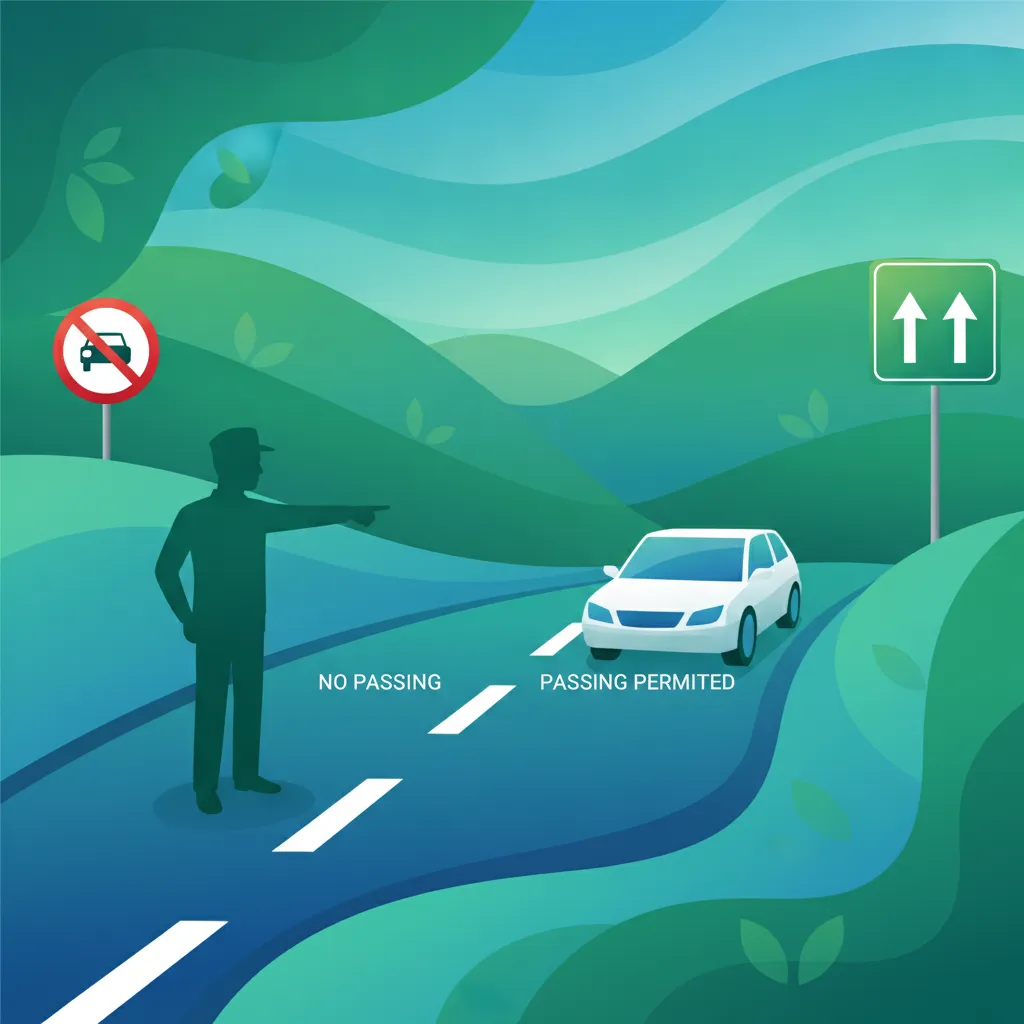
This lesson covers the various road surface markings that motorcyclists must be aware of, such as lane lines, turn arrows, and dedicated bike lanes. It explains how to interpret solid and broken lines, the meaning of specific arrows for turning or lane changes, and the significance of pedestrian crossing markings. Understanding these visual cues is essential for maintaining lane discipline and performing safe road maneuvers.
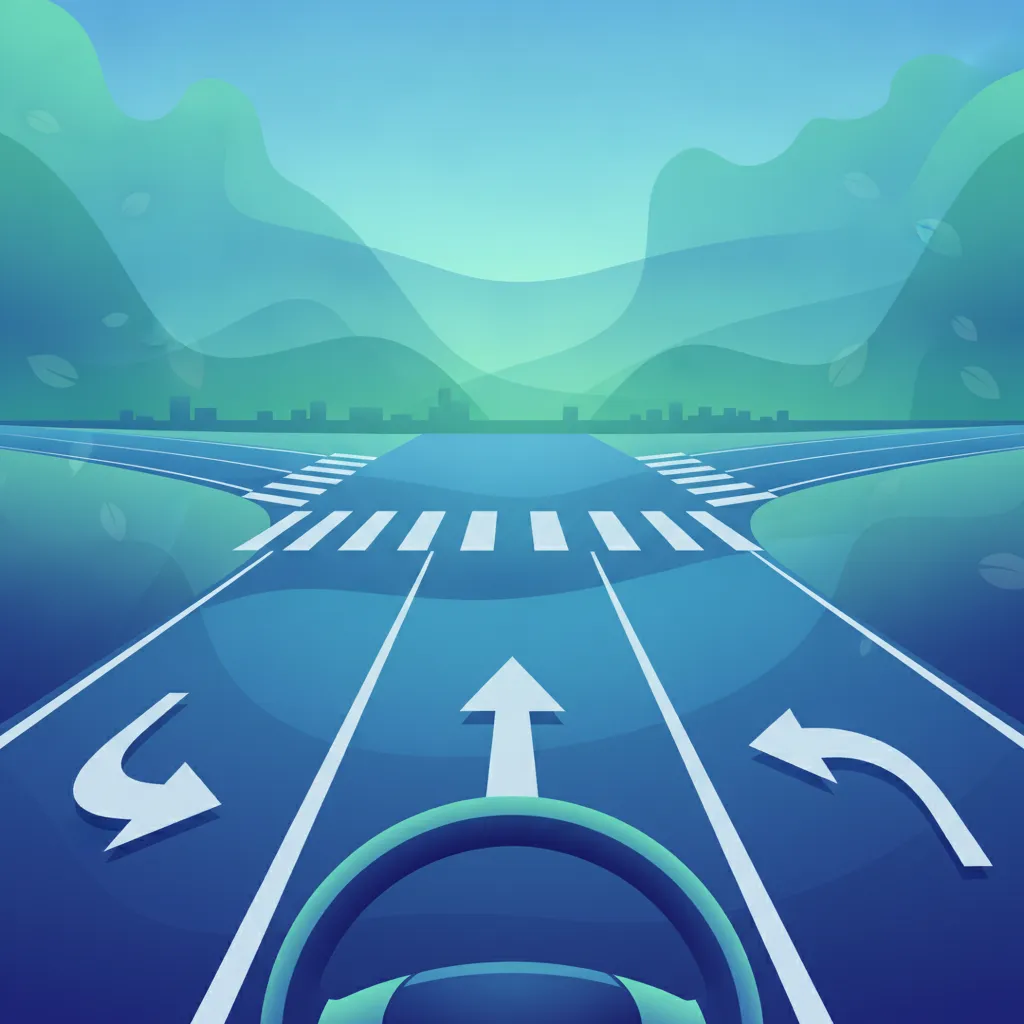
This lesson focuses on the role of directional arrows and guidance markings in indicating lane assignments and intended vehicle movements. Learners will learn to interpret turn arrows, lane-specific directions, and lane assignment at intersections and roadways. Real-world examples demonstrate how these markings aid drivers in navigating complex road networks, especially at junctions and roundabouts.
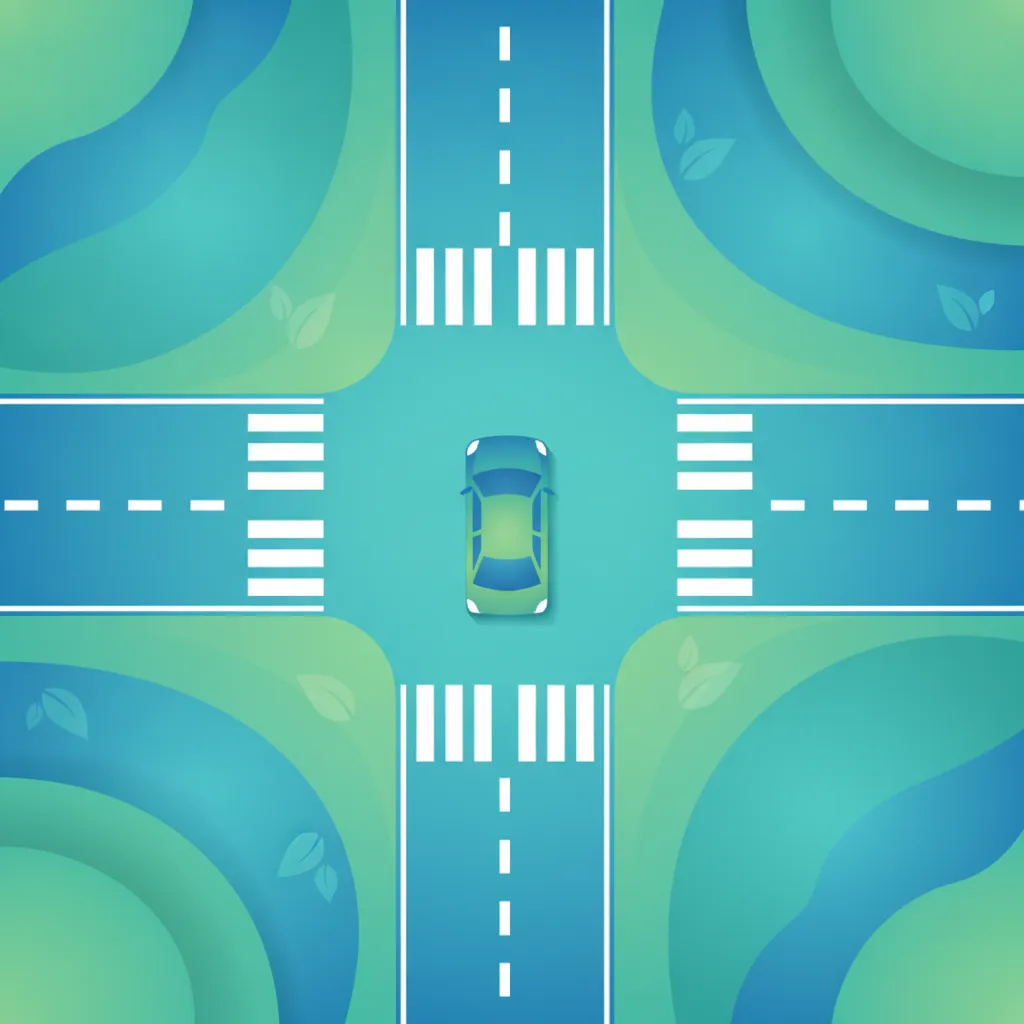
This lesson delves into horizontal road markings, focusing on solid, broken, and double lines that define lane boundaries and overtaking rules. Learners will explore the significance of each type of line in indicating permissible lane changes, passing zones, and stopping points at intersections. The lesson also covers crosswalk markings and their role in pedestrian safety.
This lesson examines lane division and proper lane usage on multi-lane roads and highways. Learners will understand the purpose of lane markings in guiding drivers to maintain appropriate lane discipline. Topics include correct lane selection for different vehicle types, overtaking procedures, and lane-changing techniques. Real-world examples illustrate the importance of respecting lane usage rules.
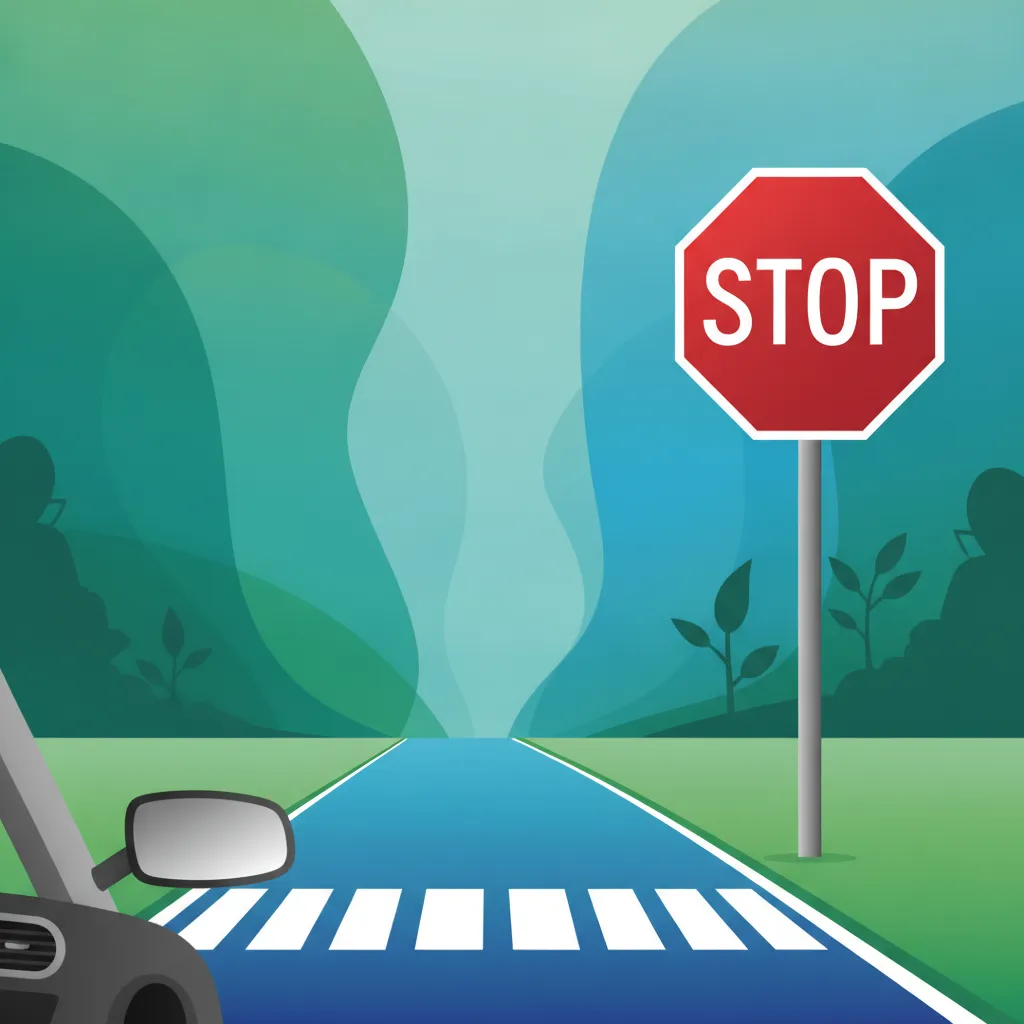
In this lesson, learners explore vertical road markings, primarily focusing on signs mounted on poles or overhead structures. Topics include direction indicators, speed limit signs, warning signs, and regulatory signs. The lesson emphasizes the importance of sign placement, illumination, and visibility in ensuring driver compliance. Real-world scenarios demonstrate how drivers should interpret and react to vertical markings.
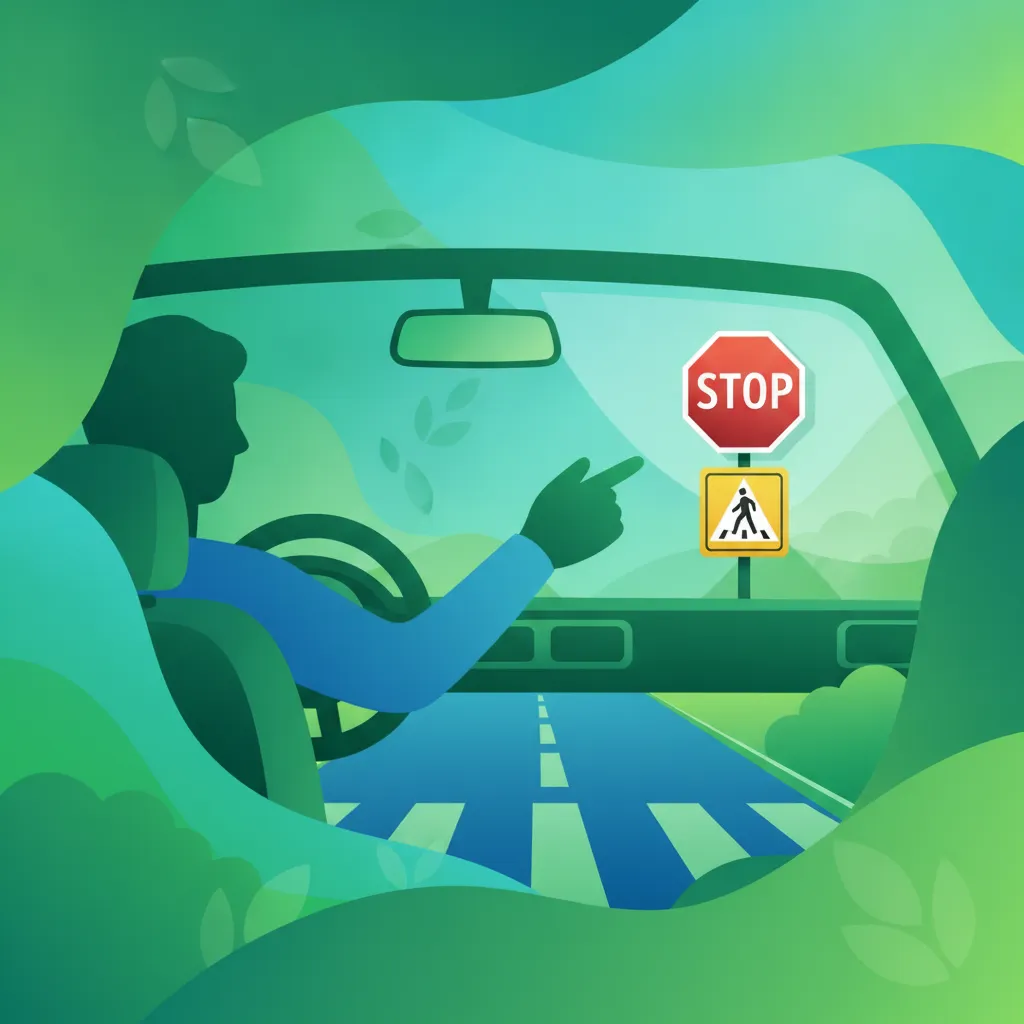
In this lesson, learners will master the meanings of various traffic signs as defined by Turkish traffic legislation. The focus will be on understanding regulatory, warning, and informational signs, with particular attention to those that directly affect motorcyclists, such as speed limits and lane usage. By the end of this session, participants will be able to quickly recognize sign categories and apply the required actions safely.
This lesson explains the specific rules, driving etiquette, and safety protocols for operating a vehicle on high-speed Turkish motorways. It covers correct lane usage, overtaking procedures, emergency lane restrictions, and how to maintain consistent high speeds safely. Drivers will learn to avoid dangerous tailgating and sudden lane changes.
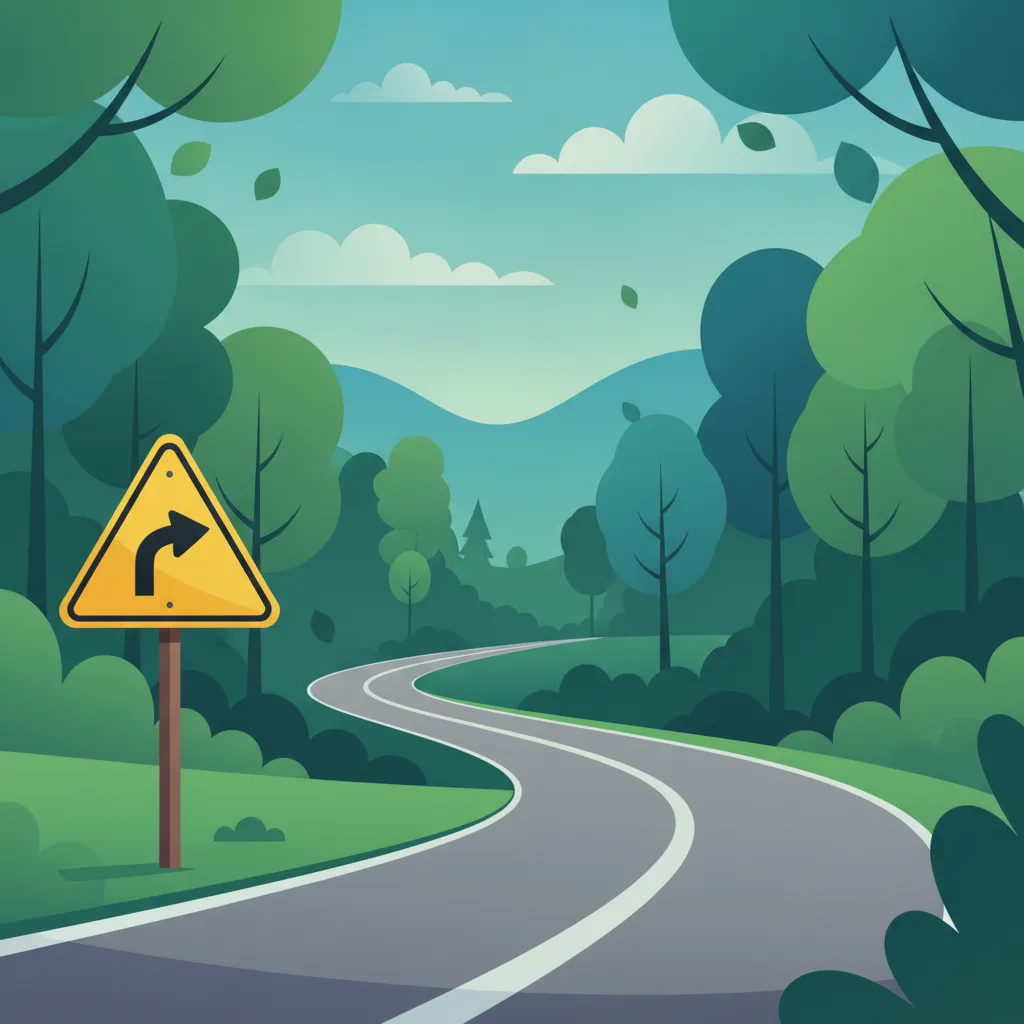
In this lesson, learners explore warning traffic signs designed to alert drivers to potential hazards ahead. Topics include signs indicating curves, steep descents, slippery surfaces, pedestrian crossings, and school zones. The lesson emphasizes the importance of interpreting these signs correctly to adjust speed and driving behaviour, thereby preventing accidents.
This lesson focuses on informational traffic signs that provide guidance and essential information to drivers. Learners will examine signs indicating directions, distances to cities, service areas, fuel stations, hospitals, police stations, and tourist attractions. The lesson highlights the role of these signs in facilitating navigation and ensuring drivers can locate essential services safely.
Understand the fundamental traffic laws governing priority at intersections, roundabouts, and pedestrian crossings in Turkey. This lesson explains how to correctly identify right-of-way situations and safely negotiate junctions to avoid common hazards while riding your moped in mixed traffic conditions.
In this lesson, learners explore priority rules specific to uncontrolled intersections, where traffic signals or signs are absent. Topics include determining right-of-way based on vehicle classification, approach angle, and arrival sequence. The lesson emphasizes the importance of stopping, yielding, and assessing potential hazards before proceeding.
This lesson focuses on priority rules at controlled intersections equipped with traffic signals, stop signs, or yield signs. Learners will understand how to interpret traffic light phases, comply with stop and yield indications, and assess right-of-way at these intersections. The lesson also covers pedestrian and cyclist considerations, as well as emergency vehicle priority.

This lesson provides an overview of the general priority principles that dictate right-of-way on Turkish roads. Topics include the hierarchy of road users, such as pedestrians, cyclists, and emergency vehicles, and how these hierarchies apply at various intersections. Learners will understand the fundamental concepts of yielding, stopping, and proceeding, as well as the importance of clear decision-making.
Correctly interpreting traffic signal sequences and priority rules is crucial for preventing devastating right-angle collisions at intersections. This lesson breaks down the phase progression of standard lights, the meanings of flashing amber or red indicators, and the hierarchy of traffic control when a police officer is directing vehicles. You will also master the basic legal default rules of right-of-way, such as yielding to vehicles coming from the right at uncontrolled junctions.
Protecting vulnerable road users is a core legal and ethical responsibility for all motorized vehicle operators in Turkey. This lesson covers the absolute requirement to yield to pedestrians at marked crosswalks, zebra crossings, and designated school zones. You will learn how to identify these zones early, reduce your speed proactively, and maintain heightened situational awareness for children or distracted pedestrians who may step onto the road unexpectedly.
Focusing on pedestrian safety, this lesson addresses the unique considerations motorcyclists must take when approaching zebra crossings, traffic signal-controlled pedestrian crossings, and designated school zones. Learners will understand the legal obligations to yield to pedestrians, especially children, and the importance of reducing speed in these high-risk areas. The lesson also provides practical tips for ensuring visibility.
This lesson emphasizes the importance of yielding to pedestrians and cyclists at intersections, crosswalks, and designated lanes. Learners will understand the legal obligations to provide safe passage to vulnerable road users and the correct procedures for stopping and allowing them to cross. Real-world examples illustrate scenarios where failing to yield can lead to accidents.

This lesson focuses on the safe interaction with other traffic participants at bus stops and traffic intersections. Learners will explore right-of-way rules, signal compliance, and techniques for maintaining safe distances while stopping and departing. Understanding these interactions is vital for preventing accidents in complex traffic environments.
In this lesson, learners will master the skills required to safely navigate various types of intersections encountered in Turkish urban settings. The content covers interpreting traffic signals, understanding right-of-way rules, and executing proper lane positioning. Practical strategies for managing blind spots and ensuring visibility to other road users are emphasized. By the end of this session, participants will be equipped with safe crossing techniques.

This lesson focuses on pedestrian rights and safety measures to ensure their protection on Turkish roads. Topics include proper use of crosswalks, pedestrian signals, and yielding to pedestrians at intersections. The lesson also addresses specific considerations for vulnerable pedestrians such as children, the elderly, and the visually impaired. Real-world scenarios illustrate safe crossing practices.
Find clear answers to common questions learners have about Warning Signs and Their Relevance to Riders. Learn how the lesson is structured, which driving theory objectives it supports, and how it fits into the overall learning path of units and curriculum progression in Turkey. These explanations help you understand key concepts, lesson flow, and exam focused study goals.
In Turkish traffic legislation, the triangular shape and yellow or white background are standardized to alert drivers and riders to potential dangers ahead. The triangle warns you to be cautious, while the symbol inside dictates the nature of the hazard, such as a bend or a crossing.
No, warning signs primarily instruct you to adjust your speed and increase your attention. While a regulatory sign like 'STOP' requires a full halt, a warning sign requires you to prepare to slow down, cover your brakes, and scan the road for the indicated danger.
School zone signs warn of children potentially crossing or playing near the road. As an AM rider, you must significantly reduce your speed, scan the sidewalks actively, and be prepared to stop immediately, as children are often unpredictable road users.
Yes, the Turkish theory exam frequently includes visual questions where you must identify a sign and explain its meaning or the correct driving action to take. Familiarity with the visual design of these signs is critical for a passing score.
Use our comprehensive practice search to find exactly the Turkish driving theory questions you need to master. Whether reviewing specific road signs, traffic rules, or first aid scenarios, select your perfect practice set and boost your confidence for the official ehliyet sınavı.