
This lesson provides a deep dive into the road surface markings essential for safe motorcycle riding in Turkey. By understanding these visual commands, you will improve your lane discipline and ability to navigate intersections correctly, which is vital for your upcoming A category theory exam.
Lesson content overview
Navigating the road network safely on a motorcycle requires more than just mechanical control; it demands an absolute, split-second comprehension of the visual language painted directly onto the asphalt. In Turkey, road markings (yol çizgileri) are regulated by the General Directorate of Highways (Karayolları Genel Müdürlüğü - KGM). They serve as continuous, highly visible guides that dictate lane discipline, turning mandates, right-of-way priorities, and safety zones.
For candidates preparing for their A1, A2, or A category Turkish motorcycle driving licence, mastering these markings is essential. Motorcyclists are highly vulnerable to traction loss and lane intrusion. This guide provides a comprehensive analysis of Turkish road markings, their legal implications, and critical defensive riding techniques.
Road markings are designed to standardize road user behavior, minimizing cognitive load and reducing the need for guesswork at high speeds. Unlike drivers of enclosed four-wheeled vehicles, motorcyclists must interact with road markings both legally and physically.
On Turkish roads, markings are often applied using thermoplastic or cold-solvent paint. While highly reflective and durable, these materials have a significantly lower coefficient of friction than standard asphalt, especially when wet, dusty, or subjected to intense summer heat.
Understanding these lines allows riders to anticipate traffic flow, position their motorcycles defensively within a lane, and avoid dangerous traction loss during cornering, braking, or accelerating.
Longitudinal markings run parallel to the direction of traffic. They delineate lanes, separate opposing traffic streams, and define where lane changes and overtaking (sollama) are legally permitted.
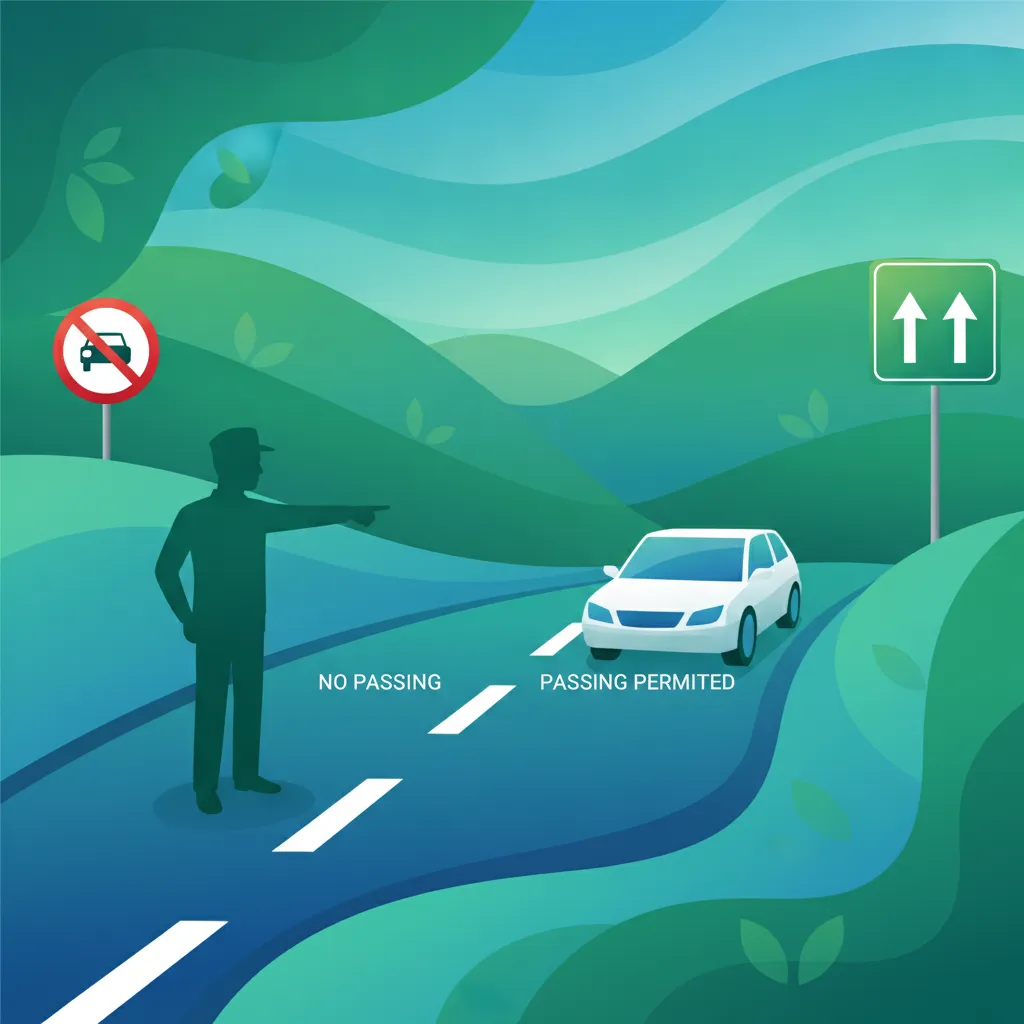
A solid white line indicates that lane changes, overtaking, and crossing are strictly prohibited. These lines are positioned in high-risk zones where visibility is compromised, such as before bends, hills, tunnels, narrow bridges, and intersection approaches.
A broken white line indicates that lane changes and overtaking are permitted, provided the maneuver can be completed safely without obstructing or endangering other road users.
The "Broken Line" Trap: Many novice riders assume a broken line guarantees a safe overtaking zone. A broken line only indicates that overtaking is legally permitted; it does not account for temporary hazards, oncoming traffic speed, or sudden changes in road grip. Always assess the dynamic traffic situation before committing to a lane change.
When a solid line and a broken line are painted side-by-side, the rule that applies to your vehicle is determined by the line closest to your side of the lane.
Double solid white lines act as a physical barrier in the center of multi-lane highways or high-speed arterial roads. They strictly prohibit vehicles on both sides from crossing.
In specific Turkish road configurations, yellow lines are utilized. Most commonly, broken yellow lines are used to separate opposing traffic flows on dual-direction roads, or to designate temporary lane routing in construction and maintenance zones (yol yapım çalışması).
As you approach intersections (kavşaklar), road markings transition from simple lane separators to specific directional instructions painted directly in the center of the lanes. These are designed to organize traffic before a junction, preventing lateral collisions.
Solid turn arrows indicate a mandatory lane direction. Once you enter a lane marked with a solid directional arrow, you are legally obligated to follow that direction.
These are elongated, slightly curved arrows that appear in a lane before a lane reduction or the start of a solid-line zone. They warn drivers that their current lane is ending or that they must merge immediately in the direction indicated by the arrow.
Urban transport infrastructure in major Turkish cities like Istanbul, Ankara, and Izmir increasingly features dedicated lanes designed to protect vulnerable road users.
A dedicated bike lane is typically defined by a solid white line on the left side (separating it from general motor traffic) and a broken white line on the right side (where it meets the curb or pedestrian walkway). It is often painted blue or green and marked with bicycle icons.
Intersections and urban avenues feature specific lateral (transverse) markings that manage the safe interaction between vehicular traffic and pedestrians.
Zebra crossings consist of alternating thick white strips painted parallel to the flow of traffic.
An officially marked portion of the roadway designated for pedestrian crossing, characterized by broad white stripes. Under Turkish traffic law, pedestrians always have absolute right of way at these crossings if there is no active traffic light or traffic officer regulating the scene.
A stop line is a solid, wide white line painted transversely across the lane at intersection approaches, toll booths, and active traffic signals.
Scan the road ahead early for upcoming traffic lights, stop signs, and stop lines.
Begin progressive braking early to signal your deceleration to vehicles behind you.
Align your motorcycle in the left or right third of your lane (avoiding the oil-slicked center) and bring the bike to a smooth stop just behind the solid stop line.
Keep your eyes on your mirrors until at least two vehicles have stopped safely behind you, keeping your motorcycle in first gear with your clutch pulled in, ready for an evasive escape if a rear-end collision threat develops.
Managing highway entrances, exits, and outer boundaries requires high spatial awareness and strict compliance with specialized road markings.
Where acceleration lanes join the main highway, or where deceleration lanes depart from it, you will encounter diagonal hatch markings surrounded by solid or dashed lines (often referred to as gore areas or "channelizing lines" / Yönlendirme Çizgileri).
A solid white line painted along the right or left edge of the roadway indicates the outer boundary of the safely drivable pavement.
In residential areas and near schools, Turkish road authorities paint specialized warning zones directly onto the asphalt to protect children.
The physical makeup of road markings creates unique safety challenges for motorcycles that passenger car drivers do not experience. Understanding this physics-based relationship is vital for survival.
| Road Surface Condition | Asphalt Friction Coefficient () | Painted Line Friction Coefficient () | Risk Level & Impact on Motorcycles |
|---|---|---|---|
| Dry | ~0.7 - 0.8 (High Grip) | ~0.5 - 0.6 (Moderate Grip) | Low risk, but sudden acceleration or leaning on paint can still cause minor slips. |
| Wet / Damp | ~0.4 - 0.5 (Reduced Grip) | ~0.1 - 0.2 (Extreme Slip) | Critical hazard. Similar to riding on ice. Causes immediate front or rear-wheel washout. |
| Hot Summer Day | ~0.6 - 0.7 (Stable) | ~0.3 - 0.4 (Soft / Sticky Paint) | Moderate hazard. Road paint can soften and shift under load, reducing tyre feedback. |
Violating road markings in Turkey carries fixed fines, license point deductions, and immediate liability assessments in the event of an accident.
[Violation: Crossing Solid Line / Illegal Overtaking]
       ↓
[Triggers: Financial Fine + 20 License Demerit Points]
       ↓
[Result in Accident: Marked as "Primary Fault" (Asli Kusur)]
You are riding an A2 category motorcycle on a winding, single-lane mountain road in the Black Sea region. As you enter a sharp right-hand bend, you observe a solid white centerline. The asphalt is damp from morning mist.
You are approaching a large intersection in Izmir. You are in the left-turn lane, which has a solid left-turn arrow painted on the asphalt. Suddenly, you realize you need to go straight instead. The lane boundary to your right has already transitioned to a solid white line.
This lesson covers the complete system of Turkish road markings essential for safe motorcycle riding and the theory exam. Longitudinal markings (solid, broken, double, and adjacent combinations) establish clear rules for lane discipline, while directional arrows at intersections dictate mandatory vehicle paths. Pedestrian crossings and stop lines define stopping positions and right-of-way obligations. Critically, motorcycle riders must understand that thermoplastic road paint becomes extremely slippery when wet, reducing grip to levels comparable to ice, which directly affects braking, cornering, and lane-change safety. The content also emphasizes that violating solid lines carries severe legal penalties including automatic fault assignment in any resulting collision.
A short set of high-value points that capture the most important learning from this lesson.
Solid white lines absolutely prohibit lane changes and overtaking; crossing them is a primary fault (Asli Kusur) under Turkish Traffic Law.
When adjacent solid and broken lines appear together, only the line closest to your vehicle determines whether you may cross.
Directional arrows painted in lanes are mandatory instructions—you must follow the indicated direction once you enter that lane.
Thermoplastic road markings have significantly lower friction than asphalt, especially when wet, creating critical traction hazards for motorcycles.
Gore areas (diagonal hatch markings at merge zones) are strictly prohibited for all vehicles and represent extreme danger if crossed.
Explore all units and lessons included in this driving theory course.
Broken white lines permit overtaking but do not guarantee safety; always assess dynamic traffic conditions before committing.
Yellow lines in construction zones supersede permanent white markings and require extra caution for debris and uneven surfaces.
Pedestrians have absolute right of way at zebra crossings when no traffic light or officer is present.
Keep the motorcycle upright when crossing wet road markings; lean angles on wet paint cause immediate wheel washout.
The solid line closest to you always wins when solid and broken lines appear side by side.
Assuming a broken white line guarantees safe overtaking conditions without checking for hidden hazards or oncoming traffic.
Attempting to change lanes at the last moment after entering a lane marked with a solid directional arrow.
Riding directly over or to the right of the right-hand road edge line where road shoulders contain dangerous debris.
Stopping past the stop line at intersections, which blocks pedestrian paths and creates hazards with turning vehicles.
Attempting to overtake a school bus with its DUR sign illuminated rather than decelerating or stopping.
Lesson content overview
A short set of high-value points that capture the most important learning from this lesson.
Solid white lines absolutely prohibit lane changes and overtaking; crossing them is a primary fault (Asli Kusur) under Turkish Traffic Law.
When adjacent solid and broken lines appear together, only the line closest to your vehicle determines whether you may cross.
Directional arrows painted in lanes are mandatory instructions—you must follow the indicated direction once you enter that lane.
Thermoplastic road markings have significantly lower friction than asphalt, especially when wet, creating critical traction hazards for motorcycles.
Gore areas (diagonal hatch markings at merge zones) are strictly prohibited for all vehicles and represent extreme danger if crossed.
Explore all units and lessons included in this driving theory course.
Broken white lines permit overtaking but do not guarantee safety; always assess dynamic traffic conditions before committing.
Yellow lines in construction zones supersede permanent white markings and require extra caution for debris and uneven surfaces.
Pedestrians have absolute right of way at zebra crossings when no traffic light or officer is present.
Keep the motorcycle upright when crossing wet road markings; lean angles on wet paint cause immediate wheel washout.
The solid line closest to you always wins when solid and broken lines appear side by side.
Assuming a broken white line guarantees safe overtaking conditions without checking for hidden hazards or oncoming traffic.
Attempting to change lanes at the last moment after entering a lane marked with a solid directional arrow.
Riding directly over or to the right of the right-hand road edge line where road shoulders contain dangerous debris.
Stopping past the stop line at intersections, which blocks pedestrian paths and creates hazards with turning vehicles.
Attempting to overtake a school bus with its DUR sign illuminated rather than decelerating or stopping.
Explore search topics learners often look for when studying Road Markings and Their Significance. These topics reflect common questions about road rules, driving situations, safety guidance, and lesson level theory preparation for learners in Turkey.
Browse additional driving theory lessons that cover connected traffic rules, road signs, and common driving situations related to this topic. Improve your understanding of how different rules interact across everyday traffic scenarios.
Understand the legal priority order and safe navigation techniques for various types of intersections in the Turkish highway code. This lesson explains how to correctly interpret road markings alongside traffic signs to determine right-of-way in urban and rural settings.
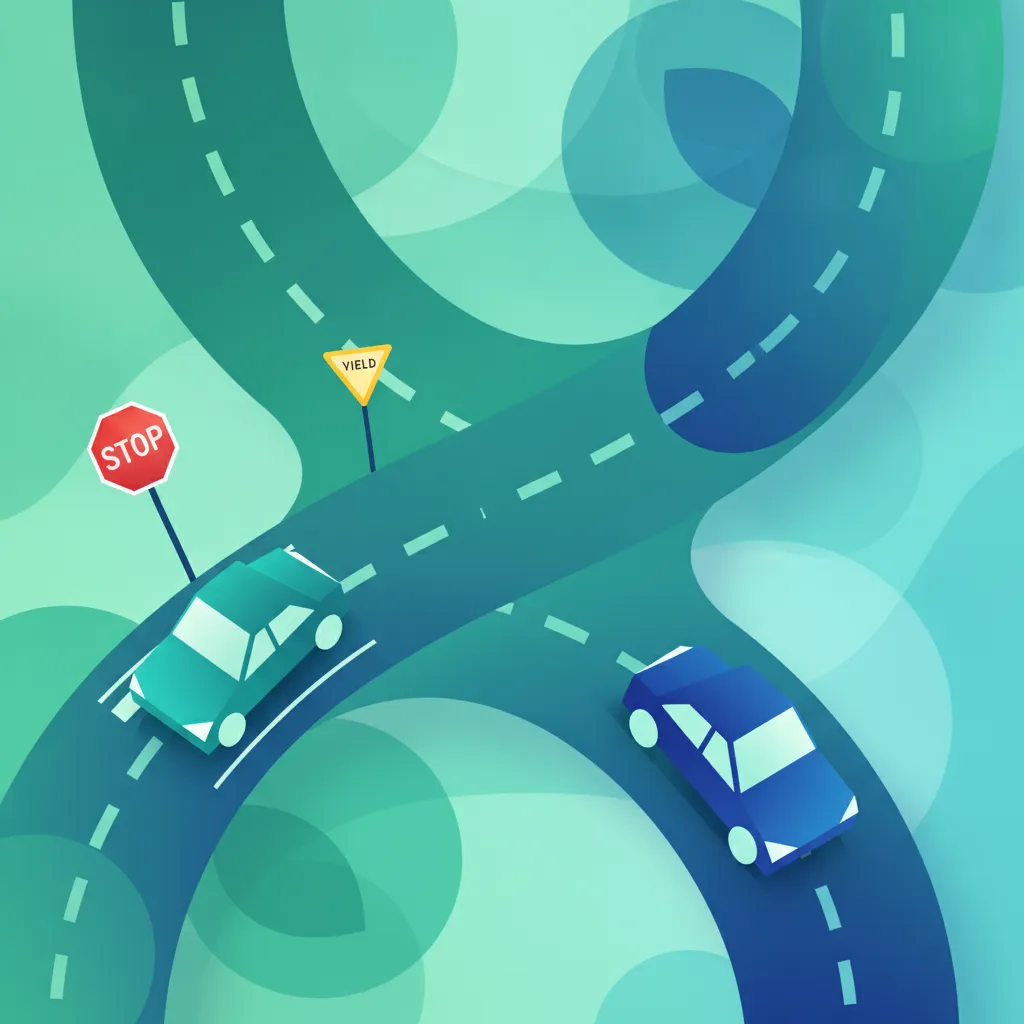
This lesson focuses on priority rules at controlled intersections equipped with traffic signals, stop signs, or yield signs. Learners will understand how to interpret traffic light phases, comply with stop and yield indications, and assess right-of-way at these intersections. The lesson also covers pedestrian and cyclist considerations, as well as emergency vehicle priority.
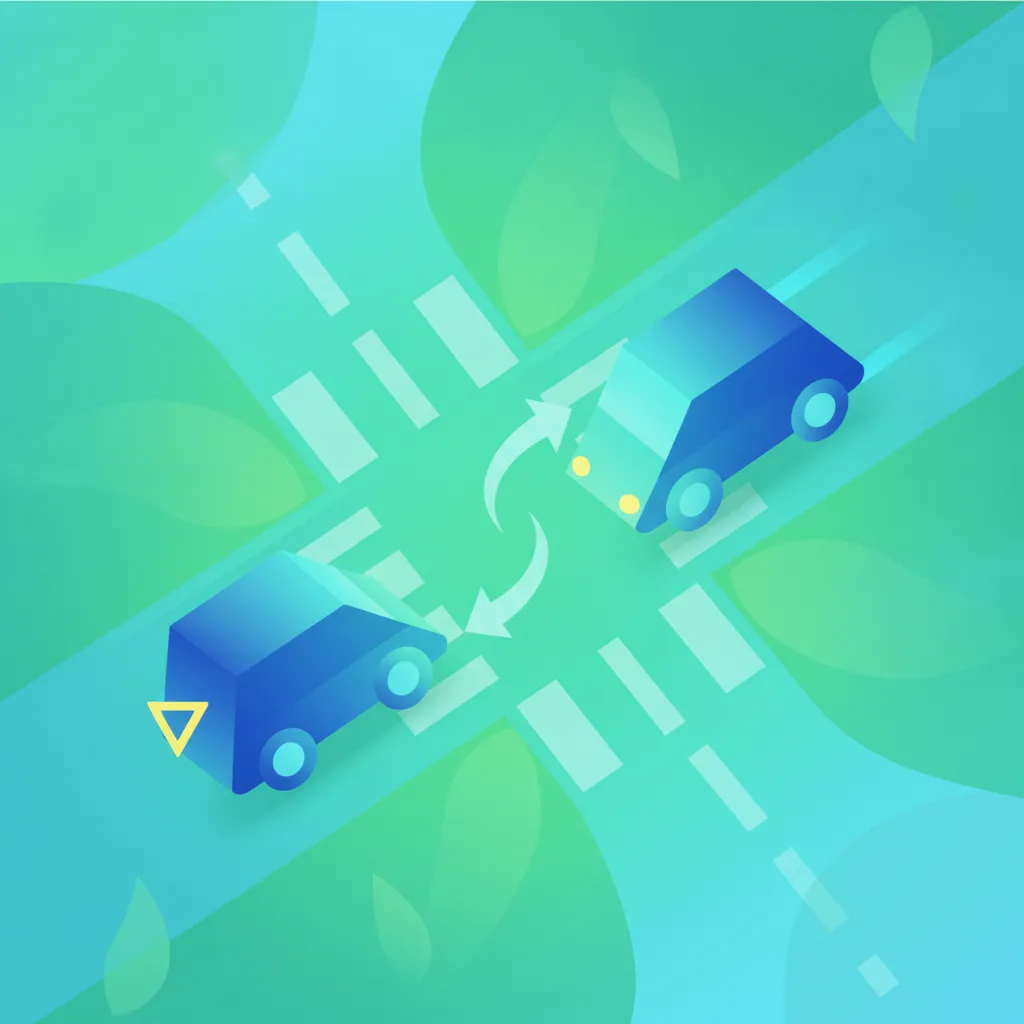
In this lesson, learners explore priority rules specific to uncontrolled intersections, where traffic signals or signs are absent. Topics include determining right-of-way based on vehicle classification, approach angle, and arrival sequence. The lesson emphasizes the importance of stopping, yielding, and assessing potential hazards before proceeding.
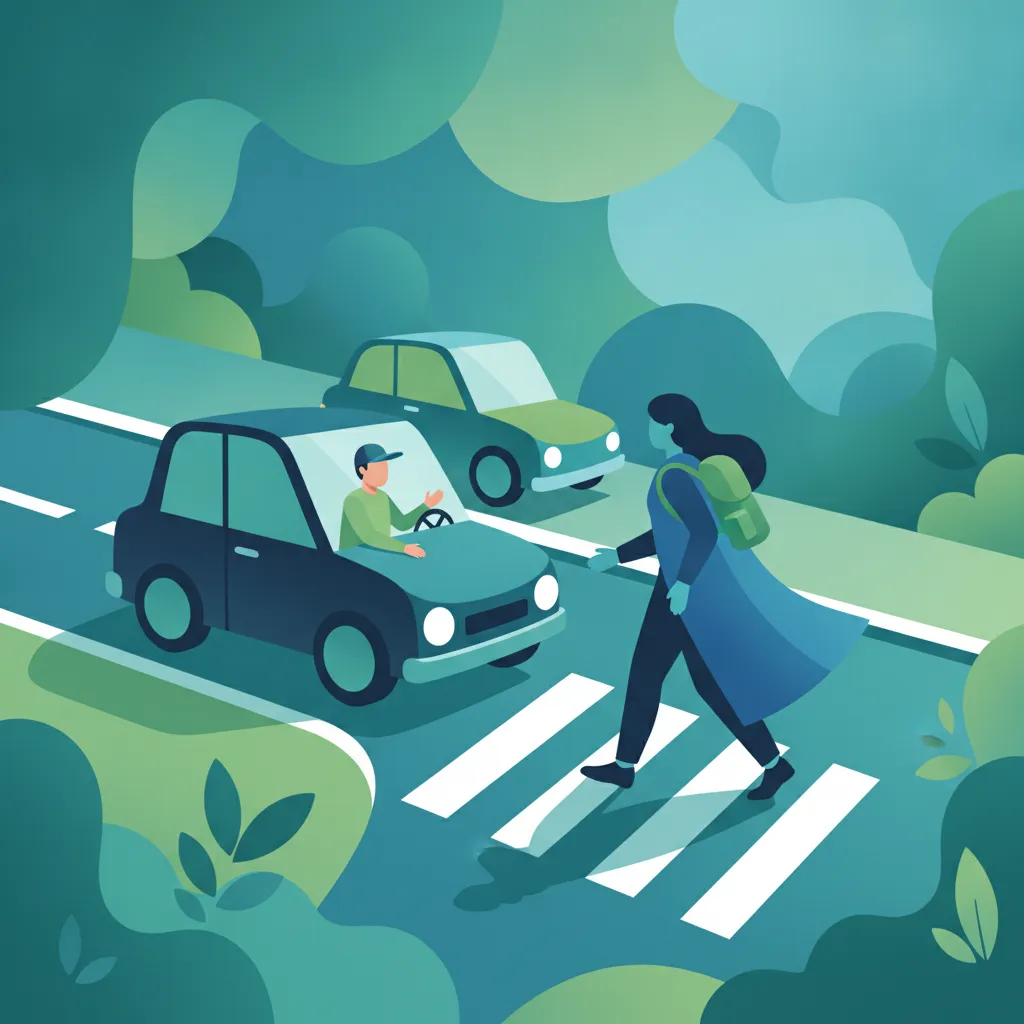
This lesson provides an overview of the general priority principles that dictate right-of-way on Turkish roads. Topics include the hierarchy of road users, such as pedestrians, cyclists, and emergency vehicles, and how these hierarchies apply at various intersections. Learners will understand the fundamental concepts of yielding, stopping, and proceeding, as well as the importance of clear decision-making.
Correctly interpreting traffic signal sequences and priority rules is crucial for preventing devastating right-angle collisions at intersections. This lesson breaks down the phase progression of standard lights, the meanings of flashing amber or red indicators, and the hierarchy of traffic control when a police officer is directing vehicles. You will also master the basic legal default rules of right-of-way, such as yielding to vehicles coming from the right at uncontrolled junctions.
In this lesson, learners explore the specific priority rules and navigation techniques for roundabouts. Topics include yielding to traffic already in the roundabout, proper lane selection upon entry, and safe exit strategies. The lesson also addresses interactions with pedestrians and cyclists near roundabouts and the importance of maintaining appropriate speed.
In this lesson, learners will master the skills required to safely navigate various types of intersections encountered in Turkish urban settings. The content covers interpreting traffic signals, understanding right-of-way rules, and executing proper lane positioning. Practical strategies for managing blind spots and ensuring visibility to other road users are emphasized. By the end of this session, participants will be equipped with safe crossing techniques.
This lesson focuses on the safe interaction with other traffic participants at bus stops and traffic intersections. Learners will explore right-of-way rules, signal compliance, and techniques for maintaining safe distances while stopping and departing. Understanding these interactions is vital for preventing accidents in complex traffic environments.
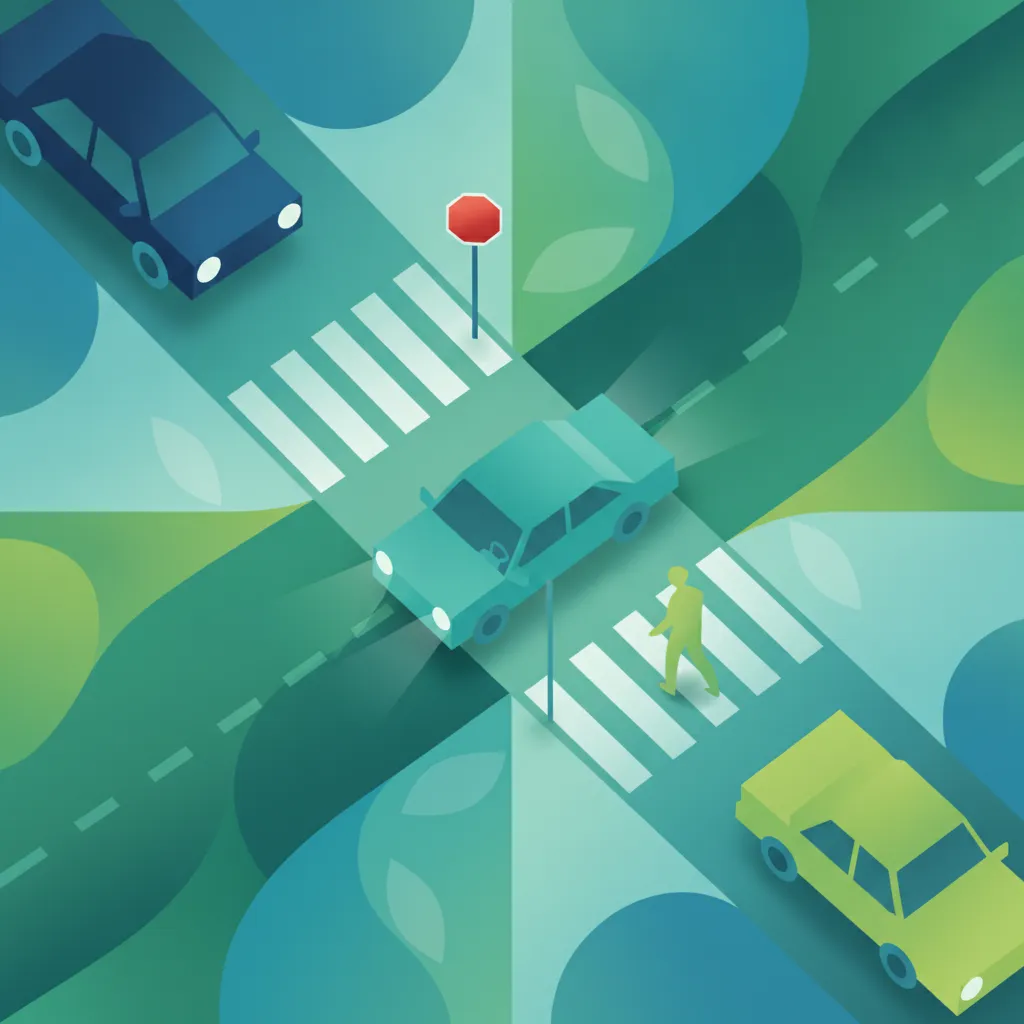
Intersections represent the highest-risk zones for moped riders due to crossing traffic paths and poor visibility. This lesson teaches you the structured approach method: slowing down, selecting the correct lane early, scanning in all directions, and yielding according to priority laws. You will learn safe techniques for executing left and right turns, maintaining stability, and continuously looking out for oncoming vehicles that might fail to yield or turn unexpectedly across your path.
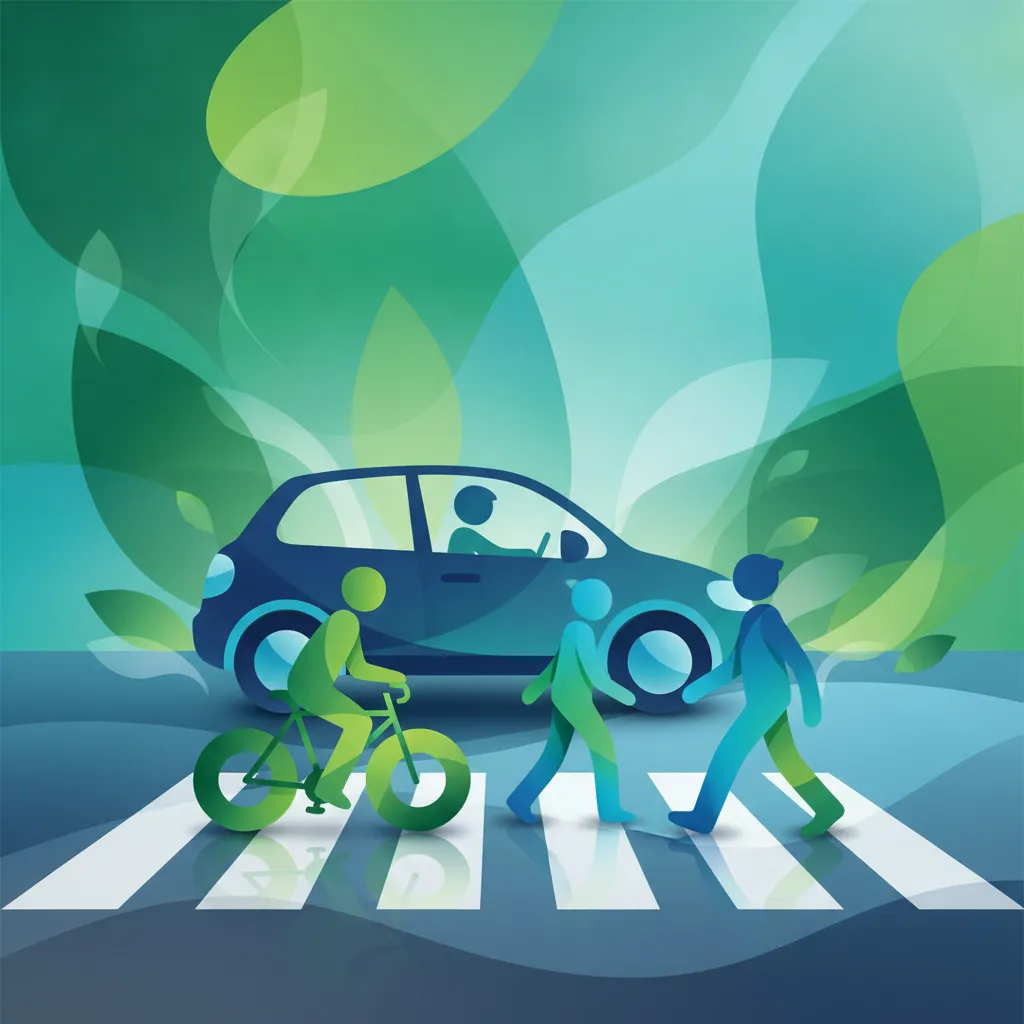
This lesson emphasizes the importance of yielding to pedestrians and cyclists at intersections, crosswalks, and designated lanes. Learners will understand the legal obligations to provide safe passage to vulnerable road users and the correct procedures for stopping and allowing them to cross. Real-world examples illustrate scenarios where failing to yield can lead to accidents.
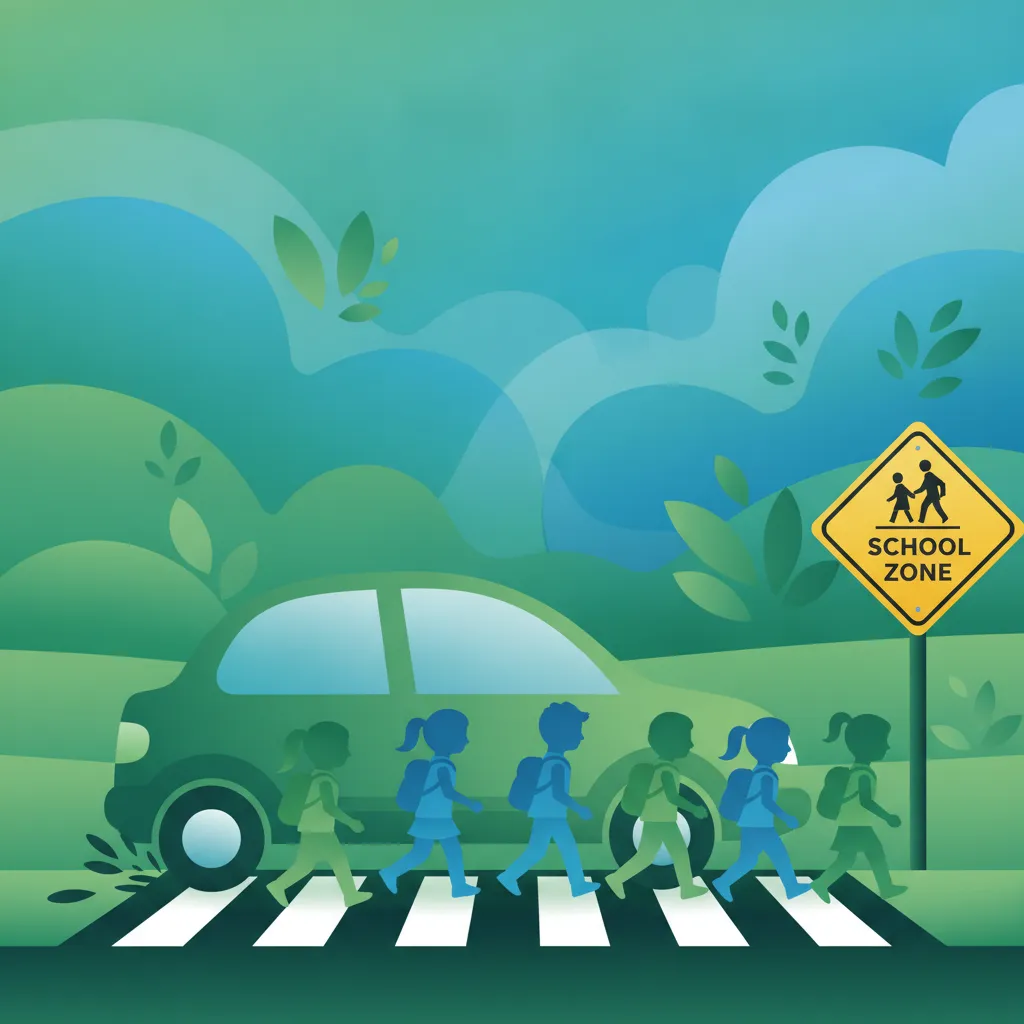
Protecting vulnerable road users is a core legal and ethical responsibility for all motorized vehicle operators in Turkey. This lesson covers the absolute requirement to yield to pedestrians at marked crosswalks, zebra crossings, and designated school zones. You will learn how to identify these zones early, reduce your speed proactively, and maintain heightened situational awareness for children or distracted pedestrians who may step onto the road unexpectedly.
Learn to identify and respond to common hazards encountered on Turkish roads, such as poor surface conditions, blind spots, and unpredictable traffic behavior. This guide focuses on proactive positioning and spatial management to maintain rider safety in diverse traffic environments.
In this lesson, learners will discover the principles of defensive riding, focusing on hazard anticipation, maintaining safe distances, and practicing proactive avoidance techniques. It emphasizes developing a vigilant riding posture, constantly scanning the environment, and preparing to react to potential dangers from other road users, road conditions, or unexpected traffic events.
Defensive riding is the practice of anticipating potential road conflicts and acting early to prevent accidents before they occur. This lesson teaches you how to systematically scan the road ahead for changing conditions, keep an adequate safety cushion around your moped, and pre-plan exit routes in tight spots. You will learn to assume you are invisible to other drivers and adapt your speed and road position proactively to protect yourself against sudden maneuvers.
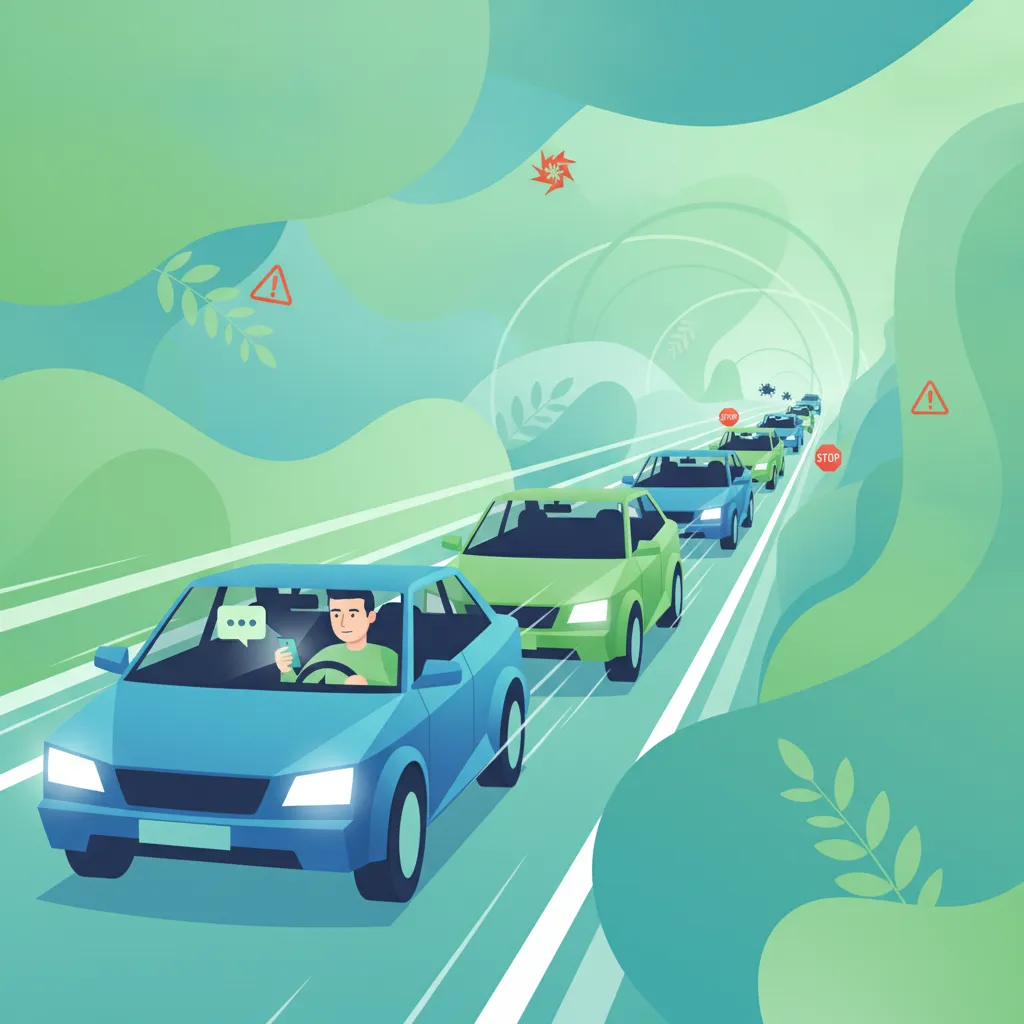
In this lesson, learners will explore the various forms of risk behaviour that can lead to accidents, such as aggressive riding, speeding, riding under the influence of alcohol or drugs, driving while fatigued, and being distracted. The lesson emphasizes the importance of self-awareness, recognizing personal limits, and adopting a safety-first mindset to mitigate these risks and make safe decisions.
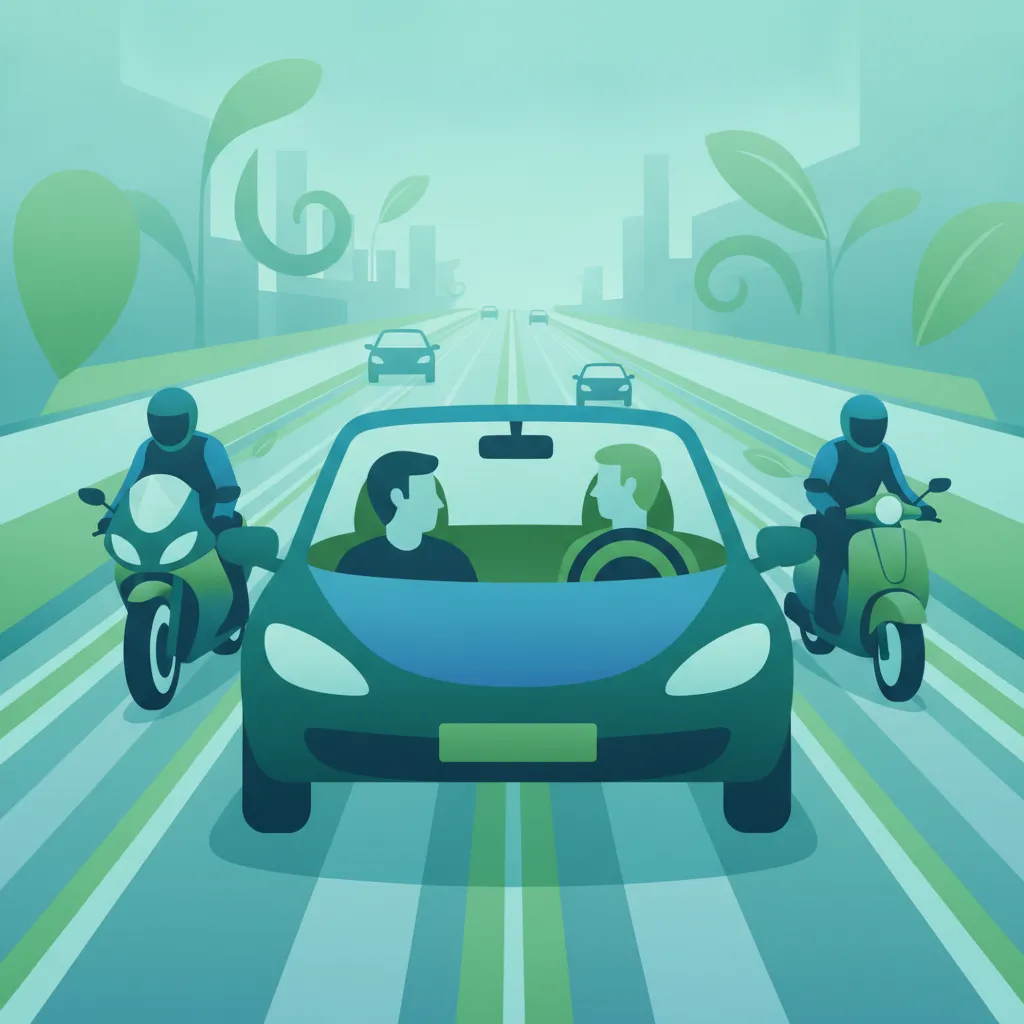
In this lesson, learners explore the unique challenges and safety considerations related to motorcyclists and scooter riders. Topics include the importance of visibility, the use of protective gear, and the need for drivers to be aware of blind spots. The lesson also covers lane discipline for two-wheeled vehicles and safe overtaking practices.
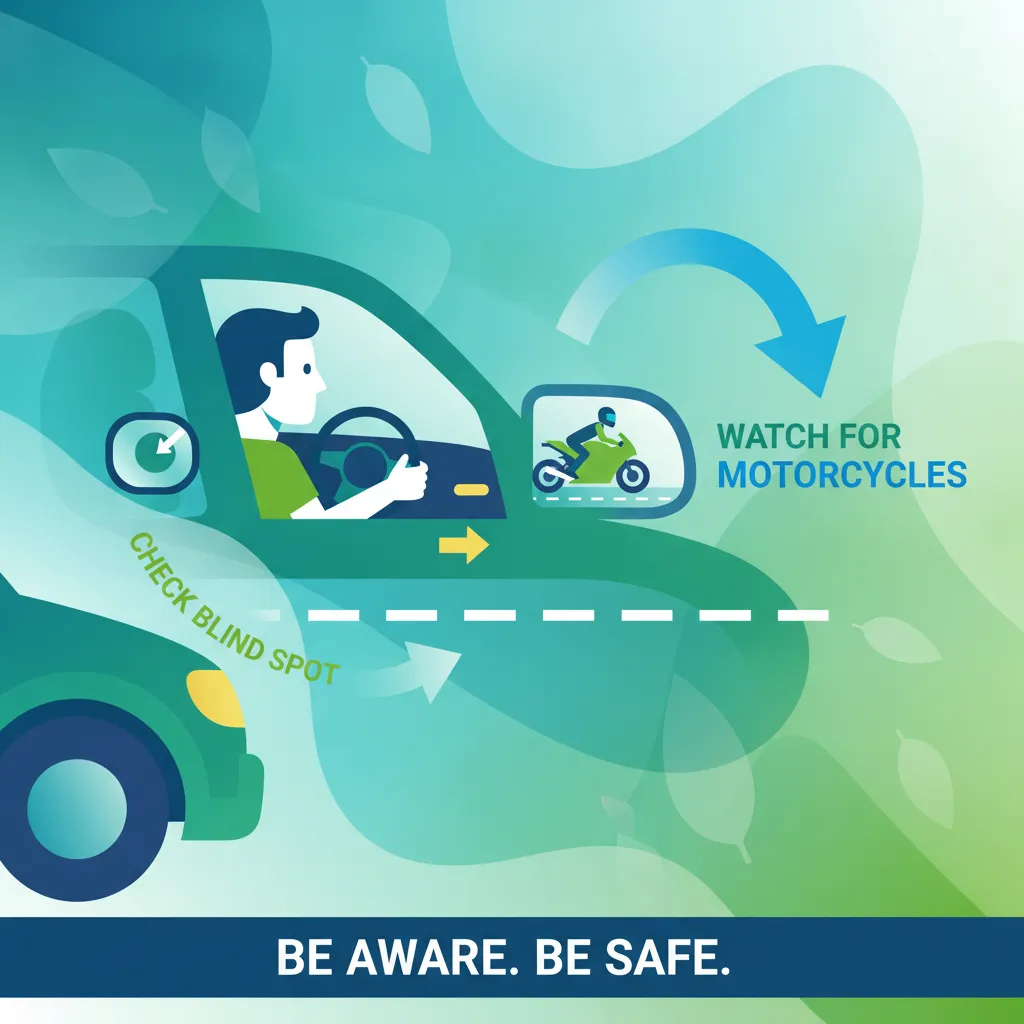
Learners will gain insight into the unique challenges posed by motorcycles and scooters sharing the road with passenger vehicles. The lesson highlights the importance of checking blind spots, maintaining safe following distances, and being aware of the faster acceleration and maneuverability of two-wheeled vehicles. Strategies for anticipating their movements and preventing collisions are discussed.
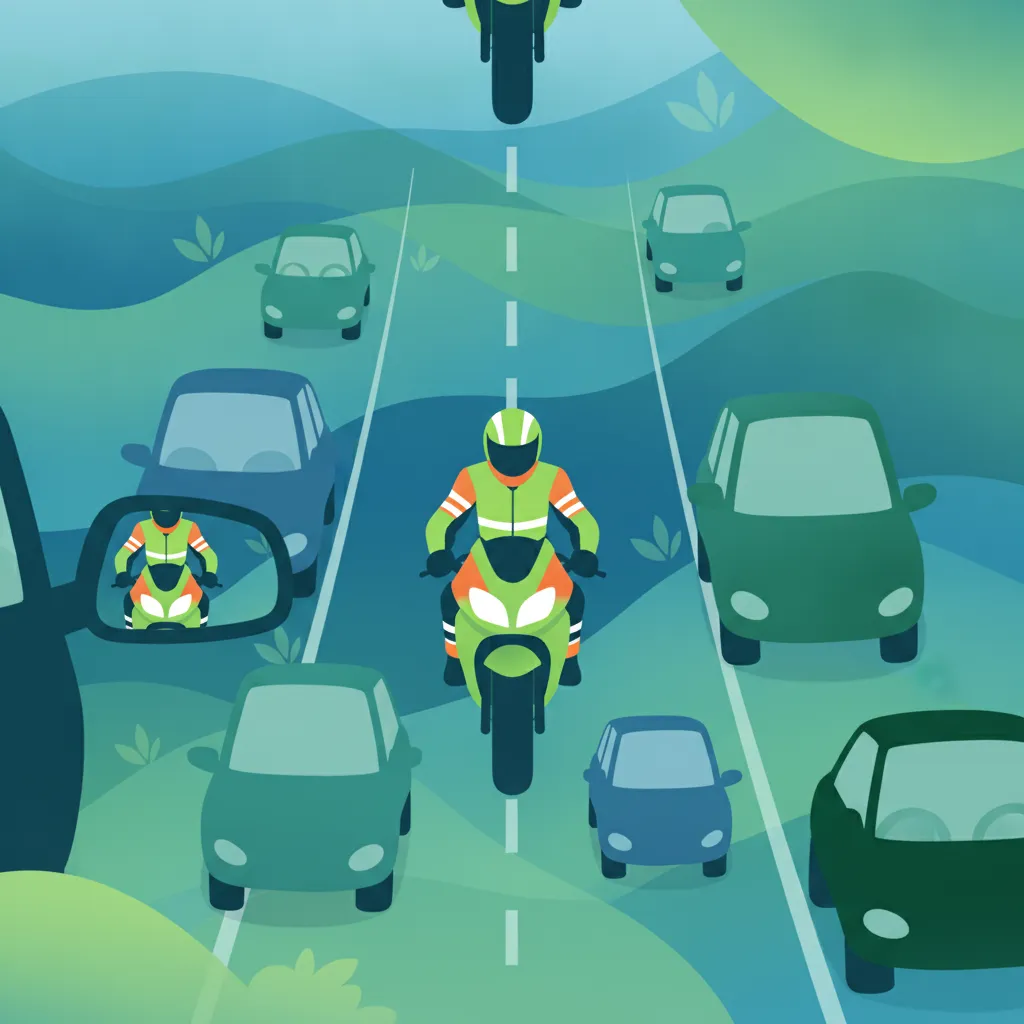
This lesson emphasizes the importance of rider visibility, illustrating how high-visibility clothing and reflective accessories can significantly reduce the risk of collisions. Learners will discover effective strategies for being noticed by other road users, such as using bright colors, reflective strips, and appropriate lighting, especially during adverse weather or nighttime riding. The content also outlines best practices for maintenance.
Proper road positioning is your primary shield against being squeezed, sideswiped, or overlooked by larger motor vehicles in daily traffic. This lesson explains how to ride in the center or slightly off-center of your lane to prevent unsafe overtaking within the same lane. You will study how to identify the massive blind spots of buses and trucks, maintain appropriate following distances, and execute overtaking maneuvers with maximum safety margin and clear signal warning.
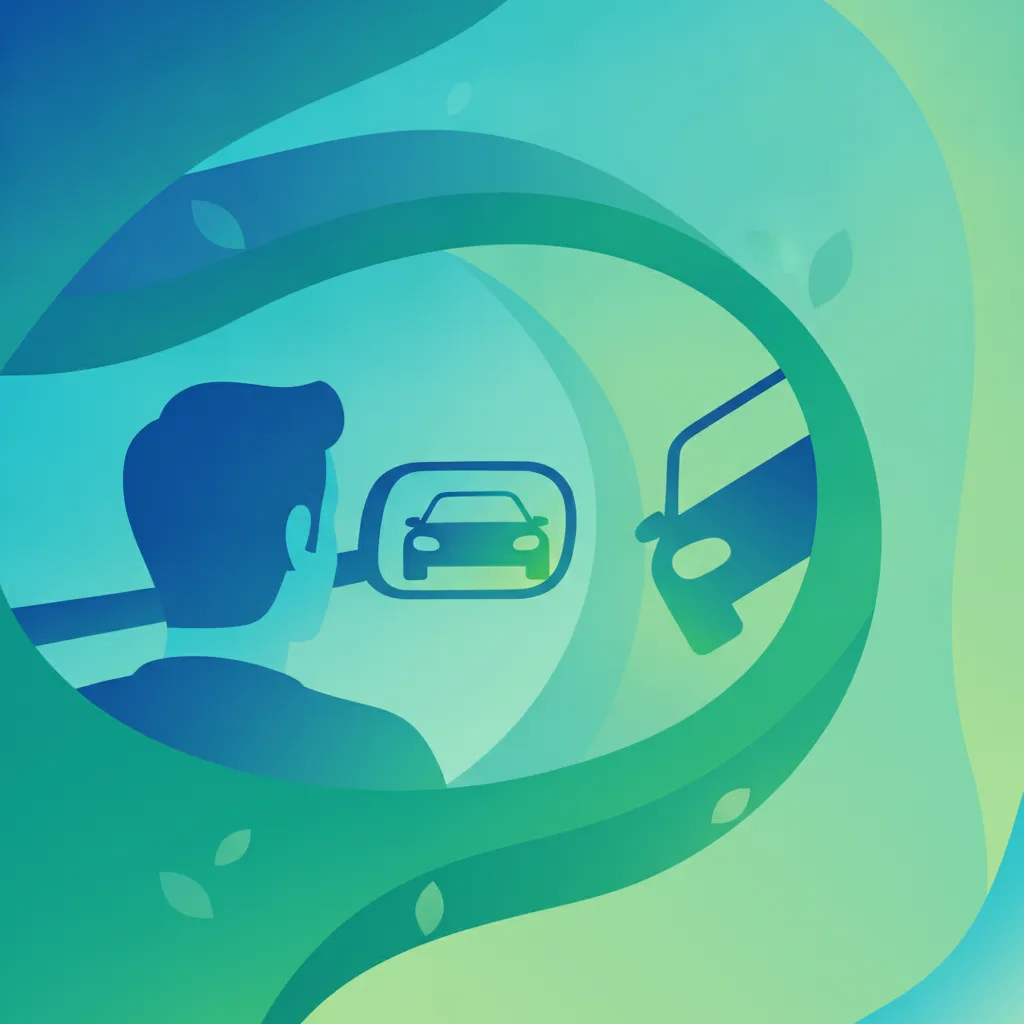
This lesson highlights the critical nature of blind spots for motorcyclists, teaching strategies to recognize and mitigate these hidden areas. Learners will practice techniques for checking blind spots before lane changes and overtaking, ensuring they are fully aware of surrounding traffic. The lesson emphasizes how proper mirroring and head checks can significantly reduce the risk of collisions.
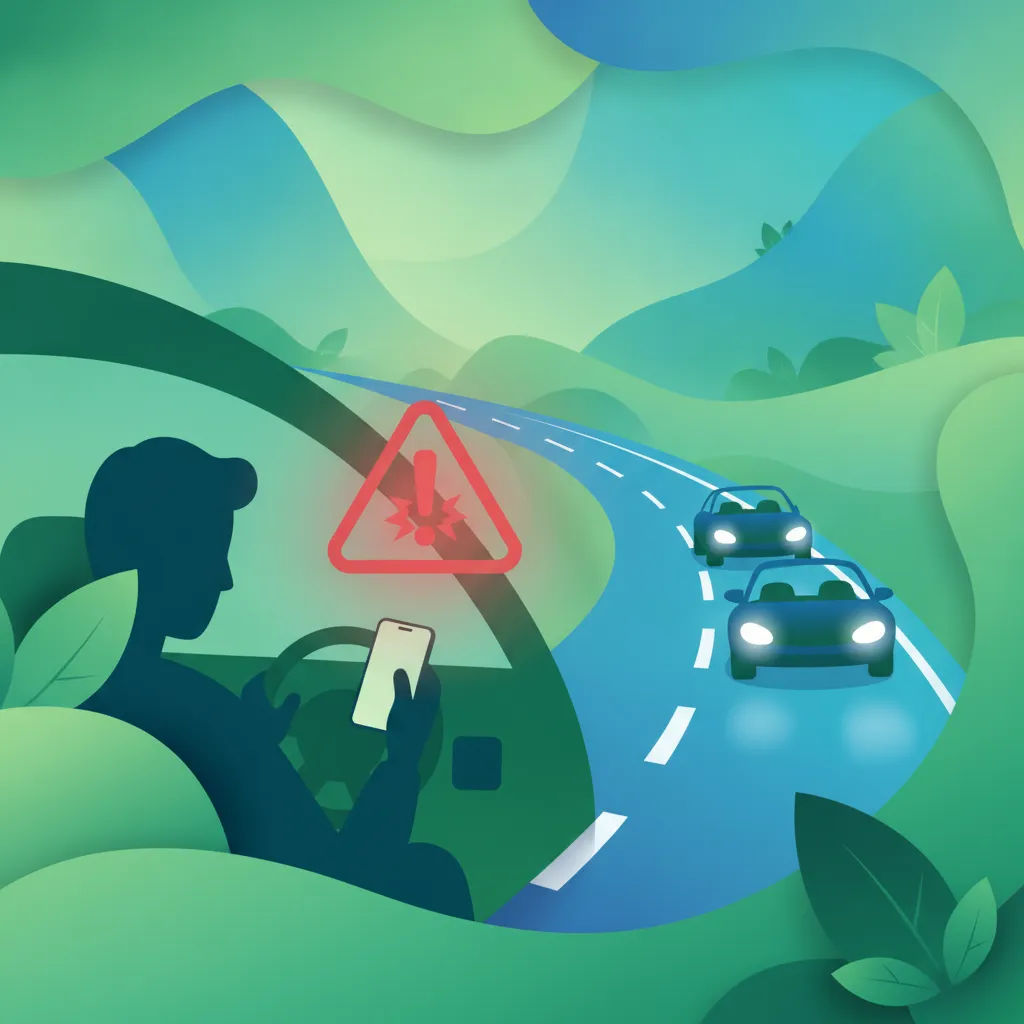
Human error and deliberate risk-taking represent the leading causes of traffic collisions among novice moped riders. This lesson analyzes the high dangers of using mobile phones while riding, weaving unsafely between lanes, and tailgating other motorists. It also covers the severe legal limits on alcohol and drug consumption under Turkish law, explaining how even minor impairments can drastically slower your hazard response times and lead to catastrophic accidents.
This lesson delves into the heightened risk profile of motorcyclists, explaining why injuries are more severe compared to other vehicles due to exposure and lack of structural protection. The content examines common injury patterns in crashes, the role of helmets and protective gear in mitigating harm, and the importance of rider awareness of these risks. By understanding the dynamics of motorcycle accidents, learners will recognize the critical need for safety practices.
Find clear answers to common questions learners have about Road Markings and Their Significance. Learn how the lesson is structured, which driving theory objectives it supports, and how it fits into the overall learning path of units and curriculum progression in Turkey. These explanations help you understand key concepts, lesson flow, and exam focused study goals.
No, a solid white line acts as a barrier that you must not cross or drive on. It is designed to separate traffic lanes or indicate a no-overtaking zone; crossing it is a traffic violation.
These arrows indicate the mandatory direction you must follow if you are in that specific lane. You must follow the direction shown, whether it is straight, left, or right, to avoid illegal maneuvers.
While some areas have shared lanes with bicycles, you should always look for signage and pavement markings indicating restricted or shared use. Always treat these as priority areas for those specific vehicle types.
Zig-zag markings, typically found near pedestrian crossings, warn you that you must not park or overtake. You must slow down and prepare to stop if pedestrians are waiting to cross.
Use our comprehensive practice search to find exactly the Turkish driving theory questions you need to master. Whether reviewing specific road signs, traffic rules, or first aid scenarios, select your perfect practice set and boost your confidence for the official ehliyet sınavı.