This lesson focuses on vertical road markings, which are critical for navigating Turkish roads safely. By understanding the meaning and placement of regulatory and warning signs, you will be well-prepared to interpret road instructions during your Category B theory exam and in real-world driving scenarios.
Lesson content overview
Every driver on Turkish roads must master the system of vertical road markings (dikey trafik işaretleri). While horizontal road markings painted on the asphalt guide your immediate lane position, vertical road markings—consisting of signs mounted on poles, overhead gantries, and bridges—provide the legal framework, warnings, and navigational guidance necessary for a safe journey.
Designed in accordance with international standards and managed by the Turkish General Directorate of Highways (Karayolları Genel Müdürlüğü - KGM), these signs are a core pillar of the Turkish Driving License Category B Theory Course. To pass the official MTSK e-sınav and drive defensively, you must understand not only what these signs look like, but also how to interpret and react to them under various driving conditions.
Vertical road markings are not designed randomly. Traffic engineering and perceptual psychology dictate their shapes, colors, and symbols to ensure drivers can recognize and understand them in a fraction of a second, even at high speeds or in low visibility.
In Turkey, vertical signs follow the Vienna Convention on Road Signs and Signals, dividing them into highly standardized visual categories:
Warning signs alert drivers to upcoming hazards, changes in road physical layout, or potential obstacles. They do not directly command an action, but ignoring them can constitute legal negligence and lead to severe accidents.
When you see a warning sign, your immediate reaction should be to reduce your speed, increase your following distance, and scan the road ahead.
In Turkey, warning signs are placed at strategic distances before the hazard to allow sufficient reaction time:
If you encounter a "Pedestrian Crossing" (Yaya Geçidi) or "School Crossing" (Okul Geçidi) warning sign, you must slow down and prepare to yield. Failing to decelerate upon seeing these warnings is one of the most common mistakes made by candidate drivers during both the theory and practical driving tests.
Regulatory signs communicate mandatory laws, prohibitions, or restrictions that apply to specific stretches of road. Unlike warning signs, regulatory signs dictate strict legal obligations. Failing to obey them is a direct traffic violation and results in heavy fines and penalty points on your Turkish driver's license.
Regulatory signs are divided into two main categories:
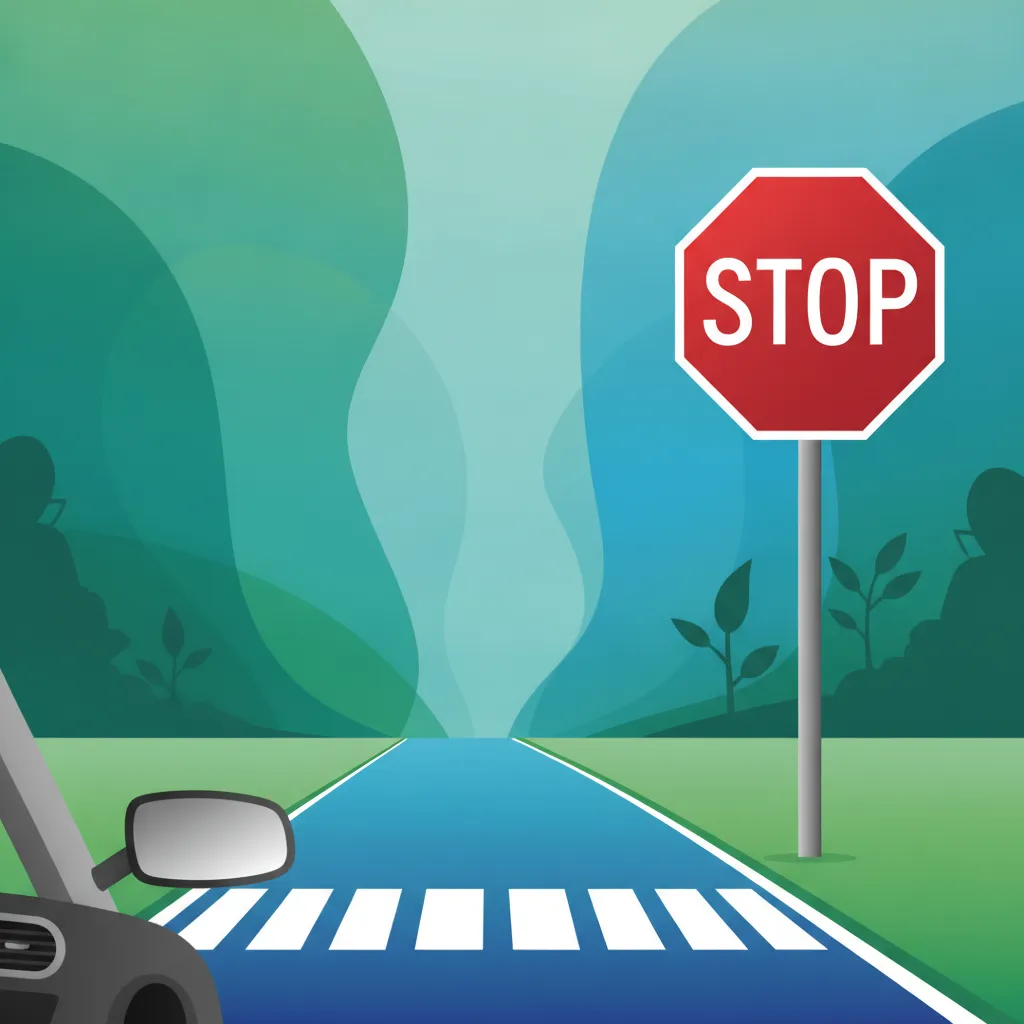
The "DUR" (Stop) vs. "YOL VER" (Give Way) Rule:
At an intersection, a Stop (DUR) sign requires your vehicle's wheels to come to a complete, absolute stop (0 km/h), even if there is absolutely no traffic visible. A Give Way (Yol Ver) sign (an inverted triangle) only requires you to slow down and prepare to stop. You may proceed without stopping if the intersecting road is completely clear.
Speed limit signs are circular regulatory signs with a red border and a black number on a white background. They specify the maximum permissible speed under ideal conditions on that specific stretch of road.
Directional and informational signs provide navigation assistance without imposing direct legal penalties if ignored (unless they incorporate regulatory elements, like lane-use directions). They guide you through intersections, direct you to specific lanes, and indicate distances to major destinations.
To prevent confusion, Turkey employs a color-coded background system for information and directional signs:
| Background Color | Road Classification / Destination Type |
|---|---|
| Green | Motorways / Expressways (Otoyol) |
| Blue | State Roads (Devlet Yolları) |
| White | Local, Provincial, or City Roads (İl Yolları / Şehir İçi Yollar) |
| Brown | Historical, Cultural, or Tourist Attractions (Turistik Alanlar) |
Failing to read directional signs in advance often causes drivers to make abrupt lane changes or illegal turns at the last second. When navigating high-speed highways, always read the overhead gantry signs several hundred metres before your exit to position your vehicle safely.
Vertical road markings are designed to work under all environmental conditions, but they require active driver attention and proper vehicle maintenance to be effective.
All official traffic signs in Turkey are manufactured using retroreflective sheeting materials. These materials bounce light from your vehicle's headlights directly back to your eyes, making the sign appear illuminated.
Heavy rain, falling snow, or thick fog can obscure vertical markings or coat sign faces, rendering them unreadable.
Operating a vehicle safely requires a continuous loop of perceiving vertical signs, processing their meaning, and executing the appropriate control actions.
[Driver Sees Vertical Sign]
       │
       ▼
[Decodes Meaning based on Shape & Color]
       │
       ├──────────────────────────┐
       ▼                          ▼
 [Compliance]                [Violation]
       │                          │
       ├──────────────────┐       ├──────────────────────────┐
       ▼                  ▼       ▼                          ▼
[Smooth Traffic]   [Zero Fines] [Accident Risk] [Fines & Demerit Points]
When driving on a state road and transitioning into a residential zone, you will encounter a series of vertical markings. Follow this procedure to adapt safely:
Scan the Horizon: Look well ahead of your vehicle. Identify the shape and color of upcoming vertical signs before you can read the text or symbols.
Identify the Sign: As you approach, recognize the "Entrance to Residential Area" (Meskun Mahal Girişi) and an associated 50 km/h speed limit sign.
Check Your Mirrors: Before braking, check your rear-view mirror to assess the distance and speed of vehicles behind you.
Ease Off the Accelerator: Release the accelerator pedal to let engine braking naturally reduce your speed.
Apply Smooth Braking: Apply the brakes gently to match the newly posted speed limit before passing the physical post of the sign.
Maintain Alertness: Be prepared for additional pedestrian or intersection warning signs that frequently follow speed reductions.
Candidate drivers often struggle with specific sign placements and dynamic road scenarios. Recognizing these edge cases will help you avoid critical errors during your MTSK driving test:
Vertical road markings in Turkey are standardized according to the Vienna Convention and managed by KGM, using distinct shapes and colors to communicate warnings, regulations, and navigation information instantly. Warning signs require defensive reactions including speed reduction and increased following distance before hazards, while regulatory signs impose mandatory legal obligations with penalties for non-compliance. The system includes specific procedures for transitioning between different speed zones and signage types, and drivers must recognize that construction signs with yellow backgrounds temporarily override all permanent markings. Mastering these signs is essential for passing the Turkish Category B theory exam and ensuring road safety.
A short set of high-value points that capture the most important learning from this lesson.
Vertical signs use standardized shapes: triangles for warnings, circles for regulations, rectangles for information, and octagons exclusively for Stop signs
Warning signs are placed 100-150m before hazards in urban areas and 150-250m in rural/highway areas to allow reaction time
Regulatory signs carry legal obligations; failing to comply results in traffic fines and penalty points under Turkish Highway Traffic Law No. 2918
Speed limit signs always override general statutory limits, and variable message signs on motorways carry the same legal weight as static signs
Directional signs use color-coded backgrounds: green for motorways, blue for state roads, white for local roads, and brown for tourist destinations
Explore all units and lessons included in this driving theory course.
The octagon shape is reserved exclusively for the Stop (DUR) sign, allowing identification even when covered by snow or mud
Red-bordered circular signs indicate prohibitions; solid blue circles indicate mandatory actions you must perform
At a Stop sign you must bring your vehicle to a complete 0 km/h stop; a Give Way (Yol Ver) sign only requires slowing and yielding
Temporary yellow-background construction signs override all permanent white-background signs
Lane-specific overhead signs apply only to the lane directly beneath them on multi-lane highways
Confusing Stop and Give Way signs and assuming a rolling stop satisfies the Stop sign requirement
Beginning to slow down only after passing a speed limit sign instead of reaching the posted limit before the sign
Missing signs blocked by foliage, parked vehicles, or road construction equipment without checking for overhead or pavement alternatives
Failing to reduce speed for temporary construction zone signs because the permanent signs are still visible
Misreading lane-specific signs on gantries and treating lane restrictions as applicable to all lanes
Lesson content overview
A short set of high-value points that capture the most important learning from this lesson.
Vertical signs use standardized shapes: triangles for warnings, circles for regulations, rectangles for information, and octagons exclusively for Stop signs
Warning signs are placed 100-150m before hazards in urban areas and 150-250m in rural/highway areas to allow reaction time
Regulatory signs carry legal obligations; failing to comply results in traffic fines and penalty points under Turkish Highway Traffic Law No. 2918
Speed limit signs always override general statutory limits, and variable message signs on motorways carry the same legal weight as static signs
Directional signs use color-coded backgrounds: green for motorways, blue for state roads, white for local roads, and brown for tourist destinations
Explore all units and lessons included in this driving theory course.
The octagon shape is reserved exclusively for the Stop (DUR) sign, allowing identification even when covered by snow or mud
Red-bordered circular signs indicate prohibitions; solid blue circles indicate mandatory actions you must perform
At a Stop sign you must bring your vehicle to a complete 0 km/h stop; a Give Way (Yol Ver) sign only requires slowing and yielding
Temporary yellow-background construction signs override all permanent white-background signs
Lane-specific overhead signs apply only to the lane directly beneath them on multi-lane highways
Confusing Stop and Give Way signs and assuming a rolling stop satisfies the Stop sign requirement
Beginning to slow down only after passing a speed limit sign instead of reaching the posted limit before the sign
Missing signs blocked by foliage, parked vehicles, or road construction equipment without checking for overhead or pavement alternatives
Failing to reduce speed for temporary construction zone signs because the permanent signs are still visible
Misreading lane-specific signs on gantries and treating lane restrictions as applicable to all lanes
Explore search topics learners often look for when studying Vertical Road Markings. These topics reflect common questions about road rules, driving situations, safety guidance, and lesson level theory preparation for learners in Turkey.
Browse additional driving theory lessons that cover connected traffic rules, road signs, and common driving situations related to this topic. Improve your understanding of how different rules interact across everyday traffic scenarios.
Understand the function of horizontal road markings including solid and broken lines, directional arrows, and special zones. This guide explains how these pavement markings coordinate with vertical signs to regulate lane usage and traffic flow in urban and motorway environments according to Turkish traffic regulations.
This lesson delves into horizontal road markings, focusing on solid, broken, and double lines that define lane boundaries and overtaking rules. Learners will explore the significance of each type of line in indicating permissible lane changes, passing zones, and stopping points at intersections. The lesson also covers crosswalk markings and their role in pedestrian safety.
This lesson covers the various road surface markings that motorcyclists must be aware of, such as lane lines, turn arrows, and dedicated bike lanes. It explains how to interpret solid and broken lines, the meaning of specific arrows for turning or lane changes, and the significance of pedestrian crossing markings. Understanding these visual cues is essential for maintaining lane discipline and performing safe road maneuvers.

Road markings painted directly onto the asphalt provide continuous guidance and carry the same legal weight as vertical traffic signs. This lesson explains the differences between solid and broken longitudinal lines, channelizing arrows, and restricted zones like dedicated bus or bicycle paths. You will discover how to properly align your moped within your lane, execute lawful line changes, and respect painted buffer zones to prevent dangerous side-swipe accidents in dense traffic.
This lesson focuses on the role of directional arrows and guidance markings in indicating lane assignments and intended vehicle movements. Learners will learn to interpret turn arrows, lane-specific directions, and lane assignment at intersections and roadways. Real-world examples demonstrate how these markings aid drivers in navigating complex road networks, especially at junctions and roundabouts.
This lesson examines lane division and proper lane usage on multi-lane roads and highways. Learners will understand the purpose of lane markings in guiding drivers to maintain appropriate lane discipline. Topics include correct lane selection for different vehicle types, overtaking procedures, and lane-changing techniques. Real-world examples illustrate the importance of respecting lane usage rules.
In this lesson, learners will master the meanings of various traffic signs as defined by Turkish traffic legislation. The focus will be on understanding regulatory, warning, and informational signs, with particular attention to those that directly affect motorcyclists, such as speed limits and lane usage. By the end of this session, participants will be able to quickly recognize sign categories and apply the required actions safely.
This lesson guides motorists on how to safely navigate active roadwork zones, detours, and temporary lane configurations. It details the meaning of construction signs, temporary speed reductions, and the legal requirement to protect highway workers. Drivers will learn to expect sudden stops and maintain slow, steady speeds through work areas.
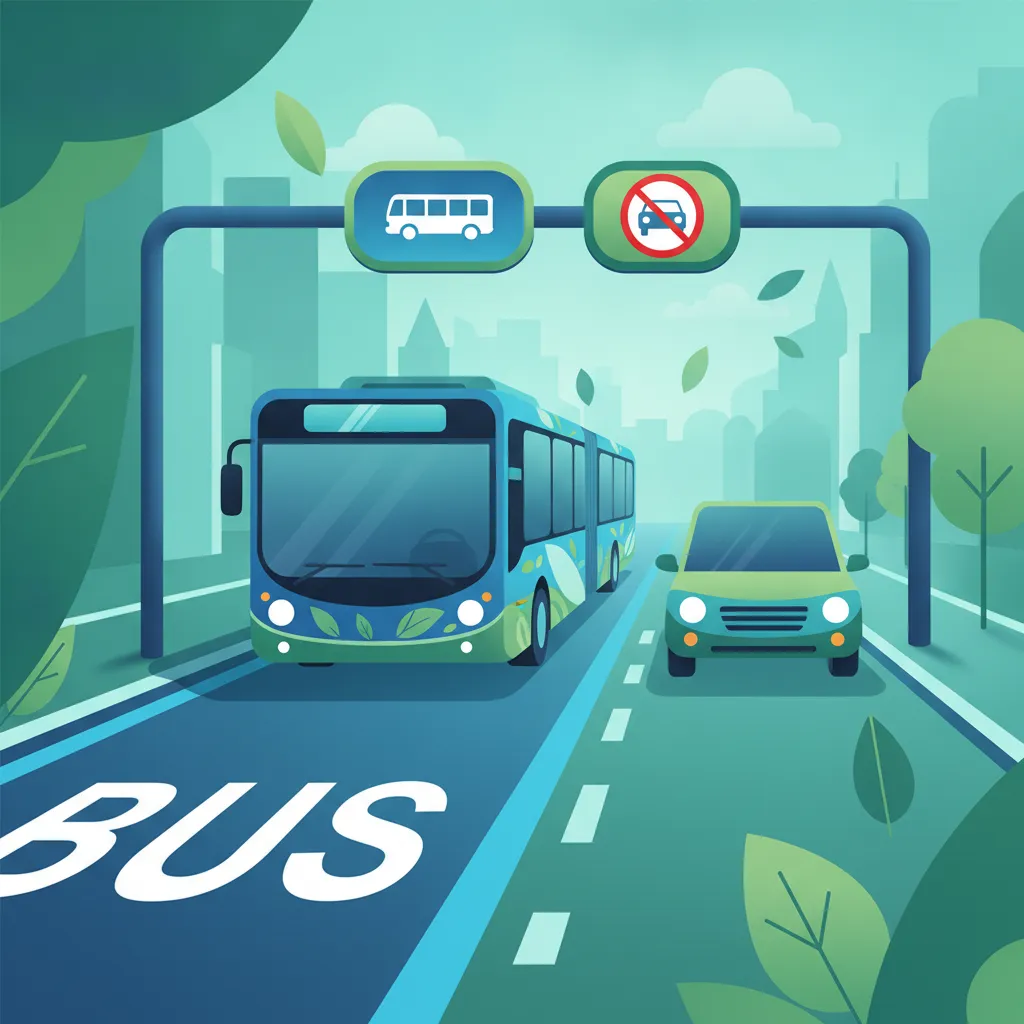
This lesson explores the concept of reserved lanes and special zones designated for specific vehicle types or purposes. Learners will study bus lanes, bicycle lanes, high-occupancy vehicle (HOV) lanes, and emergency vehicle lanes, understanding the rules governing their usage. Real-world examples illustrate how these lanes improve traffic efficiency, promote sustainable transport, and prioritize emergency response.
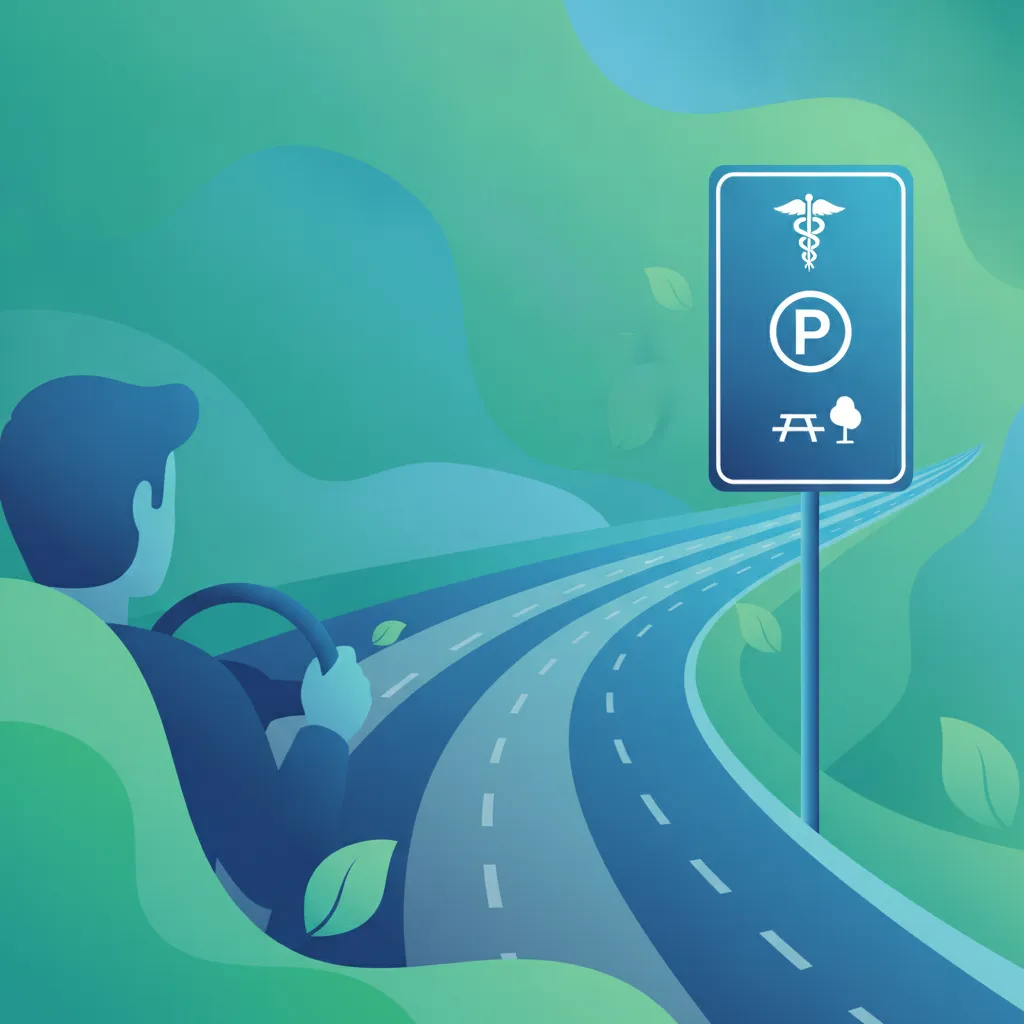
This lesson focuses on informational traffic signs that provide guidance and essential information to drivers. Learners will examine signs indicating directions, distances to cities, service areas, fuel stations, hospitals, police stations, and tourist attractions. The lesson highlights the role of these signs in facilitating navigation and ensuring drivers can locate essential services safely.
Learn the fundamental priority principles for navigating controlled and uncontrolled intersections on Turkish roads. This lesson covers how vertical regulatory signs and signals dictate right-of-way, ensuring safe passage through roundabouts and junctions while avoiding common errors made in complex traffic scenarios.
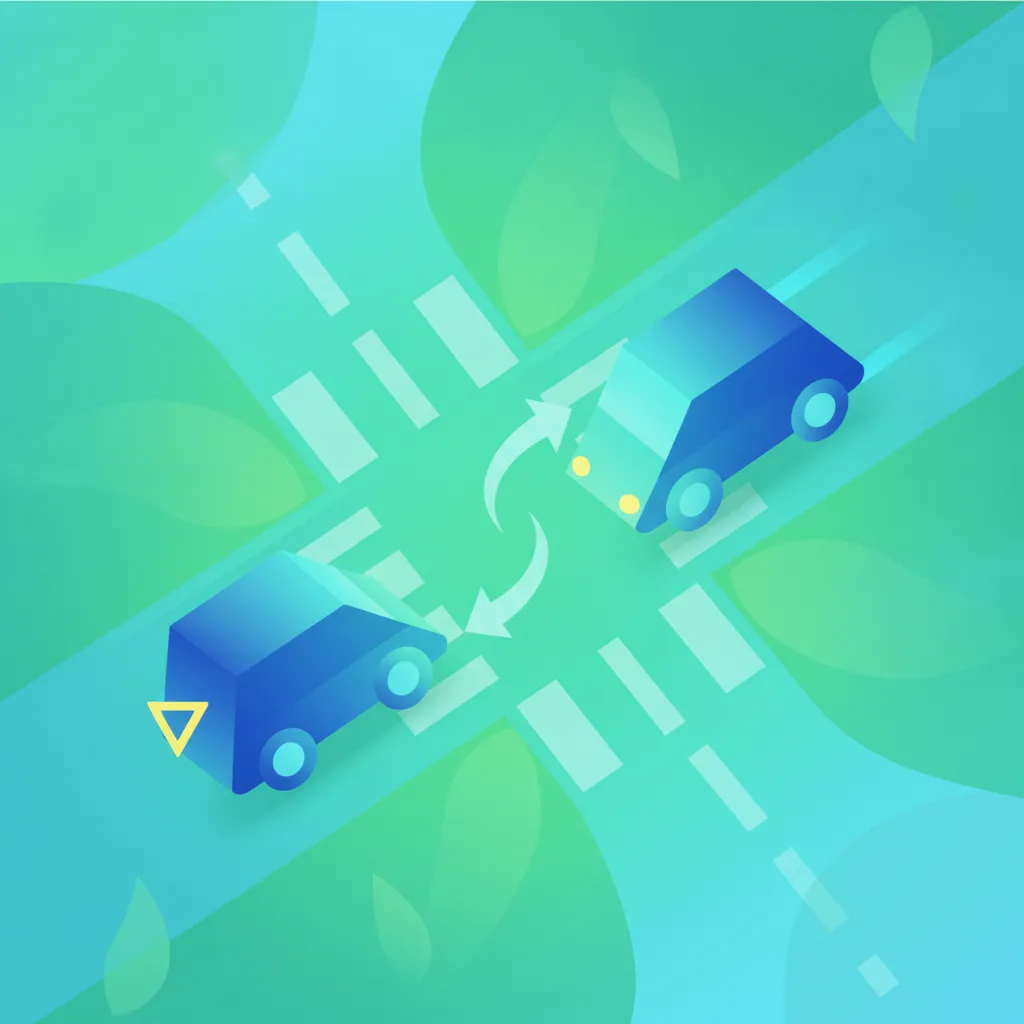
In this lesson, learners explore priority rules specific to uncontrolled intersections, where traffic signals or signs are absent. Topics include determining right-of-way based on vehicle classification, approach angle, and arrival sequence. The lesson emphasizes the importance of stopping, yielding, and assessing potential hazards before proceeding.
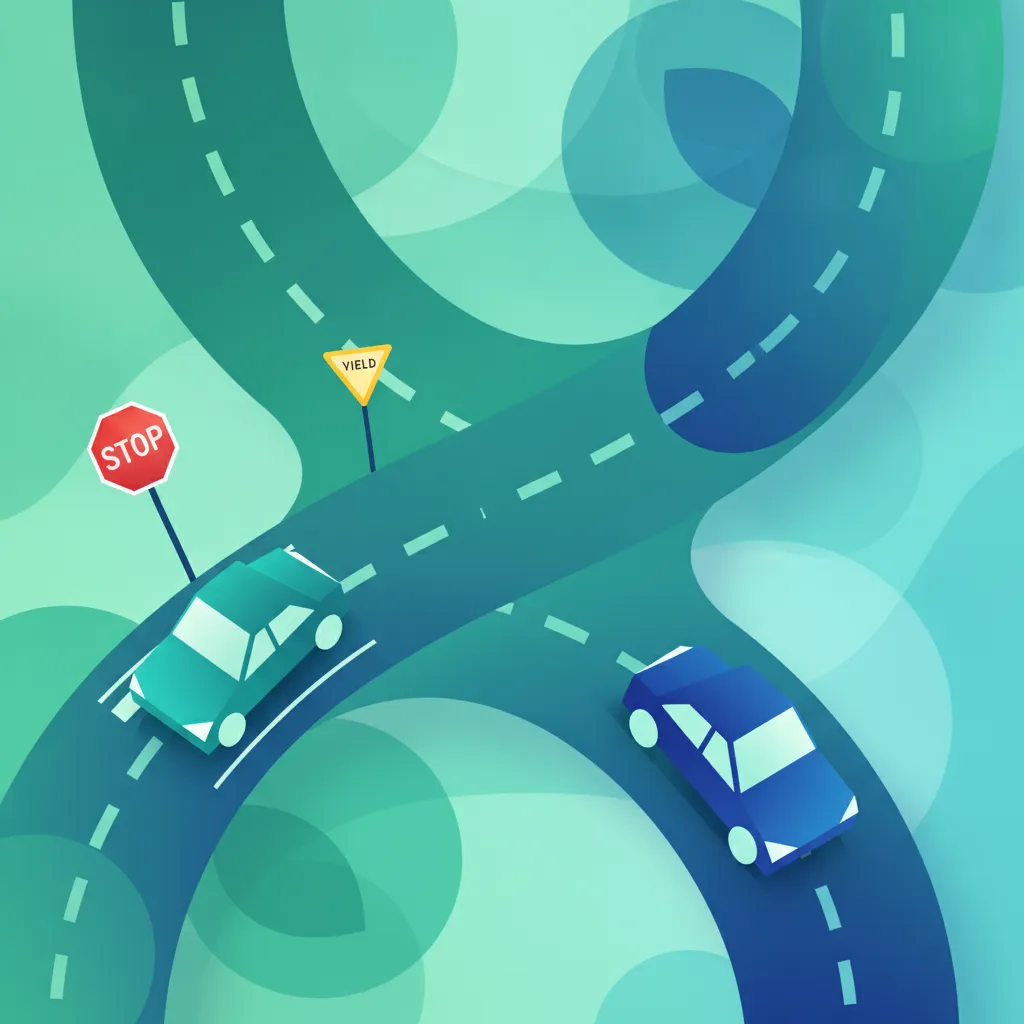
This lesson focuses on priority rules at controlled intersections equipped with traffic signals, stop signs, or yield signs. Learners will understand how to interpret traffic light phases, comply with stop and yield indications, and assess right-of-way at these intersections. The lesson also covers pedestrian and cyclist considerations, as well as emergency vehicle priority.
This lesson provides an overview of the general priority principles that dictate right-of-way on Turkish roads. Topics include the hierarchy of road users, such as pedestrians, cyclists, and emergency vehicles, and how these hierarchies apply at various intersections. Learners will understand the fundamental concepts of yielding, stopping, and proceeding, as well as the importance of clear decision-making.

This lesson focuses on the safe interaction with other traffic participants at bus stops and traffic intersections. Learners will explore right-of-way rules, signal compliance, and techniques for maintaining safe distances while stopping and departing. Understanding these interactions is vital for preventing accidents in complex traffic environments.
In this lesson, learners will master the skills required to safely navigate various types of intersections encountered in Turkish urban settings. The content covers interpreting traffic signals, understanding right-of-way rules, and executing proper lane positioning. Practical strategies for managing blind spots and ensuring visibility to other road users are emphasized. By the end of this session, participants will be equipped with safe crossing techniques.
Correctly interpreting traffic signal sequences and priority rules is crucial for preventing devastating right-angle collisions at intersections. This lesson breaks down the phase progression of standard lights, the meanings of flashing amber or red indicators, and the hierarchy of traffic control when a police officer is directing vehicles. You will also master the basic legal default rules of right-of-way, such as yielding to vehicles coming from the right at uncontrolled junctions.
In this lesson, learners explore the specific priority rules and navigation techniques for roundabouts. Topics include yielding to traffic already in the roundabout, proper lane selection upon entry, and safe exit strategies. The lesson also addresses interactions with pedestrians and cyclists near roundabouts and the importance of maintaining appropriate speed.
Intersections represent the highest-risk zones for moped riders due to crossing traffic paths and poor visibility. This lesson teaches you the structured approach method: slowing down, selecting the correct lane early, scanning in all directions, and yielding according to priority laws. You will learn safe techniques for executing left and right turns, maintaining stability, and continuously looking out for oncoming vehicles that might fail to yield or turn unexpectedly across your path.
Learners will examine effective strategies for safely coordinating with pedestrians and other road users when approaching and departing bus stops. The lesson highlights right-of-way rules, the importance of yielding at crosswalks, and clear communication with both passengers and other drivers. These practices are vital for preventing accidents and ensuring a harmonious flow of traffic in busy urban areas.
Protecting vulnerable road users is a core legal and ethical responsibility for all motorized vehicle operators in Turkey. This lesson covers the absolute requirement to yield to pedestrians at marked crosswalks, zebra crossings, and designated school zones. You will learn how to identify these zones early, reduce your speed proactively, and maintain heightened situational awareness for children or distracted pedestrians who may step onto the road unexpectedly.
Find clear answers to common questions learners have about Vertical Road Markings. Learn how the lesson is structured, which driving theory objectives it supports, and how it fits into the overall learning path of units and curriculum progression in Turkey. These explanations help you understand key concepts, lesson flow, and exam focused study goals.
Regulatory signs indicate mandatory rules like speed limits or prohibitions, where failure to comply leads to penalties. Warning signs alert you to potential dangers ahead so you can adjust your driving speed and focus accordingly.
In the Turkish traffic hierarchy, vertical signs (like stop signs or lights) generally take precedence over horizontal markings. Always prioritize what is indicated on poles or overhead structures when they conflict with painted lines.
Try to associate the shapes with their function: triangular signs typically warn of hazards, circular signs usually indicate regulations or prohibitions, and rectangular signs are generally for information or guidance.
Many students rush to identify a sign without checking if there is an additional sub-plate. Always look for small supplementary plates underneath the main sign, as they clarify specific conditions like time, distance, or vehicle type.
Use our comprehensive practice search to find exactly the Turkish driving theory questions you need to master. Whether reviewing specific road signs, traffic rules, or first aid scenarios, select your perfect practice set and boost your confidence for the official ehliyet sınavı.