
Driving Theory
Learn with Turkish Theory Courses

AM Moped Theory: Identifying and Avoiding Risky Behaviours

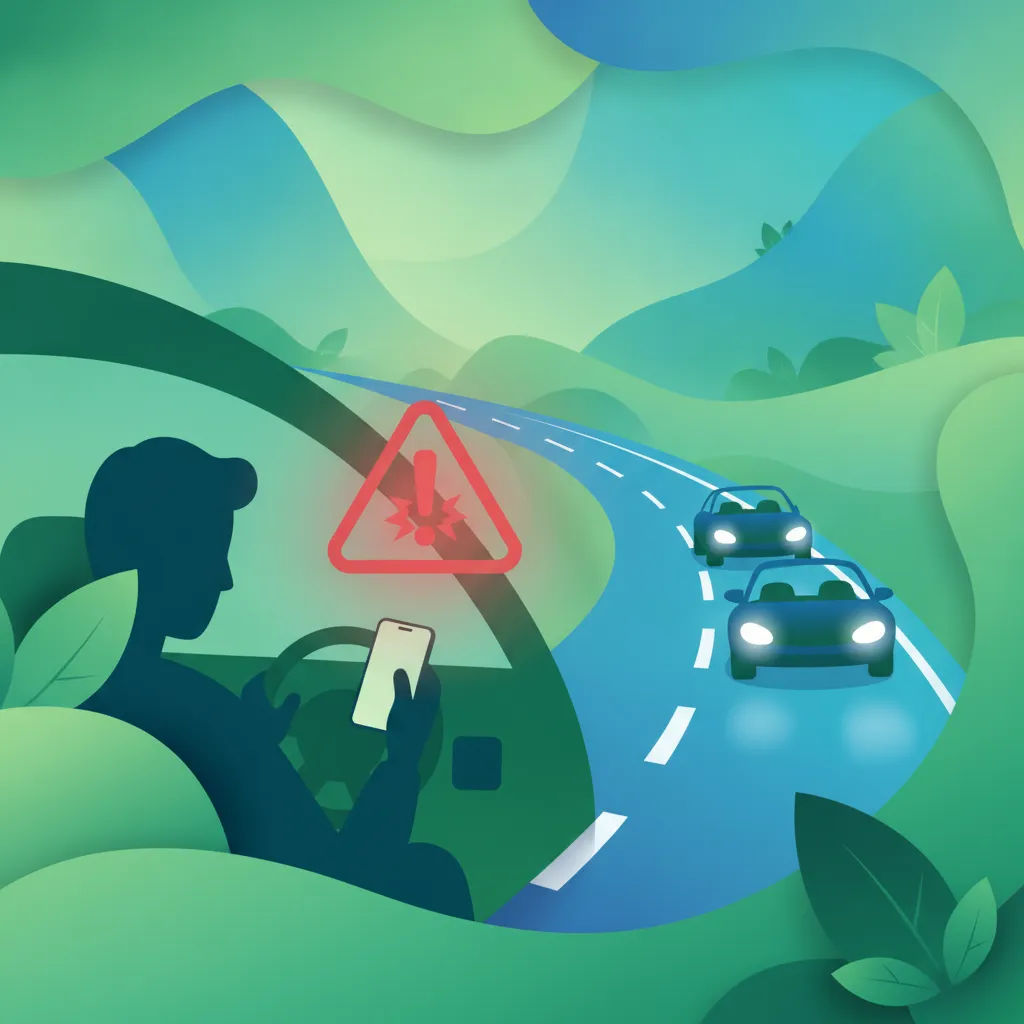
Identifying and Avoiding Risky Behaviours lesson overview image

Human error and deliberate risk-taking represent the leading causes of traffic collisions among novice moped riders. This lesson analyzes the high dangers of using mobile phones while riding, weaving unsafely between lanes, and tailgating other motorists. It also covers the severe legal limits on alcohol and drug consumption under Turkish law, explaining how even minor impairments can drastically slower your hazard response times and lead to catastrophic accidents.

defensive ridinghazard awarenessAM licencetraffic safetyMTSK e-sınavTurkish road rules
AM Moped Theory curriculum

Part of the full AM Moped Theory curriculum

The Identifying and Avoiding Risky Behaviours lesson belongs to the structured AM Moped Theory curriculum, a complete learning program designed to help learners in Turkey master every key topic required for the Turkish driving theory exam. By studying this lesson, you continue building the knowledge, traffic awareness, and exam readiness developed throughout the units of the curriculum.
category ammoped licencemtsk e-sınavturkish traffic rulesdefensive ridingroad signsexam preparationdriving theorymoped safetyturkey driving test
AM Moped Theory curriculum image

Turkish Driving Licence Theory for Category AM

This comprehensive learning course is specifically designed for candidates preparing for the official Turkish MTSK e-sınav for Category AM mopeds and light motorized bicycles. It covers all mandatory traffic rules, official road signs, safety apparel standards, defensive riding techniques, and essential emergency procedures applicable under Turkish road law. By engaging with these structured modules, you will build a solid foundation of theoretical knowledge to navigate urban and mixed traffic situations safely and successfully pass your theoretical driving exam.

6 units24 lessons
View curriculum

Why the Identifying and Avoiding Risky Behaviours lesson matters

The Identifying and Avoiding Risky Behaviours lesson explains one of the most important subjects in the Weather, Risk Behaviour, Emergencies and Penalties unit of the AM Moped Theory curriculum. It focuses on essential exam content that every learner in Turkey needs for the Turkish driving theory exam. Through clear explanations, practical examples, and real traffic situations, this lesson helps you understand how the rules work in practice and strengthens your overall exam preparation.

Browse curriculum
Learning objectives

What you will learn in the Identifying and Avoiding Risky Behaviours lesson

Identify the primary dangers of mobile phone use while operating a moped.
Understand the legal and safety consequences of impaired riding in Türkiye.
Recognize hazardous habits such as tailgating and unsafe lane weaving.
Learn to prioritize hazard perception to improve reaction times during the theory exam.
Apply Turkish traffic law regarding prohibited behaviors for Category AM riders.
What you will gain

What you will understand after completing the Identifying and Avoiding Risky Behaviours lesson

After completing this lesson, you will be able to distinguish between safe and dangerous riding practices as defined by the Turkish Road Traffic Law. You will understand how individual choices, such as avoiding mobile phone use and maintaining proper distance, directly influence your safety and success in the MTSK theory exam. This knowledge will help you anticipate risks before they develop into critical situations on the road.

Furthermore, you will gain a comprehensive understanding of the legal implications of risky behaviors, including alcohol and drug limits. By mastering these concepts, you will approach your exam with the ability to identify hazardous scenarios, avoid common test traps, and demonstrate the defensive riding mindset required for your Category AM licence.
Start reading topics
What you will understand after completing the Identifying and Avoiding Risky Behaviours lesson
Learners who benefit the most from the Identifying and Avoiding Risky Behaviours lesson
Who should study this

Learners who benefit the most from the Identifying and Avoiding Risky Behaviours lesson

This lesson is essential for all AM category candidates who want to move beyond basic rules and master the behavioral aspects of the MTSK e-sınav. It is especially helpful for riders who struggle with hazard perception questions or need clarification on current Turkish penalties for distracted riding.

View all lesson topics
Questions

FAQs about the Identifying and Avoiding Risky Behaviours lesson

Find answers to common questions about the Identifying and Avoiding Risky Behaviours lesson, including how it connects to the Weather, Risk Behaviour, Emergencies and Penalties unit and the full AM Moped Theory curriculum. Learn how long the lesson takes, what topics it covers, and how it supports your preparation for the driving theory exam in Turkey.
Why learners trust the Identifying and Avoiding Risky Behaviours lesson

Why learners trust the Identifying and Avoiding Risky Behaviours lesson

The Identifying and Avoiding Risky Behaviours lesson is designed to make complex driving theory topics easier to understand. Content is written in a clear and practical way, aligned with exam expectations in Turkey, and supported by examples that reflect real traffic situations. Whether you are reviewing or starting from scratch, this lesson helps you study efficiently and make steady progress inside the AM Moped Theory curriculum.

Covers all important concepts linked to this lessonCreated using exam relevant topics from TurkeyEvery topic explained using real world traffic situationsLesson layout that guides you step by stepReflects the latest rules required for the driving theory examStrengthens your preparation for the Turkish theory exam
Start now

More units in the AM Moped Theory curriculum

Explore additional units that make up the complete AM Moped Theory curriculum. Each unit focuses on important driving theory subjects, helping learners in Turkey build strong exam knowledge and improve understanding of rules, signs, and traffic behaviour.

Licence Basics and Small Vehicle Responsibility unit image
1

Licence Basics and Small Vehicle Responsibility

Learn the essential legal requirements, age rules, and civic responsibilities for operating AM category mopeds within the Turkish transport system to prepare for your theory exam.

4 lessons

Learn more
Helmet, Visibility and Protective Behaviour unit image
2

Helmet, Visibility and Protective Behaviour

Learn the critical safety standards for helmet use, high-visibility gear, and defensive riding techniques necessary for AM licence holders in Turkey.

4 lessons
Learn more
Traffic Signs, Markings, Lights and Priority Basics unit image
3

Traffic Signs, Markings, Lights and Priority Basics

Master the visual language of Turkish roads, including traffic signs, markings, and priority rules, to ensure you are fully prepared for the MTSK e-sınav for category AM riders.

4 lessons

Learn more
Intersections, Roundabouts, Crossings and Road Positioning unit image
4

Intersections, Roundabouts, Crossings and Road Positioning

Learn how to master roundabouts, intersections, and defensive road positioning for the Turkish AM driving theory exam, ensuring you stay safe and fully compliant on the road.

4 lessons
Learn more
Speed, Braking, Grip and Small Vehicle Control unit image
5

Speed, Braking, Grip and Small Vehicle Control

Learn the essential dynamics of speed, braking, and grip to maintain full control of your moped and succeed in your Turkish Category AM theory exam.

4 lessons
Learn more
Weather, Risk Behaviour, Emergencies and Penalties unit image
6

Weather, Risk Behaviour, Emergencies and Penalties

Master the final requirements of the Turkish AM theory exam by learning to navigate hazardous weather, avoiding dangerous habits, and understanding official traffic penalties.

4 lessons
Learn more

Start Your Targeted Turkish Theory Practice Now

Use our comprehensive practice search to find exactly the Turkish driving theory questions you need to master. Whether reviewing specific road signs, traffic rules, or first aid scenarios, select your perfect practice set and boost your confidence for the official ehliyet sınavı.

Search Practice Questions by Topic

Explore more content on Turkish driving theory

Turkish road signsAM Moped Theory courseTurkish article topicsMotorcycle Theory courseSearch Turkish road signsGoods Vehicle Theory courseTurkish driving theory homeTurkish road sign categoriesTurkish driving theory topicsSearch Turkish theory articlesTurkish driving theory coursesTurkish B Licence Theory courseTurkish D Licence Theory courseTurkish driving theory articlesTurkish driving theory practiceTurkish practice set categoriesTurkish driving licence proceduresSearch Turkish driving theory practiceTurkish driving theory terminology A–ZTurkish driving theory terms and glossaryHelmet, Visibility and Protective Behaviour unit in AM Moped TheoryLicence Basics and Small Vehicle Responsibility unit in AM Moped TheoryProfessional Licence Scope and Responsibility unit in Goods Vehicle TheoryTurkish Traffic Signs and Traffic Signals unit in Turkish B Licence TheoryMotorcycle Licence Basics and Rider Responsibility unit in Motorcycle TheoryVehicle Size, Weight, Dimensions and Road Space unit in Goods Vehicle TheoryProtective Equipment, Visibility and Rider Condition unit in Motorcycle TheoryCategory B Licence Basics and Driver Responsibility unit in Turkish B Licence TheoryPassenger Safety, Comfort, Accessibility and Driver Conduct unit in Turkish D Licence TheoryPassenger Vehicle Licence Scope and Professional Responsibility unit in Turkish D Licence TheoryRiding in Adverse Weather Conditions lesson in Weather, Risk Behaviour, Emergencies and PenaltiesEmergency Procedures and 112 Contact lesson in Weather, Risk Behaviour, Emergencies and PenaltiesLegal Consequences of Traffic Violations lesson in Weather, Risk Behaviour, Emergencies and PenaltiesIdentifying and Avoiding Risky Behaviours lesson in Weather, Risk Behaviour, Emergencies and Penalties