
Adverse weather significantly changes how your moped handles, requiring adjusted techniques to maintain safety. This lesson guides you through managing reduced grip and visibility in Turkish traffic, ensuring you are fully prepared for related scenarios in your AM category theory exam.

Lesson content overview
Operating a lightweight moped or light motorized bicycle under the Turkish Category AM licence requires an acute understanding of how environmental factors influence vehicle dynamics. Unlike enclosed passenger cars, mopeds lack a protective chassis, crumple zones, and the inherent stability of four wheels.
When adverse weather strikes, the physical limits of a moped are compressed dramatically. Rain, wind, fog, and ice compromise your traction, visibility, and physical comfort. This comprehensive guide covers the essential techniques, physics, and legal mandates under the Turkish Highway Traffic Regulation (Karayolları Trafik Yönetmeliği) to ensure you can navigate hazardous weather conditions safely and confidently.
The fundamental challenge of riding a moped in adverse weather is the loss of traction, also known as the friction coefficient () between your tires and the road surface. Because a moped's tire contact patch—the actual area of rubber touching the asphalt—is roughly the size of a credit card, any reduction in friction can lead to an immediate loss of control.
Under dry, ideal conditions, high-quality asphalt provides a high coefficient of friction, allowing for stable cornering, acceleration, and short braking distances. When water, ice, or snow is introduced, the physical characteristics of the road surface change:
Because the kinetic energy of your moped increases exponentially with your velocity (), even a small reduction in speed dramatically reduces the distance and energy required to bring your vehicle to a complete stop.
As rain accumulates on the roadway, standing water poses a severe physical threat known as hydroplaning (sometimes referred to as aquaplaning).
The phenomenon where a layer of water builds up between the tire tread and the road surface, leading to a complete loss of contact and traction. When this occurs, the vehicle floats on water, and the rider loses all steering and braking control.
When your moped rolls over a wet surface, the tire tread must displace the water beneath it to maintain direct contact with the road. The tire channels this water outward through its tread grooves. However, if your speed is too high, or if there is too much water on the road, the tire cannot evacuate the water fast enough. A wedge of water builds up in front of the tire, eventually lifting the tire off the pavement.
For lightweight Category AM vehicles, hydroplaning can happen at surprisingly low speeds. Factors that accelerate hydroplaning include:
Do Not Brake: Applying the front or rear brakes will immediately lock the wheels because there is zero traction. When the tires eventually regain contact with the asphalt, a locked wheel will cause an instant high-side or low-side crash.
Ease Off the Throttle: Gently roll off the throttle to reduce speed naturally without shifting weight abruptly.
Keep the Handlebars Straight: Avoid sudden steering inputs. Keep the moped pointed in your direction of travel.
Clutch In (if applicable): If your moped has a manual clutch, disengage it to eliminate engine braking forces on the rear wheel. For automatic (CVT) mopeds, simply hold a steady, neutral posture.
Riding a moped on ice or snow is one of the most hazardous undertakings a Category AM rider can face. Because balance on a two-wheeled vehicle relies on continuous micro-corrections made through tire traction, a near-zero friction environment makes maintaining balance highly difficult.
Black ice is a thin, nearly transparent coating of ice on the road surface that blends in with the asphalt, making it virtually invisible to the naked eye. It commonly forms:
If you encounter ice or snow, the best safety practice is to postpone your journey or use alternative public transportation. If you are caught on an unexpected patch of frost or ice:
In adverse weather, seeing a hazard in time is just as critical as being able to stop. Rain, fog, snow, and road spray from larger vehicles heavily reduce your visual field and contrast sensitivity.
Under Turkish traffic laws, you must ensure your vehicle is visible to other road users at all times. This is especially true for small-profile vehicles like mopeds, which are easily overlooked in traffic.
To compensate for a moped's small profile, you should wear bright, high-visibility clothing. Reflective vests, fluorescent yellow or orange jackets, and reflective helmet decals dramatically increase your conspicuity. In heavy downpours, spray kicked up by trucks and buses can create localized mist clouds that render dark-clothed riders completely invisible.
Because mopeds are lightweight (often weighing less than 100 kg) and feature a relatively high center of gravity when carrying a rider, they are highly sensitive to crosswinds (yandan rüzgar).
You are most likely to encounter dangerous crosswinds in specific areas:
To maintain your lane position during a strong crosswind, you must employ active defensive riding techniques:
In adverse weather, the standard rules of thumb for following distances must be adjusted to ensure your safety.
Under ideal, dry conditions, Category AM riders should maintain a minimum two-second following distance behind the vehicle in front. This provides sufficient time to perceive a hazard, react, and bring the moped to a stop.
In wet or low-visibility conditions, this distance must be at least doubled to four seconds.
To calculate this on the road:
To stop safely on wet asphalt, you must modify your braking technique:
Failing to adapt your riding style to adverse weather is not only dangerous; it is also a direct violation of the Turkish Highway Traffic Law (Karayolları Trafik Kanunu).
To ensure your safety and compliance with traffic regulations, use this checklist before and during any ride in bad weather:
This lesson covers essential techniques for riding mopeds safely in adverse weather conditions relevant to the Turkish AM licence theory exam. It explains how reduced traction affects two-wheeled vehicles, details the mechanics and prevention of hydroplaning, and outlines specific responses if hydroplaning occurs. The content addresses crosswind hazards and stabilization techniques, visibility management in fog using proper headlight settings, and the critical importance of expanding following distances in poor conditions. Key legal requirements under Turkish traffic law are referenced, including obligations to adjust speed to conditions and maintain proper equipment. The lesson emphasizes that lightweight mopeds are disproportionately affected by environmental factors compared to enclosed vehicles.
A short set of high-value points that capture the most important learning from this lesson.
A moped's tire contact patch is roughly the size of a credit card, making traction loss immediate when weather degrades road surface friction
Hydroplaning can occur at surprisingly low speeds on a moped; if it happens, do not brake, ease off the throttle, and keep handlebars straight
The 'first rain' creates the most dangerous slippery conditions because accumulated oil, rubber, and dust mix with water to form a soap-like film
Crosswinds are especially hazardous near bridges, mountain valleys, and immediately after overtaking large vehicles
In fog, only use dipped beams—high beams reflect off water droplets and create blinding glare
Explore all units and lessons included in this driving theory course.
Wet asphalt can reduce friction by 50% or more compared to dry conditions
Maintain at least a 4-second following distance in adverse weather (double the normal 2-second rule)
Black ice forms most commonly on bridges, overpasses, and in shaded areas during near-freezing temperatures
If caught on ice: keep the moped upright, avoid front brake, use gentle engine braking, and keep feet ready for balance support
Turkish law (Article 52) mandates speed adjustment to visibility and weather conditions—driving at posted limits in fog is illegal
Braking suddenly when hydroplaning—locked wheels cause immediate loss of control when traction returns
Using high beams in fog, which worsens visibility by creating reflective glare off water particles
Following too closely in rain, making rear-end collisions likely when stopping distance doubles
Riding with worn or under-inflated tires, which dramatically increases hydroplaning risk
Attempting to cross flooded streets—water can hide hazards and cause engine hydrolock failure
Lesson content overview
A short set of high-value points that capture the most important learning from this lesson.
A moped's tire contact patch is roughly the size of a credit card, making traction loss immediate when weather degrades road surface friction
Hydroplaning can occur at surprisingly low speeds on a moped; if it happens, do not brake, ease off the throttle, and keep handlebars straight
The 'first rain' creates the most dangerous slippery conditions because accumulated oil, rubber, and dust mix with water to form a soap-like film
Crosswinds are especially hazardous near bridges, mountain valleys, and immediately after overtaking large vehicles
In fog, only use dipped beams—high beams reflect off water droplets and create blinding glare
Explore all units and lessons included in this driving theory course.
Wet asphalt can reduce friction by 50% or more compared to dry conditions
Maintain at least a 4-second following distance in adverse weather (double the normal 2-second rule)
Black ice forms most commonly on bridges, overpasses, and in shaded areas during near-freezing temperatures
If caught on ice: keep the moped upright, avoid front brake, use gentle engine braking, and keep feet ready for balance support
Turkish law (Article 52) mandates speed adjustment to visibility and weather conditions—driving at posted limits in fog is illegal
Braking suddenly when hydroplaning—locked wheels cause immediate loss of control when traction returns
Using high beams in fog, which worsens visibility by creating reflective glare off water particles
Following too closely in rain, making rear-end collisions likely when stopping distance doubles
Riding with worn or under-inflated tires, which dramatically increases hydroplaning risk
Attempting to cross flooded streets—water can hide hazards and cause engine hydrolock failure
Explore search topics learners often look for when studying Riding in Adverse Weather Conditions. These topics reflect common questions about road rules, driving situations, safety guidance, and lesson level theory preparation for learners in Turkey.
Browse additional driving theory lessons that cover connected traffic rules, road signs, and common driving situations related to this topic. Improve your understanding of how different rules interact across everyday traffic scenarios.
Learn how to anticipate hazards and position your moped safely in mixed traffic. This guide explains active observation methods and spatial awareness techniques to help you navigate roads in Turkey while managing risks from larger vehicles and unpredictable traffic flow.

Defensive riding is the practice of anticipating potential road conflicts and acting early to prevent accidents before they occur. This lesson teaches you how to systematically scan the road ahead for changing conditions, keep an adequate safety cushion around your moped, and pre-plan exit routes in tight spots. You will learn to assume you are invisible to other drivers and adapt your speed and road position proactively to protect yourself against sudden maneuvers.
Proper road positioning is your primary shield against being squeezed, sideswiped, or overlooked by larger motor vehicles in daily traffic. This lesson explains how to ride in the center or slightly off-center of your lane to prevent unsafe overtaking within the same lane. You will study how to identify the massive blind spots of buses and trucks, maintain appropriate following distances, and execute overtaking maneuvers with maximum safety margin and clear signal warning.
Low-speed riding maneuvers require precise coordination of throttle control, body balance, and subtle steering inputs to maintain vehicle stability. This lesson guides you through techniques for performing tight U-turns, navigating dense traffic queues, and parking your moped safely in designated urban areas. Additionally, you will learn to scan for immediate hazards, allowing you to execute steering corrections smoothly without risking tip-overs or collisions with low obstacles.
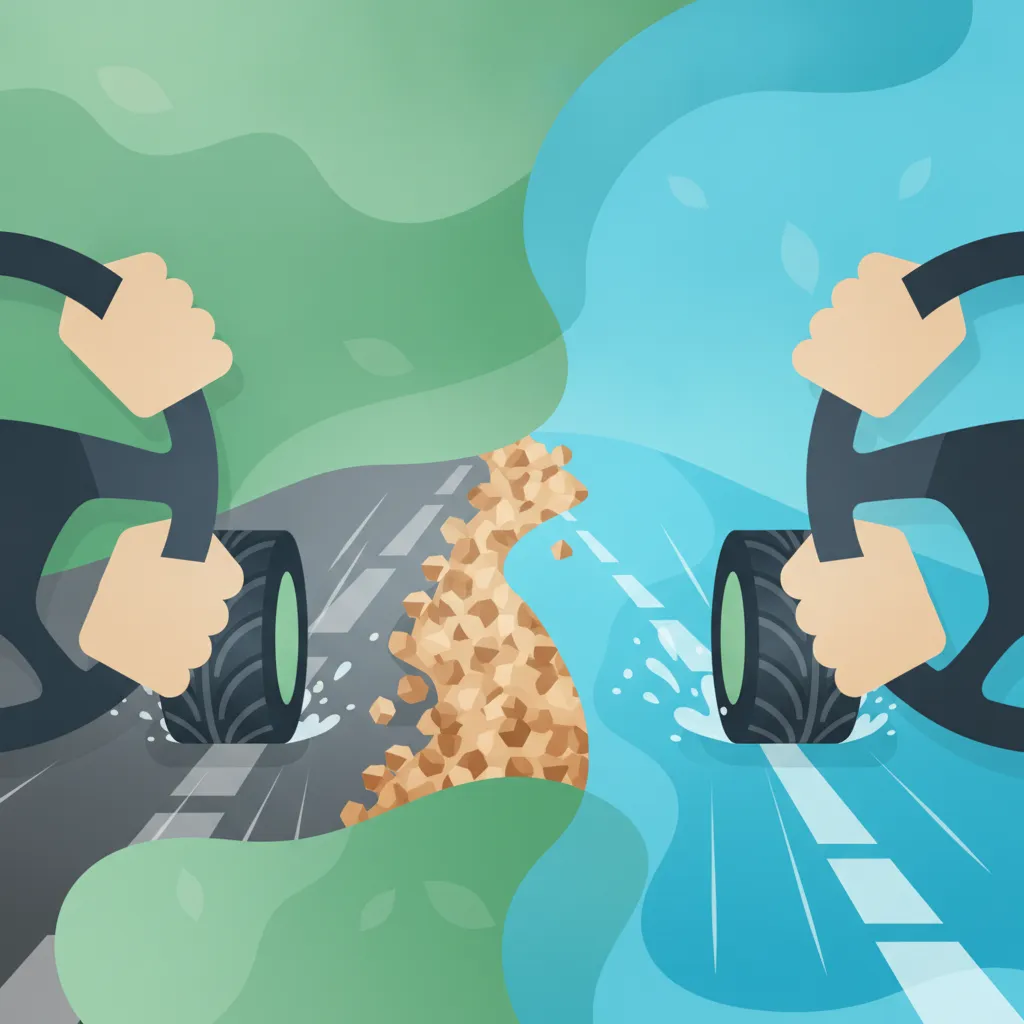
A moped's connection to the road is limited to two small tire contact patches, making tyre traction highly sensitive to surface changes. This lesson prepares you to recognize and negotiate hazardous road surfaces such as loose gravel, wet leaves, metal expansion joints, and painted lines. You will learn how to adjust your speed, maintain a vertical riding posture, and avoid sudden steering or braking inputs to prevent low-side falls when traction is severely reduced.
Riding an exposed lightweight vehicle in busy Turkish cities requires exceptional personal conduct, patience, and absolute control over your emotional reactions. This lesson discusses the psychological aspects of riding, teaching you how to avoid aggressive behaviors and stay calm under stressful traffic situations. It covers proper non-verbal communication, polite road sharing practices, and maintaining safe buffers from other motorists to establish a safe, predictable presence on any public street.
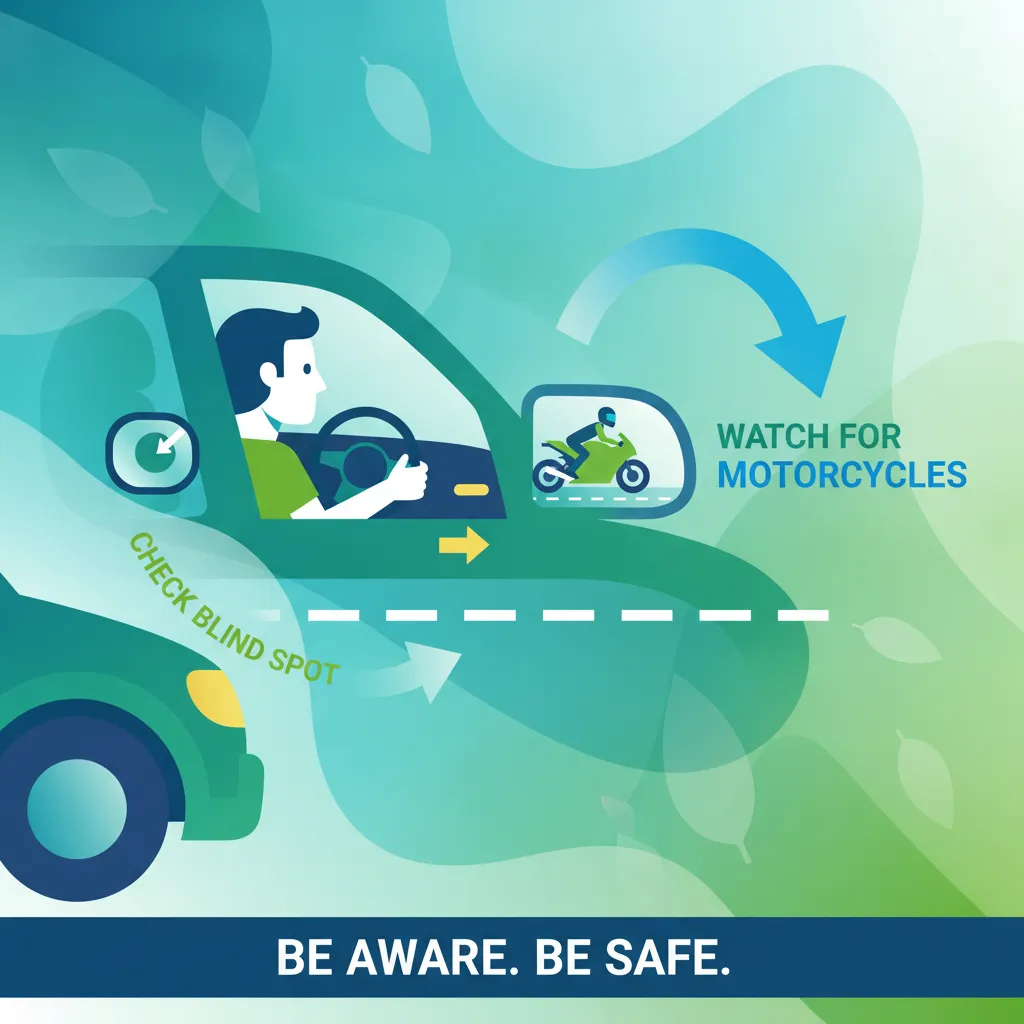
Learners will gain insight into the unique challenges posed by motorcycles and scooters sharing the road with passenger vehicles. The lesson highlights the importance of checking blind spots, maintaining safe following distances, and being aware of the faster acceleration and maneuverability of two-wheeled vehicles. Strategies for anticipating their movements and preventing collisions are discussed.

In this lesson, learners will discover the principles of defensive riding, focusing on hazard anticipation, maintaining safe distances, and practicing proactive avoidance techniques. It emphasizes developing a vigilant riding posture, constantly scanning the environment, and preparing to react to potential dangers from other road users, road conditions, or unexpected traffic events.
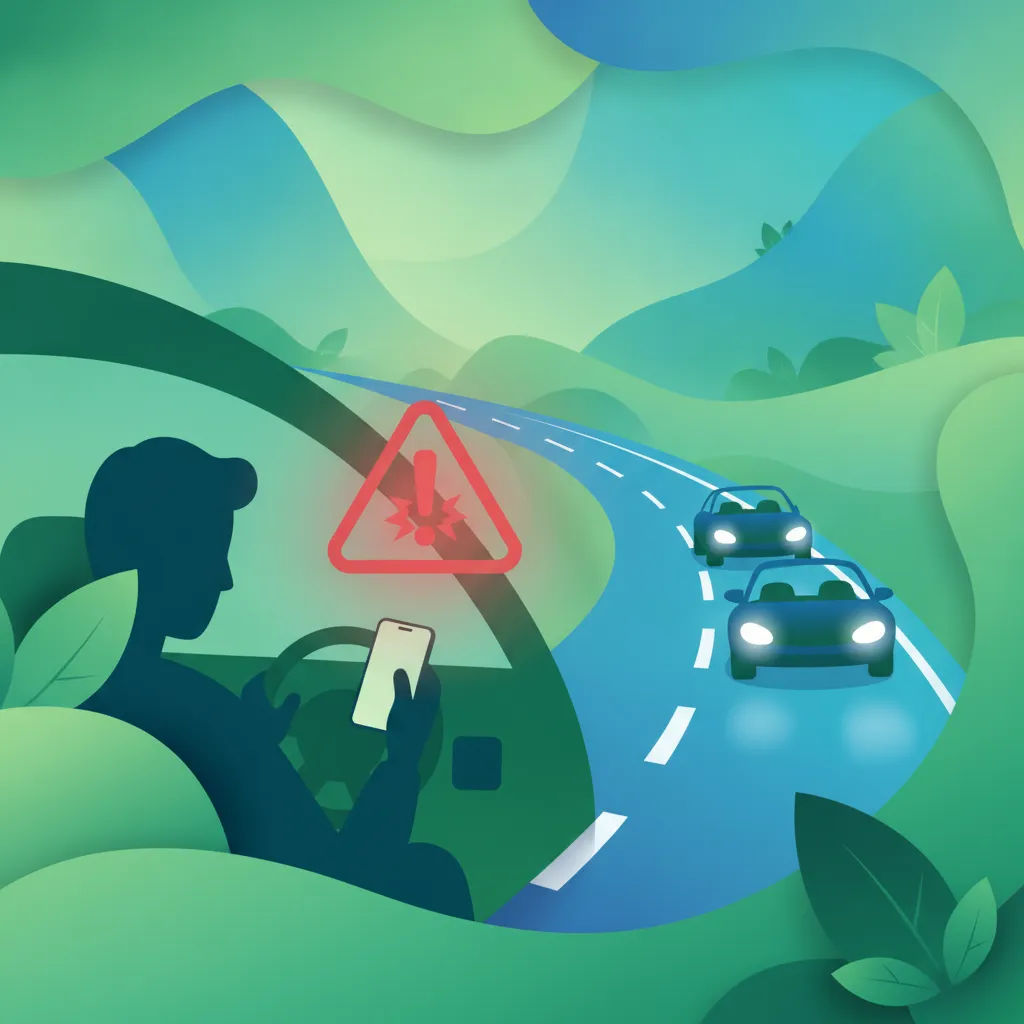
Human error and deliberate risk-taking represent the leading causes of traffic collisions among novice moped riders. This lesson analyzes the high dangers of using mobile phones while riding, weaving unsafely between lanes, and tailgating other motorists. It also covers the severe legal limits on alcohol and drug consumption under Turkish law, explaining how even minor impairments can drastically slower your hazard response times and lead to catastrophic accidents.

Managing your speed effectively is not just about obeying posted legal limits; it is about adjusting your pace to the immediate traffic context. This lesson teaches you how to evaluate traffic density, pedestrian presence, and blind corners to select an appropriate speed that guarantees safe stopping distances. You will learn to anticipate flow fluctuations, allowing you to avoid sudden, unstable speed changes that can compromise your balance and traction in mixed traffic.
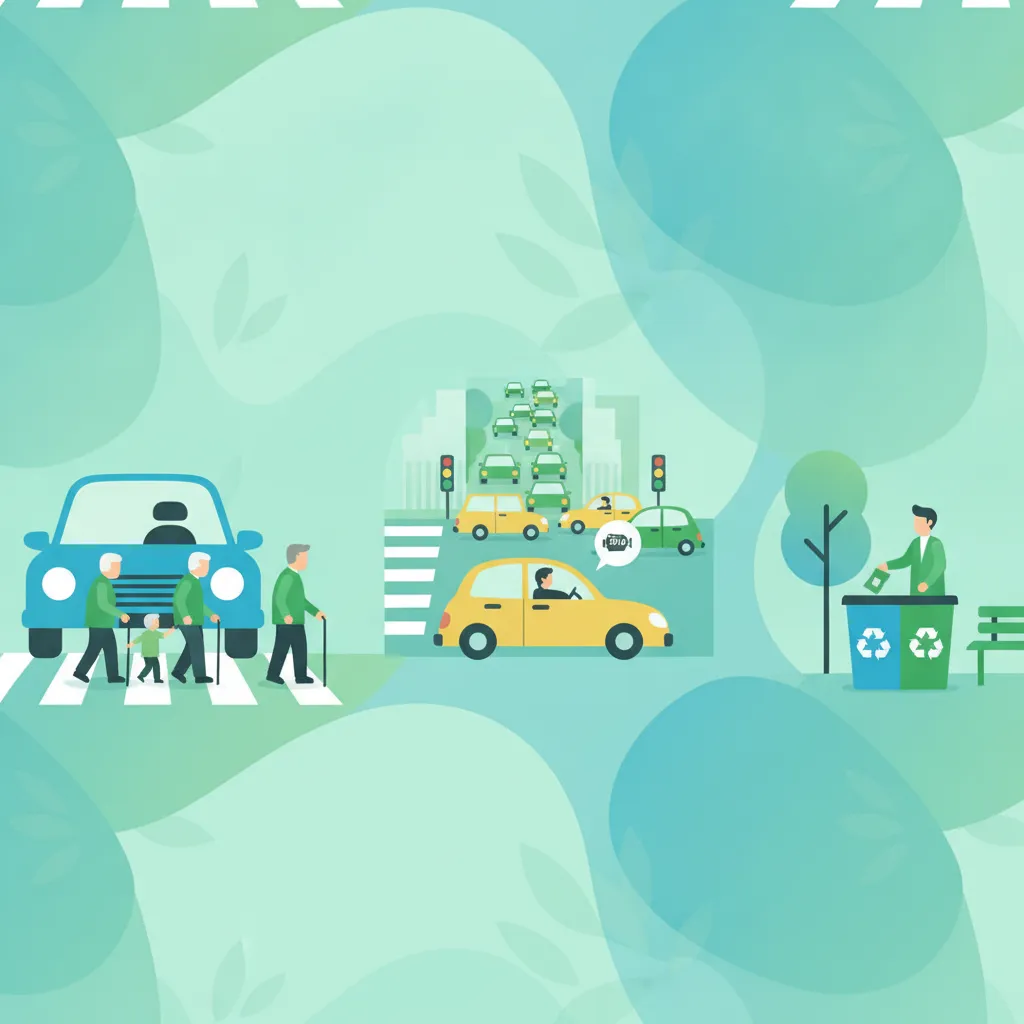
Operating a moped in highly populated Turkish urban areas requires a strong awareness of your environmental footprint and social impact. This lesson explains methods for reducing noise and exhaust emissions through timely vehicle maintenance and fuel-efficient riding techniques. You will also learn about the importance of protecting vulnerable road users like pedestrians, children, and cyclists, contributing to a cooperative, clean, and safe urban traffic ecosystem for everyone.
Understand the principles of maintaining correct lane position and executing low-speed maneuvers safely on a moped. This overview covers essential bike control skills and spatial coordination needed to handle intersections, corners, and general road positioning according to Turkish traffic regulations.
Low-speed riding maneuvers require precise coordination of throttle control, body balance, and subtle steering inputs to maintain vehicle stability. This lesson guides you through techniques for performing tight U-turns, navigating dense traffic queues, and parking your moped safely in designated urban areas. Additionally, you will learn to scan for immediate hazards, allowing you to execute steering corrections smoothly without risking tip-overs or collisions with low obstacles.
Proper road positioning is your primary shield against being squeezed, sideswiped, or overlooked by larger motor vehicles in daily traffic. This lesson explains how to ride in the center or slightly off-center of your lane to prevent unsafe overtaking within the same lane. You will study how to identify the massive blind spots of buses and trucks, maintain appropriate following distances, and execute overtaking maneuvers with maximum safety margin and clear signal warning.
Managing your speed effectively is not just about obeying posted legal limits; it is about adjusting your pace to the immediate traffic context. This lesson teaches you how to evaluate traffic density, pedestrian presence, and blind corners to select an appropriate speed that guarantees safe stopping distances. You will learn to anticipate flow fluctuations, allowing you to avoid sudden, unstable speed changes that can compromise your balance and traction in mixed traffic.
Defensive riding is the practice of anticipating potential road conflicts and acting early to prevent accidents before they occur. This lesson teaches you how to systematically scan the road ahead for changing conditions, keep an adequate safety cushion around your moped, and pre-plan exit routes in tight spots. You will learn to assume you are invisible to other drivers and adapt your speed and road position proactively to protect yourself against sudden maneuvers.
A moped's connection to the road is limited to two small tire contact patches, making tyre traction highly sensitive to surface changes. This lesson prepares you to recognize and negotiate hazardous road surfaces such as loose gravel, wet leaves, metal expansion joints, and painted lines. You will learn how to adjust your speed, maintain a vertical riding posture, and avoid sudden steering or braking inputs to prevent low-side falls when traction is severely reduced.
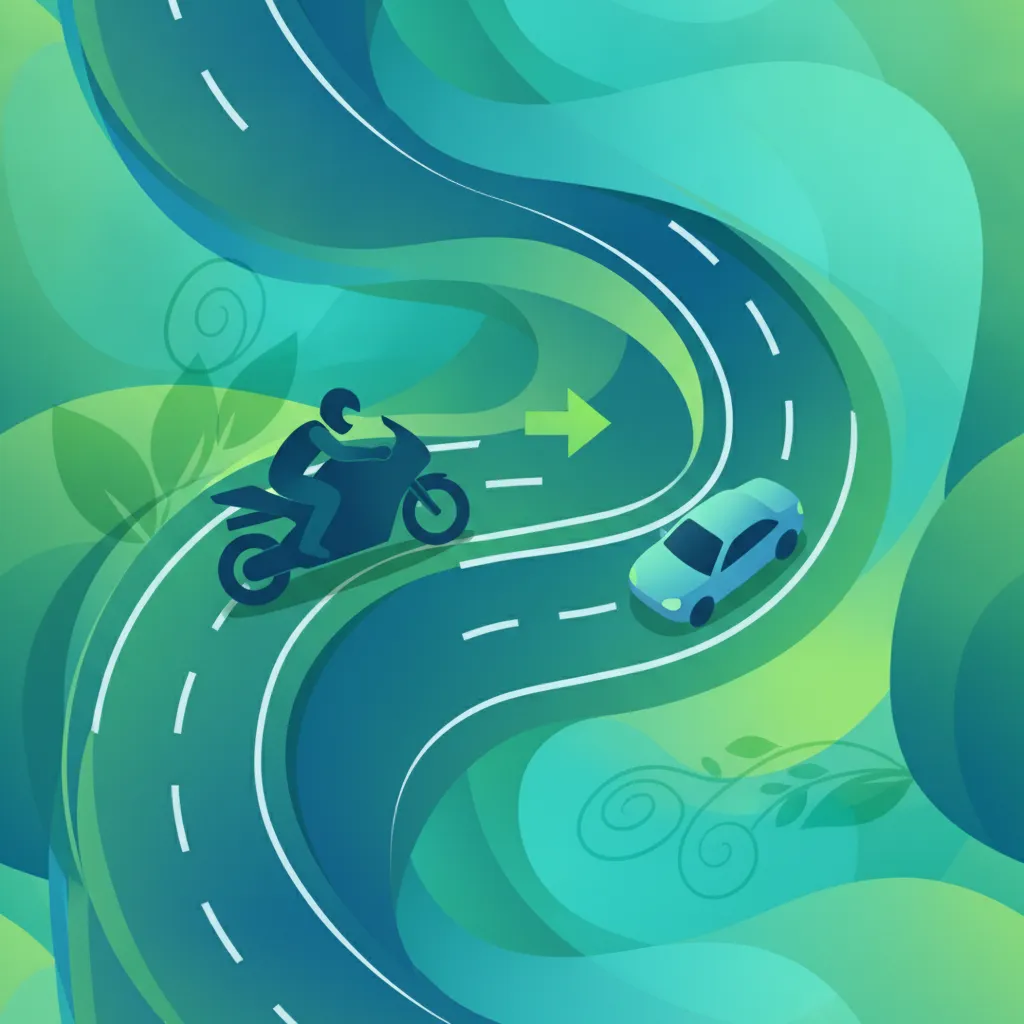
Roundabouts require a clear understanding of yield regulations and precise signaling to avoid conflicts with larger vehicles. This lesson details the legal requirements under Turkish road rules, which demand that entering vehicles yield to traffic already circulating inside the roundabout. You will learn how to select the appropriate lane upon entry, maintain a steady speed, signal your exit intentions clearly with your indicators, and remain alert to drivers who cut across lanes.
This lesson delves into specific manoeuvring strategies required when navigating both tight urban environments and open rural roads with large passenger vehicles. Learners will explore techniques for handling narrow streets, tight turns, and intersections, while maintaining safety and efficiency. The content emphasizes planning and execution of manoeuvres based on road conditions and vehicle dimensions.
Human error and deliberate risk-taking represent the leading causes of traffic collisions among novice moped riders. This lesson analyzes the high dangers of using mobile phones while riding, weaving unsafely between lanes, and tailgating other motorists. It also covers the severe legal limits on alcohol and drug consumption under Turkish law, explaining how even minor impairments can drastically slower your hazard response times and lead to catastrophic accidents.
This lesson focuses on the safe navigation of goods vehicles through roadworks and construction zones. Learners will examine the importance of recognizing temporary signs, adhering to reduced speed limits, and maintaining heightened caution around workers and equipment. The lesson emphasizes the need for special attention due to the altered road environment and hazards specific to heavy vehicles.
Find clear answers to common questions learners have about Riding in Adverse Weather Conditions. Learn how the lesson is structured, which driving theory objectives it supports, and how it fits into the overall learning path of units and curriculum progression in Turkey. These explanations help you understand key concepts, lesson flow, and exam focused study goals.
Lightweight vehicles like mopeds have less tire contact patch and are highly susceptible to hydroplaning. Additionally, oil residue on Turkish roads often floats to the surface during the first rain, creating an extremely slippery 'grease' layer that significantly reduces grip.
When faced with strong crosswinds, you must lower your speed, keep a firm but relaxed grip on the handlebars, and be prepared to counter-steer slightly to stay in your lane. Avoid sudden movements and stay alert when passing large vehicles or leaving sheltered areas like tunnels.
In the theory exam, you are expected to know that safe following distances must be increased significantly during bad weather. Since your braking distance increases on wet or slippery surfaces, you must create extra space to compensate for the delayed response time and reduced friction.
While specific laws focus on safety equipment, using high-visibility gear is a critical defensive riding strategy during rain or fog. It helps other road users detect you earlier, which is essential when vision is obscured by weather conditions.
Use our comprehensive practice search to find exactly the Turkish driving theory questions you need to master. Whether reviewing specific road signs, traffic rules, or first aid scenarios, select your perfect practice set and boost your confidence for the official ehliyet sınavı.