
This lesson details the legal and administrative consequences of violating traffic regulations in Turkey, specifically for AM category moped riders. By understanding how penalty points, fines, and license suspensions function, you will gain the knowledge necessary to maintain compliance with road laws and ensure your safety and that of others.
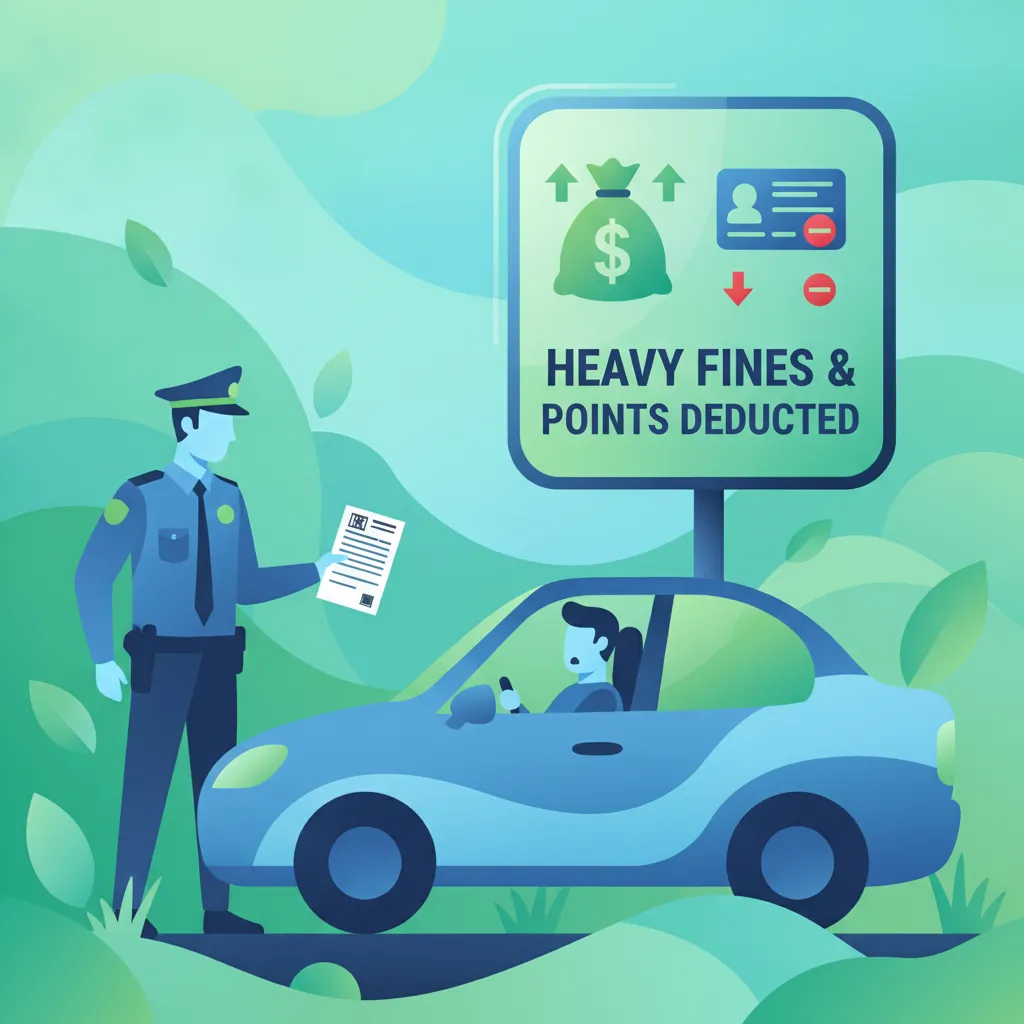
Lesson content overview
Operating a moped or a light motorized bicycle on public roads is a privilege that comes with strict legal responsibilities. In Turkey, traffic safety is regulated by the Highway Traffic Law (Karayolları Trafik Kanunu), which applies to all road users, including Category AM riders. Because mopeds are lightweight and vulnerable in mixed traffic, compliance with traffic rules is not only a matter of personal safety but also a strict legal requirement.
Failing to adhere to Turkish road regulations results in a tiered structure of administrative penalties. These penalties are designed to deter unsafe behaviors, hold drivers financially and legally accountable, and protect the public. As a candidate preparing for the official Turkish MTSK e-sınav, understanding these consequences is vital to passing your theoretical driving exam and maintaining a clean driving record.
Turkey employs a cumulative traffic penalty point system (ceza puanı) to track and manage driver behavior. Every licensed driver starts with a clean record, but specific infractions result in points being added to their profile. These points act as a direct measure of a driver's risk level on the road.
The goal of the penalty point system is rehabilitation and deterrence. Rather than relying solely on monetary fines, which may affect drivers differently based on income, the point system threatens the physical privilege of driving, ensuring equal accountability.
When a traffic officer issues a citation or an electronic detection system records an infraction, a predetermined number of penalty points is registered against the driver's national ID. These points accumulate over a rolling one-year period.
According to Turkish traffic regulations, if a driver accumulates 30 penalty points within a single year, their driving licence is suspended. For Category AM riders, many of whom are young or novice drivers, reaching this limit can happen surprisingly fast if minor infractions are ignored.
Tracking your penalty points is critical. A common mistake among new riders is assuming that minor, daily violations do not matter as long as the fine is paid. In reality, the points remain on your record for a full 12 months from the date of the infraction, and crossing the 30-point threshold triggers an automatic administrative suspension, requiring legal procedures and potential retraining to reinstate driving privileges.
Penalty points are categorized based on the severity of the hazard the violation poses to the driver and the public. Under Turkish law, these are structured as minor, major, and severe violations.
Minor violations typically involve administrative oversights or low-risk operational errors. However, because they occur frequently, they are a primary cause of cumulative license suspension.
Major violations involve active disregard for traffic control devices and vulnerable road users, directly increasing the risk of severe collisions.
Severe violations are those that exhibit an extreme disregard for life and safety.
Speed limits in Turkey are strictly enforced through a combination of traffic police radar units, stationary speed cameras, and Average Speed Detection (TEDES) systems along major highways. Speeding penalties are tiered, meaning the monetary fine and the associated legal consequences scale directly with how far the driver exceeds the posted limit.
Fines for speed limit violations are divided into distinct brackets. The higher the percentage or absolute value of speed over the limit, the more severe the financial and administrative penalty becomes:
1 to 20 km/h over the limit: Classed as a minor speeding violation. It results in a minor administrative fine, intended as an initial warning to adjust speed.
21 to 30 km/h over the limit: Classed as a moderate violation. It incurs a moderate financial fine and points are added to the driver's record.
31 to 40 km/h over the limit: Classed as a high-level infraction. The financial fine increases significantly to deter habitual speeders.
41 to 50 km/h over the limit: Classed as a significant violation. This carries a severe monetary penalty and places the driver at risk of immediate administrative review.
More than 50 km/h over the limit: Classed as a maximum-level violation. This results in the maximum legal fine, 20 penalty points, and potential immediate seizure of the driving license.
For a Category AM moped, which has a structural maximum design speed of 45 km/h, exceeding speed limits by high margins usually indicates illegal vehicle modification (e.g., bypassing speed limiters). This attracts additional, severe legal penalties for operating an uncertified vehicle.
If you are caught exceeding the speed limit by more than 50 km/h, the consequences go beyond a standard ticket. Under the Turkish Highway Traffic Law, this level of speeding is treated as a major safety threat. The state reserves the right to immediately seize your driving license on the spot. To reclaim your driving privileges, you may be required to undergo psychological evaluation (psikoteknik değerlendirme) and complete advanced road safety courses.
Parking rules in Turkey are designed to keep traffic flowing smoothly and ensure that emergency services can navigate urban streets without obstruction. Because mopeds are small, riders often mistakenly believe they can park them anywhere—including on pavements, in narrow alleyways, or near building entrances. This is a serious legal misconception.
Parking a Category AM moped in a prohibited zone is subject to active enforcement. In addition to a monetary fine, illegal parking incurs 3 to 6 penalty points. Prohibited parking areas include:
Some parking violations carry immediate, enhanced penalties due to the risk they pose to public safety and accessibility.
In certain situations, monetary fines and penalty points are deemed insufficient to protect public safety. When a violation is so severe that continuing the journey poses an active danger, Turkish traffic police are legally mandated to execute an immediate seizure of the vehicle, the driver’s license, or both.
For Category AM operators, wearing an approved protective helmet is a non-negotiable legal requirement under Turkish road law.
If a traffic officer stops a moped rider who is not wearing an approved safety helmet, the consequences are immediate:
The vehicle will remain impounded until the owner arranges for a legal transport method (such as a flatbed tow truck) or returns with an approved helmet to legally operate the vehicle. This strict enforcement highlights the critical role helmets play in preventing fatal head injuries.
Operating a vehicle without the appropriate license category is a serious offense in Turkey. To ride a moped, you must possess a valid Category AM license (or a higher category such as A1, A2, A, or B).
The legal consequences of traffic violations are not static; they can change based on environmental conditions, vehicle state, and how you interact with other road users.
Turkish traffic law requires drivers to adjust their speed to match weather, visibility, and road surface conditions. Even if you are riding below the posted numerical speed limit, driving too fast for conditions (such as heavy rain, fog, or icy asphalt) is a punishable offense.
If you fail to reduce your speed during adverse weather and lose control of your moped, or cause an obstruction, you can be cited for "failing to adjust speed to road and weather conditions." This infraction carries both a financial fine and penalty points, even if no other vehicle was involved.
Category AM mopeds are designed for light transport. Overloading your vehicle with excessive cargo or carrying a passenger when the vehicle's registration document (ruhsat) does not permit it is highly illegal. Overloading compromises braking distance and steering stability.
If stopped by authorities, an overloaded moped can be impounded on the spot due to safety non-compliance, and the driver will face separate fines for exceeding the vehicle's legal carrying capacity.
The Turkish legal framework applies higher penalties and stricter scrutiny to drivers who endanger vulnerable road users. This includes children, elderly pedestrians, cyclists, and disabled individuals.
Understanding the direct connection between your actions on the road and their legal outcomes helps you make safer driving decisions.
[Safe Riding Habits] ──> [Clean Record] ──> [Retained Driving Privileges & Low Costs]

[Violating Regulations] ─┬─> [Fines & Penalty Points] ─> [Cumulative License Suspension]
                         └─> [Immediate Seizure] ─────> [Loss of Vehicle & High Impound Fees]
By prioritizing helmet compliance, respecting speed limits, parking only in designated areas, and signaling every turn, you protect yourself from financial loss and legal complications while contributing to a safer road environment for everyone in Turkey.
This lesson covers Turkey's administrative penalty system for AM category moped riders, including the cumulative point structure where 30 points annually triggers license suspension. It details point values across three severity tiers: minor violations (3-6 points), major violations (8-15 points), and severe violations (20 points). The content explains tiered speeding penalties from 1-20 km/h over the limit through exceeding by more than 50 km/h, which results in immediate license seizure. It also covers prohibited parking zones, helmet requirements, unlicensed operation consequences, and special conditions such as adverse weather speed adjustments. Understanding these legal consequences is essential for both passing the MTSK e-sınav and maintaining safe, compliant riding practices in Turkey.
A short set of high-value points that capture the most important learning from this lesson.
Turkey uses a cumulative penalty point system where 30 points within one year triggers automatic license suspension for AM riders.
Minor violations like failing to signal (6 points) and illegal parking (3-6 points) accumulate quickly and are a leading cause of license suspension.
Severe violations such as running a red light (15 points) or exceeding speed limits by more than 50 km/h (20 points) bring riders close to instant suspension.
Moped riders without helmets face immediate vehicle seizure on the spot—the vehicle is impounded until compliant transport is arranged.
Certain violations like blocking fire lanes or emergency exits result in immediate vehicle towing and impound fees beyond the standard fine.
Explore all units and lessons included in this driving theory course.
Penalty points accumulate over a rolling 12-month period from the date of each infraction.
Speeding fines are tiered: 1-20 km/h over is minor, while exceeding the limit by more than 50 km/h triggers license seizure and 20 points.
Prohibited parking zones include within 15 metres of bus stops, 5 metres of pedestrian crossings, and any emergency access point.
Operating a moped without a valid AM license category results in immediate vehicle seizure and impound.
Even riding below the posted speed limit can result in a citation if conditions (rain, fog, ice) require a lower speed.
Assuming minor violations do not matter as long as the fine is paid, when points remain on record for 12 months and can trigger suspension.
Believing mopeds can park anywhere due to their small size, when in fact they face the same prohibited zone rules as cars.
Forgetting that adverse weather conditions create a legal obligation to reduce speed even below the posted limit.
Not checking license validity before riding, since expired or wrong-category licenses result in immediate impound.
Overloading a moped with cargo or passengers beyond the vehicle's registration capacity, leading to on-the-spot seizure.
Lesson content overview
A short set of high-value points that capture the most important learning from this lesson.
Turkey uses a cumulative penalty point system where 30 points within one year triggers automatic license suspension for AM riders.
Minor violations like failing to signal (6 points) and illegal parking (3-6 points) accumulate quickly and are a leading cause of license suspension.
Severe violations such as running a red light (15 points) or exceeding speed limits by more than 50 km/h (20 points) bring riders close to instant suspension.
Moped riders without helmets face immediate vehicle seizure on the spot—the vehicle is impounded until compliant transport is arranged.
Certain violations like blocking fire lanes or emergency exits result in immediate vehicle towing and impound fees beyond the standard fine.
Explore all units and lessons included in this driving theory course.
Penalty points accumulate over a rolling 12-month period from the date of each infraction.
Speeding fines are tiered: 1-20 km/h over is minor, while exceeding the limit by more than 50 km/h triggers license seizure and 20 points.
Prohibited parking zones include within 15 metres of bus stops, 5 metres of pedestrian crossings, and any emergency access point.
Operating a moped without a valid AM license category results in immediate vehicle seizure and impound.
Even riding below the posted speed limit can result in a citation if conditions (rain, fog, ice) require a lower speed.
Assuming minor violations do not matter as long as the fine is paid, when points remain on record for 12 months and can trigger suspension.
Believing mopeds can park anywhere due to their small size, when in fact they face the same prohibited zone rules as cars.
Forgetting that adverse weather conditions create a legal obligation to reduce speed even below the posted limit.
Not checking license validity before riding, since expired or wrong-category licenses result in immediate impound.
Overloading a moped with cargo or passengers beyond the vehicle's registration capacity, leading to on-the-spot seizure.
Explore search topics learners often look for when studying Legal Consequences of Traffic Violations. These topics reflect common questions about road rules, driving situations, safety guidance, and lesson level theory preparation for learners in Turkey.
Browse additional driving theory lessons that cover connected traffic rules, road signs, and common driving situations related to this topic. Improve your understanding of how different rules interact across everyday traffic scenarios.
Learn about the framework of the Highway Traffic Law in Turkey and how administrative systems monitor driver compliance. This lesson explores the legal obligations of road users, the role of traffic authorities in ensuring public safety, and the structured mechanisms used to maintain order on national road networks.
This lesson explains the specific rules, driving etiquette, and safety protocols for operating a vehicle on high-speed Turkish motorways. It covers correct lane usage, overtaking procedures, emergency lane restrictions, and how to maintain consistent high speeds safely. Drivers will learn to avoid dangerous tailgating and sudden lane changes.
This lesson details the statutory duties imposed on motor vehicle drivers by Turkish traffic legislation to maintain order on public roads. It emphasizes mandatory seat belt usage, mobile phone bans, vehicle inspection rules, and general compliance with police directions. Understanding these duties ensures drivers avoid heavy penalties and maintain road safety.
This lesson examines the integral role of the goods vehicle driver in contributing to overall traffic safety and a positive safety culture. It focuses on proactive driving behaviors, hazard identification, and effective risk management strategies. Communication techniques with other road users, compliance with traffic flow regulations, and competent emergency responses are highlighted as essential skills.

This lesson focuses on the unique requirements and best practices for operating passenger vehicles on highways and expressways. Topics include maintaining appropriate speed, adhering to lane discipline, executing safe overtaking maneuvers, and managing merges and exits. Emphasis is placed on ensuring a smooth ride for passengers while integrating safely with faster-moving traffic.

This lesson focuses on the importance of maintaining professional conduct when interacting with traffic authorities, law enforcement, and the general public. Learners will explore communication techniques that convey respect and courtesy, even in stressful situations. Emphasis is placed on upholding a positive image of the transportation industry and resolving conflicts amicably on the road.
This lesson guides motorists on how to safely navigate active roadwork zones, detours, and temporary lane configurations. It details the meaning of construction signs, temporary speed reductions, and the legal requirement to protect highway workers. Drivers will learn to expect sudden stops and maintain slow, steady speeds through work areas.

This lesson focuses on protecting vulnerable road users, such as pedestrians, cyclists, and motorcyclists, in mixed traffic environments. Learners will examine specific strategies for increased vigilance, anticipatory driving, and properly yielding to these users. The lesson also covers high-risk zones, such as school areas and public transport stops, emphasizing the need for heightened safety.

This lesson emphasizes the ethical dimension of driving, encouraging a responsible and considerate attitude towards all road users. Learners will explore the principles of defensive driving, risk awareness, and the moral obligations that come with operating a vehicle. The importance of respecting pedestrians, cyclists, and vulnerable road users is highlighted, along with the broader societal benefits of ethical driving.
This lesson outlines the spectrum of penalties and legal consequences that goods vehicle drivers may face for violating traffic regulations. It details the types of infractions, ranging from minor violations to serious offenses, and explains the corresponding fines, points, and license suspensions. Learners will gain an understanding of the enforcement mechanisms and how repeat offenses can exacerbate penalties.

This lesson outlines the spectrum of legal repercussions that motorcyclists may face when violating traffic regulations, ranging from monetary fines to licence suspension or revocation. Learners will gain insight into the administrative processes involved, the role of law enforcement and judicial bodies, and how repeated offenses can lead to escalating penalties. Understanding these consequences reinforces the importance of strict adherence to traffic laws.
Understand the most frequent driving errors and hazardous behaviours that lead to traffic accidents and violations in Turkey. This lesson provides an analysis of defensive driving principles, the impact of ignoring traffic signs or signals, and why proactive hazard anticipation is essential for safe operation of motorized vehicles.
In this lesson, learners will explore the various forms of risk behaviour that can lead to accidents, such as aggressive riding, speeding, riding under the influence of alcohol or drugs, driving while fatigued, and being distracted. The lesson emphasizes the importance of self-awareness, recognizing personal limits, and adopting a safety-first mindset to mitigate these risks and make safe decisions.
Human error and deliberate risk-taking represent the leading causes of traffic collisions among novice moped riders. This lesson analyzes the high dangers of using mobile phones while riding, weaving unsafely between lanes, and tailgating other motorists. It also covers the severe legal limits on alcohol and drug consumption under Turkish law, explaining how even minor impairments can drastically slower your hazard response times and lead to catastrophic accidents.
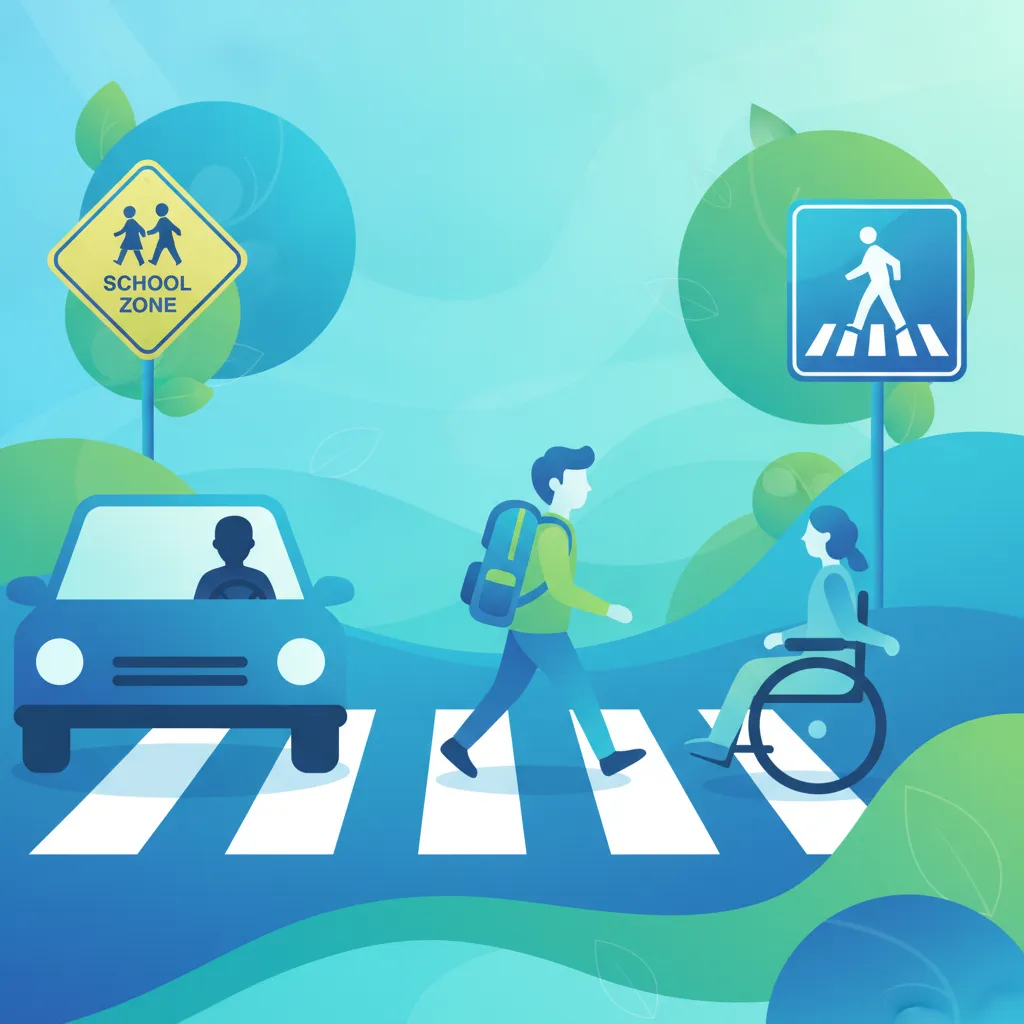
Learners will identify the different categories of vulnerable road users and understand the heightened risks they face. The lesson emphasizes the importance of recognizing these users, anticipating their actions, and taking proactive measures to ensure their safety while operating passenger vehicles. Strategies for mitigating danger and fostering a protective driving environment are explored.
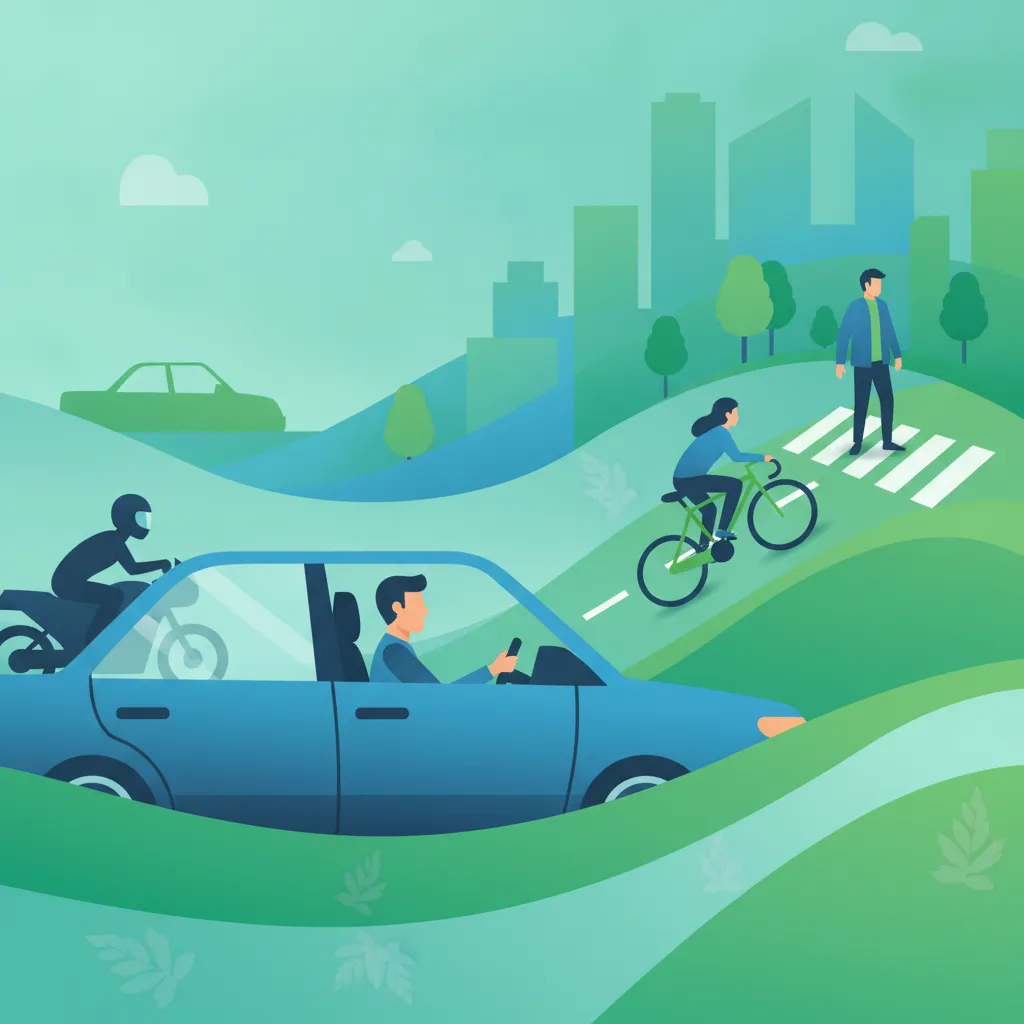
Learners will examine the complexities of operating in environments where various road users, including pedestrians, cyclists, and motorcyclists, coexist. The lesson emphasizes the need for heightened situational awareness, defensive driving techniques, and proactive hazard anticipation. Strategies for navigating mixed traffic safely, especially in congested urban areas, are highlighted.

This lesson explores the hazards characteristic of rural roads, including narrow paths, lack of lighting, slow agricultural vehicles, and sharp curves. It teaches drivers how to anticipate blind corners, adjust speed, and pass slow-moving tractors safely. Motorists will learn to remain highly alert for unexpected roadway obstructions.
This lesson examines the integral role of the goods vehicle driver in contributing to overall traffic safety and a positive safety culture. It focuses on proactive driving behaviors, hazard identification, and effective risk management strategies. Communication techniques with other road users, compliance with traffic flow regulations, and competent emergency responses are highlighted as essential skills.

This lesson examines the critical interactions between goods vehicles and vulnerable road users such as pedestrians, cyclists, and motorcyclists, particularly in urban environments. Learners will explore right-of-way rules, maintaining safe distances, and strategies for anticipating the actions of these road users. The lesson emphasizes the importance of clear communication and protective driving.
This lesson focuses on protecting vulnerable road users, such as pedestrians, cyclists, and motorcyclists, in mixed traffic environments. Learners will examine specific strategies for increased vigilance, anticipatory driving, and properly yielding to these users. The lesson also covers high-risk zones, such as school areas and public transport stops, emphasizing the need for heightened safety.

This lesson focuses on the extreme dangers of driver fatigue, micro-sleep episodes, and the signs of physical exhaustion. It details how sleep deprivation compromises driving safety in a manner comparable to moderate alcohol intoxication. Drivers will learn proactive fatigue management strategies, including scheduling regular rest stops.

Riding an exposed lightweight vehicle in busy Turkish cities requires exceptional personal conduct, patience, and absolute control over your emotional reactions. This lesson discusses the psychological aspects of riding, teaching you how to avoid aggressive behaviors and stay calm under stressful traffic situations. It covers proper non-verbal communication, polite road sharing practices, and maintaining safe buffers from other motorists to establish a safe, predictable presence on any public street.
Find clear answers to common questions learners have about Legal Consequences of Traffic Violations. Learn how the lesson is structured, which driving theory objectives it supports, and how it fits into the overall learning path of units and curriculum progression in Turkey. These explanations help you understand key concepts, lesson flow, and exam focused study goals.
In Turkey, if you accumulate a certain number of penalty points within a specified timeframe due to traffic violations, your driving licence may be temporarily suspended or you may be required to attend further training.
Traffic fines must be paid within the legal timeframe to avoid late fees. Repeated violations or serious offenses can lead to the seizure of your vehicle or additional administrative actions against your license.
While the fundamental traffic laws apply to all, certain violations are specific to the operation of small motor vehicles, and penalties are enforced strictly for all road users to ensure safety on Turkish roads.
Yes, the MTSK e-sınav often includes questions about legal responsibilities and the consequences of traffic rule breaches to ensure candidates understand the seriousness of road safety.
Use our comprehensive practice search to find exactly the Turkish driving theory questions you need to master. Whether reviewing specific road signs, traffic rules, or first aid scenarios, select your perfect practice set and boost your confidence for the official ehliyet sınavı.