
This lesson explores the common human errors and risky habits that lead to accidents among moped riders in Türkiye. You will learn to identify dangers like mobile phone distraction and improper lane usage to ensure your safety and success in the MTSK e-sınav.
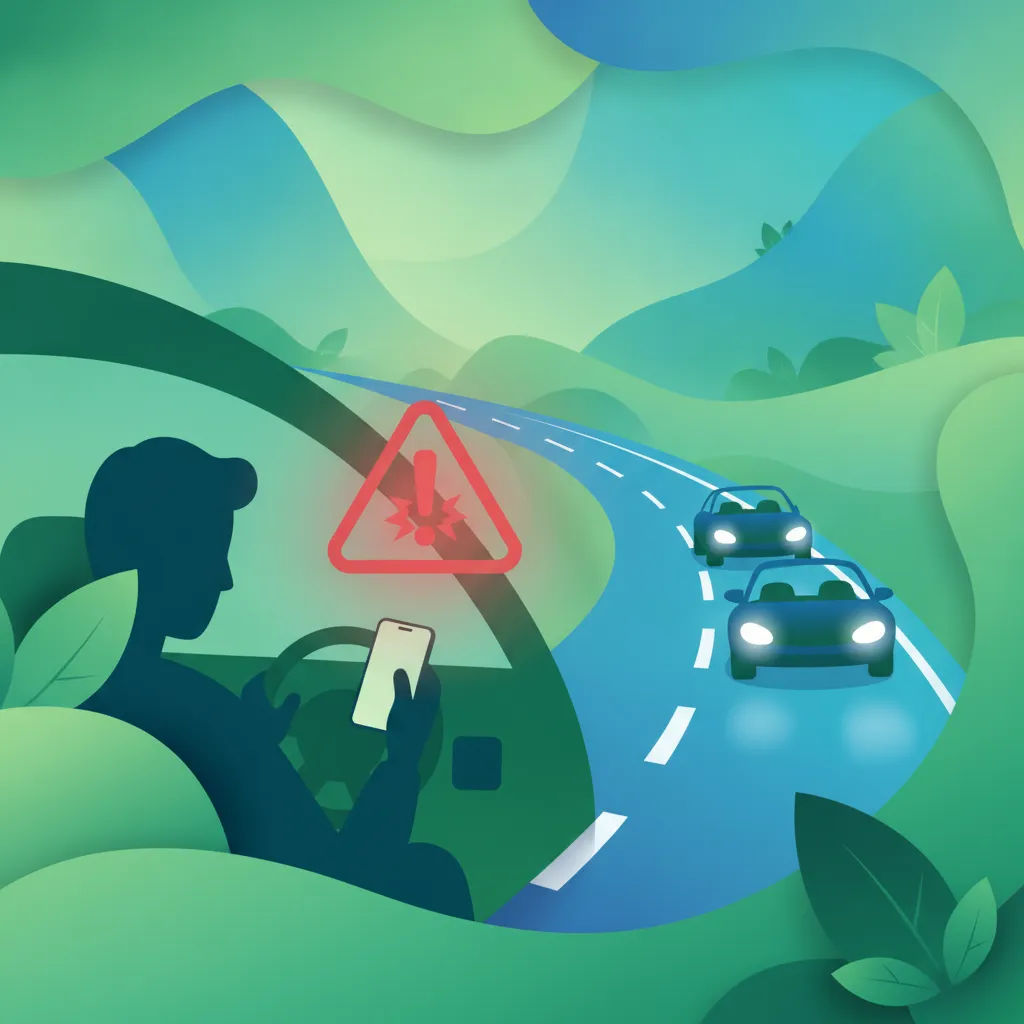
Lesson content overview
Operating a Category AM moped or light motorized bicycle on public roads requires a high degree of focus, technical skill, and emotional maturity. Within the framework of the Turkish Driving Licence Theory, particularly for the official Motorized Vehicle Driver Candidate Exam (Motorlu Taşıt Sürücü Adayları Sınavı or MTSK e-sınav), understanding human factors is paramount. Statistics consistently show that human error and deliberate risk-taking are the leading causes of traffic collisions involving novice riders.
Because mopeds are light, lack protective passenger cabins, and have a smaller visual profile than cars, riders are highly vulnerable. Safe riding is not merely about mechanical control; it is about proactive hazard identification, maintaining situational awareness, and adhering strictly to the legal codes laid down in the Turkish Traffic Act (Karayolları Trafik Kanunu). This lesson breaks down the primary risky behaviours, their physical and cognitive consequences, and the corresponding legal regulations under Turkish road law.
To ride defensively, you must first distinguish between the two root causes of rider-related traffic hazards: unintentional mistakes (human error) and conscious decisions to violate safety norms (deliberate risk-taking).
An unintentional action, omission, or misjudgment made by a road user that compromises traffic safety. This includes perceptual lapses, cognitive distractions, or physical miscalculations.
A conscious, intentional decision to engage in behaviours known to increase the probability of an accident or traffic violation. This is often driven by impatience, peer pressure, or an overestimation of riding skills.
Human errors are rarely malicious; they are typically the result of cognitive overload or sensory limitations. For example, a novice moped rider might fail to notice a pedestrian crossing a wet intersection in Istanbul because they are looking at a commercial billboard. Key subcategories include:
Deliberate risks are active choices. When a rider chooses to weave between lanes in congested Ankara traffic, they are prioritizing a minor time-saving benefit over their personal safety and the safety of others. Key types of deliberate risk-taking include:
Using a mobile phone while riding a moped is one of the most hazardous human errors. On a two-wheeled vehicle, stability depends on continuous physical adjustments and uninterrupted visual scanning. Any interaction with a mobile device disrupts this delicate balance.
The Illusion of the Handlebar Mount: Many riders believe that placing a smartphone in a handlebar mount solves the danger of distraction. This is a critical misconception. While it may reduce manual distraction, it does not eliminate cognitive distraction. Your brain remains partially focused on the screen rather than the dynamic road environment ahead.
Under Article 110 of the Turkish Traffic Act (Karayolları Trafik Kanunu), hand-held mobile phone usage while operating any vehicle in motion is strictly prohibited. Violators face immediate administrative fines and penalty points on their driver's licence. The law permits the use of hands-free systems or Bluetooth intercoms built into helmets only for brief, essential communications. However, defensive riding principles dictate that even hands-free conversations should be minimized to preserve full cognitive capacity.
Tailgating—defined as following the vehicle in front too closely—is a prevalent form of deliberate risk-taking. In Turkey, traffic density in major metropolitan areas can tempt riders to close the gap to prevent other vehicles from cutting in. For a moped rider, this behavior is frequently catastrophic.
A moped's ability to stop depends on its speed, tire grip, and the rider's response time. The total stopping distance consists of two main components:
Regulation No. 5 of the Turkish Traffic Code mandates that drivers must maintain a safe following distance (takip mesafesi) that allows for emergency stops under all conditions. The safest way to calculate this is the Two-Second Rule:
Select a fixed object ahead, such as a traffic sign, lamppost, or tree.
As the rear bumper of the leading vehicle passes that object, begin counting: "One thousand and one, one thousand and two."
If your moped passes the same fixed object before you finish counting to "one thousand and two," you are tailgating and must increase your distance.
The two-second rule applies only under ideal, dry conditions. You must dynamically adjust this buffer zone based on environmental variables:
Because mopeds are narrow, some riders mistakenly treat lanes as flexible guidelines rather than strict legal divisions. "Weaving" (makas atmak) and illegal overtaking (hatalı sollama) are severe violations under Turkish traffic law and carry heavy penalties due to the high risk of collision.
Weaving involves rapidly shifting between lanes to bypass slower moving vehicles. This is highly dangerous for several reasons:
Under Regulation No. 12 of the Turkish Traffic Code, overtaking must only be executed under specific, safe conditions:
Consuming alcohol, narcotics, or certain prescription medications severely compromises the cognitive and motor skills required to operate a moped safely. Under Turkish law, the regulations regarding substance use are exceptionally strict, especially for operators of two-wheeled motorized vehicles.
Even minor amounts of alcohol affect your nervous system, causing:
Under Article 112 of the Turkish Traffic Act, the legal limits and penalties are structured to deter driving under the influence (alkollü araç kullanma):
While the general legal limit for private car drivers in Turkey is 0.50 promil, a much stricter standard or a absolute zero-tolerance policy applies to other categories of drivers, including commercial drivers and motorcyclists. For moped (Category AM) and motorcycle riders, any measurable blood alcohol concentration (often assessed at a threshold as low as 0.20 promil or strictly 0.00 promil depending on current local regulations) can lead to severe penalties:
Riding under the influence of illegal psychoactive drugs (uyuşturucu veya uyarıcı maddeler) carries severe criminal penalties, an immediate 5-year driving ban, and high judicial fines. Furthermore, riders must be cautious of prescription and over-the-counter medications (such as strong painkillers, antihistamines for allergies, or cough syrups). Many of these substances cause drowsiness (uyku hali) and delayed reflexes. Always read the warning labels and consult a medical professional before operating your moped.
Risky behaviours do not occur in a vacuum; their danger is compounded by the environment. A maneuver that is risky on a dry, sunny afternoon can become fatal in adverse conditions.
In rain, snow, or fog, you must adapt your riding style to mitigate reduced traction and visibility:
To reinforce your understanding for the MTSK theory exam, review these critical cause-and-effect patterns:
| Safe Behaviour | Safety Outcome | Legal / Physical Reason |
|---|---|---|
| Maintaining >2s following distance | Prevents rear-end collisions. | Provides adequate space to match the physical stopping distance of your moped. |
| Storing phone away while riding | Eliminates visual and cognitive distraction. | Keeps your attention focused on hazard scanning and processing road signs. |
| Riding with 0.00% BAC | Preserves balance, reflexes, and judgment. | Adheres to Article 112, avoiding heavy fines, licence suspension, and criminal charges. |
| Strict lane discipline (no weaving) | Makes your position predictable to others. | Keeps you out of the blind spots of larger vehicles and avoids makas penalties. |
| Adapting speed to heavy rain | Maintains tire traction and control. | Prevents hydroplaning and reduces stopping distance on slick asphalt. |
This lesson covers the critical behavioral risks facing Category AM moped riders in Turkey, distinguishing between human error and deliberate risk-taking. It explains the three levels of distraction caused by mobile phones, the physics of stopping distance with the Two-Second Rule, and the strict alcohol and drug limits under Article 112 of the Turkish Traffic Act. The content also addresses unsafe lane weaving (makas atmak), environmental adaptation for weather and road conditions, and provides practical case studies illustrating common pitfalls. Understanding these concepts is essential for passing the MTSK e-sınav and developing the defensive riding mindset required for safe moped operation in Turkish traffic.
A short set of high-value points that capture the most important learning from this lesson.
Human error and deliberate risk-taking are the two root causes of rider-related traffic hazards; understanding the distinction helps you recognize and correct both types.
Using a mobile phone while riding creates visual, manual, and cognitive distraction—a 2-second glance at 40 km/h means riding blind for approximately 22 metres.
The Two-Second Rule for following distance must be extended to 4-5 seconds in wet conditions because braking distance increases by up to 70-100%.
Moped riders face stricter alcohol limits than car drivers under Article 112; even minor impairment drastically reduces balance, reaction time, and hazard perception.
Weaving between lanes (makas atmak) eliminates escape routes and makes riders invisible in the blind spots of larger vehicles.
Explore all units and lessons included in this driving theory course.
Article 110 prohibits hand-held mobile phone use while riding; handlebar mounts eliminate manual but not cognitive distraction.
Total stopping distance equals reaction distance plus braking distance; at 45 km/h, reaction distance alone covers 12-18 metres before brakes engage.
On wet roads, painted lane markings, manhole covers, and tram tracks become extremely slippery and should be avoided during braking or acceleration.
Riders with BAC exceeding 1.00 promil face criminal prosecution for endangering traffic safety, carrying up to two years imprisonment regardless of whether an accident occurs.
Always check medication labels for drowsiness warnings; antihistamines can cause impairment equivalent to low-level alcohol intoxication.
Assuming that a handlebar phone mount makes mobile phone use safe—it only removes manual distraction, not cognitive distraction from road scanning.
Failing to adjust following distance for weather conditions; the 2-second rule is only valid under ideal dry conditions.
Not checking medication labels for drowsiness warnings before riding, assuming over-the-counter pills are safe for operating a vehicle.
Attempting to overtake near intersections, pedestrian crossings, or on blind curves, which violates Regulation No. 12.
Weaving through traffic to save time without realizing that this eliminates all escape routes if a vehicle brakes or changes lanes unexpectedly.
Lesson content overview
A short set of high-value points that capture the most important learning from this lesson.
Human error and deliberate risk-taking are the two root causes of rider-related traffic hazards; understanding the distinction helps you recognize and correct both types.
Using a mobile phone while riding creates visual, manual, and cognitive distraction—a 2-second glance at 40 km/h means riding blind for approximately 22 metres.
The Two-Second Rule for following distance must be extended to 4-5 seconds in wet conditions because braking distance increases by up to 70-100%.
Moped riders face stricter alcohol limits than car drivers under Article 112; even minor impairment drastically reduces balance, reaction time, and hazard perception.
Weaving between lanes (makas atmak) eliminates escape routes and makes riders invisible in the blind spots of larger vehicles.
Explore all units and lessons included in this driving theory course.
Article 110 prohibits hand-held mobile phone use while riding; handlebar mounts eliminate manual but not cognitive distraction.
Total stopping distance equals reaction distance plus braking distance; at 45 km/h, reaction distance alone covers 12-18 metres before brakes engage.
On wet roads, painted lane markings, manhole covers, and tram tracks become extremely slippery and should be avoided during braking or acceleration.
Riders with BAC exceeding 1.00 promil face criminal prosecution for endangering traffic safety, carrying up to two years imprisonment regardless of whether an accident occurs.
Always check medication labels for drowsiness warnings; antihistamines can cause impairment equivalent to low-level alcohol intoxication.
Assuming that a handlebar phone mount makes mobile phone use safe—it only removes manual distraction, not cognitive distraction from road scanning.
Failing to adjust following distance for weather conditions; the 2-second rule is only valid under ideal dry conditions.
Not checking medication labels for drowsiness warnings before riding, assuming over-the-counter pills are safe for operating a vehicle.
Attempting to overtake near intersections, pedestrian crossings, or on blind curves, which violates Regulation No. 12.
Weaving through traffic to save time without realizing that this eliminates all escape routes if a vehicle brakes or changes lanes unexpectedly.
Explore search topics learners often look for when studying Identifying and Avoiding Risky Behaviours. These topics reflect common questions about road rules, driving situations, safety guidance, and lesson level theory preparation for learners in Turkey.
Browse additional driving theory lessons that cover connected traffic rules, road signs, and common driving situations related to this topic. Improve your understanding of how different rules interact across everyday traffic scenarios.
Learn how to improve situational awareness and proactive hazard identification while riding a moped in urban traffic. This guide explains essential defensive riding principles, including scanning patterns and spacing, to help you stay visible and avoid common risks encountered on Turkish roads.
In this lesson, learners will discover the principles of defensive riding, focusing on hazard anticipation, maintaining safe distances, and practicing proactive avoidance techniques. It emphasizes developing a vigilant riding posture, constantly scanning the environment, and preparing to react to potential dangers from other road users, road conditions, or unexpected traffic events.
Defensive riding is the practice of anticipating potential road conflicts and acting early to prevent accidents before they occur. This lesson teaches you how to systematically scan the road ahead for changing conditions, keep an adequate safety cushion around your moped, and pre-plan exit routes in tight spots. You will learn to assume you are invisible to other drivers and adapt your speed and road position proactively to protect yourself against sudden maneuvers.
Proper road positioning is your primary shield against being squeezed, sideswiped, or overlooked by larger motor vehicles in daily traffic. This lesson explains how to ride in the center or slightly off-center of your lane to prevent unsafe overtaking within the same lane. You will study how to identify the massive blind spots of buses and trucks, maintain appropriate following distances, and execute overtaking maneuvers with maximum safety margin and clear signal warning.
In this lesson, learners explore the unique challenges and safety considerations related to motorcyclists and scooter riders. Topics include the importance of visibility, the use of protective gear, and the need for drivers to be aware of blind spots. The lesson also covers lane discipline for two-wheeled vehicles and safe overtaking practices.

In this lesson, learners will explore the core obligations of a motorcyclist, emphasizing the necessity of adhering to traffic laws and maintaining respectful conduct toward all road participants. The discussion will focus on the principles of defensive riding, where anticipation of hazards and courteous behavior are paramount. Ethical decision-making will be highlighted as a key factor in preventing accidents and fostering a positive traffic environment.
In this lesson, learners will explore the various forms of risk behaviour that can lead to accidents, such as aggressive riding, speeding, riding under the influence of alcohol or drugs, driving while fatigued, and being distracted. The lesson emphasizes the importance of self-awareness, recognizing personal limits, and adopting a safety-first mindset to mitigate these risks and make safe decisions.
This lesson highlights the critical nature of blind spots for motorcyclists, teaching strategies to recognize and mitigate these hidden areas. Learners will practice techniques for checking blind spots before lane changes and overtaking, ensuring they are fully aware of surrounding traffic. The lesson emphasizes how proper mirroring and head checks can significantly reduce the risk of collisions.
Riding an exposed lightweight vehicle in busy Turkish cities requires exceptional personal conduct, patience, and absolute control over your emotional reactions. This lesson discusses the psychological aspects of riding, teaching you how to avoid aggressive behaviors and stay calm under stressful traffic situations. It covers proper non-verbal communication, polite road sharing practices, and maintaining safe buffers from other motorists to establish a safe, predictable presence on any public street.
In this lesson, learners will gain comprehensive knowledge of safe overtaking maneuvers during riding, emphasizing the importance of assessing traffic flow, checking blind spots, and signaling intentions. The content covers overtaking strategies on both straight roads and curves, considering visibility and speed differentials. By mastering these techniques, motorcyclists can execute overtaking safely.
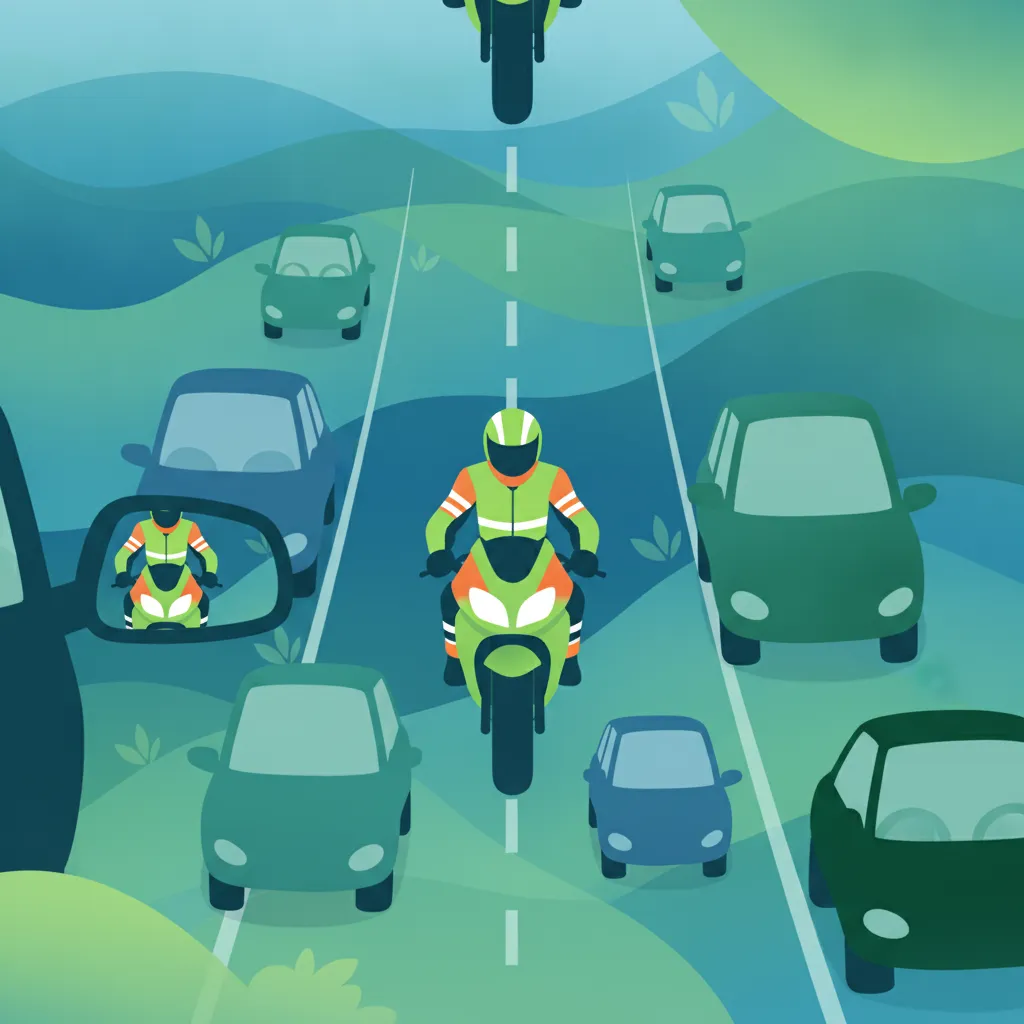
This lesson emphasizes the importance of rider visibility, illustrating how high-visibility clothing and reflective accessories can significantly reduce the risk of collisions. Learners will discover effective strategies for being noticed by other road users, such as using bright colors, reflective strips, and appropriate lighting, especially during adverse weather or nighttime riding. The content also outlines best practices for maintenance.
Understand the legal and physical requirements for proper lane discipline and safe overtaking maneuvers in Turkey. This lesson covers the dangers of weaving between lanes, how to maintain safe following distances, and the correct use of signals when maneuvering through busy metropolitan traffic.
In this lesson, learners will gain comprehensive knowledge of safe overtaking maneuvers during riding, emphasizing the importance of assessing traffic flow, checking blind spots, and signaling intentions. The content covers overtaking strategies on both straight roads and curves, considering visibility and speed differentials. By mastering these techniques, motorcyclists can execute overtaking safely.
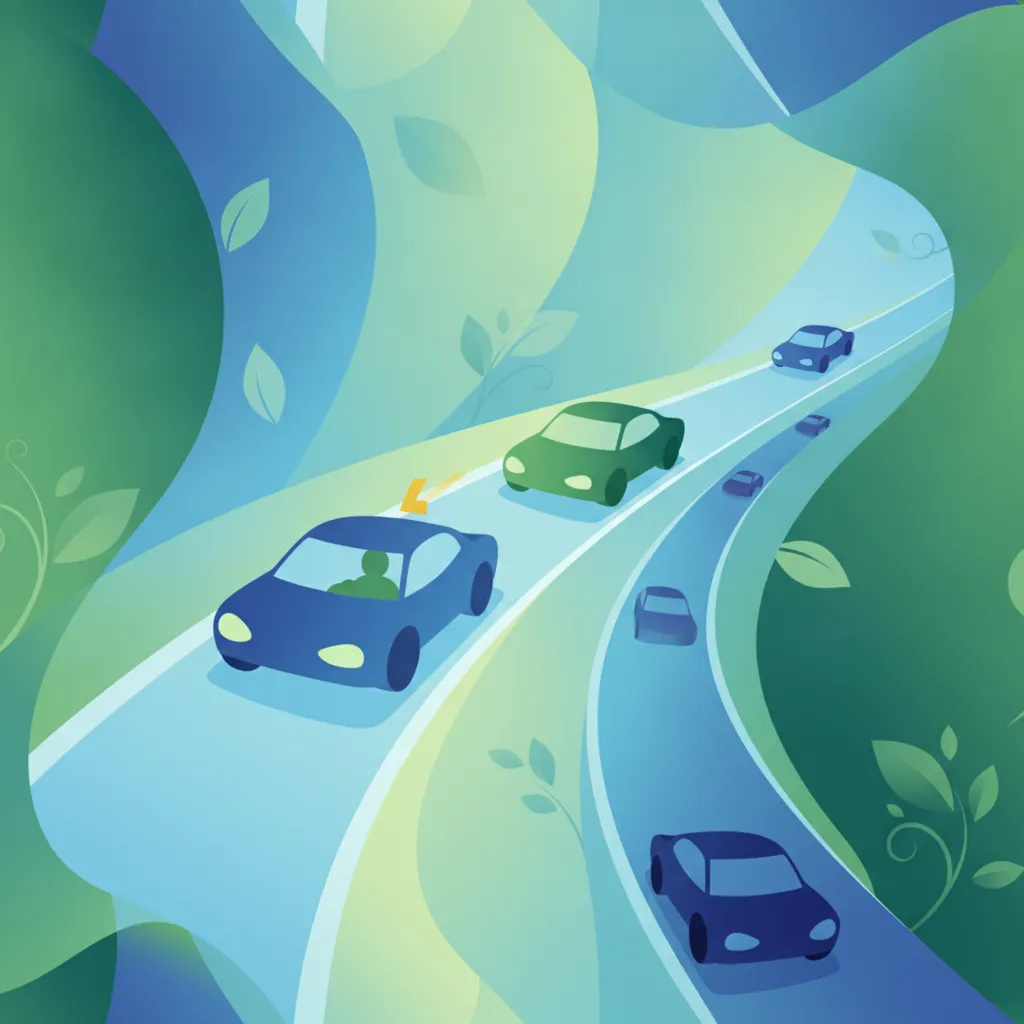
This lesson outlines the precise legal and safety procedures for overtaking slower vehicles on two-lane and multi-lane roads. It details when overtaking is strictly prohibited by signs or solid road lines, and how to calculate passing distances. Drivers will learn how to communicate their intentions using indicators and pass other vehicles safely.
Proper road positioning is your primary shield against being squeezed, sideswiped, or overlooked by larger motor vehicles in daily traffic. This lesson explains how to ride in the center or slightly off-center of your lane to prevent unsafe overtaking within the same lane. You will study how to identify the massive blind spots of buses and trucks, maintain appropriate following distances, and execute overtaking maneuvers with maximum safety margin and clear signal warning.
In this lesson, learners explore the unique challenges and safety considerations related to motorcyclists and scooter riders. Topics include the importance of visibility, the use of protective gear, and the need for drivers to be aware of blind spots. The lesson also covers lane discipline for two-wheeled vehicles and safe overtaking practices.
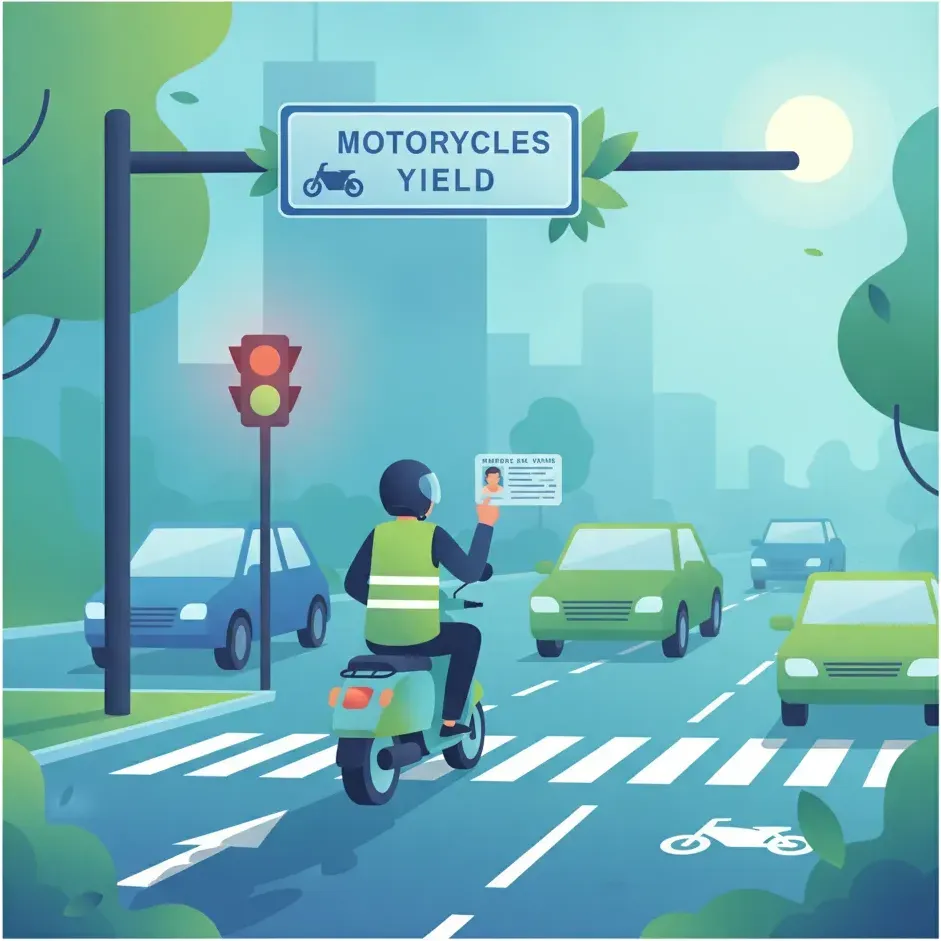
This lesson covers the primary legal requirements that every moped rider must follow when navigating public traffic systems within Turkey. It focuses on the mandatory application of traffic signals, correct lane selection, appropriate overtaking procedures, and the specific speed limitations set for light motorized vehicles. By understanding these regulatory bounds, you will avoid high traffic fines and licence point deductions while ensuring that your riding practices strictly align with national highway laws.
Roundabouts require a clear understanding of yield regulations and precise signaling to avoid conflicts with larger vehicles. This lesson details the legal requirements under Turkish road rules, which demand that entering vehicles yield to traffic already circulating inside the roundabout. You will learn how to select the appropriate lane upon entry, maintain a steady speed, signal your exit intentions clearly with your indicators, and remain alert to drivers who cut across lanes.
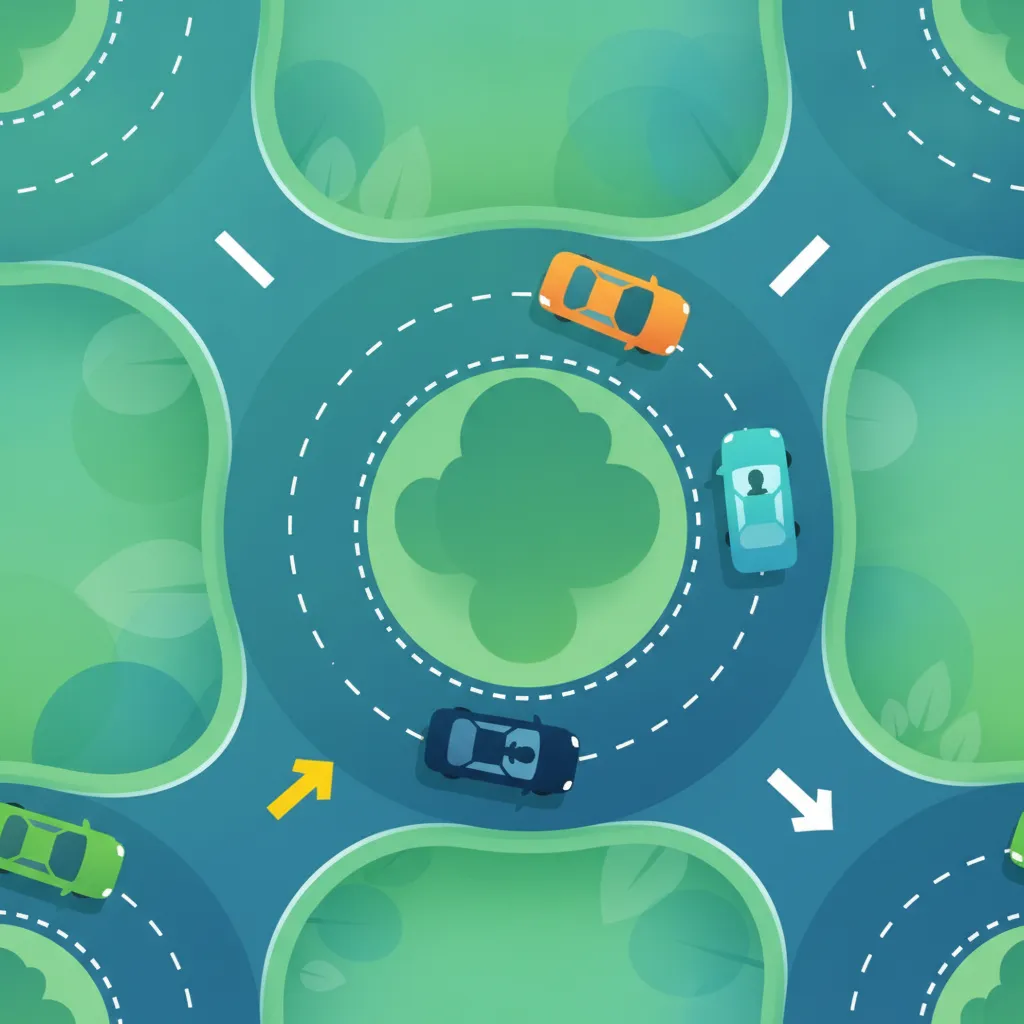
This lesson delves into the specific challenges and procedures associated with navigating roundabouts on a motorcycle. It outlines the importance of approaching at a safe speed, selecting the correct lane, and yielding to vehicles already within the roundabout. The content also covers the proper use of signals when exiting and emphasizes the need for heightened awareness of blind spots, especially when larger vehicles are present.
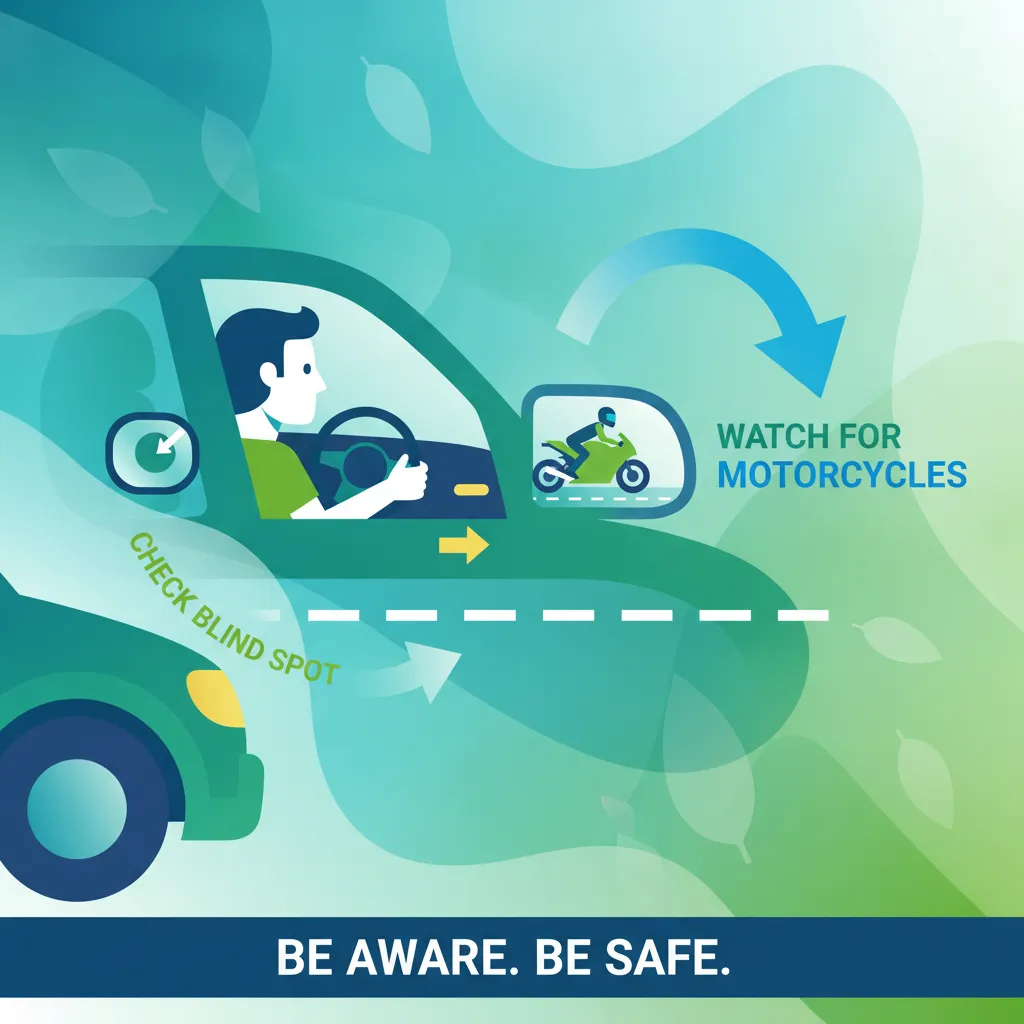
Learners will gain insight into the unique challenges posed by motorcycles and scooters sharing the road with passenger vehicles. The lesson highlights the importance of checking blind spots, maintaining safe following distances, and being aware of the faster acceleration and maneuverability of two-wheeled vehicles. Strategies for anticipating their movements and preventing collisions are discussed.
In this lesson, learners will focus on the specific considerations and safety practices required when riding motorcycles on high-speed roads and motorways. Topics covered include maintaining appropriate lane discipline, safe overtaking at high speeds, dealing with increased wind resistance, and the importance of accurate speed control and appropriate following distances on faster roadways.
Protecting vulnerable road users is a core legal and ethical responsibility for all motorized vehicle operators in Turkey. This lesson covers the absolute requirement to yield to pedestrians at marked crosswalks, zebra crossings, and designated school zones. You will learn how to identify these zones early, reduce your speed proactively, and maintain heightened situational awareness for children or distracted pedestrians who may step onto the road unexpectedly.
Find clear answers to common questions learners have about Identifying and Avoiding Risky Behaviours. Learn how the lesson is structured, which driving theory objectives it supports, and how it fits into the overall learning path of units and curriculum progression in Turkey. These explanations help you understand key concepts, lesson flow, and exam focused study goals.
Using a mobile phone distracts you from scanning for hazards and reacting to traffic changes. In the AM category theory exam, you must recognize that any secondary activity significantly increases your reaction time, making it impossible to control a lightweight vehicle safely.
Turkish traffic law maintains strict limits on alcohol and drug consumption. Even small amounts can lead to severe legal penalties, license suspension, or permanent revocation, as well as drastically reduced physical coordination required for two-wheeled vehicles.
Tailgating restricts your vision of the road ahead and leaves you with zero margin for error if the vehicle in front brakes suddenly. On a moped, you lack the stability and braking power of a car, making maintaining a safe following distance critical for your survival.
Yes, the MTSK e-sınav frequently includes scenario-based questions that test your ability to identify and avoid risky decisions. Focusing on human factors and defensive judgment is key to passing this part of the theory exam.
Use our comprehensive practice search to find exactly the Turkish driving theory questions you need to master. Whether reviewing specific road signs, traffic rules, or first aid scenarios, select your perfect practice set and boost your confidence for the official ehliyet sınavı.