
This lesson focuses on the unique challenges of driving on rural roads in Turkey, where infrastructure differs significantly from urban highways. You will learn essential techniques for managing reduced visibility, narrow lanes, and the presence of slow-moving agricultural machinery, ensuring you are fully prepared for these scenarios in the MTSK e-sınav.

Lesson content overview
Rural roads present a unique driving environment that contrasts sharply with the predictable lanes of modern highways or the structured flow of urban streets. In Turkey, rural roads—ranging from interurban routes (şehirlerarası yollar) to local village paths (köy yolları)—account for a significant portion of serious traffic accidents.
For candidates preparing for the Turkish Driving License Category B Theory Course (MTSK e-sınav), mastering rural road driving is not just an exam requirement; it is a vital life-saving skill. This lesson covers the environmental, structural, and behavioral challenges of rural driving, providing you with the defensive driving strategies needed to safely navigate these demanding roadways.
Unlike urban arterials, rural roads are rarely built with standardized lane widths, wide shoulders, or continuous protective barriers. Understanding how the physical layout, or geometry, of a rural road affects vehicle dynamics is the first step toward safe navigation.
Rural roads in Turkey, especially in mountainous regions like the Black Sea (Karadeniz) or Taurus (Toroslar) ranges, often follow the natural contours of the landscape. This results in steep gradients, continuous winding sections, and sharp curves.
Many rural routes lack painted centerlines, edge markings, or paved shoulders (banket).
Street lighting is virtually non-existent on rural roads outside of villages. This leaves drivers entirely dependent on their vehicle's headlight systems to identify hazards.
The Turkish Highway Traffic Regulation (Karayolları Trafik Yönetmeliği) mandates specific headlight usage to balance your visibility with the safety of other road users.
The Danger of Overdriving Your Headlights: "Overdriving" occurs when your stopping distance exceeds the distance illuminated by your headlights. At 90 km/h, your total stopping distance (reaction distance + braking distance) is roughly 65 to 70 metres on dry asphalt. If you are driving with dipped beams (which only illuminate 25 metres ahead) at this speed, you will run into an obstacle before you even have time to apply the brakes.
When an oncoming vehicle approaches with its high beams activated, the glare can temporarily blind you. To prevent this:
In rural Turkey, agricultural vehicles (tarım araçları) such as tractors (traktör), harvesters, and trailers are highly active, especially during spring and harvest seasons.
Tractors present unique risks that defensive drivers must learn to anticipate:
Assess the Road Markings and Signs: Ensure you are in a legal overtaking zone. Look for solid lines (no overtaking) or signs prohibiting overtaking.
Confirm Clear Visibility: Never attempt to overtake near a blind curve, a crest, an intersection, or a railway crossing. You must have a completely clear view of the oncoming lane.
Check Your Mirrors and Blind Spots: Ensure no vehicle behind you has already begun an overtaking maneuver.
Signal Your Intention: Activate your left turn signal early to alert both the tractor driver and vehicles behind you.
Maintain a Wide Lateral Gap: Pass the tractor with as much lateral distance as possible. Wide agricultural implements (such as plows or cultivators) may protrude wider than the tractor itself.
Return to Your Lane: Signal right and return to the lane only when you can fully see the passed tractor in your interior rearview mirror.
Rural roads are shared spaces. Unlike high-speed motorways (otoyollar), rural lanes regularly host animals and pedestrians.
In many Turkish villages, livestock (such as sheep, goats, and cattle) are moved along or across rural roads. Additionally, wild animals like wild boars (yaban domuzu) are common hazards at dawn, dusk, and night.
Rural roads rarely have sidewalks. Pedestrians must walk on the shoulder (banket).
The quality of the road surface on rural routes varies wildly. Surface anomalies dramatically alter your vehicle's tyre grip and braking efficiency.
Extreme weather, heavy agricultural vehicles, and lack of immediate maintenance lead to deep potholes and longitudinal ruts in the road surface.
Navigating rural road networks safely requires strict compliance with Turkish traffic laws. This is particularly true regarding speed limits and intersection priority.
According to the Turkish Highway Traffic Regulation, the default speed limits for passenger cars (Category B) on different road categories are structured to balance travel efficiency with safety:
| Road Classification | Default Speed Limit (Category B) | Notes & Requirements |
|---|---|---|
| Within Built-Up Areas (Şehir İçi) | 50 km/h | Applies as soon as you pass a town/village entry sign. |
| Two-Way Interurban Roads (İki Yönlü Karayolları) | 90 km/h | Most standard rural roads with one lane in each direction. |
| Divided Interurban Roads (Bölünmüş Yollar) | 110 km/h | Rural highways with a physical median separating traffic. |
| Motorways (Otoyollar) | 130 km/h to 140 km/h | Controlled-access, high-speed toll highways (e.g., KGM vs. private operators). |
The Basic Speed Rule: The legal speed limit is a maximum under ideal conditions. Under Turkish law, drivers must adjust their speed to match the vehicle's load, weather conditions, road surface state, and visibility limits.
Many rural junctions lack stop signs, yield signs, or traffic lights. These are classified as uncontrolled intersections. Negotiating these safely requires applying the specific priority rules defined in Turkish traffic law.
At an uncontrolled intersection, the following hierarchy of priority applies:
Why are rural roads statistically more dangerous than urban streets, despite having lower traffic volumes? The answer lies in human psychology and hazard perception:
To fully prepare for your Category B theory exam, make sure to review how rural hazard management connects with other core driving modules.
Rural roads in Turkey present unique hazards including sharp blind corners, absent road markings, unlit sections, and slow-moving agricultural machinery. Drivers must adjust headlight use based on conditions (dipped beams illuminate 25m, high beams 100m) and recognize that stopping distance at 90 km/h exceeds headlight range on dipped beams. Safe overtaking of tractors requires confirming clear visibility, checking mirrors, signaling early, and maintaining wide lateral clearance. Critical legal knowledge includes the exception that rubber-tired tractors must always yield at uncontrolled intersections, and vehicles from unpaved roads must yield to all highway traffic. Surface hazards like loose gravel and mud significantly reduce traction, requiring reduced speeds and controlled braking.
A short set of high-value points that capture the most important learning from this lesson.
Rural roads require defensive driving because they lack standardized lane widths, lighting, and markings that drivers rely on in urban environments.
At 90 km/h with dipped beams (25m visibility), your stopping distance of 65-70m exceeds your illuminated range, creating an overdriving hazard.
Rubber-tired agricultural tractors must always yield to other motor vehicles at uncontrolled intersections, regardless of which direction they approach from.
When encountering animals, brake firmly rather than swerving violently, as panic-induced swerving can cause loss of control or head-on collisions.
Vehicles emerging from unpaved roads must yield to all traffic on the paved public highway.
Explore all units and lessons included in this driving theory course.
Use dipped beams (Kısa Farlar) within 25m range; use high beams (Uzun Farlar) for 100m+ range on unlit roads with no oncoming traffic.
Maintain visual lane division on unmarked roads and keep strictly to the right side of the imaginary centerline.
If your wheels slip onto an unpaved shoulder (banket), ease off the accelerator and steer back gently without jerking.
Before overtaking a tractor, confirm no blind curves, crests, intersections, or railway crossings obstruct your view.
Loose gravel and agricultural mud dramatically reduce tyre traction and increase stopping distance.
Assuming the right-of-way rule at uncontrolled intersections always applies to tractors, when in fact tractors must always yield.
Driving with high beams in lit villages or when meeting oncoming traffic, which blinds other drivers.
Jerking the steering wheel when wheels slip onto a loose shoulder, which can cause loss of control.
Attempting to overtake near blind corners or crests where oncoming vehicles cannot be seen in time.
Blasting the horn near animals to shoo them off, which can panic them and cause them to bolt into your path.
Lesson content overview
A short set of high-value points that capture the most important learning from this lesson.
Rural roads require defensive driving because they lack standardized lane widths, lighting, and markings that drivers rely on in urban environments.
At 90 km/h with dipped beams (25m visibility), your stopping distance of 65-70m exceeds your illuminated range, creating an overdriving hazard.
Rubber-tired agricultural tractors must always yield to other motor vehicles at uncontrolled intersections, regardless of which direction they approach from.
When encountering animals, brake firmly rather than swerving violently, as panic-induced swerving can cause loss of control or head-on collisions.
Vehicles emerging from unpaved roads must yield to all traffic on the paved public highway.
Explore all units and lessons included in this driving theory course.
Use dipped beams (Kısa Farlar) within 25m range; use high beams (Uzun Farlar) for 100m+ range on unlit roads with no oncoming traffic.
Maintain visual lane division on unmarked roads and keep strictly to the right side of the imaginary centerline.
If your wheels slip onto an unpaved shoulder (banket), ease off the accelerator and steer back gently without jerking.
Before overtaking a tractor, confirm no blind curves, crests, intersections, or railway crossings obstruct your view.
Loose gravel and agricultural mud dramatically reduce tyre traction and increase stopping distance.
Assuming the right-of-way rule at uncontrolled intersections always applies to tractors, when in fact tractors must always yield.
Driving with high beams in lit villages or when meeting oncoming traffic, which blinds other drivers.
Jerking the steering wheel when wheels slip onto a loose shoulder, which can cause loss of control.
Attempting to overtake near blind corners or crests where oncoming vehicles cannot be seen in time.
Blasting the horn near animals to shoo them off, which can panic them and cause them to bolt into your path.
Explore search topics learners often look for when studying Rural Road Challenges. These topics reflect common questions about road rules, driving situations, safety guidance, and lesson level theory preparation for learners in Turkey.
Browse additional driving theory lessons that cover connected traffic rules, road signs, and common driving situations related to this topic. Improve your understanding of how different rules interact across everyday traffic scenarios.
Learn how to calculate safe following distances and understand the relationship between speed and stopping performance in rural driving conditions. This guide covers the physical factors that influence vehicle control on unpaved or winding roads within the Turkish traffic regulations.
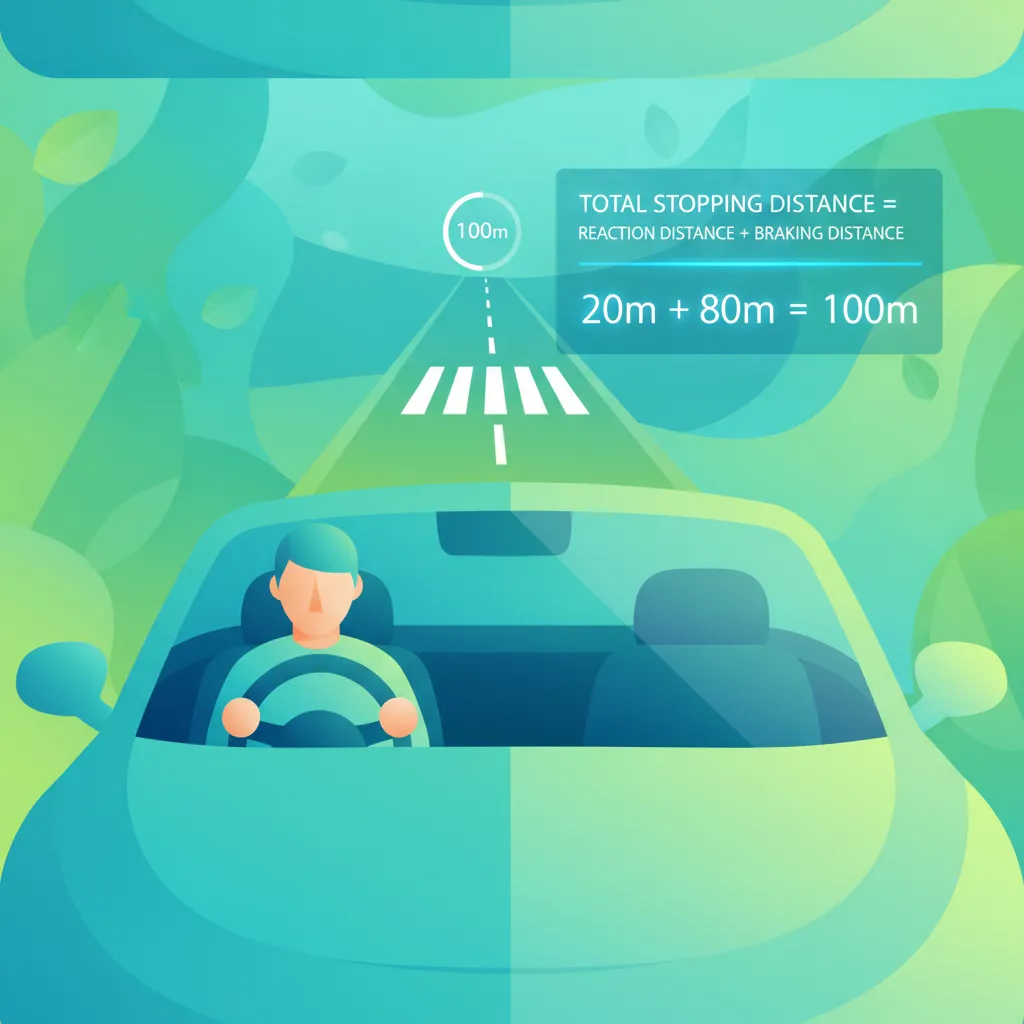
In this lesson, learners examine the components and calculation of stopping distances. Topics include reaction distance, braking distance, and total stopping distance. The lesson covers factors affecting stopping distances, such as vehicle speed, road conditions, and tire condition. Real-world examples illustrate how to estimate stopping distances.
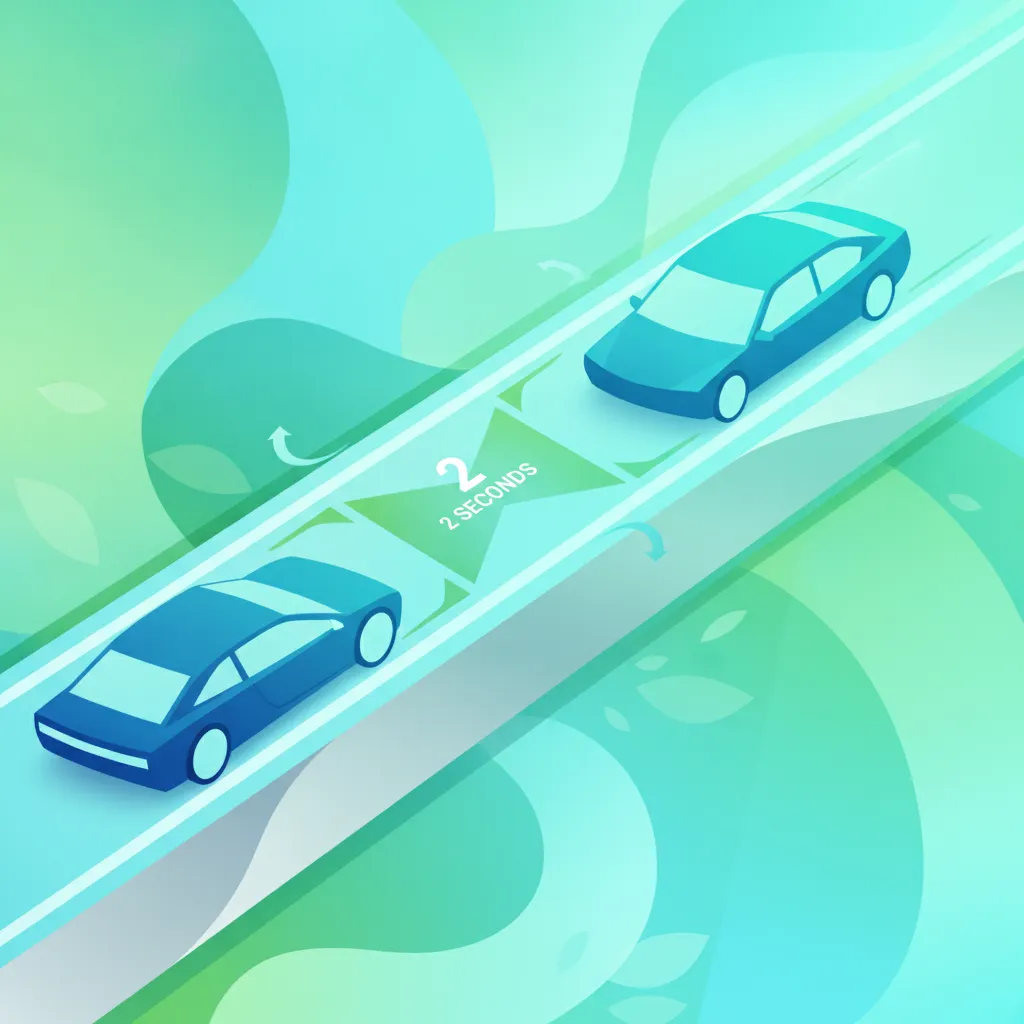
This lesson focuses on the principles governing safe following distances between vehicles. Topics include understanding time and distance gaps, reaction times, and braking distances. Learners will explore guidelines for maintaining proper following distances based on speed and road conditions. Real-world examples demonstrate the importance of safe following practices in preventing rear-end collisions.
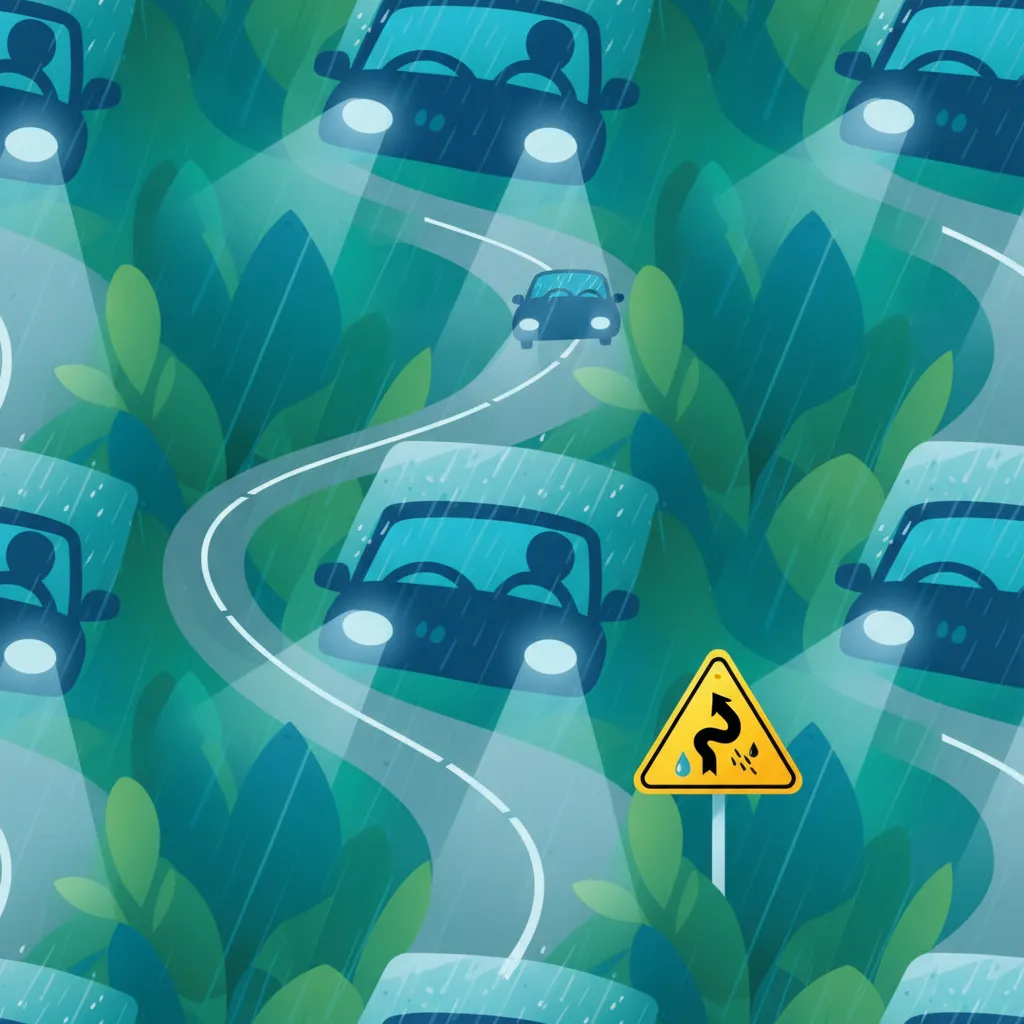
In this lesson, learners explore the factors influencing the determination of a safe driving speed. Topics include adjusting speed for road conditions, weather, traffic density, visibility, and vehicle performance. The lesson emphasizes the importance of dynamic speed management and how to assess appropriate speeds for varying situations.
Learners will learn how to calculate and maintain safe following distances, accounting for the longer braking distances and reaction times inherent to larger passenger vehicles. The lesson emphasizes the importance of a sufficient time gap to allow for safe stopping and to prevent rear-end collisions, particularly in varying traffic conditions.
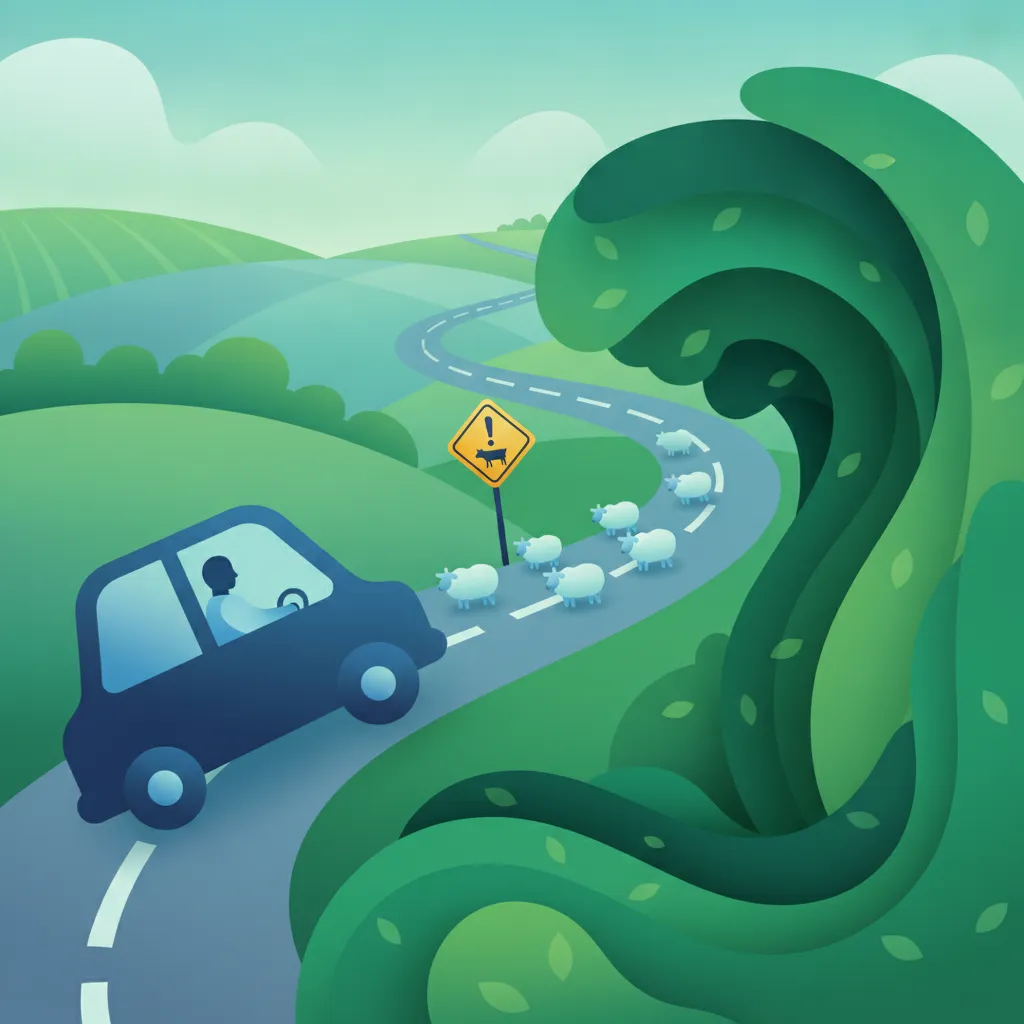
This lesson explores the unique challenges encountered when driving goods vehicles on rural roads, including narrow widths, sharp curves, animal crossings, and varying road surface conditions. Learners will understand the importance of adjusting speed, maintaining vigilance, and respecting road markings. Emphasis is placed on safe navigation practices to mitigate risks associated with rural areas.
Understand the legal priority hierarchy at uncontrolled junctions where traffic signs or signals are absent. This lesson details the specific yielding obligations for passenger vehicles when interacting with tractors and other road users in rural and suburban settings according to Turkish traffic law.
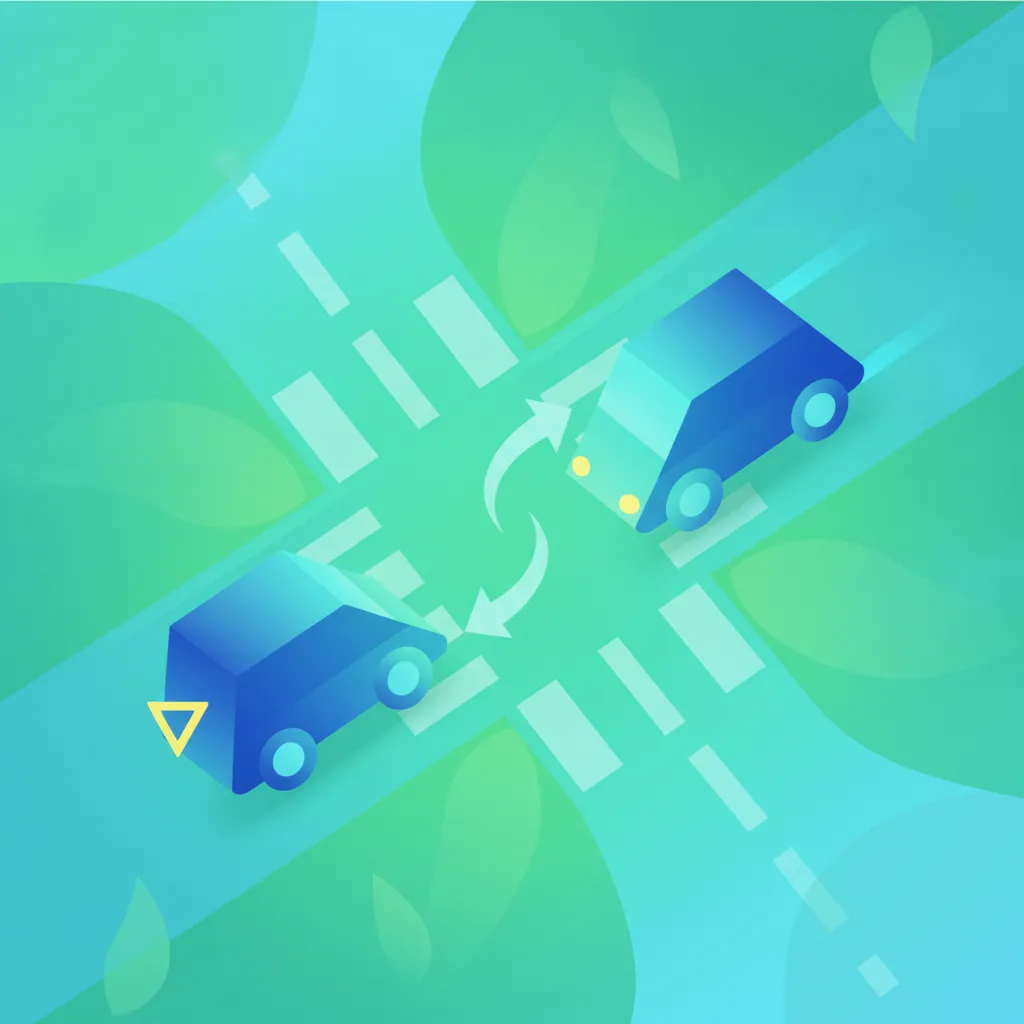
In this lesson, learners explore priority rules specific to uncontrolled intersections, where traffic signals or signs are absent. Topics include determining right-of-way based on vehicle classification, approach angle, and arrival sequence. The lesson emphasizes the importance of stopping, yielding, and assessing potential hazards before proceeding.
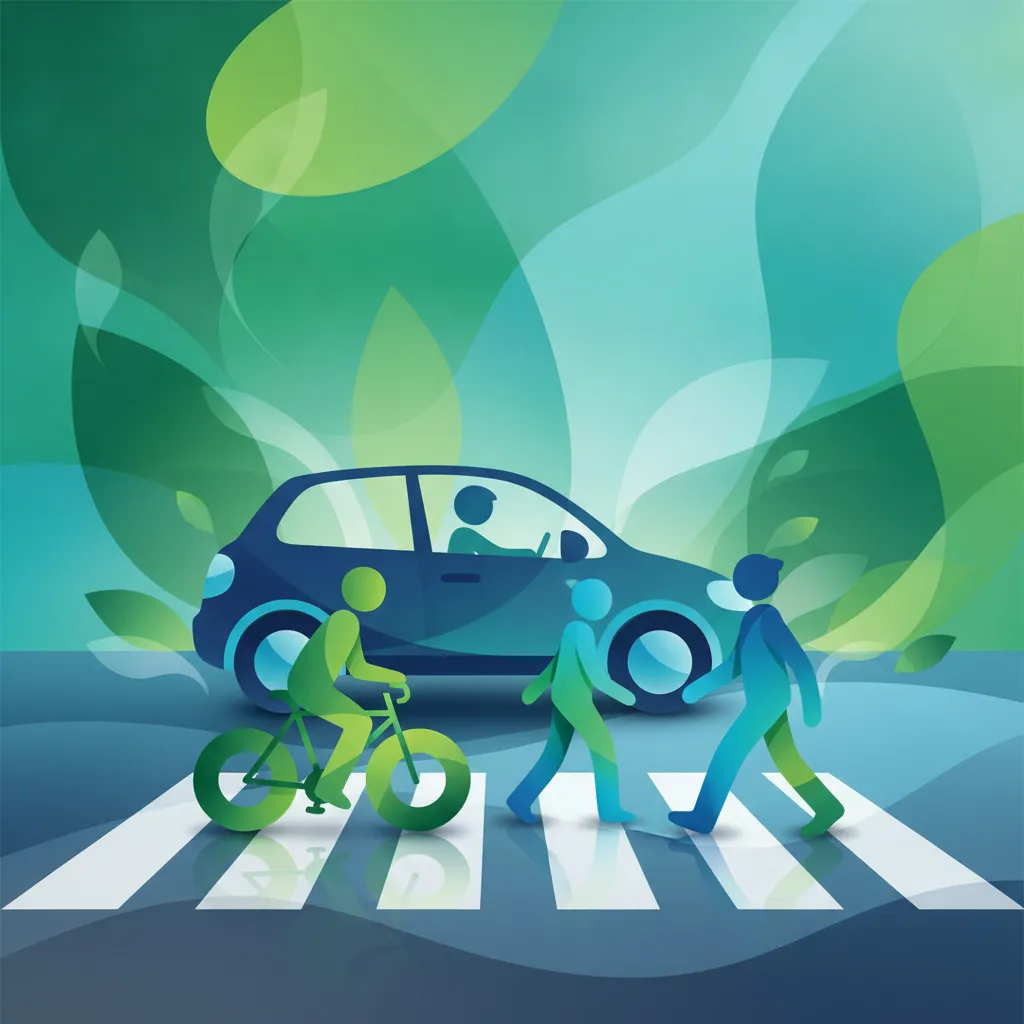
This lesson emphasizes the importance of yielding to pedestrians and cyclists at intersections, crosswalks, and designated lanes. Learners will understand the legal obligations to provide safe passage to vulnerable road users and the correct procedures for stopping and allowing them to cross. Real-world examples illustrate scenarios where failing to yield can lead to accidents.
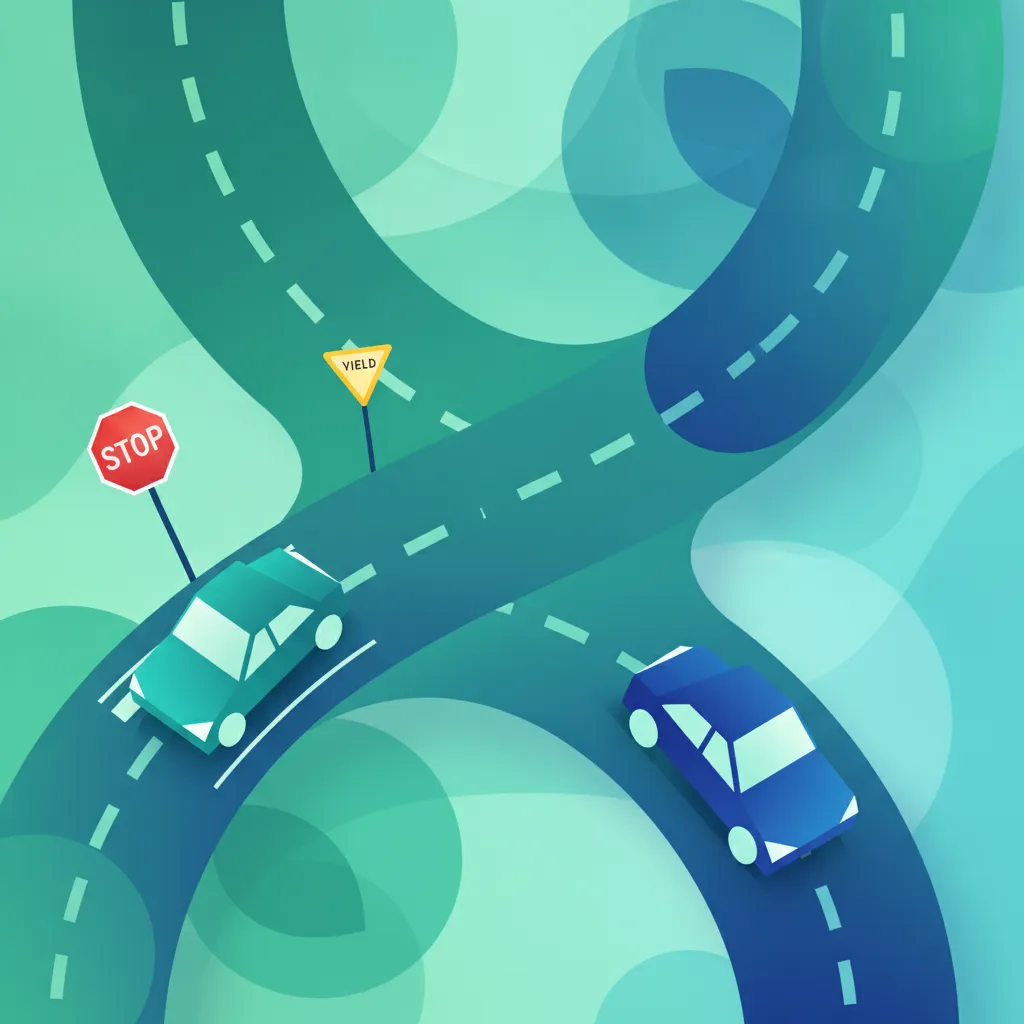
This lesson focuses on priority rules at controlled intersections equipped with traffic signals, stop signs, or yield signs. Learners will understand how to interpret traffic light phases, comply with stop and yield indications, and assess right-of-way at these intersections. The lesson also covers pedestrian and cyclist considerations, as well as emergency vehicle priority.
This lesson provides an overview of the general priority principles that dictate right-of-way on Turkish roads. Topics include the hierarchy of road users, such as pedestrians, cyclists, and emergency vehicles, and how these hierarchies apply at various intersections. Learners will understand the fundamental concepts of yielding, stopping, and proceeding, as well as the importance of clear decision-making.
Find clear answers to common questions learners have about Rural Road Challenges. Learn how the lesson is structured, which driving theory objectives it supports, and how it fits into the overall learning path of units and curriculum progression in Turkey. These explanations help you understand key concepts, lesson flow, and exam focused study goals.
Rural roads often have narrower lanes, poor surface conditions, and unpredictable layout changes like blind corners. Reducing speed is essential to ensure you have sufficient time to stop if you encounter an obstruction, such as a tractor or livestock, that you could not see sooner.
You should reduce your speed before entering the curve and position your vehicle to maximize your line of sight while staying strictly within your lane. Always be prepared to stop for oncoming traffic that may be using the middle of the road.
Yes, always ensure you have a clear, long-distance view ahead before attempting to pass. Because agricultural vehicles move slowly, many drivers rush; however, you must ensure the road is wide enough and no oncoming traffic is present before initiating the overtake.
Use your headlights effectively and adjust your speed based on the distance you can illuminate. Be extra vigilant for unlit road hazards, pedestrians walking on the road, and animals, as the lack of ambient light significantly reduces your reaction time.
Use our comprehensive practice search to find exactly the Turkish driving theory questions you need to master. Whether reviewing specific road signs, traffic rules, or first aid scenarios, select your perfect practice set and boost your confidence for the official ehliyet sınavı.