
This lesson covers the critical procedures for managing passenger terminals and planning efficient rest stops for Class D vehicle drivers. You will explore how to coordinate schedules, ensure safety during boarding, and select appropriate rest areas to keep both yourself and your passengers secure and on time.

Lesson content overview
Operating a commercial passenger vehicle (such as an intercity bus or coach) under a Turkish Class D licence requires much more than on-road steering and braking proficiency. It demands a thorough understanding of logistics, terminal safety protocols, and strict compliance with national transport laws. Managing the arrival, stay, and departure at passenger terminals (otogar) and coordinating rest stops (mola yerleri) are vital for ensuring safety, passenger comfort, and operational legality.
This lesson covers the essential knowledge needed to navigate busy terminal environments, execute pre- and post-trip safety checks, manage passenger breaks, and adhere to legal driving and rest limits under Turkish highway regulations.
An intercity terminal (otogar) is a high-density, high-risk operational environment. Large passenger vehicles must share tight maneuvering zones with other buses, taxis, service vehicles, and hundreds of pedestrians carrying luggage. Successful terminal operations rely on structured management, patience, and absolute adherence to terminal guidelines.
When entering a terminal, you must navigate directly to your assigned platform bay (peron). These bays are specifically designed to isolate stationary buses from active traffic lanes, but they require precise slow-speed maneuvering to enter and exit.
Passenger movement at terminal platforms is a critical phase of the journey. The driver and cabin crew (such as the assistant, known locally as the muavin) must work in tandem to ensure safety.
Secure the Vehicle: Bring the vehicle to a complete stop, engage the parking brake, and open the luggage compartments (bagaj kapakları) only after the bus is fully stationary.
Deploy Boarding Aids: If your vehicle is equipped with a kneeling system or accessible ramps, deploy them before passengers begin boarding.
Manage Luggage Loading: The driver or crew must load baggage into the lower compartments, issuing luggage tags (bagaj fişi) to passengers. This prevents passengers from bending down near the wheels or crawling into baggage compartments.
Supervise Boarding: Ensure passengers use the handrails when climbing the steps. Keep the entrance clear of bags or packages that could cause trips.
Final Door and Clearance Check: Once all passengers are seated and the crew confirms the manifest, close all doors completely. Check your side mirrors to ensure no late-arriving passengers or terminal staff are near the doors or baggage doors before moving.
Fatigue is one of the leading causes of commercial vehicle accidents on Turkish highways. To combat this, the Turkish Highway Traffic Regulation (Karayolları Trafik Yönetmeliği), in alignment with international AETR standards, enforces strict driving and rest limits for commercial bus drivers.
Tachograph Compliance: All passenger transport vehicles with a seating capacity of more than 9 passengers (including the driver) must be equipped with an active, calibrated digital or analogue tachograph (takograf). Falsifying, disabling, or failing to record data on your tachograph card is a major legal violation subject to heavy administrative fines and vehicle impoundment.
Drivers operating vehicles under a Class D licence must plan their routes around mandatory rest intervals. The basic limits are structured to keep drivers alert and reactive:
If a driver does not want to take a full 45-minute break at once, they can split the break over the 4.5-hour driving period. According to Turkish transport regulations:
Any period of driving that is not interrupted by an official break of at least 15 minutes or a full daily rest period. Short stops at traffic lights, toll booths, or passenger drop-offs do not interrupt continuous driving.
For long-distance intercity routes in Turkey (such as Istanbul to Ankara, or Izmir to Antalya), rest stops are pre-planned operational milestones. Randomly choosing where to pull over a 12-meter, 18-tonne passenger bus is highly dangerous.
A professional driver must only stop at officially recognized highway service facilities (dinlenme tesisleri) or designated rest stations.
Stopping on highway shoulders, emergency lanes (emniyet şeridi), or unpaved clearings is strictly prohibited under Turkish Traffic Law, except in cases of absolute mechanical failure or medical emergency.
When you pull into a highway service area for a scheduled break, your responsibility as a Class D licence holder does not pause. You are legally responsible for the safety of your passengers while they are in and around the vehicle.
A scheduled rest stop is an ideal opportunity to perform quick, vital technical inspections of your vehicle. Long hours of continuous high-speed driving put immense stress on tires, brakes, and engine components.
During breaks longer than 15 minutes, drivers should perform a systematic walkaround check (araç çevresi kontrolü). This preventive measure helps identify mechanical issues before they lead to a catastrophic highway breakdown.
Tire Inspection: Visually inspect all tires (including dual rear tires) for signs of low pressure, punctures, or object entrapment. Safely touch the wheel hubs; if a hub feels excessively hot, it indicates a binding brake caliper or a failing wheel bearing.
Fluid Leak Check: Look underneath the engine compartment and the center of the chassis for fresh puddles of oil, coolant, or hydraulic fluid.
Light and Reflector Verification: Walk around the vehicle to ensure headlights, taillights, brake lights, and side marker lights are clean and functional. Dust and mud can severely reduce your vehicle's visibility to other highway drivers.
Luggage Compartments: Physically check that all lower baggage doors are locked and latched securely so they do not swing open on the highway.
Windshield and Mirrors: Clean insect splatter, dust, or moisture from the windshield and mirrors to maintain maximum forward and rearward visibility.
A successful trip requires smooth coordination between the driving team, terminal administrators, and legal authorities. Failure to manage documentation can result in heavy administrative fines under the Turkish Road Transport Law (Karayolları Taşıma Kanunu).
Upon arrival at a municipal or private terminal, the driver must coordinate with the otogar management office.
Every commercial intercity passenger trip in Turkey must be backed by a paper trail or digital equivalent:
Professional driving requires you to adjust your terminal and rest stop strategies based on changing external conditions.
Rain, snow, and dense fog (common in regions like the Bolu Pass or the high-altitude routes of Eastern Anatolia) drastically change your rest stop plan.
Operating during night hours (such as late-night long-distance express runs) requires special safety measures at rest stops:
The makeup of your passenger list dictates your timing and safety requirements:
| Principle | Core Operational Rule | Primary Purpose | Key Consequence of Non-Compliance |
|---|---|---|---|
| Terminal Discipline | Park only in designated bays (peron); maneuver under 10 km/h. | Prevents collisions with pedestrians and other terminal traffic. | Minor collisions, terminal bans, and fines. |
| Mandatory Rest Limits | Take a 45-minute break every 4.5 hours of continuous driving. | Eliminates driver fatigue, keeping reflexes sharp. | Severe accidents, heavy tachograph fines. |
| Authorized Stopping | Stop only at official highway service areas (dinlenme tesisi). | Guarantees safe passenger alighting and secure parking. | High risk of rear-end crashes on highway shoulders. |
| Mid-Trip Safety Checks | Conduct a physical walkaround inspection at every long stop. | Detects tire, brake, or fluid issues before they cause failures. | Catastrophic breakdowns or fires on the highway. |
| Passenger Supervision | Announce break durations; keep passengers within designated safe zones. | Prevents passenger injuries and ensures on-time departures. | Passenger accidents, left-behind passengers, legal liability. |
This lesson covers the operational responsibilities of Class D drivers managing intercity passenger terminals and planning rest stops in Turkey. Key legal requirements include a 4.5-hour continuous driving limit followed by a 45-minute mandatory break, a 9-hour daily maximum (10 hours allowed twice weekly), and an 11-hour minimum daily rest. Safe terminal operations require precise bay alignment under 10 km/h, following platform director instructions, and executing a structured boarding protocol with luggage management and door clearance checks. Professional drivers must only stop at authorized dinlenme tesisi facilities, not highway shoulders, and must perform walkaround inspections checking tires, fluids, lights, and securing luggage compartments. Passenger supervision during breaks includes PA announcements, monitoring disembarkation zones, and providing assistance to vulnerable passengers.
A short set of high-value points that capture the most important learning from this lesson.
Drivers must not exceed 4.5 hours of continuous driving without a mandatory 45-minute break, with a daily maximum of 9 hours (extendable to 10 hours twice weekly) and an 11-hour minimum daily rest period.
Terminal bays (peron) require slow-speed maneuvering under 10 km/h with precise alignment within marked lines while following platform director instructions.
Passenger breaks require clear PA announcements specifying duration, departure time, and parking location before opening doors.
Professional drivers must stop only at officially authorized highway service areas (dinlenme tesisi); stopping on shoulders or emergency lanes is prohibited except for mechanical emergencies.
A 15-minute walkaround inspection during longer stops should check tires, fluid leaks, lights, luggage compartments, and windshield visibility.
Explore all units and lessons included in this driving theory course.
Tachograph (takograf) compliance is mandatory for vehicles over 9 passengers; falsifying or disabling the device results in heavy fines and vehicle impoundment.
Split breaks must total 45 minutes within the 4.5-hour driving window, with at least one segment being 30 continuous minutes.
Passenger manifest (yolcu listesi) must be accurate and carried at all times for insurance, police checkpoints, and terminal departures.
Only officially recognized service facilities are legal stopping points; highway shoulders and emergency lanes are strictly prohibited.
Short stops at traffic lights, toll booths, or passenger drop-offs do NOT interrupt the continuous driving timer.
Confusing the 4.5-hour continuous driving limit with the 9-hour daily limit; these are separate requirements with different consequences.
Believing that brief stops at traffic signals or toll booths reset the continuous driving timer; they do not qualify as official rest breaks.
Parking in non-designated terminal lanes or blocking emergency egress routes while boarding passengers.
Failing to physically verify that all luggage compartment doors are latched before departure, risking them swinging open on the highway.
Neglecting to assist elderly or mobility-impaired passengers during breaks, which is a legal duty of care for Class D drivers.
Lesson content overview
A short set of high-value points that capture the most important learning from this lesson.
Drivers must not exceed 4.5 hours of continuous driving without a mandatory 45-minute break, with a daily maximum of 9 hours (extendable to 10 hours twice weekly) and an 11-hour minimum daily rest period.
Terminal bays (peron) require slow-speed maneuvering under 10 km/h with precise alignment within marked lines while following platform director instructions.
Passenger breaks require clear PA announcements specifying duration, departure time, and parking location before opening doors.
Professional drivers must stop only at officially authorized highway service areas (dinlenme tesisi); stopping on shoulders or emergency lanes is prohibited except for mechanical emergencies.
A 15-minute walkaround inspection during longer stops should check tires, fluid leaks, lights, luggage compartments, and windshield visibility.
Explore all units and lessons included in this driving theory course.
Tachograph (takograf) compliance is mandatory for vehicles over 9 passengers; falsifying or disabling the device results in heavy fines and vehicle impoundment.
Split breaks must total 45 minutes within the 4.5-hour driving window, with at least one segment being 30 continuous minutes.
Passenger manifest (yolcu listesi) must be accurate and carried at all times for insurance, police checkpoints, and terminal departures.
Only officially recognized service facilities are legal stopping points; highway shoulders and emergency lanes are strictly prohibited.
Short stops at traffic lights, toll booths, or passenger drop-offs do NOT interrupt the continuous driving timer.
Confusing the 4.5-hour continuous driving limit with the 9-hour daily limit; these are separate requirements with different consequences.
Believing that brief stops at traffic signals or toll booths reset the continuous driving timer; they do not qualify as official rest breaks.
Parking in non-designated terminal lanes or blocking emergency egress routes while boarding passengers.
Failing to physically verify that all luggage compartment doors are latched before departure, risking them swinging open on the highway.
Neglecting to assist elderly or mobility-impaired passengers during breaks, which is a legal duty of care for Class D drivers.
Explore search topics learners often look for when studying Terminal Operations and Rest Stop Planning. These topics reflect common questions about road rules, driving situations, safety guidance, and lesson level theory preparation for learners in Turkey.
Browse additional driving theory lessons that cover connected traffic rules, road signs, and common driving situations related to this topic. Improve your understanding of how different rules interact across everyday traffic scenarios.
Learn the essential legal obligations for commercial drivers under the Turkish Road Transport Law, including professional conduct, vehicle registration requirements, and mandatory passenger safety protocols needed for operating a passenger vehicle effectively and legally.

This lesson explores the standards of conduct expected from passenger vehicle drivers, emphasizing ethical decision-making and interactions with passengers and the public. It covers the impact of driver behaviour on public perception, the importance of maintaining a professional image, and the responsibilities inherent in transporting passengers safely and courteously. Learners will develop an understanding of how ethical practices contribute to service excellence and public trust.
In this lesson, participants will learn about the specific offences and penalties that apply to passenger vehicle drivers, focusing on violations that directly jeopardize passenger safety and public security. The content outlines the legal repercussions of non-compliance, including fines, licence suspensions, and other enforcement actions. Understanding these penalties reinforces the critical nature of adhering to traffic laws and safety protocols in professional passenger transport.
This lesson focuses on the importance of maintaining professional conduct when interacting with traffic authorities, law enforcement, and the general public. Learners will explore communication techniques that convey respect and courtesy, even in stressful situations. Emphasis is placed on upholding a positive image of the transportation industry and resolving conflicts amicably on the road.
This lesson delves into the ethical responsibilities and professional standards expected of goods vehicle drivers, emphasizing their pivotal role in ensuring traffic safety. It explores the duty of care owed to other road users and the broader societal expectations placed upon professional drivers. Learners will examine how their conduct directly influences public trust and overall traffic flow in urban environments.

Learners will examine the specific licence categories applicable to passenger vehicles, detailing the legal definitions and core obligations tied to each class. The lesson clarifies the prerequisites for obtaining each licence, the regulatory environment governing passenger transport, and the responsibilities drivers assume upon certification. By understanding these legal foundations, participants will be prepared to navigate the regulatory landscape effectively in their professional roles.
This lesson outlines the legal framework governing passenger vehicle operation, highlighting the penalties for various offences, such as speeding, failure to adhere to stop procedures, or neglecting passenger safety protocols. Learners will understand the importance of compliance to avoid fines, licence suspension, or other legal actions, and the role of regulatory bodies in enforcement.
Learners will examine the broader concept of fostering a safety-oriented and professional culture within passenger transport services. The lesson discusses the impact of driver attitudes on passenger trust, the importance of ongoing safety training, and the role of ethical conduct in enhancing service quality. Strategies for promoting a proactive safety mindset among drivers and staff are presented.
This lesson details the statutory duties imposed on motor vehicle drivers by Turkish traffic legislation to maintain order on public roads. It emphasizes mandatory seat belt usage, mobile phone bans, vehicle inspection rules, and general compliance with police directions. Understanding these duties ensures drivers avoid heavy penalties and maintain road safety.

This lesson focuses on the health and fitness criteria required for passenger vehicle drivers, outlining the medical examinations and certifications needed to maintain a valid licence. Additionally, it emphasizes the importance of continuing education and professional development to keep drivers updated on new regulations, technologies, and best practices. By prioritizing driver health and lifelong learning, the overall safety and quality of passenger transport are enhanced.
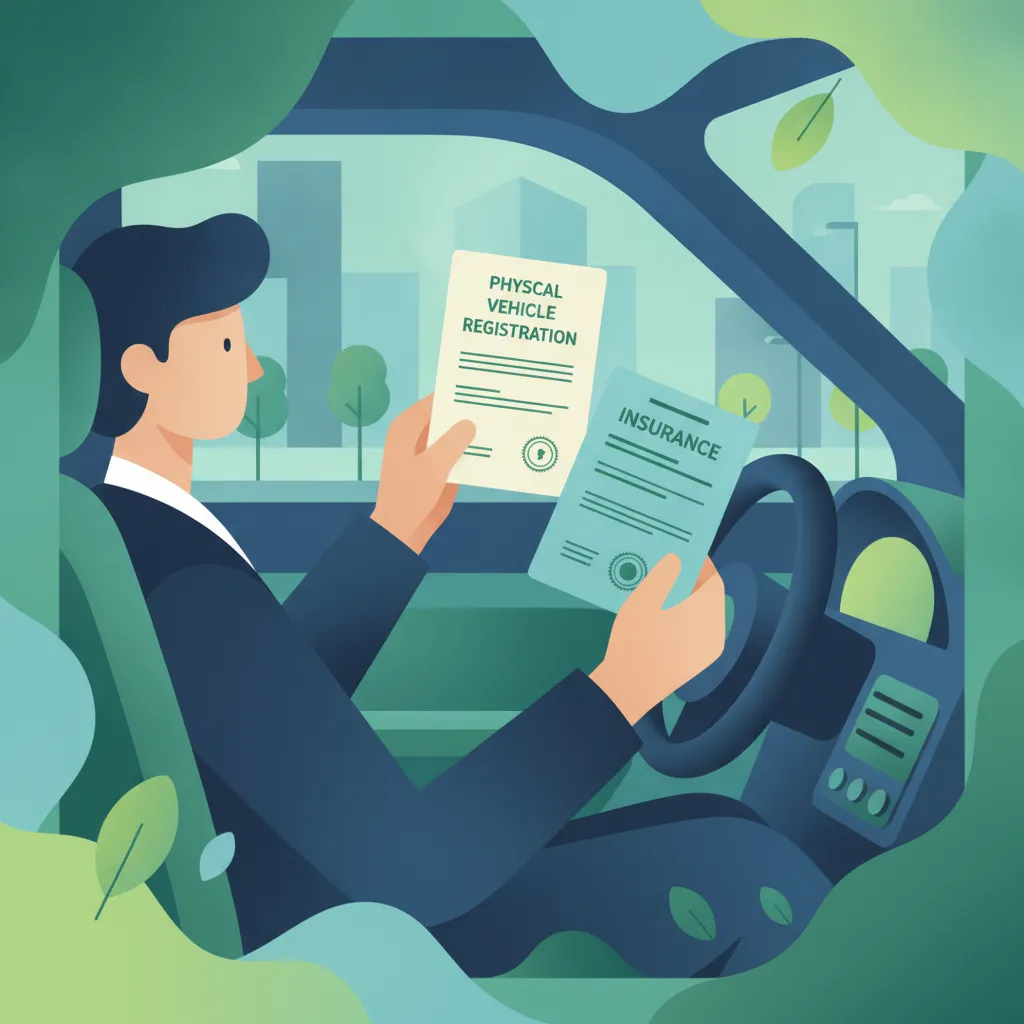
Learners will gain insight into the essential documentation and registration processes for passenger vehicles, covering the requirements for legal operation and fleet management. The lesson details the necessary paperwork, periodic inspections, and permits required to maintain compliance with Turkish transport regulations. Mastery of these administrative aspects ensures that drivers are prepared to meet all legal obligations for vehicle operation.
Understand the critical theory behind fatigue management for intercity drivers, including how to use digital tachographs correctly, legal driving time limits, and required break intervals for long-distance transport safety on Turkish highways.
Learners will examine strategies for planning and executing long-distance and intercity routes with passenger vehicles. The lesson covers effective route planning, managing driver fatigue, scheduling rest stops, and addressing passenger comfort and informational needs during extended journeys. Understanding these aspects ensures safe, efficient, and passenger-friendly long-distance service.
This lesson focuses on recognizing the signs of driver fatigue and implementing effective strategies to manage it while operating a goods vehicle. Learners will understand the health risks associated with prolonged driving periods, the importance of regular rest breaks, and techniques to maintain alertness. Emphasis is placed on fatigue mitigation measures to ensure safe driving and prevent accidents.

Learners will explore the risks associated with driver fatigue, distraction, and stress, particularly during long trips with passengers. The lesson provides strategies for recognizing fatigue, scheduling appropriate rest breaks, and employing techniques to maintain focus and reduce stress. Emphasis is placed on the impact of these factors on safety and passenger comfort.

This lesson focuses on the extreme dangers of driver fatigue, micro-sleep episodes, and the signs of physical exhaustion. It details how sleep deprivation compromises driving safety in a manner comparable to moderate alcohol intoxication. Drivers will learn proactive fatigue management strategies, including scheduling regular rest stops.
Find clear answers to common questions learners have about Terminal Operations and Rest Stop Planning. Learn how the lesson is structured, which driving theory objectives it supports, and how it fits into the overall learning path of units and curriculum progression in Turkey. These explanations help you understand key concepts, lesson flow, and exam focused study goals.
Designated terminal areas are legally regulated to ensure traffic flow and passenger safety. Using non-designated areas creates risks for pedestrians and other road users, which is a major focus for safety-related questions in the Turkish theory exam.
You must balance legal driving time limits with passenger comfort. Generally, stops should be planned at intervals that allow for driver fatigue management and passenger needs, while ensuring you remain compliant with the official work and rest hour regulations in Turkey.
The priority is physical accessibility and safety. The area must be large enough to accommodate the vehicle's turning radius and provide enough space for passengers to alight and board without interacting with high-speed or heavy traffic flow.
Yes, stopping in unauthorized areas can lead to administrative fines and, more importantly, poses a serious safety hazard. Always stick to planned route stops to ensure the legal and physical protection of passengers.
Use our comprehensive practice search to find exactly the Turkish driving theory questions you need to master. Whether reviewing specific road signs, traffic rules, or first aid scenarios, select your perfect practice set and boost your confidence for the official ehliyet sınavı.