This lesson guides you through the strategic process of planning routes for heavy goods vehicles, ensuring you balance efficiency with legal compliance. You will learn to navigate the complexities of the French road network, including dimension restrictions, low emission zones, and toll road management required for your C and CE licence.
Lesson content overview
Operating a heavy goods vehicle in France requires far more than basic steering and maneuvering skills. Under the French road traffic framework (Code de la route), professional drivers of Category C and CE vehicles must possess a deep, systemic understanding of route planning. Route planning is a core competency that directly impacts safety, infrastructure preservation, environmental sustainability, and transport economics.
This lesson provides comprehensive guidance on selecting preferred routes, optimizing journeys using specialized technology, and navigating the complex legal landscape of French freight corridors, toll systems, and environmental zones.
In passenger car navigation, route selection is often as simple as finding the shortest path or the fastest time. For heavy goods vehicles (HGVs), however, an unplanned detour can lead to severe structural damage, road blockages, heavy financial penalties, or catastrophic accidents. Proper route planning integrates three primary pillars: legal compliance, physical feasibility, and operational efficiency.
Large vehicles exert immense physical stress on public roads, bridges, and subterranean infrastructure. Consequently, French transport policies strictly direct heavy traffic toward networks engineered to withstand this wear. By planning preferred routes, drivers ensure they remain on roads that safely accommodate their vehicle's specific height, width, length, and weight parameters, thereby preventing structural accidents and minimizing local traffic disruptions.
French traffic planning designates specific highways as official freight corridors (itinéraires de transit). These roads are designed to handle large volumes of heavy traffic, featuring wider lanes, reinforced bridge structures, and gentler gradients.
National freight corridors are generally categorized based on their capacity and strategic importance:
Drivers must utilize Class A corridors for long-distance transit wherever practical. Navigating via secondary departmental roads (routes départementales) to avoid toll networks is legally discouraged and frequently prohibited by local administrative decrees (arrêtés préfectoraux).
Where mandatory freight corridors are signposted, drivers of vehicles exceeding 3.5 tonnes gross vehicle weight (GVW) are legally obligated to follow them. Deviating from these designated paths without a legitimate delivery or loading destination within the restricted zone constitutes a traffic violation.
Enforcement of Transit Bans: Many local authorities in France have established "transit bans" (interdictions de transit) on departmental roads running parallel to toll motorways. If you are caught using these secondary roads for long-distance transit rather than local access, you will face immediate fines.
French motorways are largely operated by private concessionaire companies and require toll payments (péages). While tolls represent a significant operating expense, using the motorway network is often the safest and most efficient choice for long-distance heavy transport.
French toll charges are calculated based on vehicle classes. For heavy goods vehicles, the relevant classes are:
To maintain scheduling efficiency, professional transport operators utilize electronic toll collection (ETC) systems, known locally as Télépéage.
Failure to register or pay tolls correctly can result in automatic toll violation penalties, which are issued directly to the transport operator. It is the driver's responsibility to verify that the OBU is active and functional before departing.
As heavy vehicles approach urban environments, drivers encounter highly restricted areas designed to protect historical city centers, residential peace, and vulnerable road users.
A Zone à Trafic Limité (ZTL) restricts general vehicle traffic, permitting access only to residents, public transport, emergency services, and authorized delivery vehicles.
Verify Delivery Schedules: Check the municipal regulations for the specific city. Deliveries are typically restricted to early morning hours (e.g., 06:00 to 10:00).
Obtain Exemptions: Ensure your transport manager has secured a digital or physical permit (dérogation) if your delivery falls outside the standard municipal window.
Identify Dedicated Access Gates: Enter only through designated check-points where automatic license plate recognition (ALPR) systems register authorized vehicles.
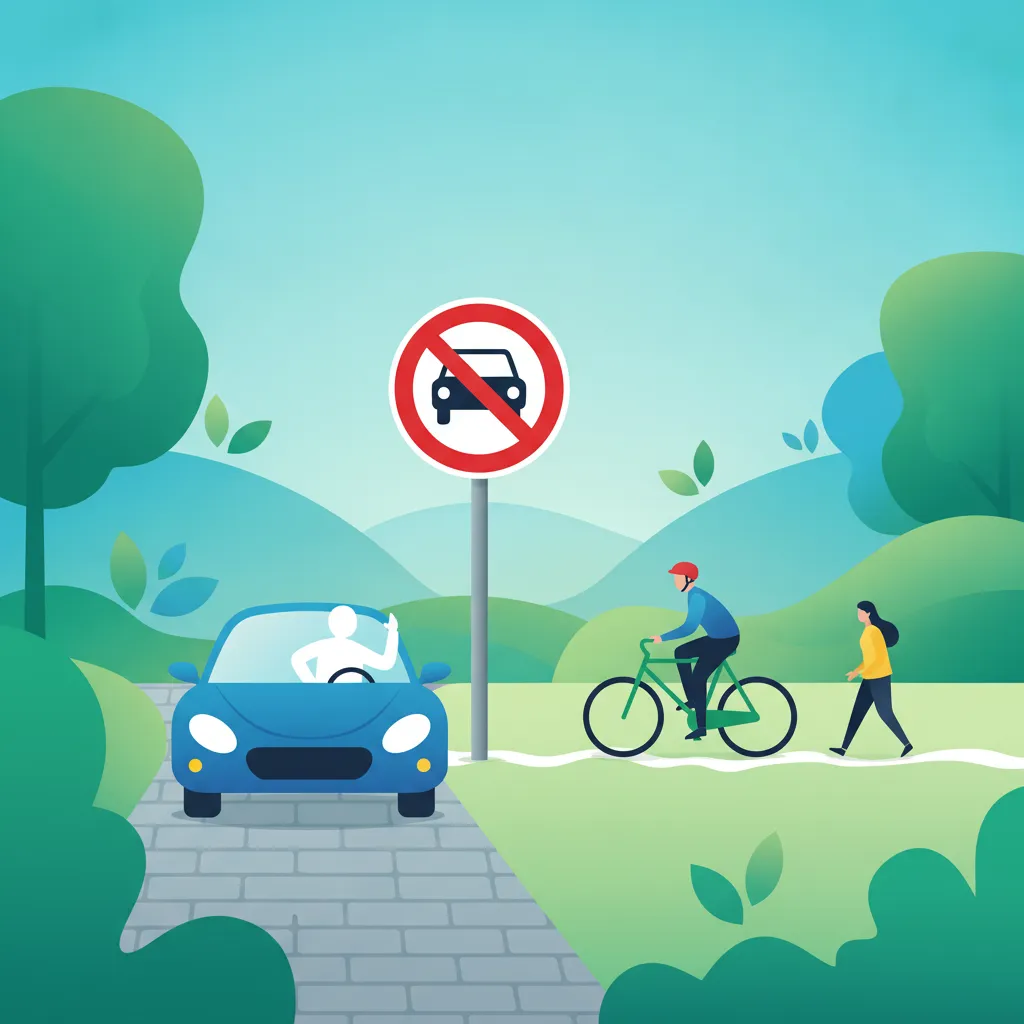
Many European and French city centers feature extremely narrow streets and pedestrianized zones. Entering these areas in a Category C or CE vehicle is strictly prohibited unless explicit municipal authorization is displayed on the dashboard. Physical barriers, such as retractable bollards, are common and can trap vehicles that enter without clearance.
To combat air pollution, major French urban areas have implemented Zones à Faibles Émissions mobilité (ZFE-m). These zones restrict vehicle entry based on environmental classifications.
Every vehicle operating in a ZFE-m must display a round windshield sticker called a Crit'Air vignette. The sticker system categorizes vehicles from 0 (cleanest) to 5 (most polluting) based on their engine type and European emission standard (Euro 1 to Euro 6).
For heavy goods vehicles, the requirements are progressively stricter:
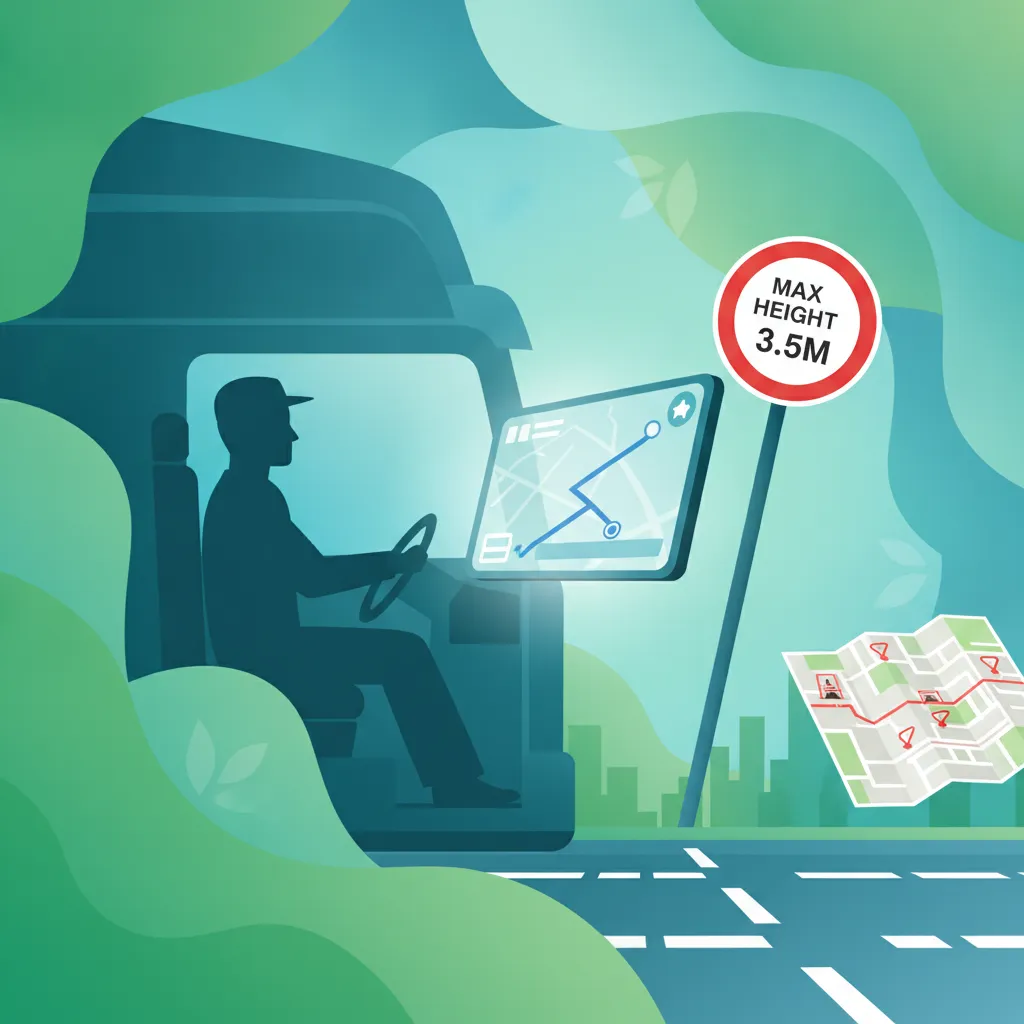
Under no circumstances should a professional driver use standard consumer-grade GPS software (such as standard mobile navigation apps) to route a heavy goods vehicle. Consumer systems lack the database attributes necessary to protect large commercial vehicles.
Standard car GPS systems route vehicles based on the shortest time or distance for a passenger car. They do not account for:
Before starting any journey, the driver must input the vehicle's exact physical configuration into a specialized heavy vehicle navigation system.
| Parameter | Unit | Description / Operational Importance |
|---|---|---|
| Overall Height | Metres (e.g., 4.00m) | Critical for avoiding low-clearance bridges, tunnels, and overhead cables. |
| Overall Width | Metres (e.g., 2.55m) | Ensures the vehicle can navigate narrow streets, toll lanes, and construction zones. |
| Overall Length | Metres (e.g., 16.50m) | Essential for calculating turning radii at intersections, roundabouts, and hairpins. |
| Gross Vehicle Weight (GVW) | Tonnes (e.g., 40t) | Avoids roads and bridges with maximum weight limits. |
| Axle Load Limit | Tonnes (e.g., 11.5t per axle) | Critical for compliance on roads with local axle-load restrictions. |
| Hazardous Materials (ADR) | Classification | Reroutes vehicles away from protected drinking water zones and specific tunnels. |
Driver Accountability: Relying on a GPS system does not absolve the driver of legal responsibility. If a GPS directs you to turn onto a road marked with a weight-limit sign, you must obey the physical road sign over the digital instruction.
Even with careful planning, unexpected operational realities require drivers to adapt dynamically. Here is how to handle common edge cases:
When a designated freight corridor is closed due to construction or an accident, temporary yellow detour signs (déviations) are put in place.
Many historic French communes restrict deliveries to specific windows, commonly between 07:00 and 10:00 or late evening.
Specific routes, such as high-altitude alpine passes or coastal bridge structures (e.g., the Millau Viaduct), enforce conditional restrictions during extreme weather.
Understanding the downstream impact of routing decisions is essential for professional competence.
To ensure complete compliance and safety across the French road network, keep the following core tenets in mind:
Explore all units and lessons included in this driving theory course.
Lesson content overview
Explore all units and lessons included in this driving theory course.
Explore search topics learners often look for when studying Planning Preferred Routes for Heavy Vehicles. These topics reflect common questions about road rules, driving situations, safety guidance, and lesson level theory preparation for learners in France.
Browse additional driving theory lessons that cover connected traffic rules, road signs, and common driving situations related to this topic. Improve your understanding of how different rules interact across everyday traffic scenarios.
Learn the legal requirements for accessing French low emission zones (ZFE-m) with category C and CE vehicles. This guide explains the Crit'Air vignette system, emission standards for heavy transport, and the consequences of restricted zone entry to help you comply with professional driving regulations in France.

In this lesson, the focus is on French environmental zones (ZFE) and low emission requirements that affect goods vehicle access to certain urban areas. Learners will explore how emissions criteria determine vehicle eligibility, the process for obtaining permits, and the consequences of non-compliance. The content also covers strategies for route planning that consider environmental restrictions while maintaining operational efficiency.
This lesson examines the regulatory limits and environmental controls applied to large passenger vehicles operating in dense French urban centers. Drivers will study the Crit'Air clean air sticker system and low-emission zones (ZFE) that restrict access for older, high-polluting vehicles. It also addresses navigating physical constraints, such as narrow streets, tight turning radii, and strict municipal weight limits.
In this lesson, learners will explore the various access restrictions that apply to goods vehicles in France, such as low emission zones and weight-restricted areas. The focus is on understanding the process to obtain necessary access permits and authorisations, and how these restrictions influence route planning and operational decisions. Learners will also be introduced to specific regulations governing vehicle entry into city centres and environmentally sensitive zones.
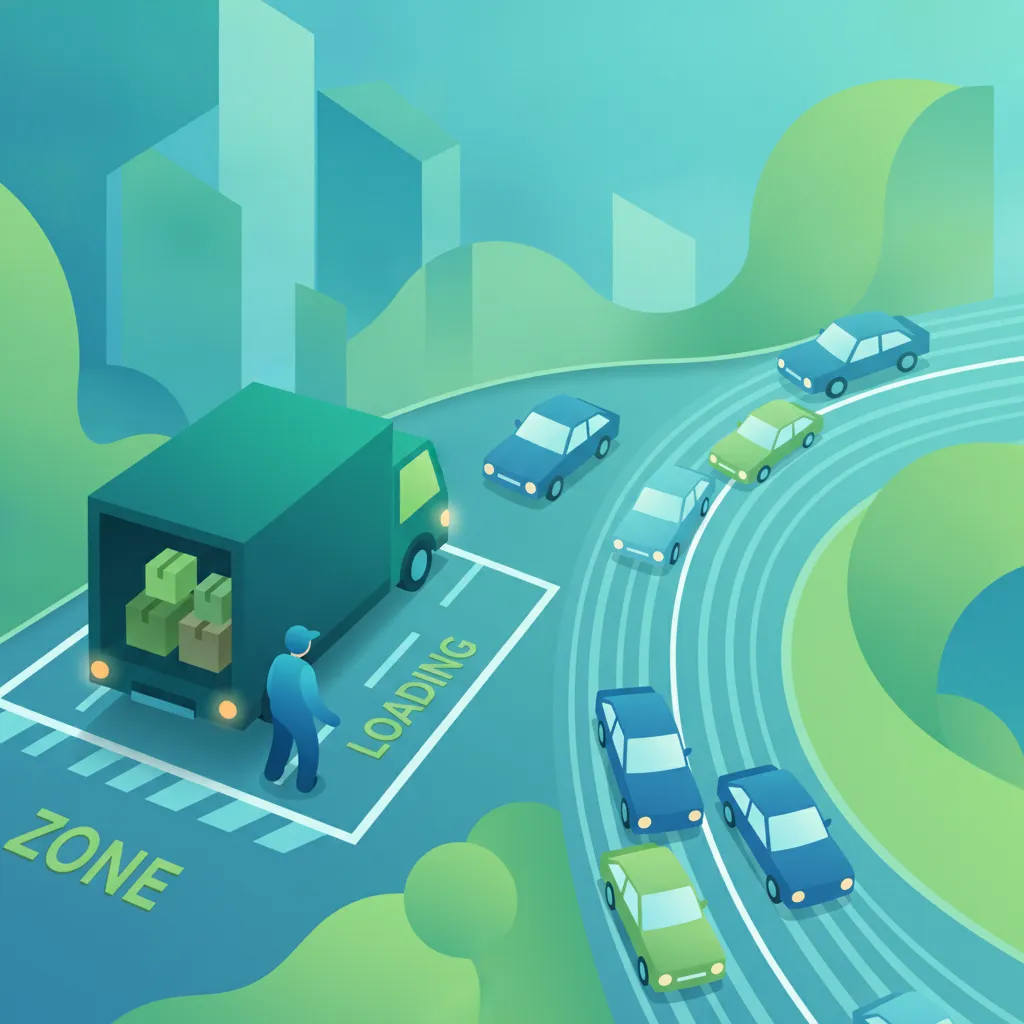
In this lesson, drivers will learn how to navigate urban delivery zones, understanding the rules surrounding loading bays, time windows, and restricted access areas. The content includes the process for obtaining delivery permits, strategies for safe maneuvering in congested city streets, and best practices for minimizing impact on pedestrian traffic. Learners will also be introduced to French city-specific regulations that govern goods vehicle deliveries.
This lesson covers the environmental legalities that motorcyclists must follow in French urban areas, including low-emission zones designated as ZFE. You will understand how Euro emissions classifications affect your motorcycle and learn the process for acquiring and placing a Crit'Air vignette. The lesson also explores eco-driving techniques that help reduce fuel consumption, greenhouse gas emissions, and exhaust noise levels.
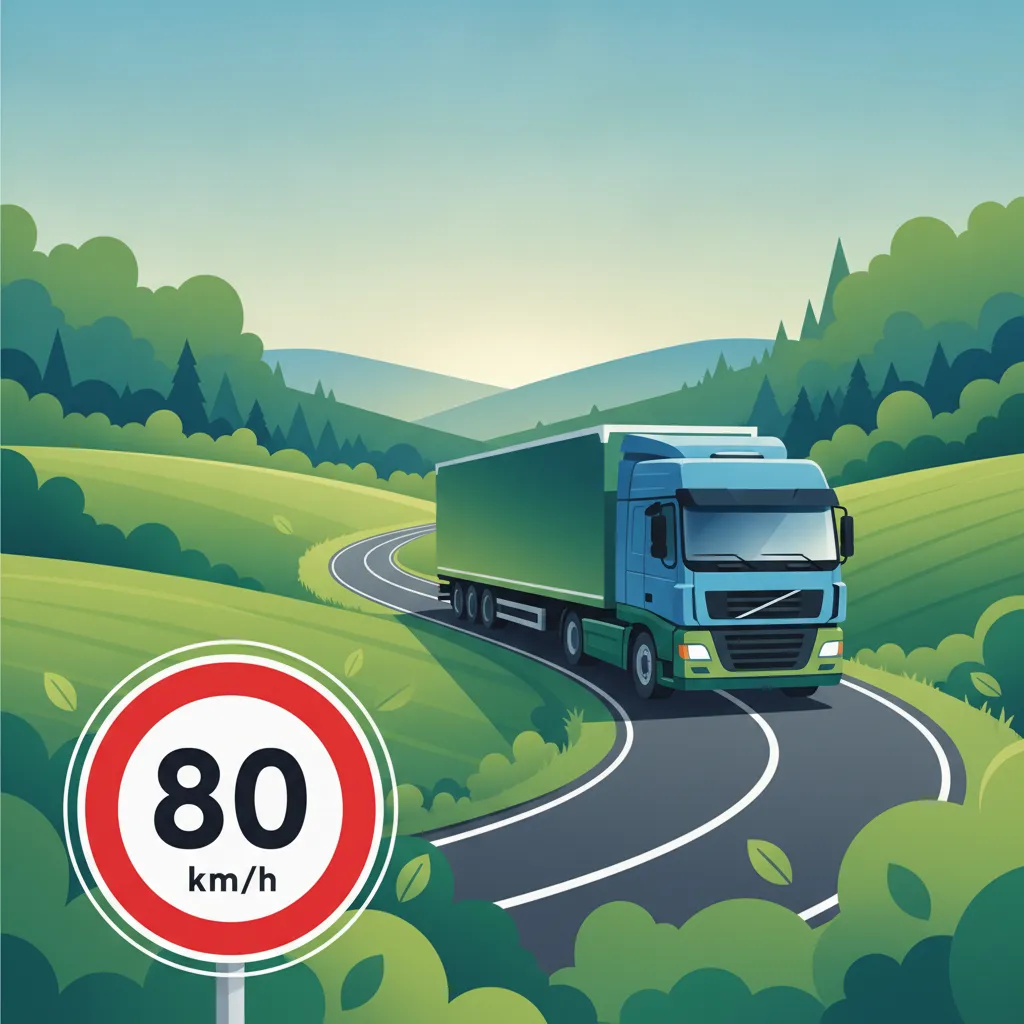
In this lesson, drivers will learn the specific speed limits that apply to goods vehicles across different road types in France, including urban areas, rural roads, and motorways. The content covers the differences between speed limit signs for heavy vehicles and standard passenger cars, the legal basis for these limits, and the importance of speed adaptation based on vehicle category and load. Learners will also be introduced to speed enforcement methods used in France, such as radar and speed cameras.
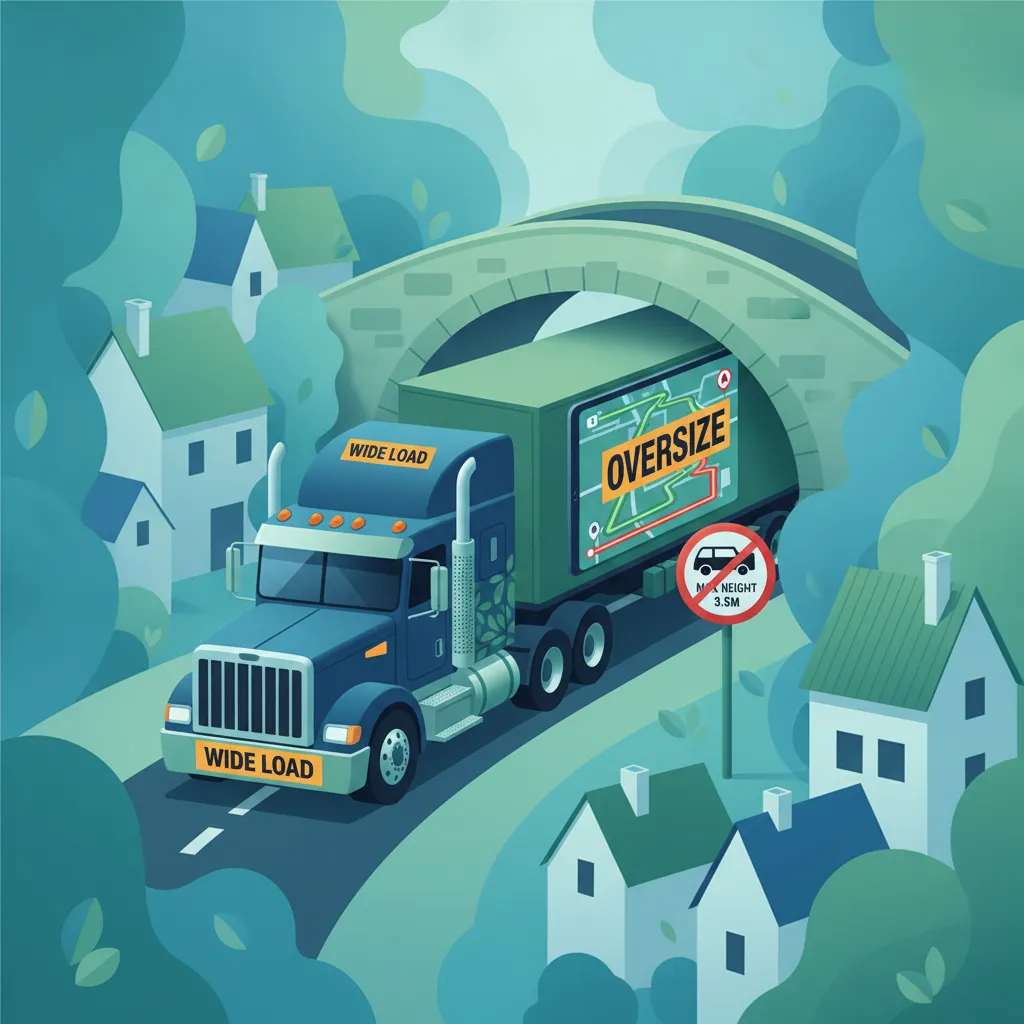
This lesson provides strategies for planning routes that accommodate oversized goods vehicles while complying with French road restrictions. Learners will learn how to identify prohibited routes, evaluate bridge and tunnel limitations, and obtain necessary access permits. The content also addresses the use of specialised GPS systems for heavy vehicle routing and the importance of contingency planning for detours, ensuring safe and efficient transport operations.
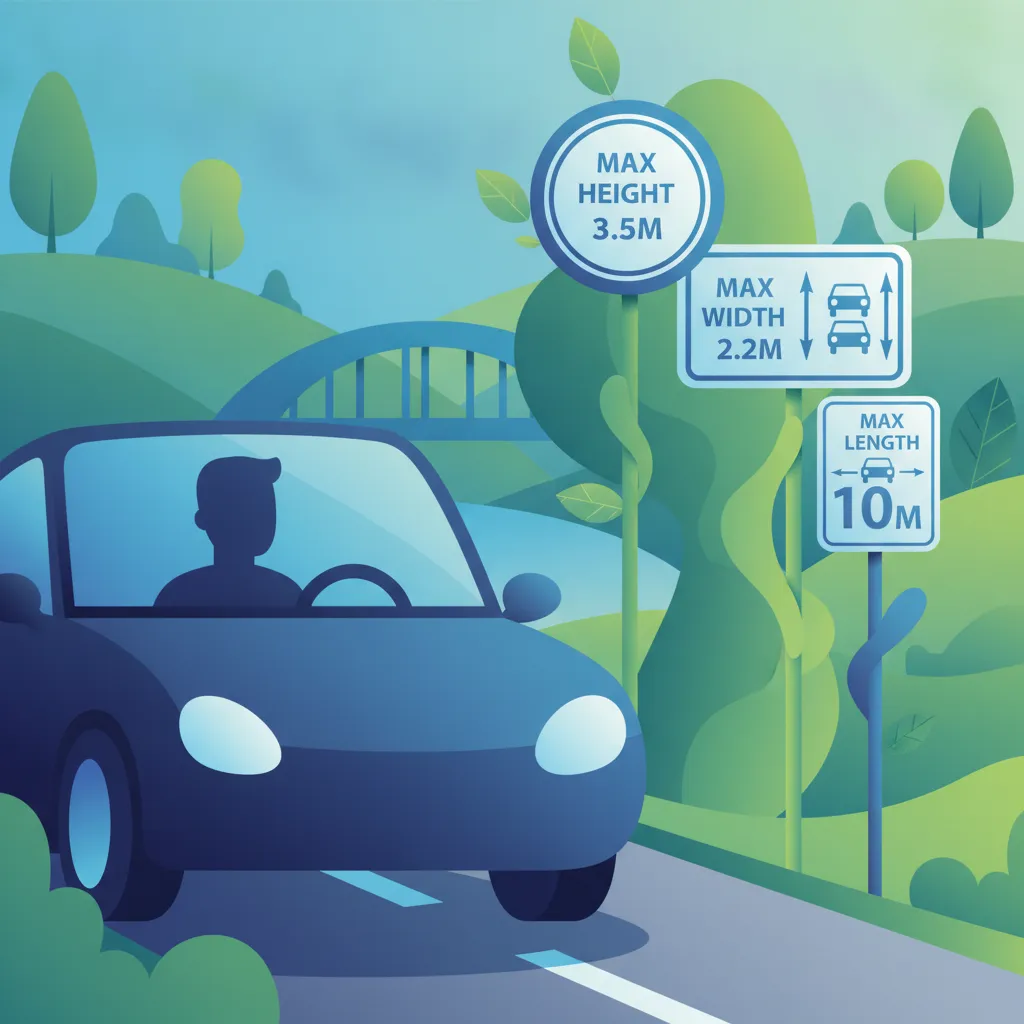
This lesson provides an in-depth analysis of how goods vehicles are classified according to their overall dimensions, such as length, width, height, and wheelbase. Learners will understand the legal limits imposed by French regulations for each vehicle class, and how these dimensions affect the vehicle’s classification and permissible routes. The material also explains the impact of cab size versus cargo space on maneuverability and route planning, highlighting the importance of accurate dimension assessment.
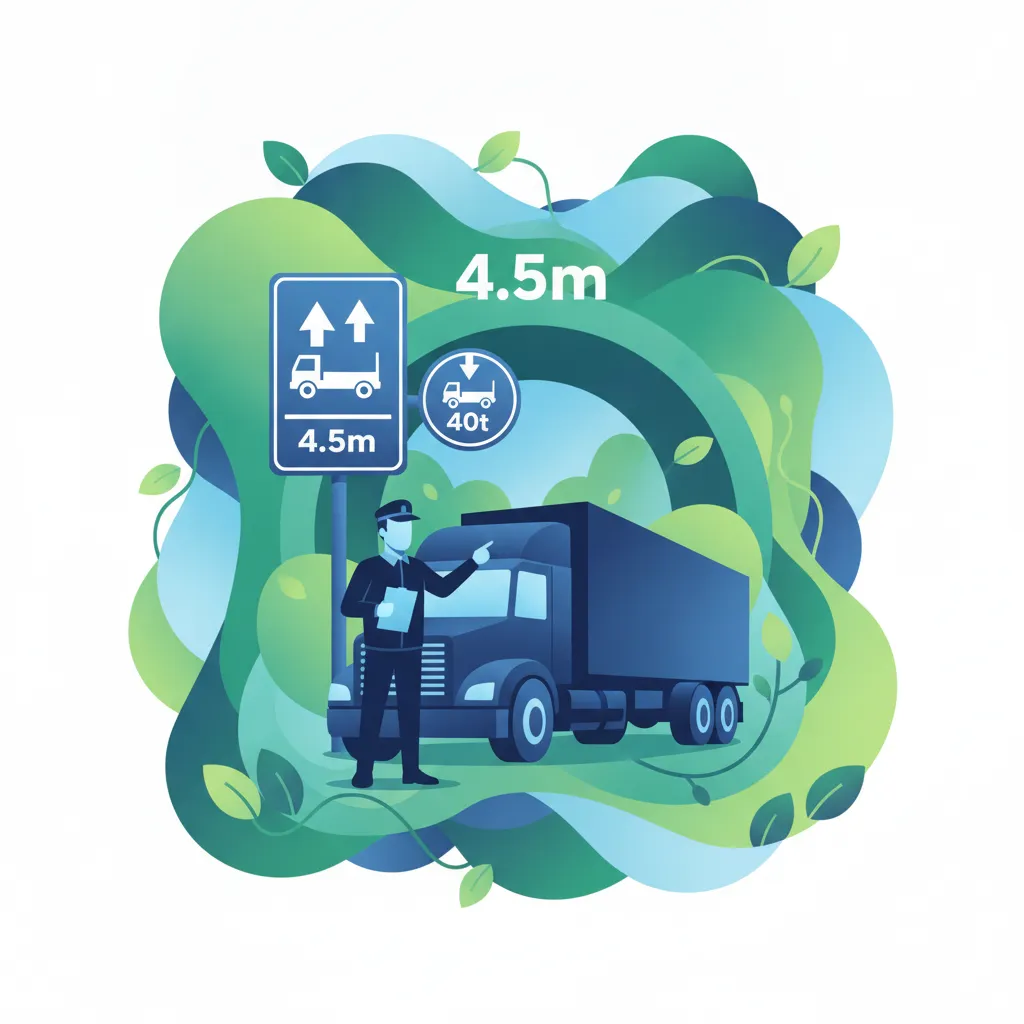
This lesson focuses on the weight and dimension restrictions that goods vehicles must adhere to while traveling on French roads. Learners will understand bridge caps, tunnel clearances, and other physical limitations imposed by infrastructure, and how these restrictions impact route planning and vehicle loading. The content also highlights legal load limits and the importance of compliance checks to avoid fines and roadblocks.

In this lesson, drivers will learn about the mandatory documentation required for operating a goods vehicle in France. The content covers the NEPH number needed for licence applications, vehicle registration certificates (carte grise), and proof of insurance. Learners will also explore the technical inspection process, load and customs documentation for cross-border transport, and the importance of maintaining an up-to-date driver logbook.
Find clear answers to common questions learners have about Planning Preferred Routes for Heavy Vehicles. Learn how the lesson is structured, which driving theory objectives it supports, and how it fits into the overall learning path of units and curriculum progression in France. These explanations help you understand key concepts, lesson flow, and exam focused study goals.
Standard GPS often fails to account for weight, height, and length restrictions specific to your vehicle class. Professional drivers must use HGV-specific systems that integrate bridge clearances and weight-limited roads to remain compliant with the law.
You must check the Crit'Air requirements for urban areas and transit corridors. Some zones prohibit heavy vehicles with certain emissions stickers, and failing to plan for this can lead to heavy fines.
No, access and tariff structures vary by weight and vehicle category. Always verify if the specific toll corridor is authorized for your vehicle's current load and dimensions.
Choosing a prohibited route that leads to an accident or infrastructure damage falls under professional liability. Proper planning is a legal duty, and ignoring restrictions can lead to severe penalties.
Ready to focus your study? Use the practice search to find exactly the French driving theory questions you need for the Code de la route and permis de conduire ETG. Refine your knowledge on specific topics or challenging rules to boost your confidence and exam readiness.