
This lesson guides you through the crucial paperwork required for operating heavy goods vehicles across France. Understanding these legal requirements is essential for your Category C and CE professional driving career and helps you avoid severe penalties during roadside checks.

Lesson content overview
Operating a heavy goods vehicle (Category C or CE) in France requires more than driving skills and a deep understanding of road safety. It demands absolute compliance with a complex, strict administrative framework. Every professional journey is subject to inspections by the police (Gendarmerie or Police Nationale), the Ministry of Transport, and customs officials (Douanes).
This guide covers the mandatory documentation that every driver must maintain and carry when operating a goods vehicle on French roads. Ensuring these documents are valid, up-to-date, and accessible is not just a regulatory chore; it is a fundamental pillar of professional driving that protects your career, your employer, and public safety.
Under the French Code de la route and European transport regulations, the driver of a goods vehicle is the final guarantor of compliance. Even if a vehicle is owned by a large transport company with dedicated logistics teams, the driver is legally responsible for verifying that all required documentation is on board before starting the engine.
Failing to present valid documentation during a roadside check can result in heavy fines, vehicle immobilization, and, in severe cases, criminal charges. Operating with expired documents can also invalidate the vehicle's insurance coverage, leaving both the driver and the operator exposed to immense financial liability in the event of an accident.
Before you can legally operate a heavy vehicle, you must be registered within the national driver licensing database. This system is centered around a unique identifier that tracks your entire driving history.
The NEPH is a unique 12-digit identification number assigned by the French administration to any individual applying for a driving licence. It serves as your permanent administrative registration key across all licence categories.
When you apply to sit for the theoretical or practical exams for Category C (Rigid Goods Vehicles) or Category CE (Articulated Combinations), your application is processed through the official government portal, ANTS (Agence Nationale des Titres Sécurisés).
Every motorized vehicle and trailer operated on public roads must be registered. This registration is represented by the Carte Grise (officially known as the Certificat d'Immatriculation).
The official vehicle registration certificate in France that serves as identity paperwork for the vehicle, linking it to a specific owner, vehicle category, and technical specifications.
Never assume a temporary registration plate (plaque d'immatriculation provisoire or WW plate) is a permanent substitute for the Carte Grise during standard commercial operations. These are strictly for temporary transit and have severe geographic and functional limitations.
In France, all motor vehicles must be covered by compulsory civil liability insurance (assurance responsabilité civile). This guarantees that any damage or injury caused to third parties in an accident is financially covered.
The driver must carry the physical insurance certificate (attestation d'assurance), commonly referred to as the green card (carte verte), along with the insurance vignette (papillon vert) affixed to the vehicle's windscreen.
Heavy goods vehicles are subject to intensive wear and tear, making regular mechanical verification critical for public safety. The Certificat de Contrôle Technique is the official proof that a vehicle has passed its periodic safety inspections.
Unlike standard passenger cars, goods vehicles have much tighter inspection schedules due to their weight, braking requirements, and potential road-hazard profile.
If a vehicle or trailer fails its inspection, or if the certificate expires, the vehicle is legally prohibited from circulating. Drivers caught operating a vehicle with an expired contrôle technique face immediate fines, and the vehicle may be impounded or ordered to a testing station under a temporary permit (fiche de circulation provisoire).
To prevent driver fatigue—one of the leading causes of severe accidents involving heavy vehicles—strict EU and French laws govern driving and rest times. Compliance is monitored via physical or digital logging systems.
A standardized manual or electronic logbook where professional drivers record their working hours, driving periods, rest breaks, and other daily activities.
Modern commercial vehicles are equipped with an electronic tachograph (tachygraphe numérique). The tachograph records speed, distance, and driver activity directly onto a personalized smart card (the driver card or carte conducteur).
Falsifying tachograph records, using another driver's card, or failing to maintain a logbook is treated as a criminal offense in France. It carries severe penalties, including heavy fines, immediate license suspension, and potential imprisonment for both the driver and the transport manager.
Operating an articulated vehicle (such as a semi-trailer combination under Category CE) introduces unique technical challenges. The tractor unit and the trailer must be technically compatible and certified to operate as a single combined unit.
The CEP is a mandatory document for Category CE combinations that certifies the tractor unit (remorqueur) is legally authorized to pull heavy trailers.
When transporting goods professionally, you must prove the legitimacy, origin, and destination of your cargo. This protects against illegal transport, tax evasion, and safety violations.
The lettre de transport is the contract of carriage between the sender, the carrier, and the consignee.
If your route takes you outside the European Single Market (for example, entering Switzerland or crossing the English Channel to the United Kingdom), you must carry official customs paperwork.
The French transport sector is highly international. To prevent social dumping and ensure fair labor standards, foreign drivers operating in France must carry specific employment authorization.
A temporary work permit required for foreign nationals (non-EU/EEA citizens) working as professional drivers for a company operating within French territory.
To avoid legal liability and operational delays, you must strictly memorize and apply these core operational rules:
You must carry the original Carte Grise, Attestation d'Assurance, Certificat de Contrôle Technique, and your physical driving licence in the vehicle at all times. Photocopies are not legally valid during an inspection.
You are prohibited from driving a goods vehicle or towing a trailer if its technical inspection certificate (contrôle technique) has expired. Scheduling the inspection before the expiry date is a mandatory operational requirement.
The vehicle and trailer must be covered by valid, active civil liability insurance at all times. You must verify that the vehicle's green card is valid for the duration of the planned journey.
The driver logbook or digital tachograph must be updated in real-time. Falsifying records or failing to present records for the current day and the previous 28 days is a criminal offense.
When crossing international borders, you must carry a fully completed CMR consignment note and any required customs declarations. You must comply with all border stops indicated by official signage.
This lesson covers the mandatory documentation framework for operating Category C and CE heavy goods vehicles in France, where drivers bear legal responsibility for ensuring all documents are valid and on board. Key documents include the NEPH number for licence applications, the original Carte Grise (no photocopies permitted), valid insurance attestation matching the vehicle's registration, and separate technical inspection certificates for both tractor units and trailers. The lesson details tachograph requirements with a 28-day record retention rule, the CEP certificate for tractor-trailer combinations valid for five years, and international transport documentation including CMR consignment notes and customs declarations for non-EU destinations. Practical scenarios demonstrate common violations such as expired trailer inspections and tachograph fraud, highlighting that falsifying records carries criminal penalties including fines, licence suspension, and imprisonment.
A short set of high-value points that capture the most important learning from this lesson.
The NEPH is a permanent 12-digit identification number required for every administrative step in French driving licence procedures including theory exam registration and medical examinations.
The original Carte Grise must always be physically carried in the vehicle; photocopies are legally invalid during roadside inspections and will result in fines and vehicle immobilization.
The trailer requires its own independent Certificat de Contrôle Technique; using the tractor unit's inspection certificate for the trailer is illegal.
Tachograph records must be maintained in real-time and presented for the current day plus the previous 28 days during any roadside check.
International road transport requires a CMR consignment note for cross-border journeys and customs declarations (Déclaration en Douane) when leaving the EU single market.
Explore all units and lessons included in this driving theory course.
NEPH = Numéro d'Examen du Permis de Conduire, a permanent 12-digit identifier printed on both the interim certificate (CEPC) and the final licence card.
CEP (Certificat d'Enregistrement du Remorqueur) is valid for five years and certifies that a tractor unit can legally tow specific trailer types under Category CE.
For Category CE combinations, both the tractor unit and trailer must have valid technical inspection certificates as they are treated as separate vehicles.
The attestation d'assurance (green card) must match the exact registration plate of the vehicle being driven, including fleet policies covering multiple vehicles.
Foreign non-EU/EEA drivers require an ATT (Autorisation de Travail Temporaire) and companies must file a posting declaration via the EU portal before operating in France.
Confusing the NEPH number with the document serial number on the licence card, leading to rejected exam applications when entering the wrong number on official portals.
Assuming that carrying high-quality photocopies of the Carte Grise and insurance certificate satisfies legal requirements; only original documents are accepted.
Forgetting that trailers require their own technical inspection certificate and driving with an expired trailer inspection while the tractor unit is compliant.
Falsifying tachograph records or logging rest breaks while the vehicle is in motion; this is treated as a criminal offense with severe penalties including imprisonment.
Believing temporary registration plates (WW plates) can substitute for the Carte Grise during standard commercial operations, when they have strict geographic and time limitations.
Lesson content overview
A short set of high-value points that capture the most important learning from this lesson.
The NEPH is a permanent 12-digit identification number required for every administrative step in French driving licence procedures including theory exam registration and medical examinations.
The original Carte Grise must always be physically carried in the vehicle; photocopies are legally invalid during roadside inspections and will result in fines and vehicle immobilization.
The trailer requires its own independent Certificat de Contrôle Technique; using the tractor unit's inspection certificate for the trailer is illegal.
Tachograph records must be maintained in real-time and presented for the current day plus the previous 28 days during any roadside check.
International road transport requires a CMR consignment note for cross-border journeys and customs declarations (Déclaration en Douane) when leaving the EU single market.
Explore all units and lessons included in this driving theory course.
NEPH = Numéro d'Examen du Permis de Conduire, a permanent 12-digit identifier printed on both the interim certificate (CEPC) and the final licence card.
CEP (Certificat d'Enregistrement du Remorqueur) is valid for five years and certifies that a tractor unit can legally tow specific trailer types under Category CE.
For Category CE combinations, both the tractor unit and trailer must have valid technical inspection certificates as they are treated as separate vehicles.
The attestation d'assurance (green card) must match the exact registration plate of the vehicle being driven, including fleet policies covering multiple vehicles.
Foreign non-EU/EEA drivers require an ATT (Autorisation de Travail Temporaire) and companies must file a posting declaration via the EU portal before operating in France.
Confusing the NEPH number with the document serial number on the licence card, leading to rejected exam applications when entering the wrong number on official portals.
Assuming that carrying high-quality photocopies of the Carte Grise and insurance certificate satisfies legal requirements; only original documents are accepted.
Forgetting that trailers require their own technical inspection certificate and driving with an expired trailer inspection while the tractor unit is compliant.
Falsifying tachograph records or logging rest breaks while the vehicle is in motion; this is treated as a criminal offense with severe penalties including imprisonment.
Believing temporary registration plates (WW plates) can substitute for the Carte Grise during standard commercial operations, when they have strict geographic and time limitations.
Explore search topics learners often look for when studying Essential Documentation for Goods Vehicles. These topics reflect common questions about road rules, driving situations, safety guidance, and lesson level theory preparation for learners in France.
Browse additional driving theory lessons that cover connected traffic rules, road signs, and common driving situations related to this topic. Improve your understanding of how different rules interact across everyday traffic scenarios.
Learn the legal requirements for recording driving times, rest periods, and working hours in heavy goods vehicles using electronic tachographs. Understand how to maintain compliance with French transport law and avoid common administrative errors during professional vehicle operations.
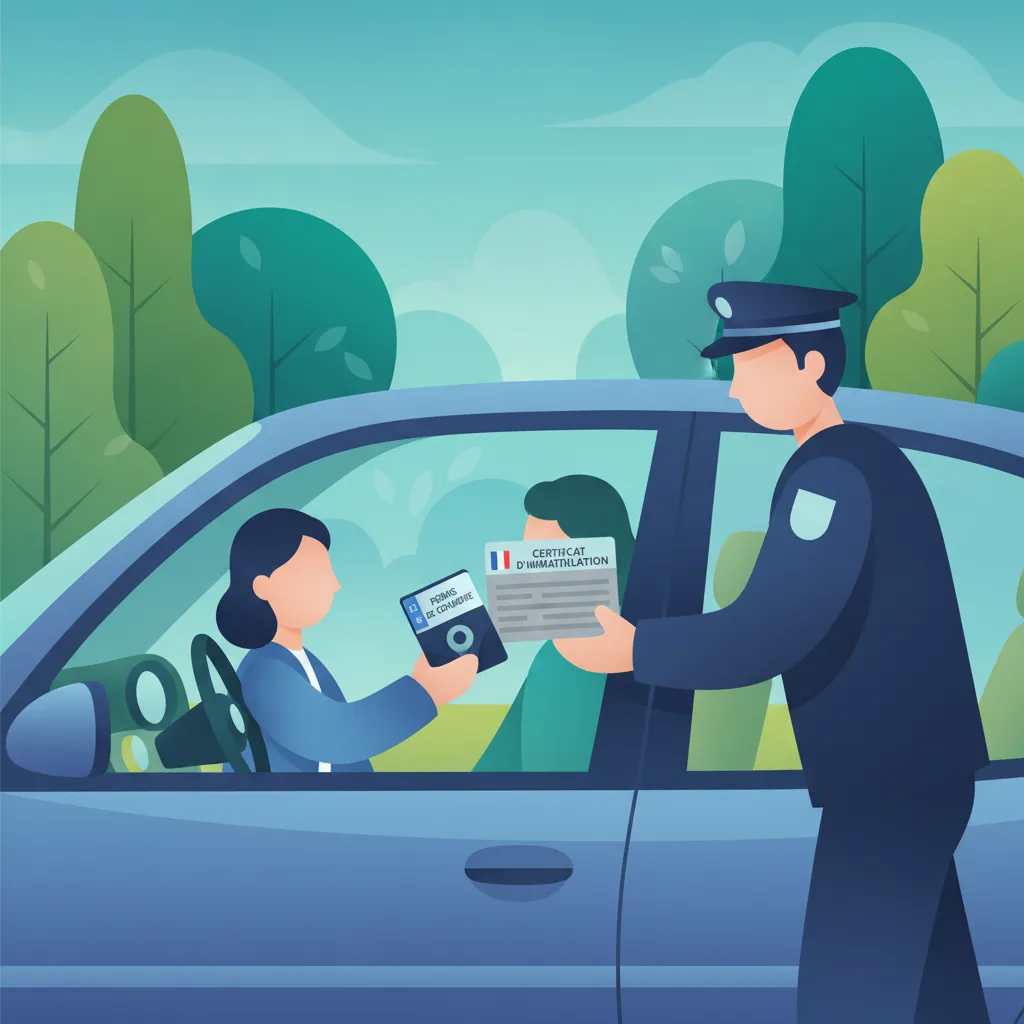
This lesson explains the critical documentation required to be kept onboard every passenger vehicle under French and European transport regulations. Learners will explore requirements for passenger manifests, insurance policies, valid transport permits, and official logbooks like the chronotachygraphe. Crucially, the lesson covers proper procedures for presenting these documents during routine roadside inspections by French law enforcement agencies.

This lesson focuses on identifying the signs of driver fatigue and understanding its impact on reaction times, decision-making, and overall safety. Learners will be introduced to legal limits on continuous driving and required rest periods as stipulated by French regulations. The content also provides practical strategies for managing fatigue, such as scheduling regular breaks, employing alertness techniques, and recognizing when to cease driving.
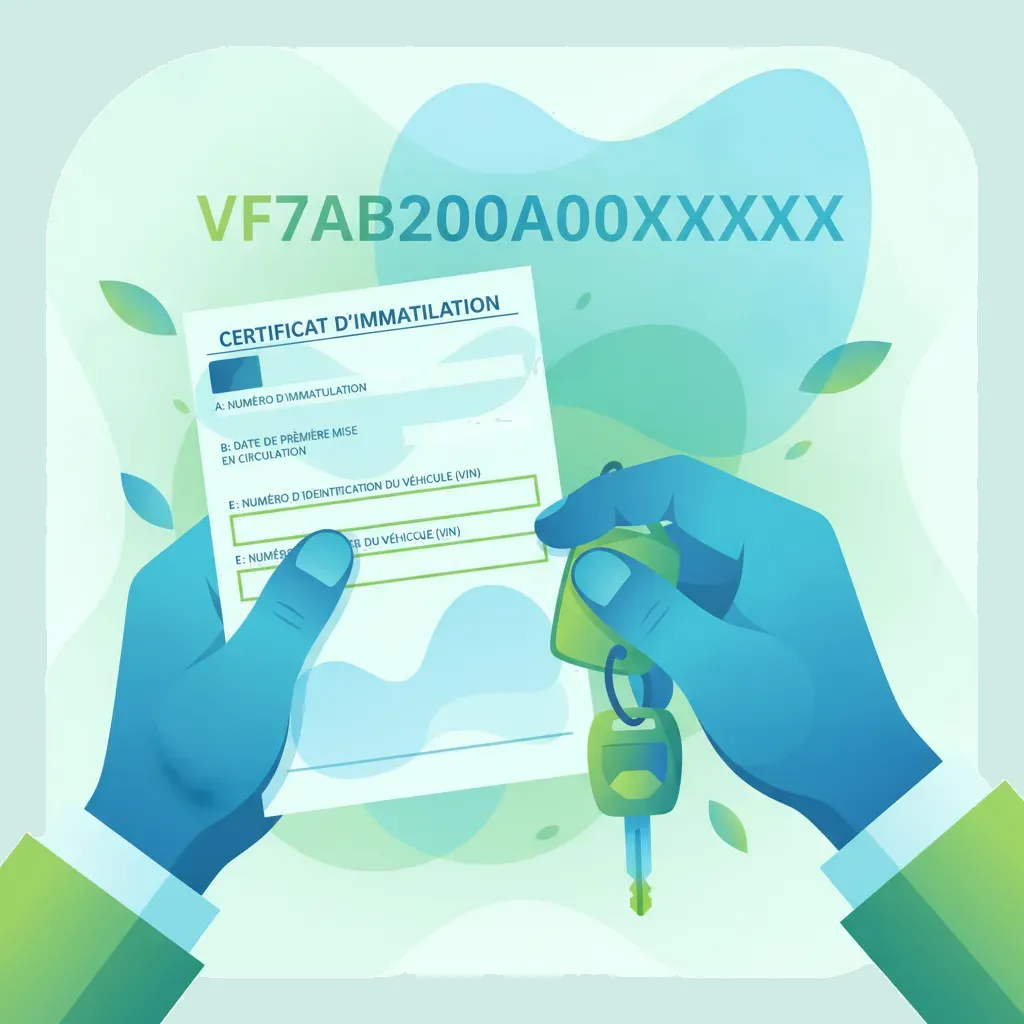
Every driver in France must be able to present official, up-to-date documentation during routine roadside police checks. This lesson details the certificat d'immatriculation (commonly known as the carte grise), valid insurance documents, and the Crit'Air environmental vignette required in low-emission zones. It explains how to complete transfers of ownership and update addresses using the official ANTS digital portal.

This lesson covers the preparation and execution of long-distance intercity coach services (such as "Macron buses" in France). Drivers will learn to integrate European Union social regulations on driving limits and mandatory rest breaks into their journey planning. Strategies for checking weather reports, tracking fuel consumption, and monitoring passenger comfort during long transit times are fully explained.

Operating a passenger vehicle in France requires strict compliance with dynamic safety laws and maintenance rules. This lesson explains your duty of care toward other road users, mandatory child restraint and seatbelt laws, and strict prohibitions on phone use while driving. You will also learn about the required periodic technical vehicle inspections (controle technique) and third-party insurance mandates.

This lesson examines the legal consequences, heavy monetary fines, and driver's licence point deductions resulting from traffic and transport safety violations. Learners will study specific infractions such as driving over legal hours, vehicle overloading, and ignoring passenger seatbelt laws. Understanding the strict enforcement systems in France ensures drivers actively avoid risky habits that could end their careers.

This lesson details the specific legal speed limits for passenger transport vehicles on motorways, rural trunk roads, and urban streets under French law. Drivers will learn how speed limits shift depending on overall vehicle weight, towing arrangements, and poor weather conditions like heavy rain. Developing a proactive approach to speed management helps maintain stable vehicle control and ensures full regulatory compliance.
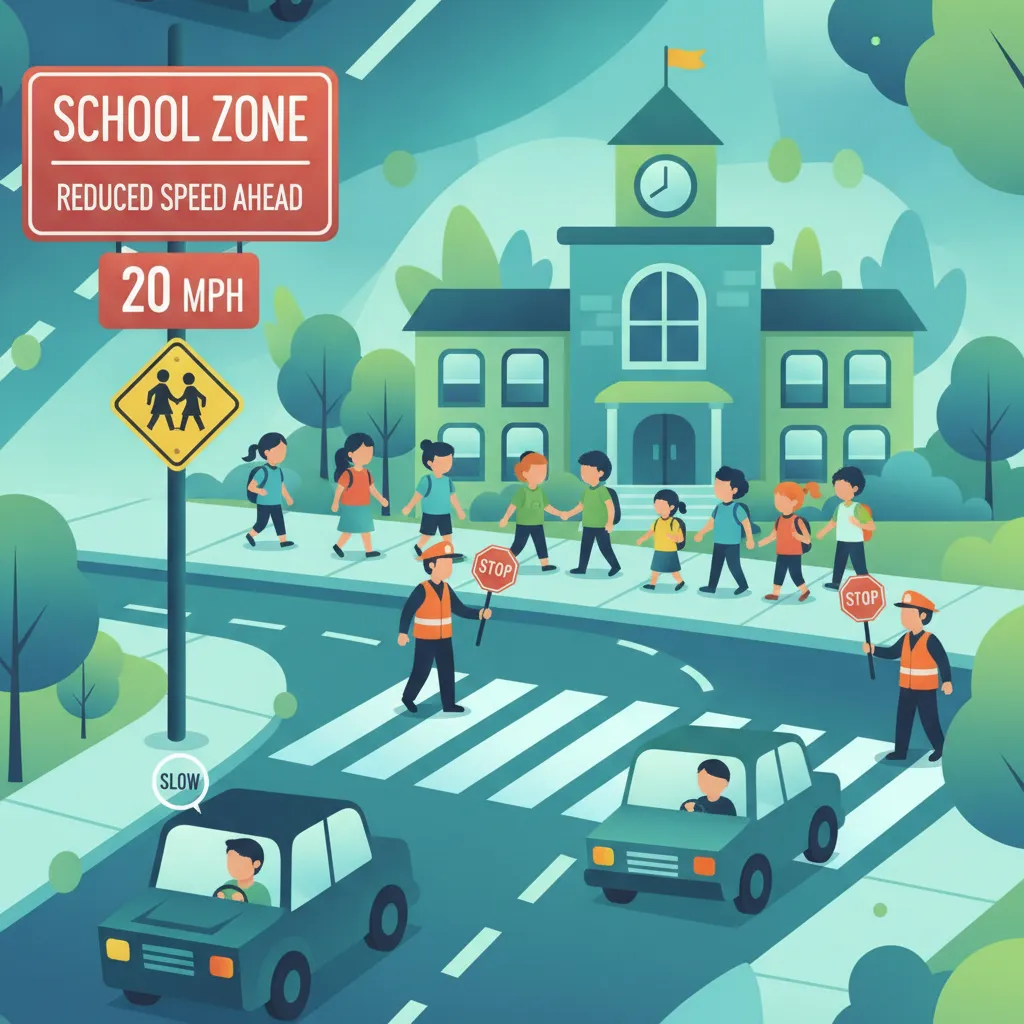
This lesson focuses on the legal rules and safety procedures required within school zones and during school transport (transport scolaire) services in France. Drivers will study strict speed limits, school bus warning sign applications, and mandatory stopping rules when children are boarding. It also details how to respond to official crossing guard signals and ensure students are safely clear before moving.

This lesson covers the rules of driving passenger vehicles on high-speed French motorways (autoroutes). Learners will study entry-ramp merging protocols, lane restrictions for vehicles over 3.5 tonnes, and motorway-specific speed limits. The lesson also highlights the correct use of toll booths (péages), emergency hard-shoulder safety procedures, and accessing dedicated coach rest areas.

This lesson addresses the procedures and expectations when professional drivers encounter law enforcement or customs officials in France. Topics include the types of checks that may be performed, required documentation, rights and obligations of drivers, and the consequences of non-compliance. Learners will be guided on best practices for interacting with authorities, emphasizing cooperation, transparency, and the importance of maintaining valid and up-to-date documents for both the vehicle and driver.
Understand the administrative procedures for carrying goods, including CMR consignment notes and customs declarations for cross-border transport. This guide explains the legal necessity of accurate cargo paperwork and professional conduct when navigating international transport boundaries.
This lesson explains the critical documentation required to be kept onboard every passenger vehicle under French and European transport regulations. Learners will explore requirements for passenger manifests, insurance policies, valid transport permits, and official logbooks like the chronotachygraphe. Crucially, the lesson covers proper procedures for presenting these documents during routine roadside inspections by French law enforcement agencies.
This lesson addresses the procedures and expectations when professional drivers encounter law enforcement or customs officials in France. Topics include the types of checks that may be performed, required documentation, rights and obligations of drivers, and the consequences of non-compliance. Learners will be guided on best practices for interacting with authorities, emphasizing cooperation, transparency, and the importance of maintaining valid and up-to-date documents for both the vehicle and driver.

Carrying heavy loads or pulling trailers significantly alters a passenger vehicle's braking distances and stability characteristics. This lesson covers how to read weight limits (like gross vehicle weight ratings), distribute cargo weight evenly, and secure items inside the boot or on roof racks. You will learn to use specialized cargo straps and understand the risks of overloading your suspension and tyres.
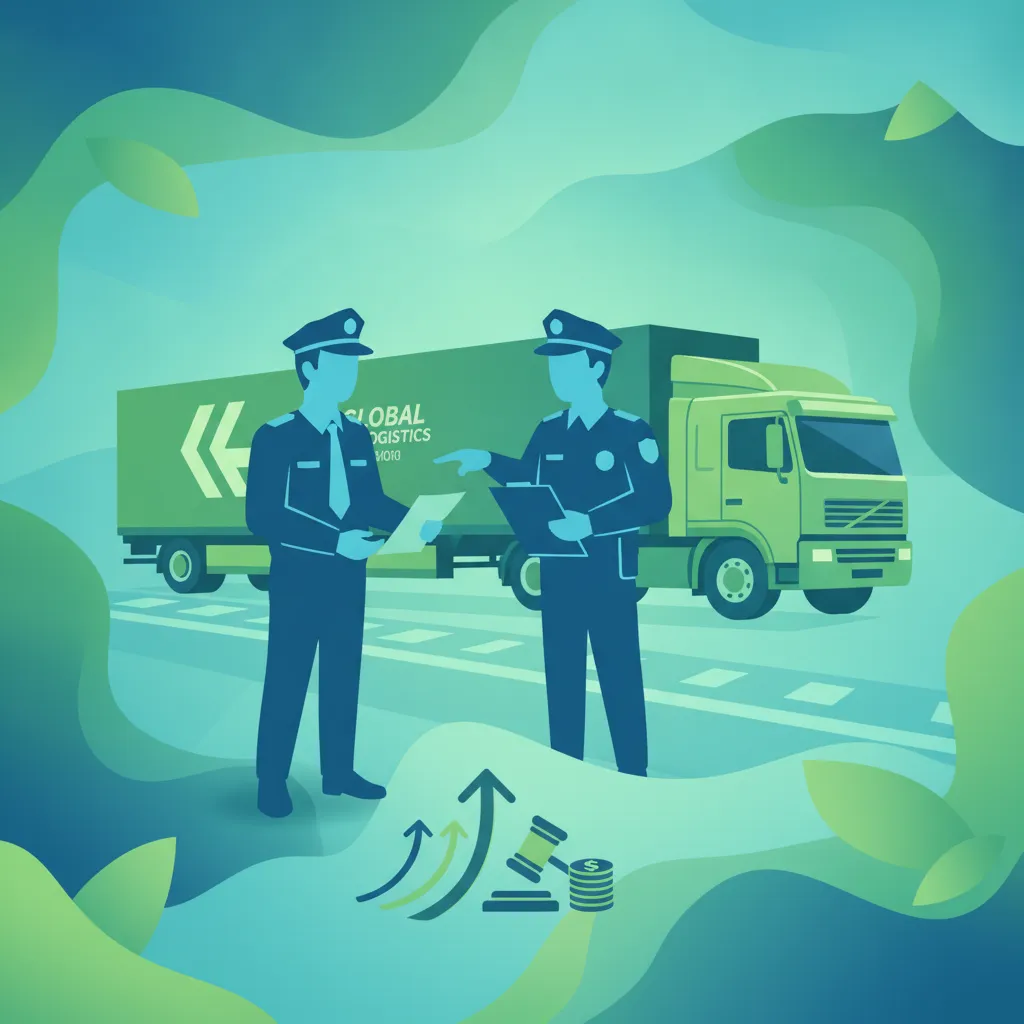
This lesson delves into the dual aspects of civil and criminal liability that professional goods vehicle drivers face in the event of traffic violations or accidents. Learners will explore the range of penalties, including fines, licence suspension, vehicle seizure, and potential imprisonment for severe offenses under French law. The discussion also covers the impact of negligence on insurance coverage, the accrual of penalty points, and the broader consequences for both the driver and their employer.

This lesson outlines the essential components of a comprehensive pre-trip vehicle inspection for goods vehicles, emphasizing safety checks for brakes, tyres, lights, mirrors, coupling devices, and cargo. Learners will understand the importance of verifying that all safety equipment is functional and that cargo is properly secured before commencing a journey. The content also details the necessary documentation checks to ensure compliance with French road regulations.

In this lesson, drivers will learn the essential steps to take following an accident involving a goods vehicle. The content covers contacting emergency services via 112, providing first aid, and safely positioning the vehicle to protect other road users. Learners will be instructed on documenting the incident, notifying insurance providers, and fulfilling legal obligations for accident reporting, including gathering witness statements.
Every driver in France must be able to present official, up-to-date documentation during routine roadside police checks. This lesson details the certificat d'immatriculation (commonly known as the carte grise), valid insurance documents, and the Crit'Air environmental vignette required in low-emission zones. It explains how to complete transfers of ownership and update addresses using the official ANTS digital portal.
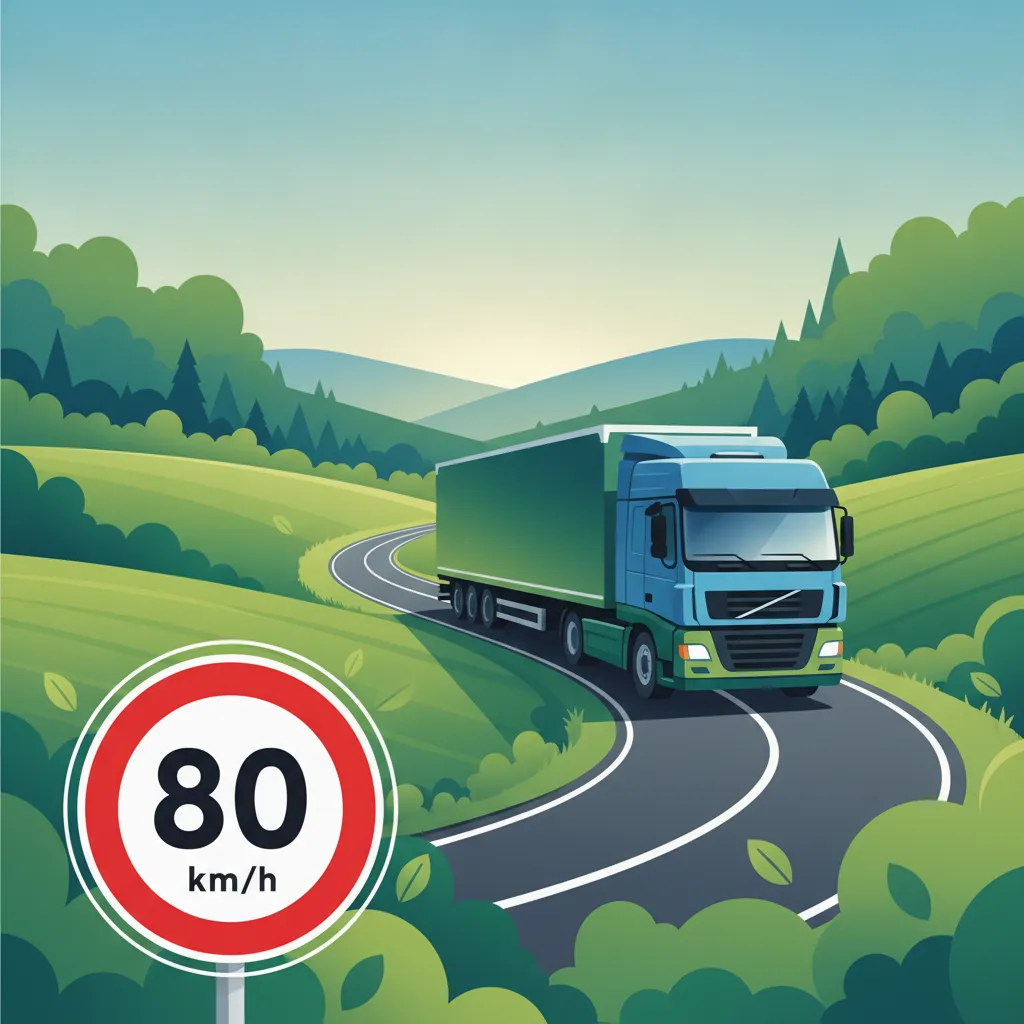
In this lesson, drivers will learn the specific speed limits that apply to goods vehicles across different road types in France, including urban areas, rural roads, and motorways. The content covers the differences between speed limit signs for heavy vehicles and standard passenger cars, the legal basis for these limits, and the importance of speed adaptation based on vehicle category and load. Learners will also be introduced to speed enforcement methods used in France, such as radar and speed cameras.
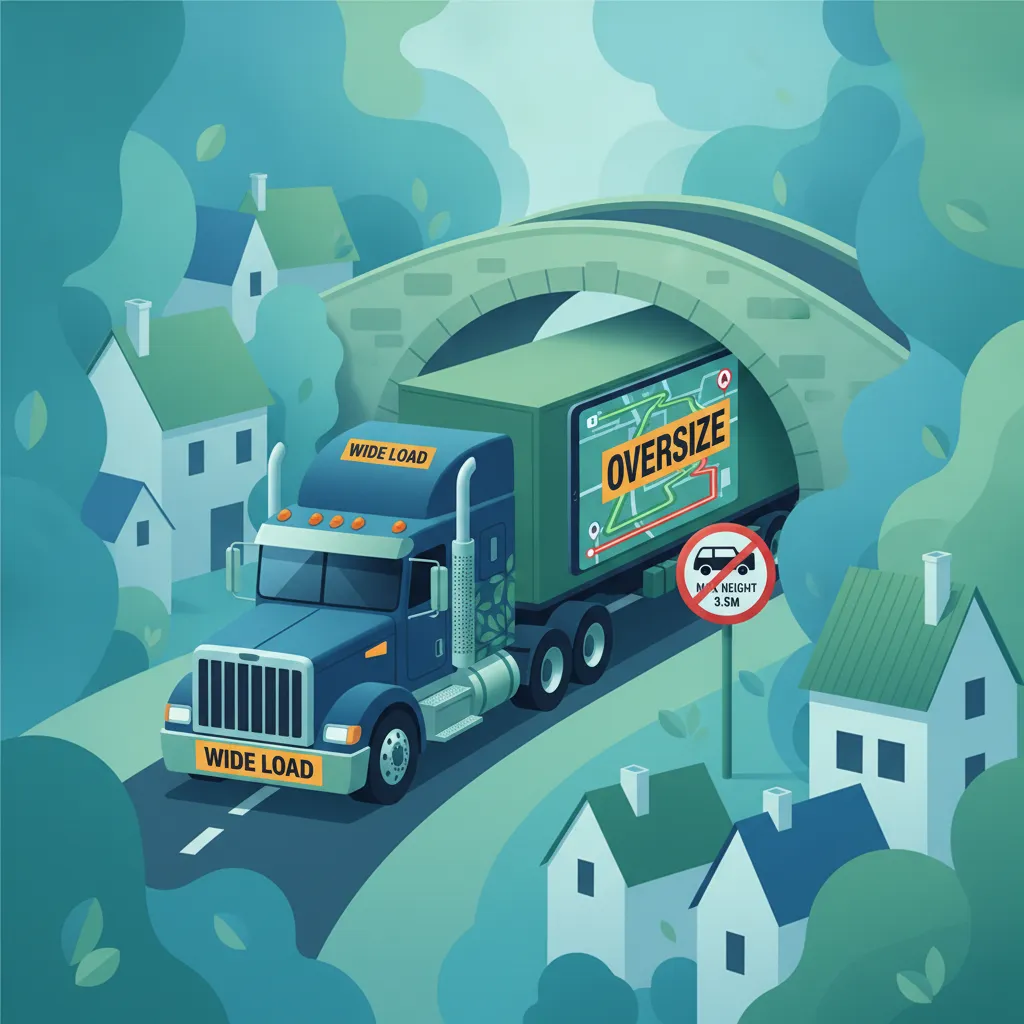
This lesson provides strategies for planning routes that accommodate oversized goods vehicles while complying with French road restrictions. Learners will learn how to identify prohibited routes, evaluate bridge and tunnel limitations, and obtain necessary access permits. The content also addresses the use of specialised GPS systems for heavy vehicle routing and the importance of contingency planning for detours, ensuring safe and efficient transport operations.
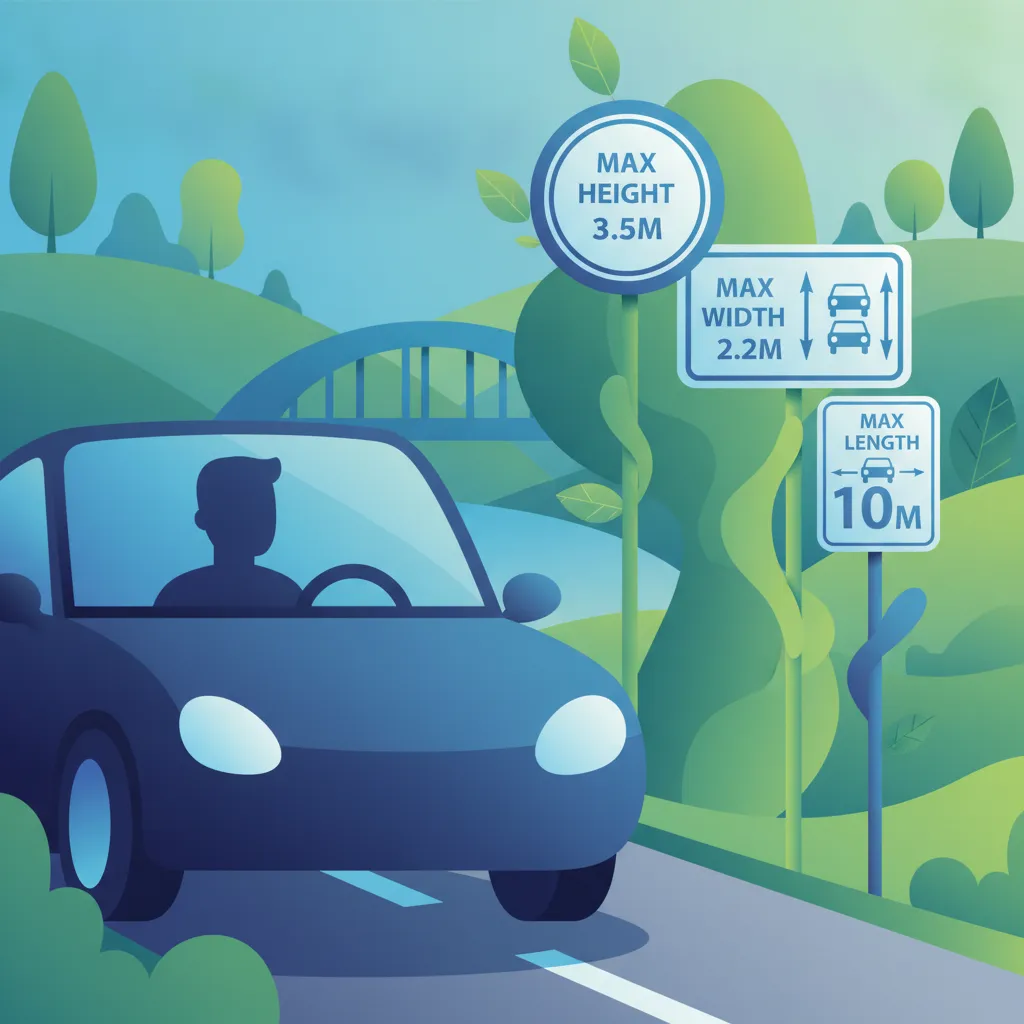
This lesson provides an in-depth analysis of how goods vehicles are classified according to their overall dimensions, such as length, width, height, and wheelbase. Learners will understand the legal limits imposed by French regulations for each vehicle class, and how these dimensions affect the vehicle’s classification and permissible routes. The material also explains the impact of cab size versus cargo space on maneuverability and route planning, highlighting the importance of accurate dimension assessment.
Find clear answers to common questions learners have about Essential Documentation for Goods Vehicles. Learn how the lesson is structured, which driving theory objectives it supports, and how it fits into the overall learning path of units and curriculum progression in France. These explanations help you understand key concepts, lesson flow, and exam focused study goals.
The NEPH number is the unique identification number assigned to your French driving licence application. You need it to register for the theory exam and to access your digital driving record on the official government platforms.
Yes, heavy goods vehicles are subject to more frequent and rigorous technical inspections compared to passenger vehicles. Maintaining the validity of your inspection certificate is a primary responsibility of the professional driver.
Driving without the correct, valid documentation can result in heavy fines, vehicle immobilization, and potential legal penalties that impact your professional licence. Always ensure all required papers are current and present in the vehicle.
Yes, maintaining an accurate logbook or digital tachograph record is mandatory for monitoring driving hours and rest periods. It is a critical tool for proving compliance with French and EU labour regulations.
Ready to focus your study? Use the practice search to find exactly the French driving theory questions you need for the Code de la route and permis de conduire ETG. Refine your knowledge on specific topics or challenging rules to boost your confidence and exam readiness.