German road sign 266, officially titled 'Tatsächliche Länge' (Actual Length), is a regulatory sign that plays a crucial role in directing drivers within specific road situations. It requires drivers to pay close attention to the actual physical dimensions of a regulated area, such as a restricted zone, a lane, or a specific traffic facility. This sign often works in conjunction with other road markings, traffic lights, or supplementary plates, so always observe the complete traffic situation to understand its exact implications for your driving behaviour. Its primary purpose is to ensure drivers adapt their speed, positioning, or route choice before entering the controlled area.
Mastering German road sign meaning is crucial for your theory test. This explanation of sign 266, 'Actual Length', helps you interpret its specific requirements and adapt your driving decisions accordingly.
German road sign 266, officially designated "Tatsächliche Länge (Unternummer steht jeweils für den Zahlenwert)", belongs to the regulatory signs group. It gives a binding rule under the German StVO and must be followed rather than treated as advisory information. You may see it in junctions, restricted streets, cycle and pedestrian facilities, parking areas, low-emission zones, and roads with binding lane or speed rules, depending on how the road authority has arranged the location. The practical meaning is not just the symbol itself, but the driving decision it triggers: adjust speed, position, priority, route choice, stopping behaviour, or attention before the situation becomes urgent. For learners, the key skill is knowing whether the sign commands, forbids, limits, or cancels a rule. Always combine the sign with road markings, traffic lights, police instructions, and any supplementary plates at the same location.
German road sign 266 means "Tatsächliche Länge (Unternummer steht jeweils for Zahlenwert)" and is officially listed as "Tatsächliche Länge (Unternummer steht jeweils für den Zahlenwert)". In practice, it tells drivers to recognise the situation early, adapt before reaching the controlled area, and check whether markings or supplementary plates change how the rule applies.
Get clear, practical answers to the most common questions about the 266 - Tatsächliche Länge (Unternummer steht jeweils for Zahlenwert) road sign. Learn how the sign works, what rules it represents, and how it affects real driving situations. This FAQ strengthens your understanding and supports accurate decision making for the German driving theory exam in Germany.
Sign 266, 'Tatsächliche Länge', indicates the actual physical length of a particular road section or area that is subject to specific rules. It prompts drivers to be aware of and adapt to this length, whether it's a restriction, a special zone, or a required manoeuvre, often in combination with other traffic controls.
When you see sign 266, you need to be aware of the actual length of the regulated area ahead. This means adapting your speed, lane position, or route before you enter that area, depending on what other signs or road markings indicate. It's a reminder to actively manage your driving based on the physical dimensions of the situation.
A common mistake is to ignore sign 266, assuming it's advisory or that other drivers will manage the situation. Learners might also fail to consider supplementary plates that could limit the sign's application to specific vehicle types or times. Always treat it as a binding rule and check all related traffic controls.
Sign 266 itself refers to the 'actual length' of a controlled section. While it often accompanies restrictions (like length limits for vehicles or duration of a specific traffic rule), its core message is about being aware of and adapting to the physical extent of whatever rule applies in that specific area.
Supplementary plates are crucial with sign 266. They can specify exactly what the 'actual length' refers to, such as the length of a queue, a restricted zone for certain vehicles, or the duration of a speed limit. Always read any supplementary plates carefully to understand the precise meaning and how it applies to you.
A clear reference image of the 266 - Tatsächliche Länge (Unternummer steht jeweils for Zahlenwert) road sign used in Germany.
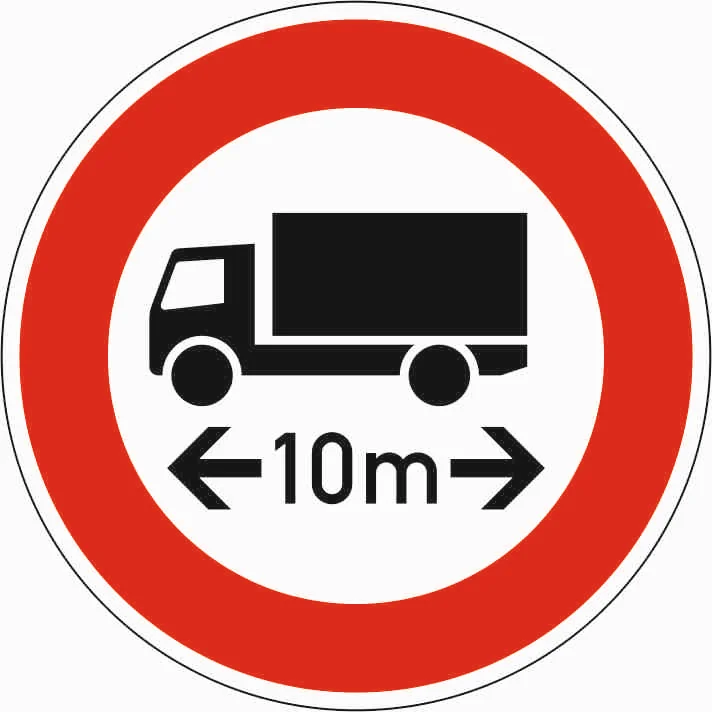
The 266 - Tatsächliche Länge (Unternummer steht jeweils for Zahlenwert) road sign may also be known by these alternative names or terms.
The 266 - Tatsächliche Länge (Unternummer steht jeweils for Zahlenwert) road sign is part of the German Regulatory Signs category, which groups together signs with similar rules and functions.
Master German road signs by actively comparing related symbols. Understanding subtle differences between similar traffic signs aids recognition and reduces theory test mistakes, ensuring you are fully prepared. Explore more signs to boost your revision and build confidence.
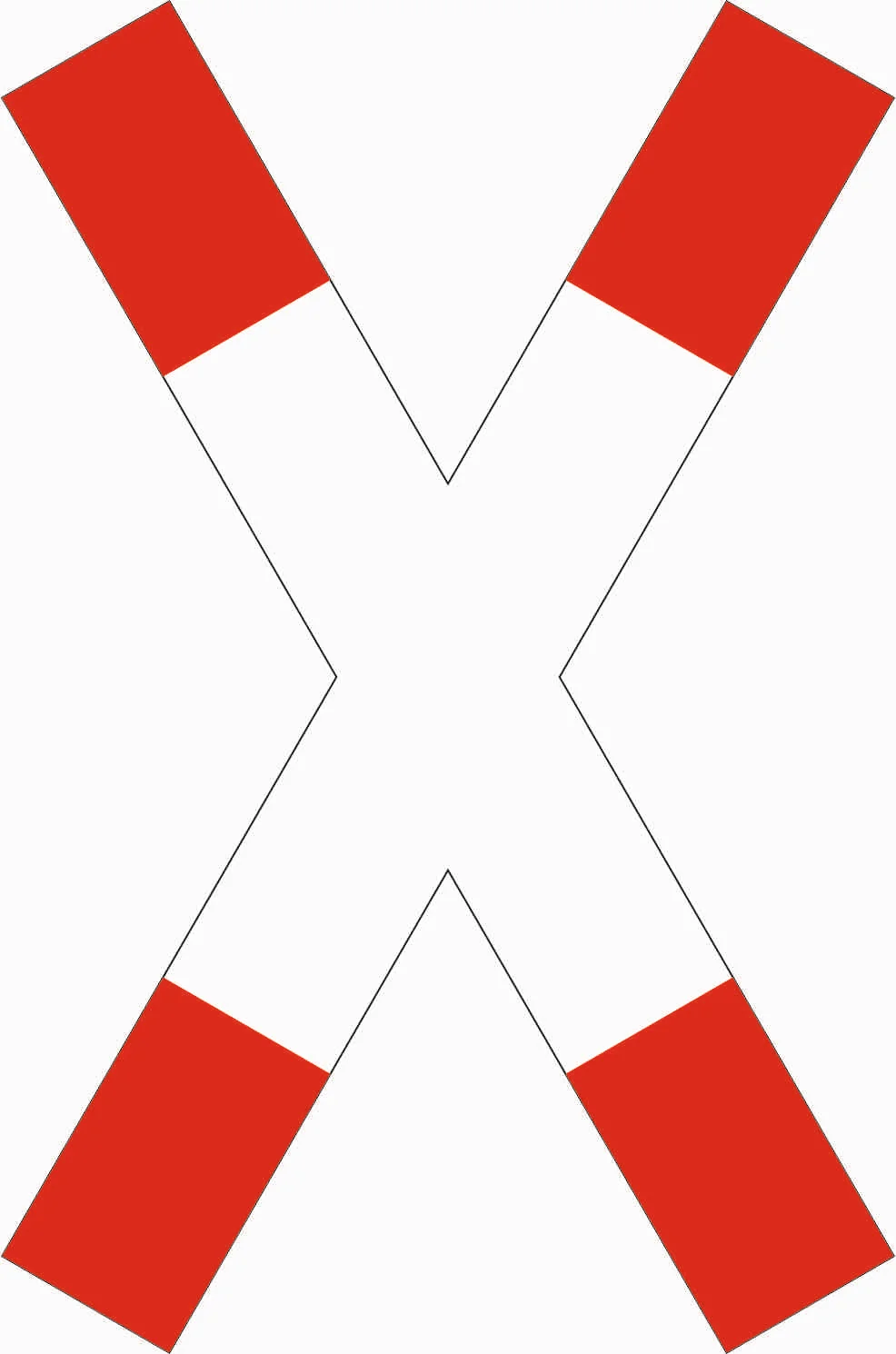
Master the Standing Railway Crossbuck (Andreaskreuz - stehend) Sign
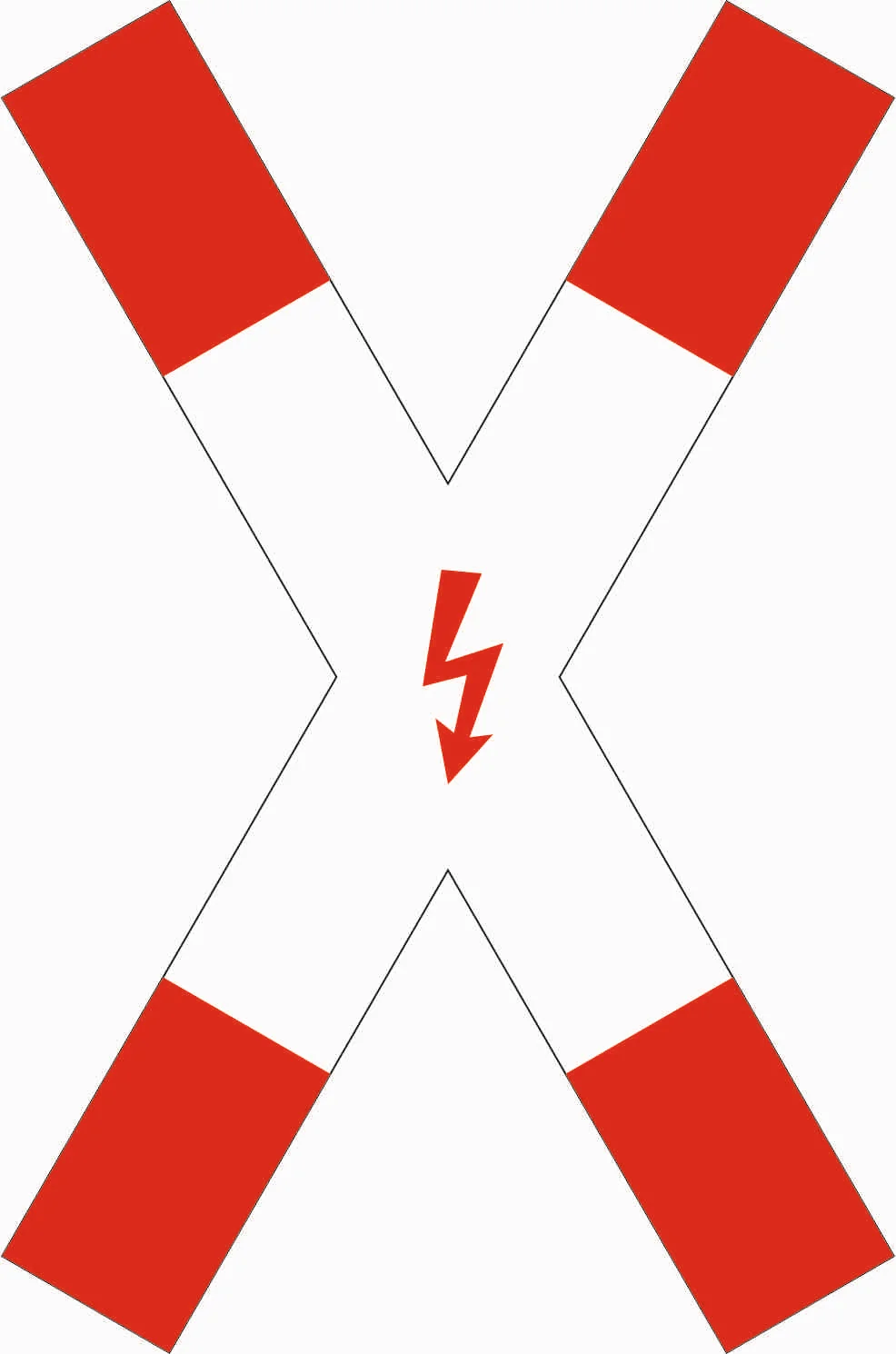
Understand the Railway Crossbuck with Blitzpfeil (Sign 201-51) in Germany
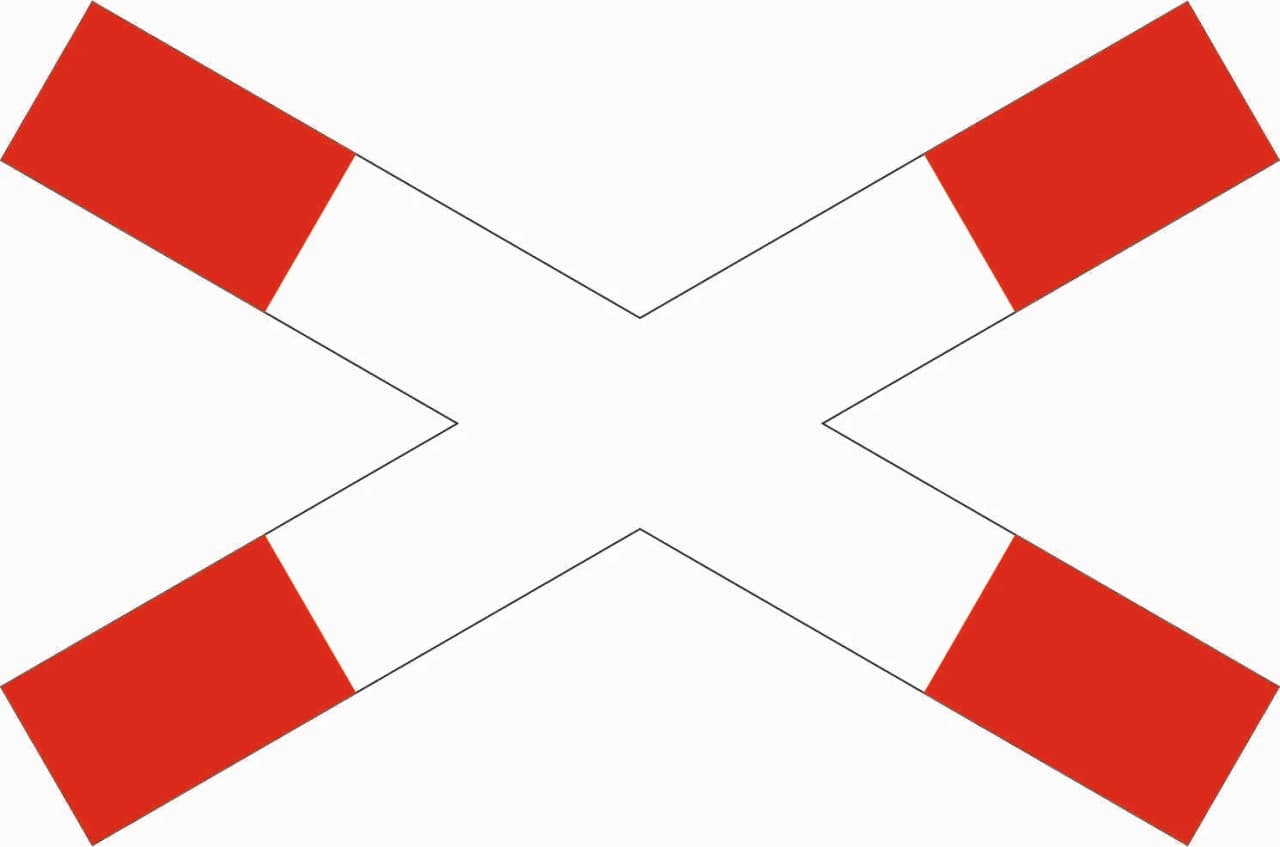
German road sign 201-52: The Railway Crossbuck 'Andreaskreuz - liegend'
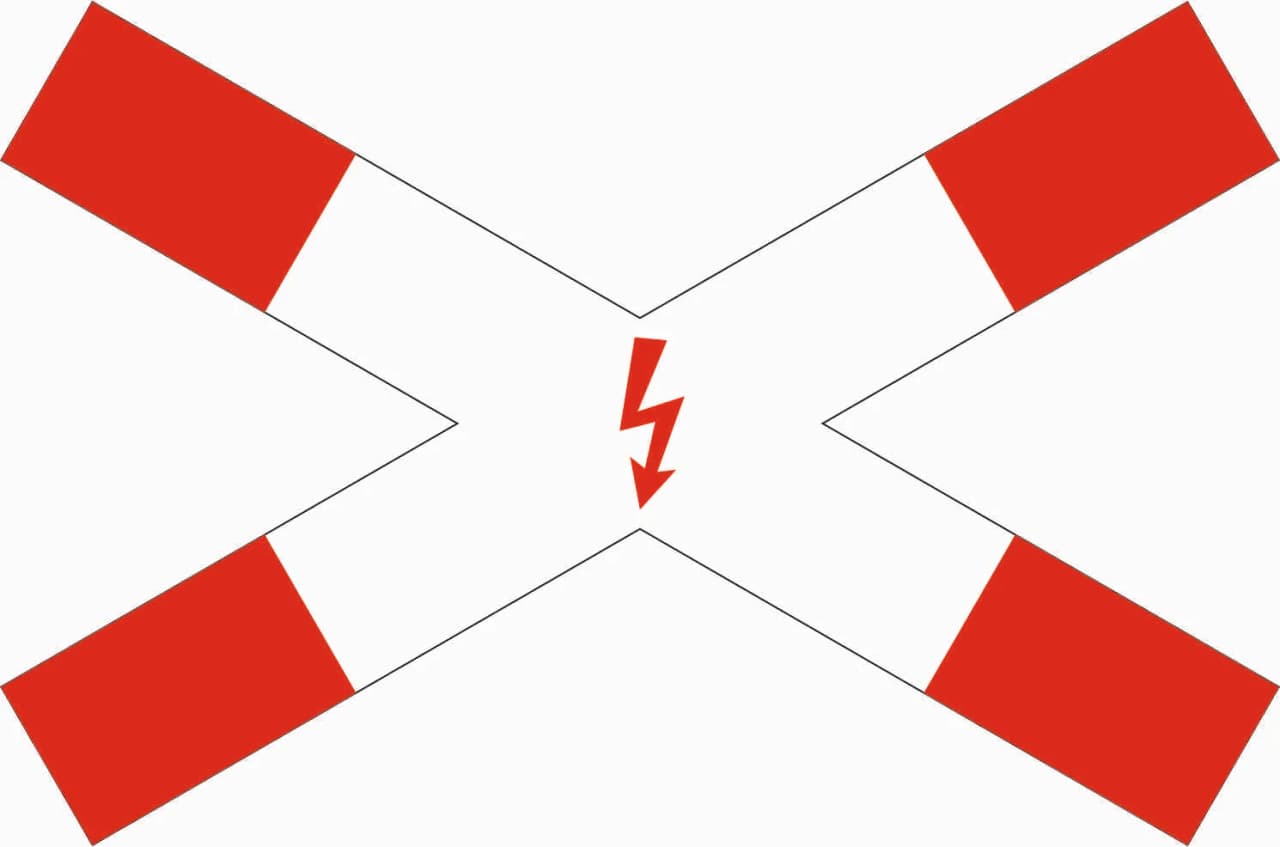
Germany's Railway Crossbuck Sign 201-53 with Blitzpfeil: What You Need to Know
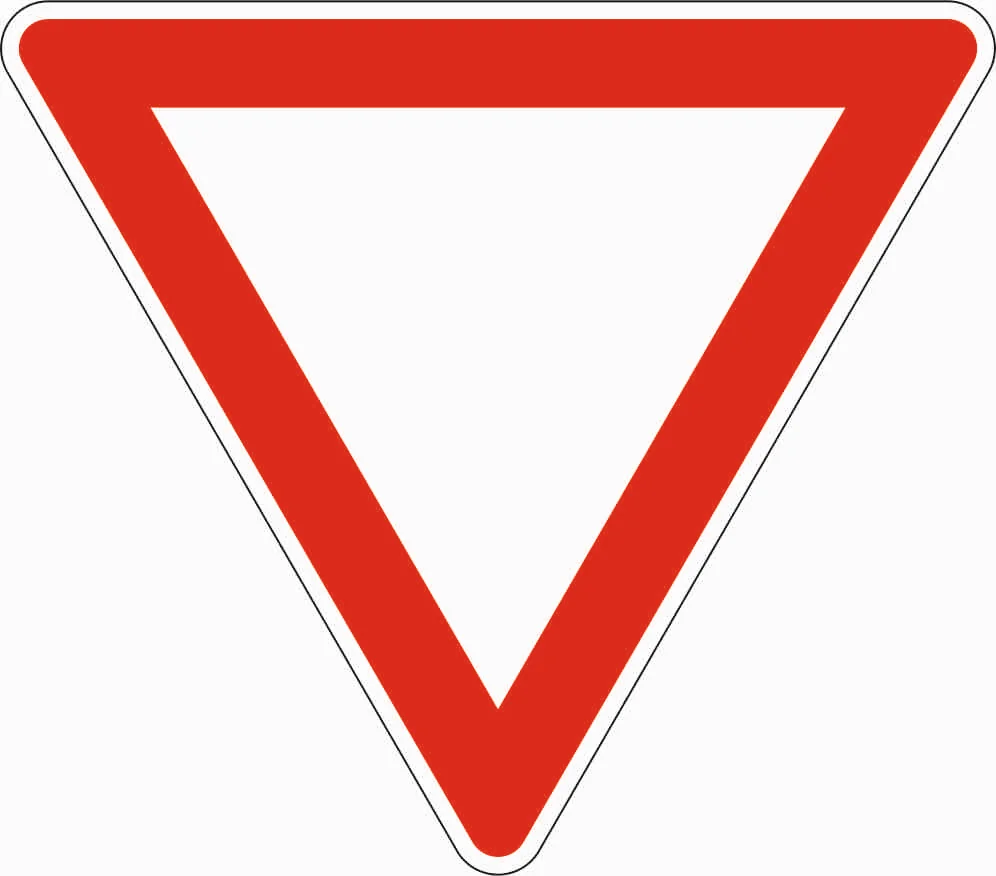
Understand the German "Yield" Sign (Sign 205 - Vorfahrt gewähren)

Sign 206: Stop and Yield – You must stop and give way
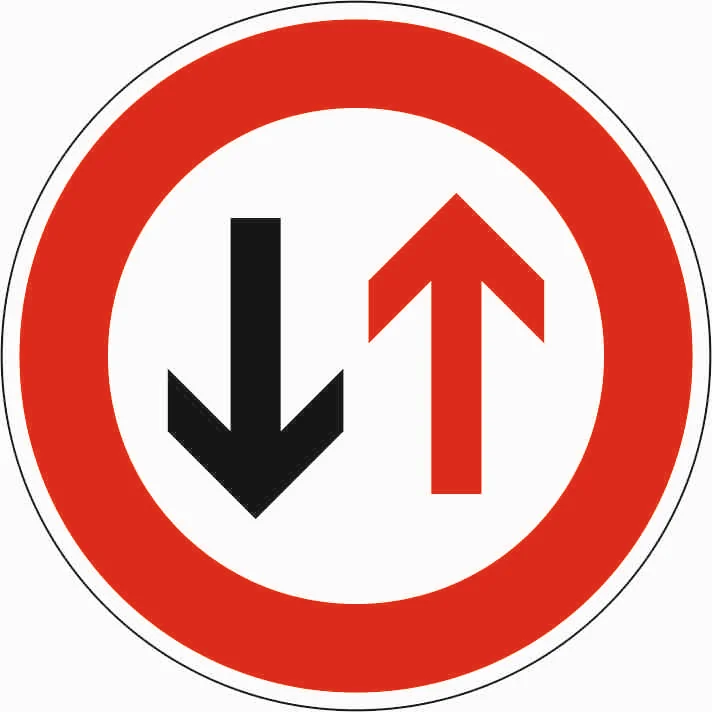
Sign 208: You Must Yield to Oncoming Traffic on This Road
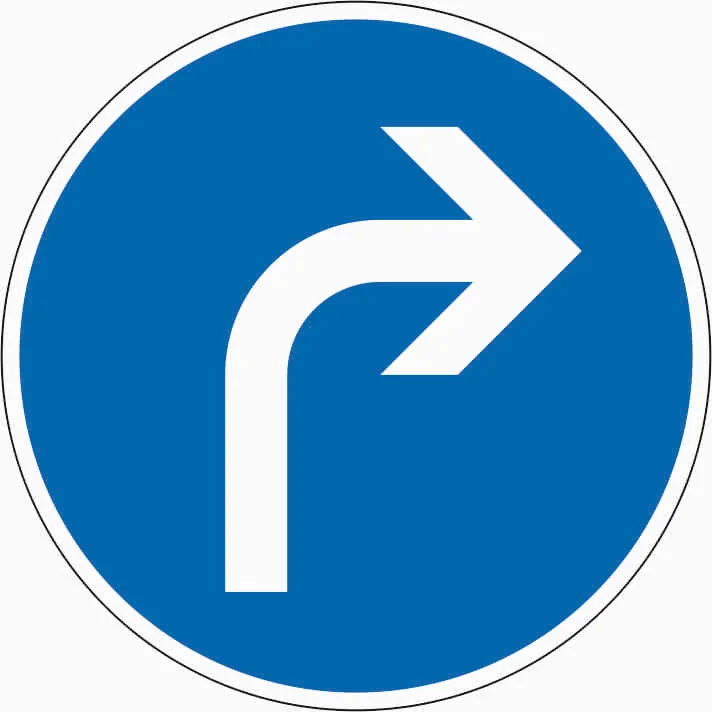
Mandatory Direction - Right: Sign 209 Explained
Deepen your understanding of specific road sign categories or test your knowledge with practice questions. Explore our themed sign groups for targeted study or jump into quizzes to reinforce your recognition skills for the official German theory exam.
All German Road Signs List