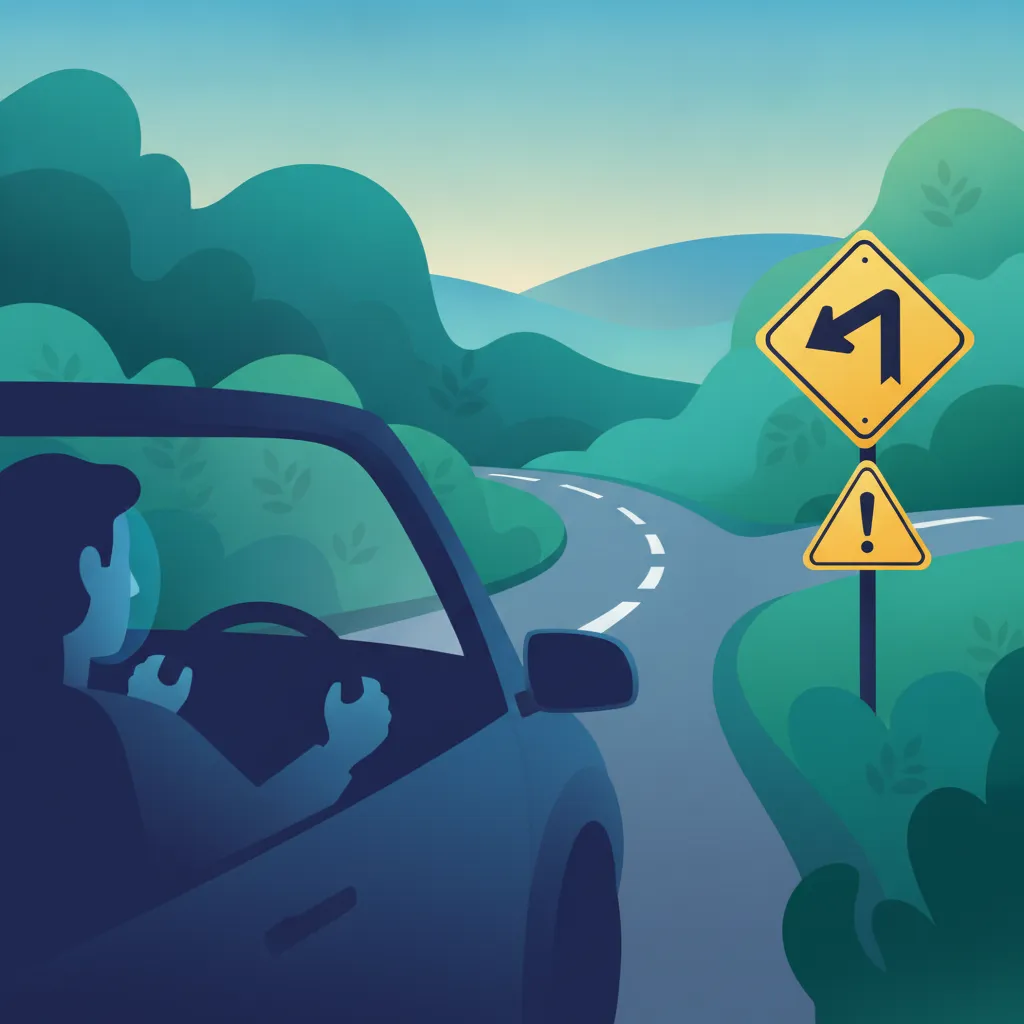
This lesson guides you through the essential warning signs used on Irish roads, helping you interpret hazards before they arise. It serves as a vital component of the Irish Road Signs and Traffic Signals unit, building the observation skills necessary for both the theory exam and safe Category B driving.
Lesson content overview
When preparing for your Irish Driver Theory Test (Category B), mastering road signs is one of the most critical steps toward securing your learner permit. Warning signs play a vital safety role on Irish roads: they provide advance notice of potential hazards, giving you time to reduce your speed, adjust your lane positioning, and prepare for unexpected driving situations.
Unlike many European countries that use red-bordered triangles for hazard alerts, Ireland predominantly uses distinctive diamond-shaped signs with golden-yellow backgrounds and black symbols. This comprehensive guide details the types of warning signs you will encounter, the legal regulations surrounding them, and how to adapt your driving to maintain absolute safety.
Warning signs are visual cues designed to alert drivers to upcoming hazards before they are physically visible. By understanding the design principles behind these signs, you can instantly recognize their purpose and adjust your driving behaviour accordingly.
In Ireland, permanent warning signs are almost exclusively diamond-shaped with a yellow background and a black border and symbol. However, temporary warning signs—such as those used at roadworks—have an orange background instead of yellow. Recognizing this distinction helps you quickly identify whether a hazard is permanent or a temporary change to the road environment.
Warning signs are positioned at a calculated distance before the hazard itself. This distance varies depending on the speed limit of the road. On high-speed national routes or motorways, signs are placed much further back to account for longer stopping distances, whereas in urban areas they may be closer to the hazard.
A warning sign is not a mere suggestion; it is an active instruction to alter your driving. Whenever you see a yellow diamond sign, your immediate physical response should be to ease off the accelerator, scan the road ahead, and prepare to brake or change position.
To pass your Category B theory test and drive safely on public roads, you must be able to instantly interpret the symbols used on Irish warning signs. Below are the primary subcategories of warning signs you will encounter.
These signs indicate that the road ahead curves sharply. This requires an immediate reduction in speed to maintain vehicle stability and traction.
When approaching a sharp bend, always complete your braking in a straight line before turning the steering wheel. Braking heavily while turning can cause your tyres to lose grip, leading to dangerous skids, particularly on wet or icy Irish roads.
These indicators warn drivers that the carriageway is narrowing, which reduces the lateral space available for passing oncoming vehicles.
On narrow roads, overtaking is highly dangerous and often illegal. Be prepared to slow down or come to a complete stop at designated passing places to allow oncoming traffic, agricultural vehicles, or large trucks to pass safely.
Steep hills pose a unique challenge for vehicle control, braking systems, and gear selection.
When driving down a steep hill, relying solely on your footbrake can cause the brakes to overheat, a dangerous phenomenon known as "brake fade." Using engine braking—shifting to a lower gear (e.g., second or third gear)—helps control your speed naturally without putting excessive strain on the braking system.
In built-up areas, school zones, and residential areas, warning signs highlight where vulnerable road users are most likely to cross or walk along the roadside.
Always look well ahead for children, elderly pedestrians, and cyclists when passing these signs. In rural Ireland, where continuous footpaths may be absent, pedestrians are legally advised to walk on the right-hand side of the road facing oncoming traffic. Be prepared to give them wide clearance.
On rural Irish roads, wildlife and livestock represent sudden, unpredictable hazards.
If you encounter animals on the road, slow down gradually, do not rev your engine or sound your horn (as this can panic them), and follow any instructions given by a farmer or animal handler.
These signs assist drivers in managing lane merges and transitions onto faster roads, such as dual carriageways or motorways.
At construction zones, maintenance areas, or detours, temporary warning signs are deployed. Remember, these are distinct because they feature an orange background rather than the standard yellow.
Not all hazard indicators are vertical signs. Road surface markings and physical roadside markers work alongside signs to provide real-time guidance.
These are large, rectangular boards with sharp, contrasting arrow markings (typically white on a black background, or red on a white background). They are positioned directly at the apex of dangerous bends or roundabouts to show the exact direction of the curve. If you see chevron boards, it means you must steer actively and maintain a low, controlled speed.
Rumble strips are raised or grooved patterns on the road surface. When your tyres pass over them, they generate a physical vibration and audible rumbling sound inside the vehicle cabin. They are used to warn drivers of an upcoming hazard, such as a major junction, toll plaza, or a sudden speed limit drop, forcing inattentive drivers to regain focus.
In the center of the road, standard broken white lines may change to longer white lines with shorter gaps between them. These are hazard warning lines, indicating that an upcoming hazard (such as a blind summit or bend) makes overtaking highly dangerous.
When presented with a warning sign or hazard indicator on Irish roads, you must comply with specific legal standards under the Irish Road Traffic Acts.
Observe: Scan the road ahead as soon as you identify a yellow diamond shape or temporary orange sign.
Evaluate: Identify the specific hazard shown by the black symbol (e.g., a narrowing road or a steep hill).
Decelerate: Ease off the accelerator to reduce speed before you reach the hazard.
Position: Safely adjust your lane position if necessary to maximize your line of sight and lateral clearance.
React: Navigate the hazard smoothly, maintaining readiness to stop if an obstacle appears.
Your reaction to warning signs must change based on environmental and vehicle conditions. The severity of a hazard is never fixed; it escalates dramatically under poor driving conditions.
Your headlights only illuminate a fraction of the road ahead. Because your visibility is limited to the range of your headlight beams, warning signs are your primary source of advance information. If you see a warning sign at night, slow down immediately, as the hazard may be much closer than it appears in the dark.
If you are driving a fully loaded Category B car, or if you are towing a light trailer, your stopping distance increases significantly.
In areas marked with pedestrian or animal crossing signs, expect the unexpected. Cyclists and horse riders may need to steer around potholes or puddles, forcing them further into your lane. Always leave at least 1.5 metres of clearance when overtaking cyclists on roads with speed limits over 50 km/h.
Many driving test candidates and newly qualified drivers fail to react correctly to warning signs. Avoid these common mistakes:
Human reaction time is not instantaneous. From the moment your eyes register a hazard, it takes an average of 1.5 seconds for your brain to process the information and for your foot to physically press the brake pedal. At a speed of 100 km/h, your vehicle travels roughly 27 metres every single second. This means you will travel over 40 metres before your brakes even begin to slow the car down.
Warning signs bypass this reaction delay by preparing your brain in advance.
By reducing your speed when you see the warning sign, you reduce your vehicle's kinetic energy. If an emergency stop becomes necessary, your total stopping distance is significantly shorter, ensuring you can bring the vehicle to a safe, controlled stop well before hitting any obstacle.
Explore all units and lessons included in this driving theory course.
Lesson content overview
Explore all units and lessons included in this driving theory course.
Explore search topics learners often look for when studying Warning Signs and Hazard Indicators. These topics reflect common questions about road rules, driving situations, safety guidance, and lesson level theory preparation for learners in Ireland.
Browse additional driving theory lessons that cover connected traffic rules, road signs, and common driving situations related to this topic. Improve your understanding of how different rules interact across everyday traffic scenarios.
Learn the difference between mandatory regulatory signs and directional information signs in the Irish driving theory. This guide explains how these signs dictate legal requirements and provide navigational guidance to ensure you follow the rules of the road correctly in various driving environments.
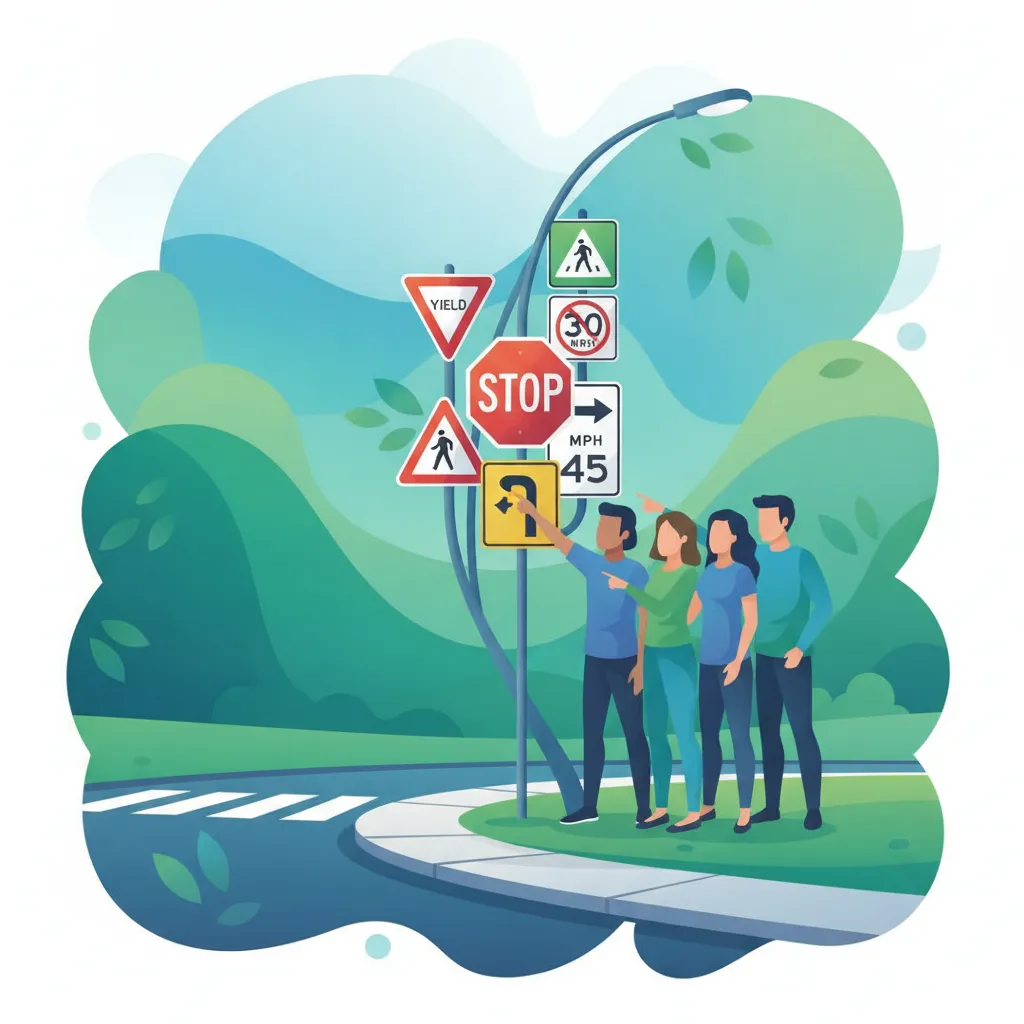
Regulatory signs give clear instructions and legal prohibitions that drivers must obey to prevent accidents and maintain traffic order. This lesson breaks down circular signs with red borders denoting prohibitions, blue circular signs showing mandatory directions, and key safety priorities like stop and yield signs. Failing to obey these specific indicators is a serious traffic offence that can lead to penalty points and immediate fines.
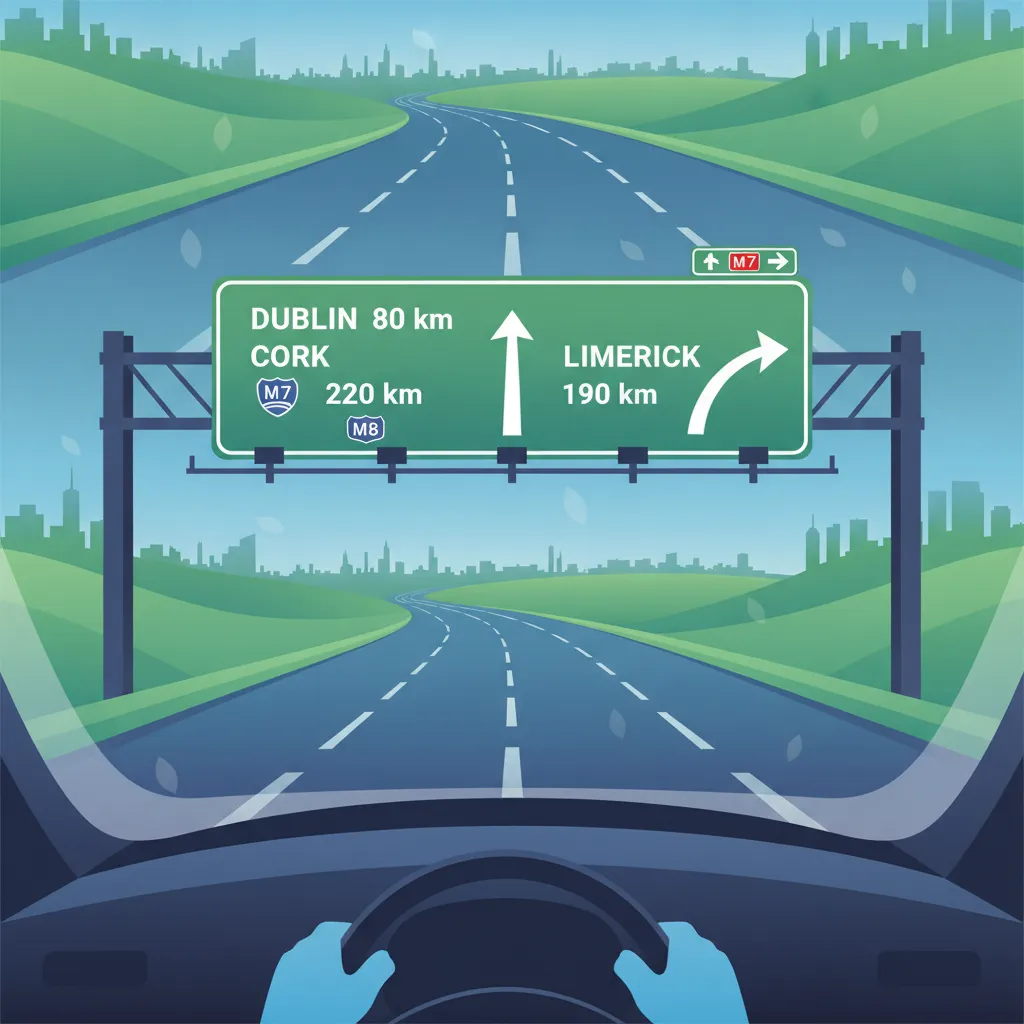
Information signs are designed to help drivers plan routes, select correct lanes, and find destinations or local amenities. This lesson explains the colour-coding system for routes in Ireland, including green for national roads, blue for motorways, and white for local roads. Developing route reading skills using directional signage reduces driver distraction, minimises sudden manoeuvres, and promotes a smoother traffic flow.
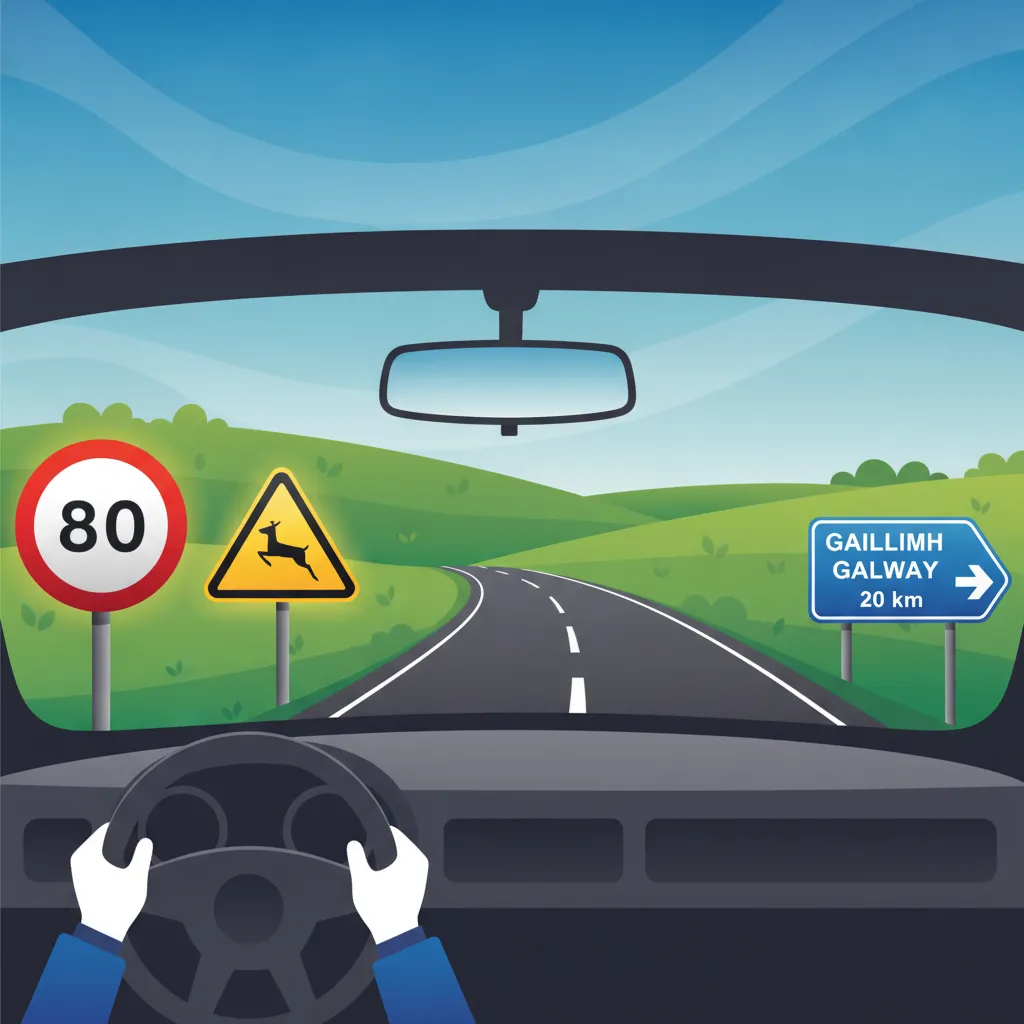
This lesson covers the primary road signs deployed across Ireland, focusing on their shapes, colors, and specific meanings. It details mandatory signs, prohibitive signs, warning alerts for upcoming hazards, and information signs useful for route planning. Category AM riders must recognize these indicators to stay compliant with local traffic laws.
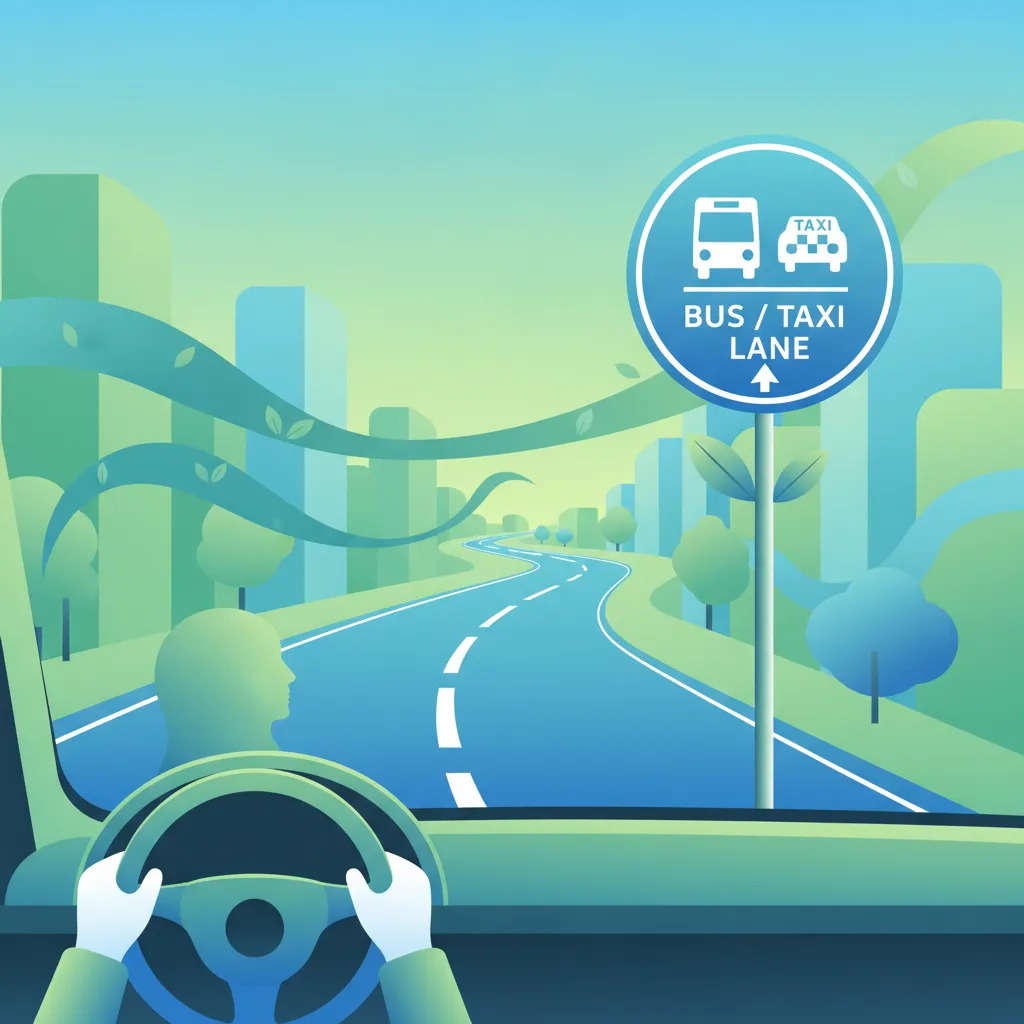
Operating large passenger vehicles requires instant, accurate interpretation of general and specialized Irish road signage to prevent regulatory violations. This lesson covers the precise meanings of clearway signs, bus corridor indicators, low bridge warnings, and weight restriction zones. Drivers will examine how school zone beacons and specific roundabout indicators apply to large vehicle dimensions.
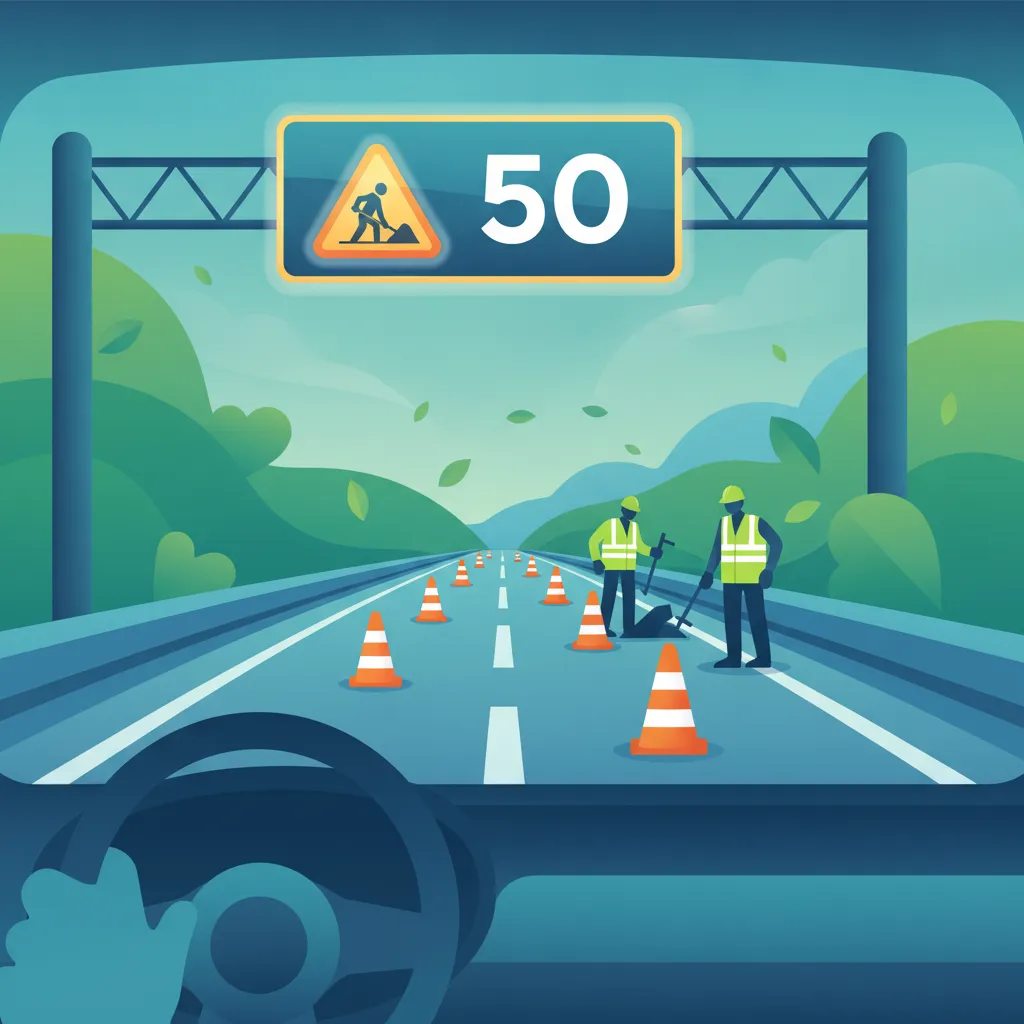
Variable Message Signs and roadwork indicators communicate temporary safety conditions, such as lane closures, heavy delays, or dynamic speed restrictions. This lesson teaches you how to interpret digital overhead gantries, temporary hazard cones, and specific detour layouts often encountered on Irish motorways and regional routes. Adhering to these real-time instructions protects both you and the vulnerable road crews working ahead.
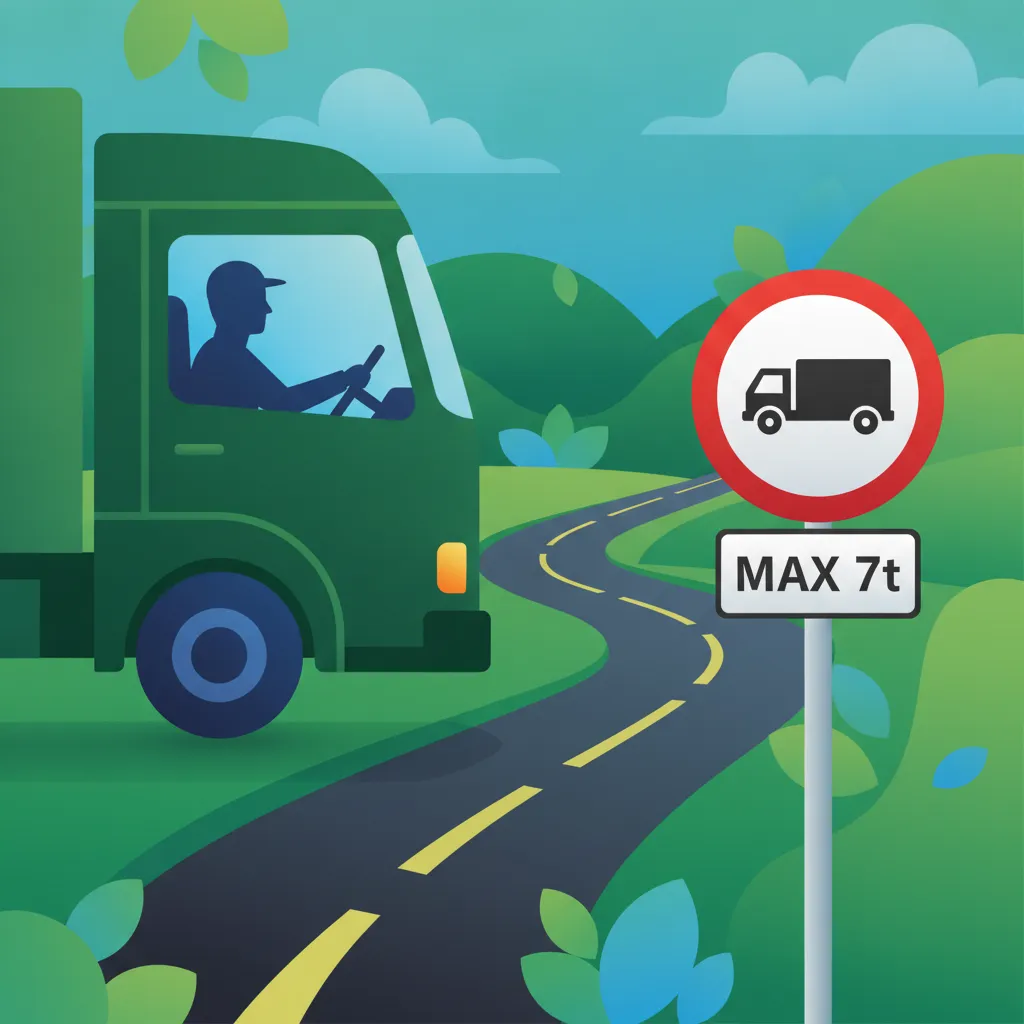
This lesson details the exact visual indicators, symbols, and text used on Irish traffic signs to communicate regulatory restrictions for heavy vehicles. It covers signs denoting height clearances, narrow bridges, and width-limited streets that require immediate driver diversion. By recognizing these specialized warnings early, professional drivers prevent costly structural collisions and traffic offences.
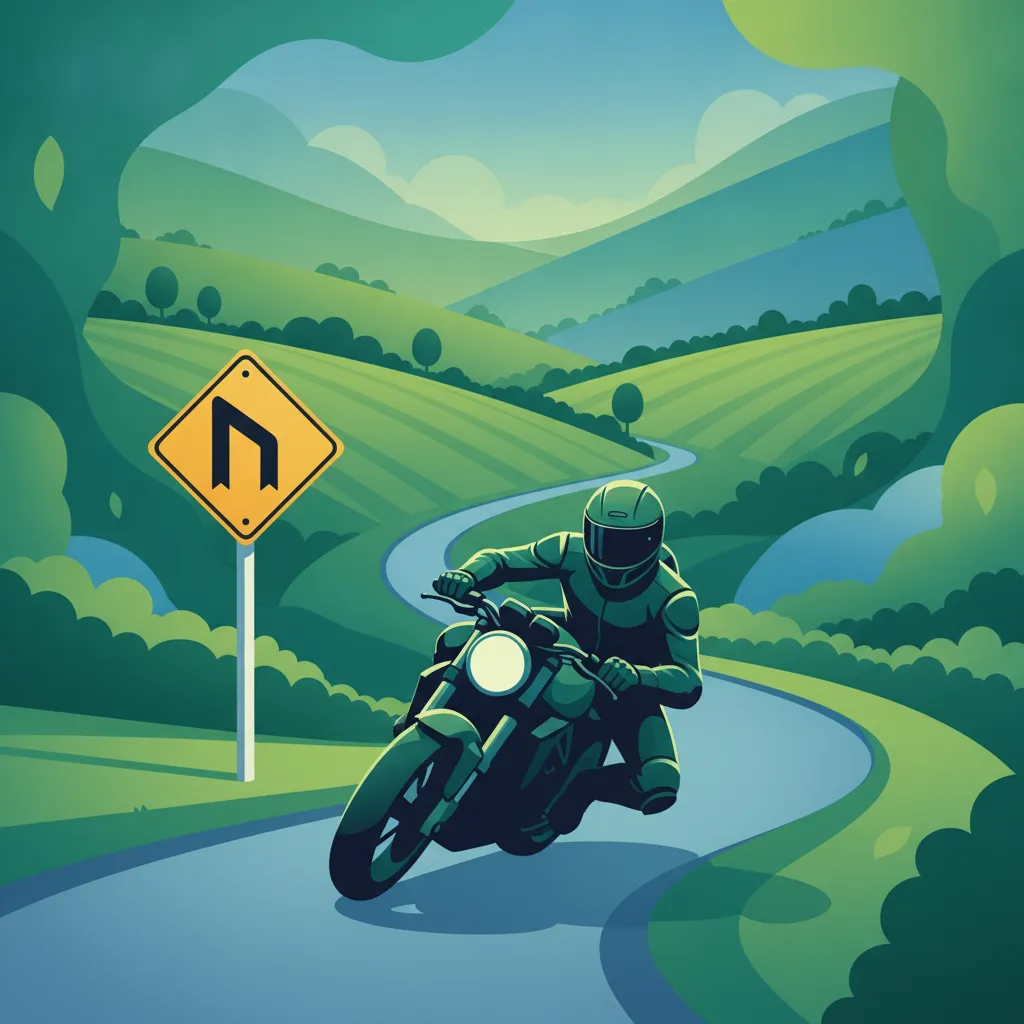
This lesson covers the specific categories of Irish traffic signs, including regulatory, warning, and information signs under official RSA rules. It teaches riders to instantly recognize speed limits, prohibited directions, and upcoming road hazards based on sign shapes and colors. Motorcyclists will understand how to adjust their speed and lane positioning proactively when reading signs in advance.

Your vehicle's lighting system is crucial for illuminating your path and making your presence and intentions clear to other road users. This lesson explains the legal requirements for using dipped headlights, full beams, fog lights, and hazard signals in Ireland. You will learn when to switch from full to dipped beams to avoid blinding oncoming drivers, and how to perform simple checks to ensure all bulbs are working.
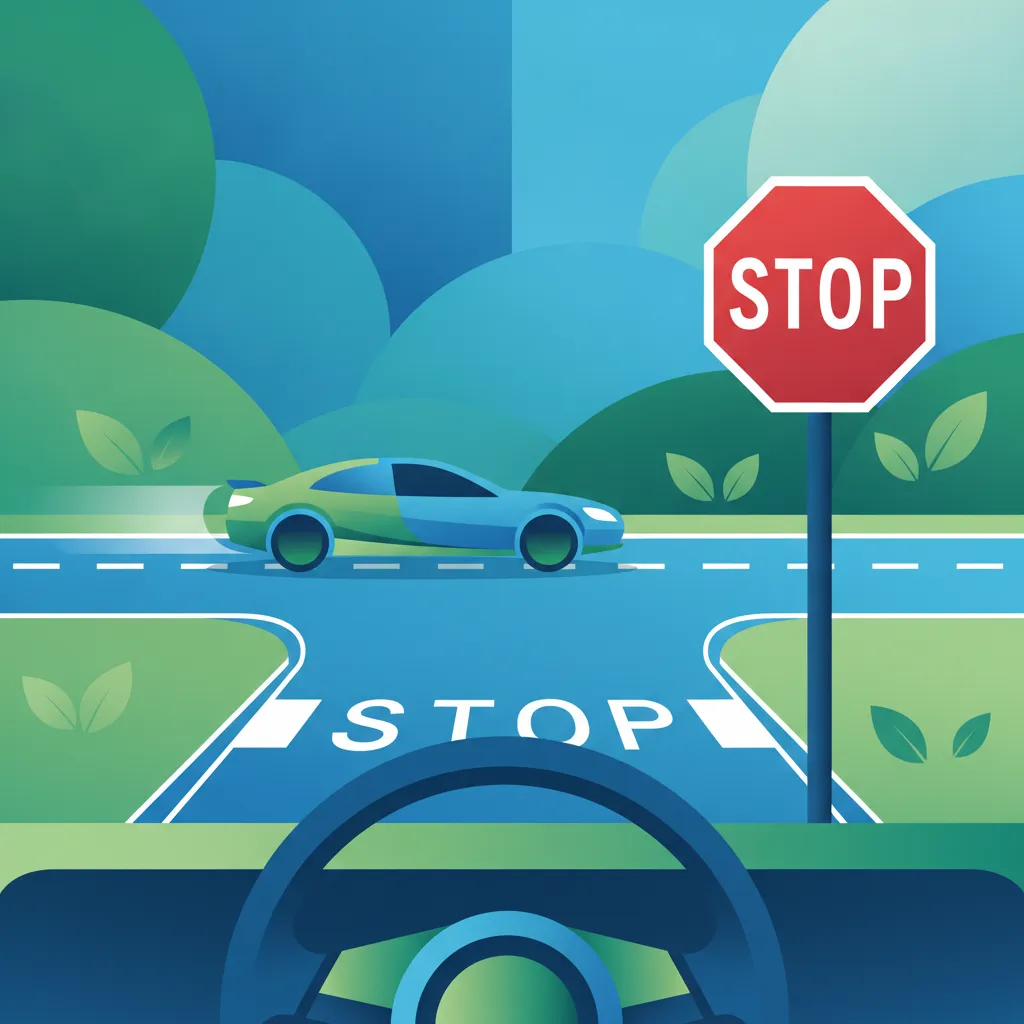
Stop and yield signs require drivers to surrender right-of-way to crossing traffic, but they command different physical actions. This lesson explains that a stop sign mandates a complete, absolute halt behind the line, whereas a yield sign requires you to slow down and stop only if other traffic is approaching. You will learn how to manage restricted visibility at junctions and how to creep forward safely when clear.
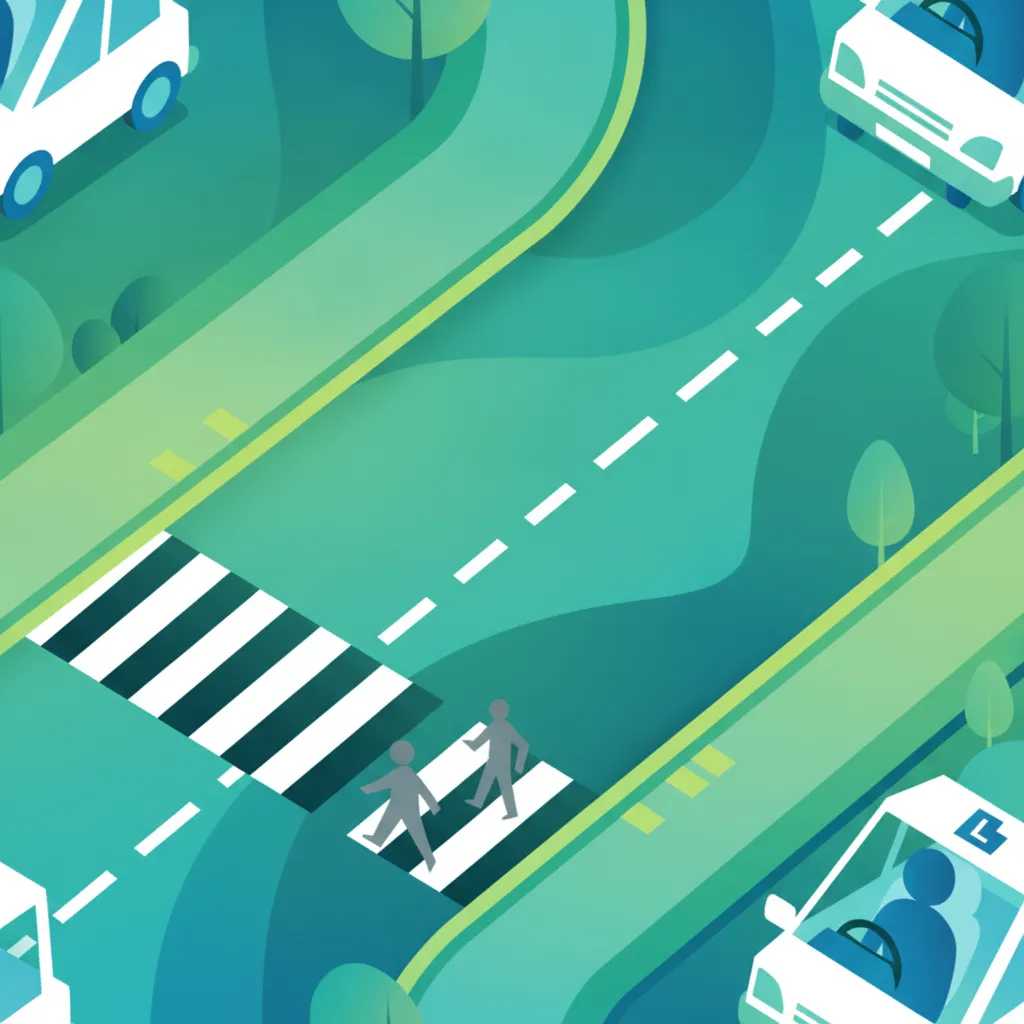
The painted lines on the road surface act as continuous instructions to help drivers steer, position, and pass safely. This lesson explains the strict legal prohibitions of crossing solid white lines compared to broken lines, which indicate it is safe to cross if clear. You will also discover the purpose of coloured reflective road studs, known as cat's eyes, which improve safety during night driving and poor visibility.
Improve your ability to identify potential dangers by learning proactive scanning and hazard anticipation techniques. This lesson explains how to read the road environment, adjust your speed, and apply defensive driving principles to react safely to hazards before they become critical situations.
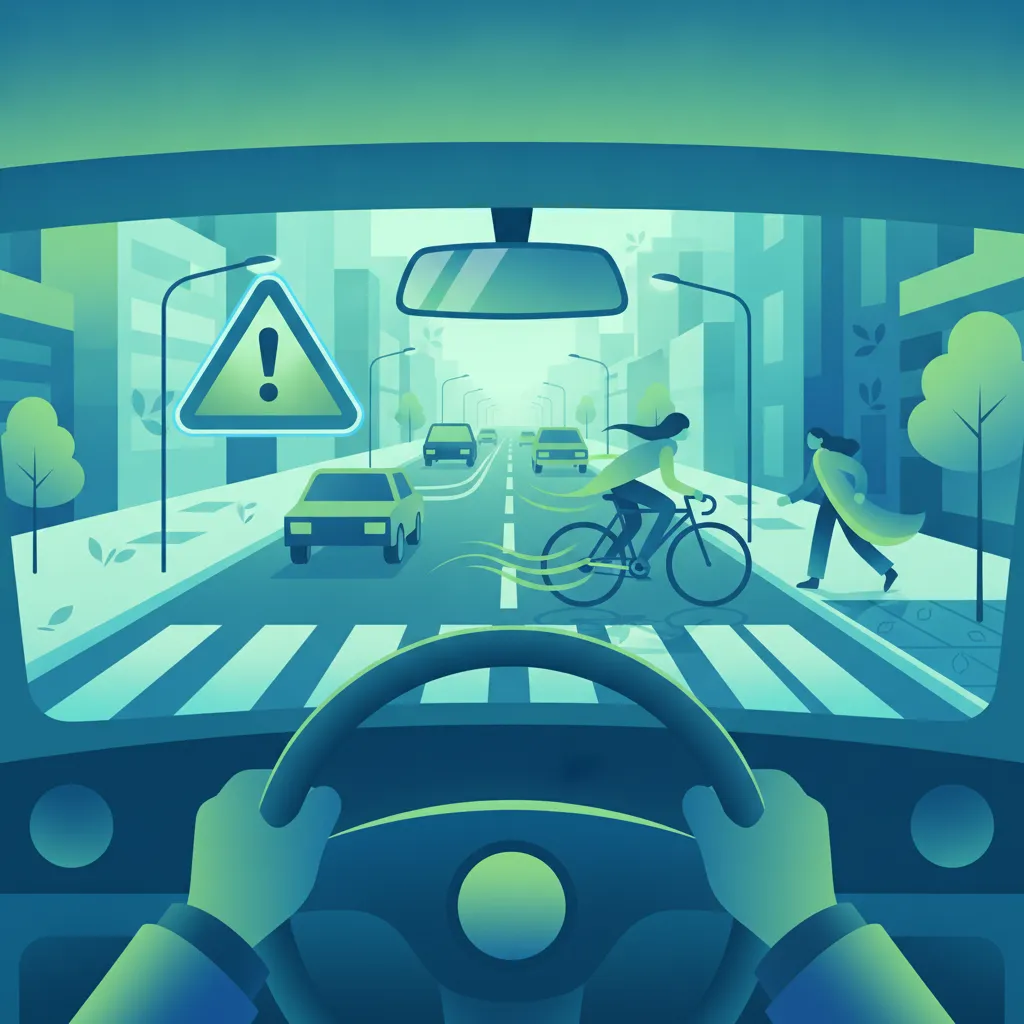
Proactive hazard perception involves constantly scanning the road ahead to identify potential dangers before they turn into actual emergencies. This lesson covers active scanning techniques, helping you look far ahead, check mirrors regularly, and identify subtle risk clues such as exhaust smoke from parked cars or children playing near kerbs. Anticipating these developments gives you the time to adjust speed and position safely.
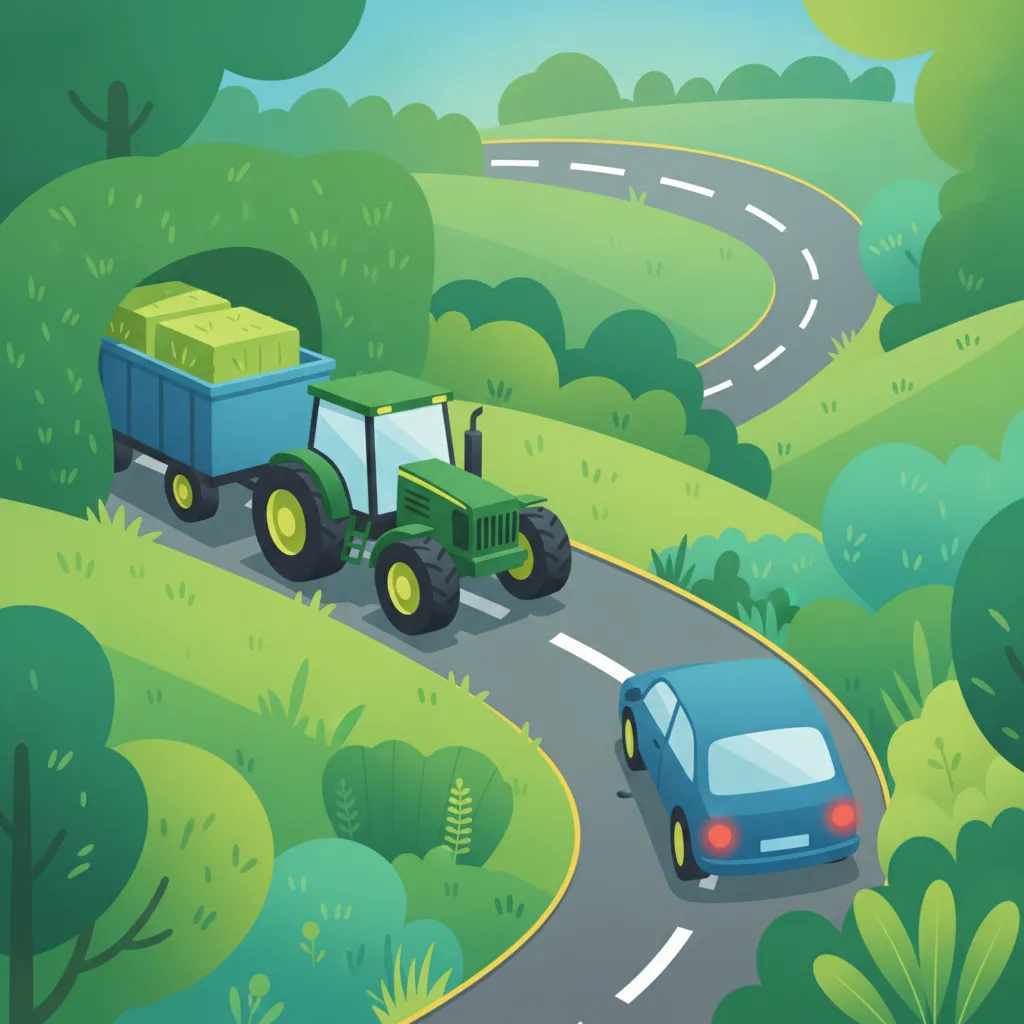
Irish rural roads are often narrow, winding, and bordered by high hedges, presenting unique hazards compared to urban streets. This lesson focuses on scanning for hidden hazards such as slow-moving farm machinery, mud on the road surface, and loose livestock. You will learn how to adjust your speed before entering blind bends, sound your horn at blind crests, and safely share the road with local agricultural traffic.

This lesson teaches how to cultivate a proactive defensive riding mindset, focusing on situational awareness and constant hazard scanning. It describes the system of motorcycle control, encouraging riders to anticipate potential mistakes from other drivers, pedestrians, and cyclists. Motorcyclists will learn to position themselves defensively, leaving clear escape routes in all driving environments.
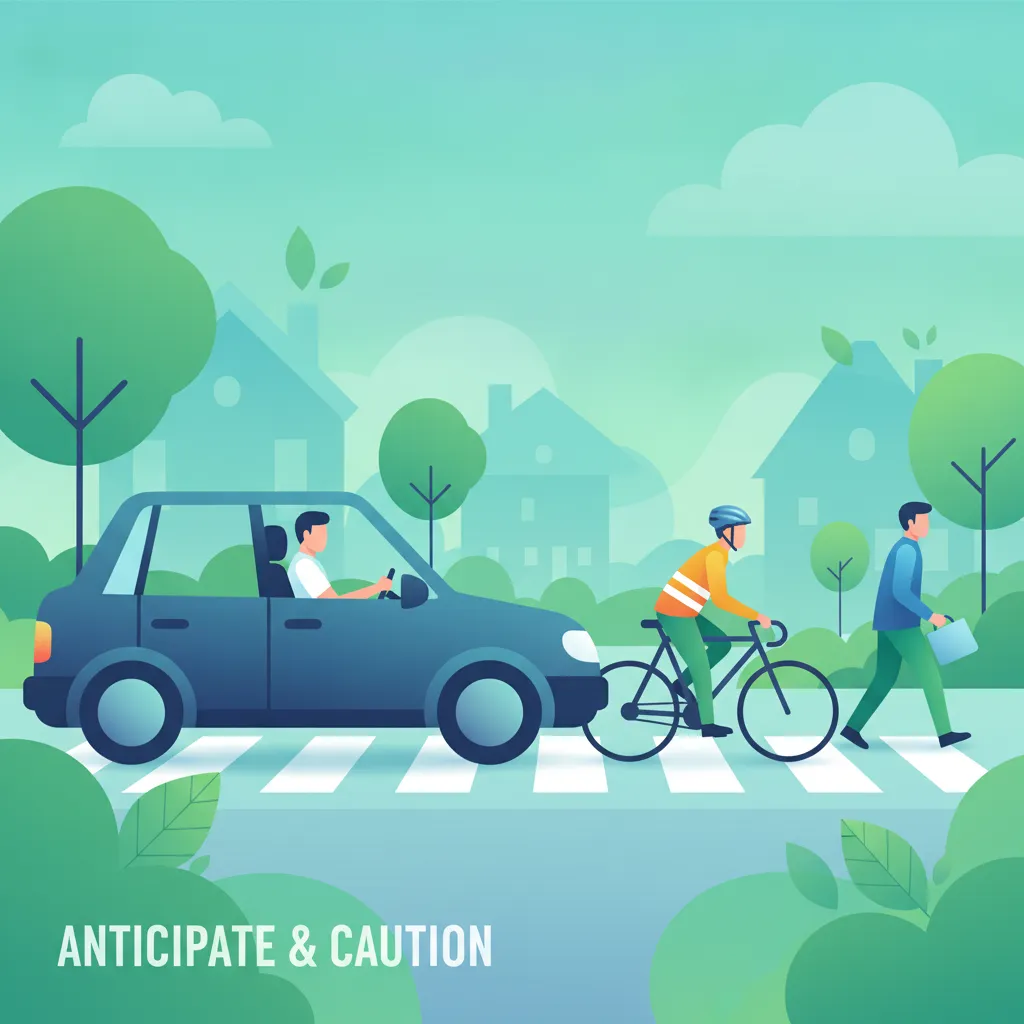
Safeguarding vulnerable road users requires more than simple obedience to traffic signs; it demands a defensive driving mindset. This lesson summarizes safe practices, including scanning far ahead in urban areas, keeping massive safety margins in wet weather, and executing thorough blind spot checks before reversing. By anticipating the unpredictable movements of others, you can prevent accidents and support a safe road culture.
Defensive driving prepares you to react safely when facing unexpected mechanical failures or immediate road hazards. This lesson explains how to execute an emergency stop using Anti-lock Braking Systems (ABS) and how to recover from front and rear-wheel skids on slippery roads. You will learn the importance of remaining calm, avoiding panic-steering, and applying controlled evasive actions to prevent collisions.

This lesson outlines how motorcyclists should respond when permanent road signs are dirty, damaged, or hidden by overgrown trees and hedges. It introduces the temporary signage, warning cones, and detour markers commonly deployed at active roadwork zones in Ireland. Riders will learn to read the road ahead defensively, reducing speed when visual information is incomplete or compromised.
Heavy vehicles require continuous visual scanning to identify small or slow-moving road users who may enter the path of travel. This lesson explores the typical behaviors of young children, elderly pedestrians, and visually impaired road users. Drivers will build strong hazard perception skills to anticipate sudden movements, ensuring they can brake safely and avoid serious accidents.
Variable Message Signs and roadwork indicators communicate temporary safety conditions, such as lane closures, heavy delays, or dynamic speed restrictions. This lesson teaches you how to interpret digital overhead gantries, temporary hazard cones, and specific detour layouts often encountered on Irish motorways and regional routes. Adhering to these real-time instructions protects both you and the vulnerable road crews working ahead.
This lesson covers the strategic aspects of journey management, emphasizing the safety benefits of proactive route planning and weather checks. It teaches riders how to select safer roads, avoid high-congestion zones during rush hour, and schedule regular rest intervals. Motorcyclists will learn to pack essential tools, emergency contacts, and spare safety gear to remain prepared for any roadside situation.

This lesson analyzes traffic flow characteristics in dense municipal areas and teaches safe riding methods for congested gridlock situations. It covers the maintenance of adequate safety cushions, scanning for opening car doors, and monitoring pedestrians stepping from between parked cars. Riders will learn to manage frequent stopping, constant clutch wear, and the stress of urban commuting.
Find clear answers to common questions learners have about Warning Signs and Hazard Indicators. Learn how the lesson is structured, which driving theory objectives it supports, and how it fits into the overall learning path of units and curriculum progression in Ireland. These explanations help you understand key concepts, lesson flow, and exam focused study goals.
The yellow diamond design is a standardized format used to command immediate attention and alert drivers to potential hazards that may not be obvious, requiring you to slow down and exercise extra caution.
Not necessarily. Unlike a Stop or Yield sign, warning signs indicate that you must be prepared to adjust your speed or position because a hazard exists ahead, but they do not always mandate a full stop unless the situation requires it.
Regulatory signs typically use circles with red borders to indicate prohibitions or instructions. Warning signs are diamond-shaped and yellow, designed specifically to draw your attention to upcoming road conditions rather than legal restrictions.
The test focuses on common warning signs you will encounter daily. Focus on signs regarding pedestrian crossings, cyclists, sharp bends, and livestock, as these appear frequently in both the theory exam and real-world driving scenarios.
Use the practice question search tool to pinpoint specific topics, road signs, or rules you need to master for your official Driver Theory Test. Refine your study strategy and ensure comprehensive preparation for all aspects of the Irish driving exam. Start your focused revision now and build confidence for your learner permit test.