This lesson covers the critical rules of traffic signals and phasing within the Turkish traffic legislation framework. By mastering these signals, you will develop the necessary defensive habits to navigate urban intersections safely on your motorcycle and succeed in your theory examination.

Lesson content overview
Intersections represent the highest concentration of conflict points on Turkish roads. For motorcyclists preparing for their A1, A2, or A category driving licence, mastering the mechanics of traffic lights, signal phasing, and the legal obligations under the Turkish Highway Traffic Law (Karayolları Trafik Kanunu) is a core safety requirement.
Because motorcycles are smaller, less visible, and more vulnerable to traction loss during sudden stops, understanding how traffic signals transition is essential to maintaining stability and preventing rear-end collisions. This lesson details the operational phases of traffic lights, special turning signals, pedestrian priorities, and defensive riding tactics specifically tailored for two-wheeled vehicles.
In Turkey, traffic lights take legal precedence over general right-of-way rules and road markings, but they remain subordinate to the directions of a traffic officer.
Hierarchy of Traffic Control in Turkey:
By standardizing the movement of vehicles, traffic signals reduce conflict points at junctions, roundabouts, and pedestrian crossings. Understanding the precise timing and sequence of these signals allows you to anticipate traffic flow, manage your braking zones, and select safe road positions.
The standard vertical traffic light sequence in Turkey consists of red, amber, and green lights. However, the transitions between these colors carry specific legal definitions that dictate whether you must stop or proceed.
The red light is an absolute mandate to stop. Under Turkish traffic regulations, you must bring your motorcycle to a complete halt before the designated stop line (dur çizgisi) painted on the road surface.
Unique to certain signal systems, including Turkey's standard sequence, is the simultaneous illumination of the red and amber lights.
The green light permits you to proceed in the direction indicated, provided the intersection is clear and safe to enter.
The steady amber light is a transitional phase indicating that the green light has ended and a red light is imminent.
The road section preceding an intersection where a driver faces a split-second decision when the light turns amber: either brake hard to stop before the line, or accelerate to clear the intersection before the light turns red.
During periods of low traffic volume (such as late at night) or at specific hazardous junctions, traffic lights in Turkey may switch to a flashing mode. These signals modify the standard right-of-way rules.
A flashing red light has the exact same legal status as a physical Stop sign (Dur, Sign B2).
Decelerate smoothly and bring your motorcycle to a complete, stable stop before the intersection line.
Put your left foot down to stabilize the motorcycle, leaving your right foot on the rear brake.
Perform a complete visual scan of the cross street to check for oncoming traffic, cyclists, and pedestrians.
Proceed through the intersection only when a safe gap in traffic is available.
A flashing amber light has the same legal meaning as a Yield sign (Yol Ver, Sign T1).
Many complex intersections in Turkey feature traffic lights with illuminated arrows pointing left, right, or straight ahead. These signals manage traffic by separating directional flows.
Pedestrian signals in Turkey regulate foot traffic across busy streets. They are closely linked to your obligations at intersections.
Signal phasing refers to the pre-programmed sequence of green, amber, and red intervals designed to clear intersections safely. Because traffic lights are timed for average passenger cars, motorcyclists must account for how these intervals affect their unique dynamics.
When approaching an intersection with an active green light, you should identify your "point of no return." This is the imaginary threshold on the road where, if the light turns amber, you can no longer stop safely and must continue through the intersection.
Many automated traffic lights in Turkey use sub-surface electromagnetic induction loops to detect vehicles and trigger light changes. These loops are embedded in cut-outs in the asphalt, often visible as sealed rectangular shapes near the stop line.
Violating traffic light regulations carries strict penalties under the Turkish Highway Traffic Law. These penalties are designed to deter behaviors that frequently lead to high-speed, side-impact collisions.
Environmental and vehicle variables significantly alter how you must react to traffic light phases.
To reinforce your understanding of traffic lights and signal phasing under Turkish traffic laws, explore our comprehensive guides on road markings and priority rules.
Explore all units and lessons included in this driving theory course.
Lesson content overview
Explore all units and lessons included in this driving theory course.
Explore search topics learners often look for when studying Traffic Lights and Signal Phasing. These topics reflect common questions about road rules, driving situations, safety guidance, and lesson level theory preparation for learners in Turkey.
Browse additional driving theory lessons that cover connected traffic rules, road signs, and common driving situations related to this topic. Improve your understanding of how different rules interact across everyday traffic scenarios.
Understand the legal hierarchy of right-of-way rules at junctions and roundabouts according to the Turkish Highway Traffic Law. This lesson clarifies how to safely navigate uncontrolled crossings and yield to other vehicles when traffic lights are absent or flashing.
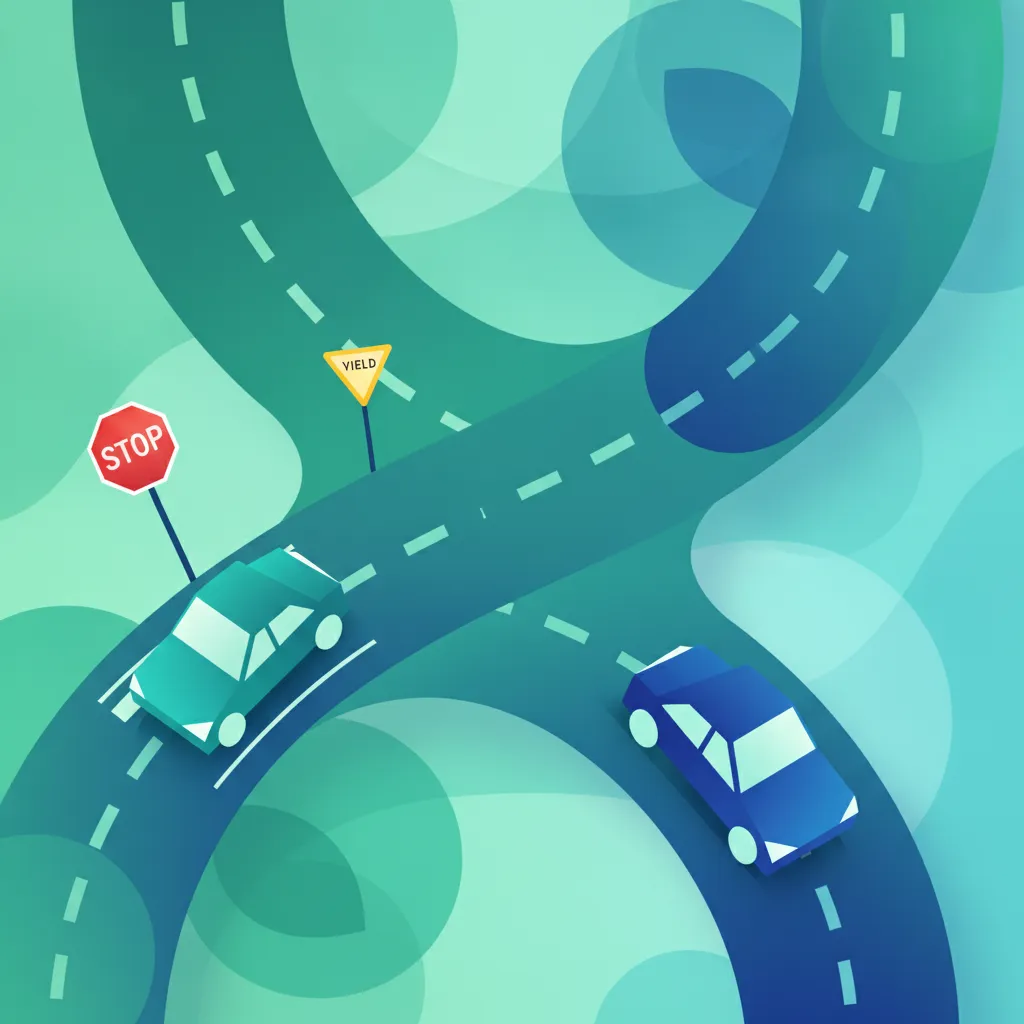
This lesson focuses on priority rules at controlled intersections equipped with traffic signals, stop signs, or yield signs. Learners will understand how to interpret traffic light phases, comply with stop and yield indications, and assess right-of-way at these intersections. The lesson also covers pedestrian and cyclist considerations, as well as emergency vehicle priority.
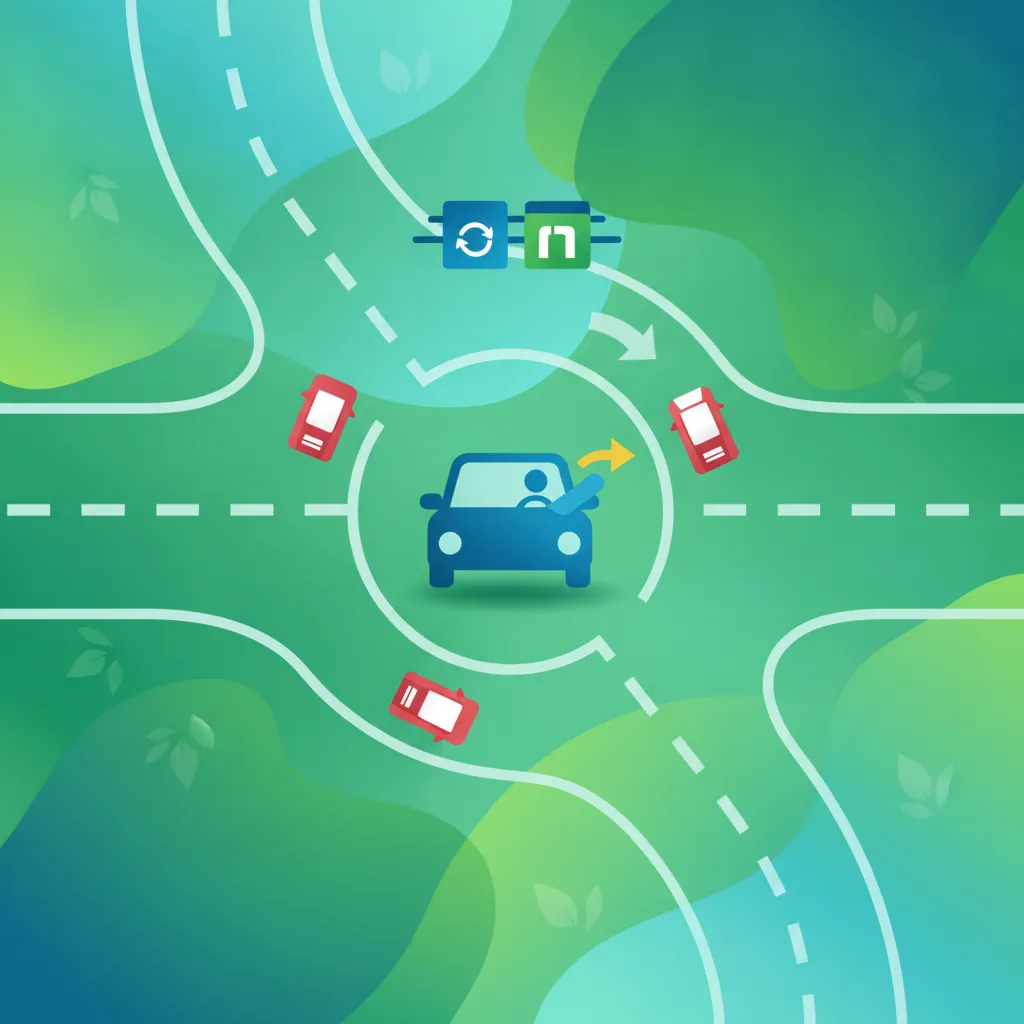
In this lesson, learners explore the specific priority rules and navigation techniques for roundabouts. Topics include yielding to traffic already in the roundabout, proper lane selection upon entry, and safe exit strategies. The lesson also addresses interactions with pedestrians and cyclists near roundabouts and the importance of maintaining appropriate speed.

This lesson provides an overview of the general priority principles that dictate right-of-way on Turkish roads. Topics include the hierarchy of road users, such as pedestrians, cyclists, and emergency vehicles, and how these hierarchies apply at various intersections. Learners will understand the fundamental concepts of yielding, stopping, and proceeding, as well as the importance of clear decision-making.
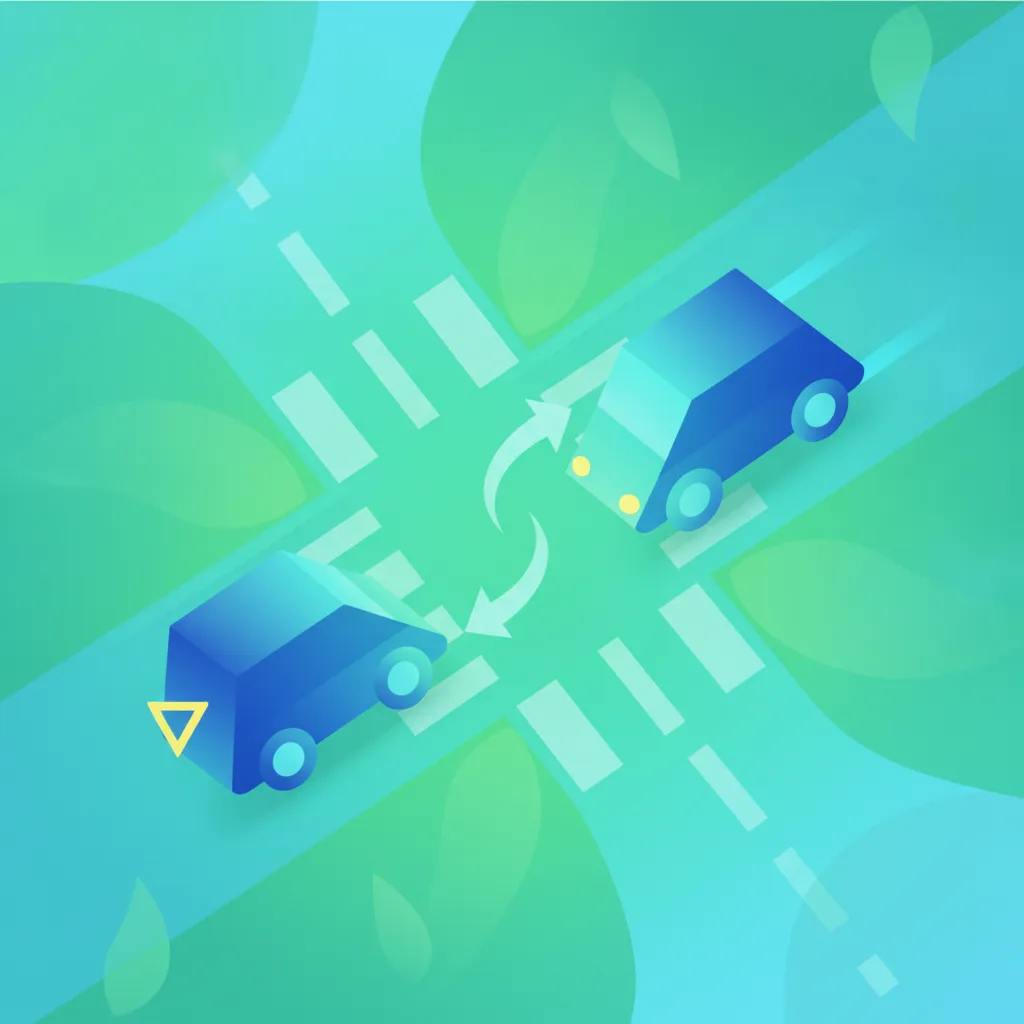
In this lesson, learners explore priority rules specific to uncontrolled intersections, where traffic signals or signs are absent. Topics include determining right-of-way based on vehicle classification, approach angle, and arrival sequence. The lesson emphasizes the importance of stopping, yielding, and assessing potential hazards before proceeding.
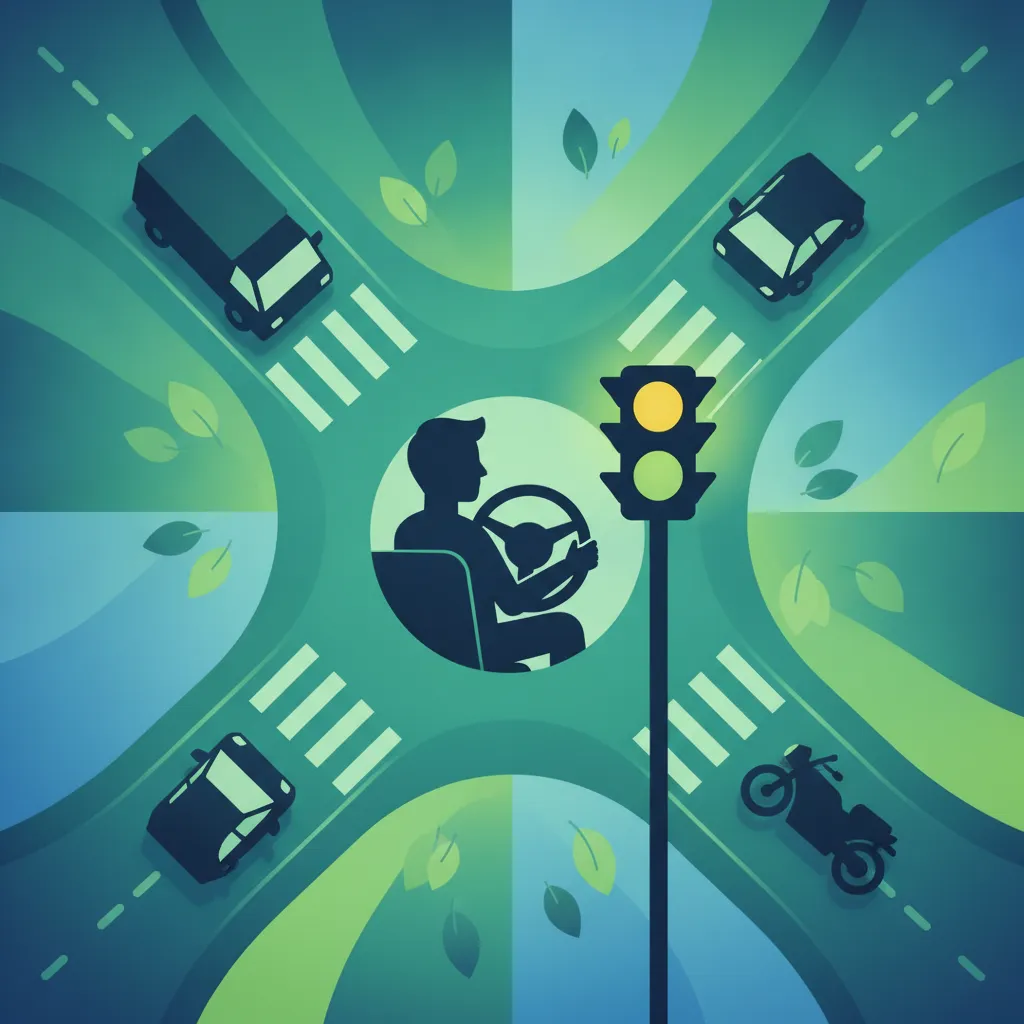
Correctly interpreting traffic signal sequences and priority rules is crucial for preventing devastating right-angle collisions at intersections. This lesson breaks down the phase progression of standard lights, the meanings of flashing amber or red indicators, and the hierarchy of traffic control when a police officer is directing vehicles. You will also master the basic legal default rules of right-of-way, such as yielding to vehicles coming from the right at uncontrolled junctions.
Roundabouts require a clear understanding of yield regulations and precise signaling to avoid conflicts with larger vehicles. This lesson details the legal requirements under Turkish road rules, which demand that entering vehicles yield to traffic already circulating inside the roundabout. You will learn how to select the appropriate lane upon entry, maintain a steady speed, signal your exit intentions clearly with your indicators, and remain alert to drivers who cut across lanes.
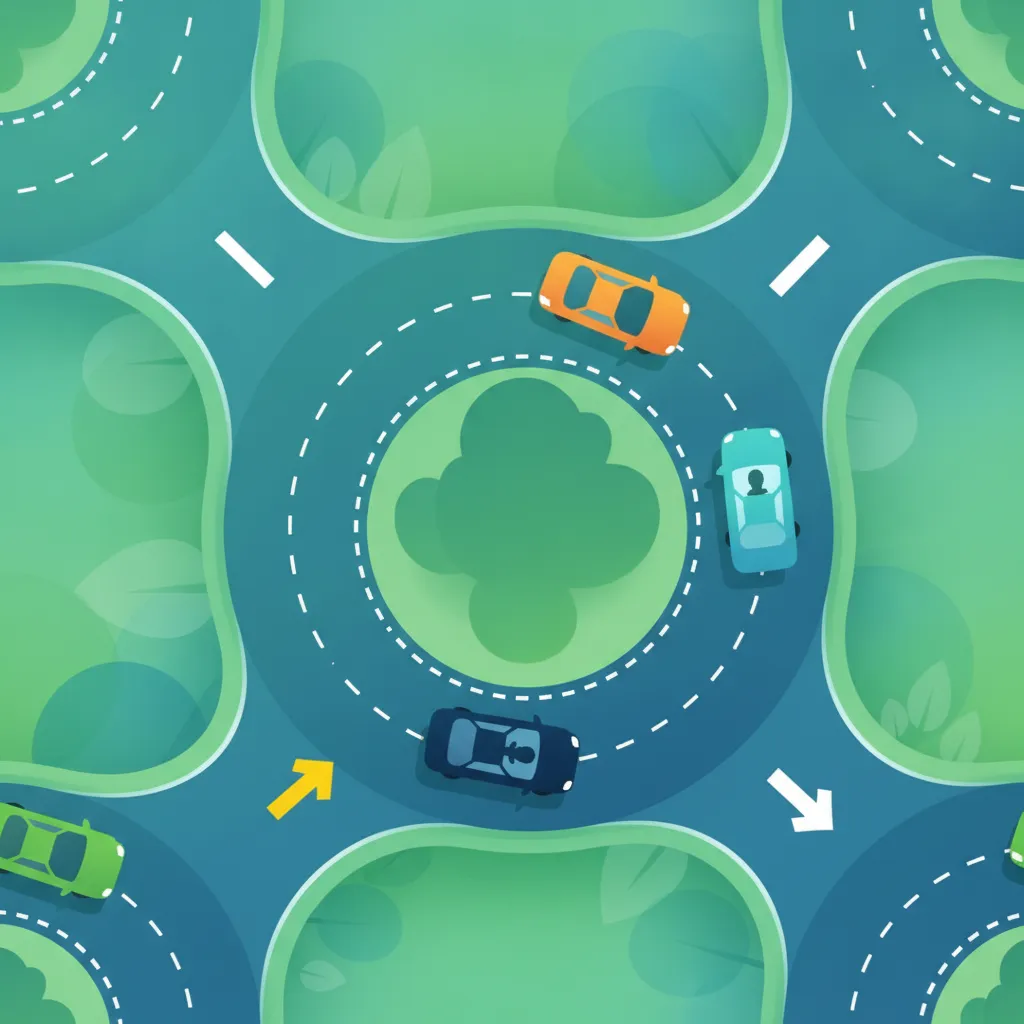
This lesson delves into the specific challenges and procedures associated with navigating roundabouts on a motorcycle. It outlines the importance of approaching at a safe speed, selecting the correct lane, and yielding to vehicles already within the roundabout. The content also covers the proper use of signals when exiting and emphasizes the need for heightened awareness of blind spots, especially when larger vehicles are present.

This lesson focuses on the safe interaction with other traffic participants at bus stops and traffic intersections. Learners will explore right-of-way rules, signal compliance, and techniques for maintaining safe distances while stopping and departing. Understanding these interactions is vital for preventing accidents in complex traffic environments.
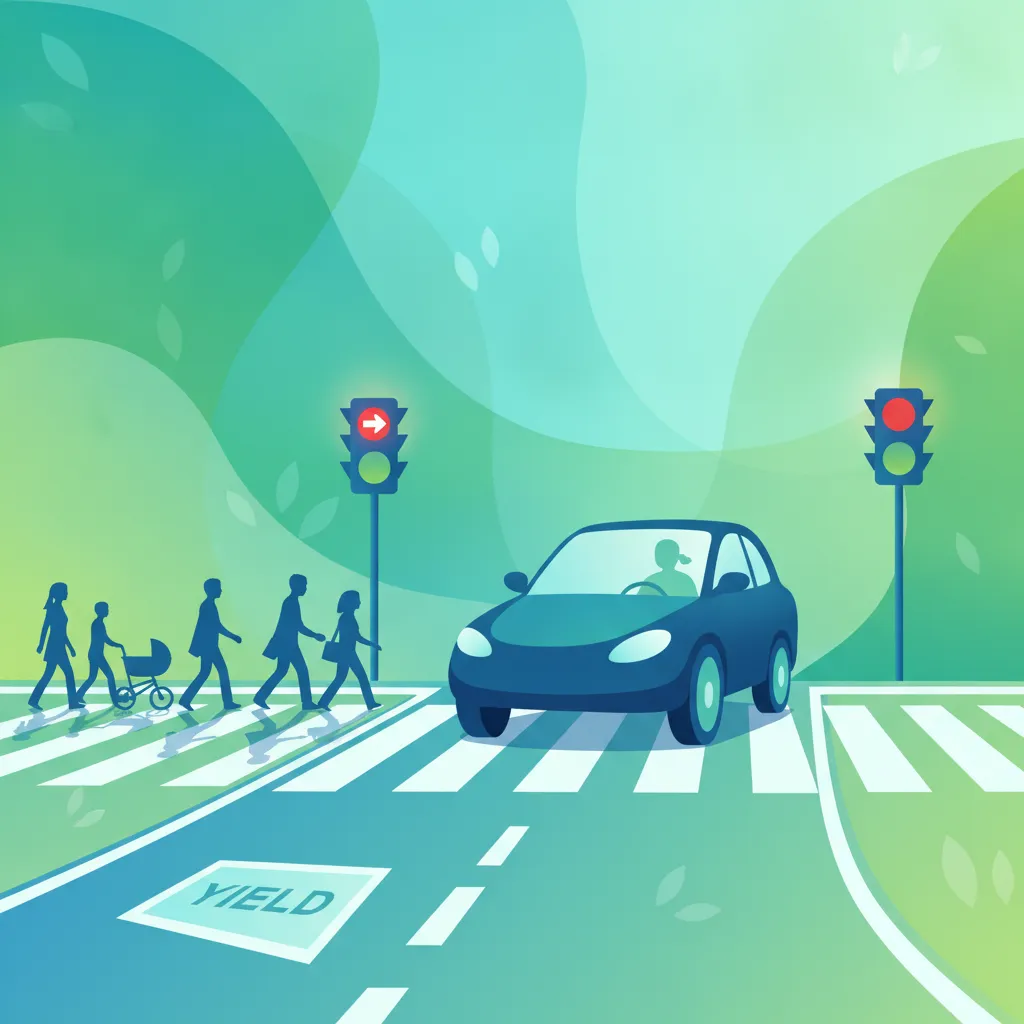
In this lesson, learners will master the skills required to safely navigate various types of intersections encountered in Turkish urban settings. The content covers interpreting traffic signals, understanding right-of-way rules, and executing proper lane positioning. Practical strategies for managing blind spots and ensuring visibility to other road users are emphasized. By the end of this session, participants will be equipped with safe crossing techniques.

Protecting vulnerable road users is a core legal and ethical responsibility for all motorized vehicle operators in Turkey. This lesson covers the absolute requirement to yield to pedestrians at marked crosswalks, zebra crossings, and designated school zones. You will learn how to identify these zones early, reduce your speed proactively, and maintain heightened situational awareness for children or distracted pedestrians who may step onto the road unexpectedly.
Learn how to manage risks in complex urban environments, including dealing with blind spots, heavy vehicle presence, and unpredictable pedestrian behavior. This lesson focuses on proactive hazard awareness and positioning techniques to maintain safety while riding in dense Turkish traffic.

In this lesson, learners will discover the principles of defensive riding, focusing on hazard anticipation, maintaining safe distances, and practicing proactive avoidance techniques. It emphasizes developing a vigilant riding posture, constantly scanning the environment, and preparing to react to potential dangers from other road users, road conditions, or unexpected traffic events.

Defensive riding is the practice of anticipating potential road conflicts and acting early to prevent accidents before they occur. This lesson teaches you how to systematically scan the road ahead for changing conditions, keep an adequate safety cushion around your moped, and pre-plan exit routes in tight spots. You will learn to assume you are invisible to other drivers and adapt your speed and road position proactively to protect yourself against sudden maneuvers.
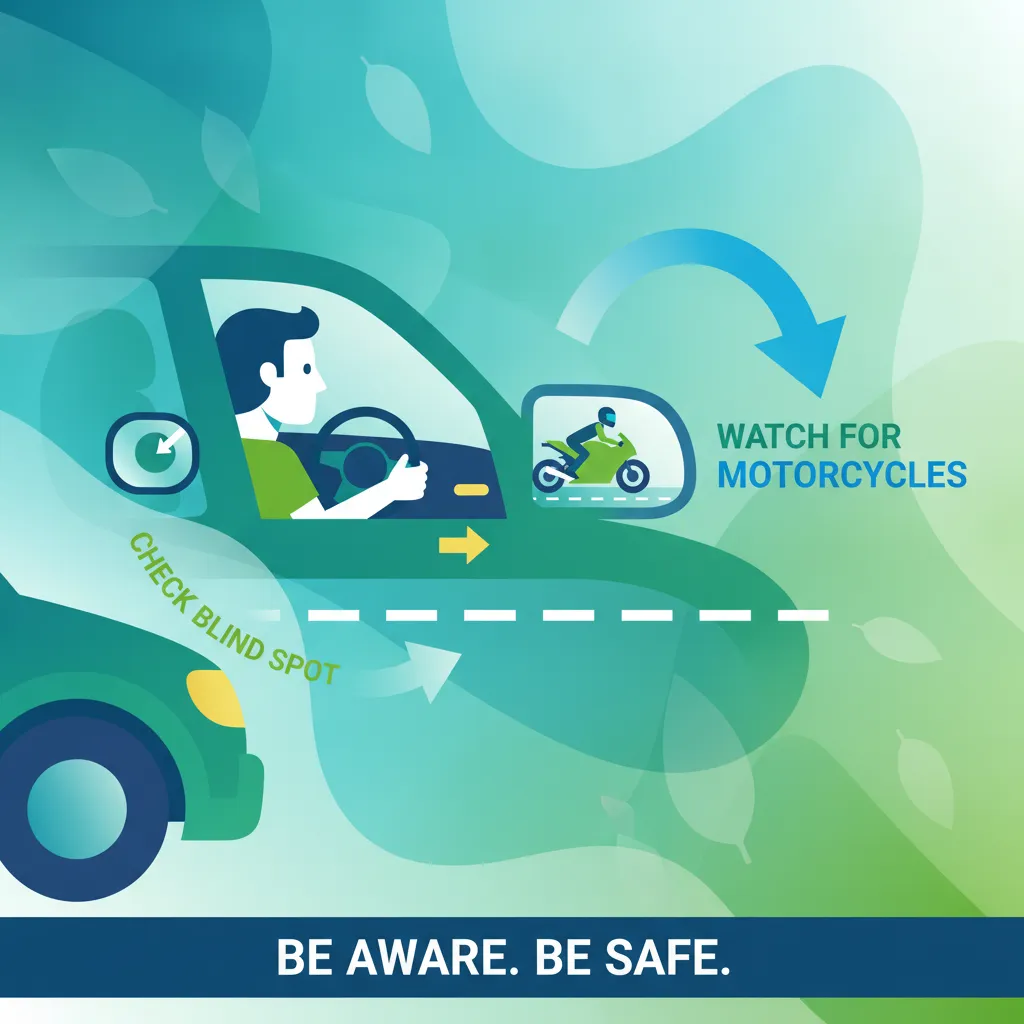
Learners will gain insight into the unique challenges posed by motorcycles and scooters sharing the road with passenger vehicles. The lesson highlights the importance of checking blind spots, maintaining safe following distances, and being aware of the faster acceleration and maneuverability of two-wheeled vehicles. Strategies for anticipating their movements and preventing collisions are discussed.

Riding an exposed lightweight vehicle in busy Turkish cities requires exceptional personal conduct, patience, and absolute control over your emotional reactions. This lesson discusses the psychological aspects of riding, teaching you how to avoid aggressive behaviors and stay calm under stressful traffic situations. It covers proper non-verbal communication, polite road sharing practices, and maintaining safe buffers from other motorists to establish a safe, predictable presence on any public street.
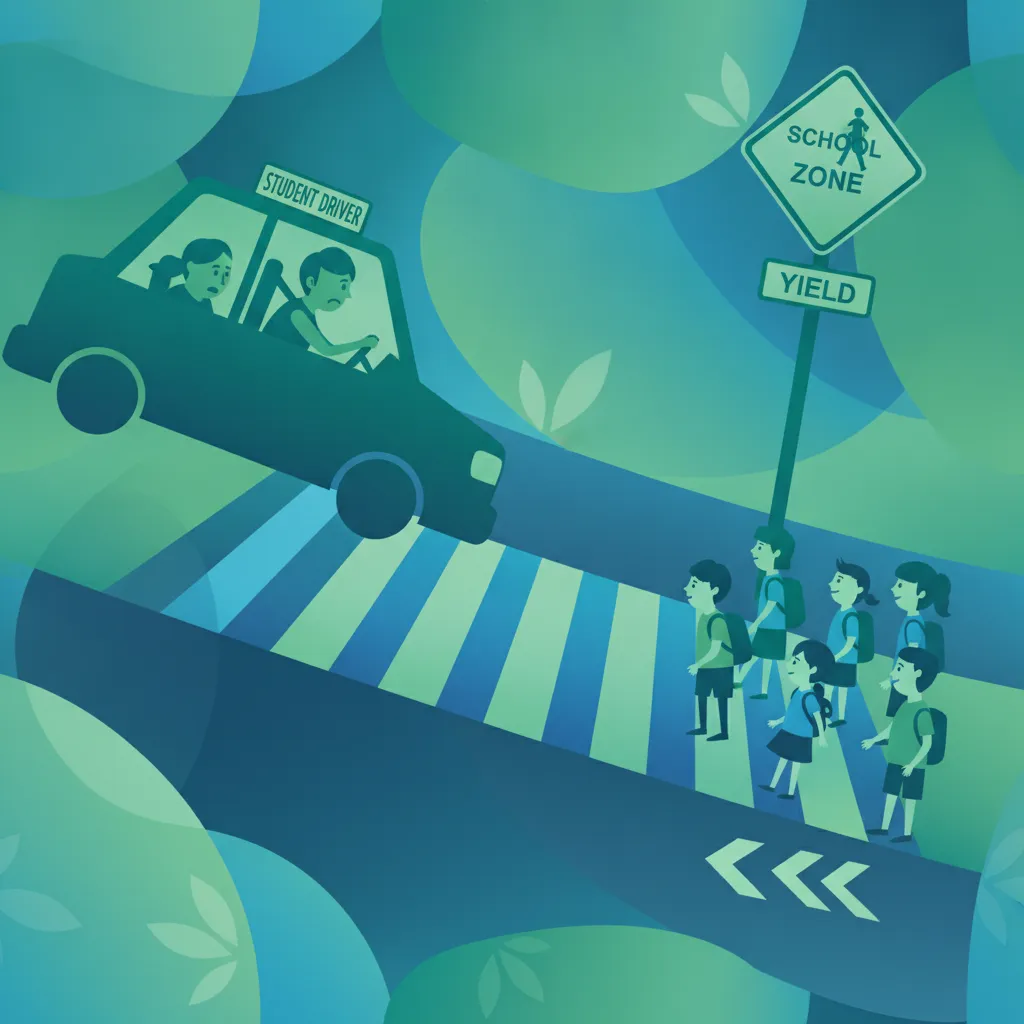
Focusing on pedestrian safety, this lesson addresses the unique considerations motorcyclists must take when approaching zebra crossings, traffic signal-controlled pedestrian crossings, and designated school zones. Learners will understand the legal obligations to yield to pedestrians, especially children, and the importance of reducing speed in these high-risk areas. The lesson also provides practical tips for ensuring visibility.

Proper road positioning is your primary shield against being squeezed, sideswiped, or overlooked by larger motor vehicles in daily traffic. This lesson explains how to ride in the center or slightly off-center of your lane to prevent unsafe overtaking within the same lane. You will study how to identify the massive blind spots of buses and trucks, maintain appropriate following distances, and execute overtaking maneuvers with maximum safety margin and clear signal warning.
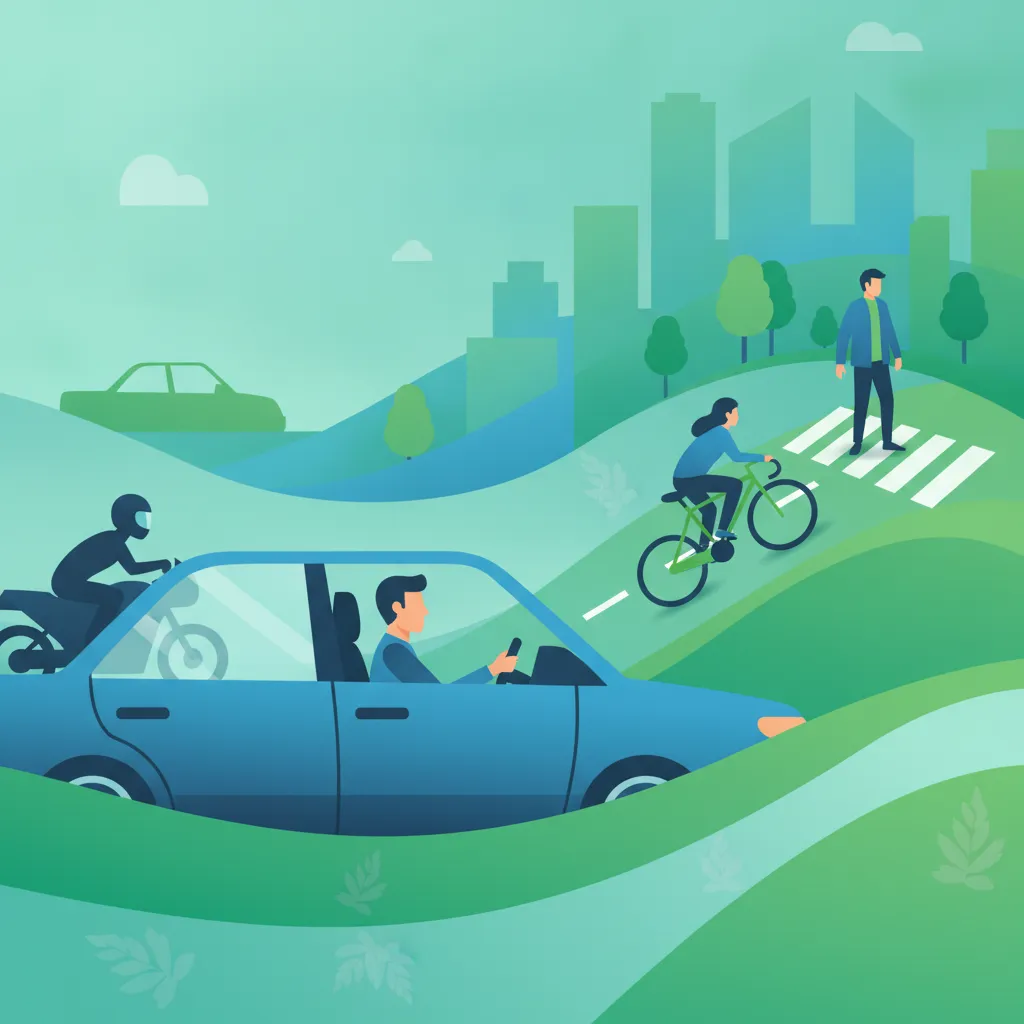
Learners will examine the complexities of operating in environments where various road users, including pedestrians, cyclists, and motorcyclists, coexist. The lesson emphasizes the need for heightened situational awareness, defensive driving techniques, and proactive hazard anticipation. Strategies for navigating mixed traffic safely, especially in congested urban areas, are highlighted.
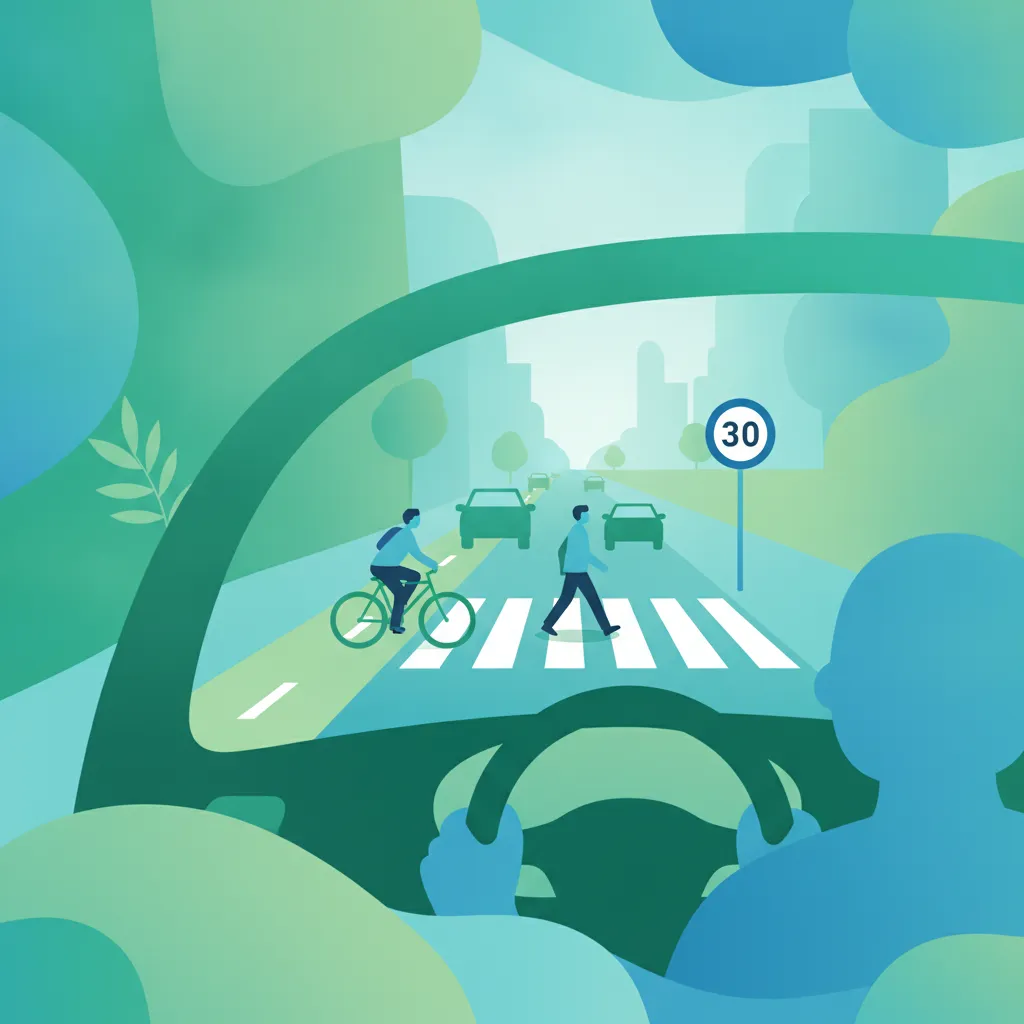
Managing your speed effectively is not just about obeying posted legal limits; it is about adjusting your pace to the immediate traffic context. This lesson teaches you how to evaluate traffic density, pedestrian presence, and blind corners to select an appropriate speed that guarantees safe stopping distances. You will learn to anticipate flow fluctuations, allowing you to avoid sudden, unstable speed changes that can compromise your balance and traction in mixed traffic.
In this lesson, learners will master the skills required to safely navigate various types of intersections encountered in Turkish urban settings. The content covers interpreting traffic signals, understanding right-of-way rules, and executing proper lane positioning. Practical strategies for managing blind spots and ensuring visibility to other road users are emphasized. By the end of this session, participants will be equipped with safe crossing techniques.
This lesson delves into the specific challenges and procedures associated with navigating roundabouts on a motorcycle. It outlines the importance of approaching at a safe speed, selecting the correct lane, and yielding to vehicles already within the roundabout. The content also covers the proper use of signals when exiting and emphasizes the need for heightened awareness of blind spots, especially when larger vehicles are present.
Find clear answers to common questions learners have about Traffic Lights and Signal Phasing. Learn how the lesson is structured, which driving theory objectives it supports, and how it fits into the overall learning path of units and curriculum progression in Turkey. These explanations help you understand key concepts, lesson flow, and exam focused study goals.
If you can stop safely before the stop line, you must do so. However, if stopping would require sudden braking that endangers you or others behind you, you should proceed with caution and clear the intersection.
Yes, motorcyclists must strictly follow all standard traffic light signals, including dedicated turn arrows and pedestrian signals, just like any other vehicle operator on Turkish roads.
Filtering while the light is red is a common safety risk. You should wait in line behind other vehicles to remain visible and avoid creating unpredictable situations at the start of a green signal.
A flashing yellow light means you must slow down and proceed with extreme caution. It indicates that the intersection requires extra vigilance and you must yield to any traffic that has the right-of-way.
Use our comprehensive practice search to find exactly the Turkish driving theory questions you need to master. Whether reviewing specific road signs, traffic rules, or first aid scenarios, select your perfect practice set and boost your confidence for the official ehliyet sınavı.