
This lesson explores the psychological demands and behavioral expectations of operating a moped on busy Turkish roads. It is a critical component of your Category AM training, ensuring you can manage traffic stress and project a predictable, safe presence to other road users. Mastering these skills will help you navigate both the theoretical exam scenarios and real-world urban traffic with patience and confidence.
Lesson content overview
Navigating the bustling streets of Turkish cities on a Category AM moped or light motorized bicycle requires much more than mechanical mastery of your vehicle. Because moped riders operate lightweight, exposed vehicles, they are highly vulnerable to both physical hazards and the psychological pressures of dense urban traffic.
In major metropolitan areas like Istanbul, Ankara, and Izmir, road conditions can change in milliseconds. Success on the road and passing your official Turkish Ministry of National Education (MEB) Motor Vehicle Driver Course Electronic Exam (MTSK e-sınav) depends heavily on your personal conduct, emotional self-regulation, and adherence to strict road etiquette.
This lesson explores the psychological demands of riding, the legal boundaries of driver behavior under the Turkish Highway Traffic Law (Karayolları Trafik Kanunu - KTK), and defensive techniques designed to foster cooperative, safe, and predictable road sharing.
Riding an exposed Category AM vehicle places you in direct contact with your environment. Unlike car drivers, you do not have a metal cabin to shield you from noise, exhaust, weather, or the aggressive behaviors of other motorists. This exposure significantly increases sensory overload, which can quickly translate into emotional stress.
Safe riding relies on two distinct types of patience:
In Turkish traffic, situational patience is frequently tested at unregistered intersections, roundabouts, and during peak hours. Practicing patience does not mean riding passively or hesitantly—which can itself create hazards. Instead, it means making proactive, safety-first decisions without letting anger or haste dictate your actions.
The cognitive and behavioral capacity to remain composed, tolerant, and controlled under pressure, prioritizing safety over speed or personal convenience.
When a rider loses patience, their cognitive processing narrows, leading to classic errors:
Aggressive driving is a major contributor to traffic accidents globally and is strictly penalized under Turkish law. For a moped rider, engaging in or provoking aggressive behavior is highly dangerous due to your extreme vulnerability.
While open road rage (such as shouting or physical confrontations) is obvious, "quiet aggression" is more insidious. Quiet aggression consists of subtle, hostile driving habits that escalate tension on the road. Examples include:
Legal Warning (KTK Article 73): Under Article 73 of the Turkish Highway Traffic Law, driving in a manner that disrupts public order, endangers lives or property, or disrespects other road users (including aggressive riding, unnecessary noise, or hostile behaviors) is strictly prohibited and subject to administrative fines and penalty points on your license.
If another driver behaves aggressively toward you—such as cutting you off or honking aggressively—you must apply immediate emotional self-regulation techniques.
Do Not Reciprocate: Avoid making eye contact, gesturing, or shouting back. Hostile interactions distract you from detecting critical road hazards.
Create Distance: Safely decelerate and let the aggressive driver pass. Position yourself away from their vehicle.
Stay in Your Lane: Do not make sudden, erratic evasive maneuvers that could cause you to lose traction or slide into another lane.
Pull Over if Followed: If an aggressive driver persists in targeting you, pull over into a well-lit, public space, or near a police checkpoint (Trafik Polisi) and seek assistance.
Because mopeds have a narrow profile, other drivers can easily misjudge your speed or fail to see you entirely. To compensate, you must project a "non-threatening presence"—a deliberate method of riding that communicates safety, predictability, and cooperation.
You communicate with the traffic environment through three distinct channels:
Under KTK Article 48, riders must signal their intention to turn, change lanes, or merge well in advance of the maneuver.
A safety buffer is the empty physical space you maintain around your moped at all times. It is your primary defense against the errors of other road users, providing the critical time and space needed to react to sudden hazards.
                  [ Leading Vehicle ]
                         ▲
                         │
                  [ FRONT BUFFER ]
               (Min. 2 Seconds / KTK Art. 56)
                         │
                         ▼
[ Left Buffer ] ◄─── [ MOPED ] ───► [ Right Buffer ]
                         ▲
                         │
                  [ REAR BUFFER ]
                         ▼
                 [ Following Vehicle ]
According to KTK Article 56/1-c, drivers must maintain a safe following distance behind the vehicle in front of them. In Turkey, this is legally defined as:
For Category AM riders, the two-second rule should be treated as an absolute minimum. Because mopeds have smaller tyres and less advanced braking systems than passenger cars, you should ideally expand this to three or four seconds, especially on wet or uneven tarmac.
Cooperative driving means actively respecting the statutory rights of other road users and sometimes waving your priority to maintain overall safety.
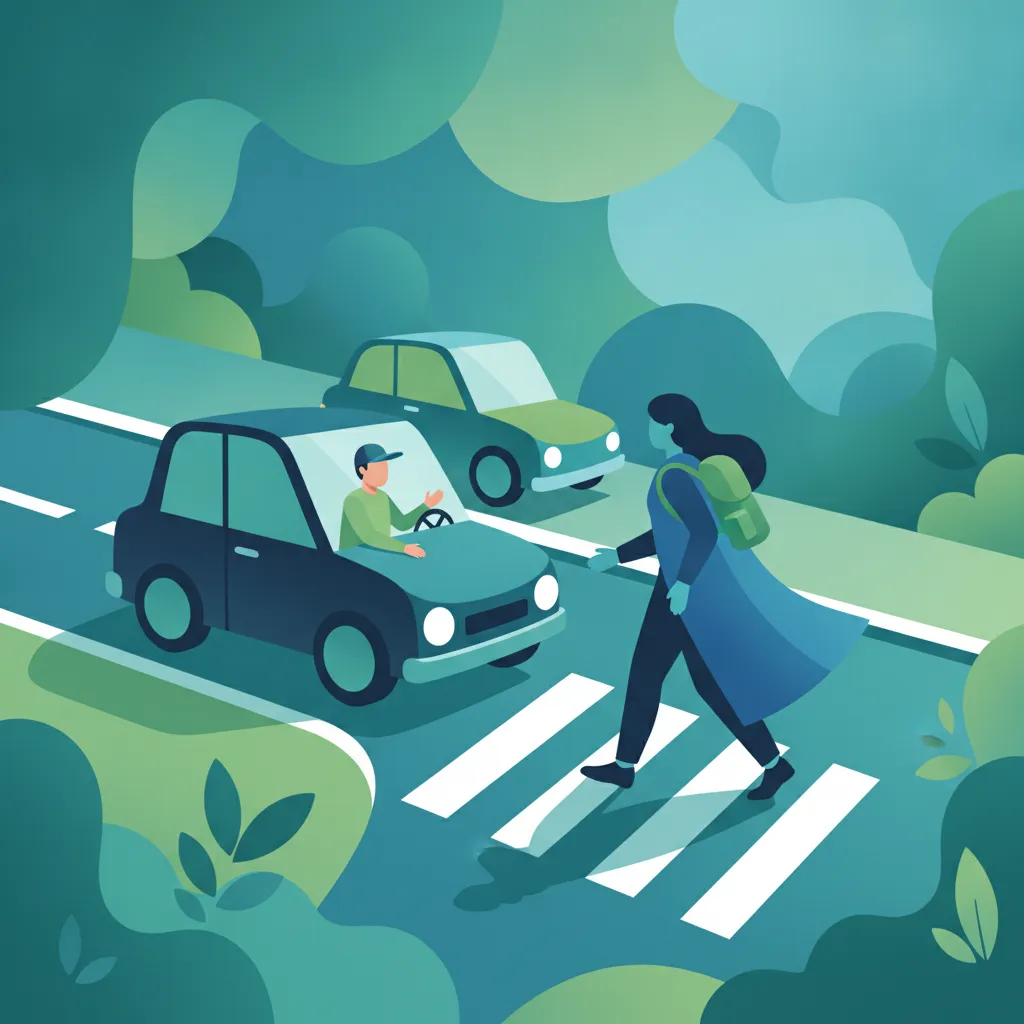
Turkey has implemented strict campaigns and legal updates regarding pedestrian priority in traffic. Under KTK Article 74, drivers and riders must slow down when approaching marked pedestrian crossings (yaya geçidi) and stop to yield the right-of-way to any pedestrian who is crossing or about to step onto the crossing.
Under KTK Article 71, specific vehicles have the right of way when operating with their audible (sirens) and visual (flashing lights) warning systems activated. These include:
When you hear or see an emergency vehicle approaching, you must immediately make way. On multi-lane roads, move safely to the side of your lane to help create an emergency corridor (often referred to as the "zipper" or "corridor" method). Do not panic or brake abruptly; signal your movement, check your mirrors, and slide to the edge of the road safely.
Failing to maintain proper conduct and etiquette leads to common infractions on Turkish roads. Understanding these edge cases will help you stay safe and avoid costly penalties on your Category AM license.
| Violation | Legal Implication (KTK) | Real-World Risk | Correct Behavioral Correction |
|---|---|---|---|
| Tailgating | Violation of Article 56/1-c. | Rear-end collision due to sudden braking of the leading vehicle. | Increase following distance to at least 2 seconds (3-4 in poor weather). |
| Aggressive Gesturing / Road Rage | Violation of Article 73 (disrespectful driving). | Escalates minor traffic errors into physical altercations. | Practice emotional de-escalation; safely pull away from hostile drivers. |
| Failure to Signal | Violation of Article 48. | Surrounding traffic cannot anticipate your moves, causing side-swipes. | Signal at least 30m before turns in cities; check mirrors before turning. |
| Ignoring Pedestrian Crossings | Violation of Article 74. | Severe, potentially fatal collisions with vulnerable road users. | Always scan ahead for pedestrian crossings and stop completely if occupied. |
| Excessive / Hostile Horn Use | Violation of noise regulations and Article 73. | Startles other road users, increases general anxiety, and provokes rage. | Use the horn strictly as a warning device to prevent imminent accidents. |
| Weaving in Congestion | Violation of lane discipline rules. | High risk of clipping mirrors or colliding with cars changing lanes. | Stay within your lane; filter only when legal, safe, and at highly reduced speeds. |
Your personal conduct and buffer zones must adapt dynamically to changes in weather, light, and road environments.
Rain severely reduces tyre grip and increases braking distances. In Turkey, the first rain after a dry spell is particularly dangerous, as water mixes with accumulated oil and dust on the road surface to create an extremely slick film.
At night, your visibility is limited to the reach of your headlight, and other drivers will struggle even more to see your small moped profile.
In gridlock, frustrations run high. Motorists may make erratic lane changes without signaling to escape the traffic jam.
Understanding the psychological and behavioral aspects of this lesson is critical for navigating the rest of your Category AM curriculum:
This lesson covers the psychological and behavioral skills essential for Category AM moped riders operating in Turkish urban traffic. It establishes the critical distinction between emotional and situational patience, defines quiet aggression patterns, and provides a four-step de-escalation framework. Riders learn to project a non-threatening, predictable presence through visual, gestural, and vehicular communication, with specific attention to signal timing distances and safety buffer management including the half-speed rule and two-second following distance. The lesson also covers pedestrian priority laws, emergency vehicle yielding procedures, and environmental adaptations for rain, night, and high-density traffic, all framed within the relevant KTK articles and connected to MTSK e-sınav expectations.
A short set of high-value points that capture the most important learning from this lesson.
Emotional patience (internal regulation) and situational patience (external response) are distinct skills that must both be developed for safe riding.
Turkish law requires signaling at least 30 metres before turns in urban areas and 150 metres in high-speed zones, with manual cancellation after the maneuver.
The half-speed rule for following distance states your distance in metres should equal half your speed in km/h, supplemented by the two-second minimum rule.
Pedestrian crossings (yaya geçidi) require unconditional yielding under KTK Article 74, with heightened vigilance required in school zones.
Emergency vehicles with active sirens and lights hold absolute priority under KTK Article 71 and require immediate creation of an emergency corridor.
Explore all units and lessons included in this driving theory course.
Quiet aggression includes tailgating, hostile horn use, and aggressive weaving—these are illegal under KTK Article 73 and increase collision risk.
Side buffers of 1 to 1.5 metres protect against dooring hazards when passing parked vehicles.
The first rain after dry weather creates particularly dangerous road conditions due to accumulated oil and dust mixing with water.
Never reciprocate aggressive behavior—create distance, stay in your lane, and pull over to a safe public area if followed.
De-escalation follows four steps: do not reciprocate, create distance, stay in lane, and pull over if the aggression persists.
Assuming eye contact at intersections guarantees the other driver will yield—always verify before proceeding.
Using the horn as an emotional outlet rather than strictly as a collision warning device, violating noise regulations.
Failing to manually cancel turn signals after completing a maneuver, misleading other road users into anticipating another turn.
Riding in the blind spots of large vehicles (trucks, buses) to gain a short time advantage, which dramatically increases vulnerability.
Attempting to weave aggressively through stationary traffic congestion instead of maintaining lane discipline and patient filtering.
Lesson content overview
A short set of high-value points that capture the most important learning from this lesson.
Emotional patience (internal regulation) and situational patience (external response) are distinct skills that must both be developed for safe riding.
Turkish law requires signaling at least 30 metres before turns in urban areas and 150 metres in high-speed zones, with manual cancellation after the maneuver.
The half-speed rule for following distance states your distance in metres should equal half your speed in km/h, supplemented by the two-second minimum rule.
Pedestrian crossings (yaya geçidi) require unconditional yielding under KTK Article 74, with heightened vigilance required in school zones.
Emergency vehicles with active sirens and lights hold absolute priority under KTK Article 71 and require immediate creation of an emergency corridor.
Explore all units and lessons included in this driving theory course.
Quiet aggression includes tailgating, hostile horn use, and aggressive weaving—these are illegal under KTK Article 73 and increase collision risk.
Side buffers of 1 to 1.5 metres protect against dooring hazards when passing parked vehicles.
The first rain after dry weather creates particularly dangerous road conditions due to accumulated oil and dust mixing with water.
Never reciprocate aggressive behavior—create distance, stay in your lane, and pull over to a safe public area if followed.
De-escalation follows four steps: do not reciprocate, create distance, stay in lane, and pull over if the aggression persists.
Assuming eye contact at intersections guarantees the other driver will yield—always verify before proceeding.
Using the horn as an emotional outlet rather than strictly as a collision warning device, violating noise regulations.
Failing to manually cancel turn signals after completing a maneuver, misleading other road users into anticipating another turn.
Riding in the blind spots of large vehicles (trucks, buses) to gain a short time advantage, which dramatically increases vulnerability.
Attempting to weave aggressively through stationary traffic congestion instead of maintaining lane discipline and patient filtering.
Explore search topics learners often look for when studying Personal Conduct and Road Etiquette. These topics reflect common questions about road rules, driving situations, safety guidance, and lesson level theory preparation for learners in Turkey.
Browse additional driving theory lessons that cover connected traffic rules, road signs, and common driving situations related to this topic. Improve your understanding of how different rules interact across everyday traffic scenarios.
Learn how to proactively anticipate hazards and maintain safety buffers when riding in dense Turkish cities. This lesson explains how to identify potential risks and position your vehicle to remain visible and predictable, ensuring you can react safely to unexpected maneuvers by other motorists on the road.
Defensive riding is the practice of anticipating potential road conflicts and acting early to prevent accidents before they occur. This lesson teaches you how to systematically scan the road ahead for changing conditions, keep an adequate safety cushion around your moped, and pre-plan exit routes in tight spots. You will learn to assume you are invisible to other drivers and adapt your speed and road position proactively to protect yourself against sudden maneuvers.
Human error and deliberate risk-taking represent the leading causes of traffic collisions among novice moped riders. This lesson analyzes the high dangers of using mobile phones while riding, weaving unsafely between lanes, and tailgating other motorists. It also covers the severe legal limits on alcohol and drug consumption under Turkish law, explaining how even minor impairments can drastically slower your hazard response times and lead to catastrophic accidents.
Low-speed riding maneuvers require precise coordination of throttle control, body balance, and subtle steering inputs to maintain vehicle stability. This lesson guides you through techniques for performing tight U-turns, navigating dense traffic queues, and parking your moped safely in designated urban areas. Additionally, you will learn to scan for immediate hazards, allowing you to execute steering corrections smoothly without risking tip-overs or collisions with low obstacles.
Proper road positioning is your primary shield against being squeezed, sideswiped, or overlooked by larger motor vehicles in daily traffic. This lesson explains how to ride in the center or slightly off-center of your lane to prevent unsafe overtaking within the same lane. You will study how to identify the massive blind spots of buses and trucks, maintain appropriate following distances, and execute overtaking maneuvers with maximum safety margin and clear signal warning.
In this lesson, learners will discover the principles of defensive riding, focusing on hazard anticipation, maintaining safe distances, and practicing proactive avoidance techniques. It emphasizes developing a vigilant riding posture, constantly scanning the environment, and preparing to react to potential dangers from other road users, road conditions, or unexpected traffic events.
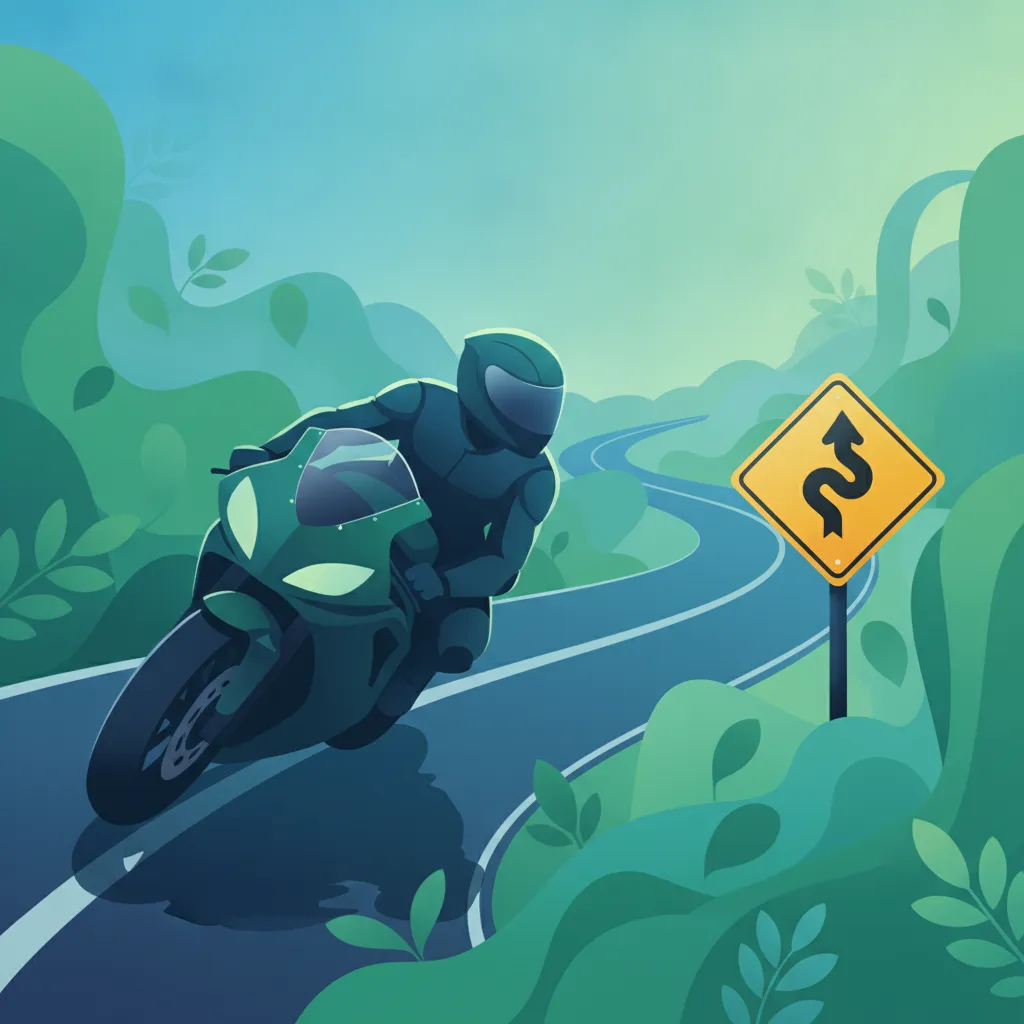
Warning signs alert road users to impending physical conditions, dangers, or layout alterations that require immediate driver attention and speed adjustment. This lesson focuses on indicators of sharp bends, narrowing paths, slippery road surfaces, upcoming pedestrian crosswalks, and school warning zones. You will study how to interpret these yellow-and-red triangular signs to safely modify your approach speed and gear your attention toward potential hazards unique to lightweight mopeds.
Riding in adverse weather presents significant challenges for open-vehicle operators, including reduced tire grip, obscured vision, and physical fatigue from wind or cold. This lesson covers safety techniques for navigating rainy conditions, avoiding the danger of hydroplaning, and managing strong crosswinds that can destabilize a lightweight moped. You will learn to adjust your speed, increase your following distance, and use high-visibility gear to ensure a safe journey under bad weather.
Operating a moped in highly populated Turkish urban areas requires a strong awareness of your environmental footprint and social impact. This lesson explains methods for reducing noise and exhaust emissions through timely vehicle maintenance and fuel-efficient riding techniques. You will also learn about the importance of protecting vulnerable road users like pedestrians, children, and cyclists, contributing to a cooperative, clean, and safe urban traffic ecosystem for everyone.
A moped's connection to the road is limited to two small tire contact patches, making tyre traction highly sensitive to surface changes. This lesson prepares you to recognize and negotiate hazardous road surfaces such as loose gravel, wet leaves, metal expansion joints, and painted lines. You will learn how to adjust your speed, maintain a vertical riding posture, and avoid sudden steering or braking inputs to prevent low-side falls when traction is severely reduced.
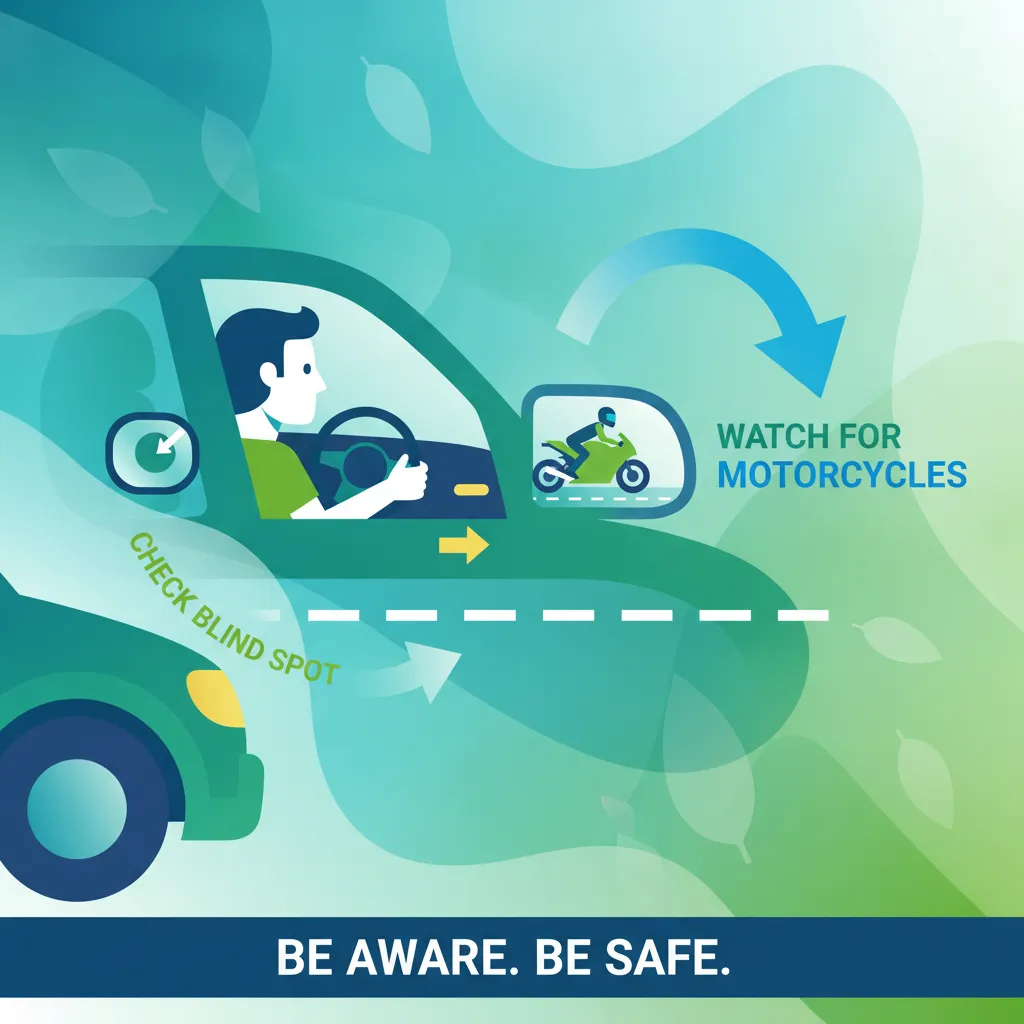
Learners will gain insight into the unique challenges posed by motorcycles and scooters sharing the road with passenger vehicles. The lesson highlights the importance of checking blind spots, maintaining safe following distances, and being aware of the faster acceleration and maneuverability of two-wheeled vehicles. Strategies for anticipating their movements and preventing collisions are discussed.
Understand the legal foundations of right-of-way and pedestrian priority as defined by the Turkish Highway Traffic Law. This lesson provides an overview of how to interact with other road users at intersections and pedestrian crossings, focusing on compliant behavior to maintain orderly and safe traffic flow.
Correctly interpreting traffic signal sequences and priority rules is crucial for preventing devastating right-angle collisions at intersections. This lesson breaks down the phase progression of standard lights, the meanings of flashing amber or red indicators, and the hierarchy of traffic control when a police officer is directing vehicles. You will also master the basic legal default rules of right-of-way, such as yielding to vehicles coming from the right at uncontrolled junctions.
This lesson provides an overview of the general priority principles that dictate right-of-way on Turkish roads. Topics include the hierarchy of road users, such as pedestrians, cyclists, and emergency vehicles, and how these hierarchies apply at various intersections. Learners will understand the fundamental concepts of yielding, stopping, and proceeding, as well as the importance of clear decision-making.
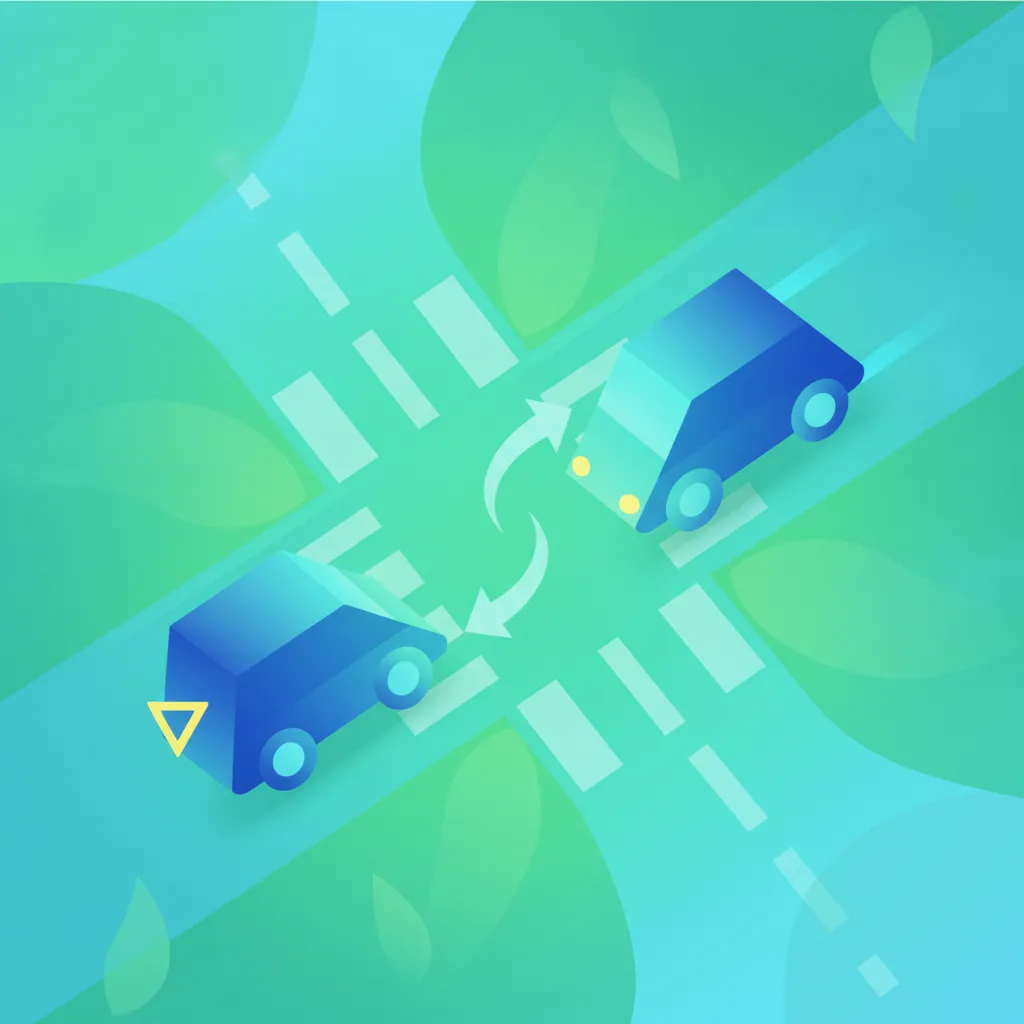
In this lesson, learners explore priority rules specific to uncontrolled intersections, where traffic signals or signs are absent. Topics include determining right-of-way based on vehicle classification, approach angle, and arrival sequence. The lesson emphasizes the importance of stopping, yielding, and assessing potential hazards before proceeding.
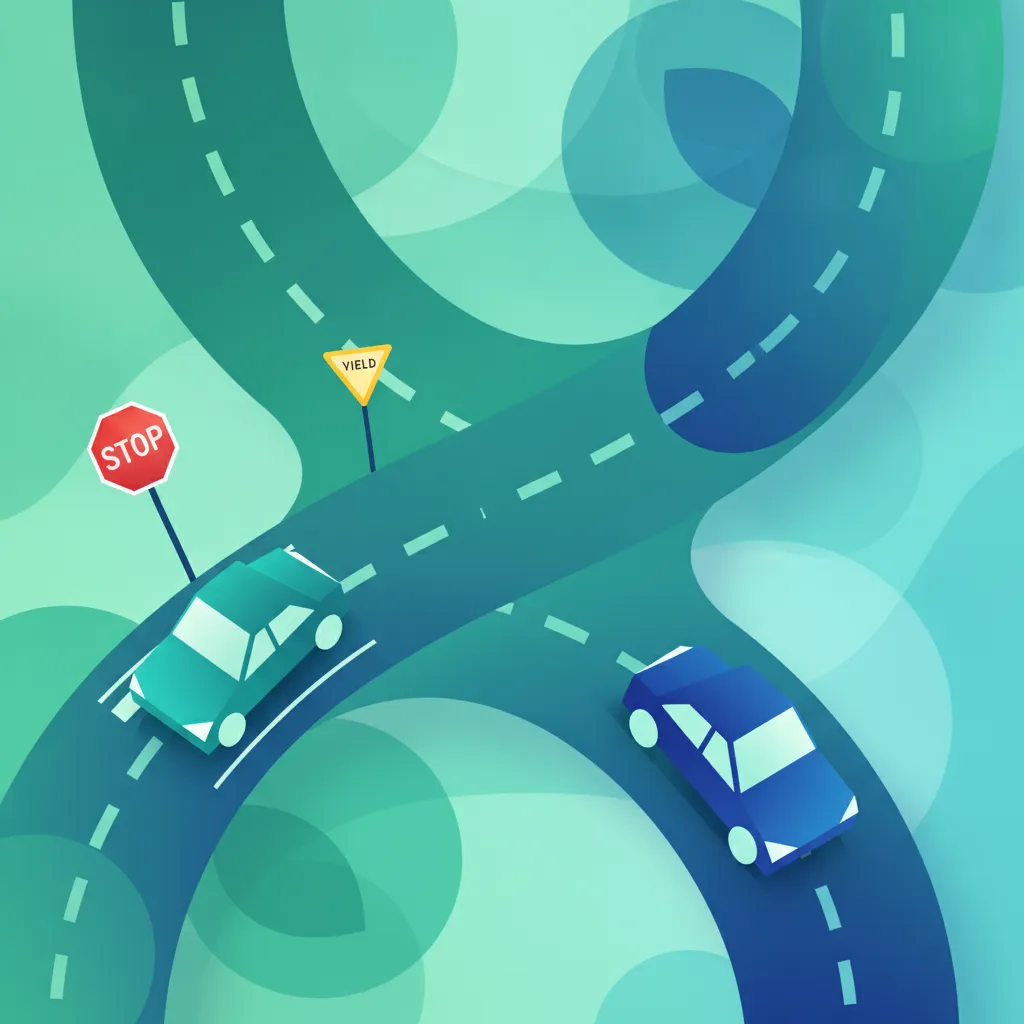
This lesson focuses on priority rules at controlled intersections equipped with traffic signals, stop signs, or yield signs. Learners will understand how to interpret traffic light phases, comply with stop and yield indications, and assess right-of-way at these intersections. The lesson also covers pedestrian and cyclist considerations, as well as emergency vehicle priority.
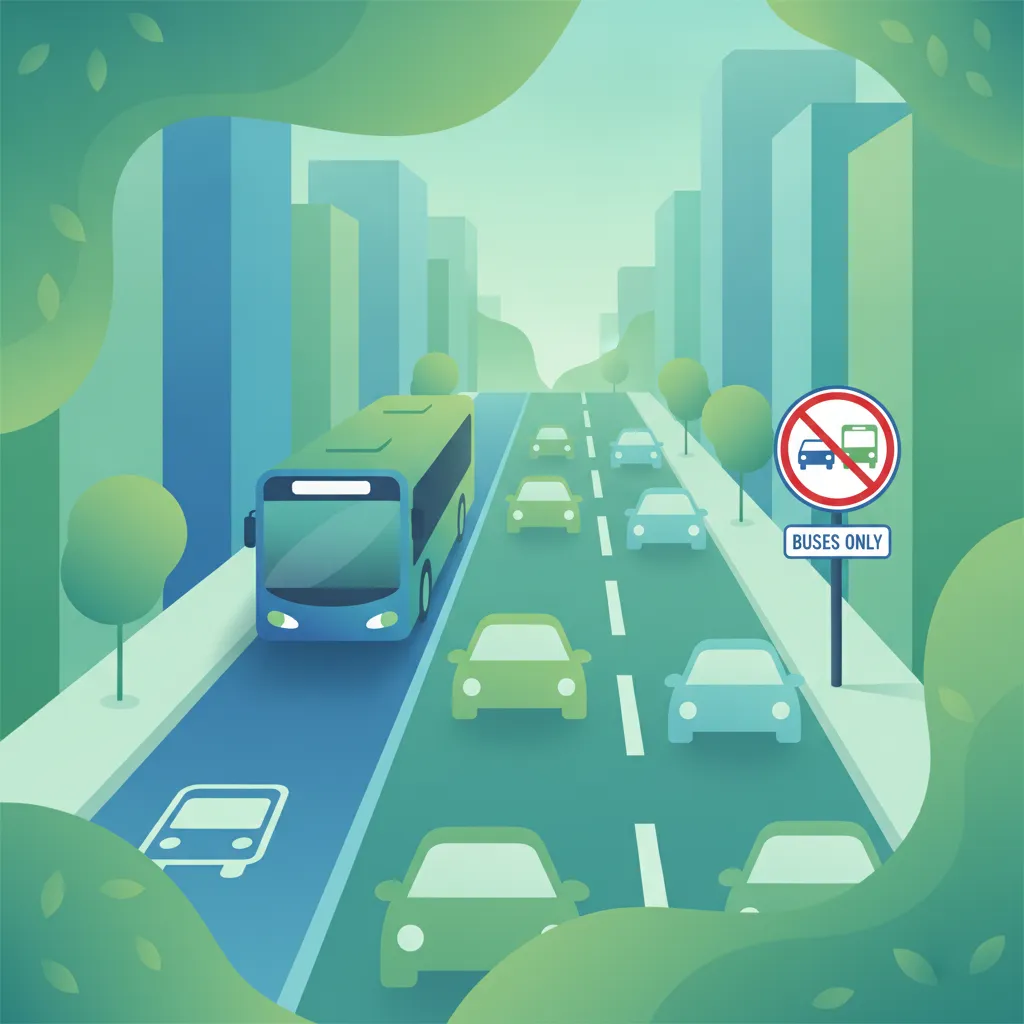
Learners will explore the specific regulations governing bus lanes, priority routes, and other legal restrictions applicable to passenger vehicles. The lesson covers the conditions under which buses may use dedicated lanes, how to navigate priority roadways, and the penalties associated with misuse. Understanding these rules is essential for efficient operation and avoiding violations in high-traffic areas.
Protecting vulnerable road users is a core legal and ethical responsibility for all motorized vehicle operators in Turkey. This lesson covers the absolute requirement to yield to pedestrians at marked crosswalks, zebra crossings, and designated school zones. You will learn how to identify these zones early, reduce your speed proactively, and maintain heightened situational awareness for children or distracted pedestrians who may step onto the road unexpectedly.
This lesson emphasizes the importance of yielding to pedestrians and cyclists at intersections, crosswalks, and designated lanes. Learners will understand the legal obligations to provide safe passage to vulnerable road users and the correct procedures for stopping and allowing them to cross. Real-world examples illustrate scenarios where failing to yield can lead to accidents.
This lesson explores the concept of reserved lanes and special zones designated for specific vehicle types or purposes. Learners will study bus lanes, bicycle lanes, high-occupancy vehicle (HOV) lanes, and emergency vehicle lanes, understanding the rules governing their usage. Real-world examples illustrate how these lanes improve traffic efficiency, promote sustainable transport, and prioritize emergency response.
This lesson focuses on the unique requirements and best practices for operating passenger vehicles on highways and expressways. Topics include maintaining appropriate speed, adhering to lane discipline, executing safe overtaking maneuvers, and managing merges and exits. Emphasis is placed on ensuring a smooth ride for passengers while integrating safely with faster-moving traffic.
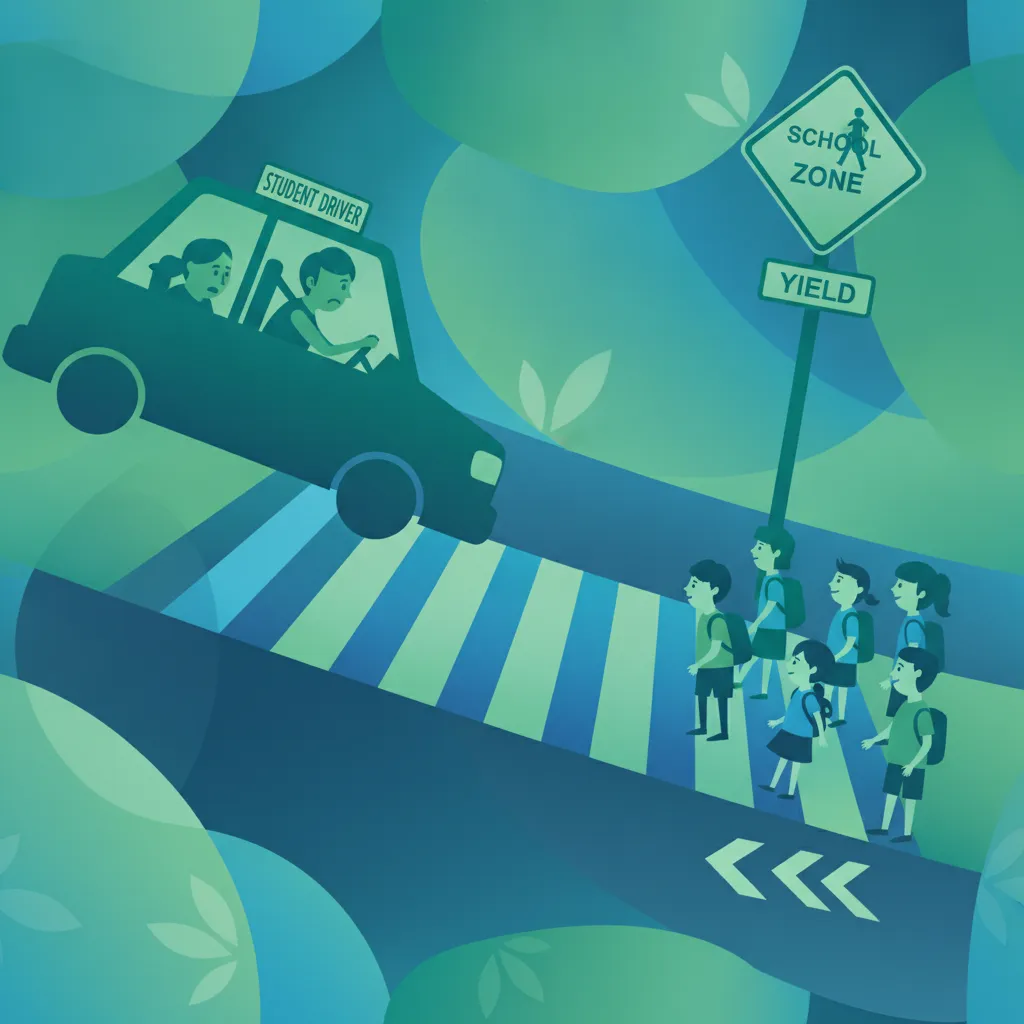
Focusing on pedestrian safety, this lesson addresses the unique considerations motorcyclists must take when approaching zebra crossings, traffic signal-controlled pedestrian crossings, and designated school zones. Learners will understand the legal obligations to yield to pedestrians, especially children, and the importance of reducing speed in these high-risk areas. The lesson also provides practical tips for ensuring visibility.
Find clear answers to common questions learners have about Personal Conduct and Road Etiquette. Learn how the lesson is structured, which driving theory objectives it supports, and how it fits into the overall learning path of units and curriculum progression in Turkey. These explanations help you understand key concepts, lesson flow, and exam focused study goals.
As a lightweight vehicle rider, your visibility and physical protection are limited. Your conduct—such as predictability and patience—is your primary defense to ensure other drivers notice you and respect your position on the road.
The best approach is to avoid engaging. Maintain your lane, keep your speed steady, and increase your safety buffer. Aggression on your part will only increase the risk of an accident.
Yes. The exam frequently includes scenarios regarding professional conduct, patience, and how to act when another driver acts aggressively, as these are core parts of safe driving theory.
Use your indicators, maintain a clear and predictable path, and ensure your head position signals your intended direction. Avoid sudden maneuvers that can confuse drivers of larger vehicles.
Use our comprehensive practice search to find exactly the Turkish driving theory questions you need to master. Whether reviewing specific road signs, traffic rules, or first aid scenarios, select your perfect practice set and boost your confidence for the official ehliyet sınavı.