
Prepare for your Belgian driving theory exam by understanding the nuances of liability in multi-vehicle accidents. This practice set from Belgian Driving License Theory delves into key concepts such as contributory negligence, legal presumptions for common collisions, and the role of insurance companies. Gain clarity on who is at fault in complex traffic situations and boost your exam readiness.

Prepare for your Belgian theory test by mastering fault determination in multi-vehicle accidents. This practice set explains how liability is assigned under Belgian traffic law, covering common scenarios and essential rules. Boost your confidence for your exam preparation with targeted driving theory practice.
Delve into the specifics of Belgian road law regarding multi-vehicle accident liability. This set explores how fault is assigned, covering common scenarios such as rear-end collisions, turning incidents, and the involvement of parked vehicles. Mastering these concepts is crucial for a comprehensive understanding of Belgian driving theory.
Preview sample questions from the Accident Liability Rules practice set to see how they help you prepare for the driving theory exam in Belgium.
Learners choose Accident Liability Rules to improve accuracy and understanding of key exam themes in Belgium. It offers realistic driving theory questions and targeted revision for effective preparation.
Find answers to the most common queries learners have when practising Accident Liability Rules, including how questions match the official theory exam in Belgium, how scoring works, and how this practice improves exam readiness.
In Belgium, liability is determined based on several principles, including specific legal presumptions for certain accident types, the concept of contributory negligence where fault can be shared, and the overall circumstances documented by involved parties and assessed by insurance companies or civil courts.
Contributory negligence in Belgium means that multiple drivers can share fault proportionally for an accident, even if one driver initially had a right of way. The degree of fault for each party is assessed based on their respective contributions to the collision.
The 'constat amiable' (European Accident Statement) is a crucial document used in Belgium for drivers involved in an accident to agree on the circumstances. While signing it does not imply an admission of fault, it provides essential information for insurance companies to determine liability later.
No, force majeure is an extremely narrow and rarely successful defence in Belgian road accident cases. It requires an unforeseeable and irresistible event that completely prevents a driver from avoiding the accident, and it is usually not applicable to typical driving situations.
Belgian traffic law includes important presumptions, such as the vehicle that rear-ended another is generally presumed at fault unless proven otherwise, and the vehicle that turned across traffic is also commonly presumed at fault in a collision.
If a parked vehicle is involved in an accident in Belgium, its liability depends on whether it was legally parked and if its position contributed to the accident. If illegally parked, it may bear partial or full fault. If legally parked, the moving vehicle is usually liable.
By completing Accident Liability Rules, you will gain stronger rule knowledge, faster recognition of signs and situations, better decision making in traffic scenarios, and increased accuracy on exam style questions used in Belgium. These outcomes directly support higher scoring exam performance.
Explore similar practice sets to solidify your grasp of Belgian driving rules and accident scenarios. Engaging with related topics enhances your revision momentum and prepares you thoroughly for your theory test practice.

Beyond the Rules: Mastering Belgium's Core Principle of Road Safety.

Protecting Those Most At Risk: Your Essential Duty as a Belgian Driver

Master the Core Concepts of Belgian Traffic Law for Your Exam.
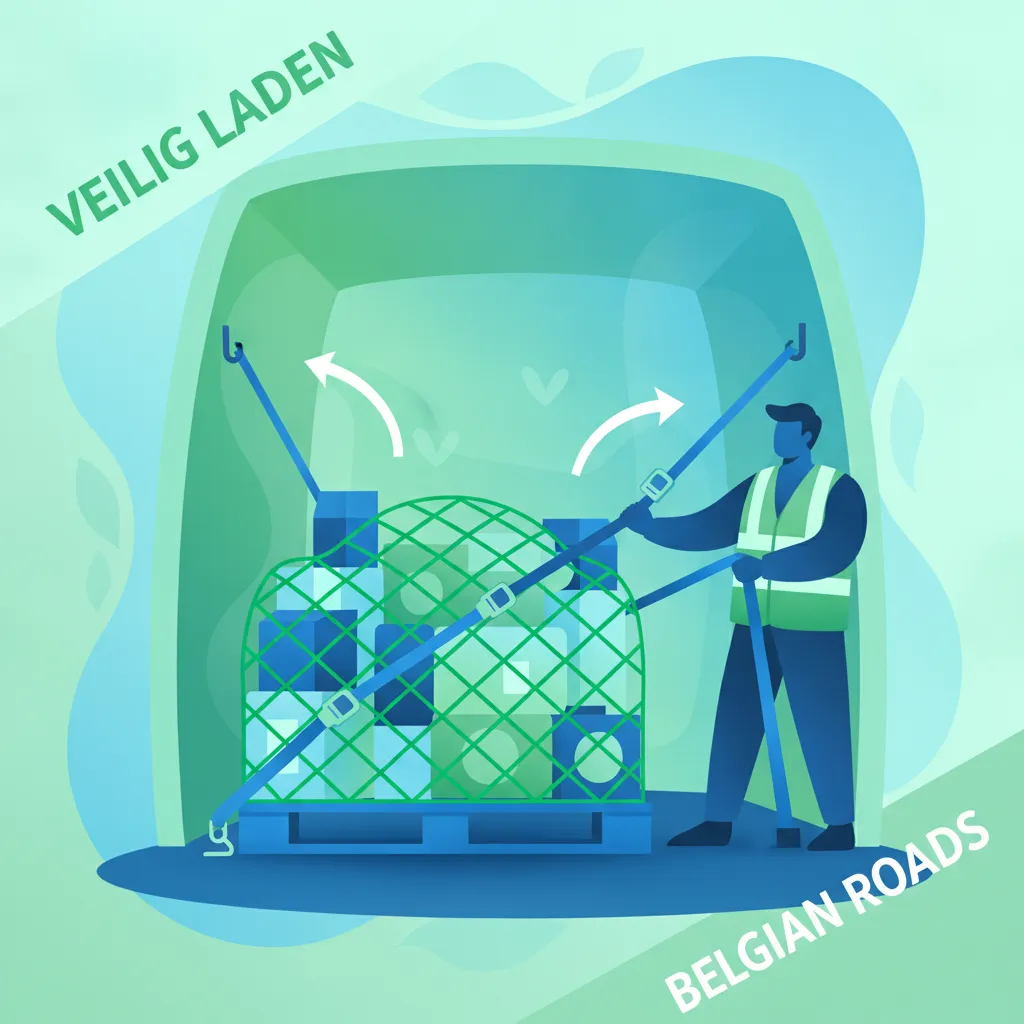
Master cargo securing to pass your Belgian driving theory exam and ensure road safety.

Reverse with Confidence: Crucial Rules for Belgian Roads

Master Belgian Seatbelt and Child Restraint Rules to Drive Safely and Pass Your Exam
Questions in Accident Liability Rules
Exam focused questionss
Accident Liability Rules offers quick, focused exam style practice to boost your Belgian knowledge for the driving theory exam in Belgium.
Accident Liability Rules helps learners in Belgium with clear explanations and targeted Belgian practice to improve essential driving theory topics.
This practice set is ideal for intermediate learners preparing for their Belgian driving license theory exam who want to understand how fault is determined in multi-vehicle accidents. It addresses common misconceptions about absolute right-of-way and helps you prepare for complex scenarios involving shared or presumed liability, which are vital for real-world driving and exam success.
Explore more topics for the Belgian driving theory exam in Belgium.
Strengthen your Belgian driving theory knowledge by diving into targeted practice. Select any category from this overview to begin exercises immediately. Focus on areas where you need improvement, such as specific road signs, priority rules, or hazard perception, to build confidence for your official Belgian driving licence exam.
Explore Practice Categories