
Prepare yourself for Belgium's unpredictable weather by understanding how rain, fog, snow, wind, and summer heat impact your driving. This section provides crucial advice on seasonal vehicle checks and adapting your driving techniques to stay safe and pass your theory exam.
Prepare yourself for Belgium's unpredictable weather by learning how rain, fog, snow, and summer heat directly impact your driving safety and visibility. These guides provide essential advice on seasonal vehicle checks and proper technique to ensure you successfully pass your Belgian driving theory exam.
Driving in Belgium requires constant adaptation to wet conditions, from handling the slippery 'first-rain' oil effect in cities to managing visibility in dense morning fog. This guide clarifies your legal responsibilities under the Belgian Highway Code, specifically regarding speed adjustment and light usage. By mastering these concepts, you will be prepared to handle unpredictable weather while meeting the high standards required for your theory exam.
The Ardennes present distinct driving challenges due to their steep gradients and increased susceptibility to winter precipitation like verglas and snow. This article will equip you with the essential knowledge to safely navigate these hazardous conditions, understand the critical techniques required for ascending and descending steep, slippery slopes, and prepare you for theoretical exam questions covering these specific regional risks.
Understand how Belgian weather conditions like rain, fog, and snow affect your driving and learn essential techniques for safe seasonal operation. Prepare thoroughly for your theory exam with expert advice on adapting to various road hazards and ensuring vehicle readiness.
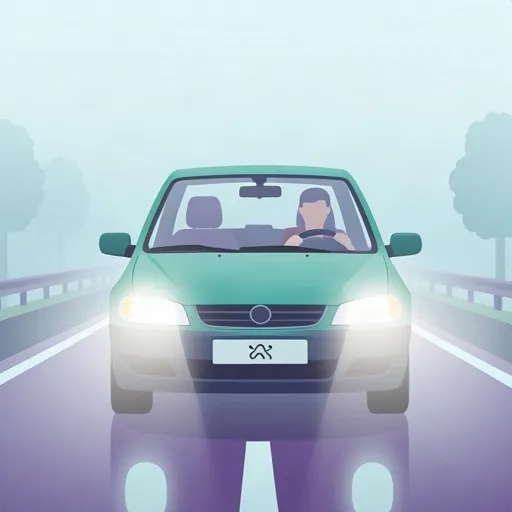
Driving in Belgium requires constant adaptation to wet conditions, from handling the slippery 'first-rain' oil effect in cities to managing visibility in dense morning fog. This guide clarifies your legal responsibilities under the Belgian Highway Code, specifically regarding speed adjustment and light usage. By mastering these concepts, you will be prepared to handle unpredictable weather while meeting the high standards required for your theory exam.
Updated on Aug 27, 2026
The Ardennes present distinct driving challenges due to their steep gradients and increased susceptibility to winter precipitation like verglas and snow. This article will equip you with the essential knowledge to safely navigate these hazardous conditions, understand the critical techniques required for ascending and descending steep, slippery slopes, and prepare you for theoretical exam questions covering these specific regional risks.
Updated on Jul 15, 2026
Discover other categories connected to Belgian Weather & Seasonal Driving. These sections help you explore additional topics, expand your understanding of driving theory in Belgian, and build a more complete picture of the rules and situations tested during the exam.
Find answers to common questions learners ask about Belgian Weather & Seasonal Driving. This section helps clarify difficult concepts, highlight critical exam information, and support your preparation for the Belgian driving theory exam in Belgium.
Belgium does not have a general legal obligation for winter tires. However, M+S or 3PMSF tires are strongly recommended for optimal safety from October to April, particularly in the Ardennes region where snow, ice, and freezing fog are more common.
In fog, use your dipped headlights and front fog lights if visibility drops below 100 meters. Your rear fog light must be switched on if visibility is less than 100 meters, but remember to switch it off once visibility improves to avoid dazzling other drivers.
Heavy rain can lead to aquaplaning, especially on Belgian motorways which may have worn surfaces. Reduce your speed significantly, avoid sudden braking or steering, and ensure your tires have adequate tread depth to maintain grip.
Yes, the Ardennes' hilly terrain and colder climate mean you are more likely to encounter snow, ice, and freezing fog in winter. Flanders, being flatter, typically experiences less severe winter conditions but can still face heavy rain and wind.
Before winter, ensure your antifreeze is topped up, check your battery, consider winter tires, and fill your windshield washer fluid with an antifreeze agent. During summer, check tire pressure and coolant levels, and ensure your air conditioning is functional.
Dive into our comprehensive directory of Belgian driving theory article categories now. Select a topic that interests you or review areas where you need more practice to confidently prepare for your official driving license theory exam.
Belgian Theory Article Categories