
This section delves into Belgium's information and indicatory road signs, crucial for understanding your environment and planning your route. These signs provide essential details about road types, directions, available services, and special zones, helping you make informed decisions before rules become critical. Mastering these signs is key to both safe driving practice and successfully passing your theory exam.
An explanation of how Belgian Information and Indicatory Signs road signs apply in real traffic situations in Belgium. Learn where these signs are typically placed, what drivers are expected to do when they appear, and how correct reactions help you stay safe, avoid fines, and succeed in your Belgian driving theory exam.
Belgian information and indicatory signs are encountered throughout the road network, from urban streets to highways. Signs like F1a/F1b (start of built-up area) and F3a/F3b (end of built-up area) are common as you enter or leave towns and villages, signalling changes in speed limits and driving conditions. You'll see F4a/F4b signs near residential areas or schools to denote 30 km/h zones. Motorway signs (F5/F7) and motorroad signs (F9/F11) are vital for long-distance travel, indicating access and exit points. Direction signs (various F25-F41) are ubiquitous, guiding you towards destinations, services like F63 (fuel station) or F59 (parking), and even touristic attractions (F33c, F35). Special zones like living streets (F12a/F12b) or pedestrian zones (F103/F105) require specific behaviour, often restricting general traffic. Signs for bus lanes (F17/F18), one-way roads (F19), or lane usage (F13, F79, F81) are critical for correct lane positioning. Dead end signs (F45) warn you of roads that don't continue, while detour signs (F39/F41) reroute you around obstacles like roadworks (F47). Understanding these signs helps drivers navigate efficiently, anticipate road conditions, and comply with specific regulations within different zones.
An overview of the key learning outcomes when studying the Belgian Information and Indicatory Signs road sign category. Understand the main concepts, sign meanings, and traffic situations covered here so you can recognise patterns, answer theory questions more confidently, and build a solid foundation for safe driving in Belgium.
Master Belgian information signs that guide your journey, from directions to services and special zones. Studying these signs together aids recognition patterns, crucial for effective navigation and exam preparation. Understand their meanings to make informed driving decisions and improve your theory test revision.
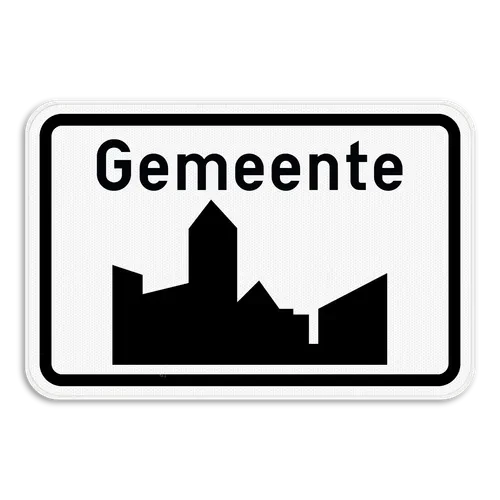
Belgian F1a Sign: Understanding the Start of a Built-Up Area
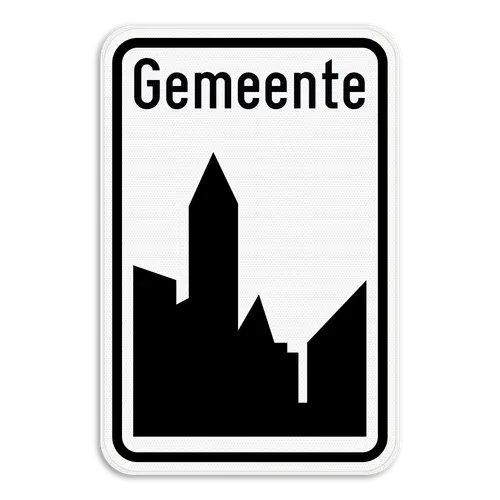
Belgian F1a Sign: You Are Entering a Built-Up Area
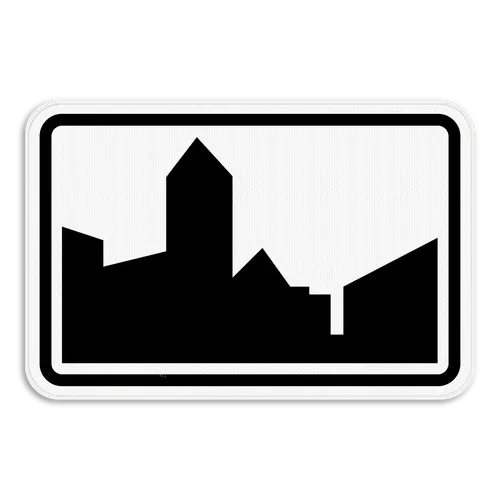
F1b: You are entering a built-up area.
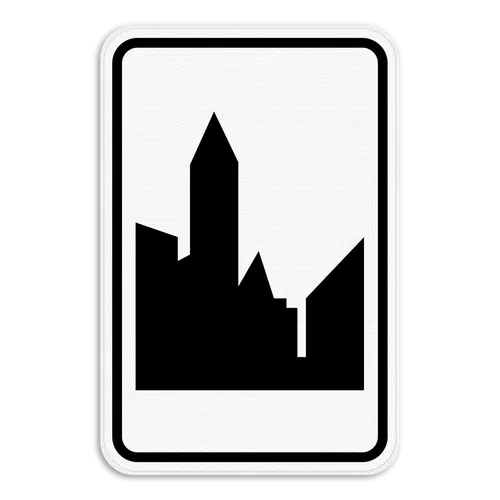
F1b: You are entering a built-up area – slow down and adapt!
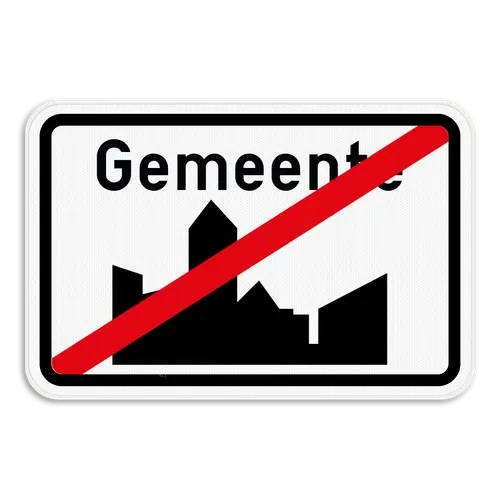
You're Leaving the Built-Up Area: Understand the F3a Sign!
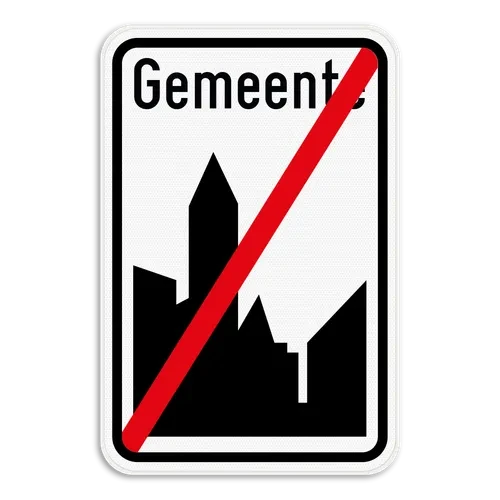
You're leaving the built-up area: understand the F3a sign!
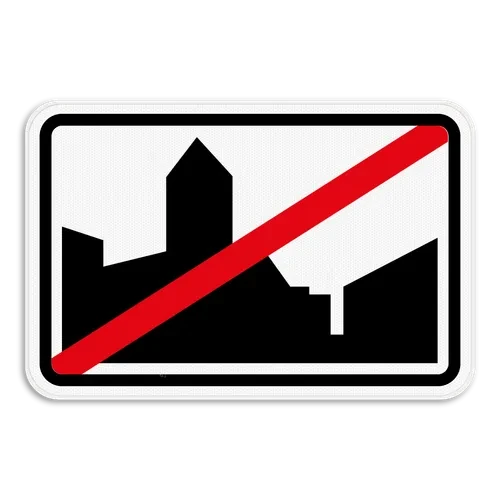
F3b: You are leaving a built-up area, so adjust your driving accordingly.
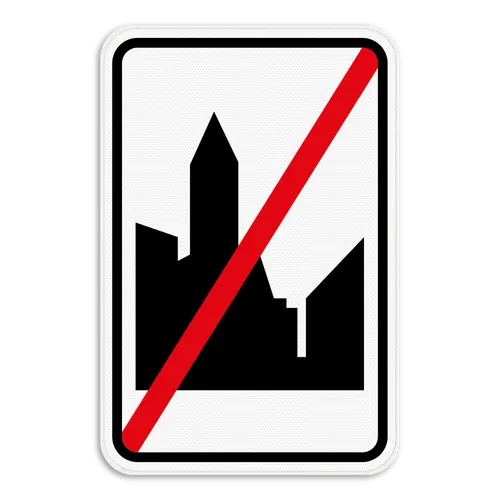
You're leaving the built-up area: Understand the F3b sign in Belgium
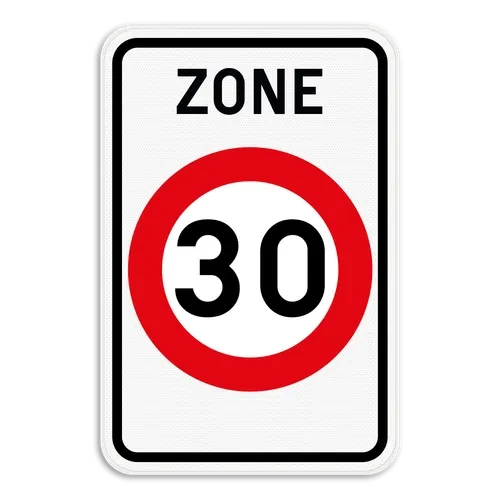
Warning: You are entering a 30 km/h speed zone with sign F4a.
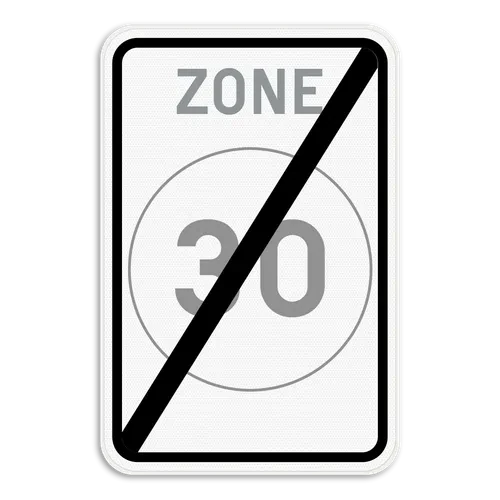
You're leaving the 30 km/h zone: What happens next?
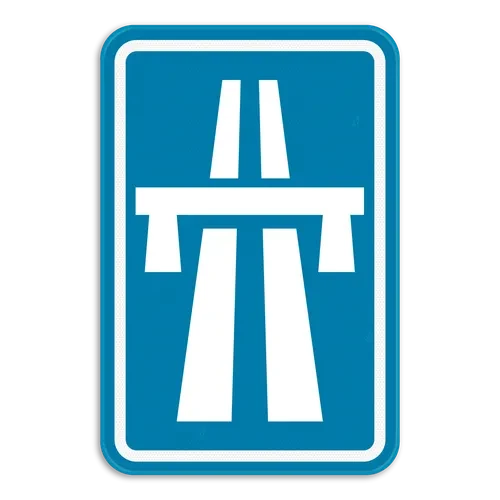
F5: Welcome to the Motorway!

F7 End of Motorway: Prepare for Regular Road Conditions
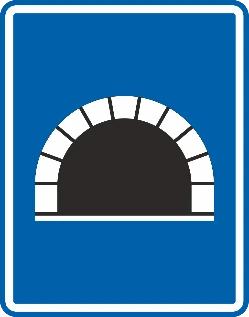
F8 Tunnel: Prepare for and navigate tunnels safely in Belgium.
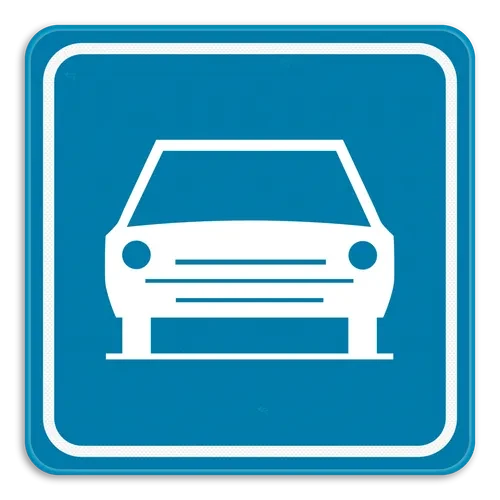
F9: You are now entering a motorroad in Belgium.
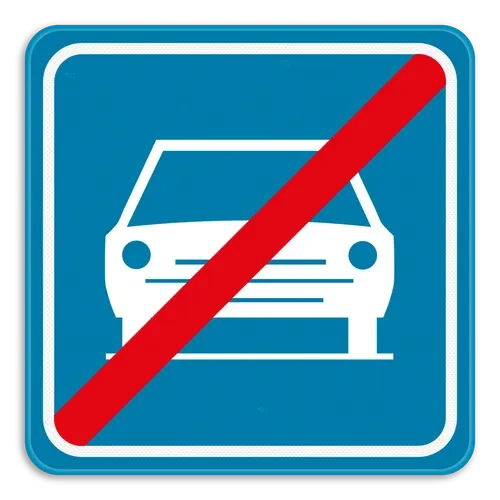
The F11 sign signals the end of a motorroad – know how to react safely.
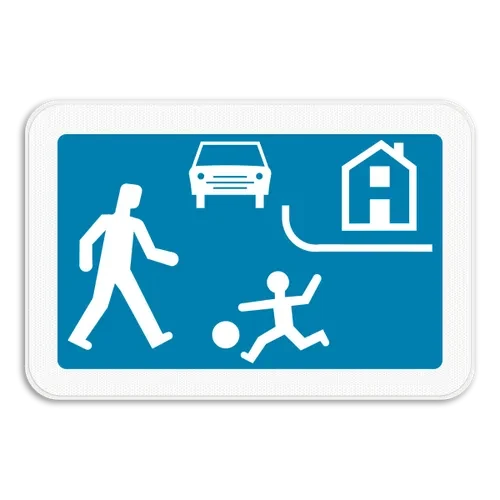
F12a: You are entering a 'Living Street' area.
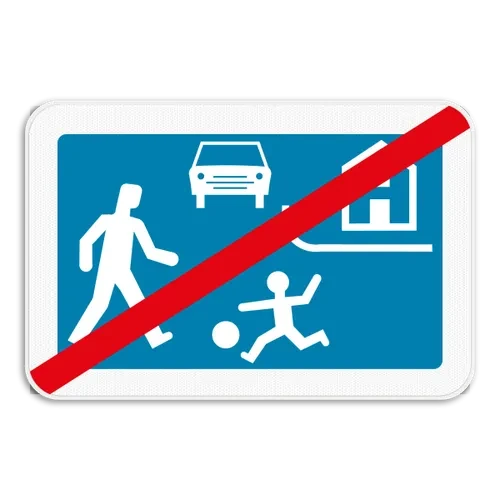
You're leaving the 'Living Street' zone: understand what F12b means!
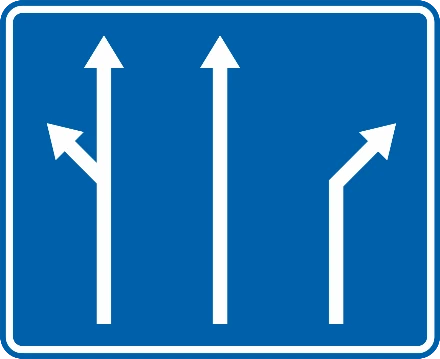
The F13 Sign: Navigating Turn Lane Guidance
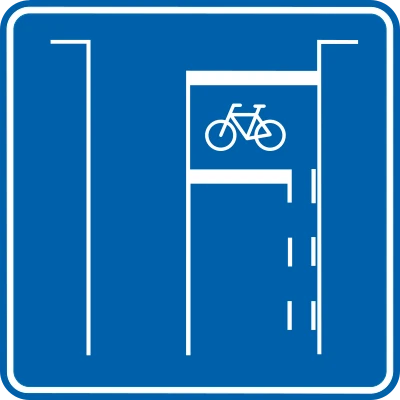
F14 Advanced Stop Line for Bicycles: Prepare to yield to cyclists.
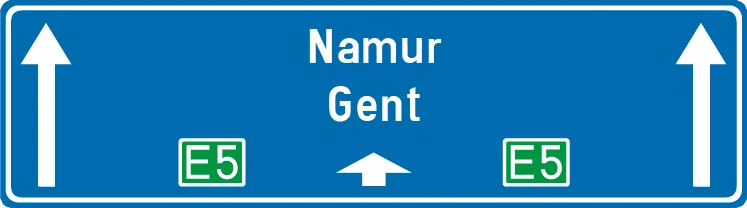
Belgium's F15 Sign: Plan Your Route Wisely with Direction Choices
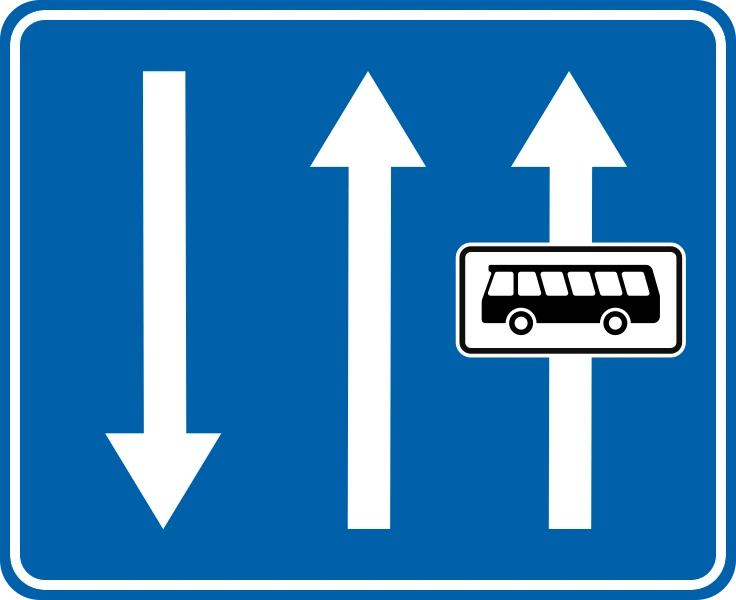
Understand the F17 'Bus Lane' Sign in Belgium
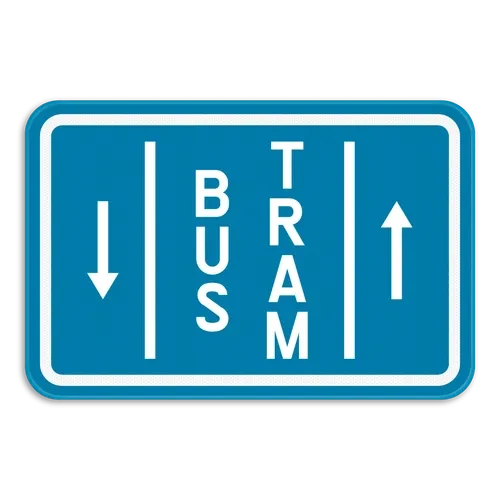
The F18 Sign indicates a dedicated lane for buses and trams.
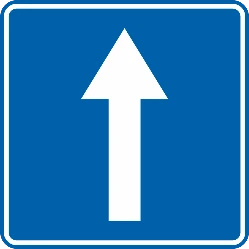
The F19 Sign Indicates You Are Entering a One-Way Road
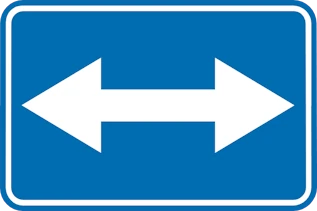
The F21 Sign: You Can Pass on Either Side of the Obstruction
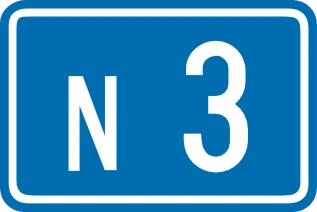
Belgian Road Sign F23a: Identifying National Road Numbers
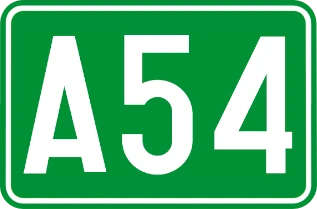
F23b: This sign shows you the number of the motorway you are on.
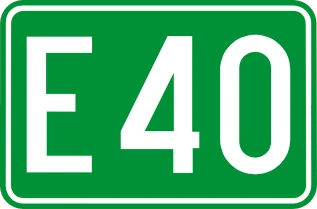
Understand the F23c Sign: Number of an International Road
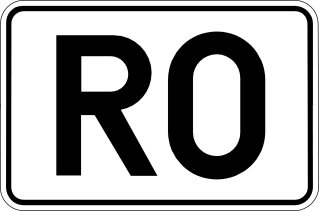
Understand the Belgian F23d Sign: Number of a Ringroad
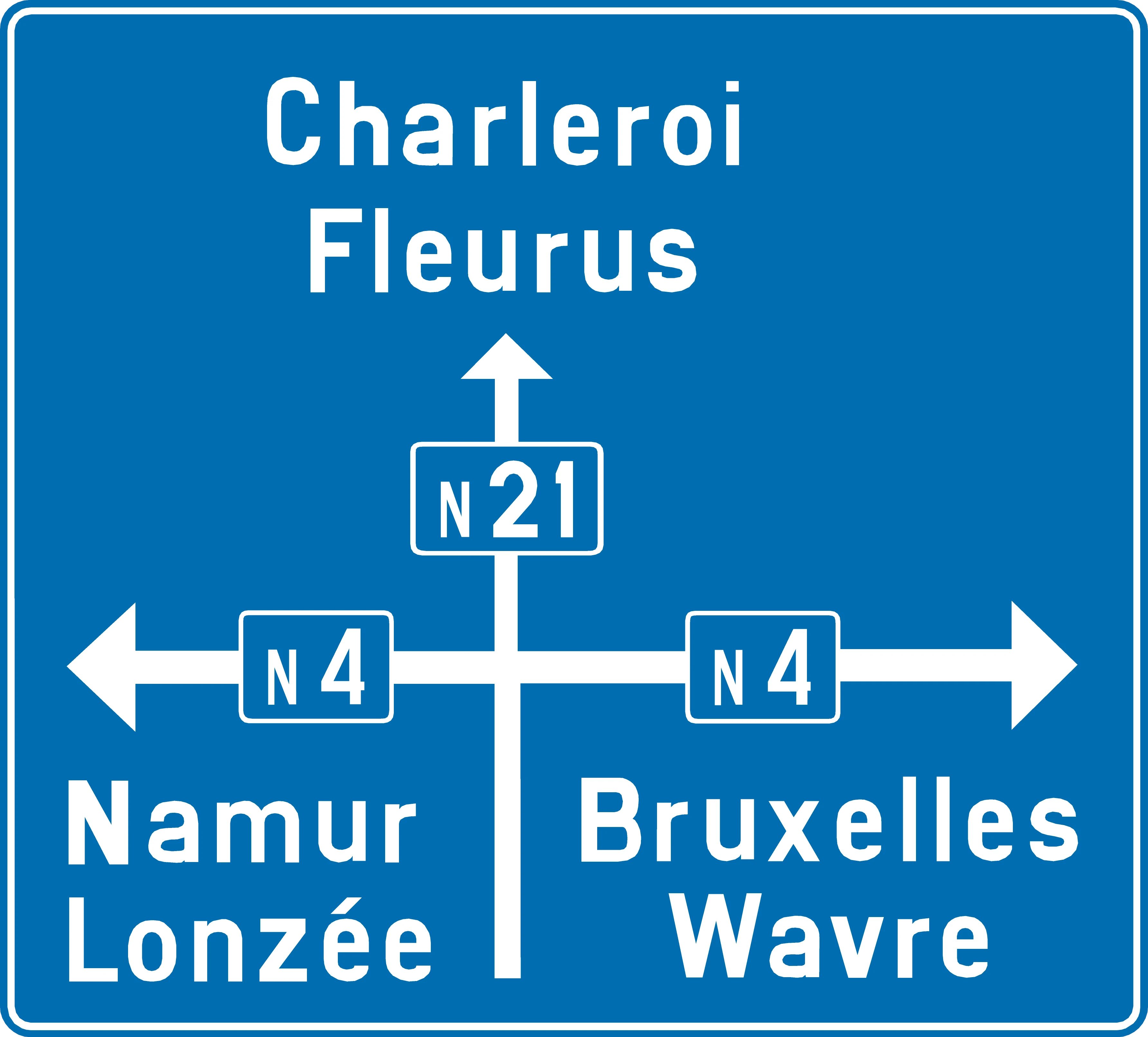
F25 Direction Sign: Understand Belgian road layout and plan your route.
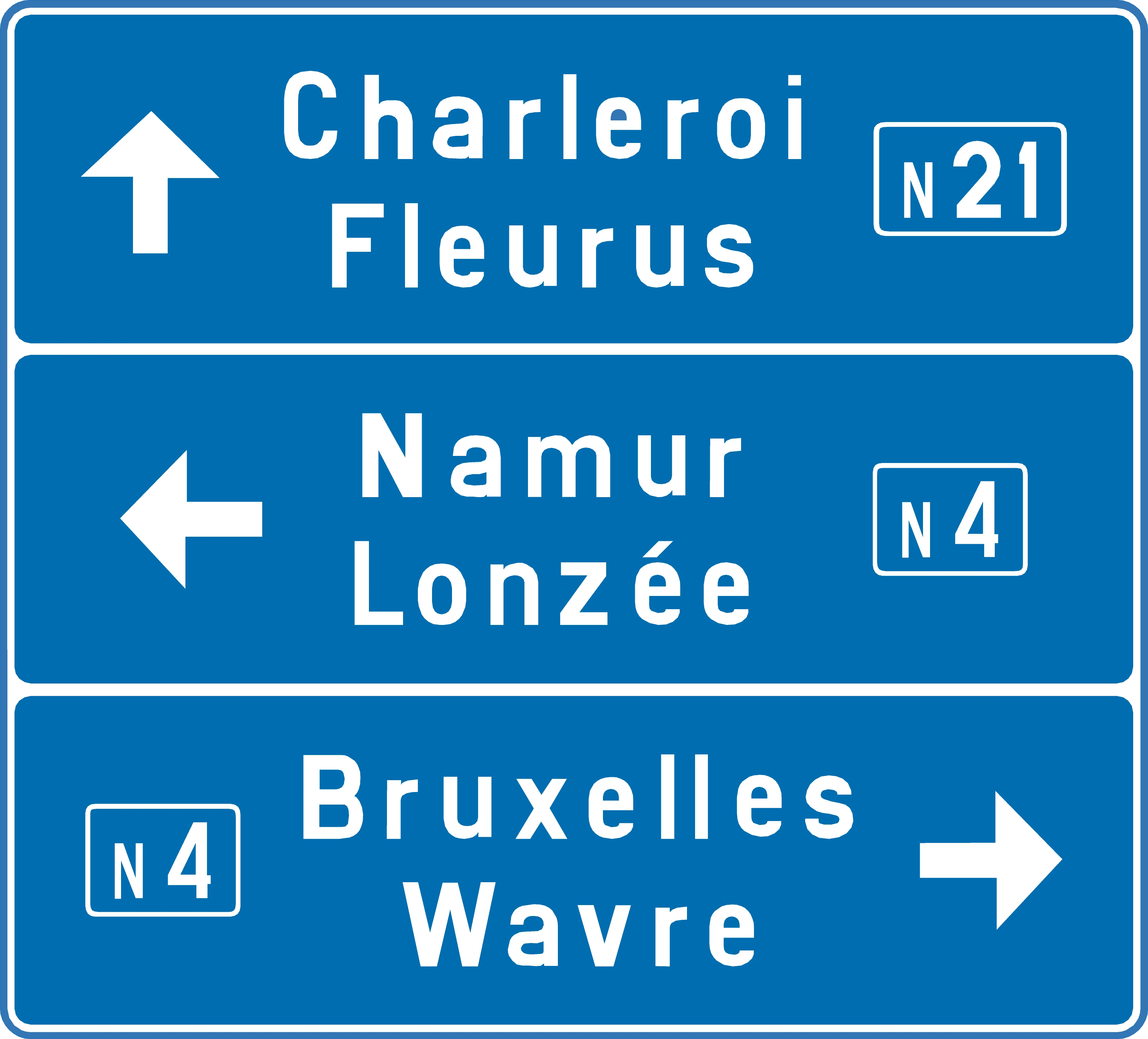
The Belgian F27 'Direction Sign' guides your route and actions on the road.

F29 Direction Sign: Understand and Follow Route Information

F31: Belgium's 'Direction Sign (over motorways)' - Plan Your Route Ahead!
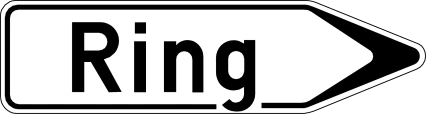
The F33a Direction Sign: Guiding Your Route and Actions on Belgian Roads

Understand the Belgian F33b Direction Sign for Valleys or Streams
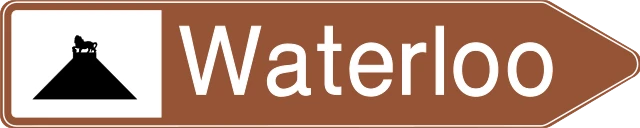
F33c: Follow the sign for touristic destinations!

F34a: Belgium's Important Public Destinations Direction Sign

F34b1: Direction Sign for Cyclists, Horse Riders, and Pedestrians
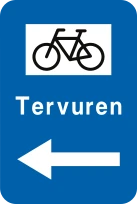
Belgian F34b2 Sign: Information for Cyclists, Horse Riders, and Pedestrians

F34c1: Navigating Touristic Routes for Cyclists, Horse Riders, and Pedestrians
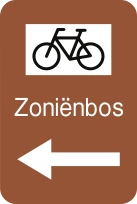
Belgian F34c2 Sign: Touristic Route Directions for Cyclists, Horse Riders, and Pedestrians

F35: Follow Signs for Touristic Destinations in Belgium

Belgian F37 Sign: Your Guide to Hotels, Hostels, and Restaurants
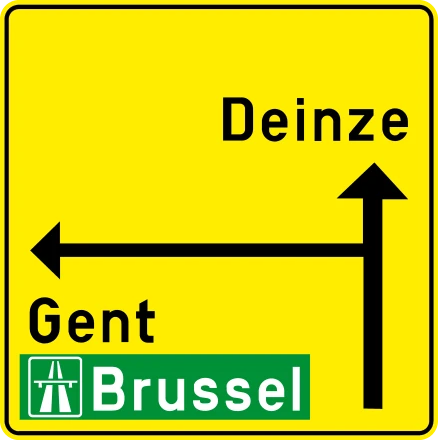
F39 Direction Sign (Detours): Navigate Detours Effectively
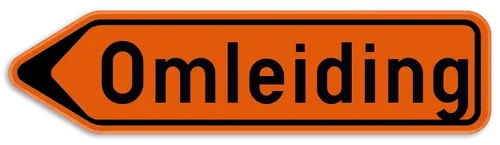
F41 Direction Sign (Detours) means you need to follow indicated routes.

Understand the Belgian F43 Municipal Boundary Sign
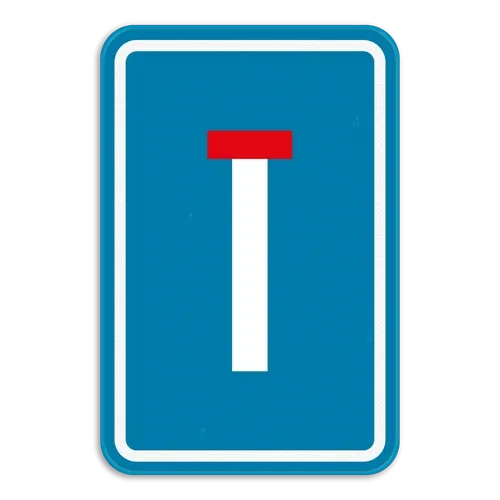
F45 Dead End Sign: Navigate Belgian Roads Safely
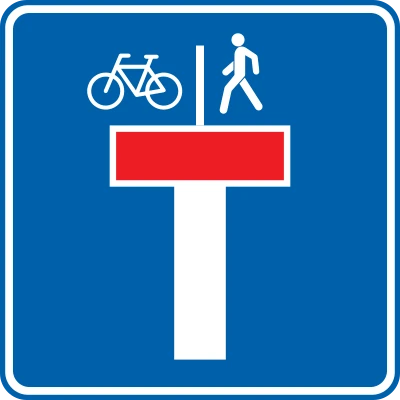
F45b: Dead End Street, but Pedestrians and Cyclists Can Still Pass
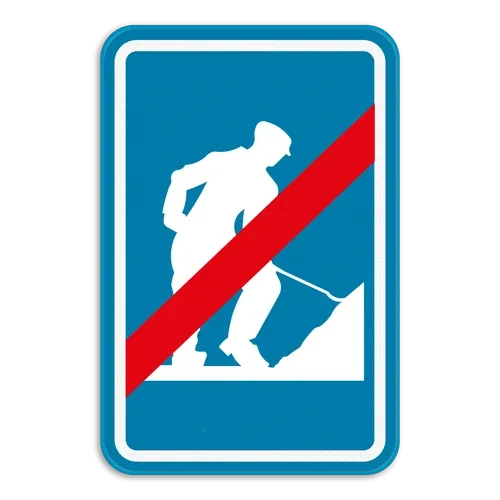
The F47 sign signals the end of roadworks and a return to normal road conditions.
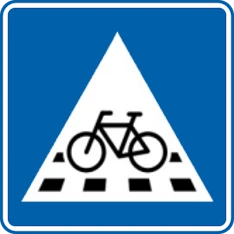
What Does the F49 Pedestrian Crossing Sign Mean in Belgium?
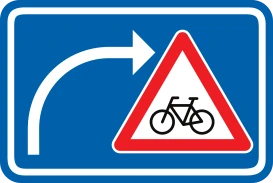
F50: Be aware of cyclist and moped crossings!
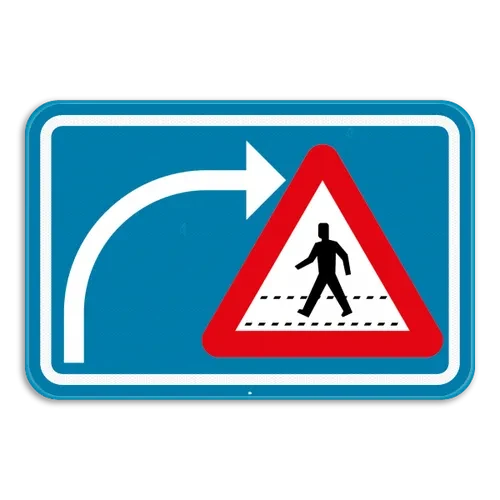
Prepare for cyclists and pedestrians when turning with the F50bis warning sign.
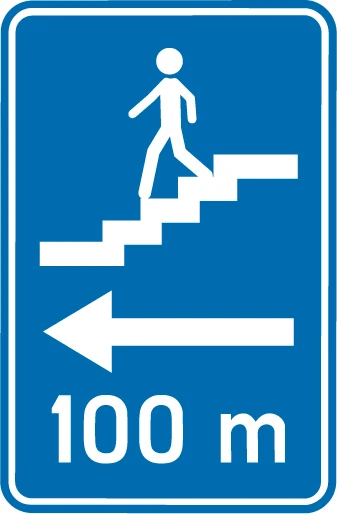
Sign F51a: Pedestrian Crossing Below Ground - Know what it means!
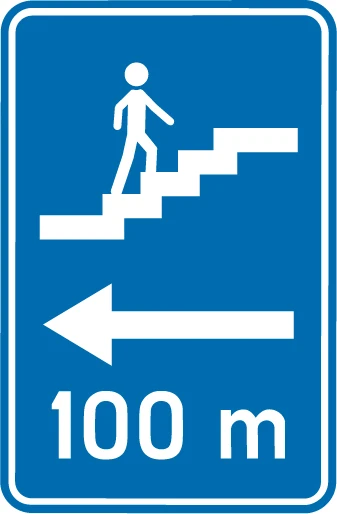
Understand the F51b Sign: Pedestrian Crossing Above Ground

Know your route with the Emergency Exit in Tunnel sign (F52)
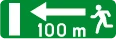
F52bis: Understand the Emergency Exit Route Sign and Plan Ahead
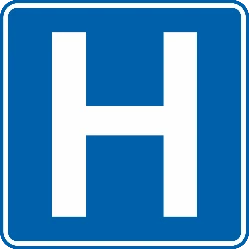
Belgium's F53 Sign: Information About Nearby Healthcare Facilities
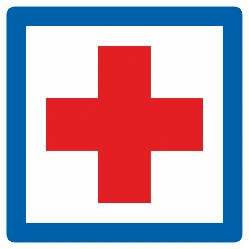
F55 First Aid Post: Understand this Belgian Information Sign
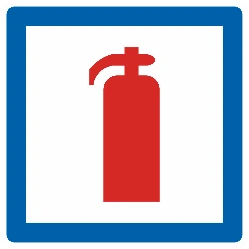
Understand the Belgian F56 Fire Extinguisher Information Sign
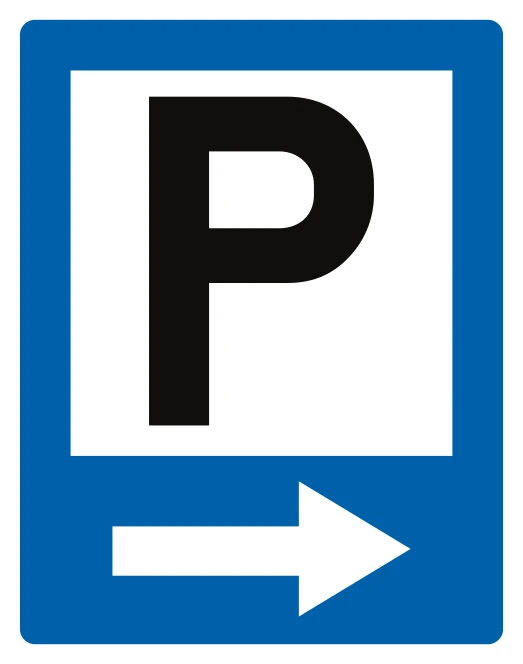
F57 Stream: Decode the Road Layout and Information Ahead
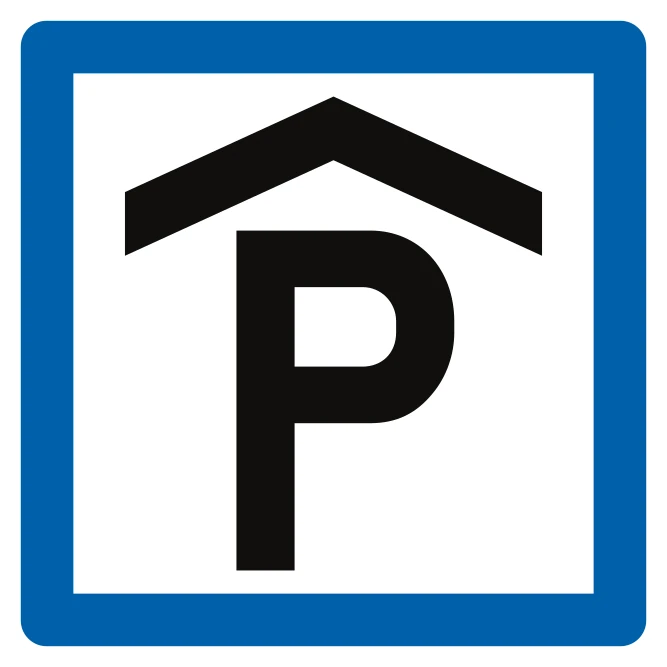
Understanding the Belgian F59 'Parking Lot' Information Sign
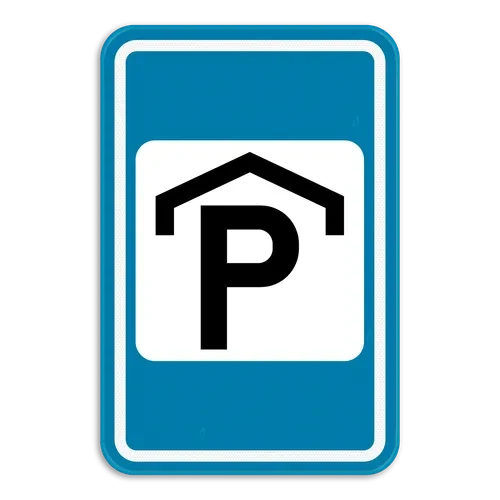
Understand the F60 Parking Garage Sign in Belgium
F61 Telephone Sign: Use Information to Guide Your Driving Decisions
Belgian F62 Sign: Locate and Use Emergency Telephones

F63: Information about an upcoming Fuel Station
F65 Hotel or Motel Sign: Indicating Nearby Accommodation

Understand the Belgian F67 'Restaurant' Information Sign

F69: Understanding the Belgian 'Bar/Café' Information Sign
Understand the F71 Camping Area Information Sign
Understand the Belgian F73 'Trailer park' Information Sign
F75 Youth Hostel: Information for your Route and Speed

F77: Belgian Information Point for Tourists and Foreigners

F79: Prepare for Fewer Lanes Ahead with This Information Sign
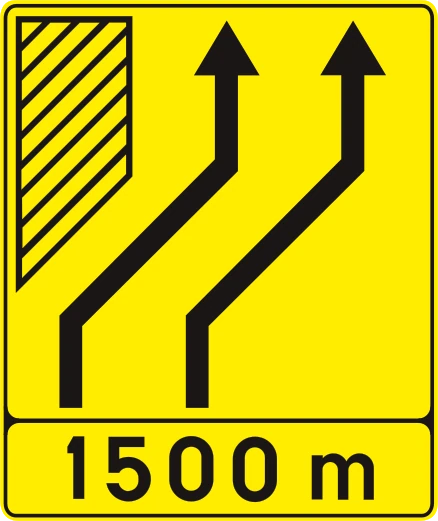
Understand and react correctly to the F81 Lane Displacement sign.
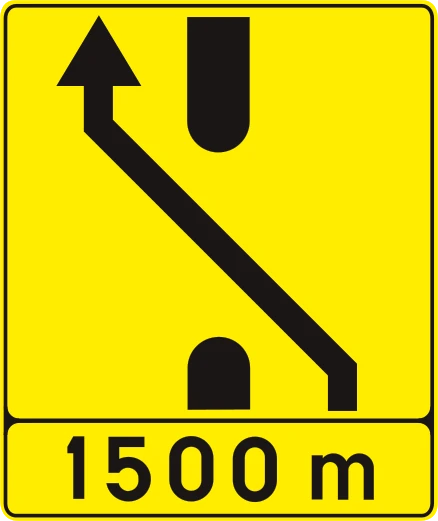
The F83 Sign: Understanding 'Cut Through Median' in Belgium
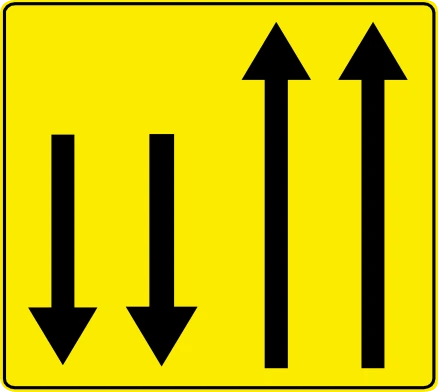
F85: One-Way Road Where Traffic Flows Both Ways
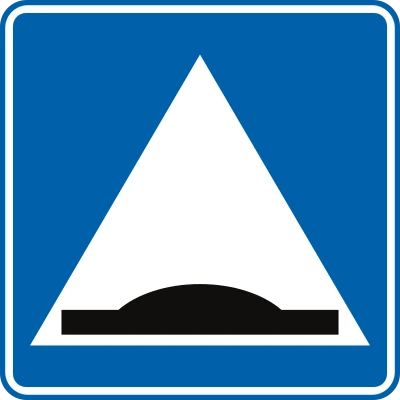
What does the Belgian F87 'Hump' road sign mean for your driving?
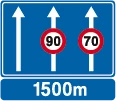
Belgium's F89 Sign: Speed Limits Apply to Specific Lanes Ahead
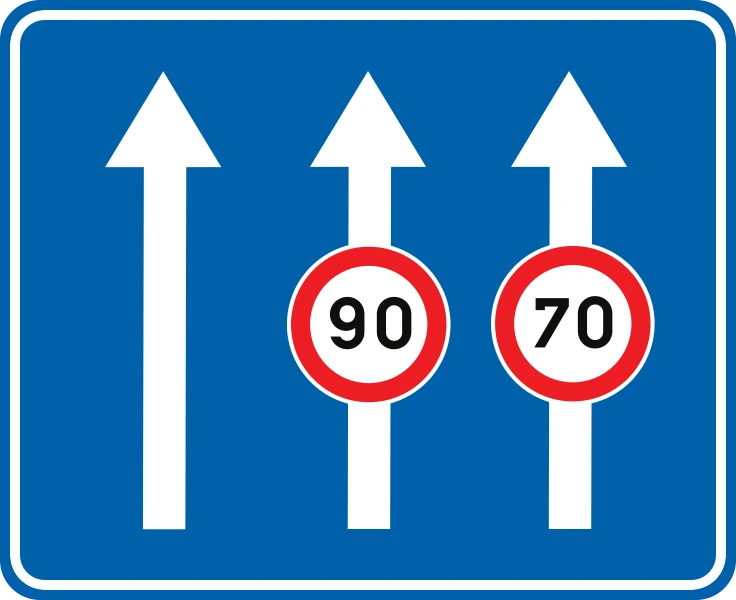
Understand the F91 'Speed limit on certain lanes' road sign in Belgium.
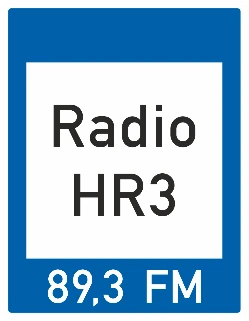
F93: Tune into traffic information with this Belgian information sign.
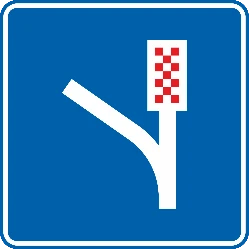
Belgian F95 Sign: Understanding the Runaway Ramp Ahead
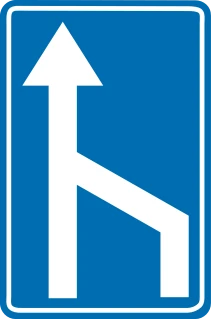
F97 Reduction of Lanes: Prepare for fewer lanes ahead!
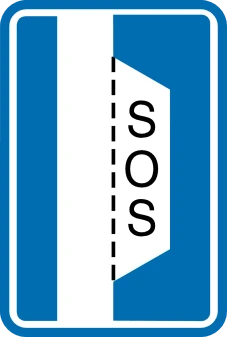
The F98 Emergency Bay Sign: What You Need to Know
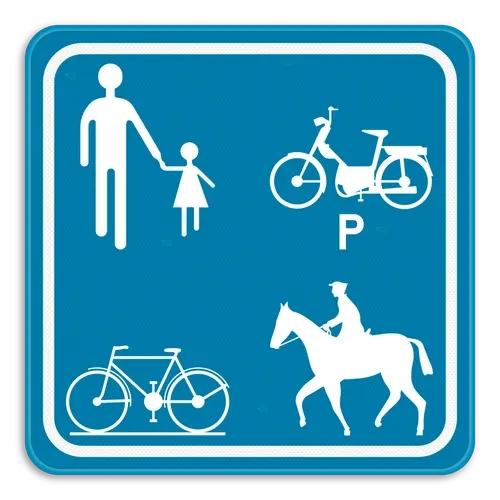
F99a: Road Reserved for Pedestrians, Cyclists, Horse Riders, and Speed Pedelecs Ahead
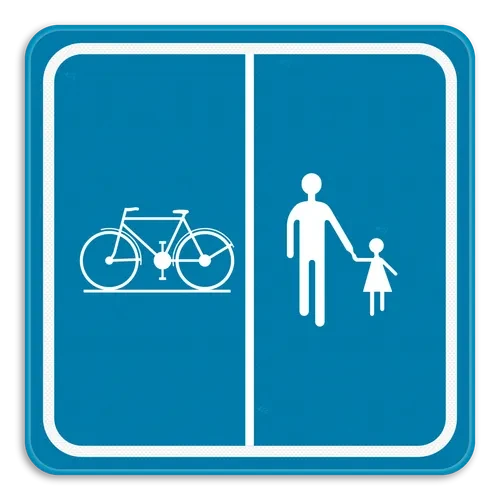
F99b: Start of a Segregated Zone for Pedestrians, Cyclists, Horse Riders, and Speed Pedelecs
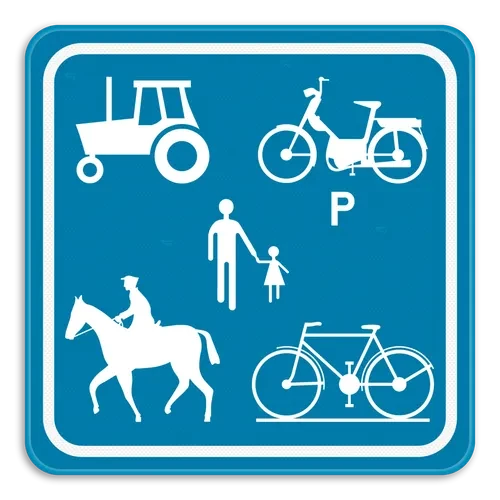
F99c: Start of a Special Use Road for Farm Vehicles, Pedestrians, Cyclists, and More
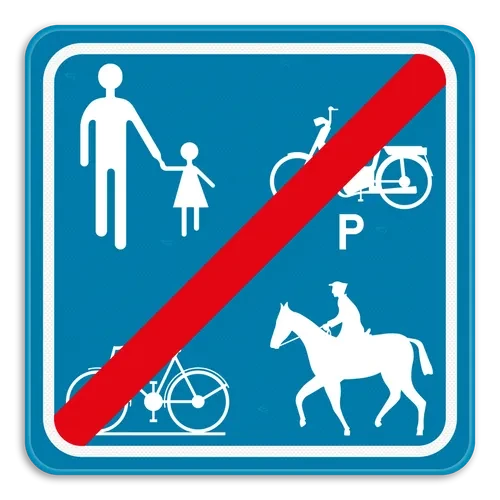
You've reached the end of a special zone for pedestrians, cyclists, horse riders, and speed pedelecs.
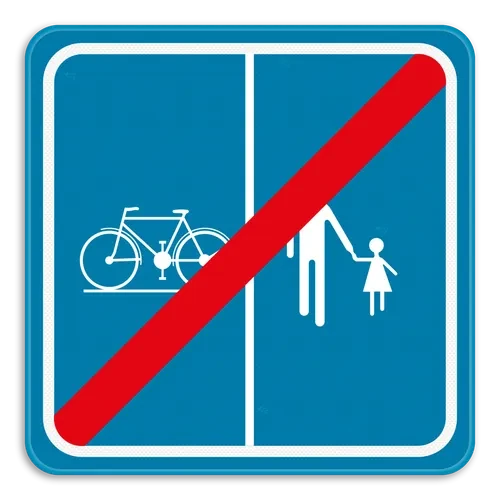
You're leaving a specially reserved lane for pedestrians, cyclists, horse riders, and speed pedelecs.
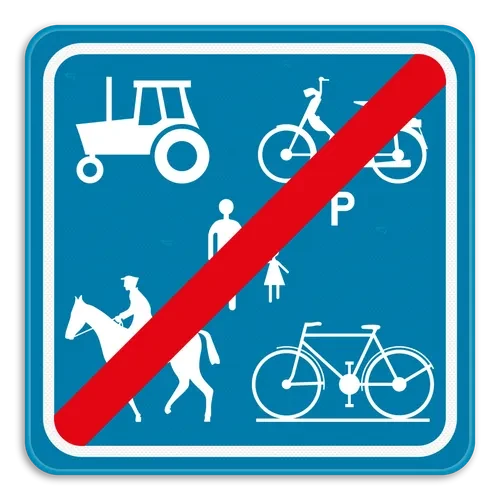
F101c: Signalling the End of a Restricted Road Zone
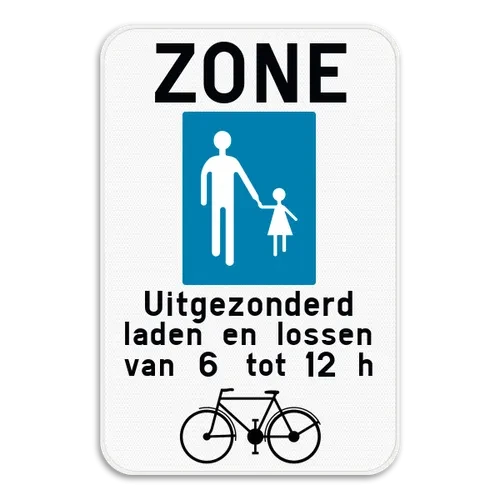
F103: You are entering a pedestrian zone – adjust your approach.
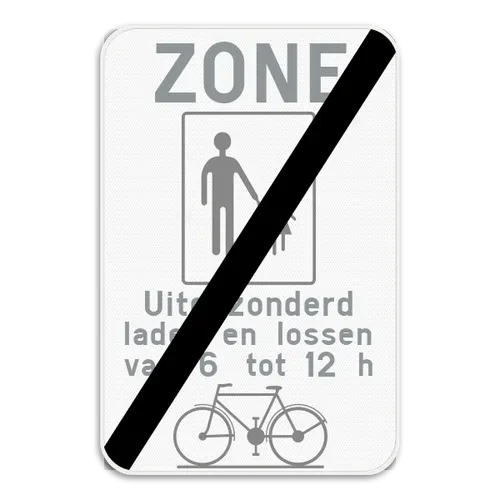
You're leaving the pedestrian zone with the F105 sign
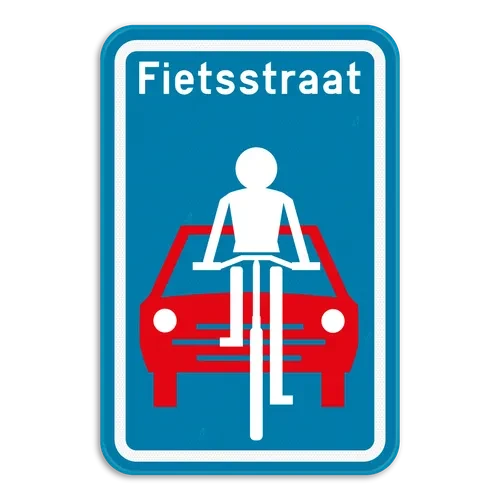
F111 'Cycle street' sign: know when cyclists have priority.
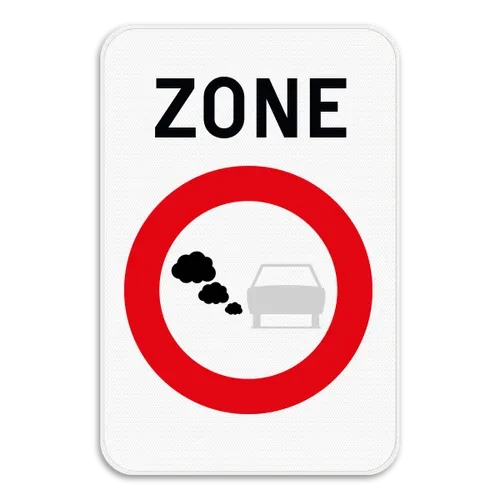
Understand Belgium's 'Start of a Low Emission Zone' F117 Road Sign
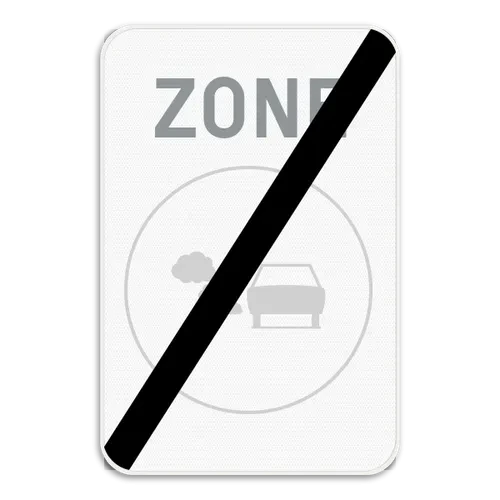
F118: You are now leaving a low emission zone.
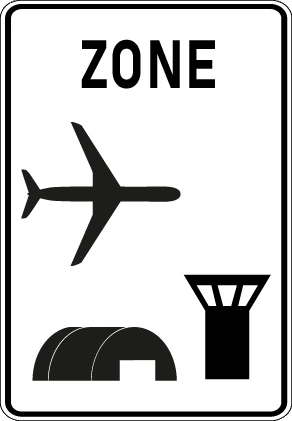
F119: You are entering an airport zone.
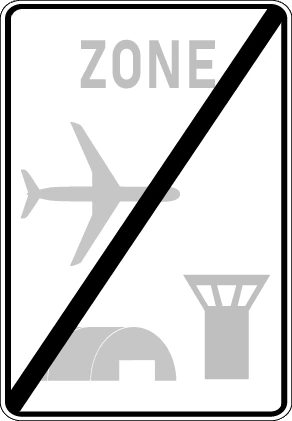
F120: You are leaving the airport zone.
Clear answers to common questions about the Belgian Information and Indicatory Signs road sign category. Use this FAQ to review tricky rules, understand how these signs appear in exam scenarios, and remove confusion that often leads to mistakes in the Belgian driving theory exam in Belgium.
Motorways (F5) are high-speed, dual-carriageway roads designed for fast, long-distance travel, usually with no at-grade intersections. Motorroads (F9) are similar but may have some differences in design or access restrictions. Always pay attention to the specific speed limits and lane usage rules indicated on or before entering these types of roads.
Living streets (F12a) are primarily for residents and pedestrians, where drivers must proceed with extreme caution, often at walking pace, and give priority to pedestrians. Pedestrian zones (F103) generally prohibit vehicle access except for specific times or permit holders. Always look for these signs when navigating residential or city centres to avoid fines and ensure safety.
Directional signs (like F15, F25-F41) are essential for route planning and avoiding confusion. For your theory test, you need to understand how they indicate upcoming choices, destinations, distances, and types of roads. In practice, they help you choose the correct lane well in advance and navigate unfamiliar areas without stress.
A 'Dead End' sign (F45) means the road ahead does not continue through. You will need to turn around or backtrack. Some dead end signs may have an additional panel (like F45b) specifying exceptions, for example, that the road is still accessible for pedestrians and cyclists. Always be prepared to make a U-turn or a three-point turn safely.
No, the meaning is the same. Signs F1a and F1b indicate the start of a built-up area, and F3a and F3b indicate the end of one. The horizontal versions are typically placed above the carriageway or on the side of the road, while vertical versions are placed solely on the side. They both signify a change in default speed limits and potentially different driving rules.
Navigate each road sign category to deepen your understanding of Belgian traffic rules. Focus on warning, regulatory, or informational signs. This structured pathway helps solidify your knowledge for the driving theory exam. Explore specific sign groups now to boost preparation.
Explore Road Sign Categories