Master Belgium's driving licence system, from understanding different categories and age requirements to navigating the regional learning routes and legal obligations. Prepare thoroughly for your theory and practical exams with our comprehensive guide.
Master Belgium's driving licence system, from understanding specific categories and age requirements to navigating regional learning routes and legal obligations. Prepare thoroughly for your theory and practical exams by grasping the essential administrative steps.
Preparing for the Belgian theory test requires more than just reading the highway code; it demands a deep understanding of how traffic rules apply to real-world scenarios. This article breaks down the exam's logic, helping you navigate complex topics like priority from the right and lane discipline while avoiding common pitfalls that lead to test failure. Learn how to refine your study methodology to confidently achieve the 41/50 passing mark.
Preparing for the Belgian theory test requires more than just reading the highway code; it demands rigorous practice under conditions that match the official exam. This article explains how to evaluate study apps based on their ability to simulate the 50-question format, the 15-second time limit per question, and the strict scoring system for serious infractions. Understanding these technical requirements is vital for anyone aiming to master Belgian traffic regulations and avoid costly re-tests.
Navigating the first two years of driving in Belgium requires a clear understanding of your legal accountability under the 1968 Road Traffic Act. This guide clarifies the specific legal mechanisms for mandatory re-examination following serious traffic offenses, distinguishing fact from common misconceptions regarding probationary status. Whether you are preparing for your theory exam or have just received your license, this knowledge ensures you are fully aware of your responsibilities on Belgian roads.
Explore detailed articles on Belgian driving licence categories, age restrictions, and the complete legal requirements for learners. Get clear explanations of official procedures and prepare effectively for your driving theory exam and licence acquisition in Belgium.
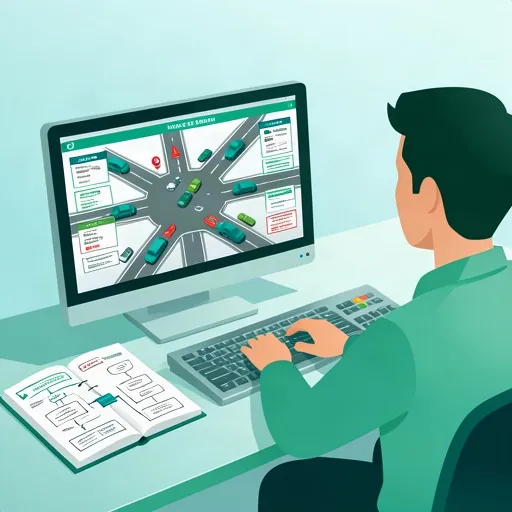
Preparing for the Belgian theory test requires more than just reading the highway code; it demands a deep understanding of how traffic rules apply to real-world scenarios. This article breaks down the exam's logic, helping you navigate complex topics like priority from the right and lane discipline while avoiding common pitfalls that lead to test failure. Learn how to refine your study methodology to confidently achieve the 41/50 passing mark.
Updated on Nov 19, 2026
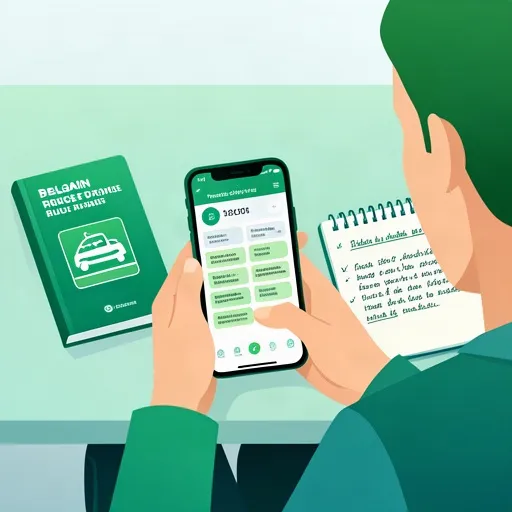
Preparing for the Belgian theory test requires more than just reading the highway code; it demands rigorous practice under conditions that match the official exam. This article explains how to evaluate study apps based on their ability to simulate the 50-question format, the 15-second time limit per question, and the strict scoring system for serious infractions. Understanding these technical requirements is vital for anyone aiming to master Belgian traffic regulations and avoid costly re-tests.
Updated on Nov 4, 2026
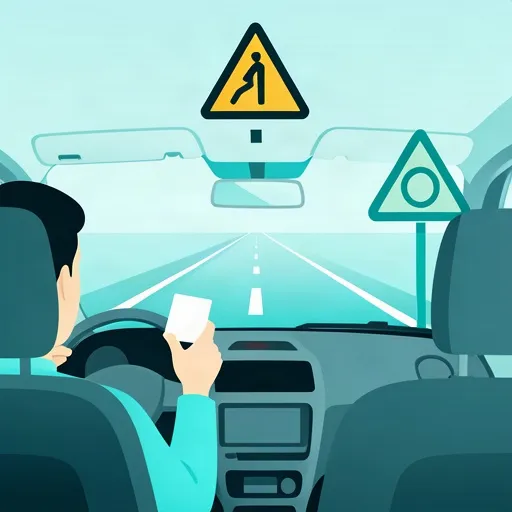
Navigating the first two years of driving in Belgium requires a clear understanding of your legal accountability under the 1968 Road Traffic Act. This guide clarifies the specific legal mechanisms for mandatory re-examination following serious traffic offenses, distinguishing fact from common misconceptions regarding probationary status. Whether you are preparing for your theory exam or have just received your license, this knowledge ensures you are fully aware of your responsibilities on Belgian roads.
Updated on Nov 3, 2026

Preparing for the Belgian Category B driving theory test requires a solid understanding of road signs, priority rules, and traffic regulations. The RAPP learning coach acts as an intelligent assistant that analyzes your performance and identifies specific weak spots to ensure you master every aspect of the Belgian Highway Code. Discover how focused practice and data-driven insights can help you avoid common pitfalls and prepare effectively for your upcoming exam.
Updated on Oct 29, 2026
Understanding the precise requirements for your Belgian driver's license is critical for a smooth transition from learner to independent driver. This guide breaks down the eligibility criteria, the theory test format, and the mandatory training hours or practice periods required by law. Whether you are choosing an independent training route or an approved driving school, mastering these regulatory steps is your first move toward passing the practical exam and hitting the road safely.
Updated on Oct 28, 2026
Preparing for the Belgian motorcycle theory test requires a solid understanding of both general traffic rules and specific regulations governing the A1, A2, and A license categories. This guide helps you navigate the exam requirements, from mandatory protective gear knowledge to vehicle stability and handling. Whether you are starting your motorcycle journey from scratch or retaking the test, you will gain the clarity needed to succeed under Belgian traffic law.
Updated on Oct 27, 2026

Getting your driver's license in Belgium involves several mandatory steps, each with associated costs that have been updated for 2025. This guide explains the new pricing structure for theoretical and practical exams, including risk perception tests in Wallonia and Brussels. By knowing these details, you can better manage your preparation timeline and ensure you are financially ready for each stage of the licensing process.
Updated on Oct 26, 2026

Failing the theory test often stems from ineffective study habits rather than a lack of knowledge, which can lead to expensive and time-consuming delays in your driving journey. This guide identifies the traps—such as misinterpreting serious offenses and poor time management during the 15-second per question limit—and offers actionable strategies to master the material. Understanding these core issues is the first step toward building the confidence needed to succeed in the computer-based exam.
Updated on Oct 24, 2026
The Risk Perception Test is a crucial milestone that evaluates your ability to identify hazards in real-world traffic scenarios. This guide clarifies the specific documentation, scoring criteria, and remedial training requirements mandated by Belgian authorities, helping you approach your exam with confidence.
Updated on Oct 21, 2026

Preparing for your driving theory test involves more than just studying the traffic rules; you must understand the specific booking procedures and regional requirements in Belgium. This article explains how to secure your appointment at approved examination centres and highlights important rules regarding language options, interpreter assistance, and specific regional constraints for the practical exam. Mastering these logistical details helps you avoid common administrative pitfalls and focus entirely on passing your theory exam.
Updated on Oct 20, 2026

Learners choosing the independent pathway, known as the filiere libre, must complete the pedagogical rendezvous to ensure compliance with Belgian traffic legislation. This guide explains how to fulfill this requirement through approved driving schools or the AWSR e-learning platform, and how the digital transmission of your certificate streamlines your path to the final practical examination.
Updated on Oct 19, 2026
Navigating the Belgian driving system requires a clear understanding of the federal age thresholds for different vehicle categories. This article explains when you are legally permitted to begin your theoretical training, take the official exam, and qualify for your final license. Ensuring you meet these national standards is the first step toward a successful journey on Belgian roads.
Updated on Oct 18, 2026

Understanding the financial requirements of the Belgian driving licence process is crucial for every learner driver. This guide explains the current exam fees, potential extra service costs, and the strict legal requirements for additional instruction that occur after two failed theory tests. Being aware of these rules helps you approach your exam with the right focus and emphasizes the importance of using effective study materials to pass on your first attempt.
Updated on Oct 15, 2026

The Belgian theory exam requires more than just memorizing facts; it demands situational judgment and a thorough grasp of complex traffic laws. This guide explains how to transition from passive reading to active learning techniques, ensuring you are fully prepared for the challenges you will encounter on exam day. You will learn how to identify your weak points early and apply smarter study strategies to master the material efficiently.
Updated on Oct 10, 2026
Preparing for the Belgian theory test requires more than just memorizing road signs; it demands a deep understanding of complex traffic legislation and how it applies to real-world scenarios. This guide identifies why many candidates struggle, focusing on how to avoid the most frequent errors that lead to failure. You will learn how to structure your study, interpret GOCA-aligned test questions correctly, and navigate the nuances of Belgian traffic rules to pass your exam with confidence.
Updated on Oct 9, 2026

Preparing for the theory test requires more than just memorizing road signs; it demands familiarity with the GOCA testing environment and current Belgian traffic laws. This guide explains how to evaluate study materials based on their ability to simulate actual exam pressure and accurately cover critical subjects like grave traffic offenses, ensuring your preparation is both relevant and effective.
Updated on Oct 3, 2026

If your M18 or M36 provisional license is no longer valid, you must take specific legal actions to continue your training without waiting the full three-year period. This guide explains how to secure a 12-month M12 permit, the mandatory professional training requirements, and the importance of checking your theory exam's validity to ensure you are fully compliant with Belgian road traffic legislation.
Updated on Oct 2, 2026

Learning to drive independently in Wallonia requires strict adherence to documented practical training standards set by the AWSR. This guide clarifies how to correctly maintain your roadbook, the importance of the initial pedagogical meeting, and how to structure your practice to meet legal milestones before your practical exam.
Updated on Oct 1, 2026
Understanding what constitutes an eliminatory fault is essential for any learner driver preparing for the Belgian road test. This guide highlights the most frequent errors, such as failing to yield priority, ignoring traffic signs, and improper lane discipline, which are prioritized by examiners to ensure road safety. By focusing on constant scanning and legal compliance, you can approach your exam with the confidence needed to succeed.
Updated on Sep 28, 2026
Learn the critical differences between immediate license withdrawals, ordered by the public prosecutor, and judicial driving disqualifications handed down by a judge. This guide breaks down the severity of traffic offenses, including the latest 2026 updates regarding alcohol thresholds and legal multipliers, to prepare you for both the theory exam and real-world responsibilities. Mastering these concepts is fundamental to understanding your obligations as a driver under Belgian law.
Updated on Sep 27, 2026

Mastering the complexities of Belgian traffic requires more than just basic vehicle control; it demands advanced situational awareness and hazard identification. This guide explains how professional instruction provides a structured approach to learning that reduces the risks associated with informal practice. You will understand how expert coaching directly impacts your ability to navigate urban centers and pass your practical driving assessment.
Updated on Sep 25, 2026

Preparing for the Belgian driving theory exam requires a solid grasp of traffic rules and road signs as defined by official legislation. This guide explains how to effectively integrate web-based study tools like RAPP into your preparation routine to build the necessary knowledge for the B licence test. You will learn how to approach multiple-choice questions systematically, ensuring you are well-prepared for the logic used in the official assessment.
Updated on Sep 19, 2026

Preparing for the Belgian practical driving exam requires a thorough understanding of both technical vehicle control and defensive driving behavior. This article breaks down the essential requirements, including the regional exam consistency rule, to help you feel confident behind the wheel. You will learn how to identify common pitfalls, prioritize safety, and effectively navigate the official evaluation criteria used by examiners across Belgium.
Updated on Sep 18, 2026

Preparing for the Belgian theory test requires more than just reading manuals; it demands practice that reflects the high-pressure environment of the official exam. This guide explains why utilizing professional study tools that replicate the 15-second timer and offer detailed error analysis is essential for identifying your weaknesses. Understanding how to avoid serious errors early in your preparation will save you from the extra time and expense of mandatory driving school training.
Updated on Aug 28, 2026
Discover other categories connected to Belgian Licence & Legal Rules. These sections help you explore additional topics, expand your understanding of driving theory in Belgian, and build a more complete picture of the rules and situations tested during the exam.
Find answers to common questions learners ask about Belgian Licence & Legal Rules. This section helps clarify difficult concepts, highlight critical exam information, and support your preparation for the Belgian driving theory exam in Belgium.
Belgium has several licence categories: AM for mopeds, A1, A2, A for motorcycles of increasing power, B for cars, BE for cars with trailers, C for lorries, D for buses, and G for agricultural vehicles. Each category has specific age and training requirements.
Driver training is a regional competence in Belgium. While the core principles are similar, Flanders, Wallonia, and Brussels may have slightly different procedures for theory exams, practical training options (e.g., 'vrije begeleiding' vs. 'rijschool'), and the specifics of the probationary period.
After passing your practical driving test, you enter a probationary period, typically two years. During this time, stricter rules often apply regarding alcohol limits, passengers, and driving offences, with specific consequences for violations.
The official Belgian driving theory exam (examen theorique / theorie-examen) must be taken at an accredited exam centre (examencentrum / centre d'examen) within Belgium. You must book an appointment in advance and bring the required identification.
Yes, depending on the country your licence was issued in, you may be able to exchange it for a Belgian driving licence. The process and requirements vary, and typically involve presenting your original licence and its official translation, along with other documents at your local municipality (gemeente / commune).
Dive into our comprehensive directory of Belgian driving theory article categories now. Select a topic that interests you or review areas where you need more practice to confidently prepare for your official driving license theory exam.
Belgian Theory Article Categories