
Explore comprehensive explanations of all essential Belgian driving theory topics and road rules. This section clarifies key concepts, traffic laws, and specific scenarios crucial for passing your official Belgian driving licence exam. Gain a deep understanding of priority rules, road signs, and local traffic conventions, equipping you with the knowledge to navigate Belgian roads safely. Prepare effectively for your theory test by mastering these fundamental principles and concepts.
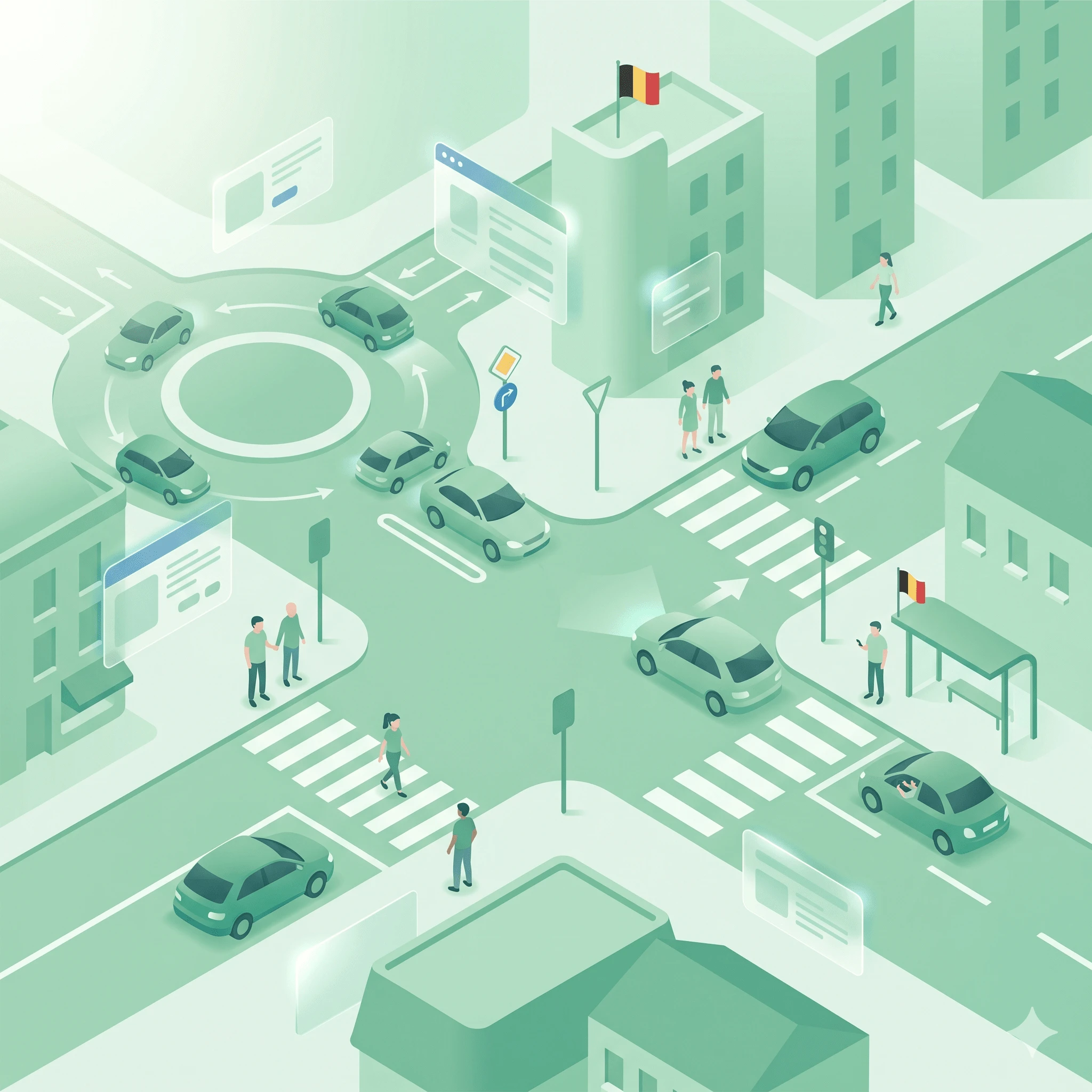
Navigate our comprehensive directory to master essential traffic rules, priority situations, and complex road signs required for your exam. Target your preparation by focusing on specific Belgian driving theory subjects to ensure total road confidence.
10 topics
8 topics
6 topics
5 topics
3 topics
2 topics
2 topics
1 topic
1 topic
1 topic
1 topic
1 topic
Dive into essential Belgian driving theory topics to prepare for your exam. Search for specific traffic rules or explore our structured set of subjects for comprehensive exam study.
Filter by category
50 theory topics found

Driving under the influence of alcohol is one of the most hazardous behaviors on the road. It profoundly affects your physical and mental capabilities, increasing the risk of accidents for yourself and others. This section explains the specific ways alcohol impairs your driving skills, from slowing reaction times to distorting judgment, crucial knowledge for safe driving in Belgium.
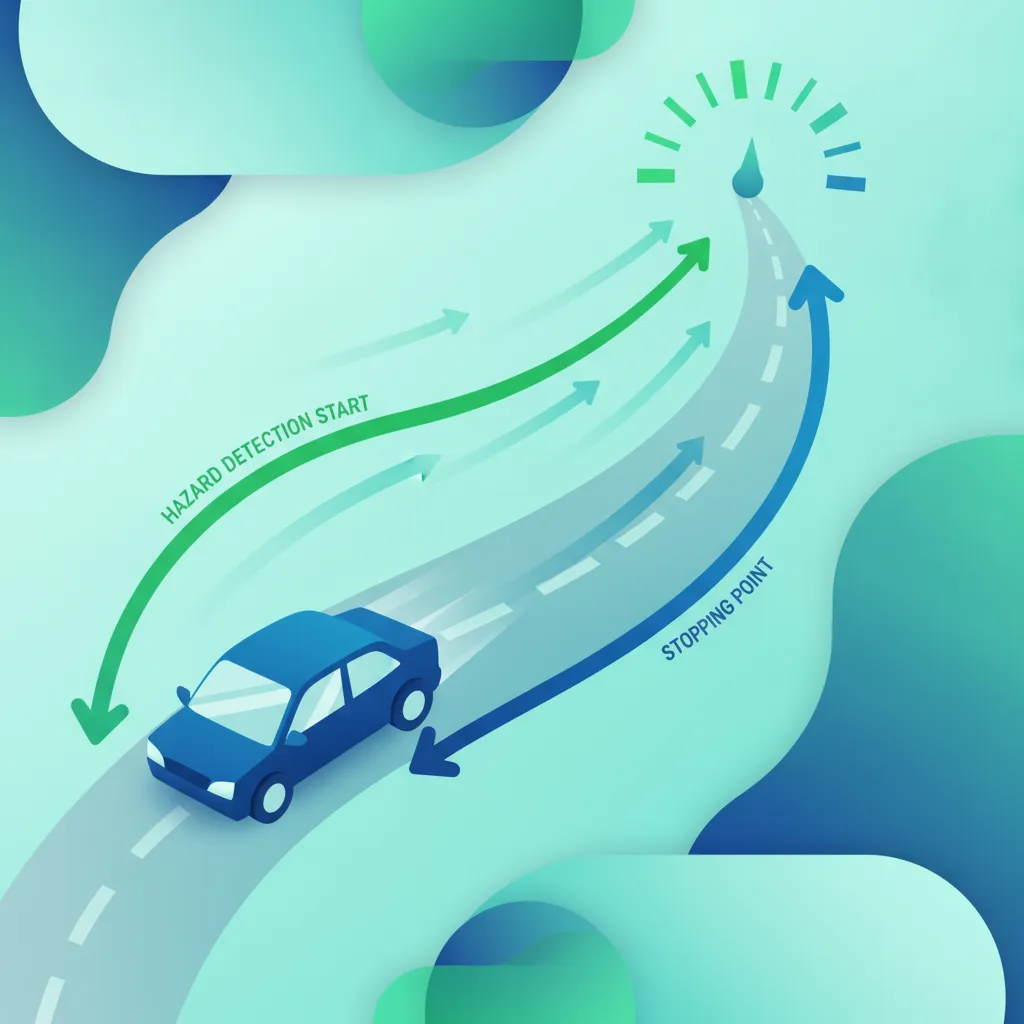
Your total stopping distance is the sum of your reaction distance and your braking distance. Understanding how speed influences both is vital for safe driving and passing your Belgian theory exam. This page explains the physics behind this relationship and why faster speeds reduce your margin for error on Belgian roads.
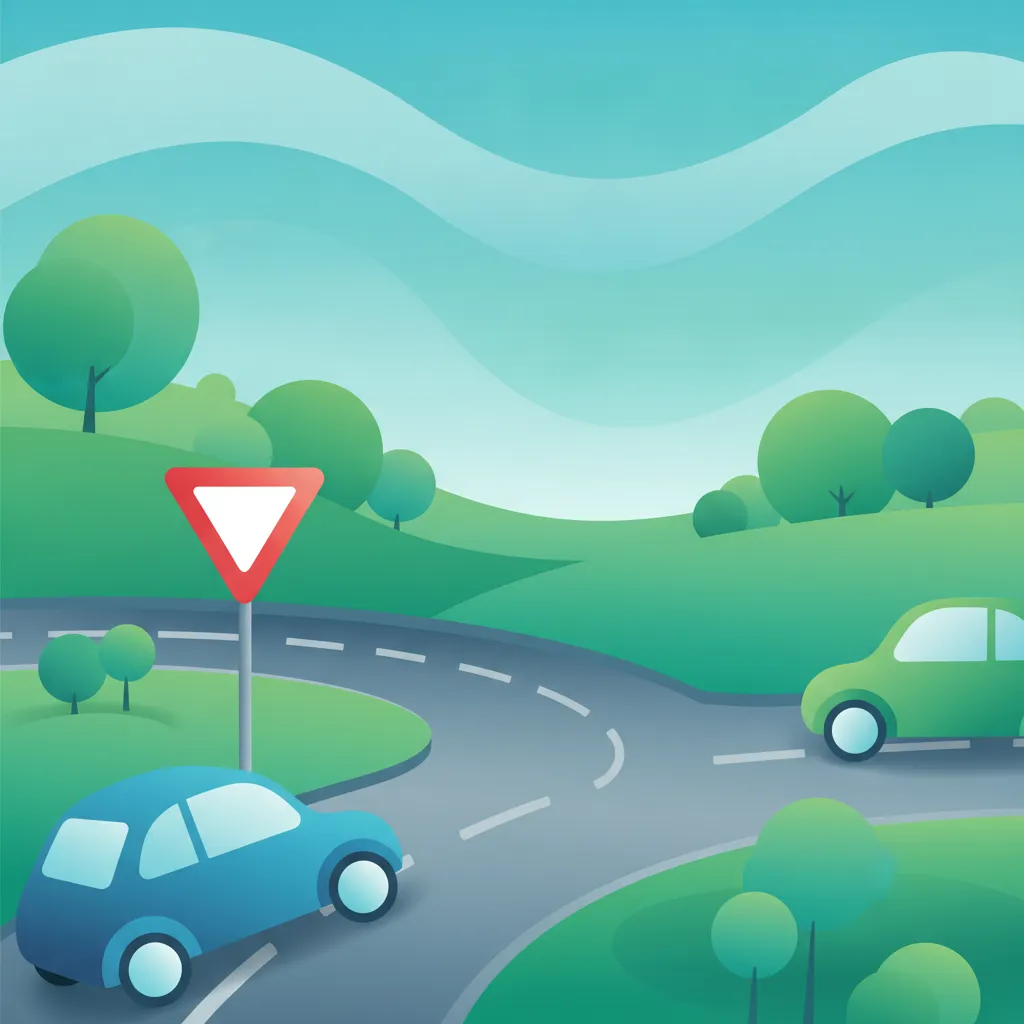
In Belgium, understanding when and how to give way is critical for every driver. These rules define who has priority in various traffic situations, from basic intersections with 'priority from the right' to complex junctions with specific road signs and markings. This page breaks down the core principles of yielding, ensuring you can make safe decisions and avoid common errors on the road and in your theory test.
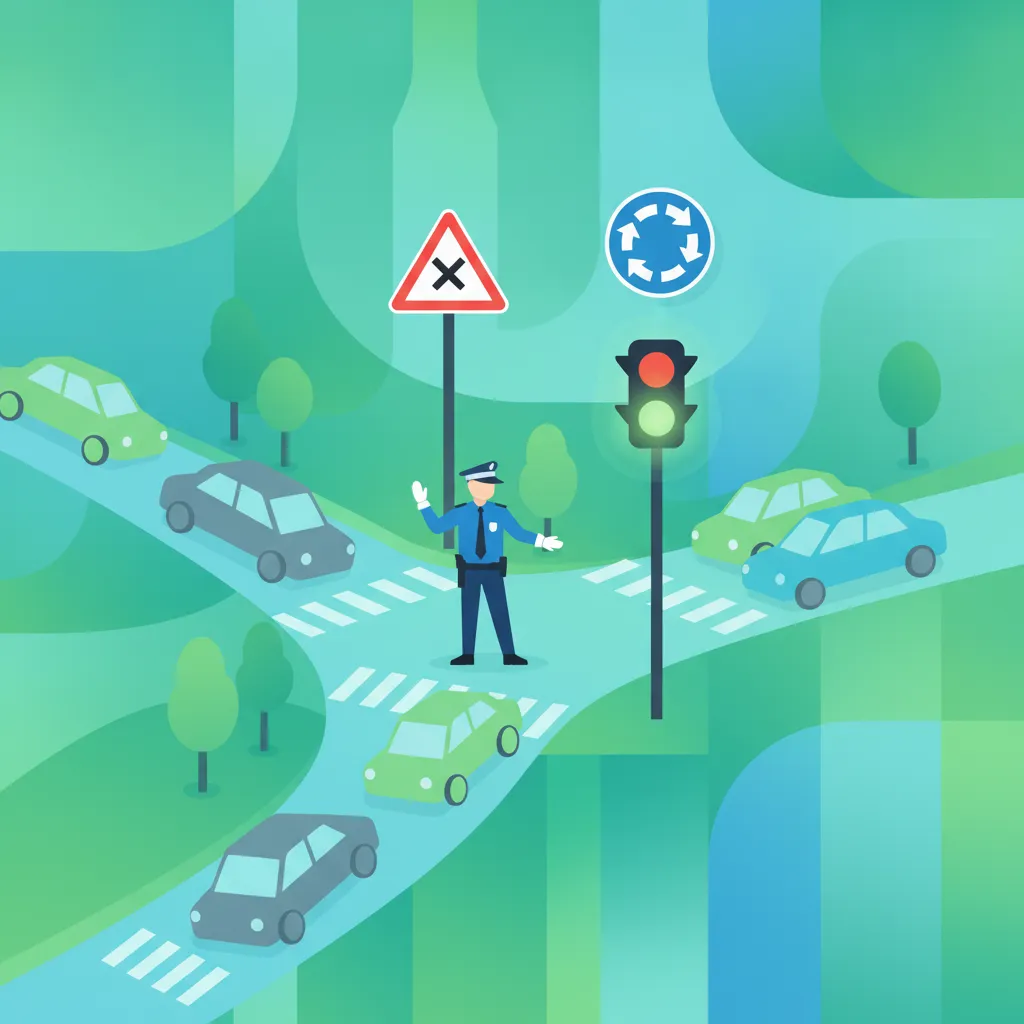
Right of way rules dictate which road user has permission to proceed first when paths intersect, preventing collisions and ensuring smooth traffic flow. In Belgium, these rules follow a strict hierarchy, starting with instructions from qualified officers, followed by traffic lights, road signs, and finally, general traffic rules like 'priority from the right'. This page will clarify these crucial distinctions for your driving success.
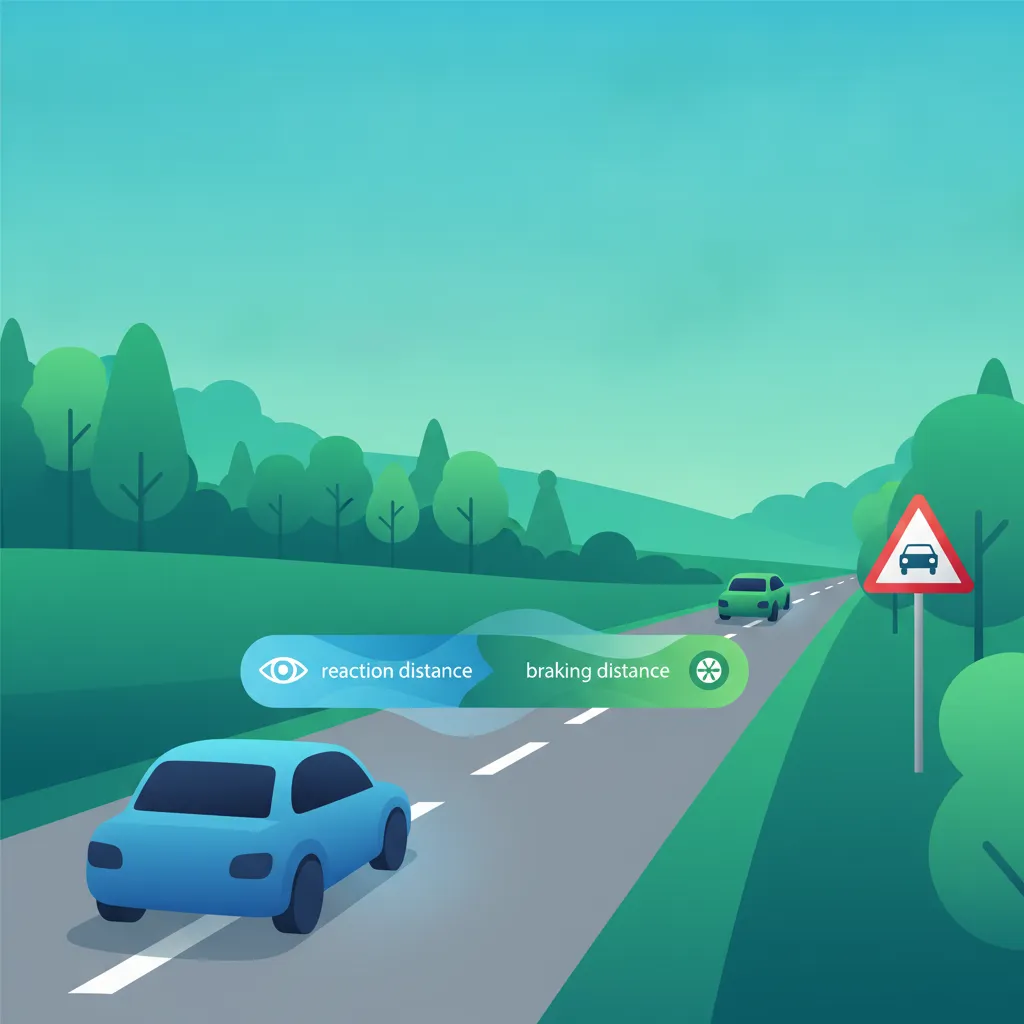
Stopping distance is the total distance your vehicle travels from the moment you detect a hazard until it comes to a complete stop. This includes both your reaction distance and the subsequent braking distance. In Belgium, understanding these components is fundamental for safe driving, adapting to varying road conditions, and successfully passing your theory exam, as even slight increases in speed dramatically extend the distance needed to stop.
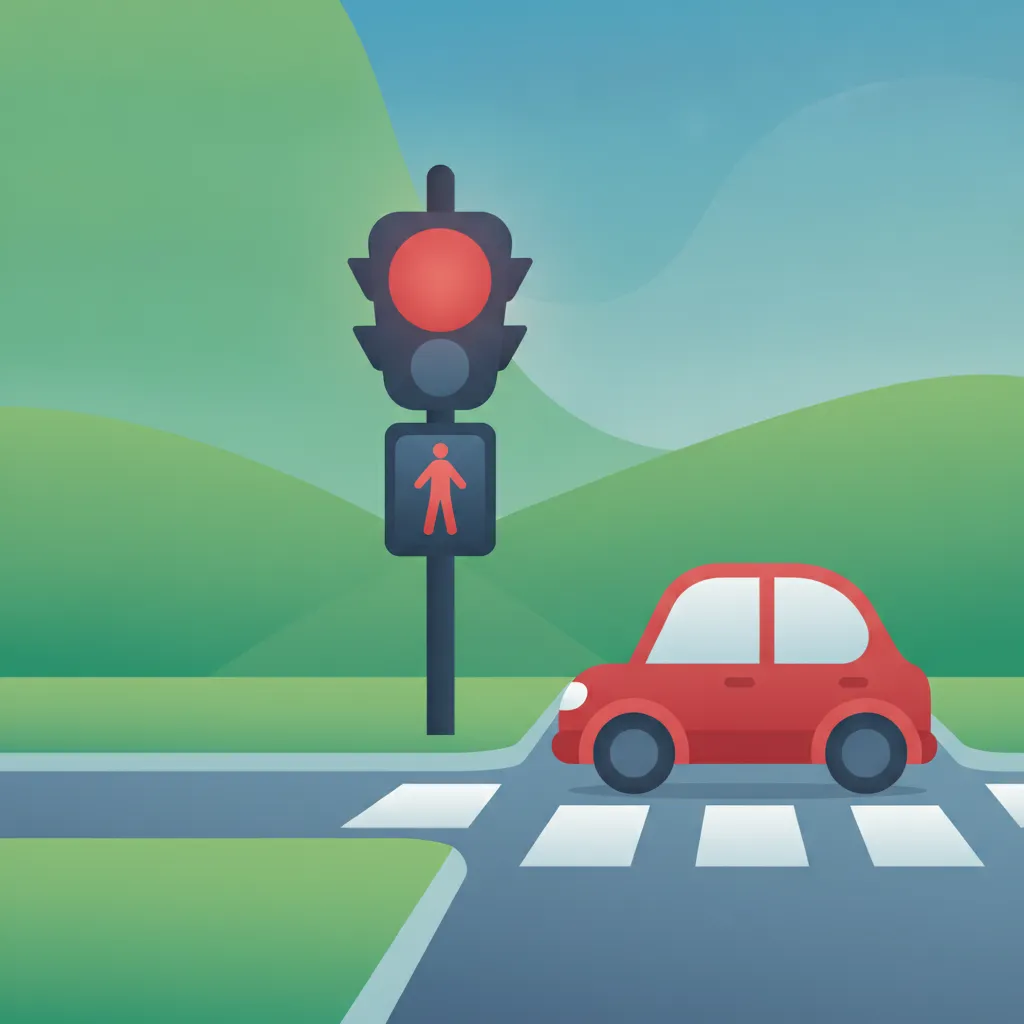
Traffic lights are vital for regulating traffic flow and ensuring safety at intersections across Belgium. This guide details the specific meanings of red, fixed yellow-orange, and green lights as per the Belgian Highway Code (Wegcode/Code de la route), explaining how drivers, pedestrians, and cyclists must react to each signal. Pay close attention to the particular rule regarding the fixed yellow-orange light, which is often a source of confusion.
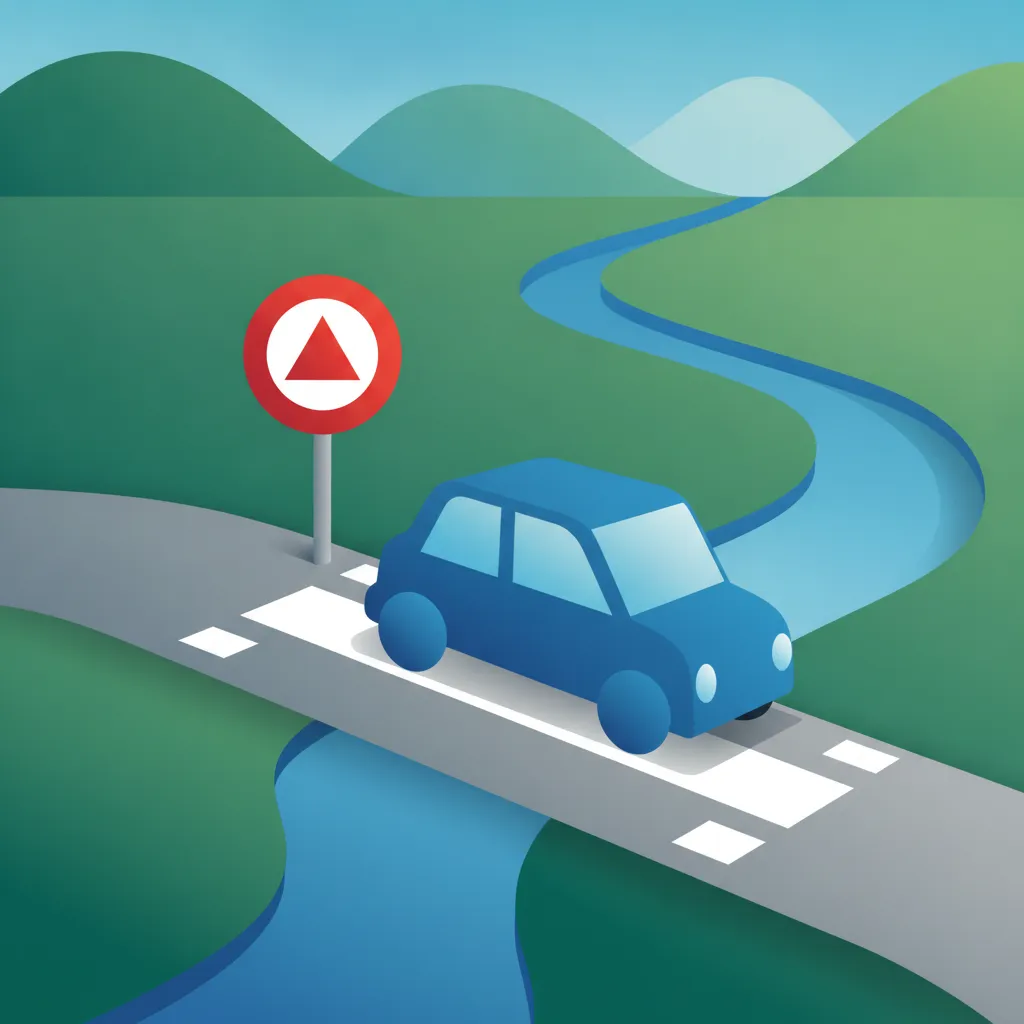
A stop sign, officially known as traffic sign B5 in Belgium, requires all drivers to bring their vehicle to a complete halt before proceeding. This crucial regulatory sign is installed at intersections or crossings where visibility may be limited or where there is a high risk of collision. Unlike a yield sign, a stop sign demands an absolute pause to ensure you can thoroughly assess traffic before safely continuing.
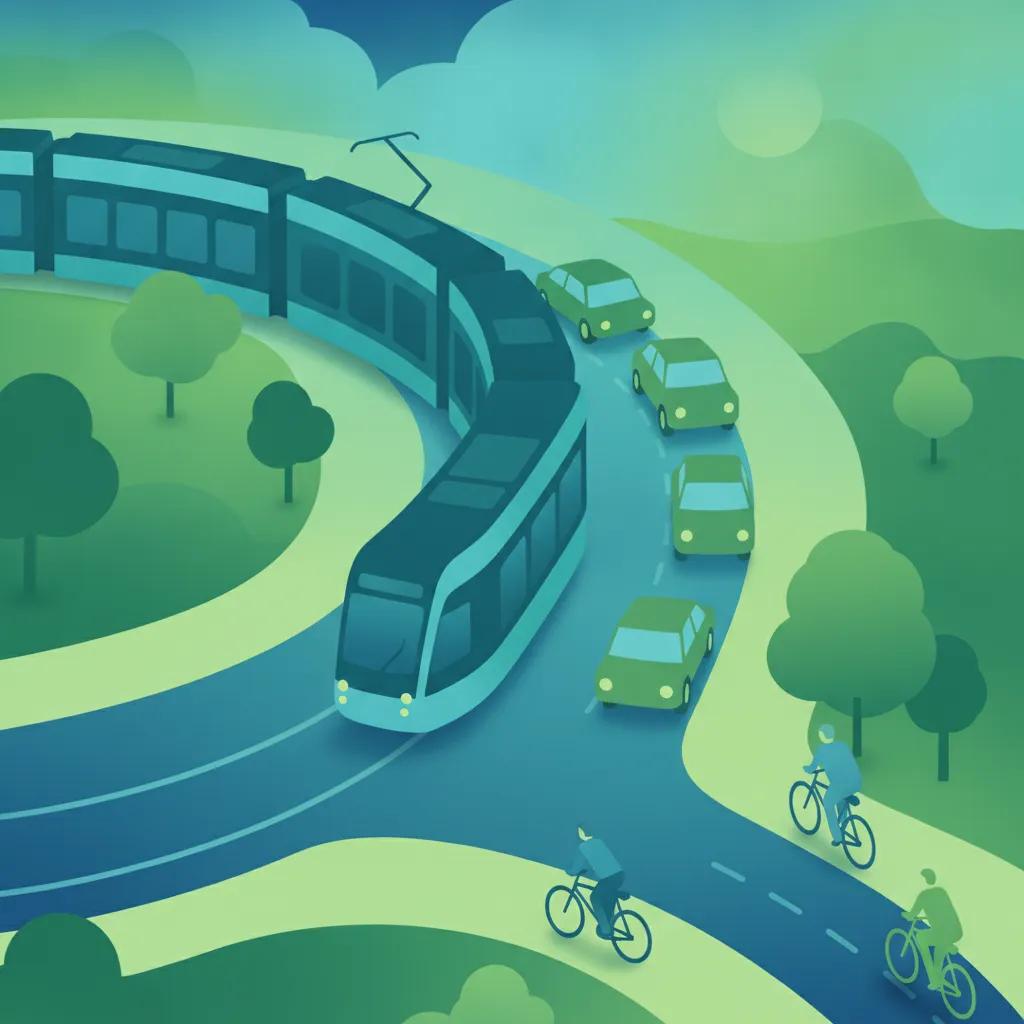
Trams and certain public transport vehicles, like buses, operate under special priority rules in Belgium due to their size, fixed routes, and passenger load. Unlike regular vehicles, they often override standard priority rules, including "priority from the right". This section clarifies when and why you must yield to them, ensuring you navigate urban traffic safely and correctly.
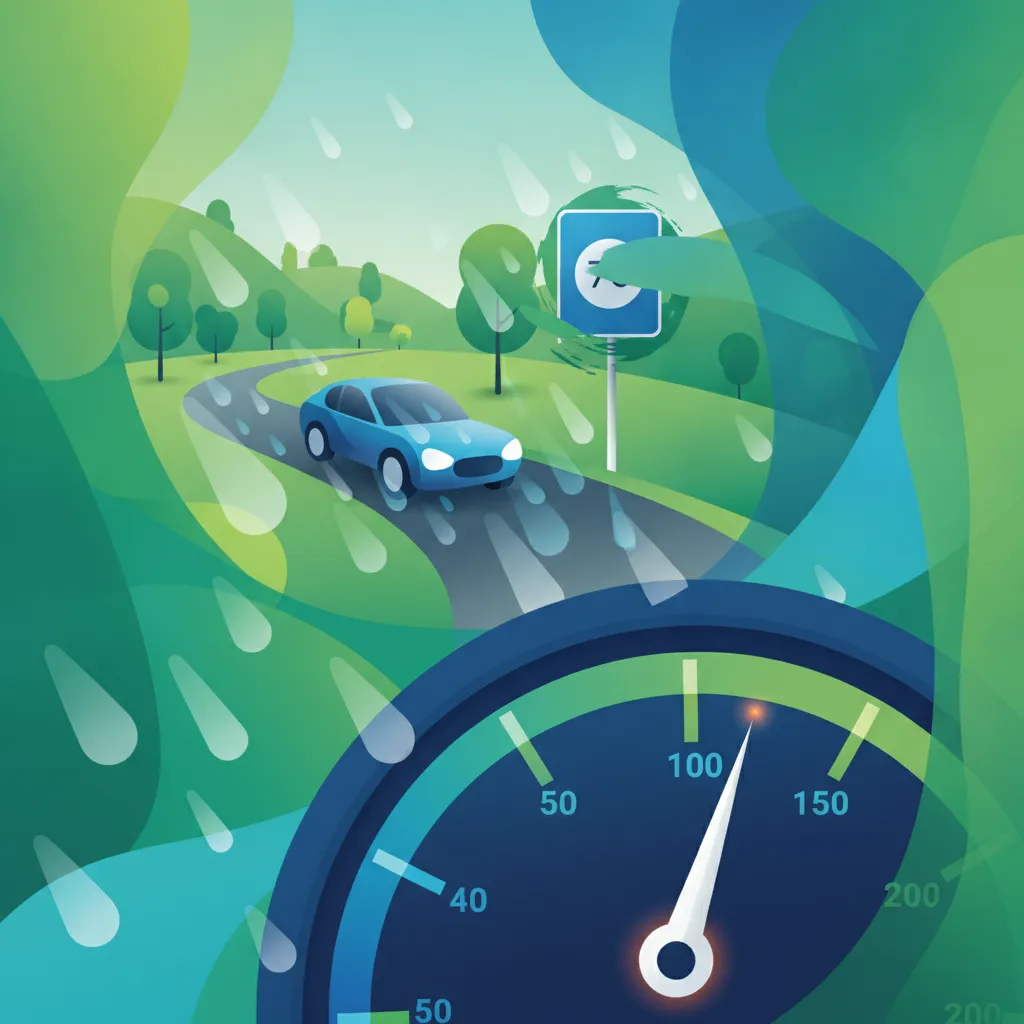
Driving at a safe speed means continuously adjusting your vehicle's speed to match prevailing road, weather, and traffic conditions. It's about more than just obeying the posted speed limit; it's about making informed decisions to ensure you can react to hazards and stop safely within the visible distance ahead. This principle is a cornerstone of defensive driving in Belgium and essential for road safety.
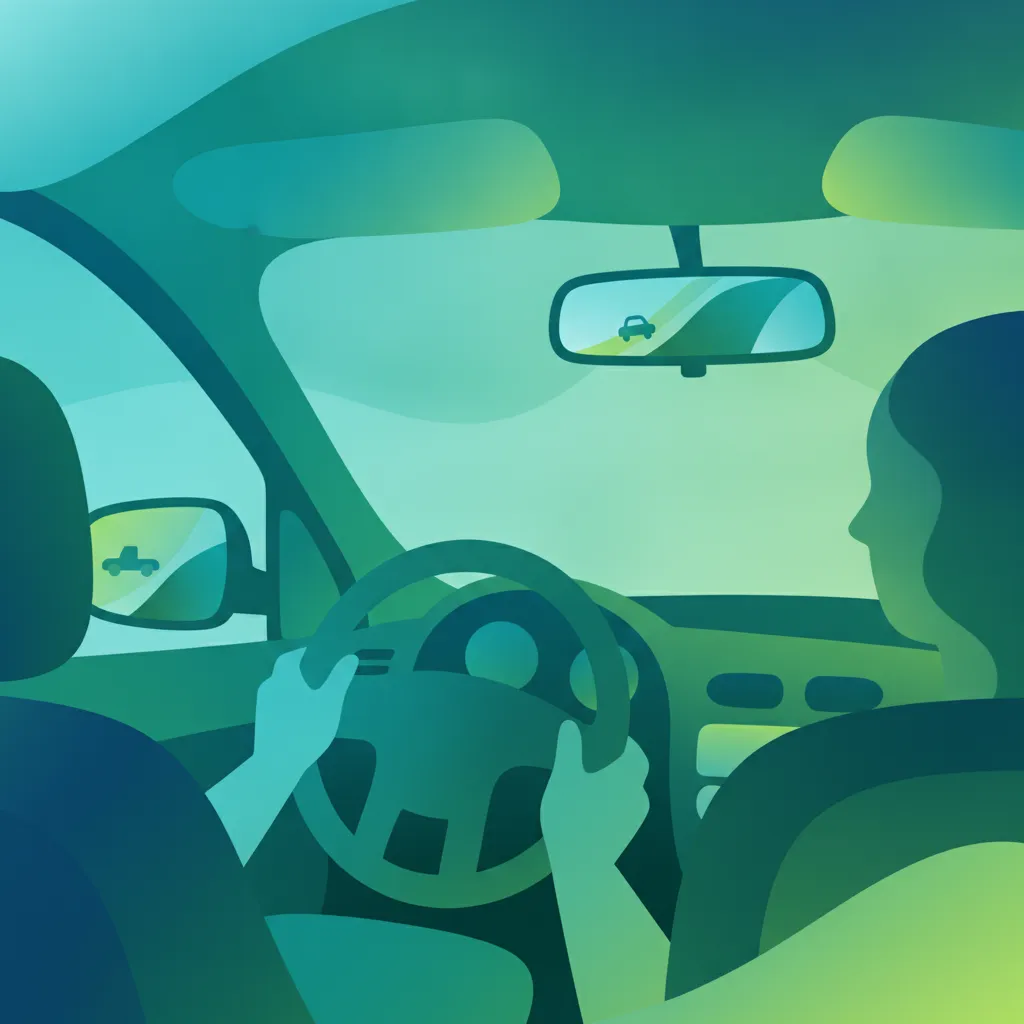
Mirror checks are a cornerstone of defensive driving in Belgium, enabling you to maintain a comprehensive understanding of traffic behind and beside your vehicle. Proper and frequent use of your interior rear-view mirror and exterior side mirrors allows you to anticipate hazards, execute maneuvers safely, and react appropriately to changing road conditions. This skill is heavily emphasized in Belgian driving education and tests.
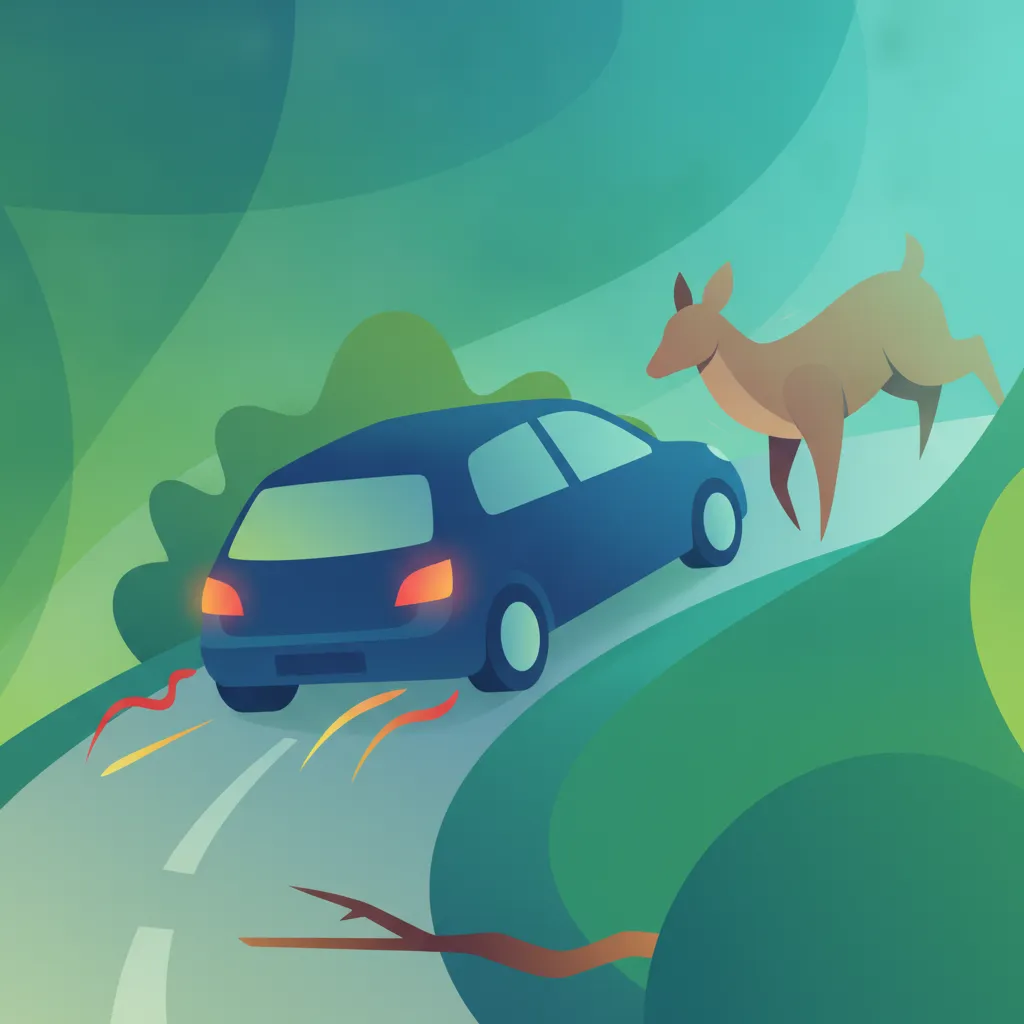
Emergency braking refers to the rapid and forceful application of your vehicle's brakes when an immediate hazard demands an instant stop. In Belgian traffic, situations requiring emergency braking can arise without warning, such as a sudden pedestrian, an unexpected obstacle, or another vehicle braking sharply. This page clarifies the correct technique, how modern systems like ABS assist, and why a quick, decisive reaction is paramount for safety and passing your theory exam.
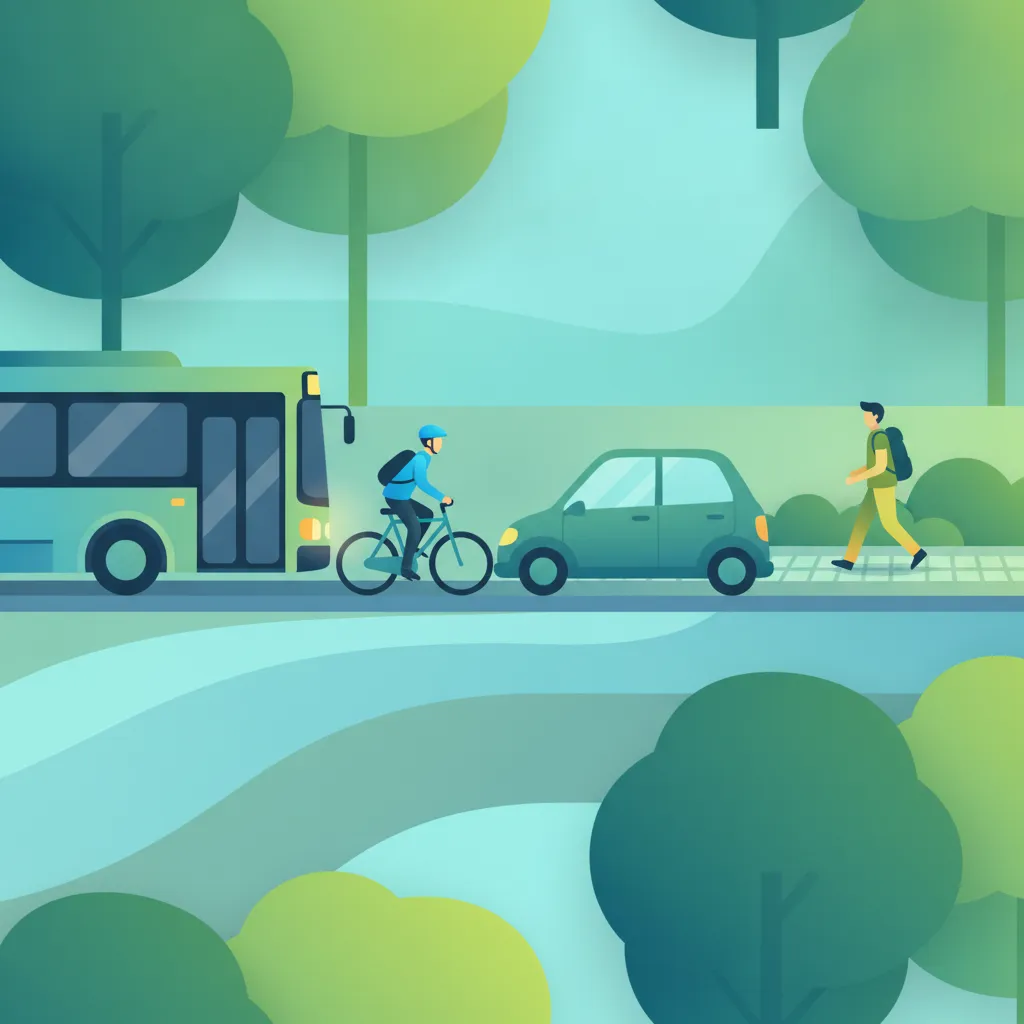
In Belgium, roads are shared by a wide array of users, each with unique characteristics and vulnerabilities. As a driver, it is your responsibility to anticipate the actions of others, adjust your behavior accordingly, and prioritize the safety of all, especially vulnerable groups. This section outlines key principles and Belgian specific rules for harmonious and safe road sharing.
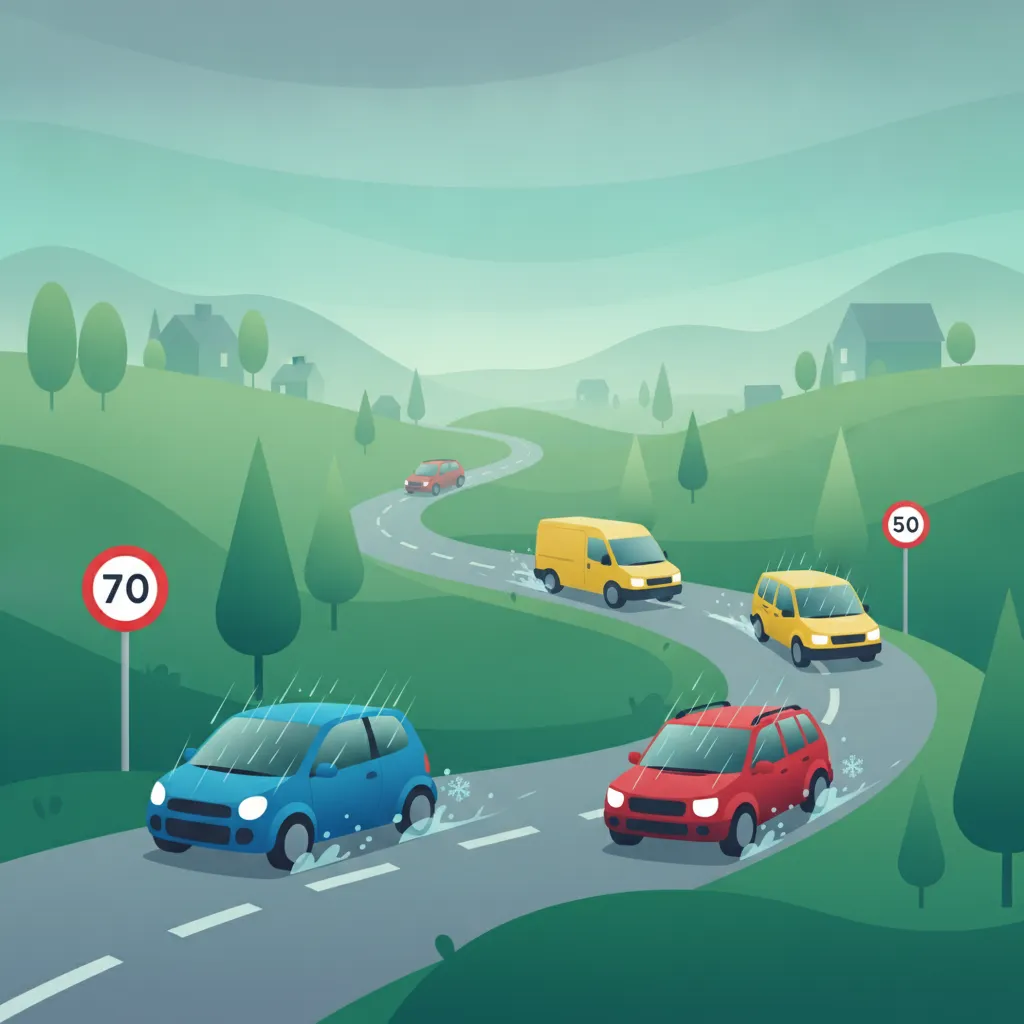
Speed limits are a fundamental aspect of Belgian traffic law, setting the maximum legal speed for different road types and areas. However, merely adhering to the posted limit is insufficient; drivers must also constantly adapt their speed based on prevailing road, weather, traffic, and visibility conditions. This page clarifies these distinctions and emphasizes the critical role of appropriate speed in preventing accidents.

Driver distraction, especially from mobile phones, is a leading cause of road incidents in Belgium. This page explains how phone use divides your attention into visual, manual, and cognitive tasks, severely compromising your reaction time and awareness on the road. Understanding these risks is crucial for passing your Belgian driving theory test and ensuring safe journeys.
Seat belts are a cornerstone of passive safety in every vehicle, designed to keep you secure during sudden stops or collisions. This page clarifies the legal requirements for seat belt use in Belgium and explains the physics behind how they protect you. Understanding these rules is vital not only for your driving theory exam but also for real-world road safety.
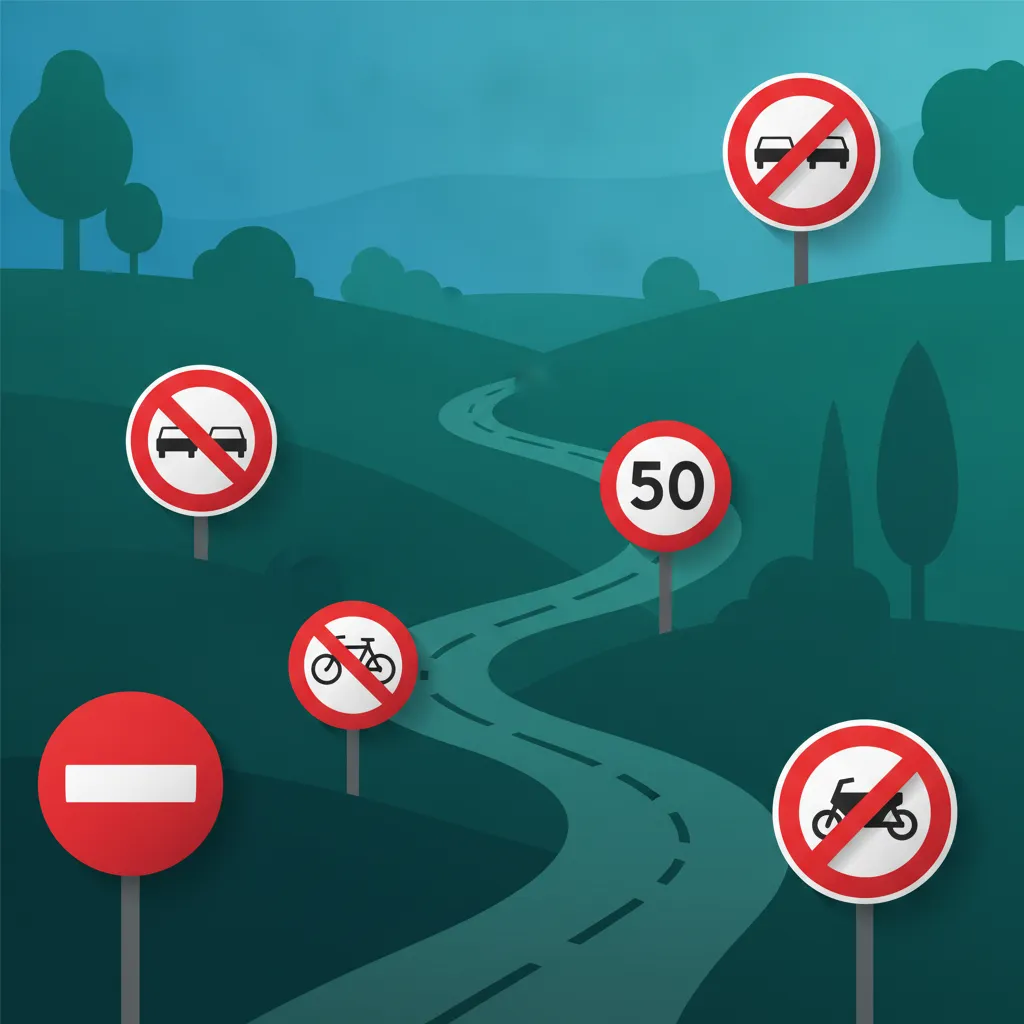
Prohibition signs are essential directives on Belgian roads that indicate actions drivers are not permitted to perform. Distinguished by their universal design, typically a red circle, they enforce legal restrictions vital for safety and traffic organization. Mastering the meaning of these signs is fundamental for every driver in Belgium, impacting everything from your daily commute to specific urban zones.
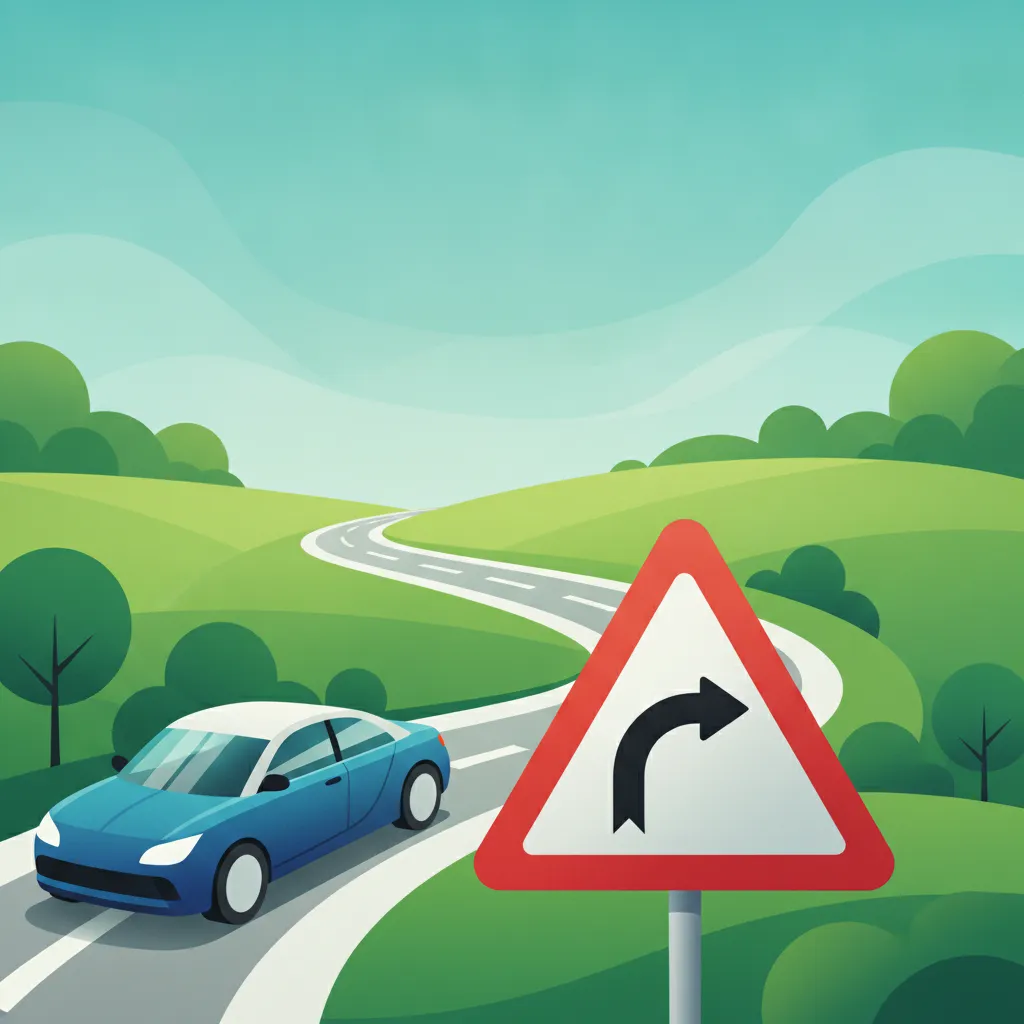
Warning signs, known as 'gevaarsborden' in Dutch, are essential road signs designed to alert drivers to potential hazards or changes in road conditions well in advance. Unlike regulatory signs, their primary purpose is to inform and prepare you, not to impose direct commands. Recognizing these signs helps you anticipate risks and adjust your speed or driving style, which is a core skill tested in the Belgian driving theory exam and crucial for real-world safety.
Tailgating, or following too closely, is a major cause of rear-end collisions. In Belgium, maintaining a sufficient safety distance is a legal requirement, crucial for allowing enough time to react and brake effectively. This page explains the principles of safe following distance and how to apply the official 2-second rule.
Defensive driving is a proactive approach to road safety, vital for navigating Belgium's diverse traffic environments. It means constantly observing, anticipating potential hazards, and adjusting your driving to avoid dangerous situations, even if caused by others' mistakes. This strategy helps create safer conditions for everyone, from vulnerable road users to heavy traffic.
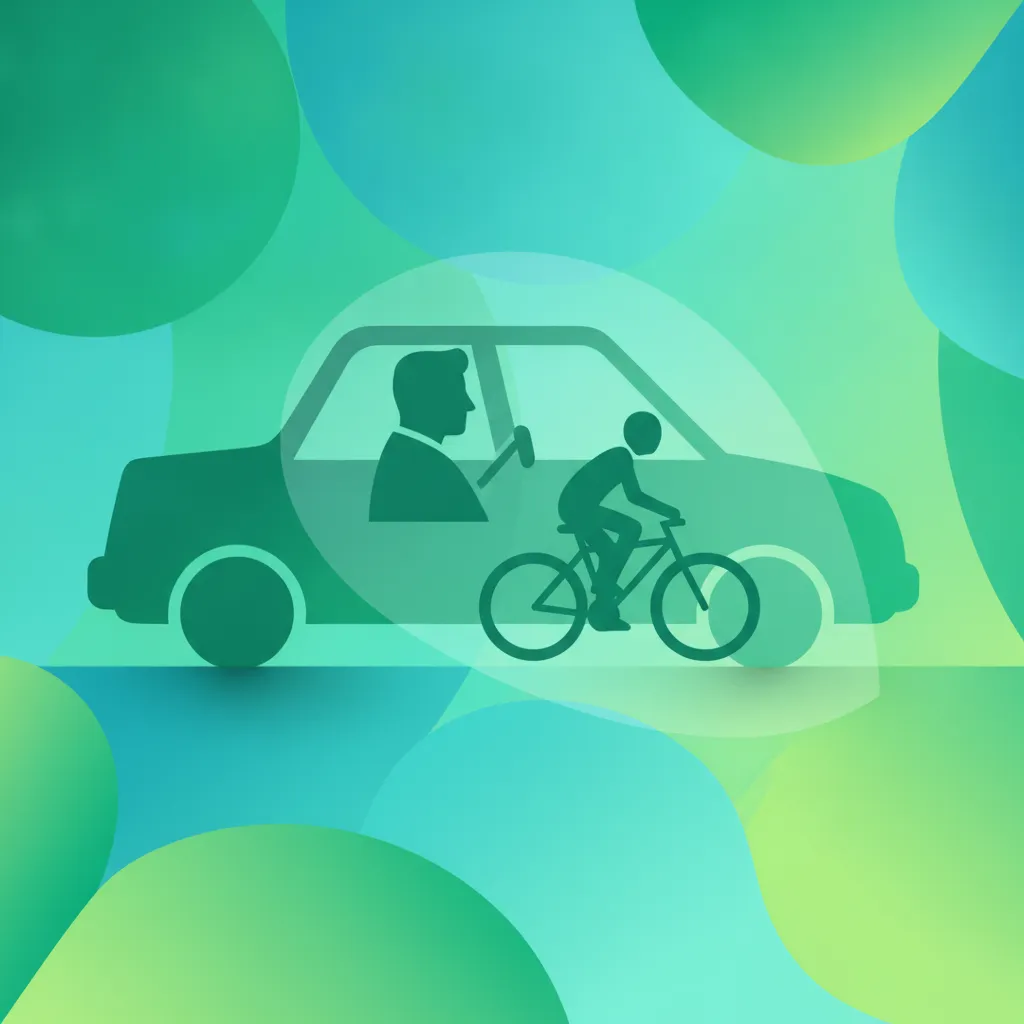
A blind spot is an area around your vehicle that cannot be seen directly through your mirrors or your normal field of vision. These zones exist because of your vehicle's physical structure and the limited coverage provided by mirrors. In busy Belgian traffic, recognizing and actively checking these areas is paramount to preventing dangerous situations, particularly when interacting with cyclists and other smaller vehicles.
Page 1 of 3
Explore our library of Belgian driving theory articles. Discover clear explanations on priority rules and hazard perception, gaining essential knowledge for your exam and confident driving on Belgian roads.
Belgian Driving Theory Articles & Guides