
Navigate Belgium's diverse speed regulations and overtaking laws with confidence. Our comprehensive content covers everything from default speeds in built-up areas and rural roads to specific rules for motorways and special vehicles, ensuring you're fully prepared for the Belgian theory exam.
Understand the precise speed restrictions across Belgian urban areas, rural roads, and motorways while mastering the legal conditions for overtaking cyclists and vehicles. These resources clarify essential Belgian traffic laws and safe driving practices required to pass your theory exam with full confidence.
Learning how to interact with cyclists is a core component of the Belgian theory exam, as vulnerable road users receive high legal protection. This guide explains the specific distance requirements you must maintain, how to correctly handle cycle streets, and the precautions necessary when turning or parking to avoid accidents.
Mastering motorway regulations is essential for passing the Belgian driving theory exam and driving safely on high-speed roads. This guide explains how the Belgian Highway Code defines minimum speed requirements and why drivers must prioritize safety and flexibility over strict speed targets in varying conditions. You will learn the legal distinction between fixed limits and the obligation to adapt your driving to the surrounding traffic environment.
Navigating Belgian highways requires more than just knowing maximum speeds; it involves understanding the nuances of minimum speed requirements and how to adapt your driving during adverse weather. This guide breaks down the legal obligations for motorway speed to help you avoid common exam pitfalls and develop safer defensive driving habits. You will learn the specific conditions under which standard speed rules are suspended and how to manage speed differentials safely.
Understand Belgium's diverse speed regulations and overtaking laws crucial for passing your theory test. This collection details official limits in urban areas, rural roads, and motorways, alongside safe overtaking procedures in Belgian traffic.
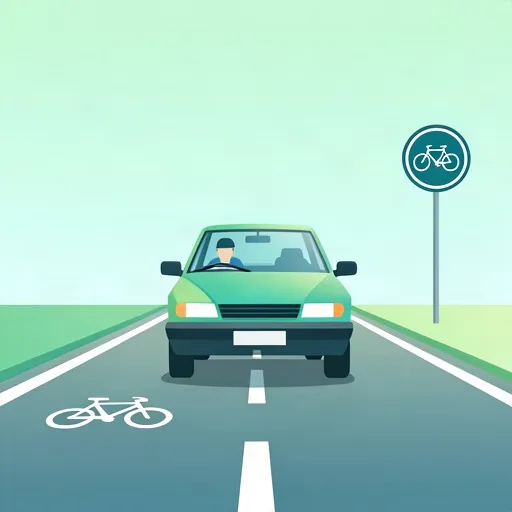
Learning how to interact with cyclists is a core component of the Belgian theory exam, as vulnerable road users receive high legal protection. This guide explains the specific distance requirements you must maintain, how to correctly handle cycle streets, and the precautions necessary when turning or parking to avoid accidents.
Updated on Sep 23, 2026
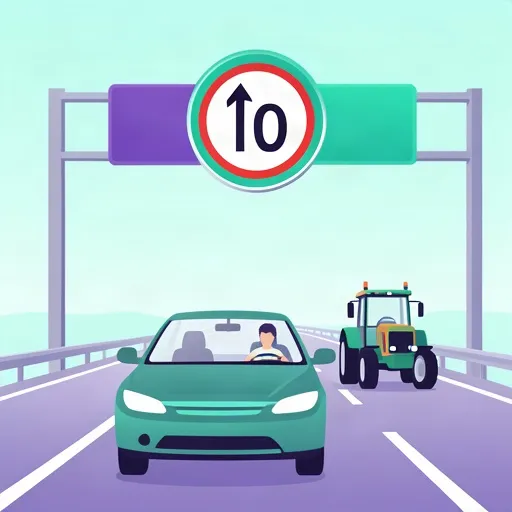
Mastering motorway regulations is essential for passing the Belgian driving theory exam and driving safely on high-speed roads. This guide explains how the Belgian Highway Code defines minimum speed requirements and why drivers must prioritize safety and flexibility over strict speed targets in varying conditions. You will learn the legal distinction between fixed limits and the obligation to adapt your driving to the surrounding traffic environment.
Updated on Sep 16, 2026

Navigating Belgian highways requires more than just knowing maximum speeds; it involves understanding the nuances of minimum speed requirements and how to adapt your driving during adverse weather. This guide breaks down the legal obligations for motorway speed to help you avoid common exam pitfalls and develop safer defensive driving habits. You will learn the specific conditions under which standard speed rules are suspended and how to manage speed differentials safely.
Updated on Aug 7, 2026

Navigating Belgium's roads requires understanding its speed enforcement systems. This article breaks down the operational differences between fixed speed cameras, mobile units, and average speed zones. Knowing how these systems work will not only help you avoid penalties but also reinforce safe driving habits essential for passing your Belgian driving theory exam.
Updated on Jul 15, 2026
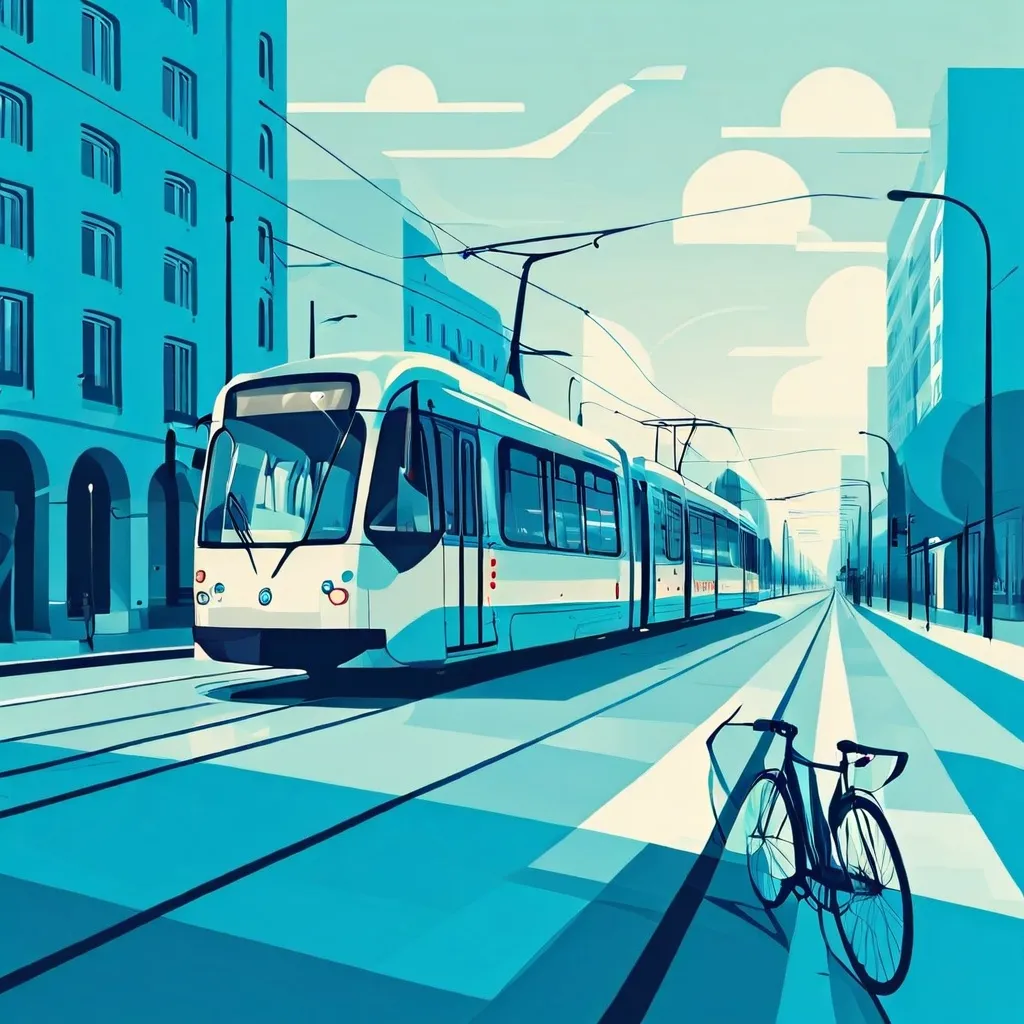
Navigate Belgium's unique traffic landscape by mastering the specific rules for overtaking trams, buses, and cyclists. This guide details when and how to safely pass these road users, crucial knowledge for the Belgian theory test and for everyday safe driving. Understand the nuances of tram priority, bus stop etiquette, and cyclist interaction on narrow streets to avoid hazards and penalties.
Updated on Jul 15, 2026

Navigating Belgian roads with agricultural machinery involves specific speed regulations. This article details the speed limits for tractors, focusing on the interplay between their type-approval maximum speed and the general road speed limits in Belgium. Mastering this topic is essential for safe driving and for passing your Belgian driving theory test.
Updated on Jul 15, 2026

Learn the critical Belgian traffic laws regarding towing broken-down vehicles, focusing on the speed restrictions that apply when using tow ropes or rigid bars. This knowledge is essential for passing your Belgian driving theory test and ensuring safety on all Belgian roads, whether in urban areas or on open routes.
Updated on Jul 15, 2026

Belgium utilizes an extensive network of trajectcontrole, or average speed cameras, to enforce speed limits. This article details how these systems use Automatic Number Plate Recognition (ANPR) technology to calculate your average speed over defined road sections, unlike traditional speed cameras. Grasping this concept is vital for understanding traffic law and ensuring compliance on Belgian roads, directly impacting your preparation for the theory exam.
Updated on Jul 15, 2026

Beyond posted limits, Belgian law strictly requires drivers to regulate their speed according to visibility and weather. This article delves into Article 10 of the Belgian Highway Code, which states you must be able to stop within the distance you can see. Learn how fog, rain, and nighttime driving legally necessitate reduced speeds to ensure safety and pass your theory test.
Updated on Jul 15, 2026

As of January 2021, the Brussels-Capital Region has implemented a default speed limit of 30 km/h on almost all its streets, a significant change for drivers accustomed to 50 km/h in urban areas. This article clarifies the scope of this Zone 30, the exceptions, and the impact on drivers, ensuring you are prepared for this essential driving rule in Belgium.
Updated on Jul 2, 2026

Navigating Belgium's diverse speed regulations is crucial for passing your B license theory test. This article breaks down the regional speed differences in Flanders, Wallonia, and Brussels, including default limits and specialized zones. Learn why understanding 'vitesse adaptée' is a key exam requirement and how to apply it for safe driving.
Updated on Jun 27, 2026
Discover other categories connected to Belgian Speed Limits & Overtaking. These sections help you explore additional topics, expand your understanding of driving theory in Belgian, and build a more complete picture of the rules and situations tested during the exam.
Find answers to common questions learners ask about Belgian Speed Limits & Overtaking. This section helps clarify difficult concepts, highlight critical exam information, and support your preparation for the Belgian driving theory exam in Belgium.
In Belgium, the default speed limit is 50 km/h in built-up areas. On rural roads, it's typically 70 km/h in Flanders and 90 km/h in Wallonia and Brussels. On motorways, the general speed limit is 120 km/h. However, specific zones like Brussels' 'Ville 30' have a 30 km/h default, and many areas have variable signed limits.
Overtaking is prohibited at intersections, level crossings, and where signs prohibit it. You must also avoid overtaking if it endangers other road users or if oncoming traffic makes it unsafe. Overtaking on the right is generally forbidden unless in specific situations, such as multiple lanes of slow-moving traffic.
In built-up areas, you must maintain a minimum lateral distance of 1 meter when overtaking cyclists. Outside of built-up areas, this distance increases to a minimum of 1.5 meters to ensure the cyclist's safety.
Speed limits are generally lower for trucks and vehicles with trailers. For example, on motorways, their limit is often 90 km/h instead of 120 km/h. These limits vary based on vehicle weight and type, and it's crucial to check specific signage and regulations.
Penalties for speeding in Belgium can include immediate fines, points deducted from your license, and in severe cases, suspension of your driving license. The presence of fixed and average-speed cameras (trajectcontrole) means violations are regularly detected.
Dive into our comprehensive directory of Belgian driving theory article categories now. Select a topic that interests you or review areas where you need more practice to confidently prepare for your official driving license theory exam.
Belgian Theory Article Categories