
Understanding parking signs is crucial for avoiding fines and ensuring smooth traffic flow. This section covers Belgian parking signs, from simple restrictions to complex alternating rules. You'll learn to interpret these vital signs, ensuring you park correctly, pass your theory test, and drive safely in various parking situations.
An explanation of how Belgian Parking Signs road signs apply in real traffic situations in Belgium. Learn where these signs are typically placed, what drivers are expected to do when they appear, and how correct reactions help you stay safe, avoid fines, and succeed in your Belgian driving theory exam.
Belgian parking signs are frequently encountered in towns, cities, and along main roads. You'll see them in residential areas, near shops, at intersections, and on busy streets where parking management is necessary. Signs like 'No parking' (E1) and 'No stopping' (E3) are general prohibitions. More specific signs, such as those for alternating parking (E5, E7, E11) or reserved parking for disabled persons, motorcycles, trucks, or campers (various E9 variations), often appear in designated zones or streets requiring careful management. Drivers must pay close attention to the entire sign assembly, including any accompanying plates that specify times, dates, or required actions like using a parking disc.
An overview of the key learning outcomes when studying the Belgian Parking Signs road sign category. Understand the main concepts, sign meanings, and traffic situations covered here so you can recognise patterns, answer theory questions more confidently, and build a solid foundation for safe driving in Belgium.
This collection focuses on Belgian parking signs, crucial for understanding where and how to stop or park legally. Studying these signs together reveals common patterns involving direction, time, and user restrictions, essential for your theory test revision and safe driving.
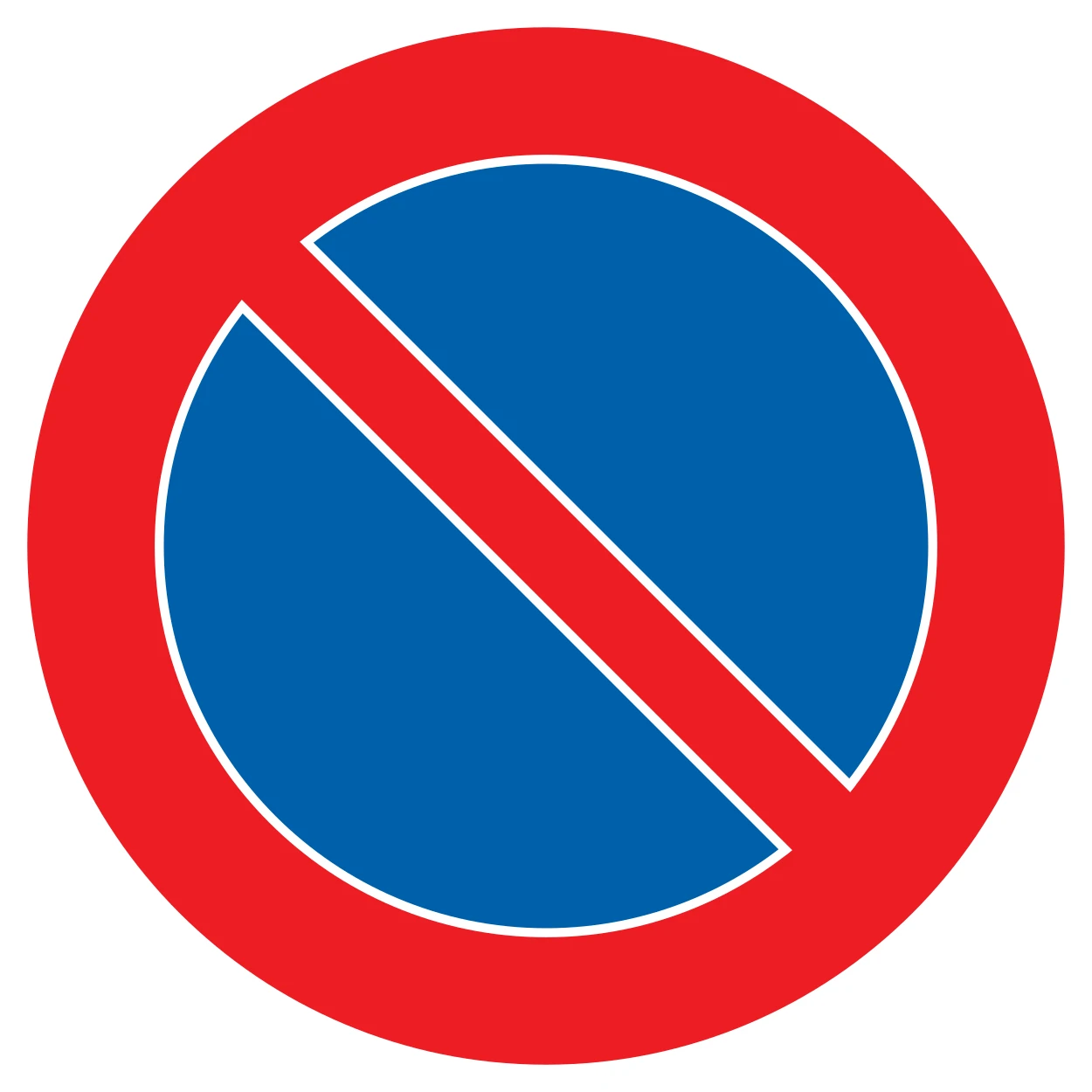
The E1 'No Parking' Sign: What It Means and How to React in Belgium
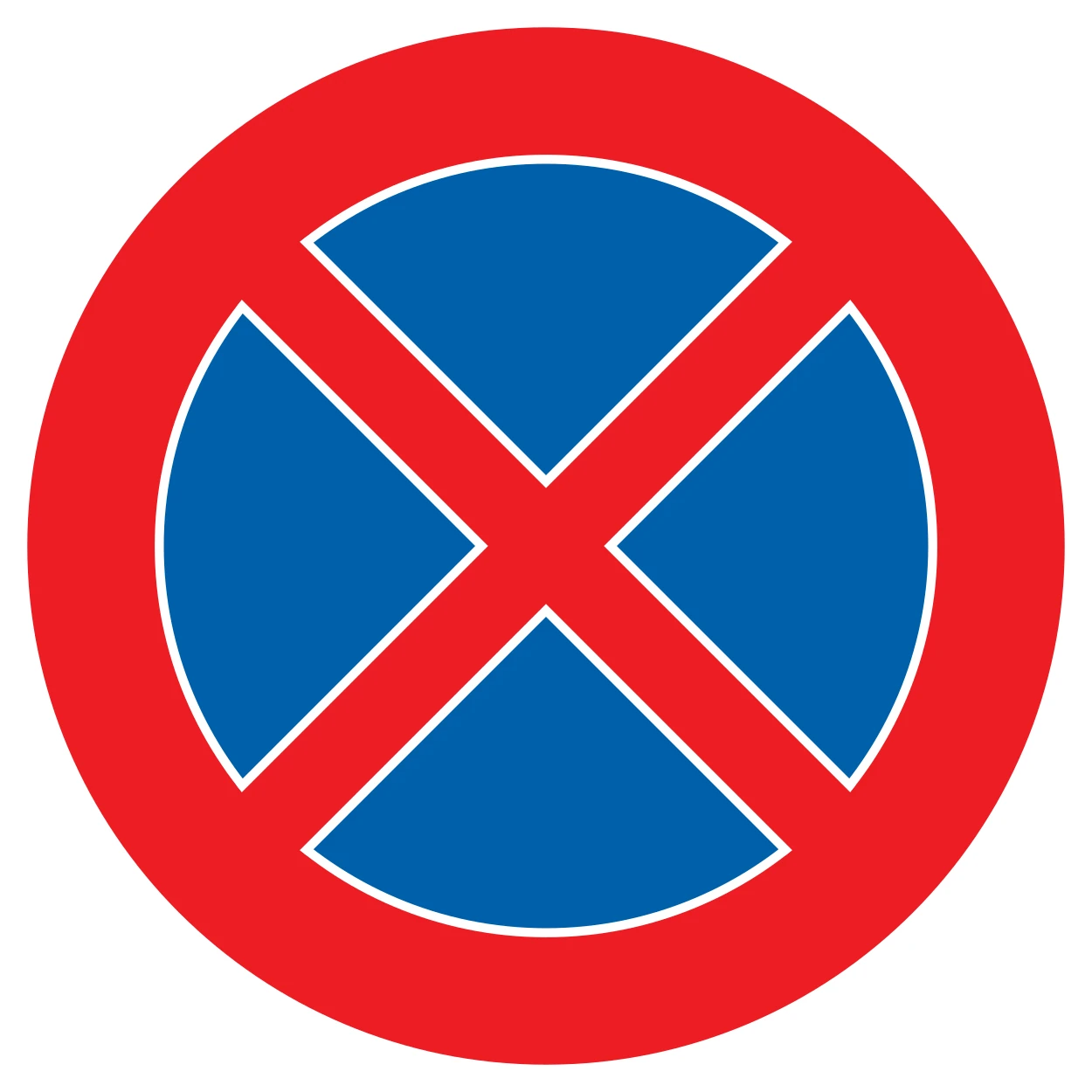
What the Belgian E3 'No Stopping' sign means for your driving in Belgium.
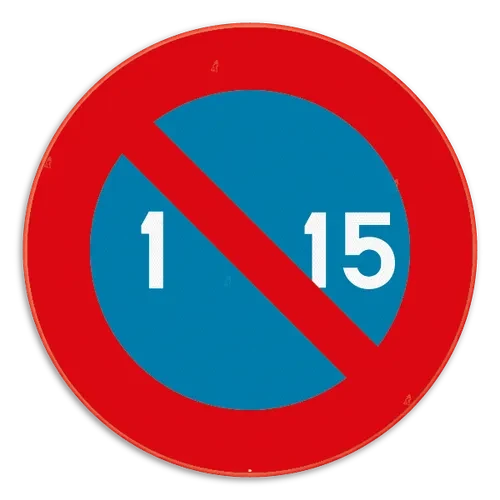
Belgian E5 Sign: No Parking from the 1st to the 15th of the Month
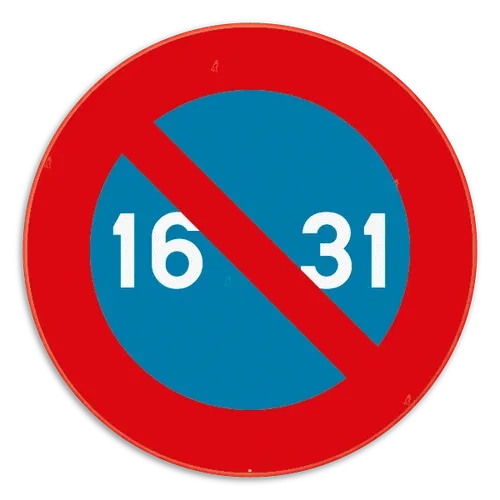
Belgian E7 Sign: No Parking from the 16th to the End of the Month
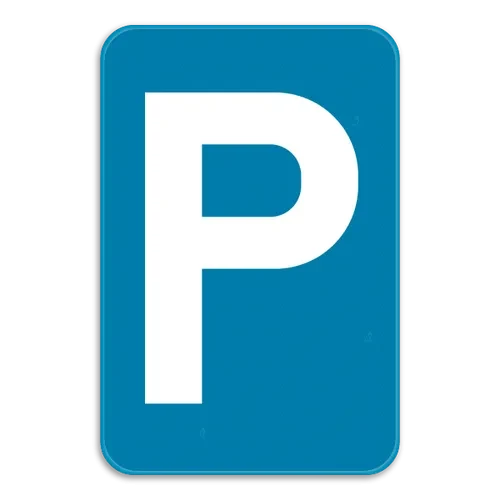
E9a: 'Parking Permitted' Sign Explained for Belgian Drivers
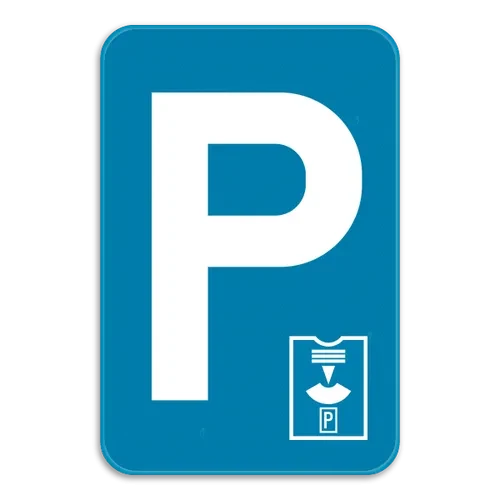
Belgian E9a Sign: Parking is Allowed When You Use a Parking Disc
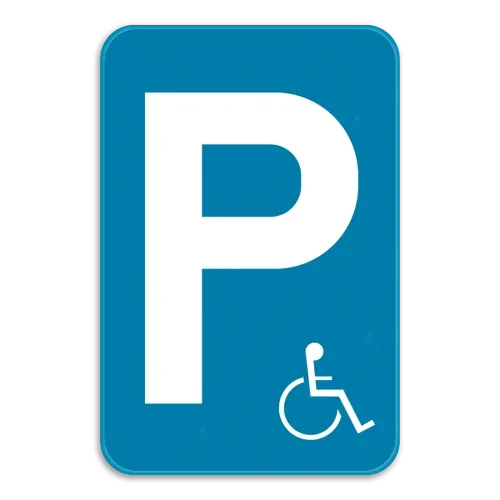
E9a: Understand Belgium's 'Parking Reserved for Disabled' Sign
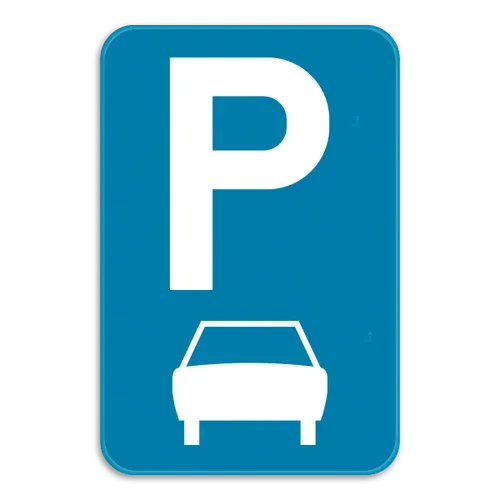
E9b: Parking Reserved for Specific Vehicles Like Cars, Vans, and Motorcycles
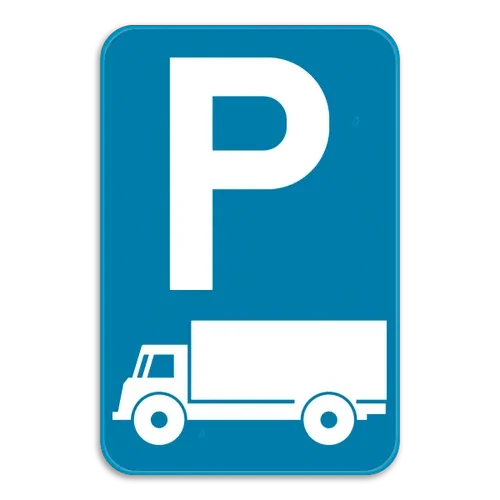
Understand the E9c Sign: Parking Reserved Specifically for Trucks
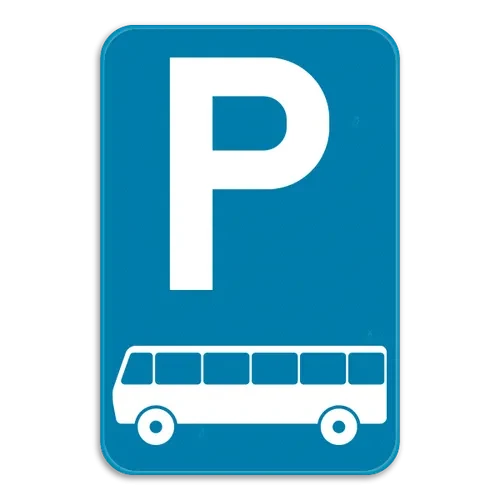
This E9d sign means parking is reserved exclusively for coaches.
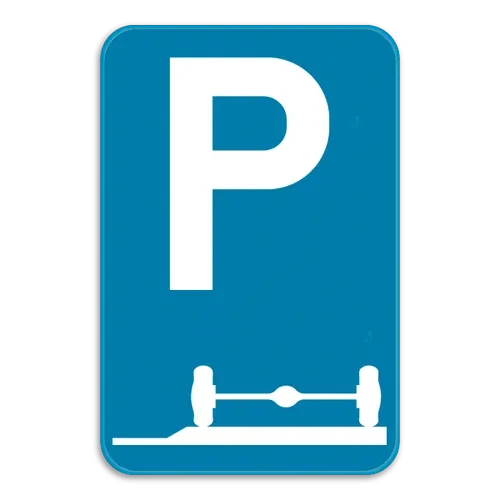
Understand the E9e Sign: Parking is Mandatory on the Verge or Sidewalk
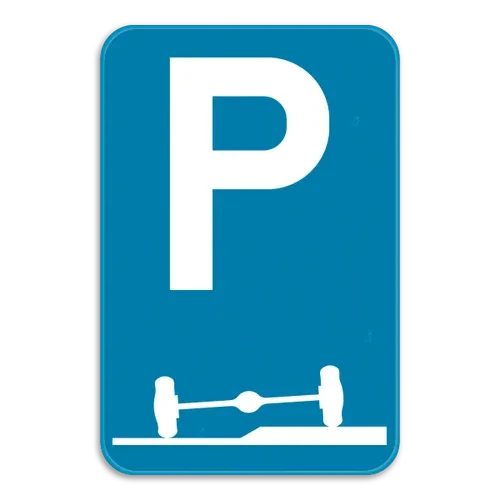
Know when to park partly on the verge or sidewalk with the E9f sign.
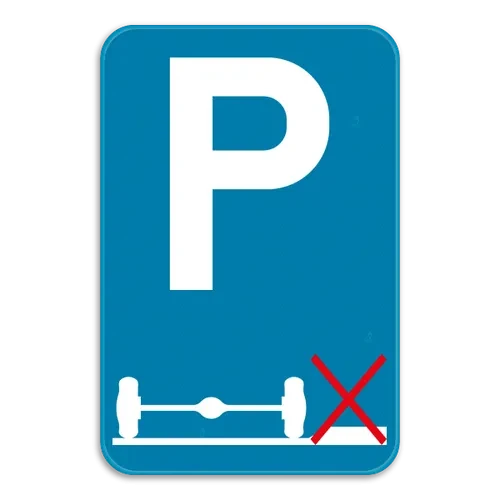
E9g: Parking is Mandatory on the Road Ahead
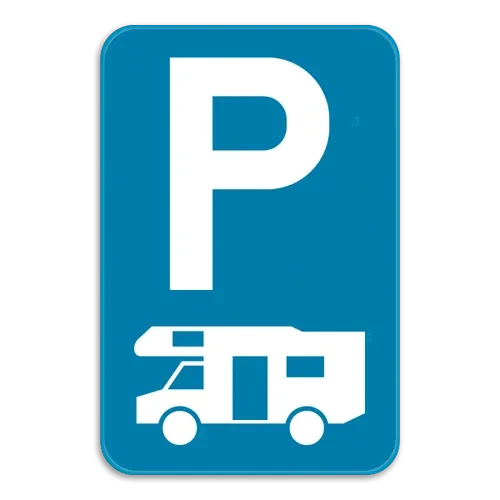
E9h: Parking Reserved Specifically for Campers
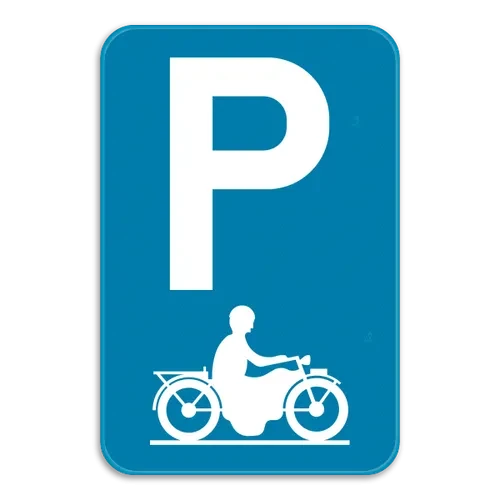
E9i: Parking Reserved Specifically for Motorcycles
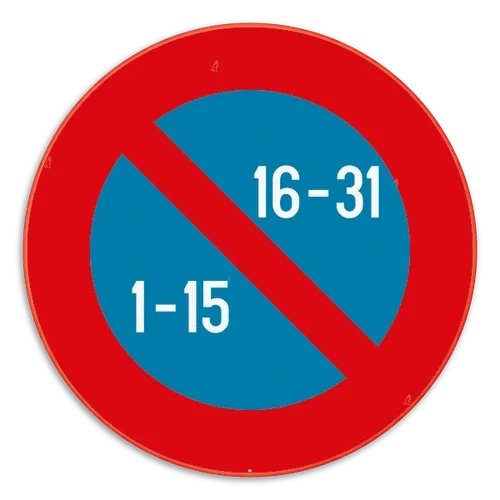
Belgium's E11 Sign: Navigating Half-Monthly Parking Restrictions in Built-Up Areas
Clear answers to common questions about the Belgian Parking Signs road sign category. Use this FAQ to review tricky rules, understand how these signs appear in exam scenarios, and remove confusion that often leads to mistakes in the Belgian driving theory exam in Belgium.
The 'No parking' sign (E1) prohibits parking your vehicle for an extended period. However, briefly stopping to let passengers in or out is usually permitted. The 'No stopping' sign (E3) is stricter; it forbids even short stops, meaning you cannot stop your vehicle at all, even for a moment, except when forced to by traffic conditions.
These signs divide the month into two halves for parking. E5 typically means no parking from the 1st to the 15th day of the month, while E7 indicates no parking from the 16th to the last day. The E11 sign is similar but often applies to specific parking bays within built-up areas. You must check the current date and the sign's instruction to know if parking is allowed on your side of the street on that particular day.
This sign (a variation of E9a) indicates that parking is allowed in that area, but only if you use a parking disc. You must set the disc to show your arrival time and place it visibly on your dashboard. There is usually a maximum parking duration specified by a supplementary plate or the sign itself, which you must adhere to.
Yes, several signs are dedicated to specific vehicle types. For example, E9b is for cars, vans, and minibuses, E9c for trucks, E9d for coaches, and E9h for campers. There are also signs reserved for disabled drivers (a variation of E9a) and motorcycles (E9i). It's essential to only park in a bay designated for your vehicle type or if you meet the specific requirements, like having a disabled permit.
Additional plates provide crucial context to the main parking sign. They can specify the days of the week, times of day, types of vehicles, or required actions (like using a parking disc). Always read the main sign and all supplementary plates together to understand the full parking regulation for that location.
Navigate each road sign category to deepen your understanding of Belgian traffic rules. Focus on warning, regulatory, or informational signs. This structured pathway helps solidify your knowledge for the driving theory exam. Explore specific sign groups now to boost preparation.
Explore Road Sign Categories