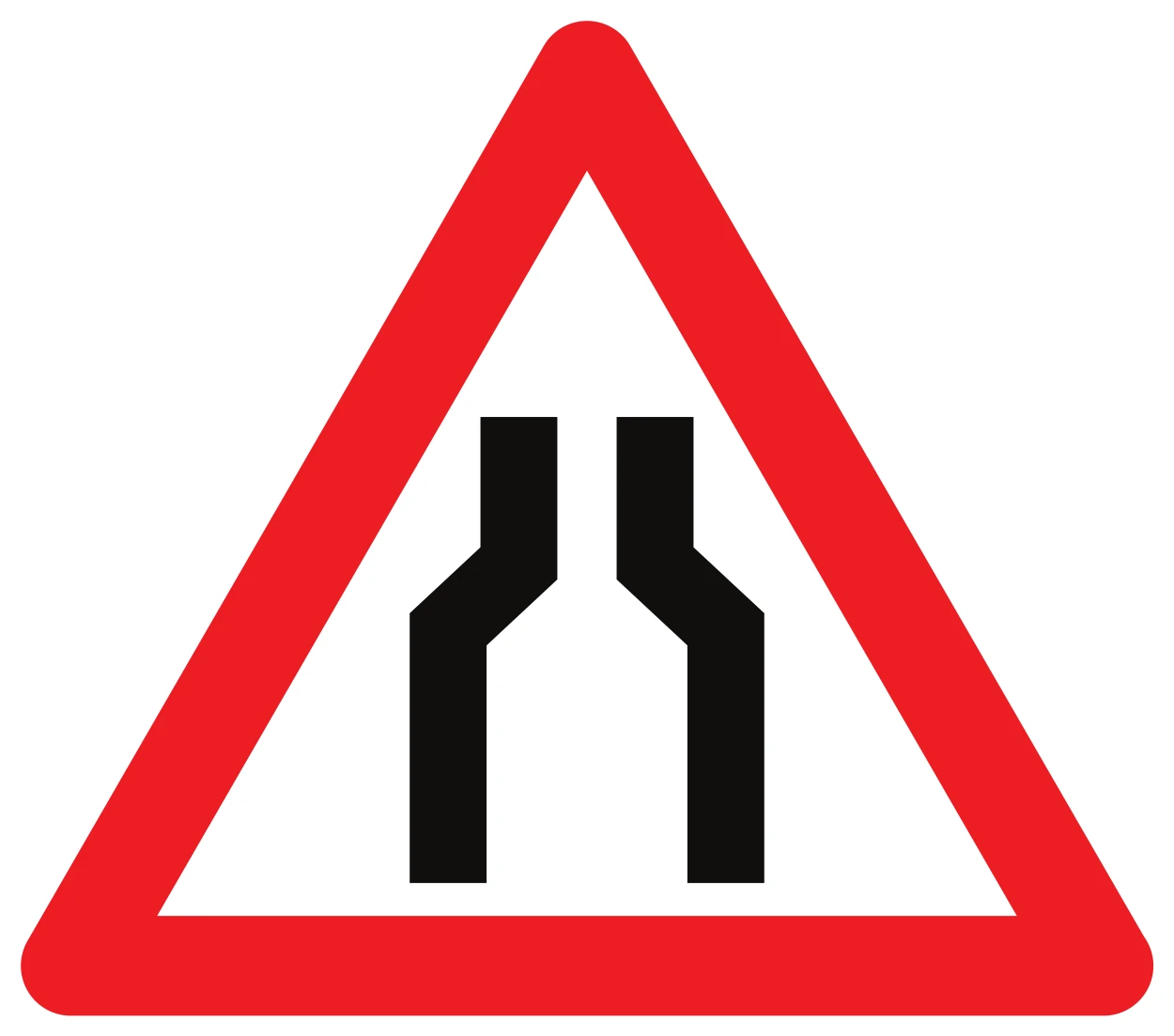
Belgian warning signs are crucial for anticipating potential dangers on the road. This group of signs alerts you to hazards that might require you to slow down, increase your observation, or adjust your position. Understanding these signs is vital for both passing your theory exam and driving safely in various real-world situations.
An explanation of how Belgian Warning Signs road signs apply in real traffic situations in Belgium. Learn where these signs are typically placed, what drivers are expected to do when they appear, and how correct reactions help you stay safe, avoid fines, and succeed in your Belgian driving theory exam.
You will encounter Belgian warning signs across various road types, from busy urban streets to quieter country roads and major routes. Signs like 'Bend to the left' (A1a) or 'Road narrows' (A7a) prepare you for changes in the road layout ahead, prompting you to adjust your speed and steering. Warnings for vulnerable road users, such as 'Pedestrian crossing' (A21) or 'Children' (A23), demand heightened alertness and a willingness to stop. Railway crossing signs (A41, A43, A45) are critical alerts for potentially dangerous intersections with train lines, requiring maximum vigilance. Other signs, like 'Slippery road' (A15) or 'Loose surface' (A17), signal adverse road conditions that necessitate a significant reduction in speed and smoother control inputs. 'Roadworks' (A31) indicate temporary changes to the road ahead, possibly involving diversions, reduced speed limits, or altered lane usage. Paying close attention to these signs allows you to react proactively, making your journey safer for yourself and other road users.
An overview of the key learning outcomes when studying the Belgian Warning Signs road sign category. Understand the main concepts, sign meanings, and traffic situations covered here so you can recognise patterns, answer theory questions more confidently, and build a solid foundation for safe driving in Belgium.
Focus on Belgian warning signs to recognise potential hazards on the road. Understanding these symbols is crucial for exam preparation and safe driving in Belgium, covering everything from vulnerable road users to changing weather conditions. Master their meanings for your theory test revision.
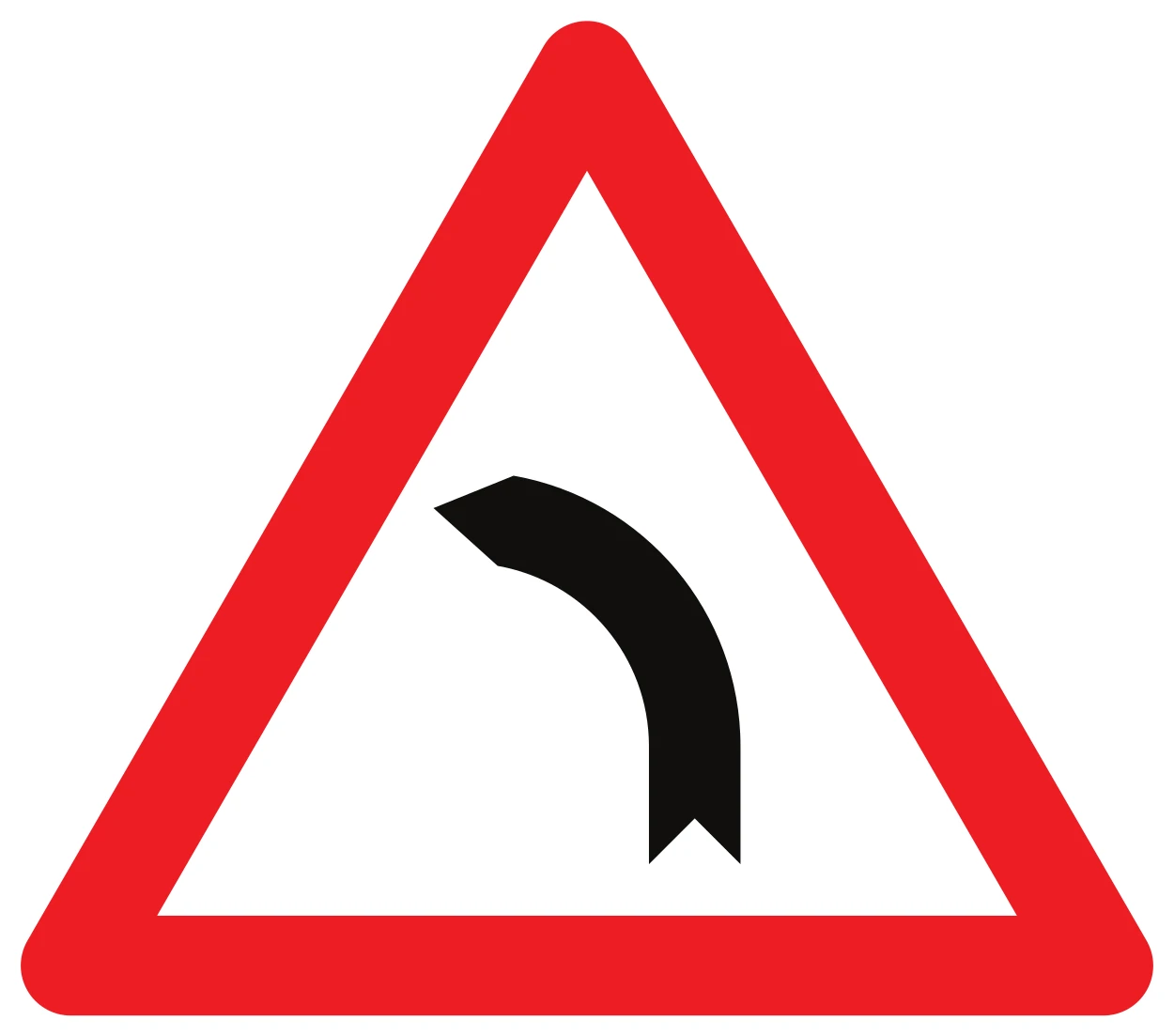
Warning: Prepare for a Bend to the Left with Sign A1a!
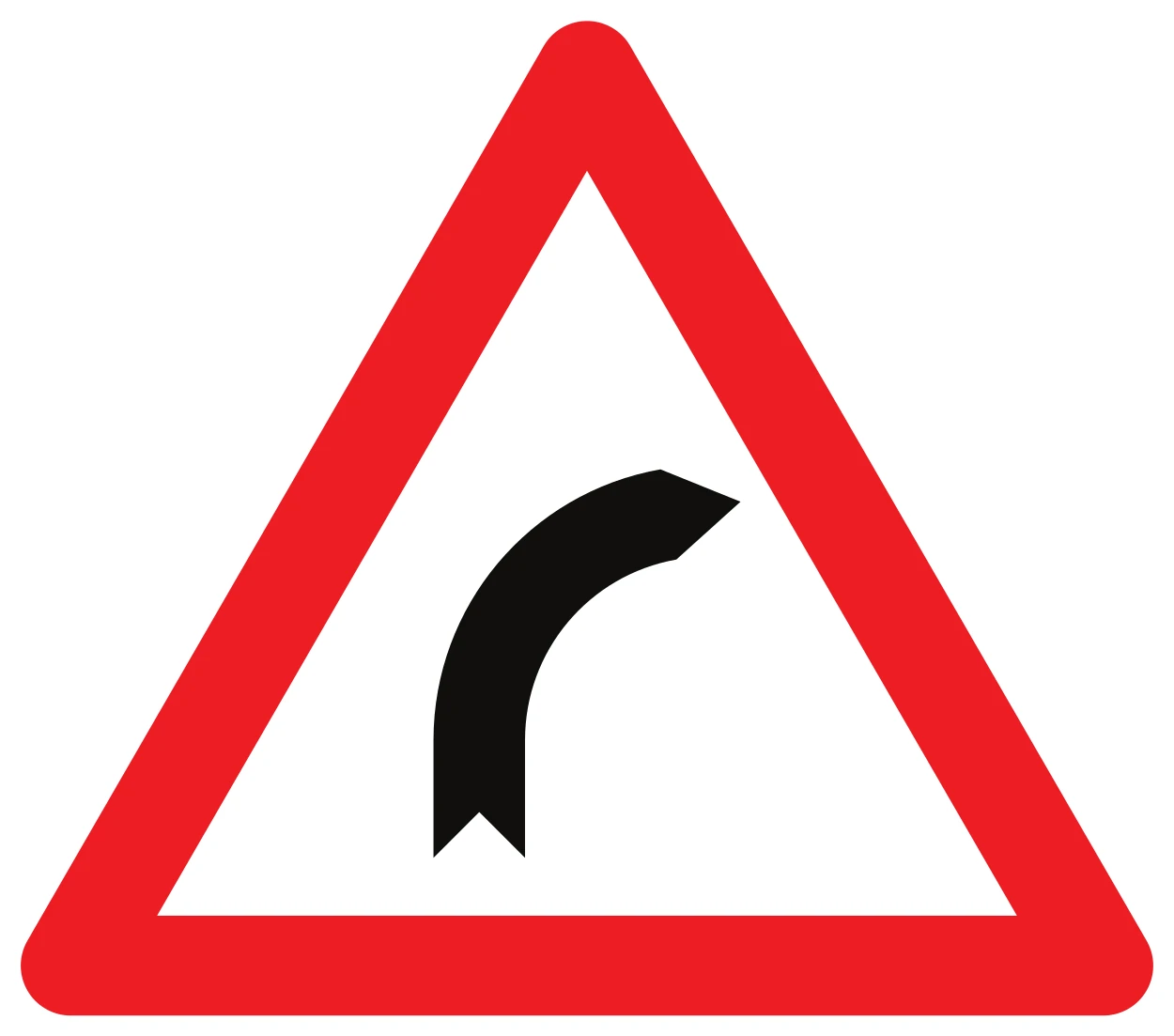
Prepare for a Bend to the Right with Belgian Warning Sign A1b
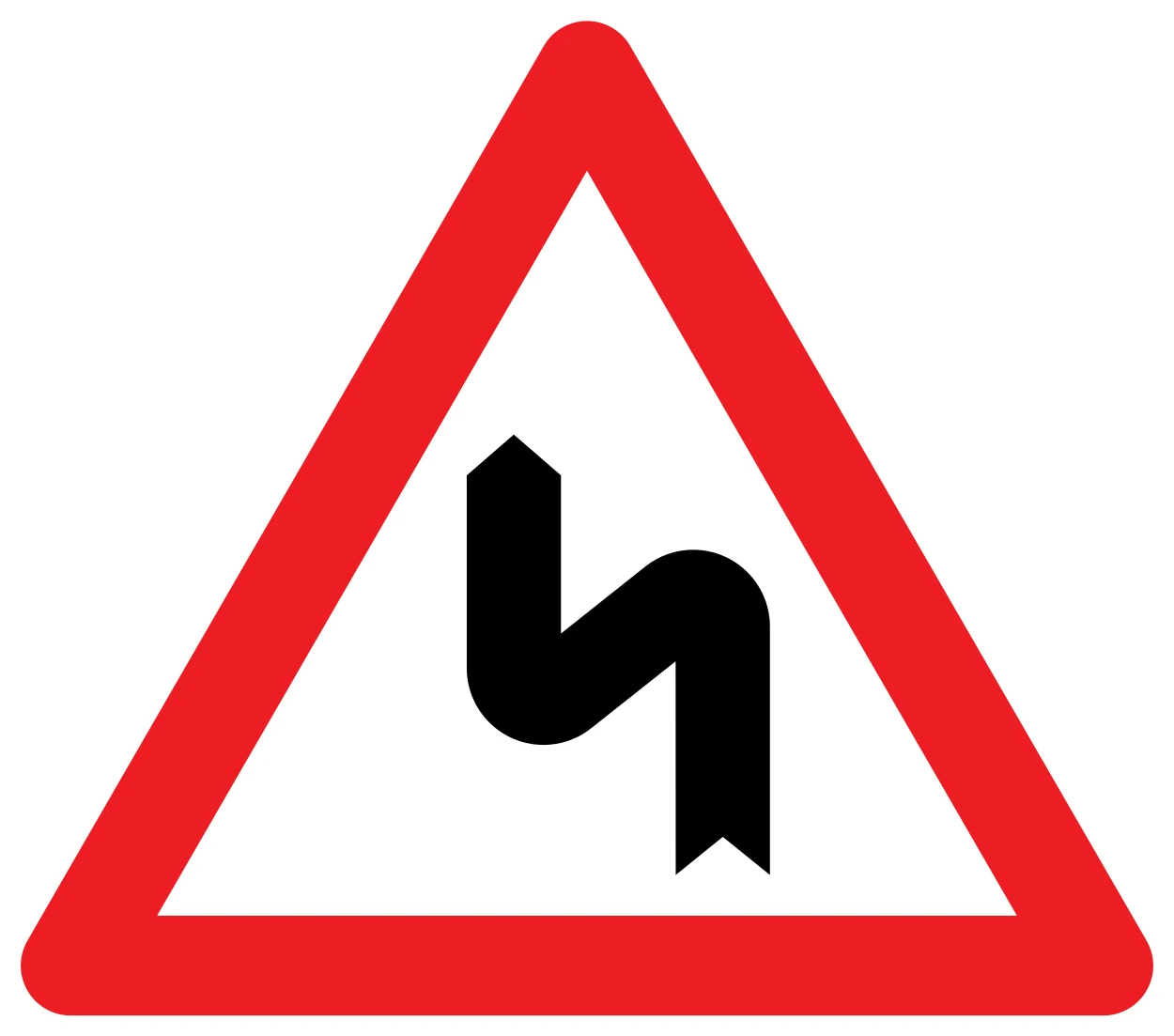
Beware of the double bend, starting with a turn to the left (A1c)
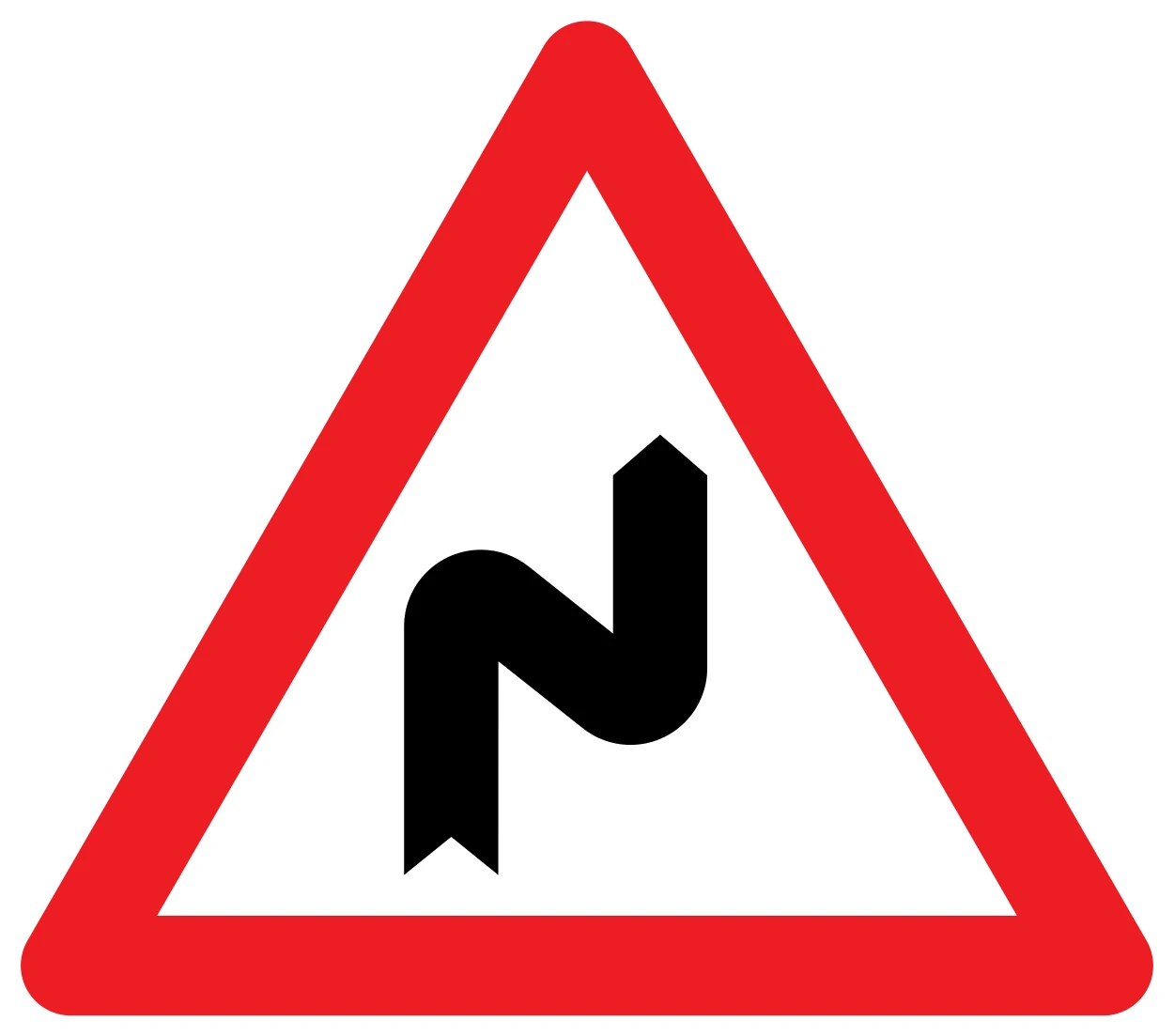
Navigate Safely: Understand the A1d Double Bend, First to the Right Sign
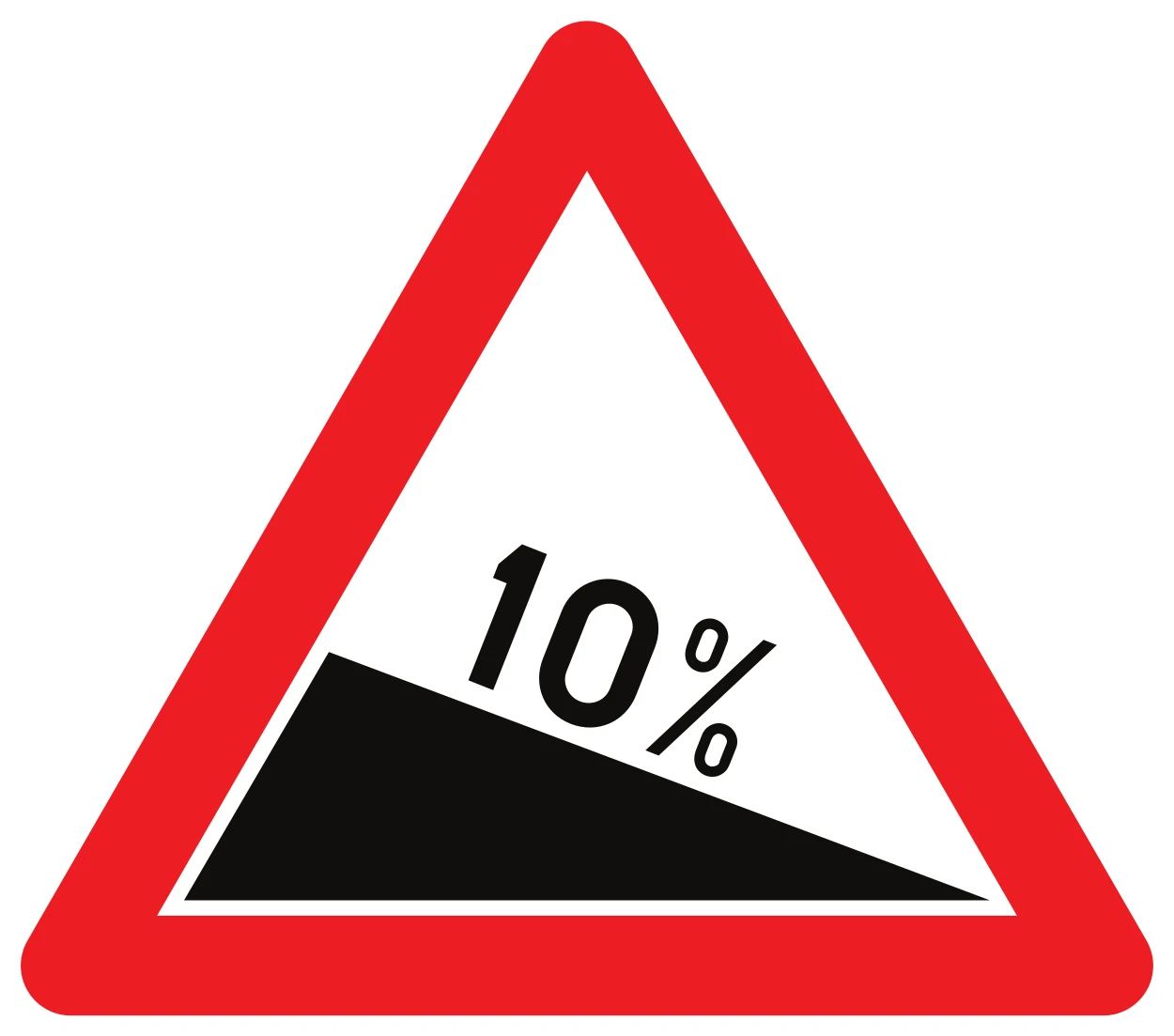
Warning: Steep Descent Ahead - Slow Down and Prepare!
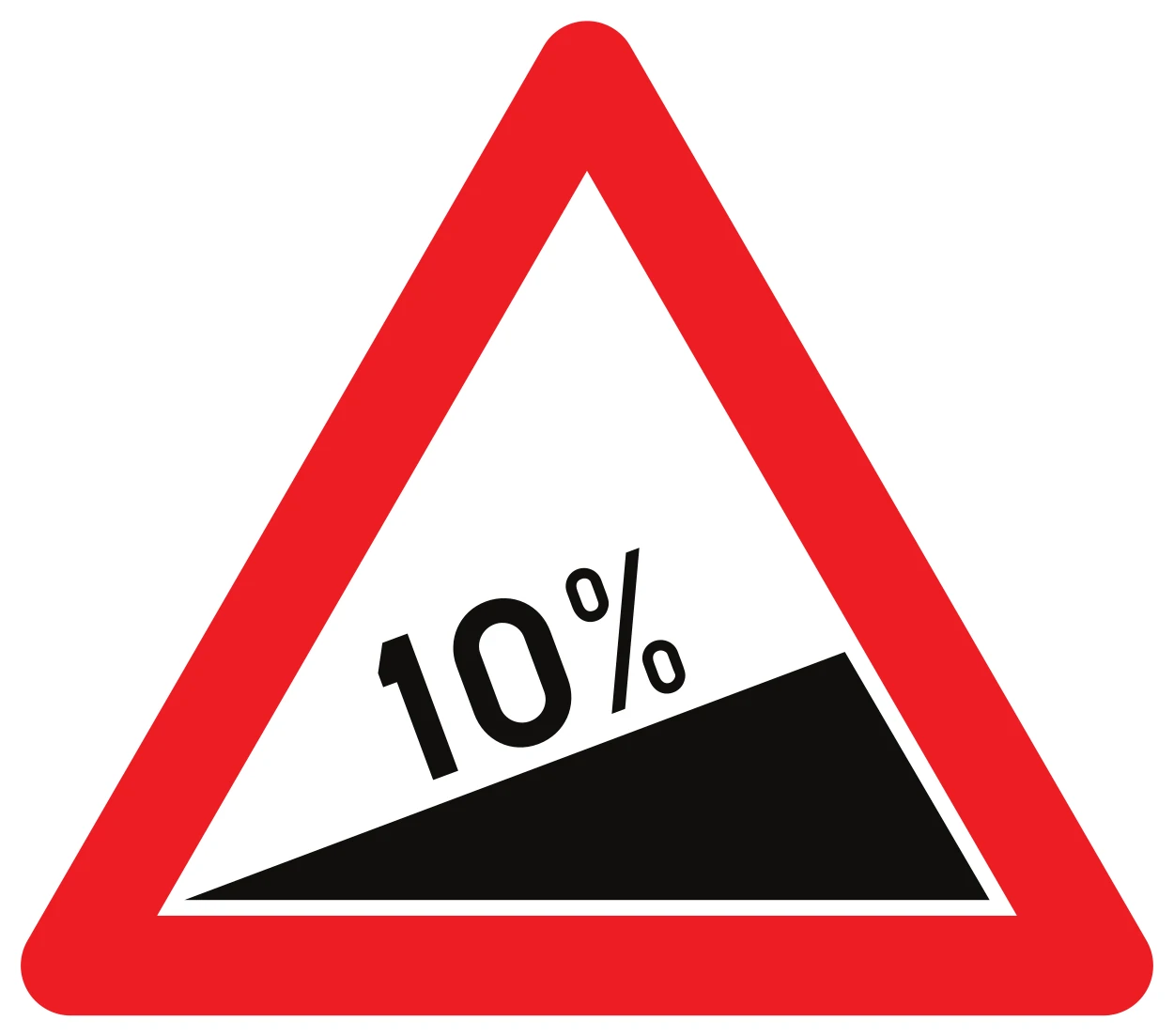
Prepare for a Steep Ascent with Belgian Warning Sign A5
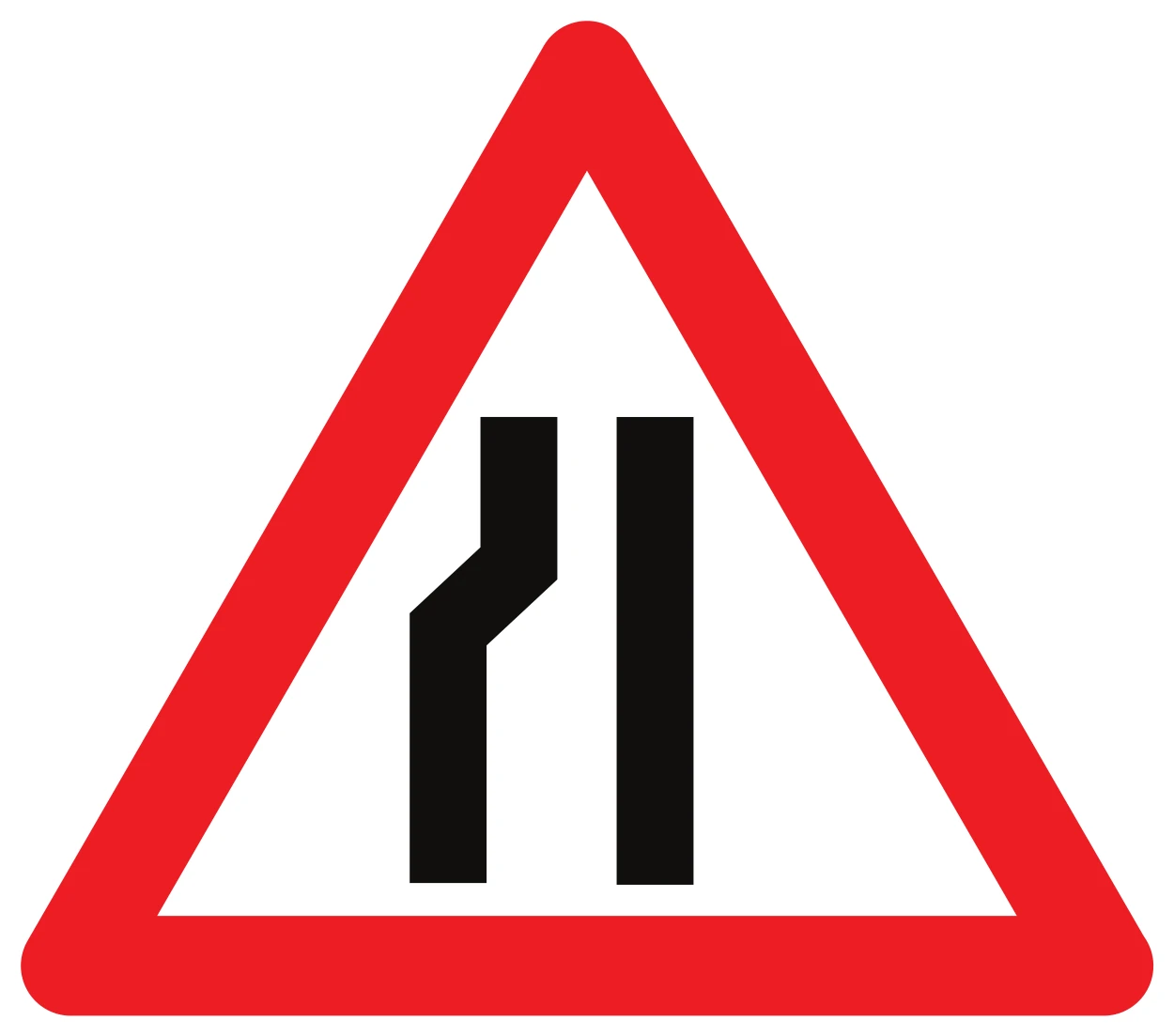
Prepare for a Road Narrowing on the Left with Sign A7b
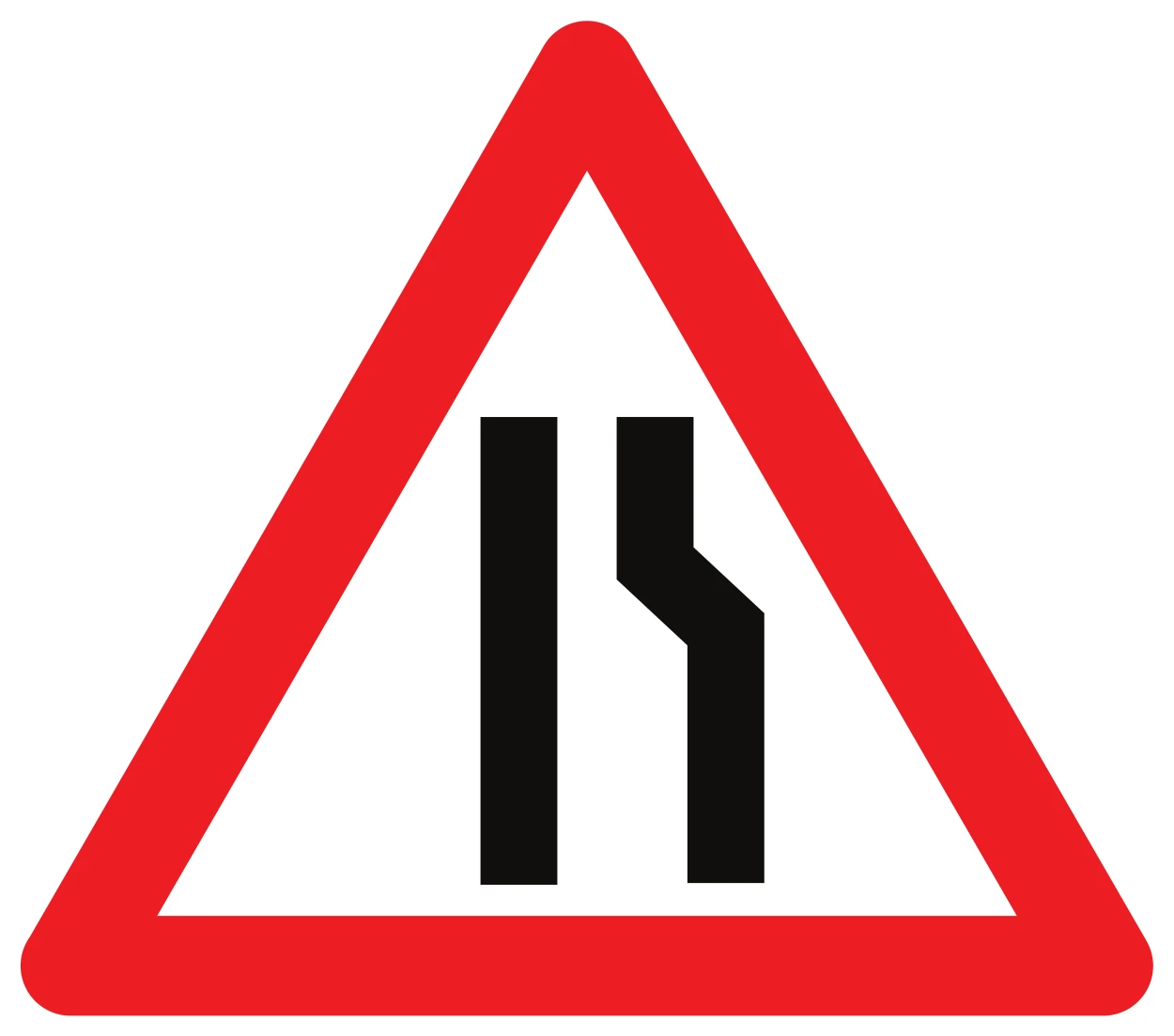
Prepare for a narrowing road ahead with the Belgian A7c warning sign.
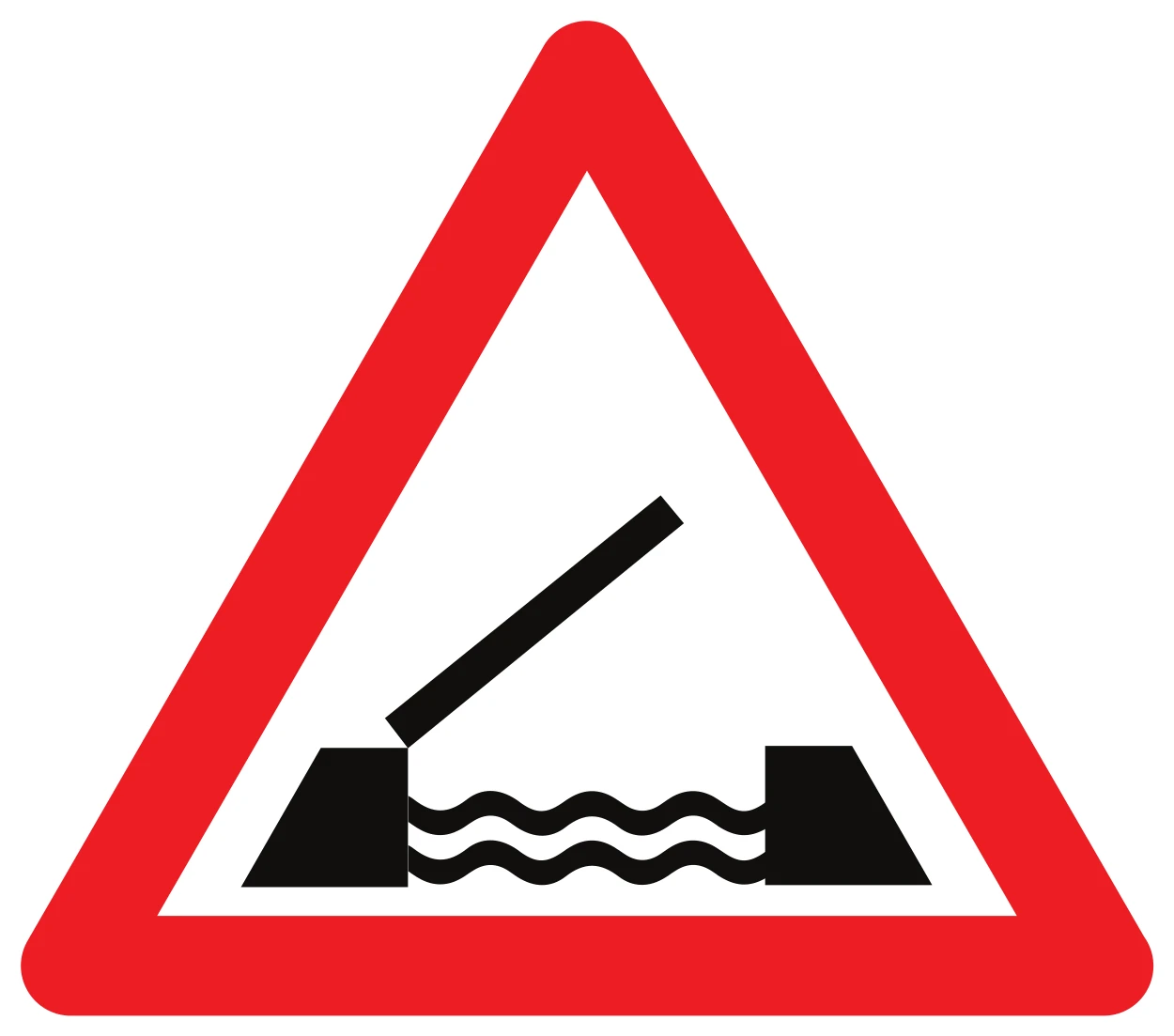
Prepare for an Opening Bridge with Belgium's A9 Warning Sign

Warning: Prepare for Quayside or Riverbank with Belgian Sign A11

Prepare for an uneven road surface with the Belgian A13 warning sign.

A14 Road Bump Sign: Slow Down for Uneven Surfaces

Beware of slippery roads ahead with the Belgian A15 warning sign!
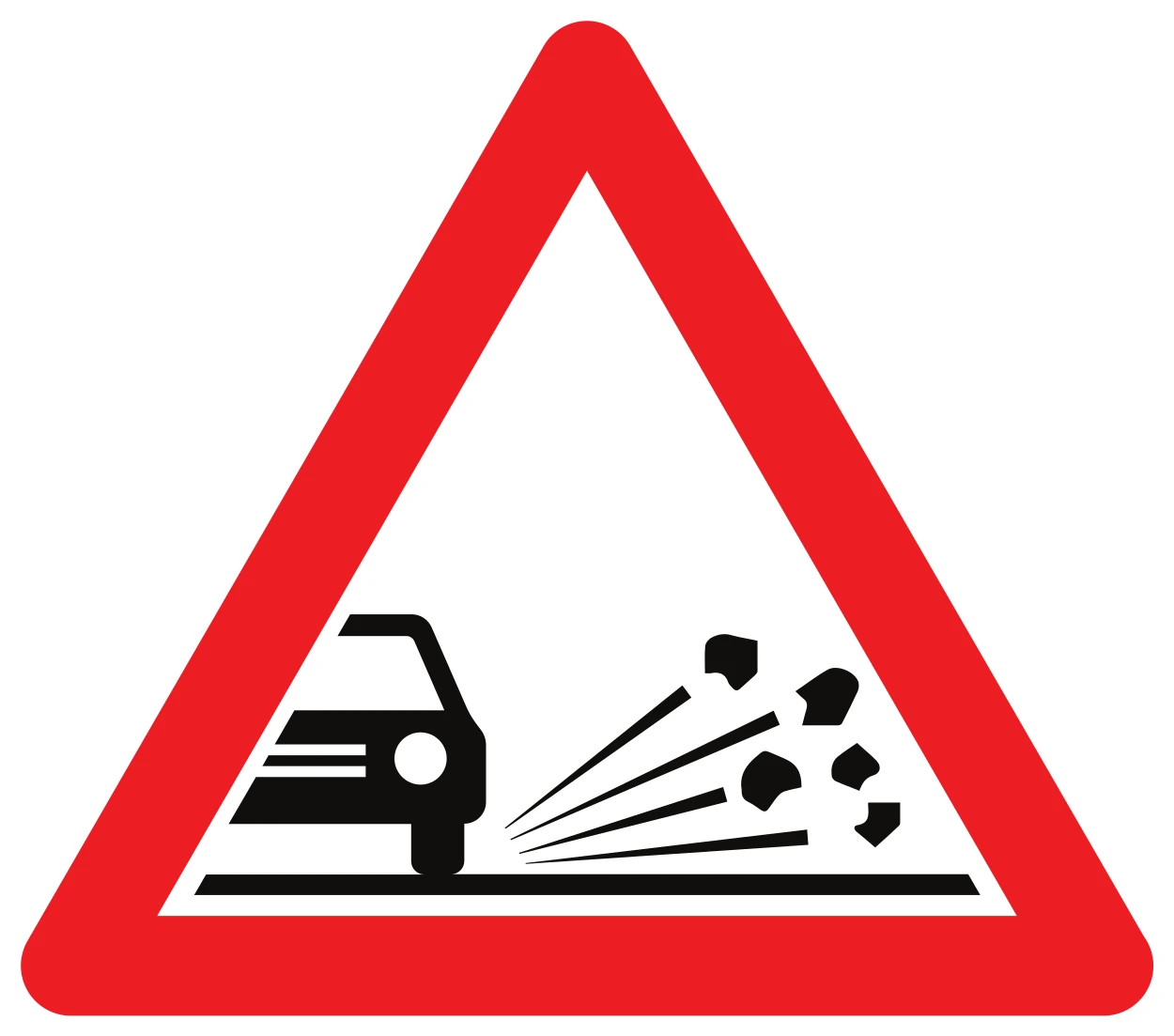
Prepare for Loose Surfaces with Belgian Warning Sign A17
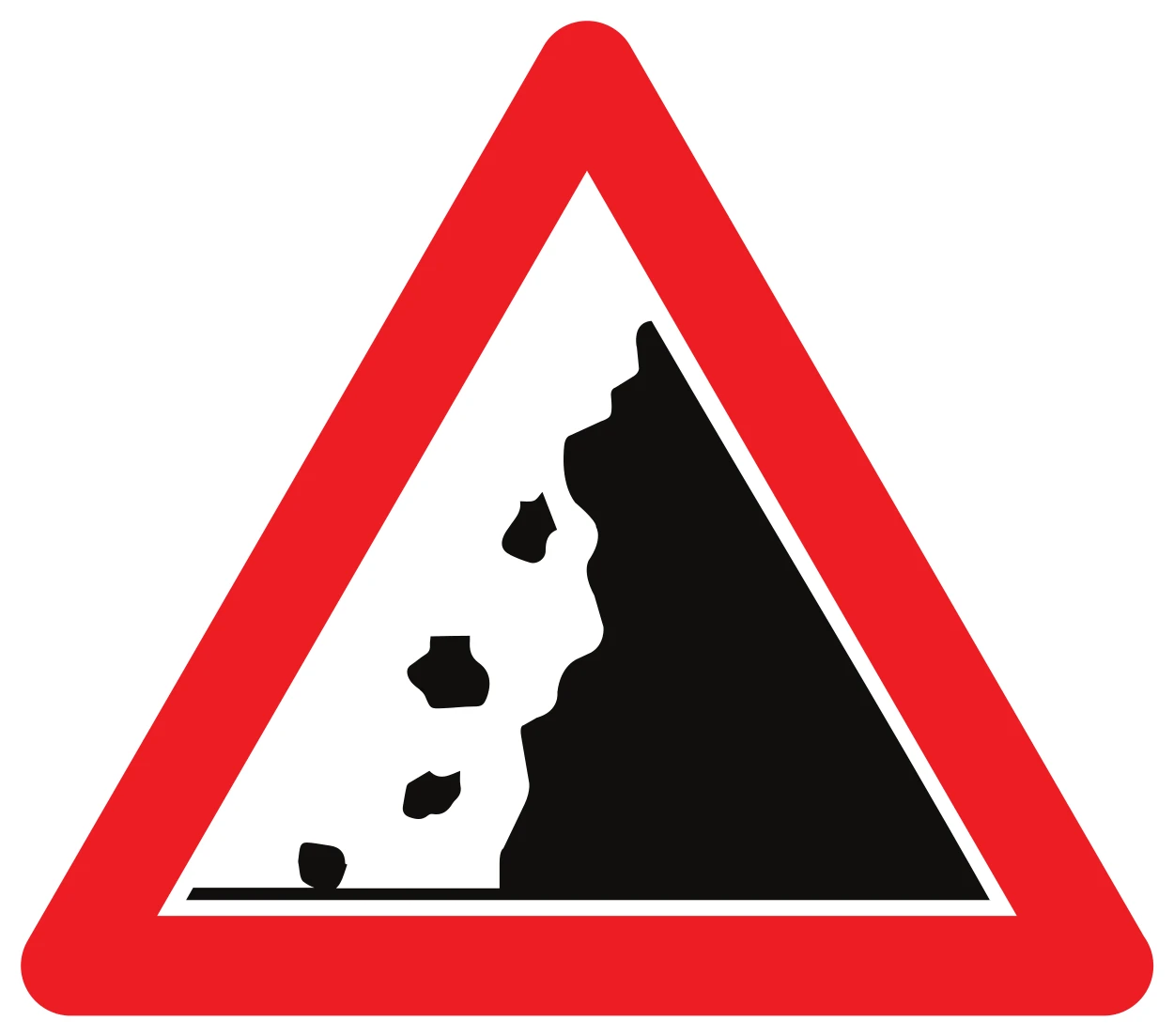
Prepare for falling rocks with Belgian warning sign A19.
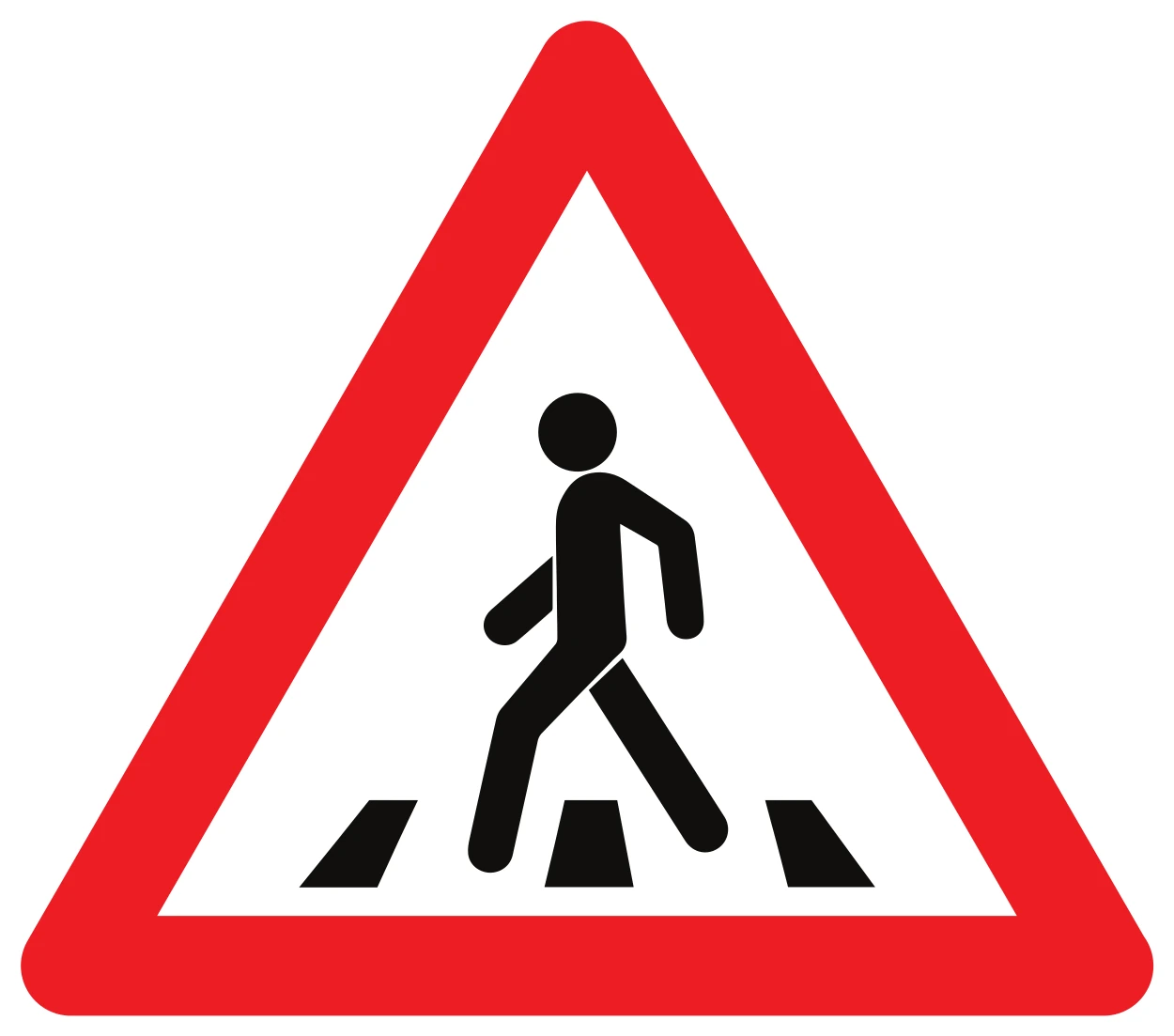
Belgian A21 Sign: Prepare for Pedestrians Crossing the Road
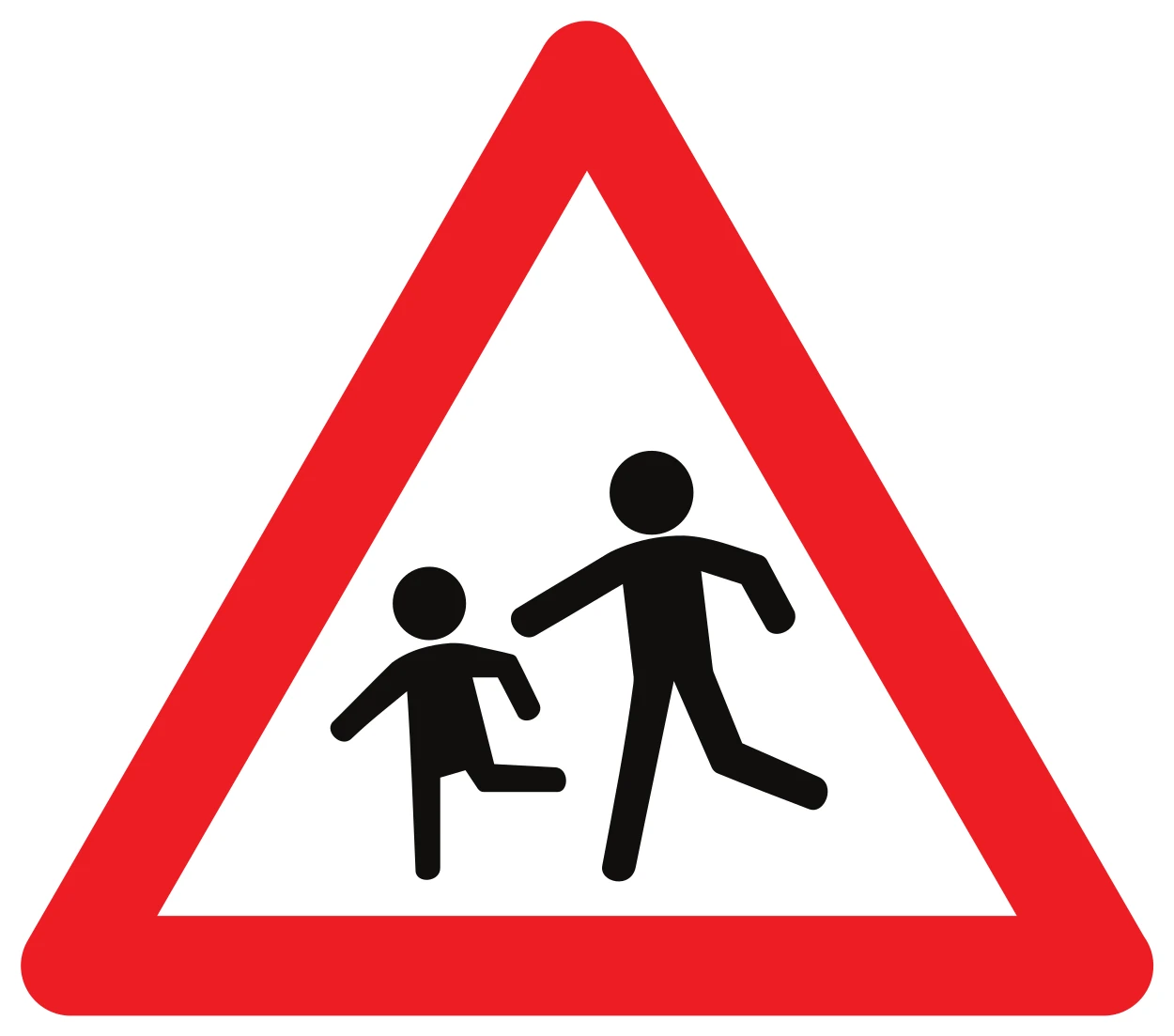
Watch out for children with the Belgian A23 warning sign!
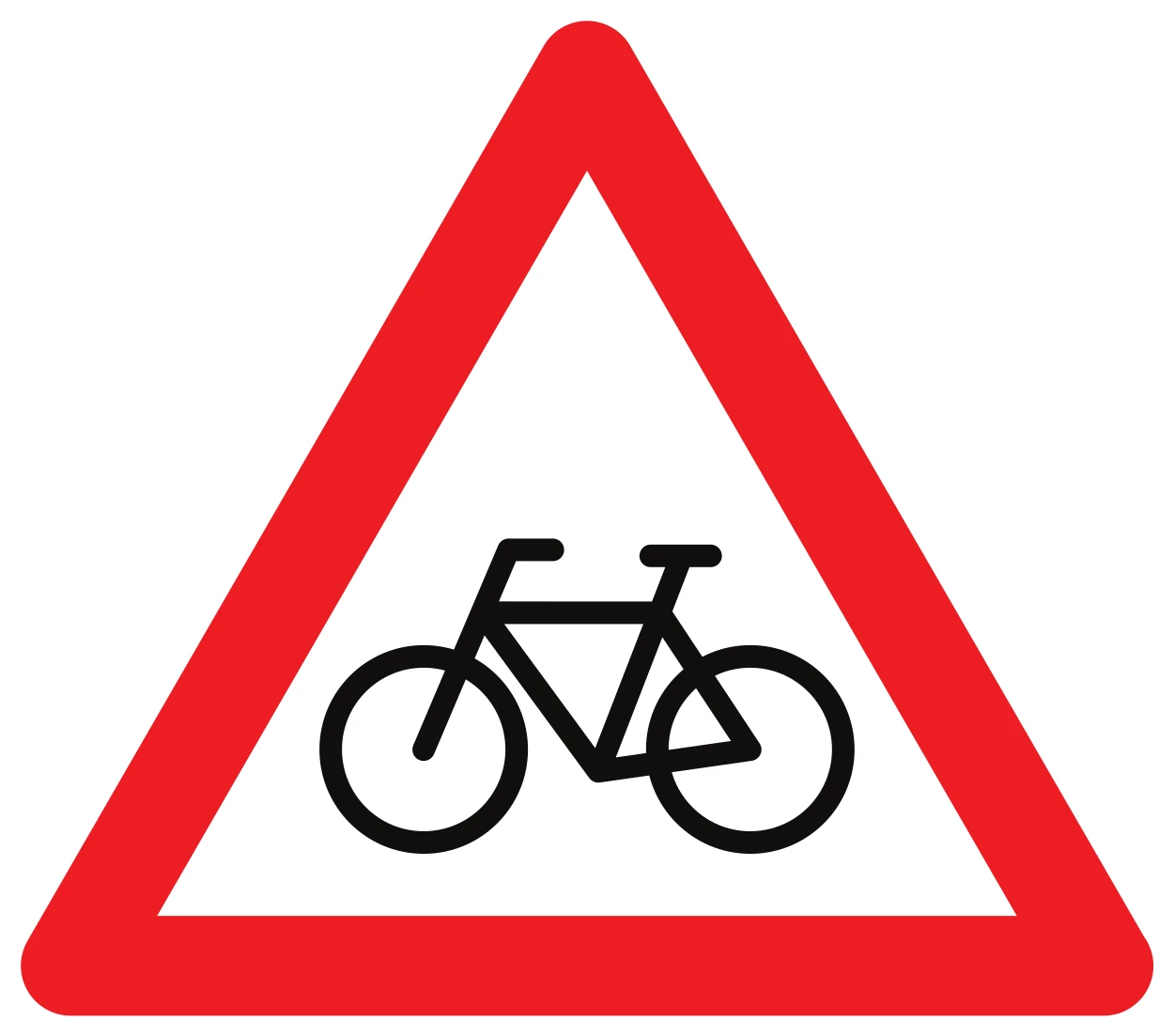
Watch out for cyclists with the Belgian A25 warning sign!
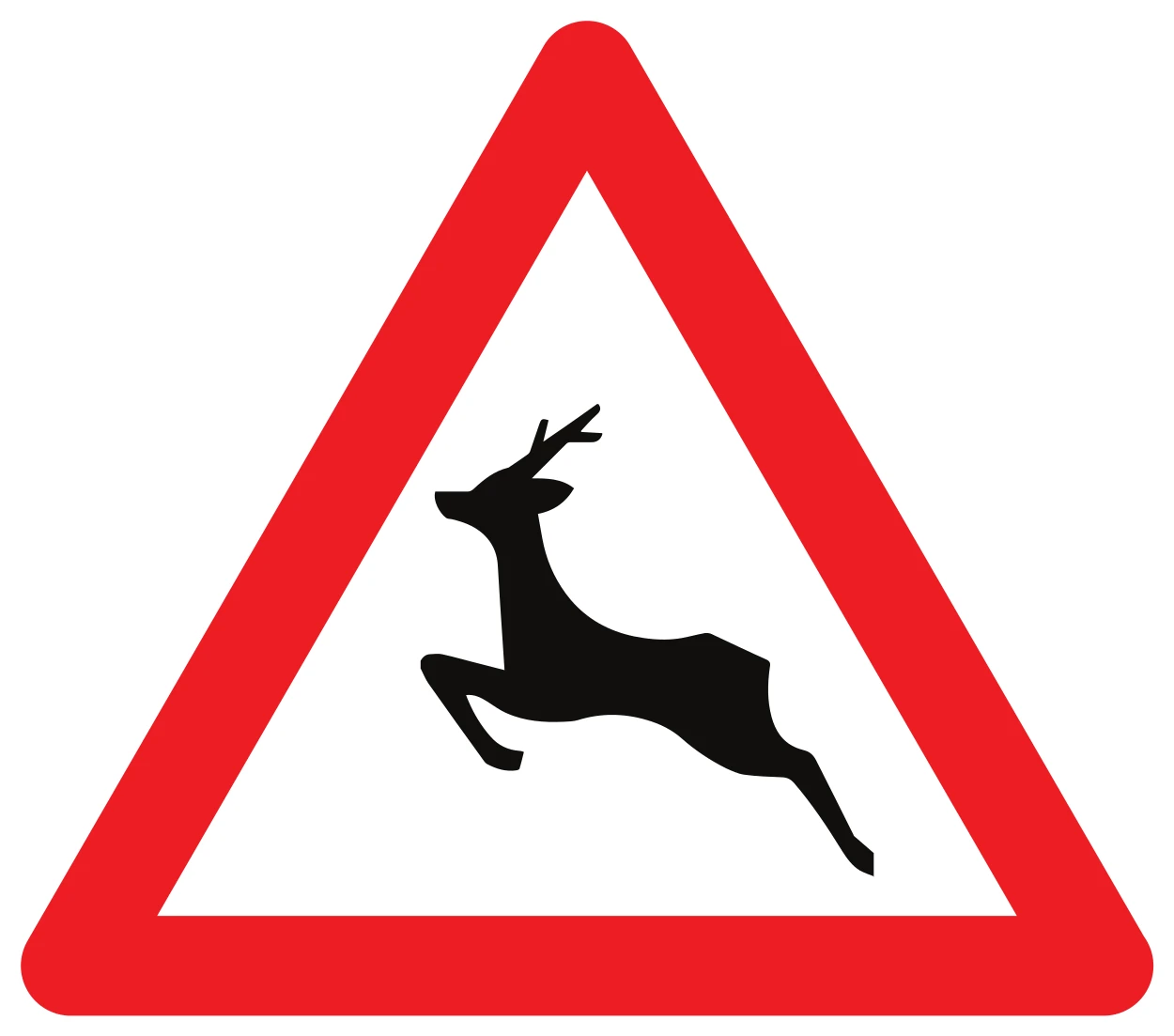
Watch out for deer crossing ahead with the Belgian A27 warning sign!
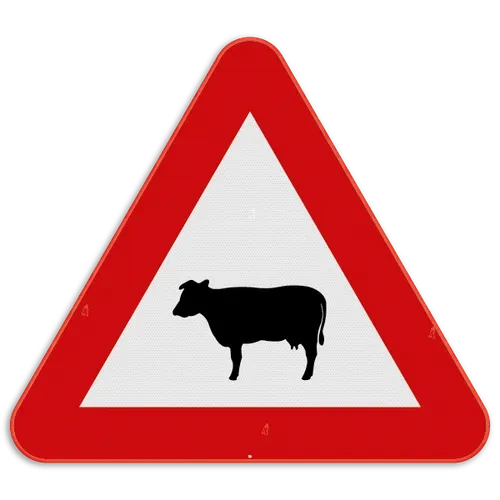
Slow down for cattle crossing ahead with Belgian warning sign A29
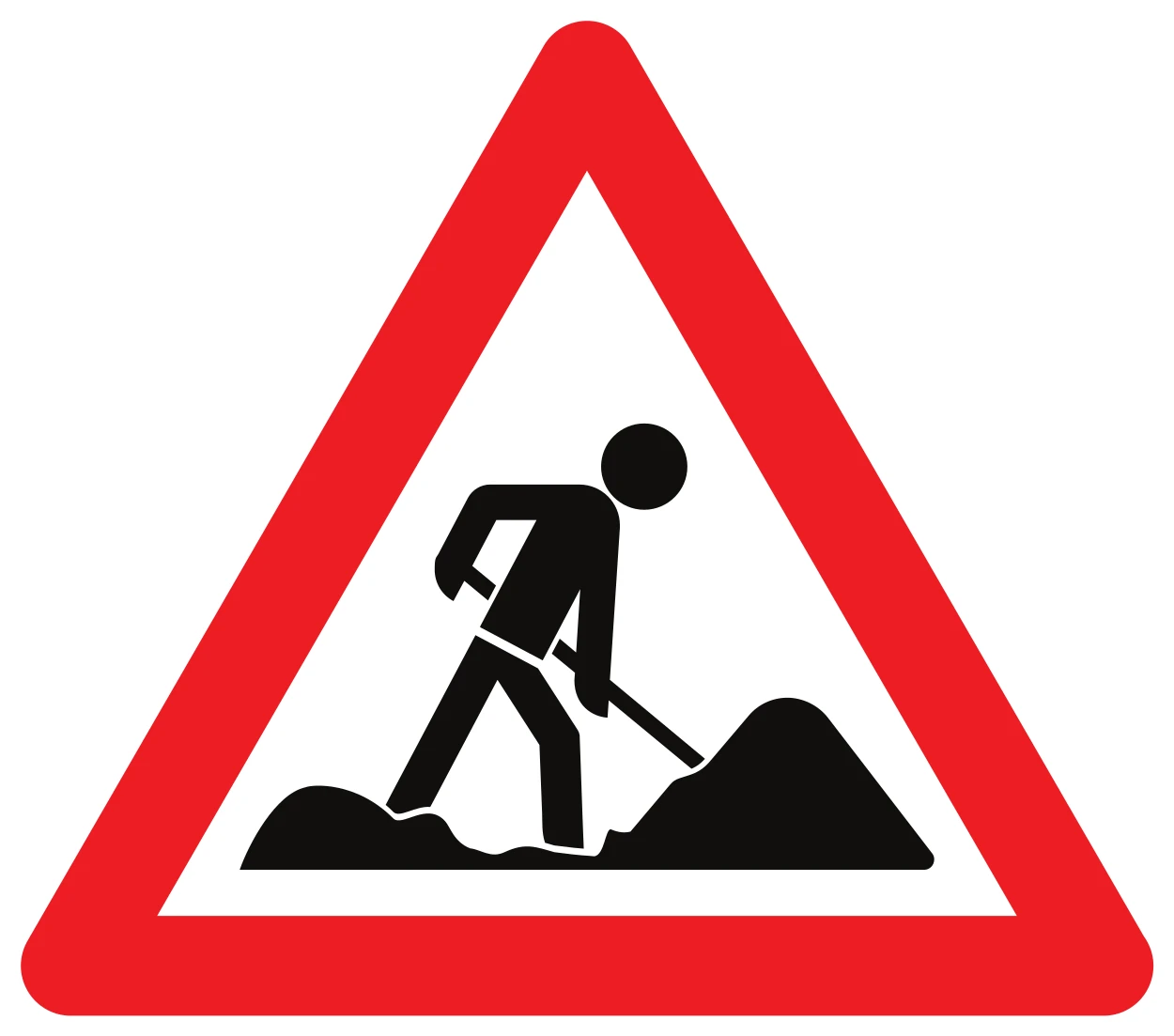
Prepare for Roadworks Ahead with the Belgian A31 Warning Sign
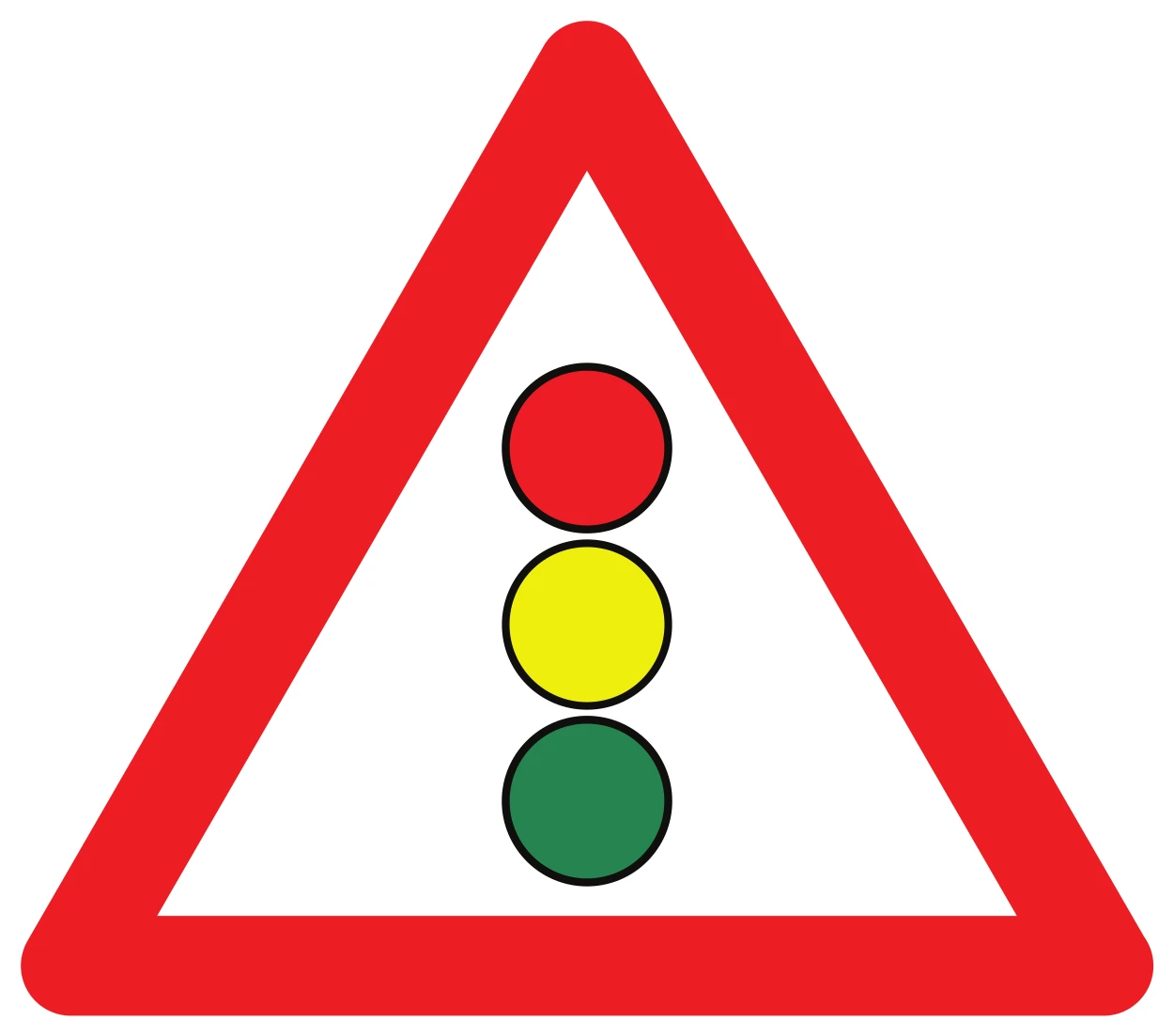
Belgian Sign A33: Prepare for Traffic Signals Ahead
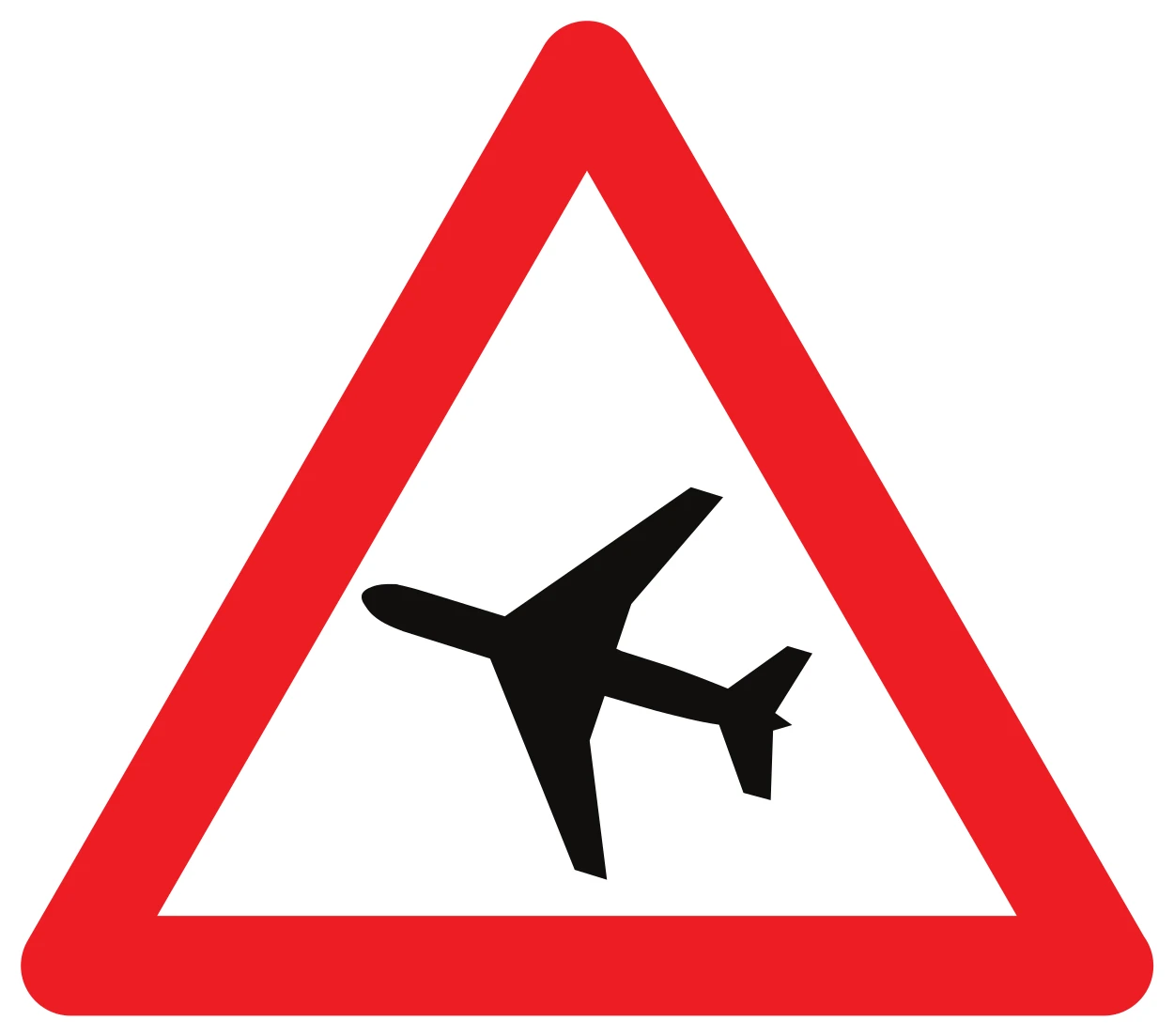
Prepare for low-flying aircraft with the Belgian A35 warning sign.
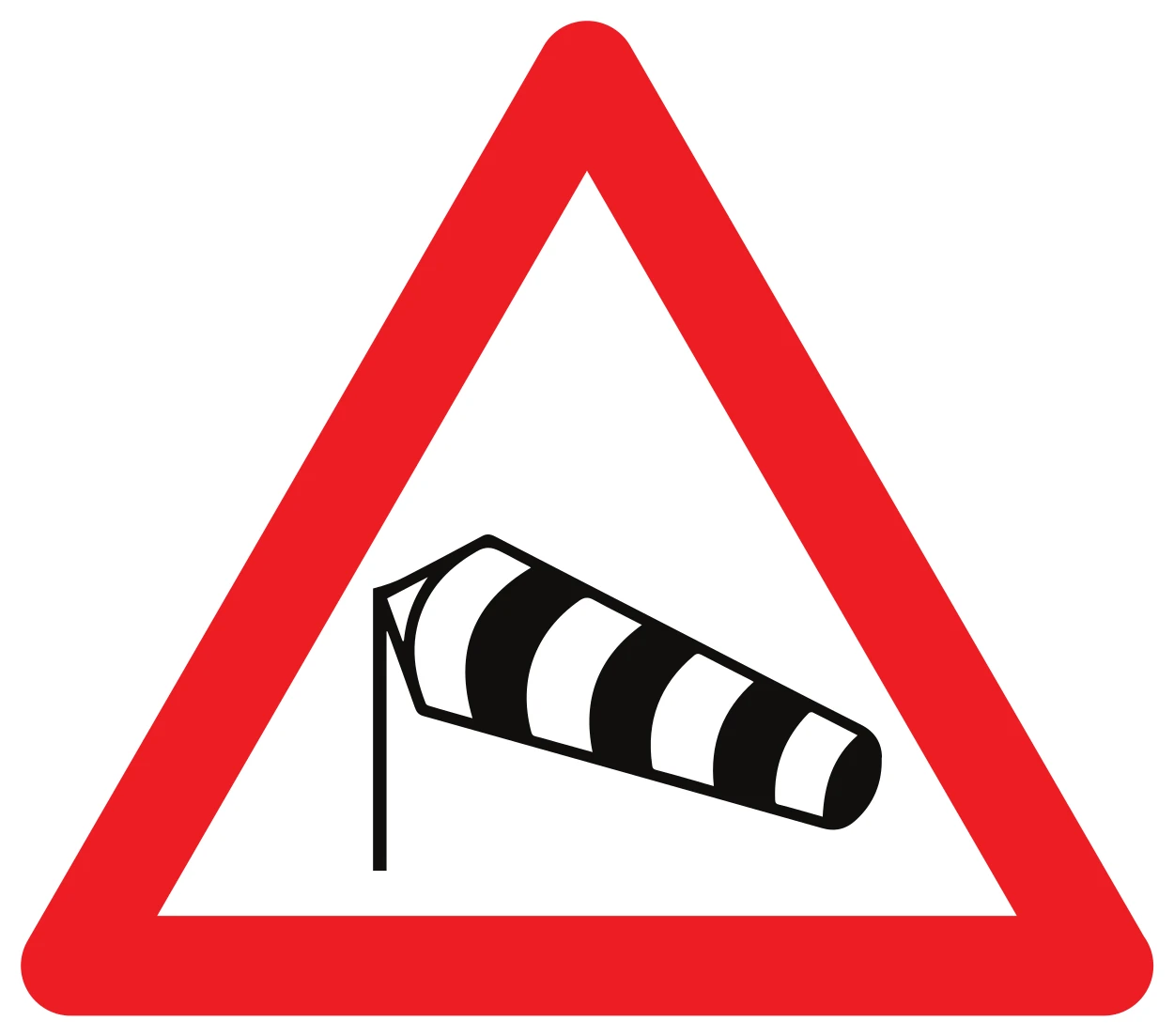
Beware of Crosswinds with Belgian Warning Sign A37
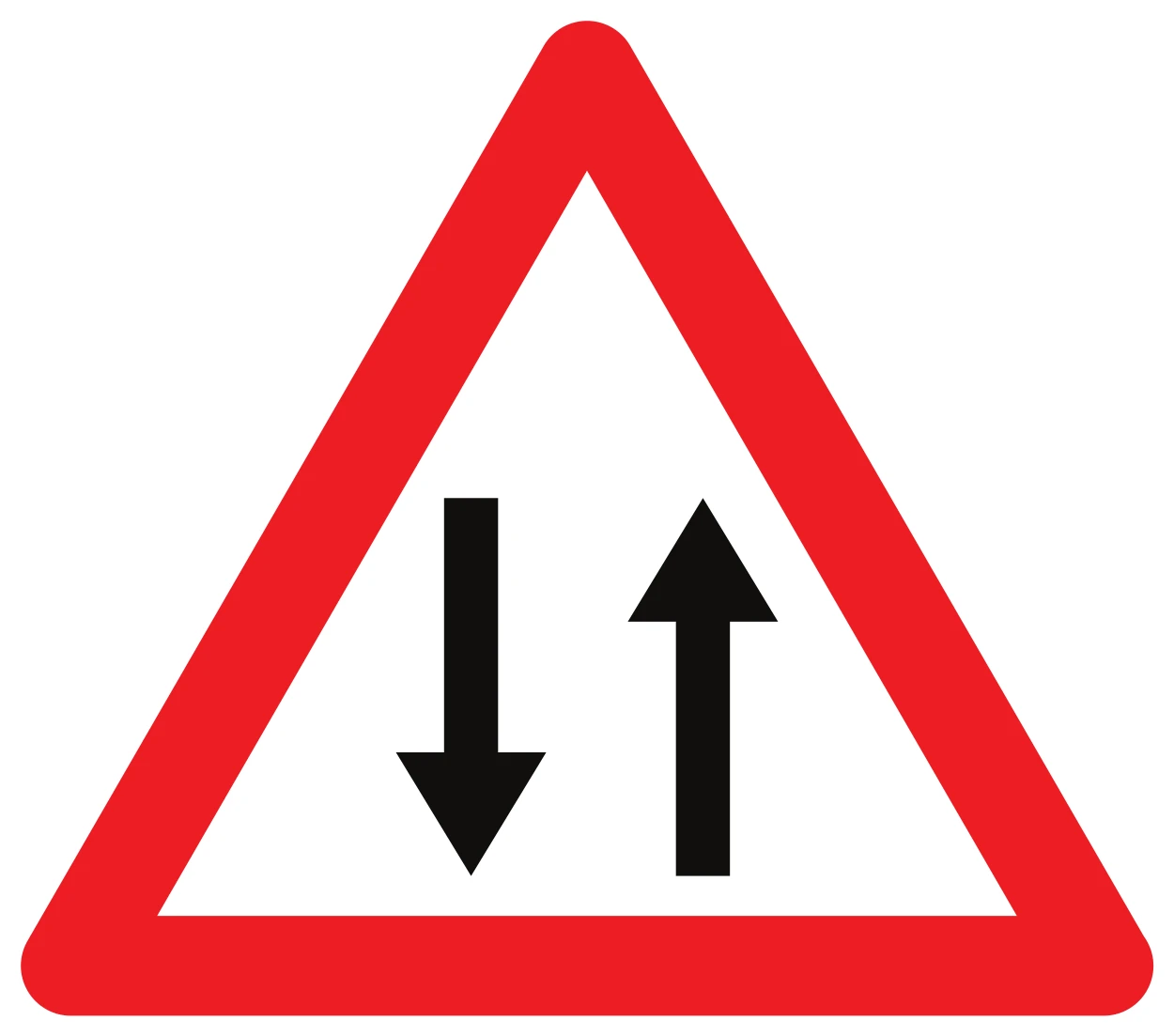
Prepare for Two-Way Traffic with Belgian Warning Sign A39
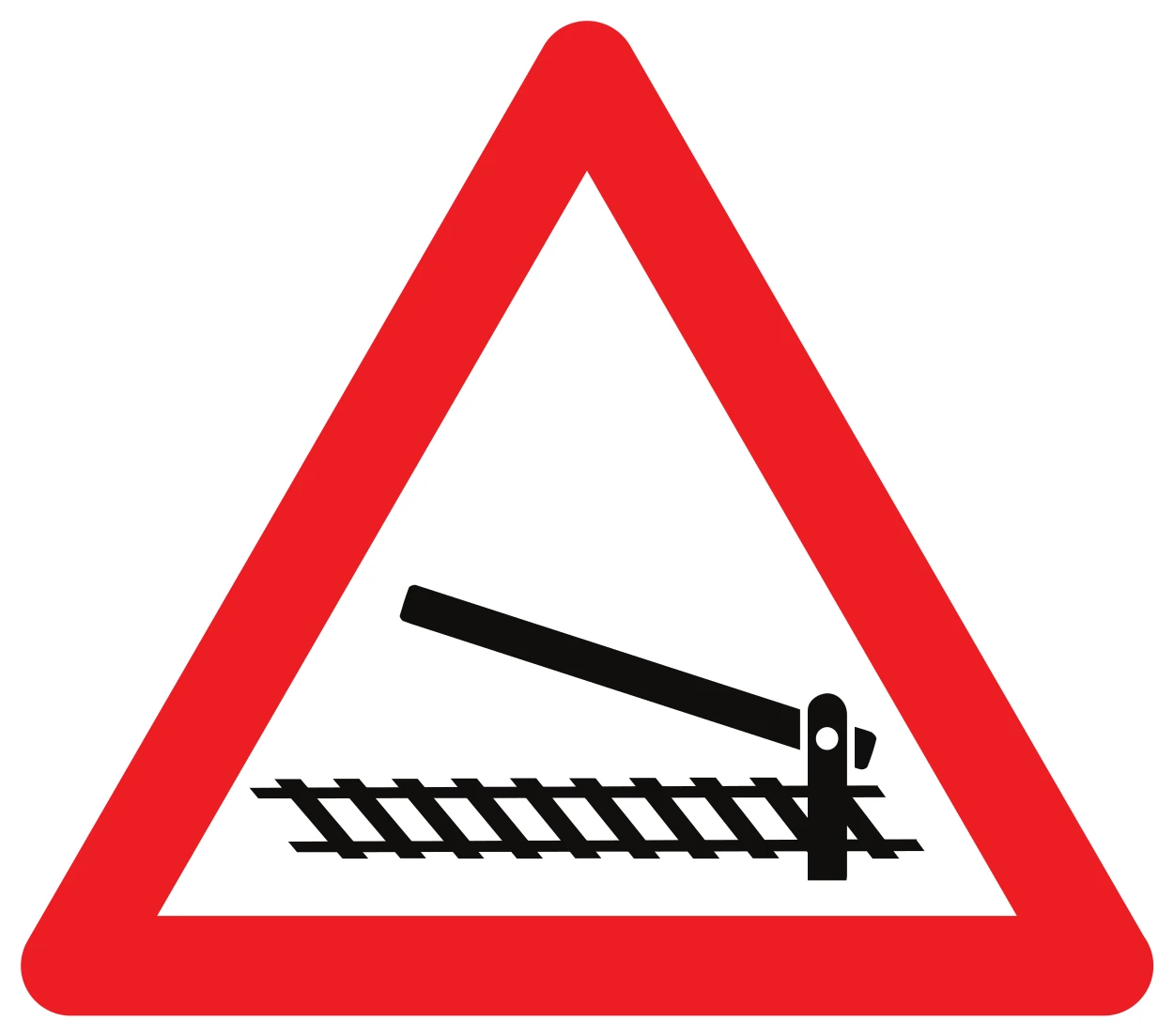
Prepare for railroad crossings ahead with gates or barriers using the A41 warning sign.
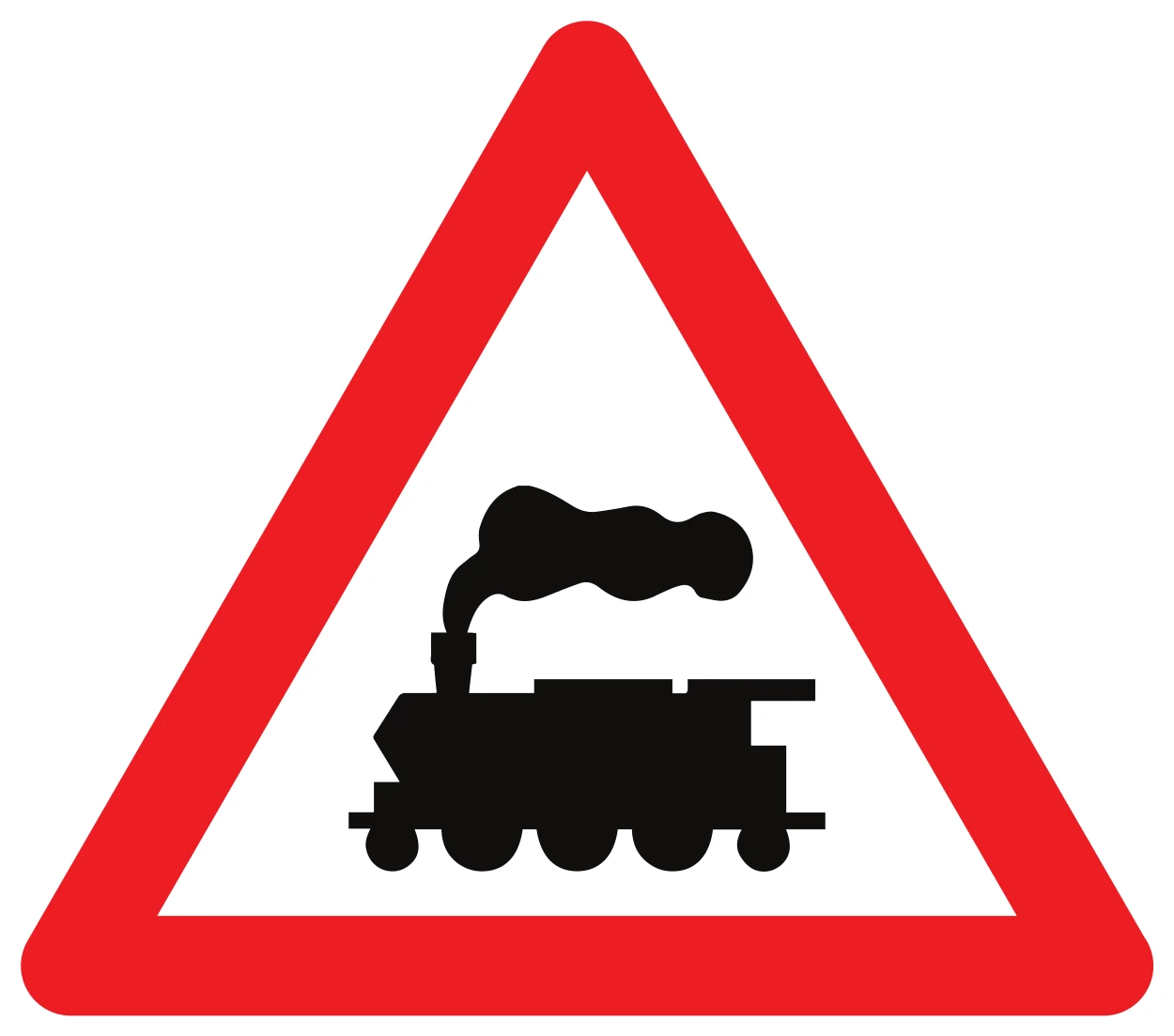
Prepare for unguarded railroad crossings ahead with Belgian warning sign A43.

Prepare to cross single-track railroad crossings safely with the Belgian A45 warning sign.

Prepare for Railroad Crossings with Multiple Tracks using Sign A47
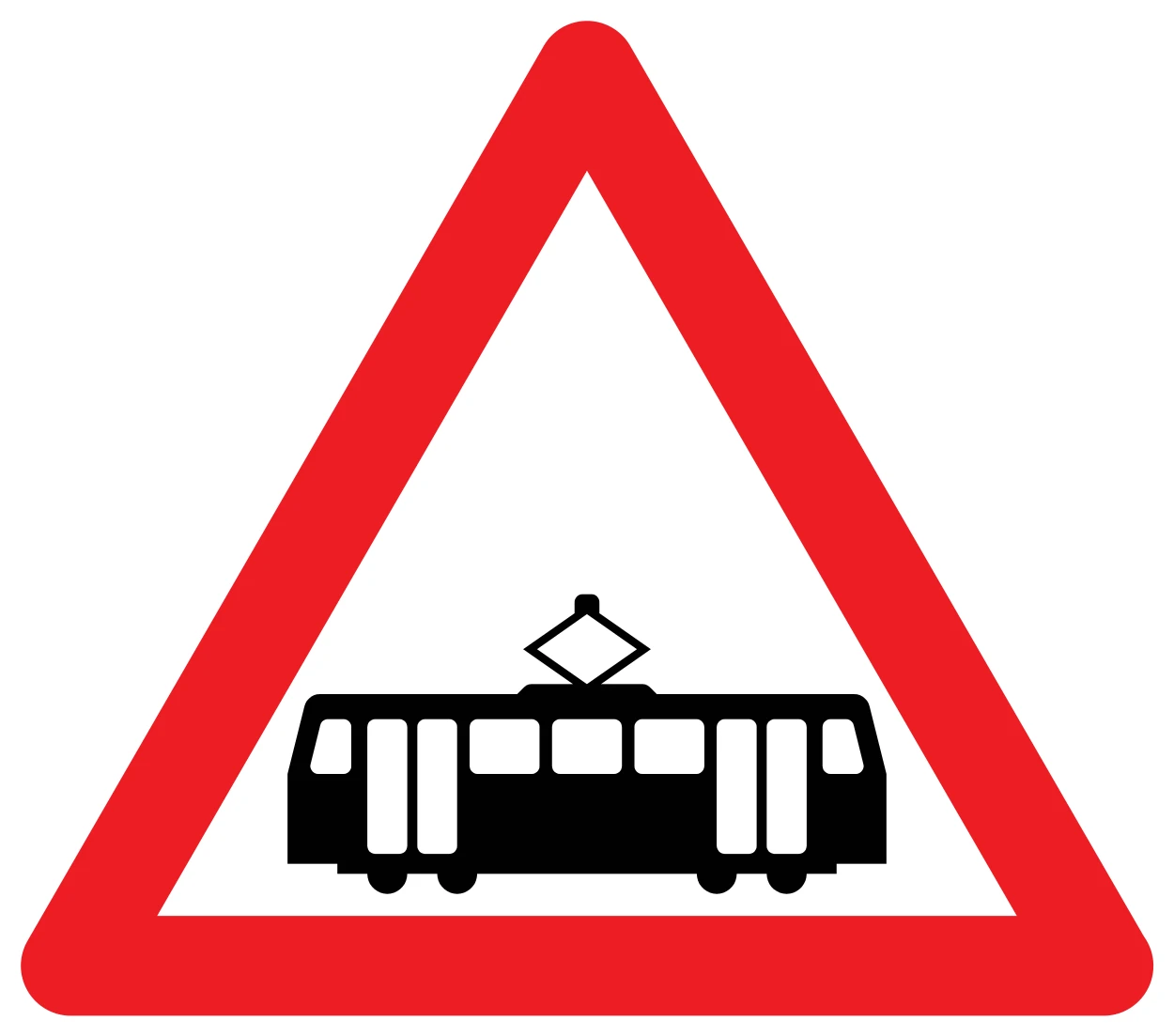
Prepare for a tramway crossing with the Belgian A49 warning sign.
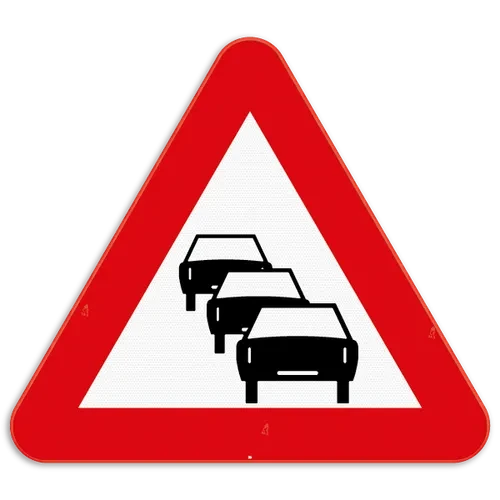
Prepare for traffic queues ahead with the Belgian A50 warning sign.
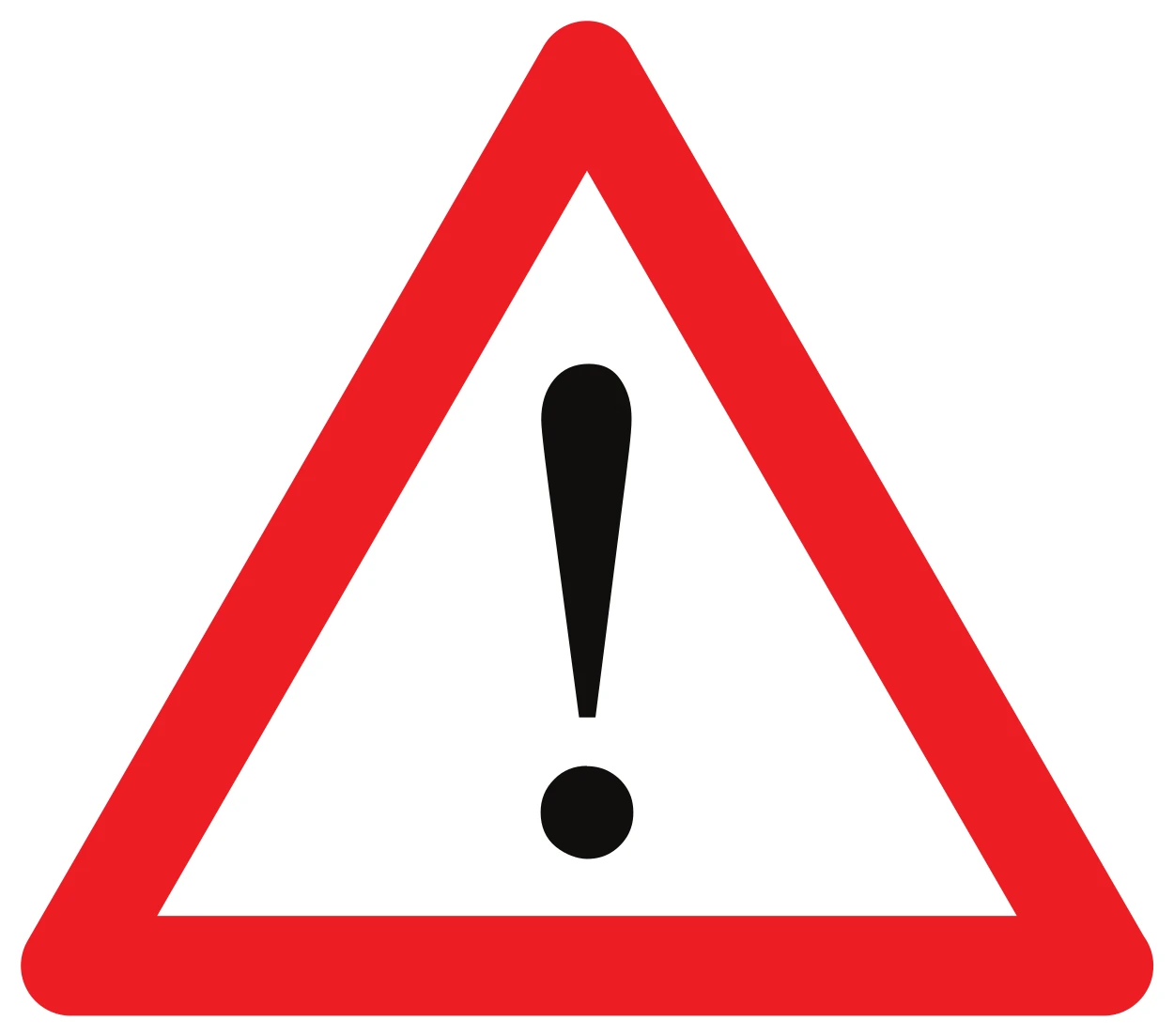
Belgian A51 Sign: Prepare for Unexpected Hazards on the Road
Clear answers to common questions about the Belgian Warning Signs road sign category. Use this FAQ to review tricky rules, understand how these signs appear in exam scenarios, and remove confusion that often leads to mistakes in the Belgian driving theory exam in Belgium.
Belgian warning signs are a specific category within the broader system of warning signs used in Belgium. While the core purpose of warning signs is universal—to alert drivers to potential hazards—these specific signs are designed according to Belgian regulations and often feature specific symbols or layouts relevant to Belgian road conditions. For your theory test, it's important to know the specific meanings and implications of signs within this defined group.
The distance at which warning signs are placed before the hazard can vary depending on the type of hazard and the road environment (e.g., urban vs. rural). Generally, signs for more significant or faster-developing hazards, such as sharp bends or railway crossings, will be placed further in advance than those for less critical situations. Always be prepared to encounter the hazard shortly after seeing the sign, especially on faster roads. The theory test might ask about typical distances, so familiarize yourself with them.
When multiple warning signs appear together, it indicates a complex or compounding situation that requires your full attention. You should heed each sign's warning. For example, seeing a 'Road narrows' sign followed by a 'Bend to the right' sign means you should be prepared for both a reduced carriageway width and a subsequent rightward curve, likely requiring a slower speed and careful steering.
Yes, one common area of confusion in exams relates to distinguishing between similar signs, like 'Road narrows on the left' (A7b) versus 'Road narrows on the right' (A7c), or understanding the implications of different railway crossing signs. Another trap can be assuming a warning sign implies an immediate, drastic action; often, it's about early anticipation and preparing to adjust. Always read the question carefully and consider the specific hazard each sign warns about.
While most warning signs indicate that a speed reduction may be necessary for safety, they don't always impose a mandatory lower speed limit unless accompanied by a speed limit sign. The warning sign alerts you to a potential hazard, and it is your responsibility as a driver to assess the situation and adjust your speed accordingly to maintain safe control. For example, a 'Slippery road' sign (A15) requires you to slow down, but the exact speed you choose depends on the severity of the slipperiness and your vehicle's capability.
Navigate each road sign category to deepen your understanding of Belgian traffic rules. Focus on warning, regulatory, or informational signs. This structured pathway helps solidify your knowledge for the driving theory exam. Explore specific sign groups now to boost preparation.
Explore Road Sign Categories