
Understand the core principles of Belgian road law, including the Code de la route/Wegcode, driver responsibilities, and legal requirements. Prepare thoroughly for your theory exam and ensure safe, compliant driving across Flanders, Wallonia, and Brussels.
Deepen your understanding of the Belgian Wegcode and Code de la route to master priority situations, motorway conventions, and critical urban driving requirements. These detailed resources ensure you are fully prepared for the official theory test and the realities of driving in Belgium.
Understanding when to activate your hazard lights—or 'alarmlichten'—is a critical component of Belgian traffic law and your preparation for the official theory exam. This guide explains the specific circumstances under which these lights are required, debunks the myth that they grant permission to park illegally, and outlines the unique conventions regarding funeral processions.
The Belgian theory exam is designed to test your precise knowledge of the Highway Code, making it easy for rushed candidates to fall into hidden traps. This article breaks down the technical logic behind questions regarding speed limits in Flanders, Wallonia, and Brussels, the physics of stopping distances, and the correct interpretation of reserved lanes. Learning to identify these tricky patterns will help you approach your test center appointment with confidence and clarity.
Belgian turbo roundabouts, known as 'turborotondes', have a distinct design that enhances safety. This article will guide you through the essential rules, emphasizing the non-negotiable need to select your lane upon approach. Understanding this concept is crucial for both safe driving in Belgium and for passing your theory test.
Explore essential Belgian traffic rules and regulations articles covering driver responsibilities, legal requirements, and official procedures. Gain confidence for your theory test with expert explanations on priority situations, speed limits, and road markings specific to Belgium.
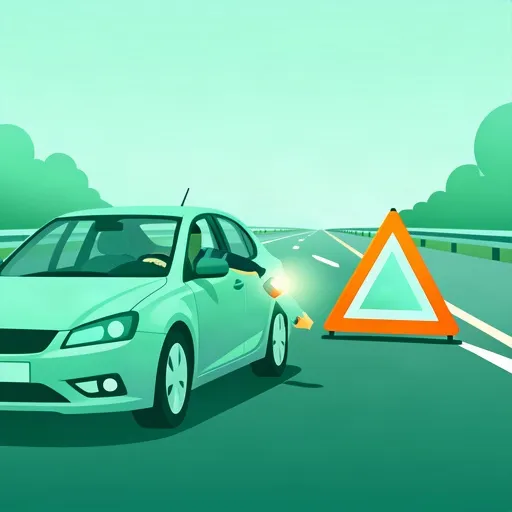
Understanding when to activate your hazard lights—or 'alarmlichten'—is a critical component of Belgian traffic law and your preparation for the official theory exam. This guide explains the specific circumstances under which these lights are required, debunks the myth that they grant permission to park illegally, and outlines the unique conventions regarding funeral processions.
Updated on Sep 29, 2026

The Belgian theory exam is designed to test your precise knowledge of the Highway Code, making it easy for rushed candidates to fall into hidden traps. This article breaks down the technical logic behind questions regarding speed limits in Flanders, Wallonia, and Brussels, the physics of stopping distances, and the correct interpretation of reserved lanes. Learning to identify these tricky patterns will help you approach your test center appointment with confidence and clarity.
Updated on Jul 29, 2026
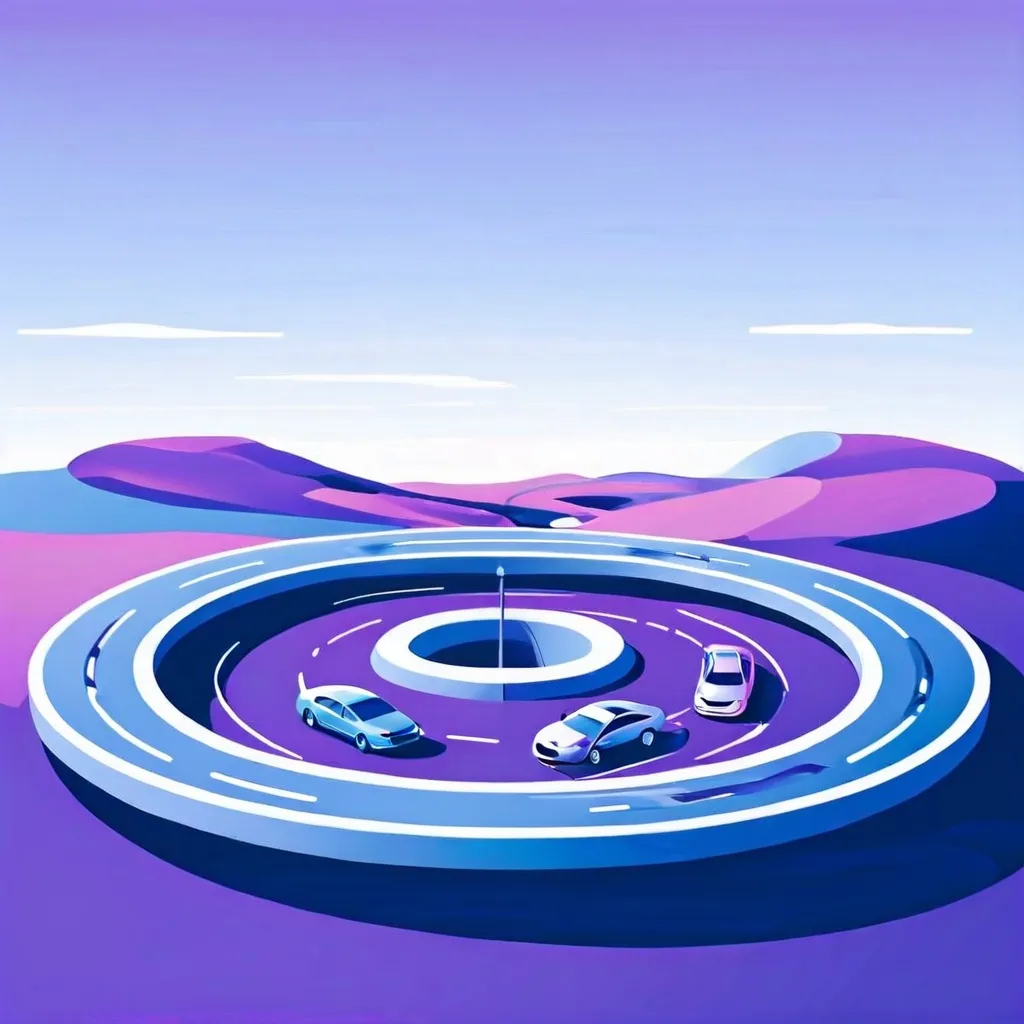
Belgian turbo roundabouts, known as 'turborotondes', have a distinct design that enhances safety. This article will guide you through the essential rules, emphasizing the non-negotiable need to select your lane upon approach. Understanding this concept is crucial for both safe driving in Belgium and for passing your theory test.
Updated on Jul 15, 2026

Although the core Belgian Highway Code is federal, driving in Flanders, Wallonia, and Brussels presents distinct experiences. This article breaks down the key differences in speed limits, road maintenance, and enforcement strategies across these regions. By understanding these nuances, you'll be better prepared for your driving theory exam and safer on Belgian roads.
Updated on Jul 15, 2026
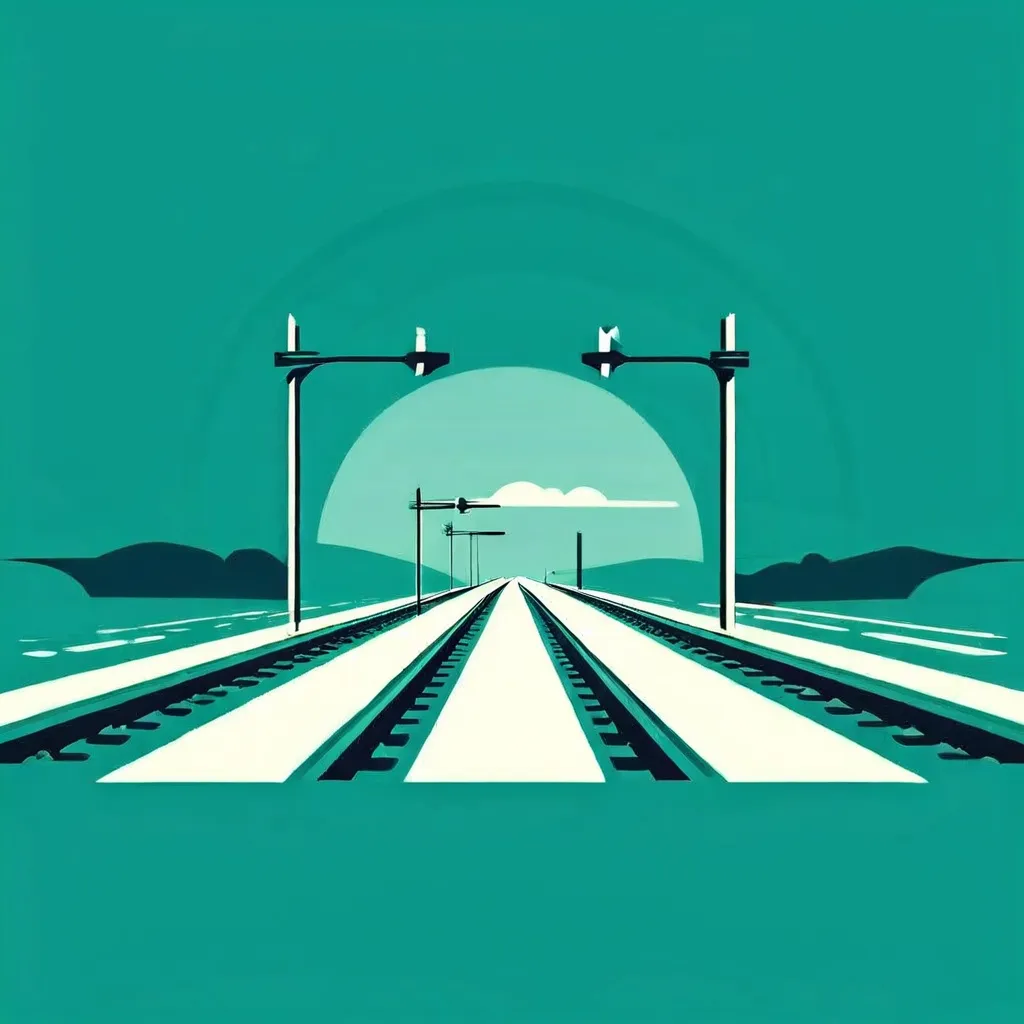
This comprehensive guide explains all you need to know about Belgian level crossings, covering Infrabel's management and various barrier types. You will learn the critical distinction between traffic violations and criminal offenses, particularly regarding the dangerous act of zigzagging around half-barriers. We also outline the crucial steps to take if your vehicle stalls on railway tracks, preparing you for exam questions and real-world driving scenarios.
Updated on Jul 15, 2026
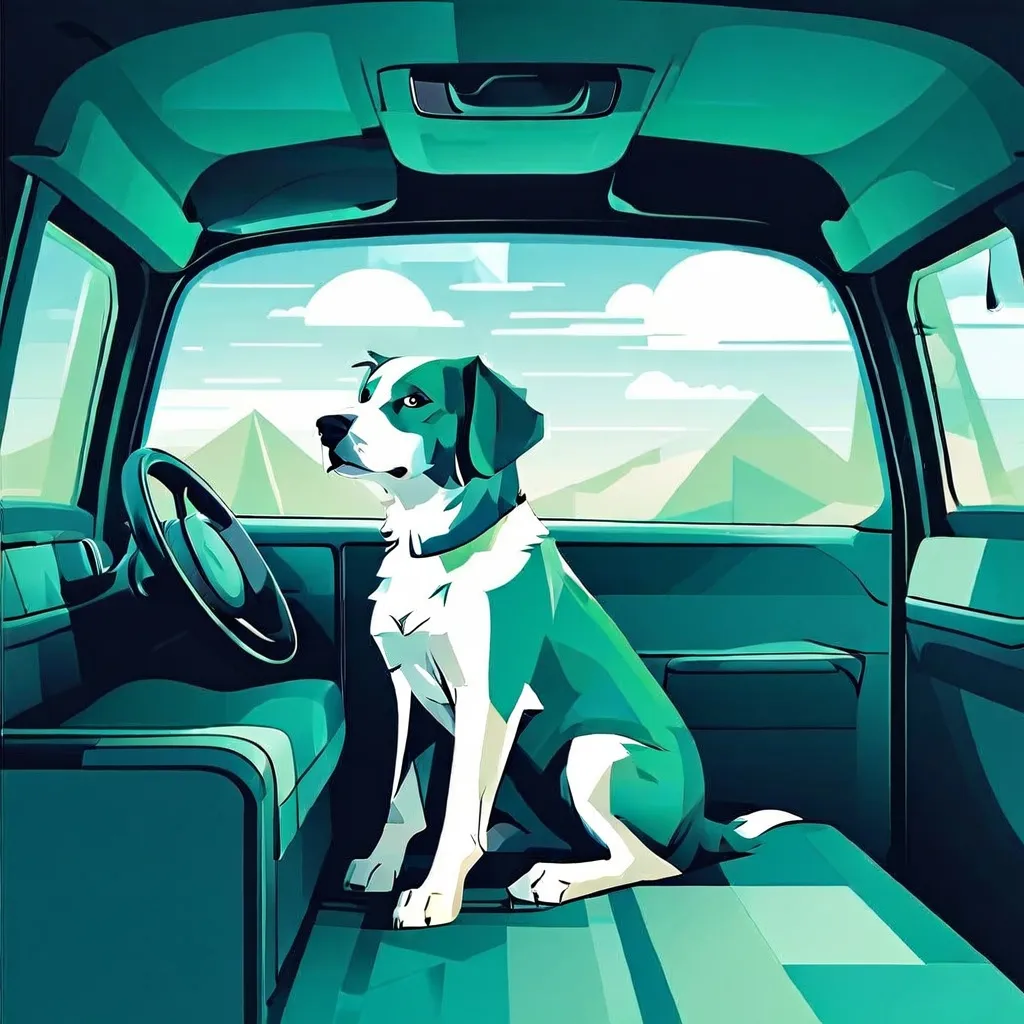
Driving in Belgium requires adherence to specific rules when transporting animals, whether they are beloved pets or commercial livestock. This guide clarifies your responsibilities as a driver, including how to secure pets to prevent distractions and the strict regulations governing livestock transport. Mastering these points is essential for both road safety and passing your Belgian theory exam.
Updated on Jul 15, 2026
While the Circuit de Spa-Francorchamps is a private race track, the surrounding public roads, such as the N62 and N640, experience significant traffic changes during major events. This article explains the specific regulations and traffic management strategies put in place for these public routes, ensuring you understand how to drive safely and legally when attending events or simply passing through the area. This knowledge is vital for Belgian theory exam preparation concerning traffic control and event logistics.
Updated on Jul 15, 2026

Belgian roads are categorized into several types, each with specific rules and default speed limits. This article demystifies autoroutes (A- and E-numbers), gewestwegen (N-numbers), and local roads, explaining how their designation affects driving behaviour and legal requirements. Understanding these distinctions is vital for passing your Belgian theory test and driving safely.
Updated on Jul 15, 2026

After any traffic accident in Belgium, correctly completing the European Accident Statement (EAS), also known as the Constat européen d'accident, is a critical step for insurance claims and legal compliance. This guide will walk you through the essential information to record, what actions to take if the other party is uncooperative, and the circumstances under which police intervention is mandatory, ensuring you understand your obligations and rights.
Updated on Jul 15, 2026

Driving in Belgium requires strict adherence to phone usage regulations. This article breaks down Article 8.4 of the Belgian Code de la Route concerning smartphones used for navigation. Learn precisely how to mount your device legally, what constitutes prohibited phone handling, and the consequences, including fines and enforcement methods like the 'slimme truck' operations, ensuring you drive legally and safely.
Updated on Jul 15, 2026
Dedicated bus lanes in Belgium have specific regulations that many drivers misunderstand. This article breaks down precisely which vehicles are allowed on bus lanes, the conditions under which they can be used, and crucial exceptions like the permission to briefly enter for a right turn. Mastering these details is essential for both your Belgian driving theory exam preparation and everyday safe driving.
Updated on Jul 15, 2026

Driving along the Belgian coast presents unique challenges, including the N34 route, the priority of the Kusttram, and special regulations for beach access roads. This article breaks down these specific rules, ensuring you are well-prepared for the Belgian driving theory exam and safe driving in coastal areas. Learn how to anticipate and react correctly to coastal traffic scenarios.
Updated on Jul 15, 2026

Explore how speed enforcement technology has transformed in Belgium, from early fixed cameras (flitspalen) to advanced mobile units and average speed measurement systems like trajectcontrole. This evolution is key to understanding Belgian traffic rules, road safety measures, and how compliance is monitored, which is vital knowledge for any aspiring driver.
Updated on Jul 15, 2026

Learn the essentials of Belgium's Viapass toll system, designed for trucks over 3.5 tonnes. This guide covers how the mandatory on-board unit (OBU) works, how tolls are calculated based on distance and emissions, and crucial information for route planning to avoid costly detours or violations. Understanding these rules is vital for safe and legal operation of heavy goods vehicles in Belgium.
Updated on Jul 15, 2026

Belgium employs an 'onmiddellijke inning' system for many traffic offenses, allowing for immediate payment to settle the fine without court involvement. This article breaks down how this immediate collection process works, the different degrees of violations it applies to, and what happens if you don't pay, helping you navigate Belgian traffic law effectively for your theory exam preparation.
Updated on Jun 29, 2026

The Belgian Highway Code has recently updated its definitions of pedestrians and drivers, introducing a critical 1-meter width limit for hand-pushed or towed vehicles. This article explains the implications of this change, detailing how exceeding this width can reclassify you as a 'driver' with corresponding responsibilities. Knowing these nuanced rules is essential for successfully navigating Belgian traffic and passing your theory driving test.
Updated on Jun 16, 2026

Navigating Belgium's rules on mobile phone use while driving is essential for any learner driver. This article clarifies prohibitions on handheld devices, permissible hands-free usage, and the specific regulations for GPS navigation systems. Learn why even being stopped in traffic doesn't permit phone use and understand the serious consequences of violations.
Updated on Jun 16, 2026
Discover other categories connected to Belgian Traffic Laws & Road Rules. These sections help you explore additional topics, expand your understanding of driving theory in Belgian, and build a more complete picture of the rules and situations tested during the exam.
Find answers to common questions learners ask about Belgian Traffic Laws & Road Rules. This section helps clarify difficult concepts, highlight critical exam information, and support your preparation for the Belgian driving theory exam in Belgium.
Belgian traffic law is primarily based on the Code de la route (French) and Wegcode (Dutch), supplemented by regional regulations. It covers everything from general rules of the road to specific requirements for vehicles and drivers.
You must always carry your valid driving licence (permis de conduire/rijbewijs), vehicle registration certificate (certificat d'immatriculation/inschrijvingsbewijs), and proof of vehicle insurance.
Enforcement is carried out by the Politie/Police and through automated systems like ANPR cameras. Fines, immediate levies, and driving bans are common consequences for violations.
While the core Code de la route/Wegcode applies nationwide, regional authorities in Flanders, Wallonia, and Brussels-Capital may implement specific local rules or enforcement priorities, particularly regarding traffic infrastructure and speed limits.
In Belgium, unless otherwise indicated by signs, vehicles coming from the right at an uncontrolled intersection generally have priority. This is a fundamental rule to understand for safe driving.
Dive into our comprehensive directory of Belgian driving theory article categories now. Select a topic that interests you or review areas where you need more practice to confidently prepare for your official driving license theory exam.
Belgian Theory Article Categories