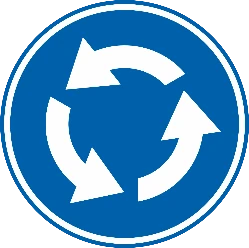
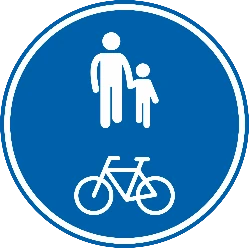
Mandatory signs in Belgium are crucial for directing your journey and ensuring specific road usage. These signs aren't suggestions; they dictate required actions like the direction you must travel or the facilities you must use. Understanding this group will help you navigate traffic correctly, avoid confusion, and confidently pass your driving theory exam.
An explanation of how Belgian Mandatory Signs road signs apply in real traffic situations in Belgium. Learn where these signs are typically placed, what drivers are expected to do when they appear, and how correct reactions help you stay safe, avoid fines, and succeed in your Belgian driving theory exam.
You will encounter mandatory signs in various traffic situations where specific rules apply to vehicle movement or road use. These signs are often seen at junctions, before roundabouts, and along routes that are designated for particular traffic. For example, 'Ahead only' or 'Turn left/right' signs are common on complex intersections or multi-lane roads to guide traffic flow. You'll also find signs indicating dedicated cycleways, footpaths, or shared paths, which require you to be aware of other road users and their designated areas. Signs for vehicles transporting dangerous goods are critical for rerouting specific traffic to safer or more appropriate routes, especially in urban or environmentally sensitive areas. Understanding these signs ensures you follow the correct path, respect other road users' spaces, and maintain order and safety on the road.
An overview of the key learning outcomes when studying the Belgian Mandatory Signs road sign category. Understand the main concepts, sign meanings, and traffic situations covered here so you can recognise patterns, answer theory questions more confidently, and build a solid foundation for safe driving in Belgium.
This collection focuses on Belgian mandatory signs, which dictate specific actions and routes. Studying these signs together helps you recognize required behaviours for lane discipline, cycle paths, and distinct traffic flows, crucial for passing your theory test and revising Belgian road signs.
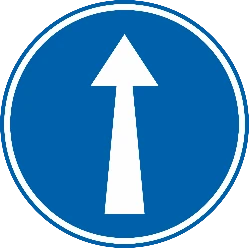
Mandatory Direction: What the Belgian D1a 'Ahead Only' Sign Means
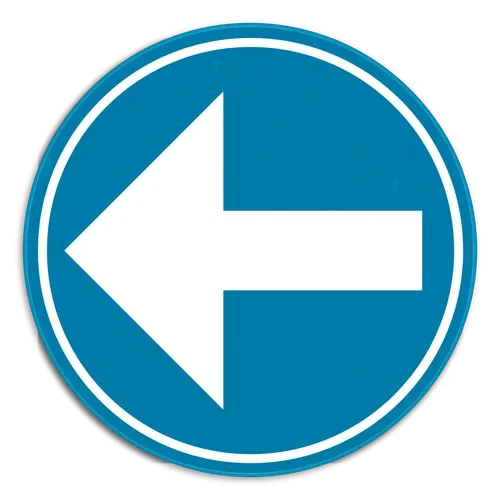
D1b Mandatory 'Turn Left' Sign: Follow the Required Direction
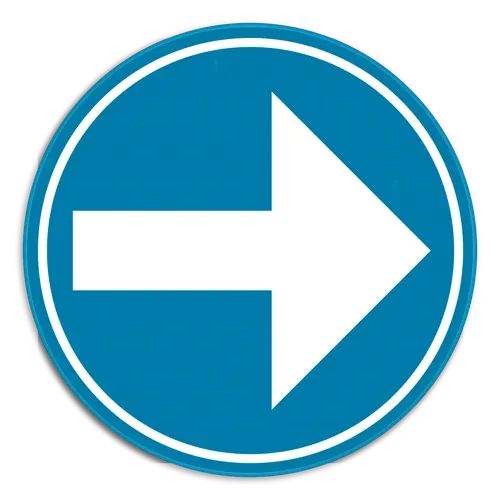
Understand the 'Turn Right' Mandatory Direction Sign (D1b)
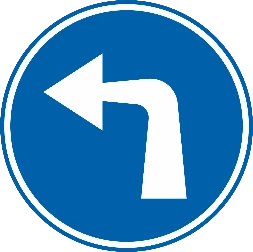
Mandatory Sign D1c: You Must Pass on the Left
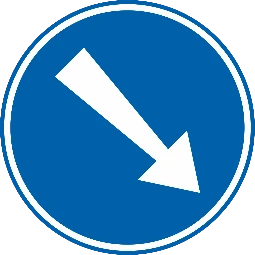
Understand the D1d 'Pass on Right' Mandatory Direction Sign
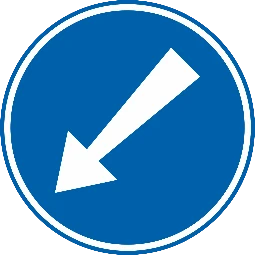
Mandatory Turn Left Ahead Sign (D1e) in Belgium
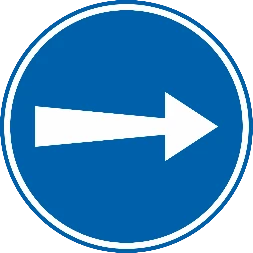
Mandatory Turn Right: What the D1f Sign Requires
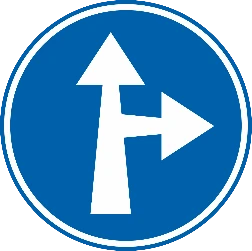
D3a Sign: You must turn left or go straight ahead.
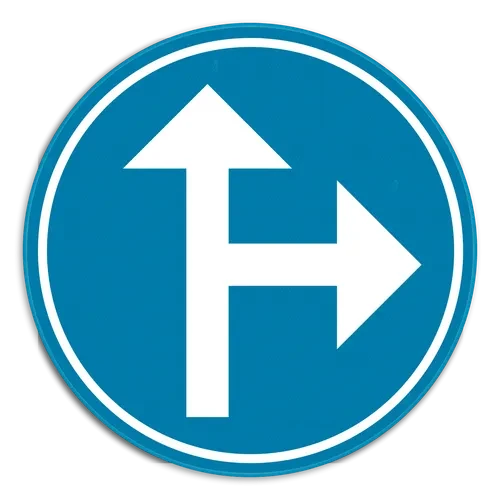
Belgian D3b Sign: You Must Turn Right or Go Straight Ahead Only
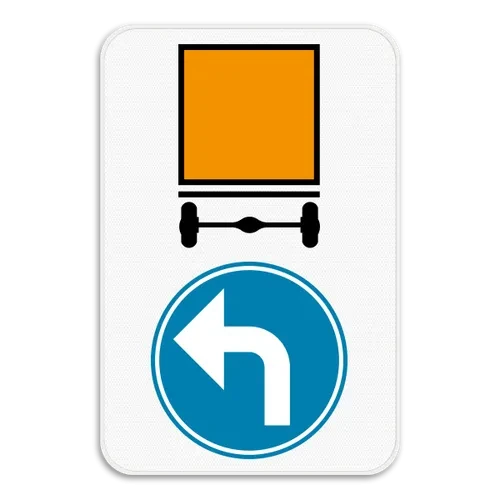
D4 Sign: Mandatory Left Turn for Vehicles Transporting Dangerous Goods
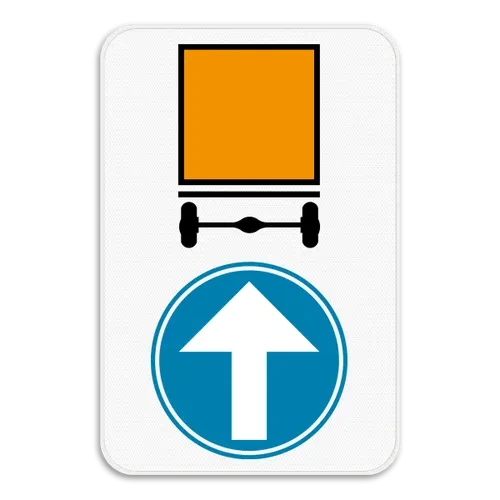
Mandatory Direction for Vehicles Transporting Dangerous Goods: D4 Sign
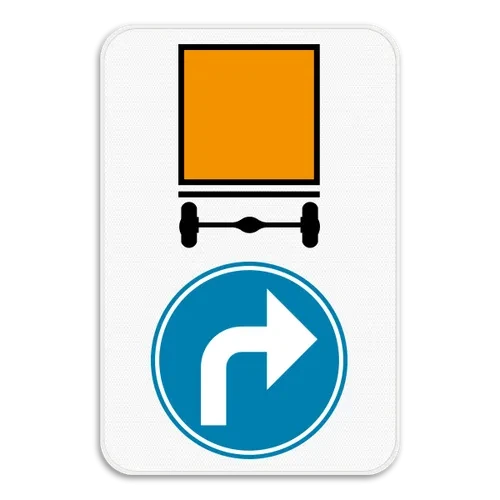
Mandatory Direction for Vehicles Carrying Dangerous Goods: Turn Right (D4 Sign)
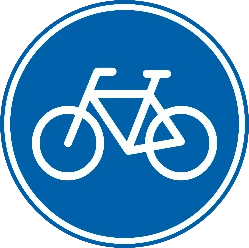
The D7 'Cycleway' Sign: Mandatory Direction for Cyclists in Belgium
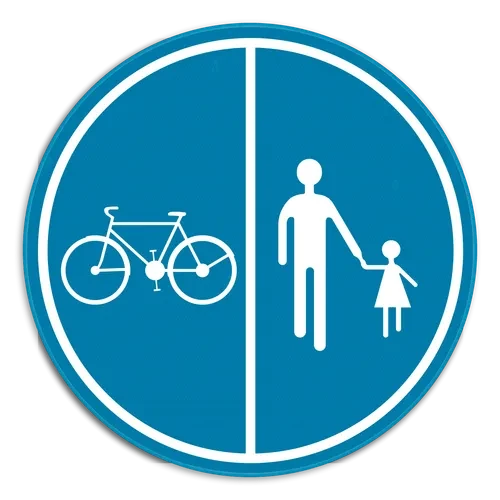
Understand the D9a Sign: Segregated Paths for Pedestrians and Cyclists
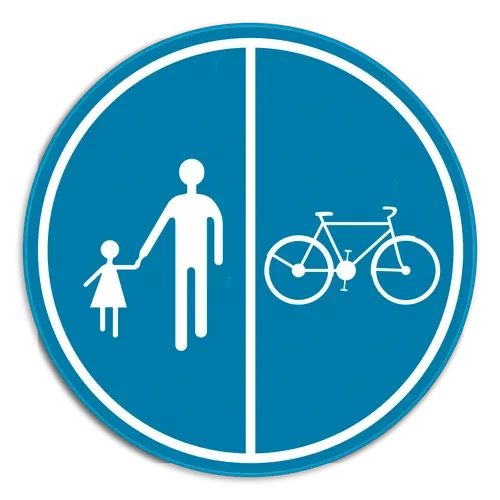
Belgian D9b Sign: Understand the Segregated Path for Pedestrians and Cyclists
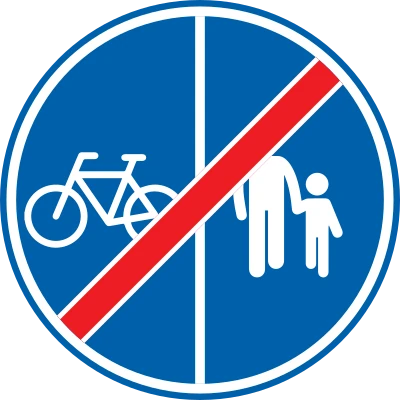
The D10 Sign: Navigating Shared Paths for Pedestrians and Cyclists
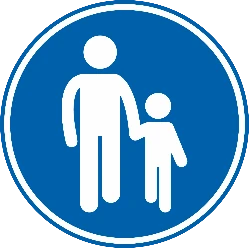
Belgium's D13 Sign: Follow the Mandatory Bridlepath Direction
Clear answers to common questions about the Belgian Mandatory Signs road sign category. Use this FAQ to review tricky rules, understand how these signs appear in exam scenarios, and remove confusion that often leads to mistakes in the Belgian driving theory exam in Belgium.
Informational signs, often blue and white, provide guidance or information about facilities. Mandatory signs, typically blue and white circles or squares, impose a requirement or obligation on drivers. For instance, a mandatory sign might tell you 'Ahead only', meaning you absolutely must go straight, while an informational sign might indicate the location of a petrol station.
You need to pay attention to these signs even if you are not driving a vehicle carrying dangerous goods. They indicate specific routes that these vehicles must follow, often to avoid densely populated areas, tunnels, or sensitive environments. Drivers not transporting dangerous goods should be aware of these signs to anticipate the movements of such vehicles and to know which routes they should avoid if necessary.
Mandatory signs clearly differentiate these paths. A sign showing a bicycle usually indicates a cycleway, while a sign with a pedestrian symbol means a footpath. Signs showing both a pedestrian and a bicycle, sometimes separated by a line (D9a, D9b), indicate a segregated path where pedestrians and cyclists have their own areas. A sign with both symbols without a dividing line (D10) indicates a shared path where both must coexist.
If you encounter a mandatory sign that you cannot follow, you must find a safe place to stop and reassess your route. This usually means looking for the next opportunity to turn around legally or finding an alternative route that complies with the signage. It is crucial not to ignore mandatory signs or attempt to break them, as they are in place for safety and traffic management reasons.
Mandatory signs in Belgium come in various shapes, most commonly blue circles for general instructions (like 'Ahead only' or 'Turn left') and blue squares for specific facilities or directions (like 'Cycleway' or 'Direction for vehicles transporting dangerous goods'). The blue colour is a key indicator of a mandatory instruction.
Navigate each road sign category to deepen your understanding of Belgian traffic rules. Focus on warning, regulatory, or informational signs. This structured pathway helps solidify your knowledge for the driving theory exam. Explore specific sign groups now to boost preparation.
Explore Road Sign Categories