
This set will help you understand and apply the unique Belgian traffic rules concerning buses and trams pulling out from stops. Mastering these regulations is essential for the official Belgian driving theory exam and for safe, smooth navigation in real-world traffic, contributing to public transport efficiency.

Test your knowledge on Belgian traffic rules regarding buses and trams. This practice set focuses on priority situations, including when to yield to signalling public transport and specific scenarios with tram stops. Perfect for your driving theory exam preparation, ensuring you understand these vital urban traffic rules.
Navigate complex traffic situations involving buses and trams with confidence. This set includes scenarios within built-up areas where you must yield to signalling public transport, exceptions for sudden braking, and proper conduct when a tram stops without a refuge island. Prepare for your Belgian driving theory exam by understanding these crucial rules.
Preview sample questions from the Buses & Trams Priority practice set to see how they help you prepare for the driving theory exam in Belgium.
Learners choose Buses & Trams Priority to improve accuracy and understanding of key exam themes in Belgium. It offers realistic driving theory questions and targeted revision for effective preparation.
Find answers to the most common queries learners have when practising Buses & Trams Priority, including how questions match the official theory exam in Belgium, how scoring works, and how this practice improves exam readiness.
In built-up areas, you must yield to a bus or trolleybus signalling its intention to pull away from a stop, provided it is safe to do so without requiring sudden braking from your vehicle.
Yes, in built-up areas, the same rule applies to trams as to buses: you must yield if they signal to re-enter traffic, unless yielding would cause immediate danger or sudden braking.
If a tram stops at a halt without a refuge island, you must stop your vehicle behind the tram and wait for all passengers to safely board and alight before proceeding.
Yes, outside built-up areas in Belgium, the rule reverses: buses and trams are generally expected to yield to existing traffic when pulling out from a stop.
No, you should never honk at a bus driver who is legally pulling out in accordance with traffic rules. Such actions are considered inappropriate and can disturb public transport operations.
The Belgian bus and tram pull-out rule was introduced to improve the reliability and flow of public transport, encouraging its use and ensuring that buses and trams are not delayed by impatient drivers, thereby promoting overall traffic efficiency and safety.
By completing Buses & Trams Priority, you will gain stronger rule knowledge, faster recognition of signs and situations, better decision making in traffic scenarios, and increased accuracy on exam style questions used in Belgium. These outcomes directly support higher scoring exam performance.
Continue your Belgian driving theory exam preparation by exploring similar practice sets. Mastering related topics like priority rules and traffic conventions ensures comprehensive revision for your test.
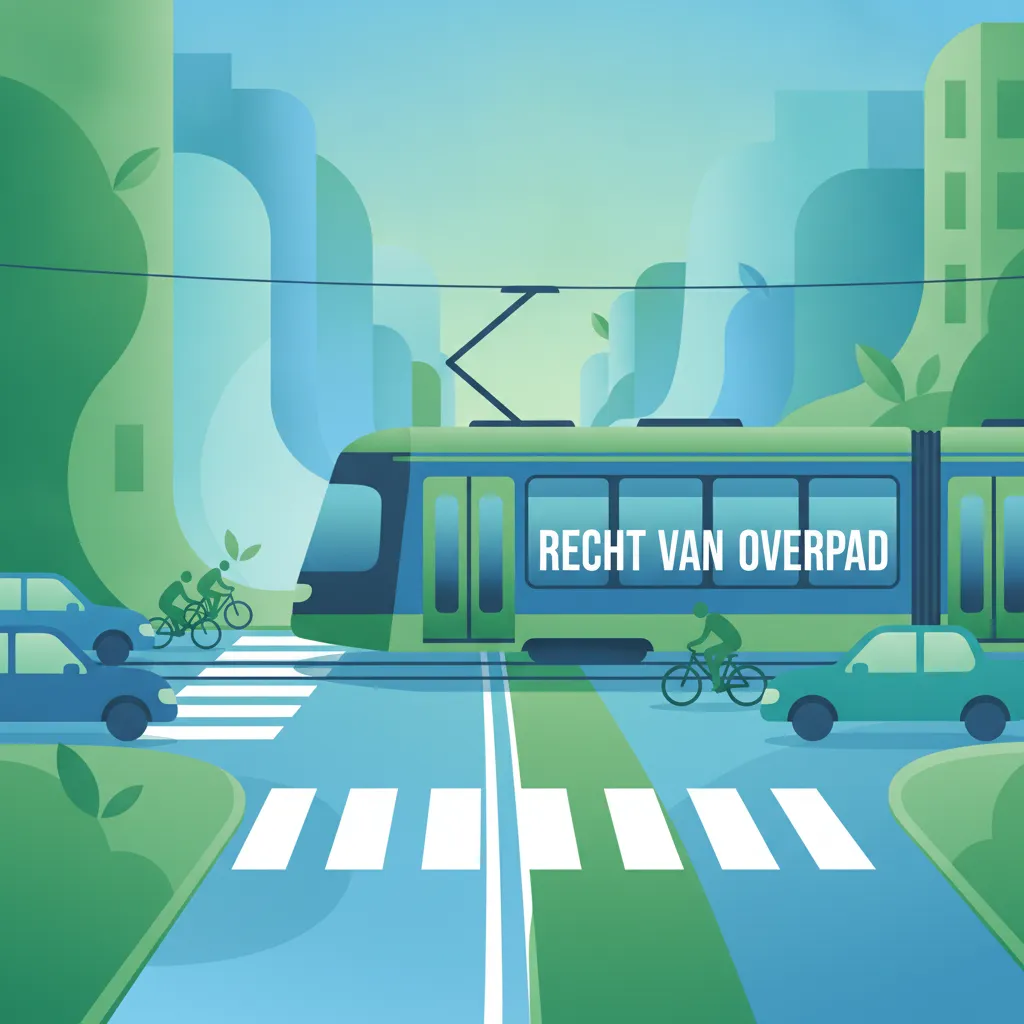
Trams always have priority. Do you know all the rules in Belgium?
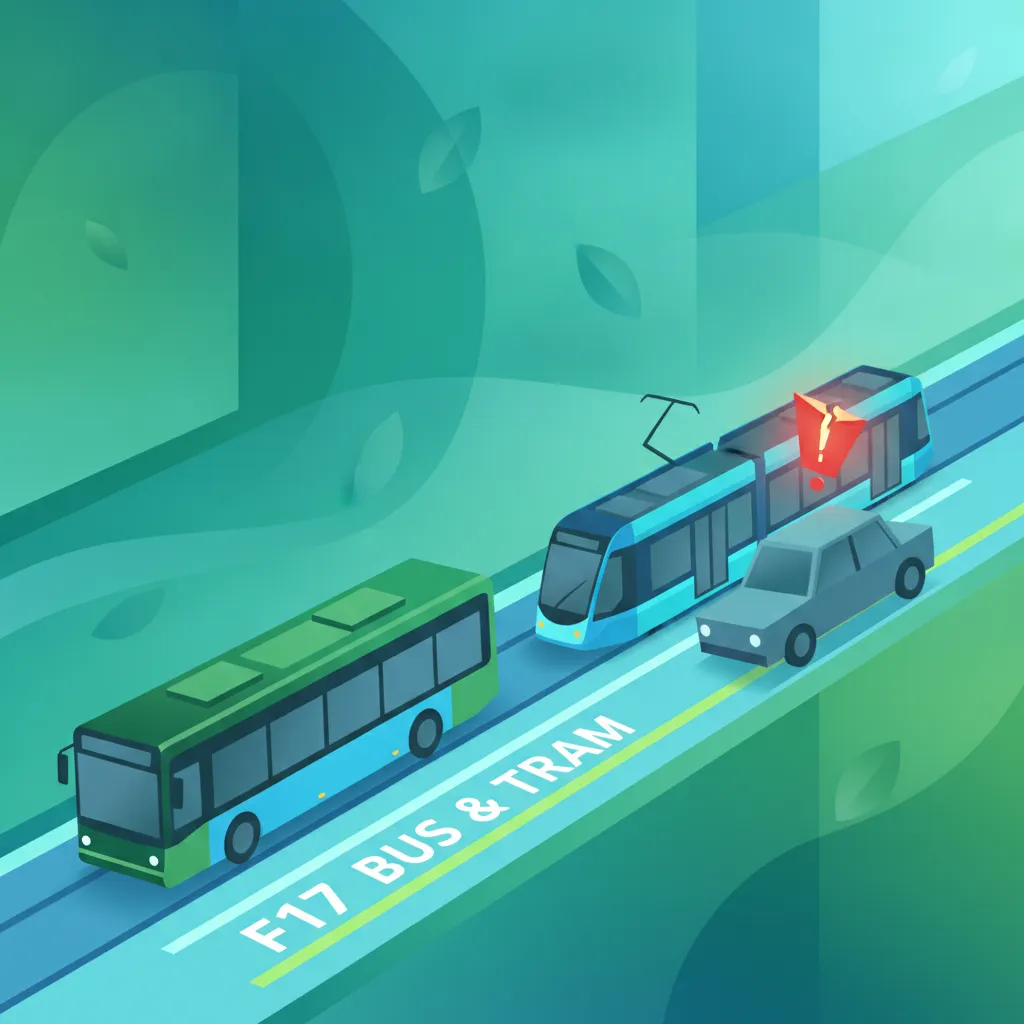
Master Belgian Public Transport Lane Rules for Your Driving Theory Exam.

Master Belgian Tram Rules: Avoid Fines and Stay Safe Around Trams!
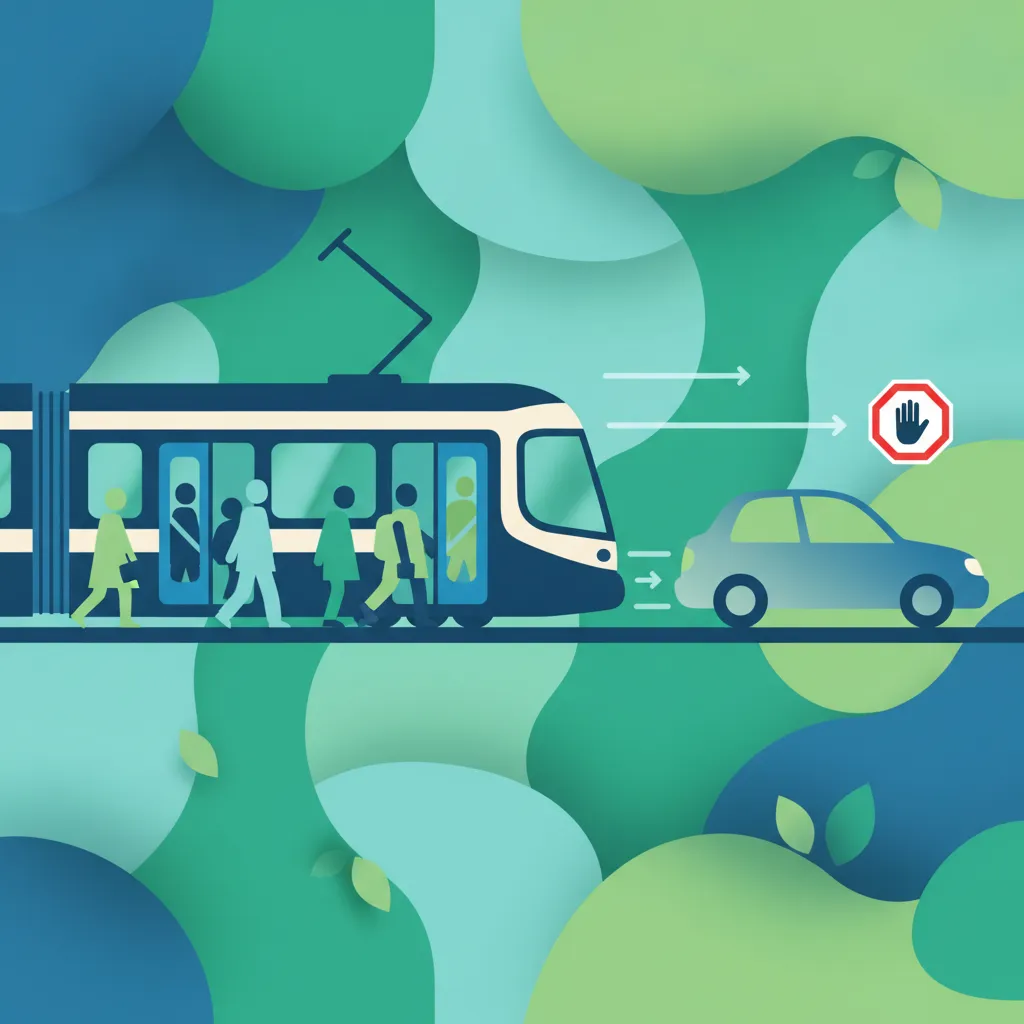
Navigate Tram Stops Safely and Pass Your Belgian Theory Exam with Confidence.
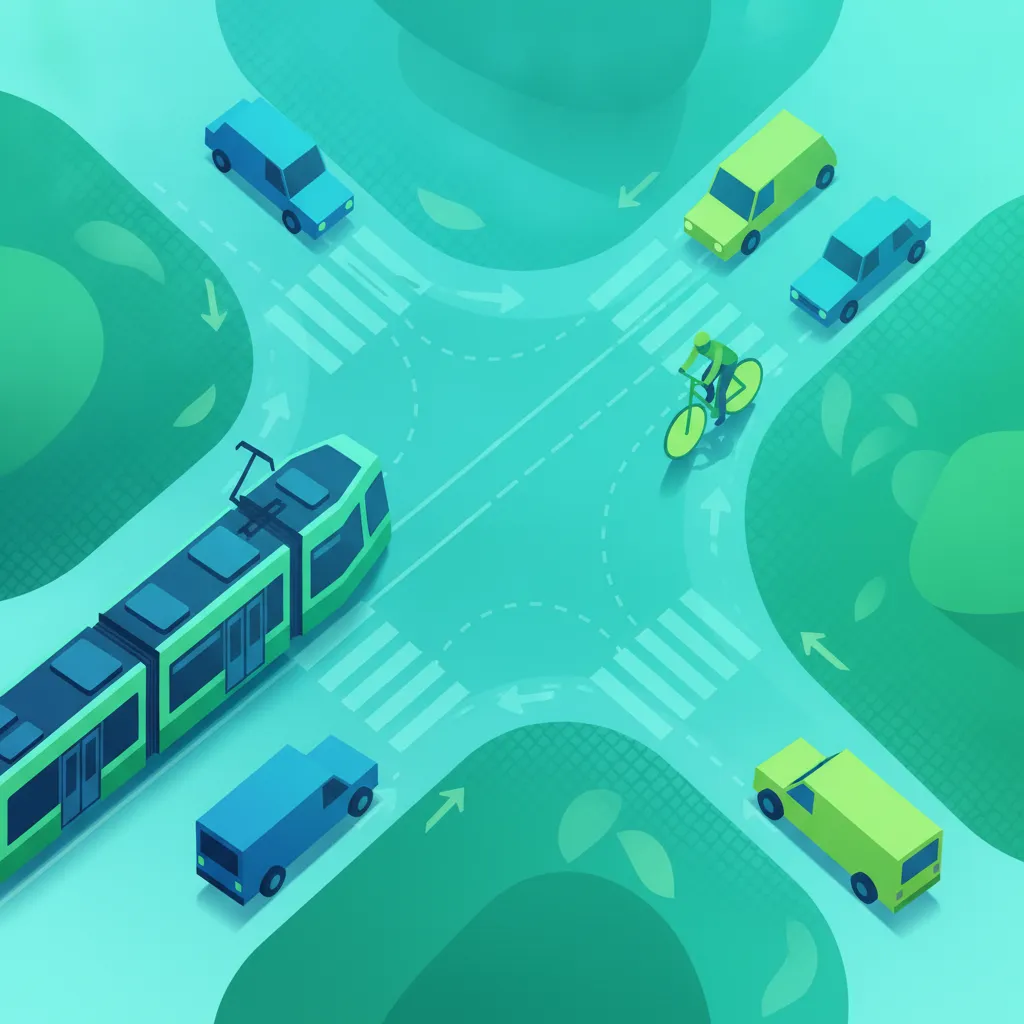
Unlock the Secrets of Belgian Priority Rules to Ace Your Exam!

Navigate Belgian junctions confidently: know when you have priority.
Questions in Buses & Trams Priority
Exam focused questionss
Buses & Trams Priority offers quick, focused exam style practice to boost your Belgian knowledge for the driving theory exam in Belgium.
Buses & Trams Priority helps learners in Belgium with clear explanations and targeted Belgian practice to improve essential driving theory topics.
This practice set is for all learners preparing for the Belgian driving license theory exam. It's particularly useful for those who find public transport interactions confusing or want to ensure they avoid common pitfalls and exam traps related to bus and tram priority, helping them drive more safely and pass their test.
Explore more topics for the Belgian driving theory exam in Belgium.
Strengthen your Belgian driving theory knowledge by diving into targeted practice. Select any category from this overview to begin exercises immediately. Focus on areas where you need improvement, such as specific road signs, priority rules, or hazard perception, to build confidence for your official Belgian driving licence exam.
Explore Practice Categories