
Understanding Belgium's 'priorité à droite' or 'voorrang van rechts' rule is essential for passing your driving theory test. This section focuses on unmarked intersections, when this rule applies, and crucial exceptions to ensure safe decision-making and a higher score on your Belgian theory exam.
Prepare for your Belgian driving theory test by mastering the critical 'priorité à droite' (right-hand priority) rule. These practice sets cover unmarked intersections, specific road signs, and common learner mistakes, offering targeted revision for exam success.

A Green Light Isn't Always a Green Free Pass: Master Belgian Intersection Rules

Navigate Belgian junctions confidently: know when you have priority.
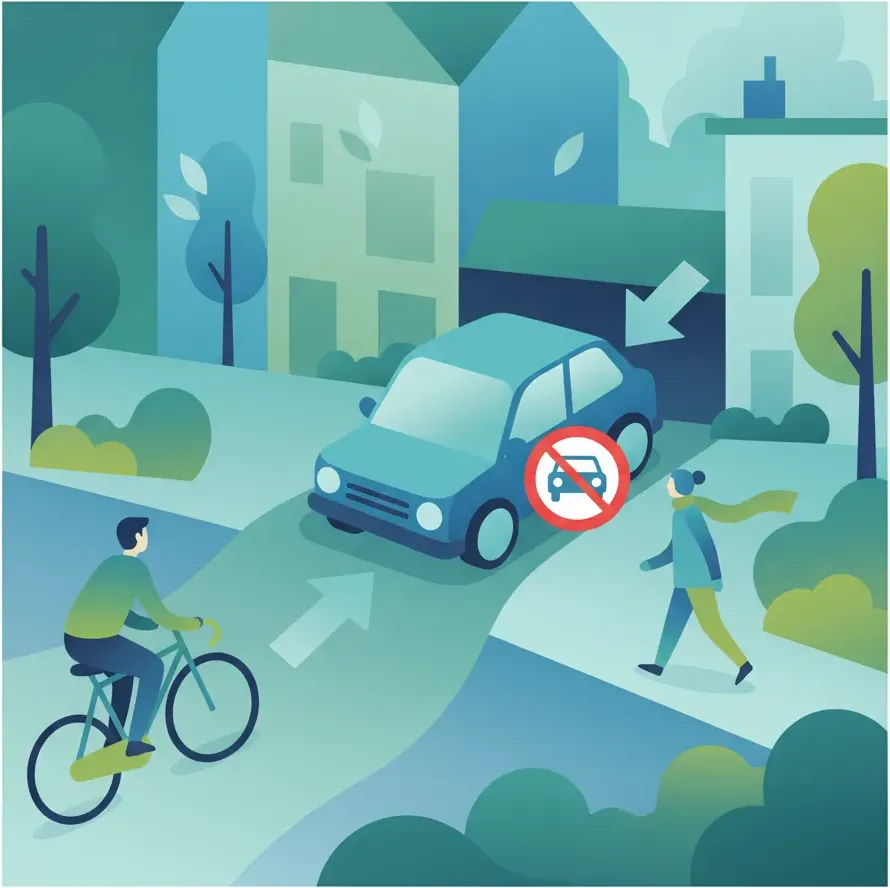
Don't Assume Priority: Master Exiting Private Areas for Your Belgian Driving Exam.

Navigate Unmarked Crossroads with Confidence and Ace Your Belgian Theory Exam!

Challenge your understanding of priority at tricky T-junctions – a common exam pitfall!
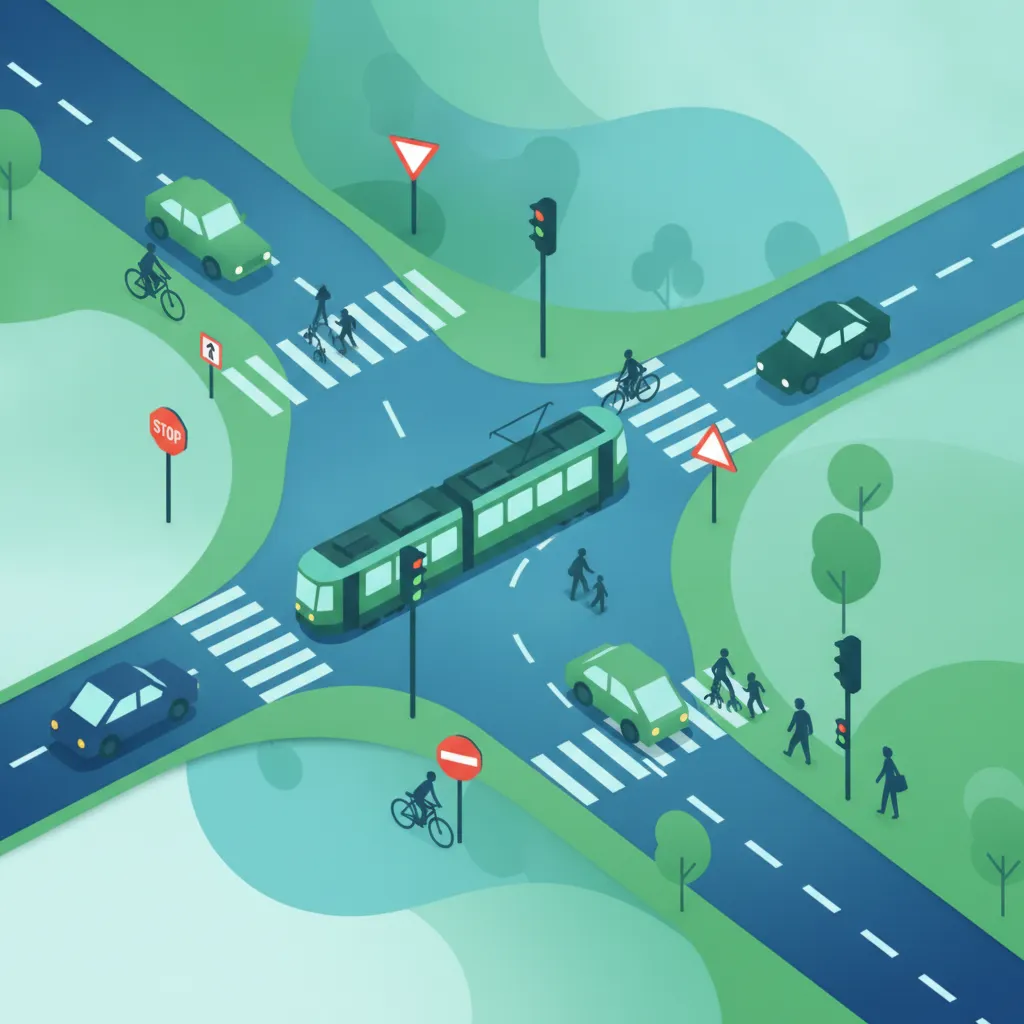
Navigate Belgian Crossroads with Confidence and Accuracy.

Master the Belgian Turn Yield Rule to Confidently Navigate Intersections.
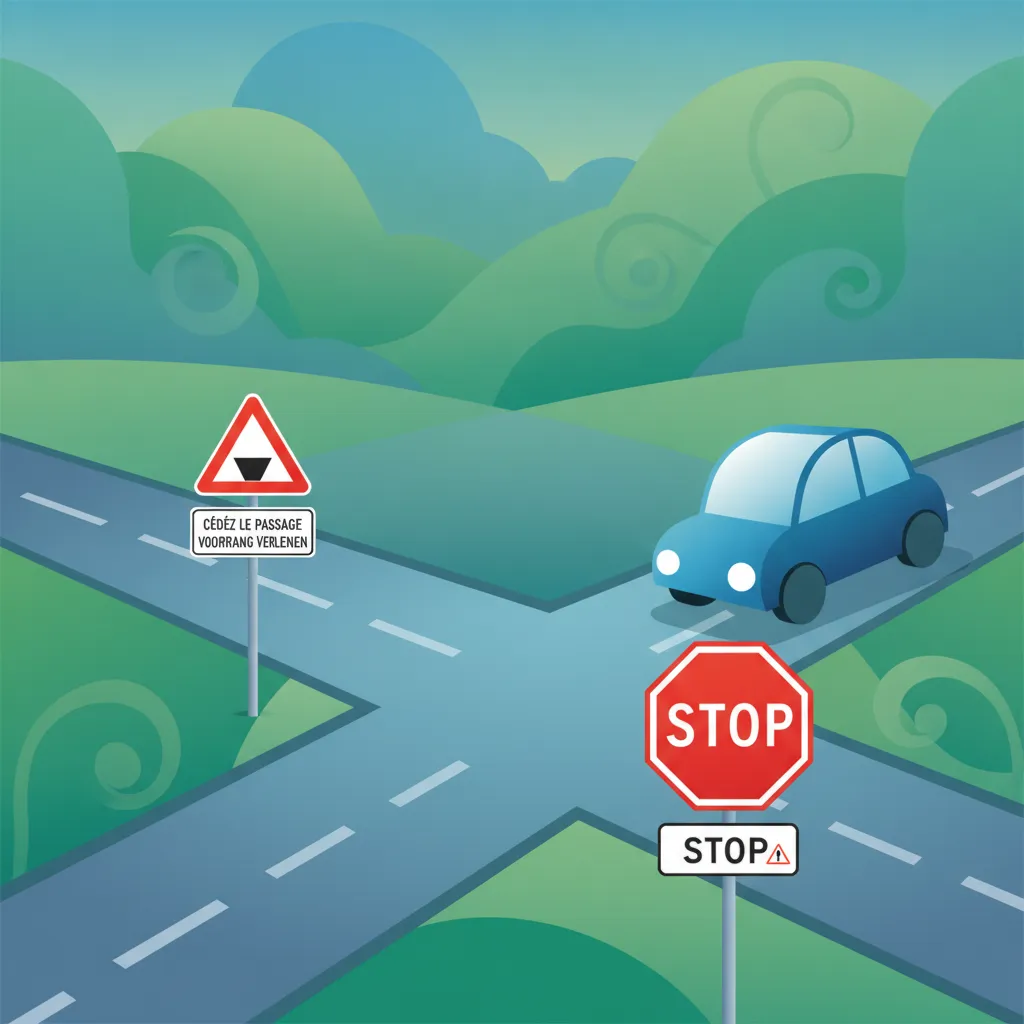
Navigate complex Belgian intersections with confidence and precision.

Reverse with Confidence: Crucial Rules for Belgian Roads
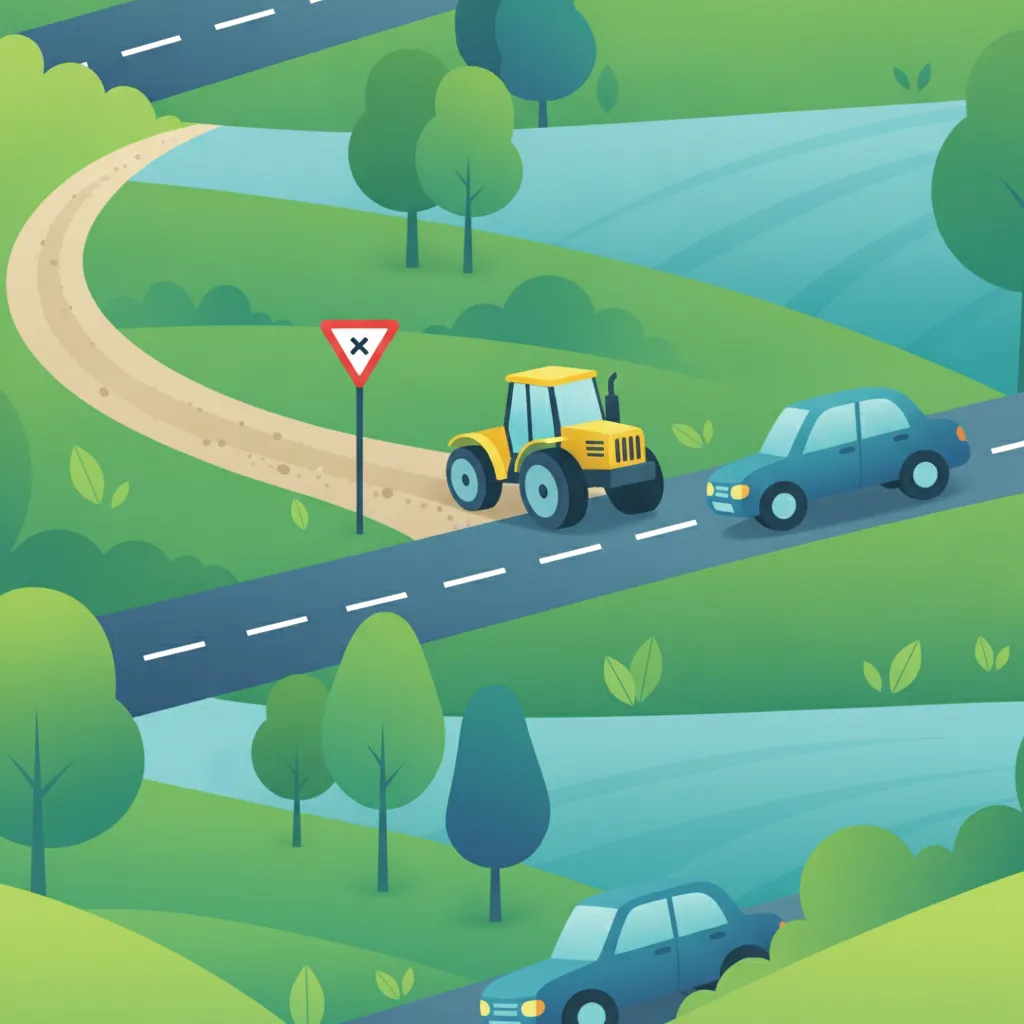
Navigate Rural Belgian Roads with Confidence: Master Unsurfaced Road Priority.
Master the Core Concepts of Belgian Traffic Law for Your Exam.

Master safe reversing and U-turn maneuvers for your Belgian driving theory exam.
Mastering Belgium's 'priorité à droite' rule is crucial for passing your driving theory test and ensuring safety. This topic frequently appears in exams, and understanding it prevents common accidents. Targeted practice builds confidence and secures your success in Belgian traffic.
Learners in Belgium choose Priorité à Droite / Right of Way practice to prepare for realistic exam questions and difficult scenarios that often appear in the official theory test. This category is popular because it helps strengthen rule knowledge, reduce common mistakes, and build confidence before taking the Belgian driving theory exam.
All practice sets available
Practice sets in Priorité à Droite / Right of Way
Practising Priorité à Droite / Right of Way helps you understand key rules and situations tested in the Belgian driving theory exam in Belgium.
Get answers to common questions learners have about practising Priorité à Droite / Right of Way. This section highlights what is tested, how practice helps, and how to improve your results for the Belgian driving theory exam in Belgium.
The Belgian driving theory exam frequently features questions on the 'priorité à droite' rule, especially regarding unmarked intersections and identifying priority situations correctly. Expect visual scenarios and direct rule application questions.
Learners struggle with 'priorité à droite' due to its widespread application in urban areas and frequent exceptions (priority roads, signs). Misinterpreting unmarked intersections or failing to spot priority signs can lead to errors.
These practice questions simulate real exam scenarios, reinforcing your understanding of 'priorité à droite' and its exceptions. Regular practice builds confidence and accuracy, directly improving your chances of passing the official theory test.
Key exceptions include priority roads (indicated by a yellow diamond sign), roundabouts, intersections with stop or yield signs, and situations where traffic lights are present. Understanding these exceptions is vital for safe driving and passing the exam.
While the core rule is national, local signage, road markings, and common traffic patterns in Flanders, Wallonia, and Brussels can affect practical application. Our practice covers these nuances to prepare you thoroughly.
Explore other practice categories connected to Priorité à Droite / Right of Way. These sections help you practise additional topics, strengthen your understanding of driving theory in Belgium, and prepare more completely for the theory exam.
Strengthen your Belgian driving theory knowledge by diving into targeted practice. Select any category from this overview to begin exercises immediately. Focus on areas where you need improvement, such as specific road signs, priority rules, or hazard perception, to build confidence for your official Belgian driving licence exam.