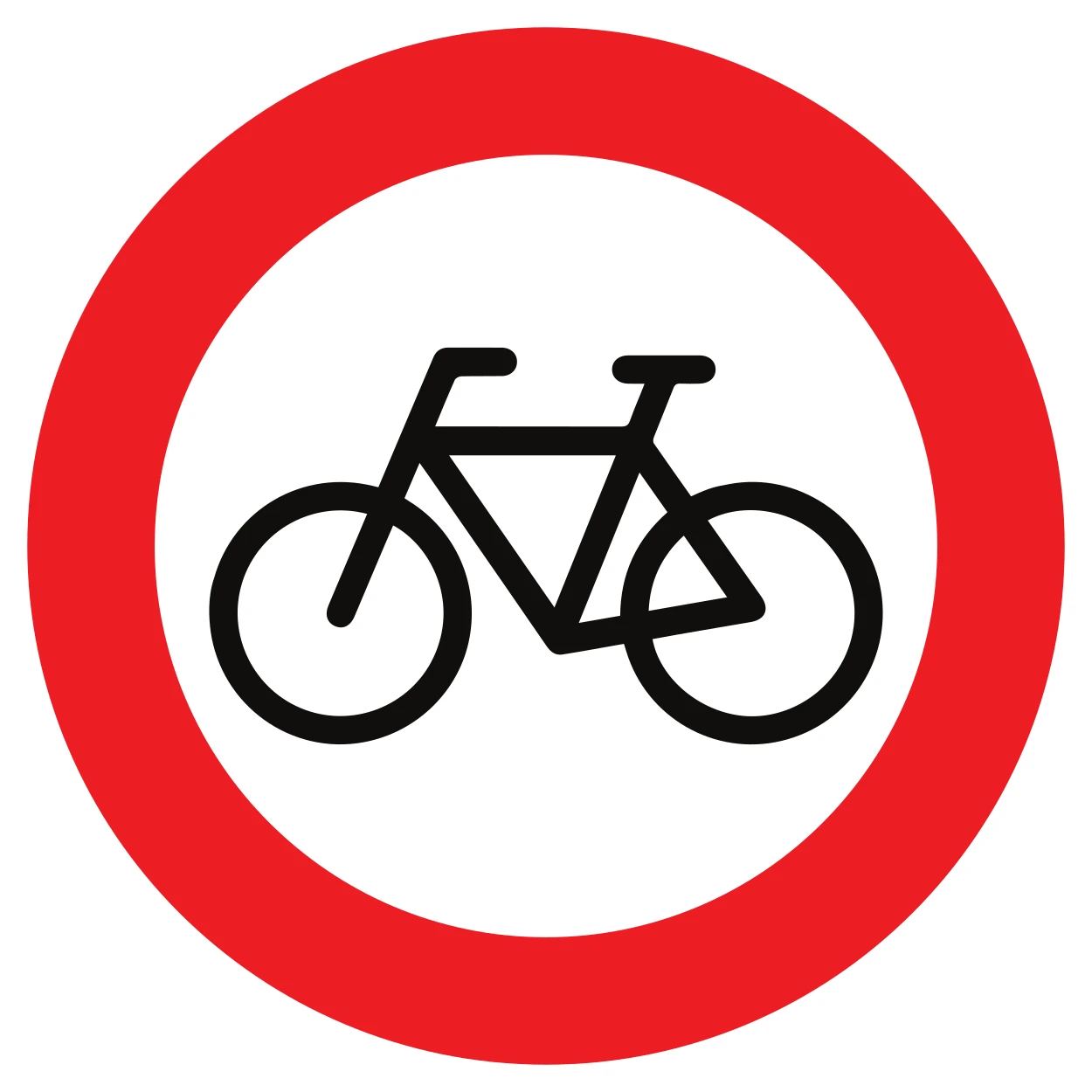
This section covers Belgian prohibitory signs, which are crucial for understanding what actions are forbidden on the road. These signs, typically circular with a red border, clearly indicate restrictions on entries, turns, vehicle types, speeds, and dimensions. Mastering these signs is vital for passing your theory exam and, more importantly, for navigating traffic safely by always knowing what manoeuvres or entries are disallowed.
An explanation of how Belgian Prohibitory Signs road signs apply in real traffic situations in Belgium. Learn where these signs are typically placed, what drivers are expected to do when they appear, and how correct reactions help you stay safe, avoid fines, and succeed in your Belgian driving theory exam.
Belgian prohibitory signs are frequently encountered across various road types, from urban streets to rural routes and even some main roads. They are used to manage traffic flow and safety by clearly stating what is not allowed. For instance, a 'Do Not Enter' sign (C1) will block access to one-way streets going the wrong way or private roads. Signs like 'No entry for motorcycles' (C7) or 'No entry for buses' (C22) appear on roads where these vehicles would pose a hazard. Speed limit signs (C43) and overtaking restrictions (C35, C39) are common on roads where specific speed or passing conditions are necessary for safety. Drivers must always pay close attention to these signs, as well as any supplementary panels below them, which might specify exceptions based on time of day, vehicle weight, or hazardous goods. Ignoring these signs can lead to dangerous situations, fines, and demerit points.
An overview of the key learning outcomes when studying the Belgian Prohibitory Signs road sign category. Understand the main concepts, sign meanings, and traffic situations covered here so you can recognise patterns, answer theory questions more confidently, and build a solid foundation for safe driving in Belgium.
Study Belgian prohibitory road signs, crucial for understanding traffic restrictions and mandatory exceptions indicated by supplementary panels. Mastering these signs is key for safe driving and passing your theory test. Reviewing this group aids in recognising common prohibitions and their specific contexts for Belgian road law.
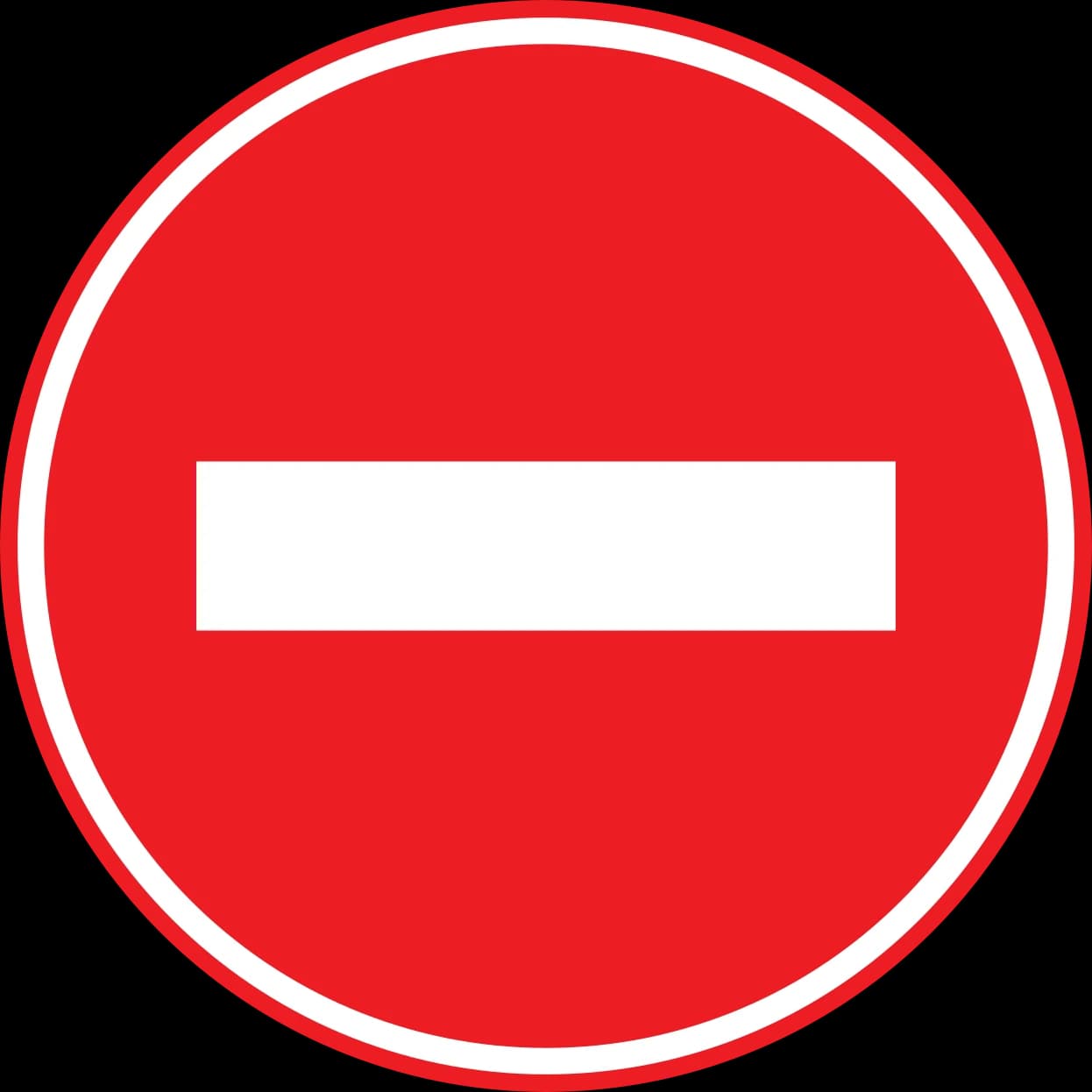
The C1 'Do Not Enter' Sign: Know When to Stop and Avoid Entry
Belgian C3 Sign: Understanding 'No Vehicles in Both Directions'
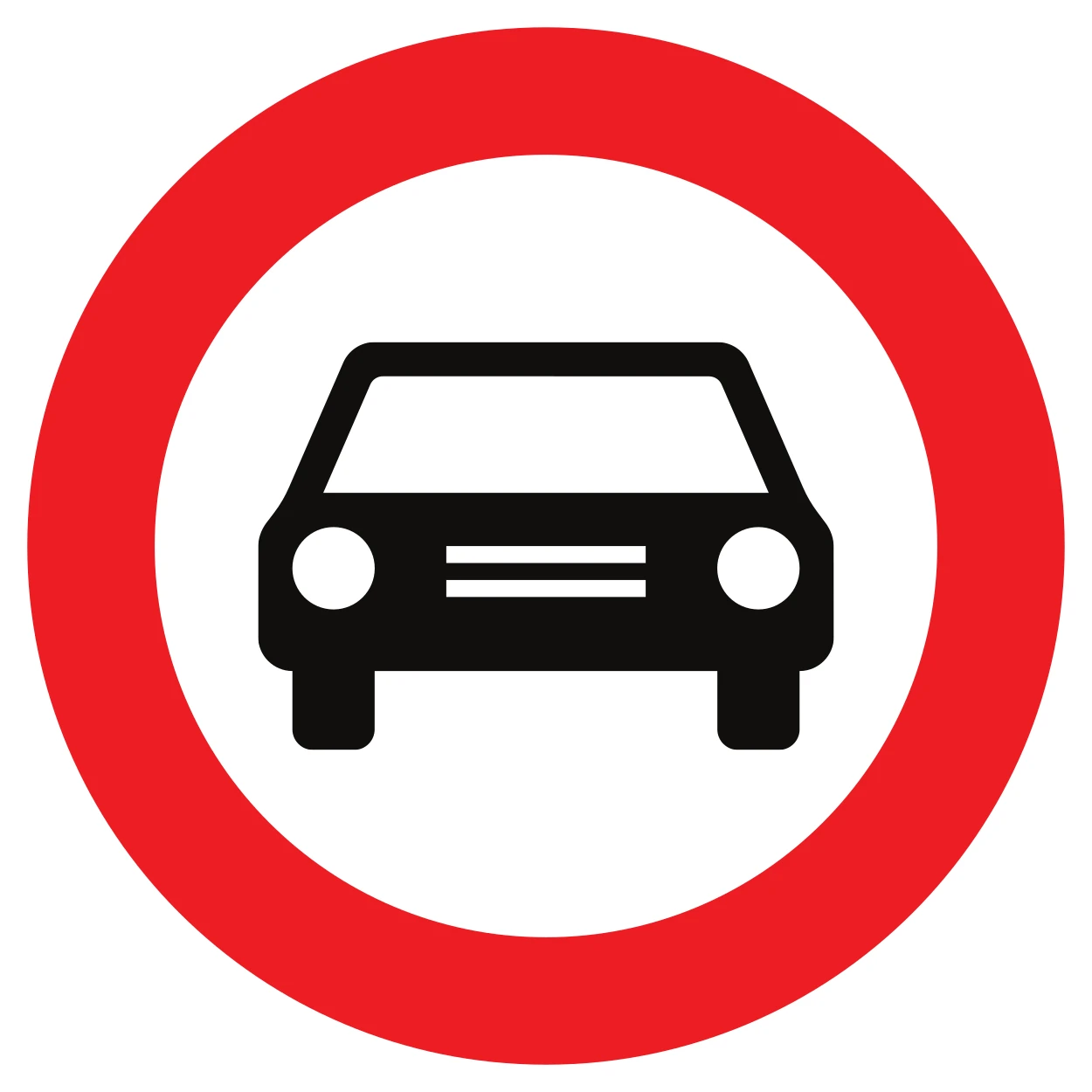
C5 Sign: No Entry for Motor Vehicles with More Than Two Wheels and Motorcycles with Sidecar
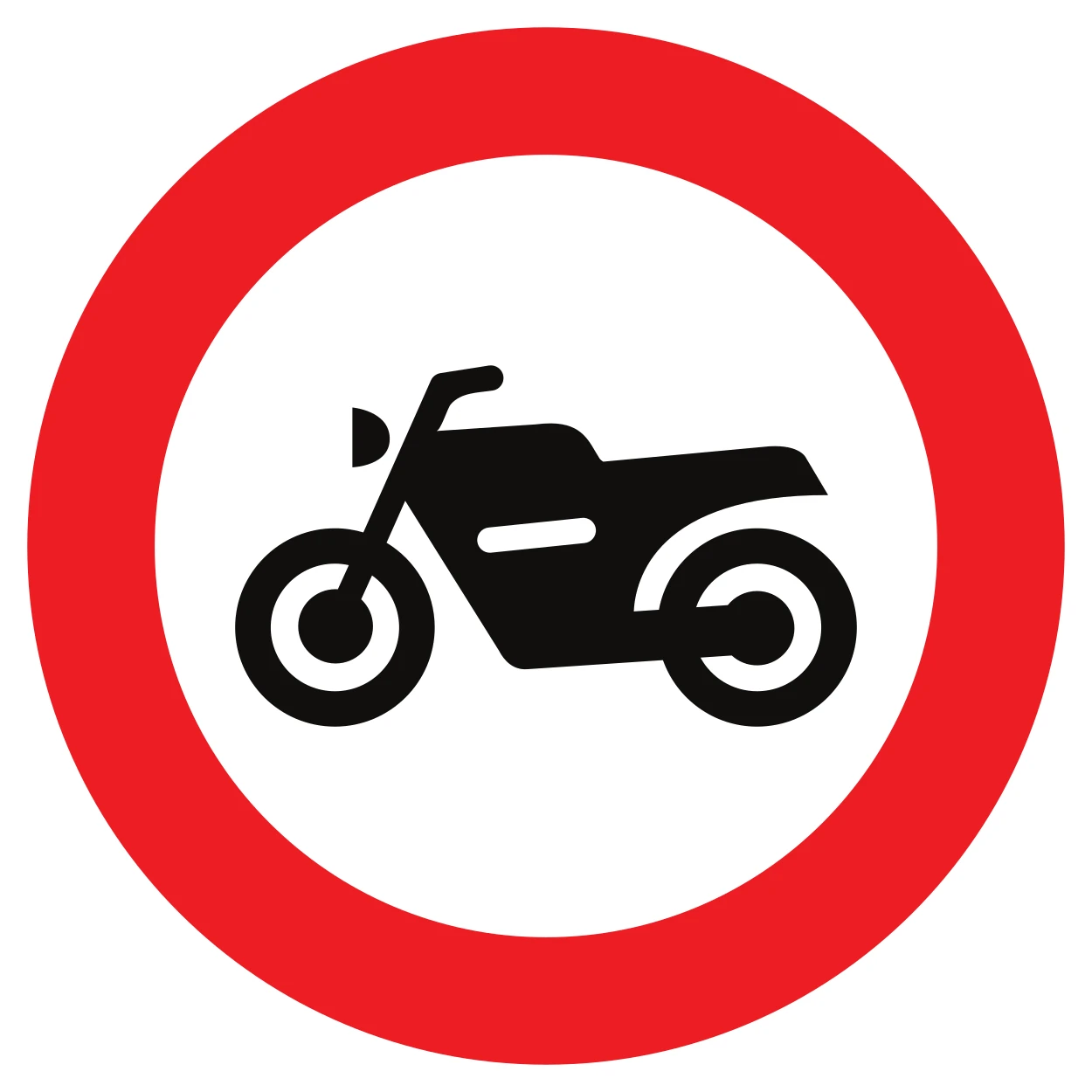
Belgium's C7 sign: No entry for motorcycles on this road.
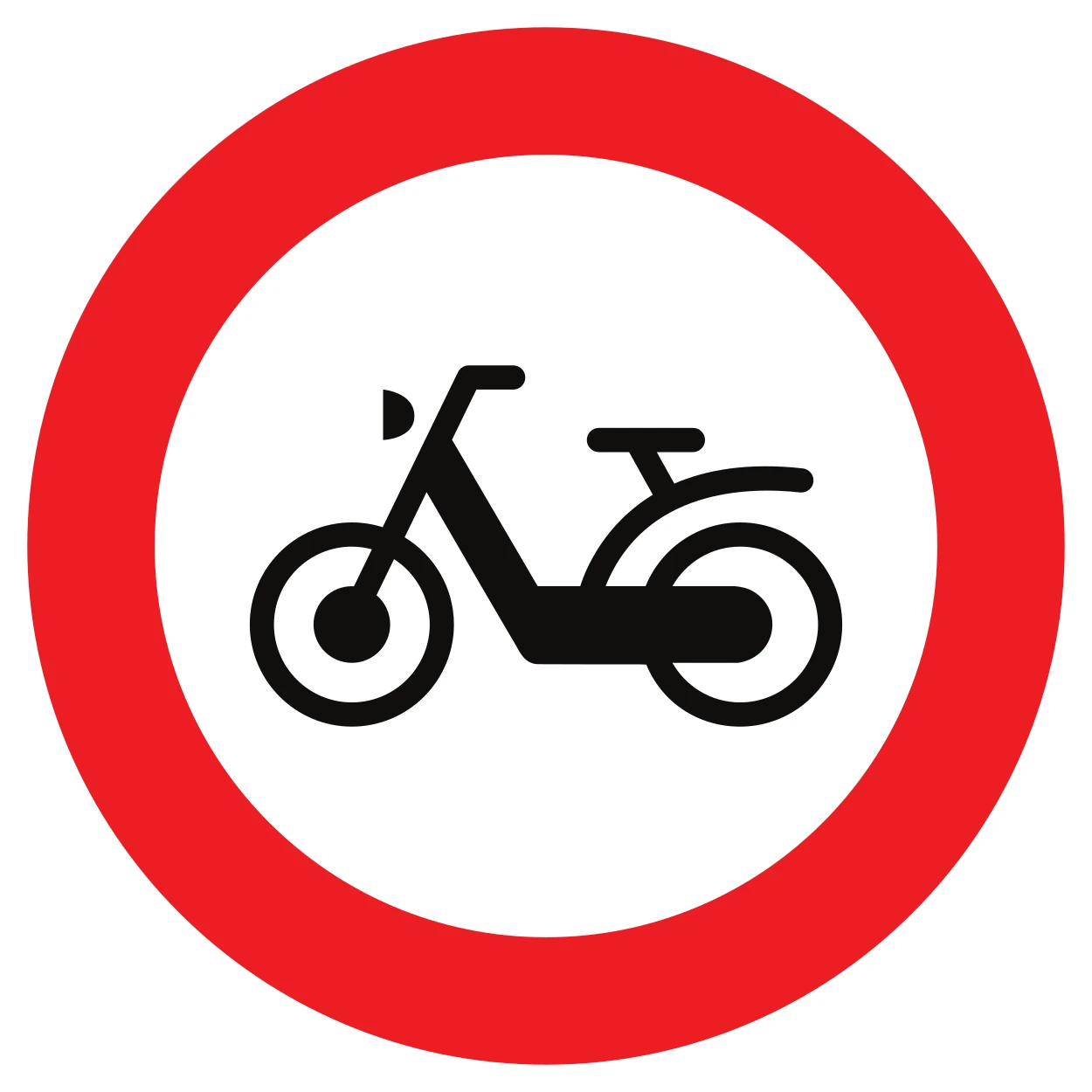
Understand the Belgian C9 'No Entry for Mopeds' Traffic Sign
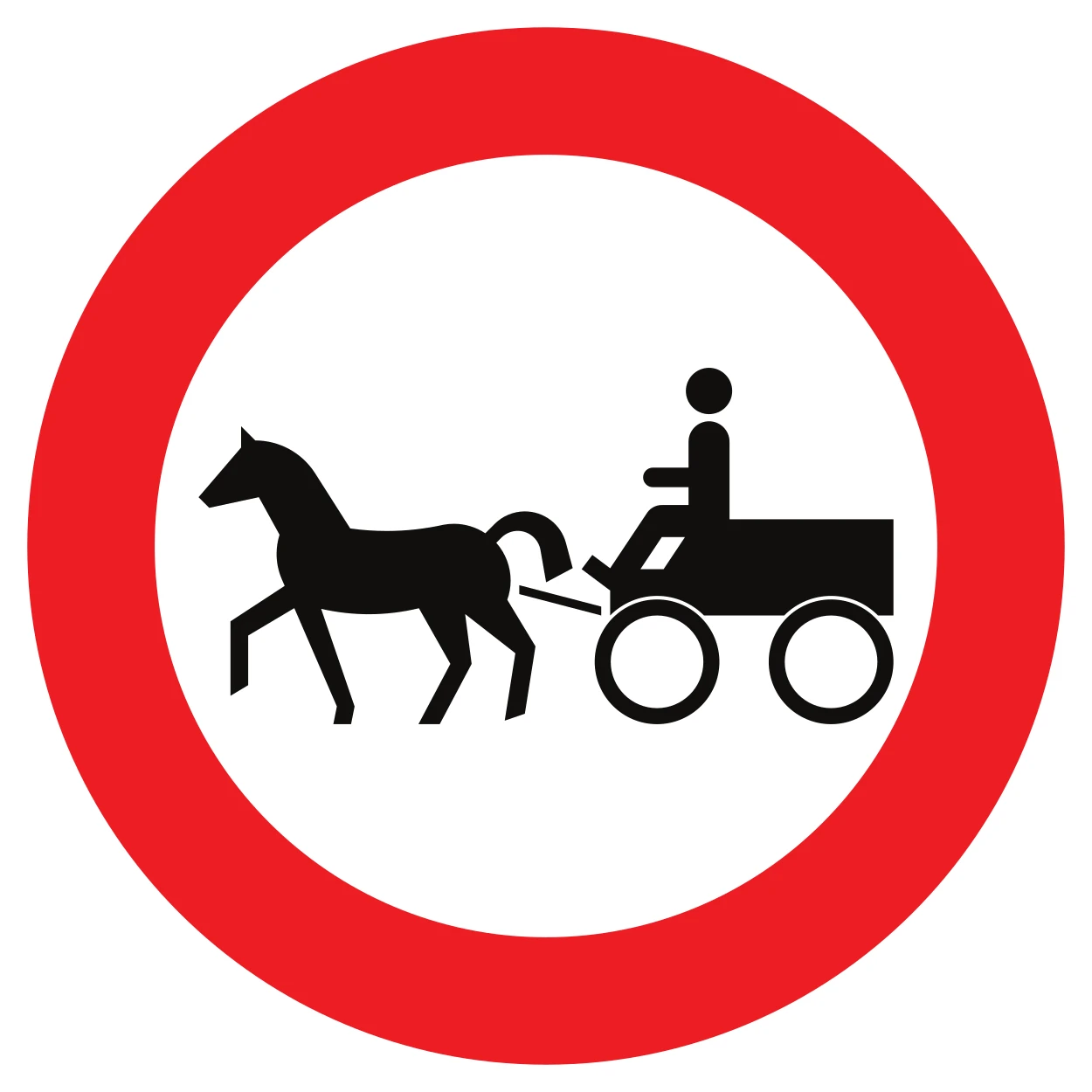
Belgian C13 Sign: No Entry for Horse-drawn Vehicles
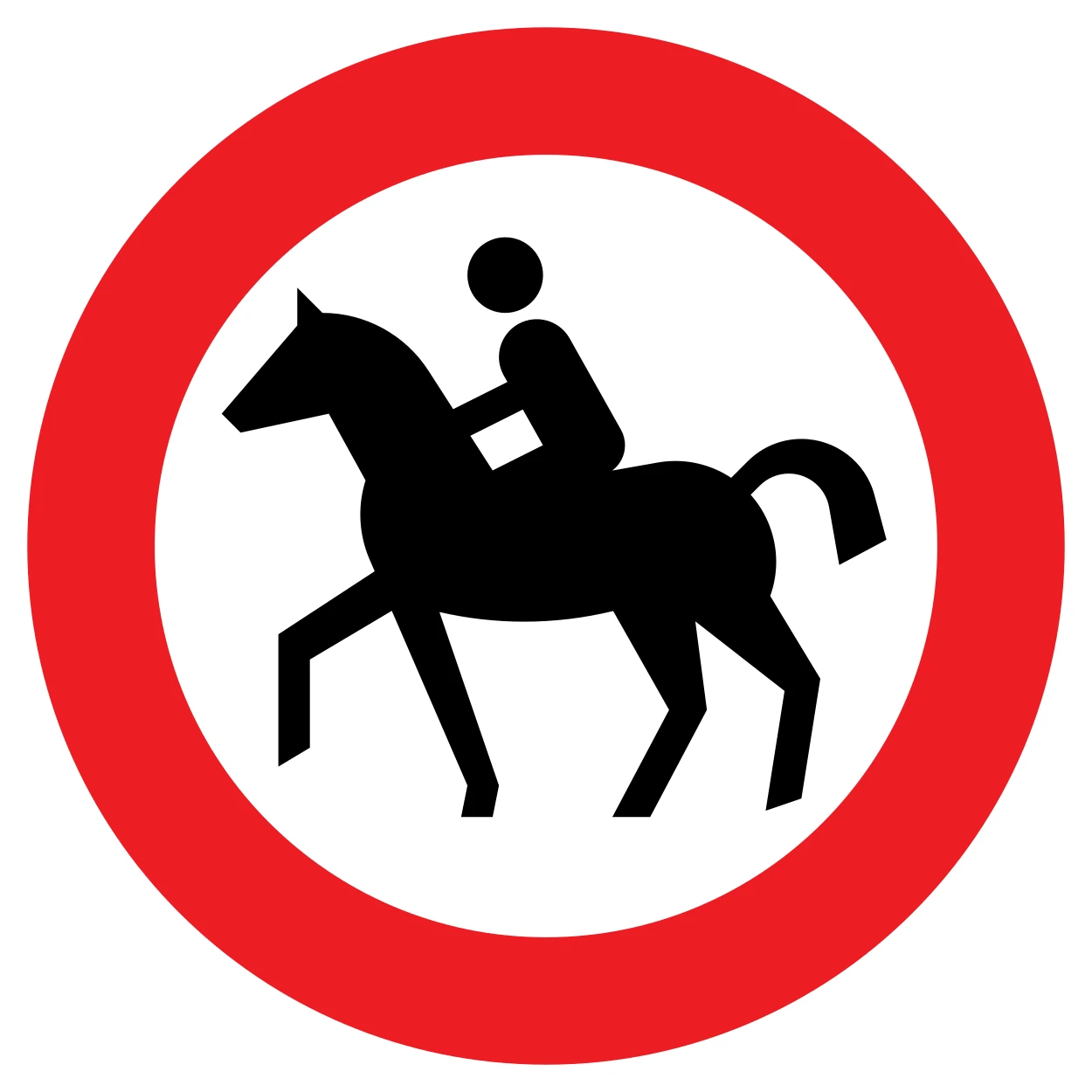
Belgian C15 Sign: No Entry for Horse Riders
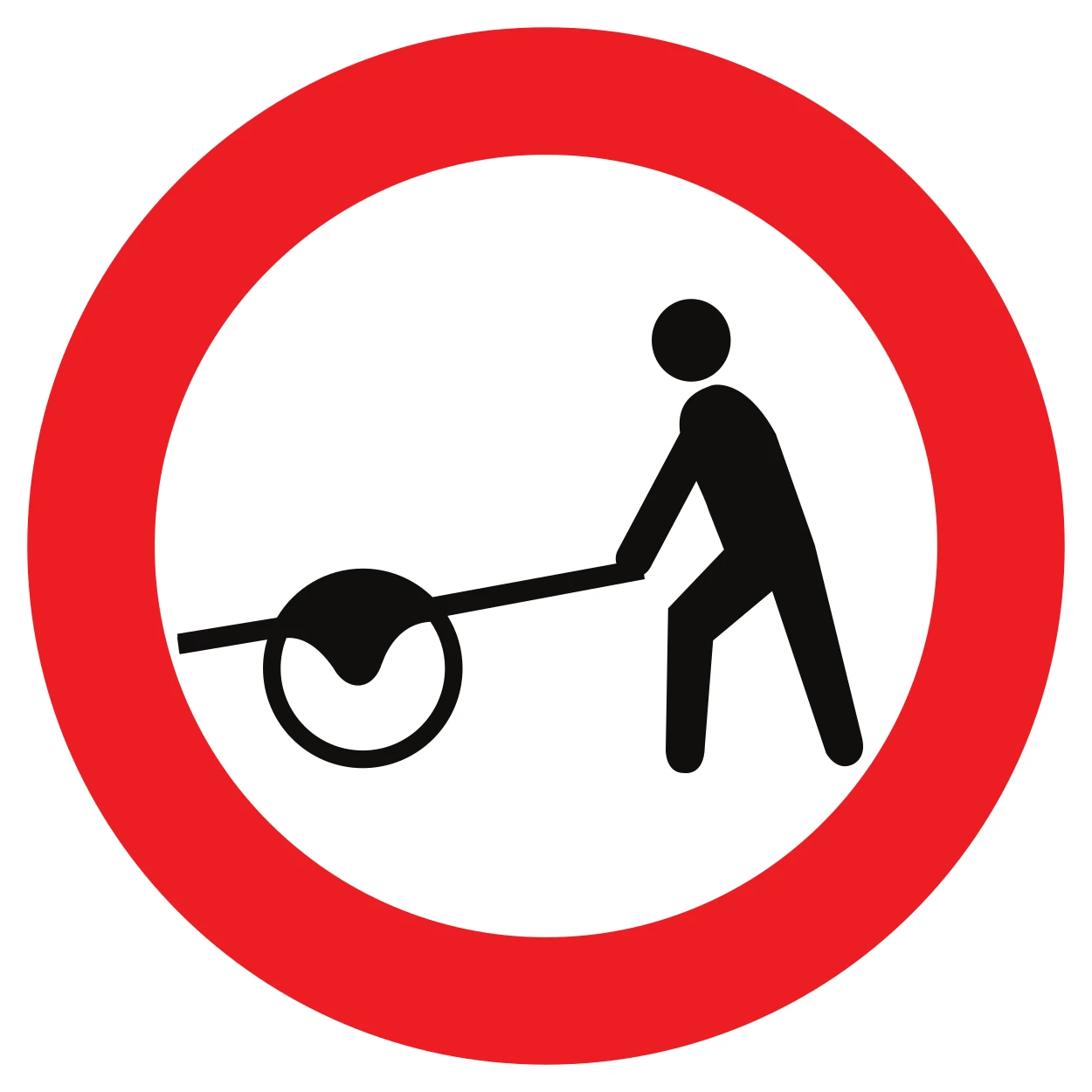
Belgian Sign C17: No Entry for Hand Carts
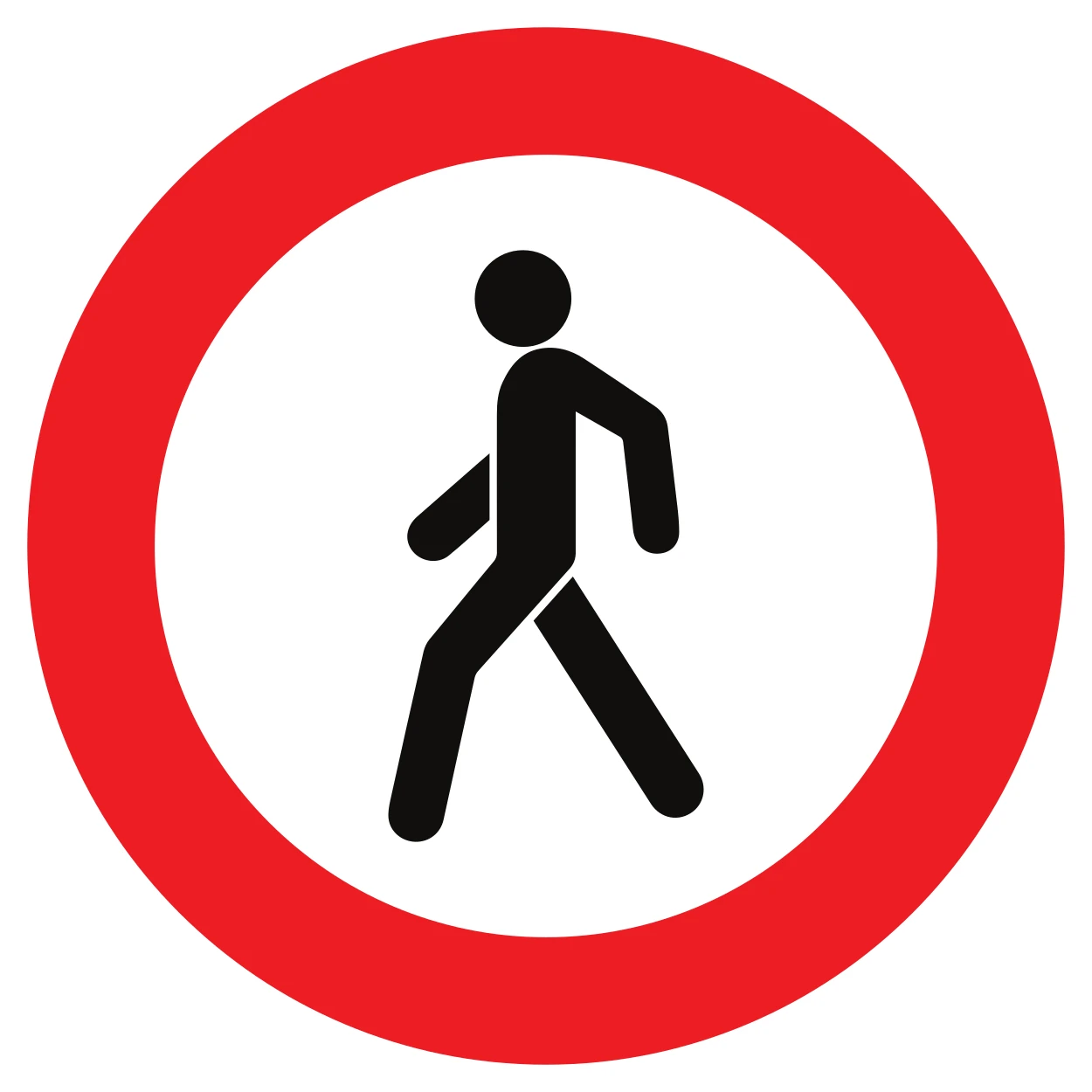
Belgian C19 Sign: No Entry Allowed for Pedestrians
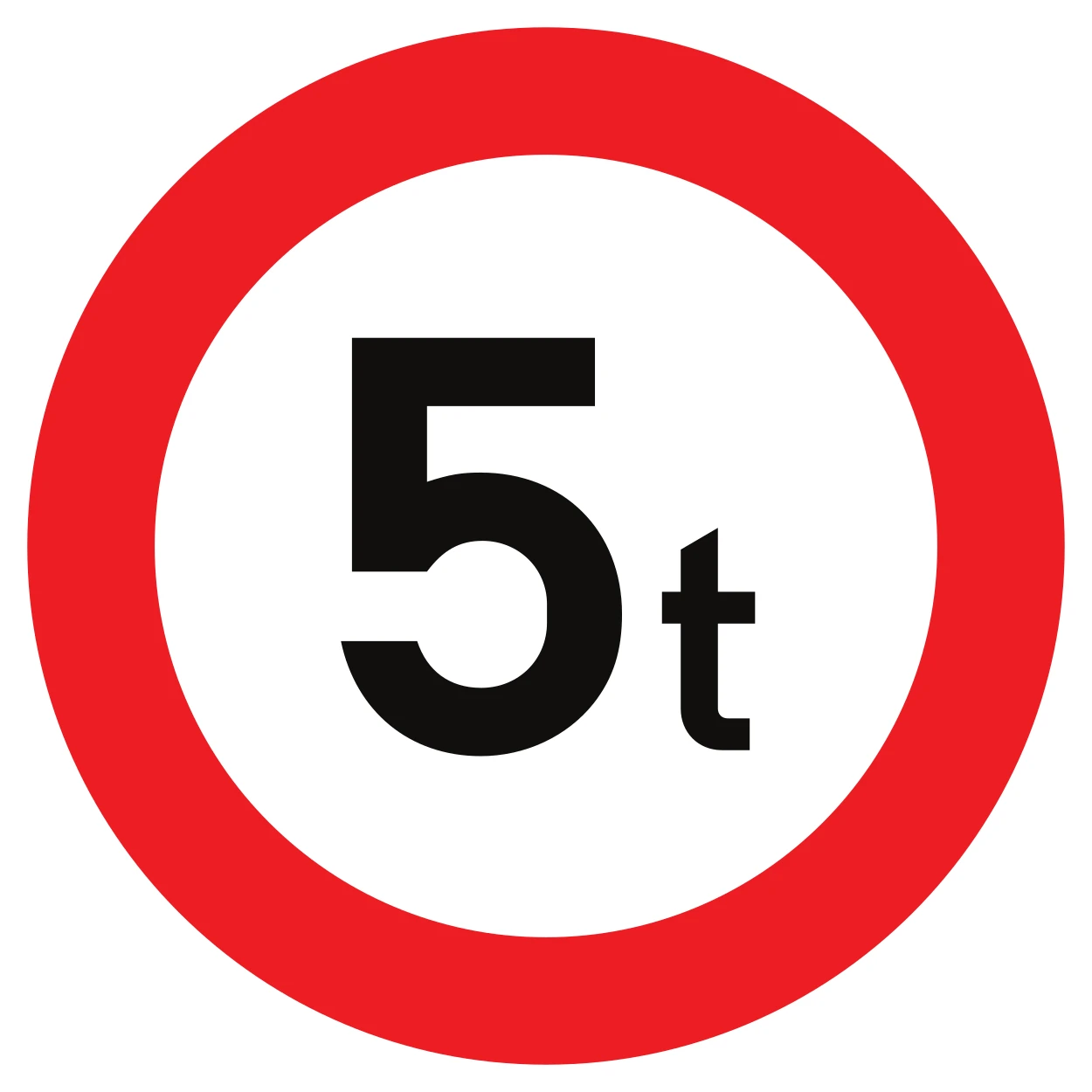
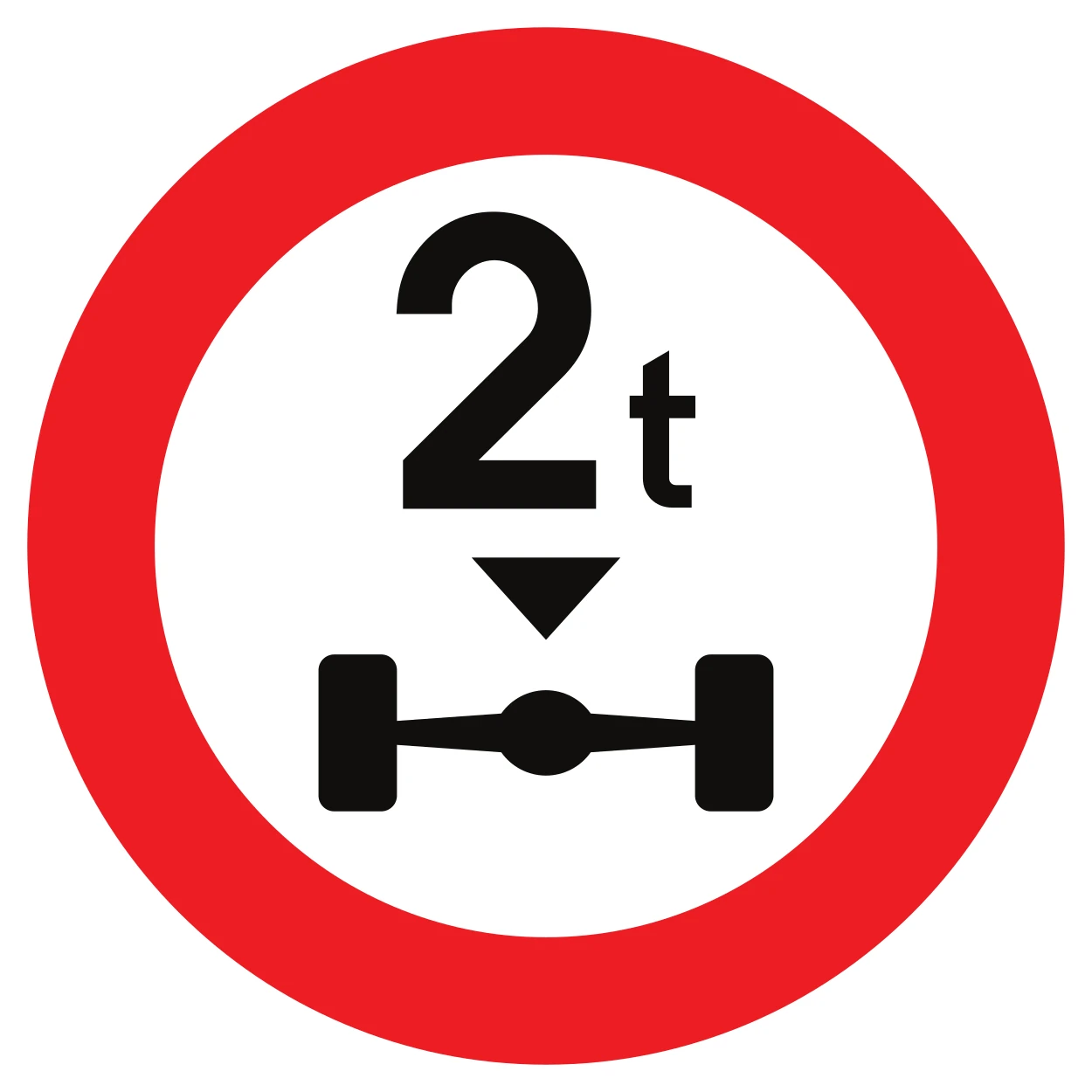
Belgian C21 Sign: Respect the Weight Limit or Find Another Route!
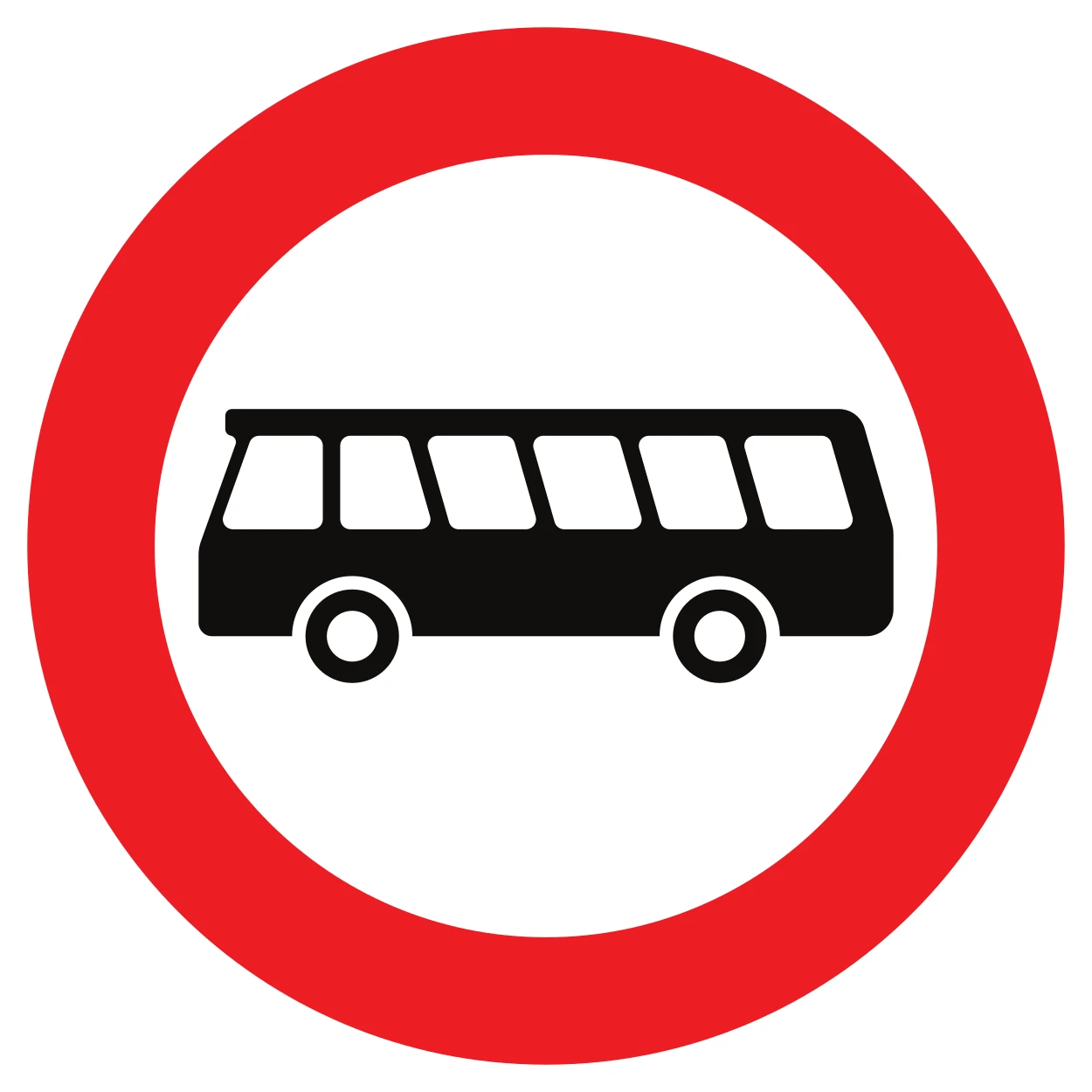
Understand the C22 'No Entry for Buses' Prohibitory Sign
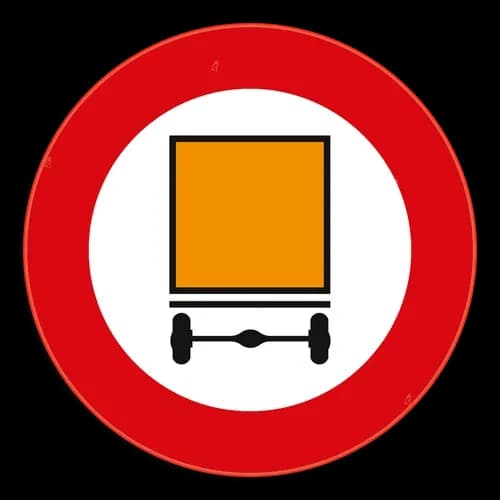
Belgian C23 Sign: What it Means for Trucks and Drivers
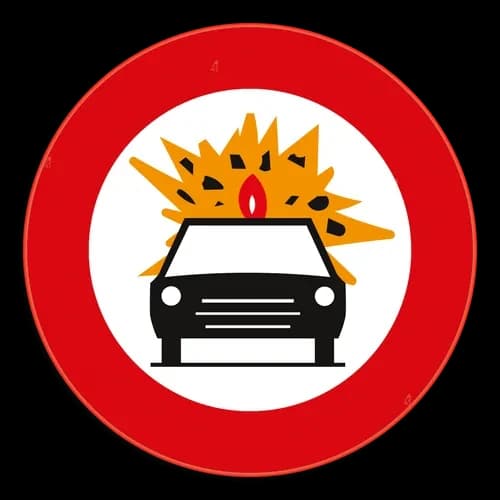
Learn the meaning of the Belgian C24a 'No Entry for Vehicles Transporting Dangerous Goods' road sign.
Belgian Sign C24b: No Entry for Vehicles Transporting Flammable or Explosive Goods
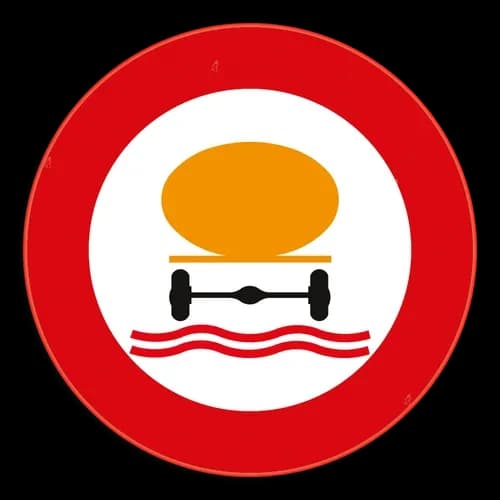
Understand the C24c 'No Entry for Water Polluting Goods' Belgian Traffic Sign
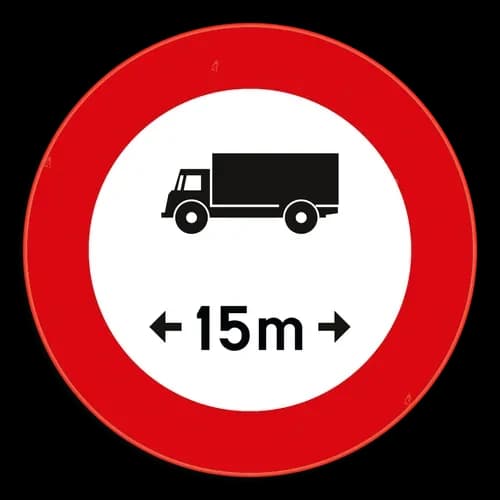
The C25 Length Limit sign prohibits vehicles exceeding a certain length.
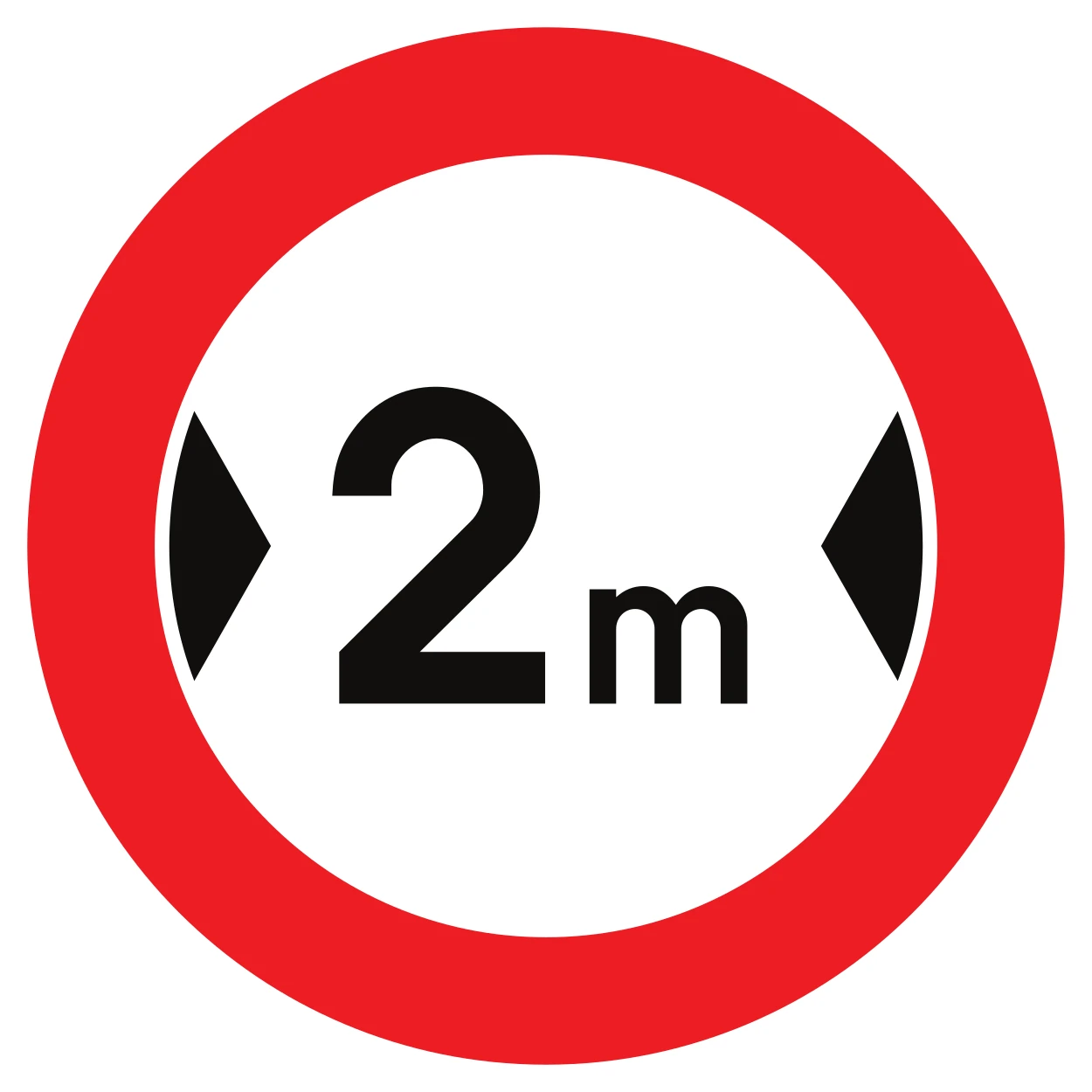
Obey the Width Limit Sign (C27) in Belgium to Avoid Restrictions
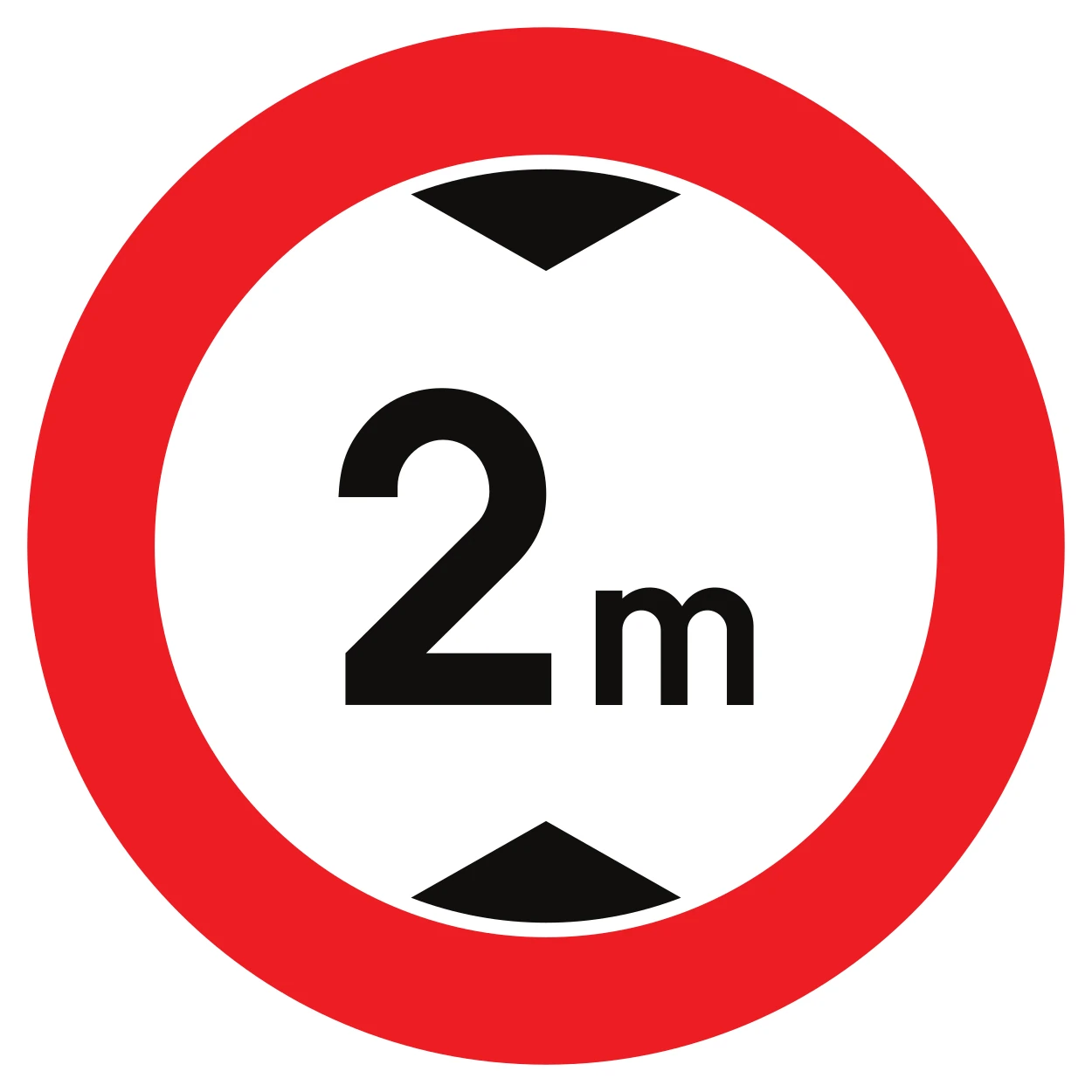
Obey the Height Limit Sign (C29) in Belgium to Avoid Vehicle Damage
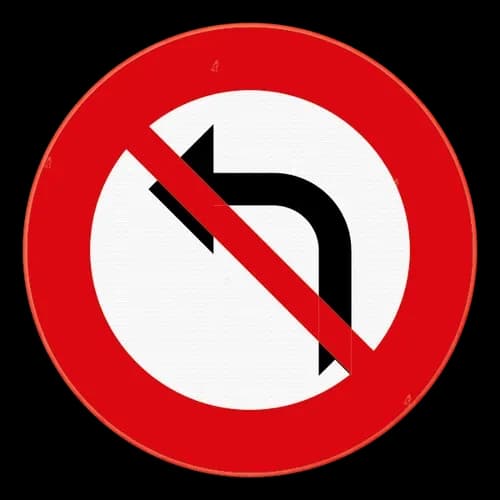
Understand the Belgian C31a 'No Left Turn' Traffic Sign
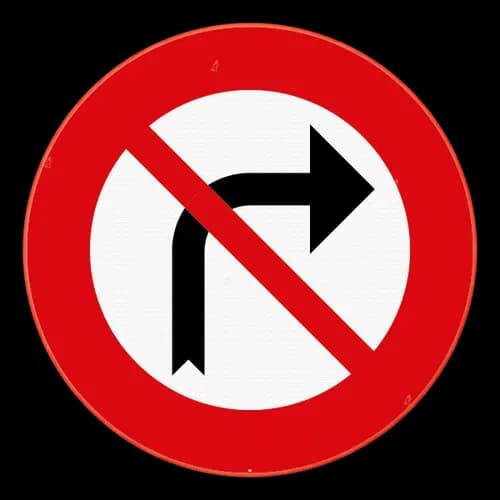
The C31b 'No Right Turn' sign means you cannot turn right at this point.
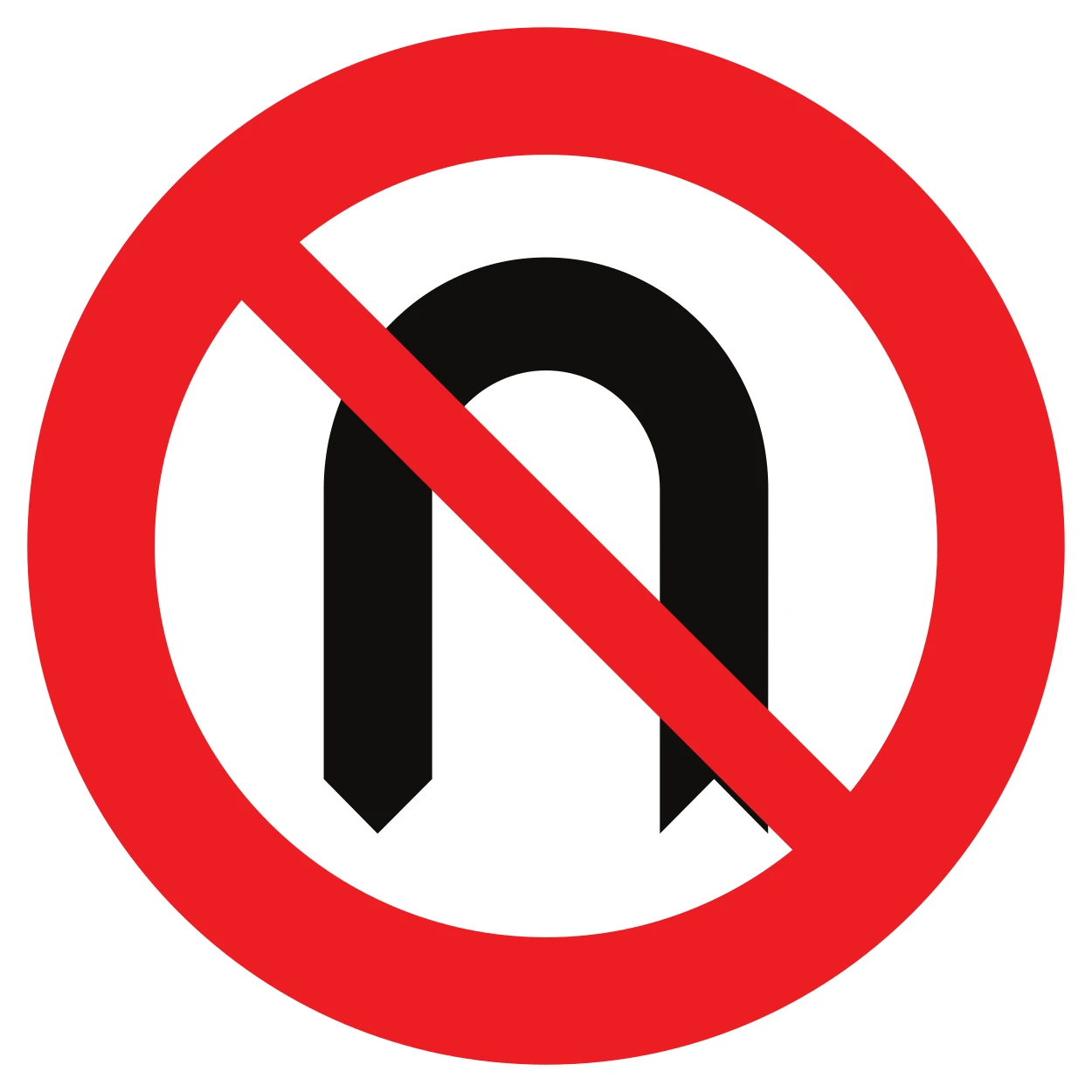
What does the Belgian C33 'No U-turn' sign mean for drivers?
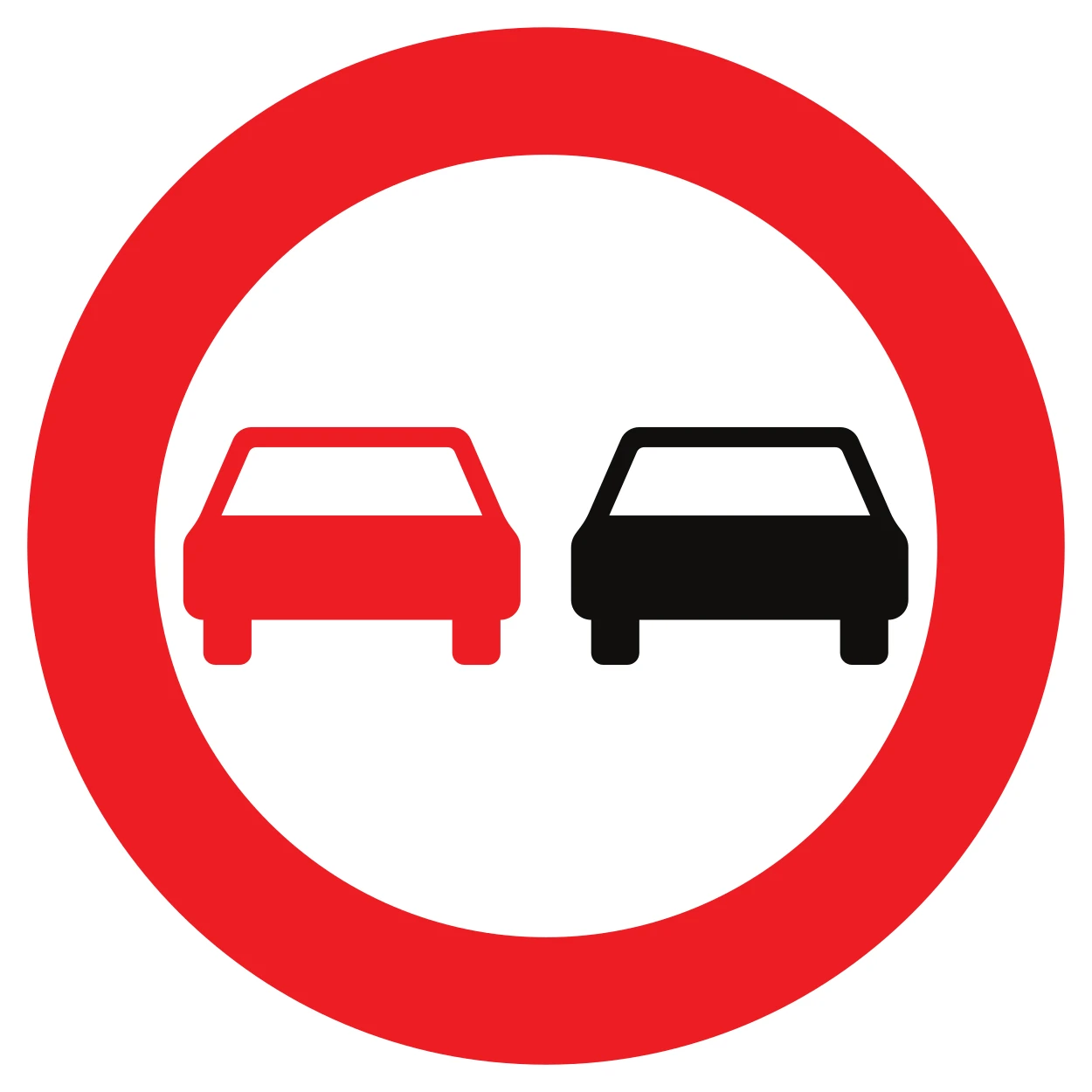
Belgian C35 Sign: Understand the 'No Overtaking' Prohibition
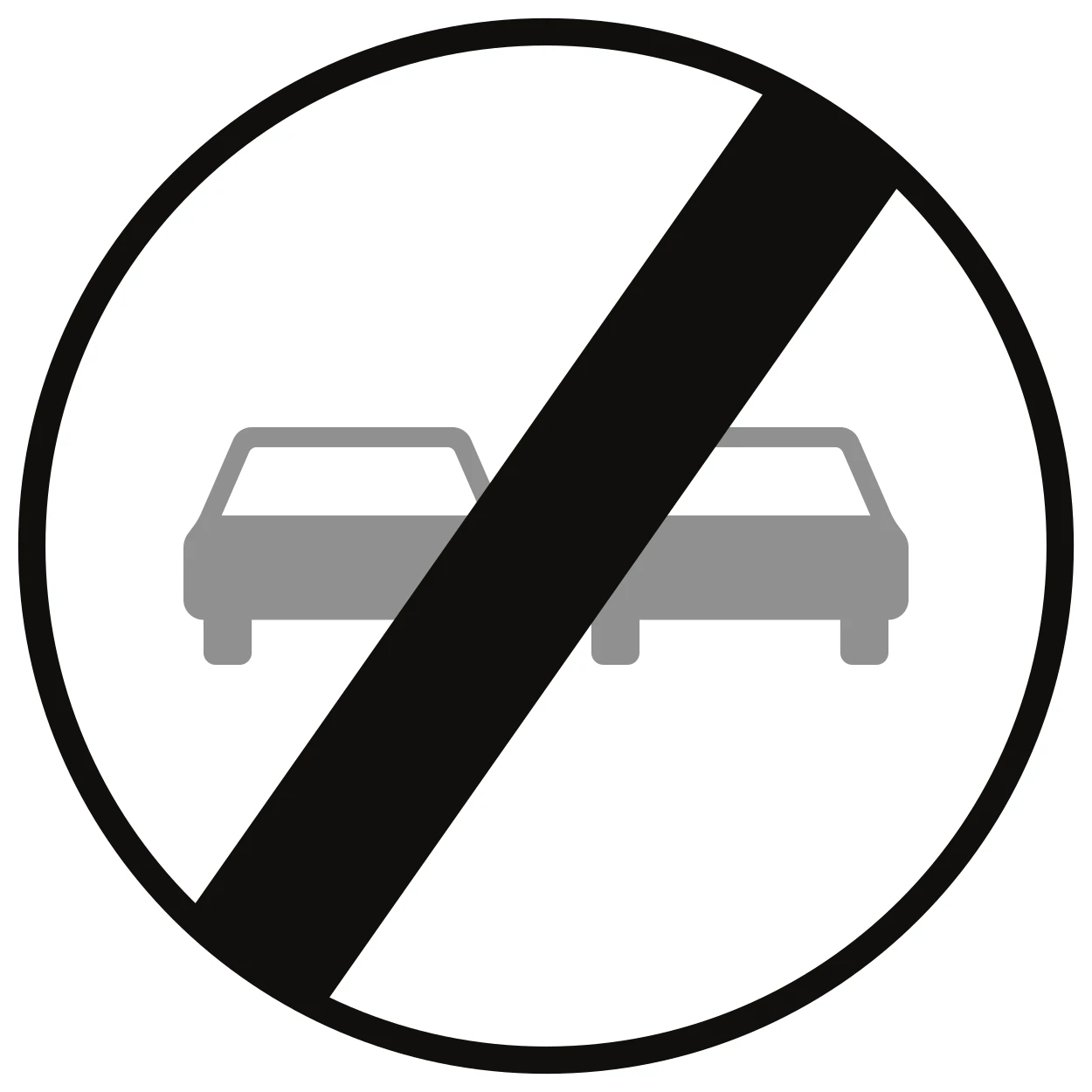
You can now overtake: the restriction has ended!
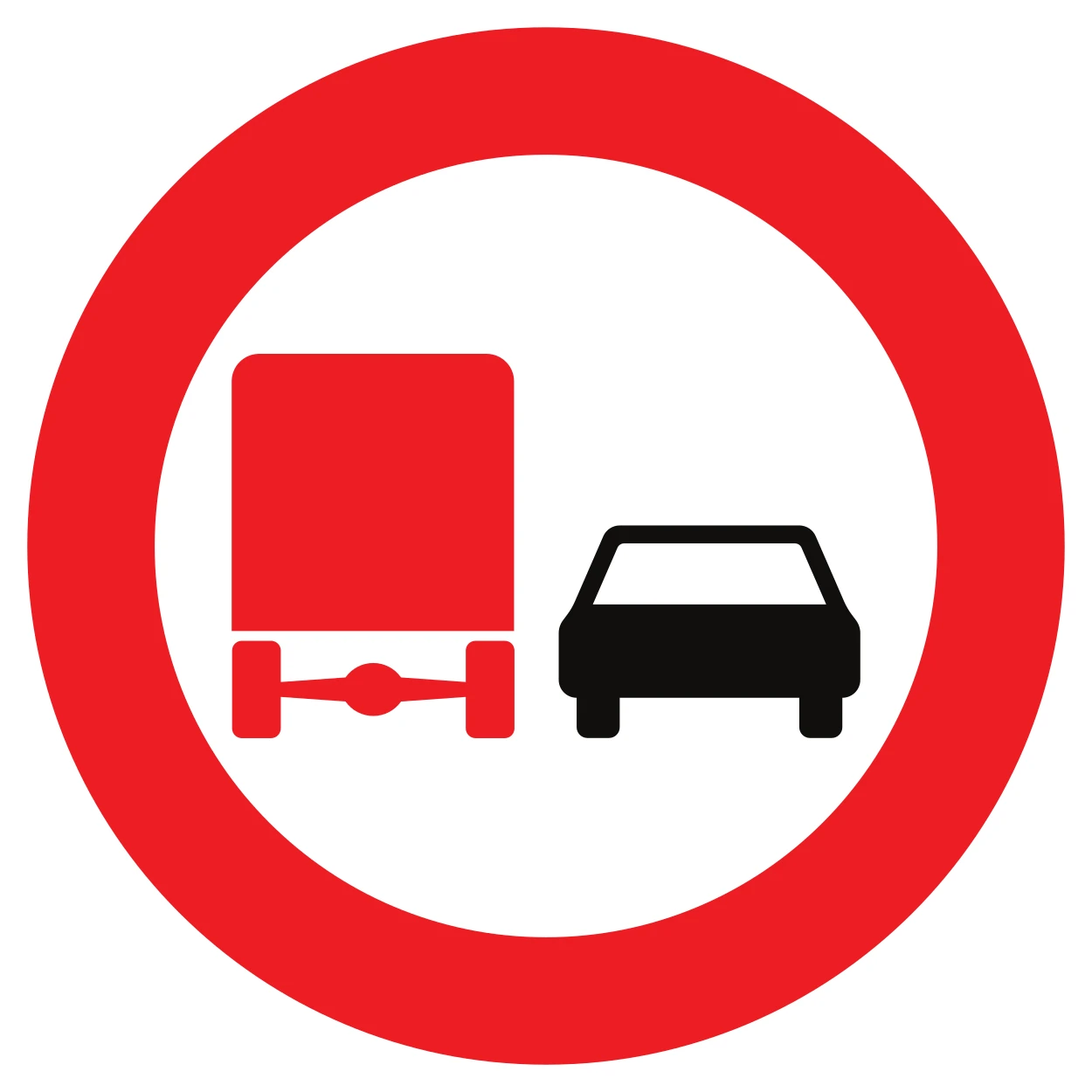
What Belgian Sign C39 Means: No Overtaking for Heavy Vehicles
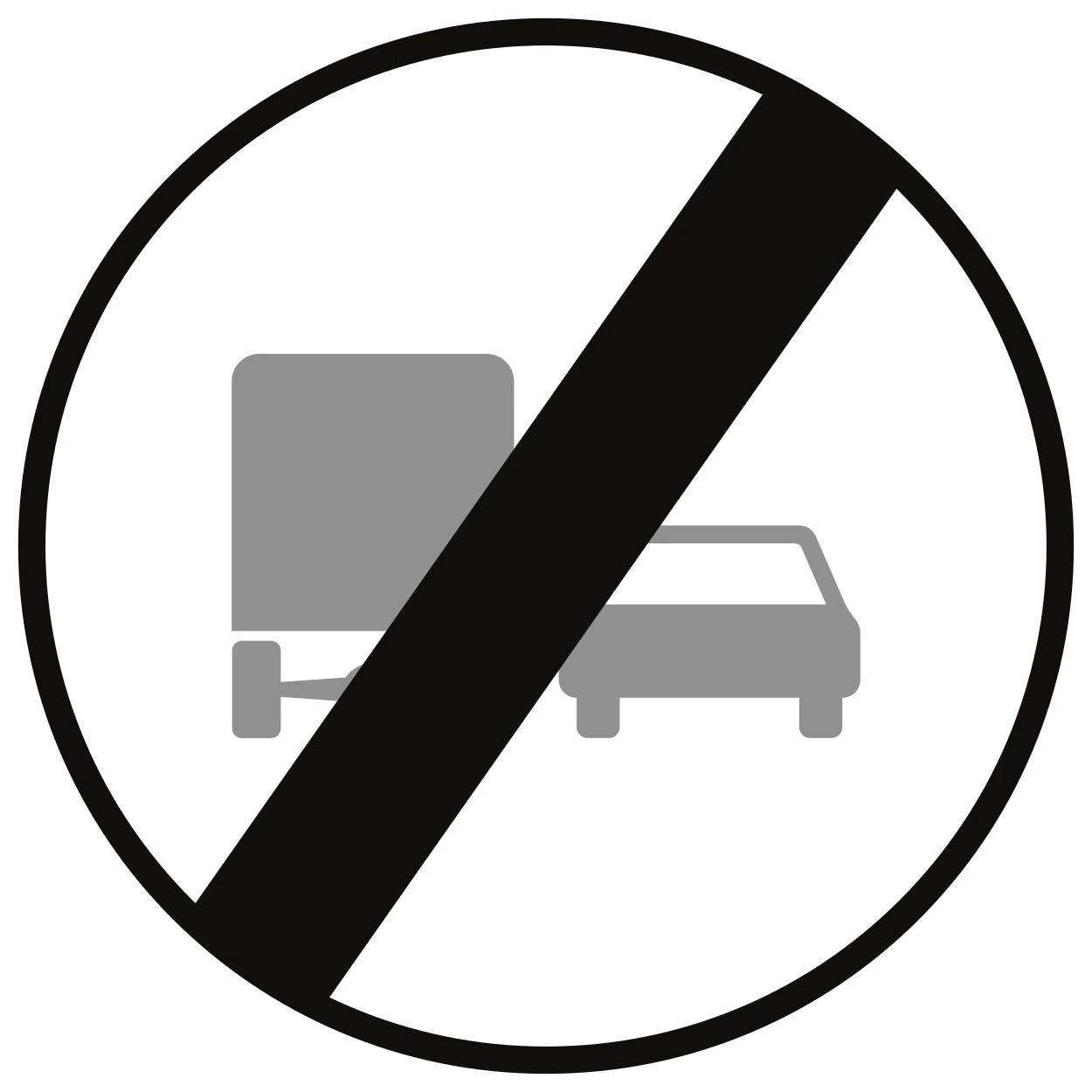
C41: This Sign Ends the Overtaking Ban for Heavy Vehicles
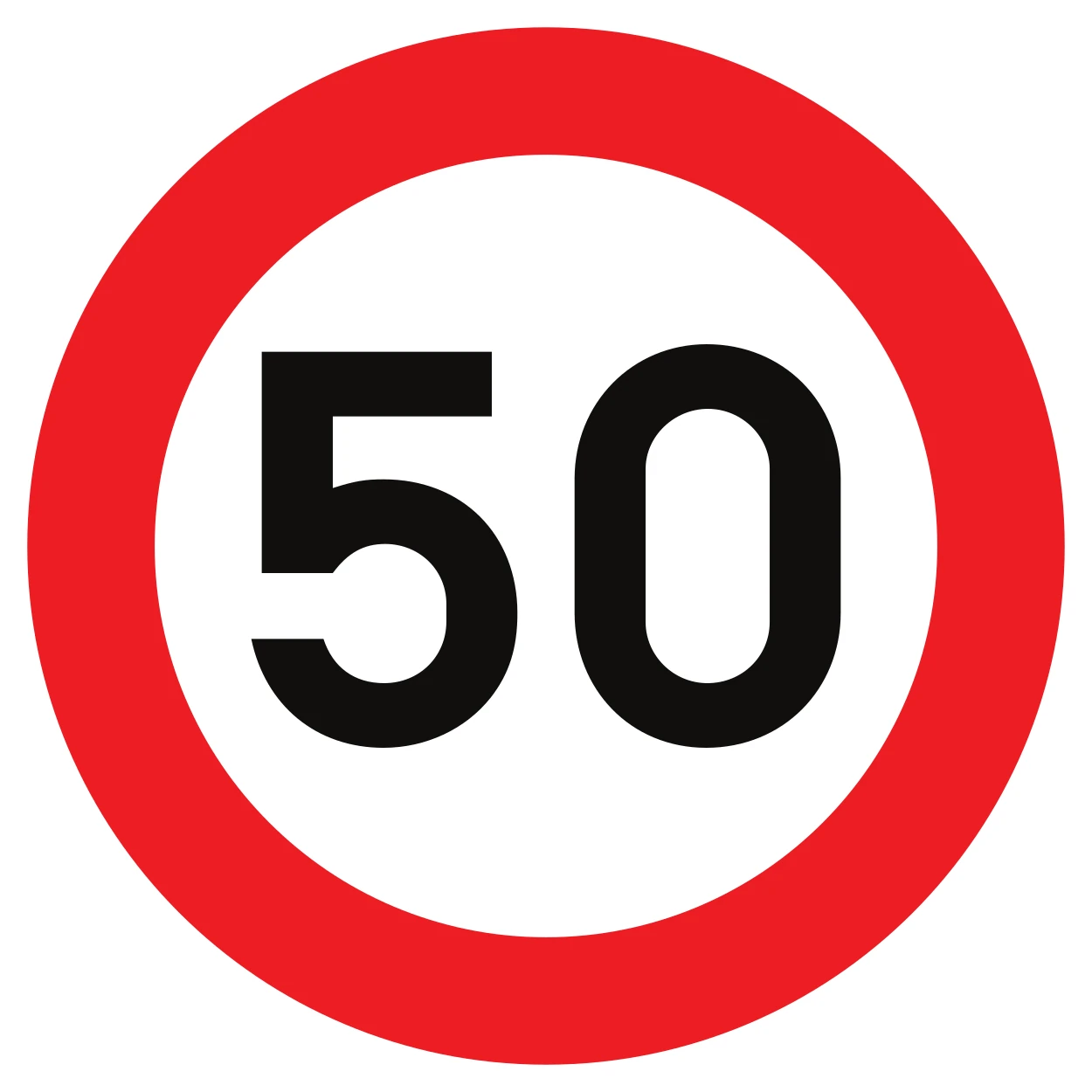
C43: Understand Belgium's Maximum Speed Limit Sign
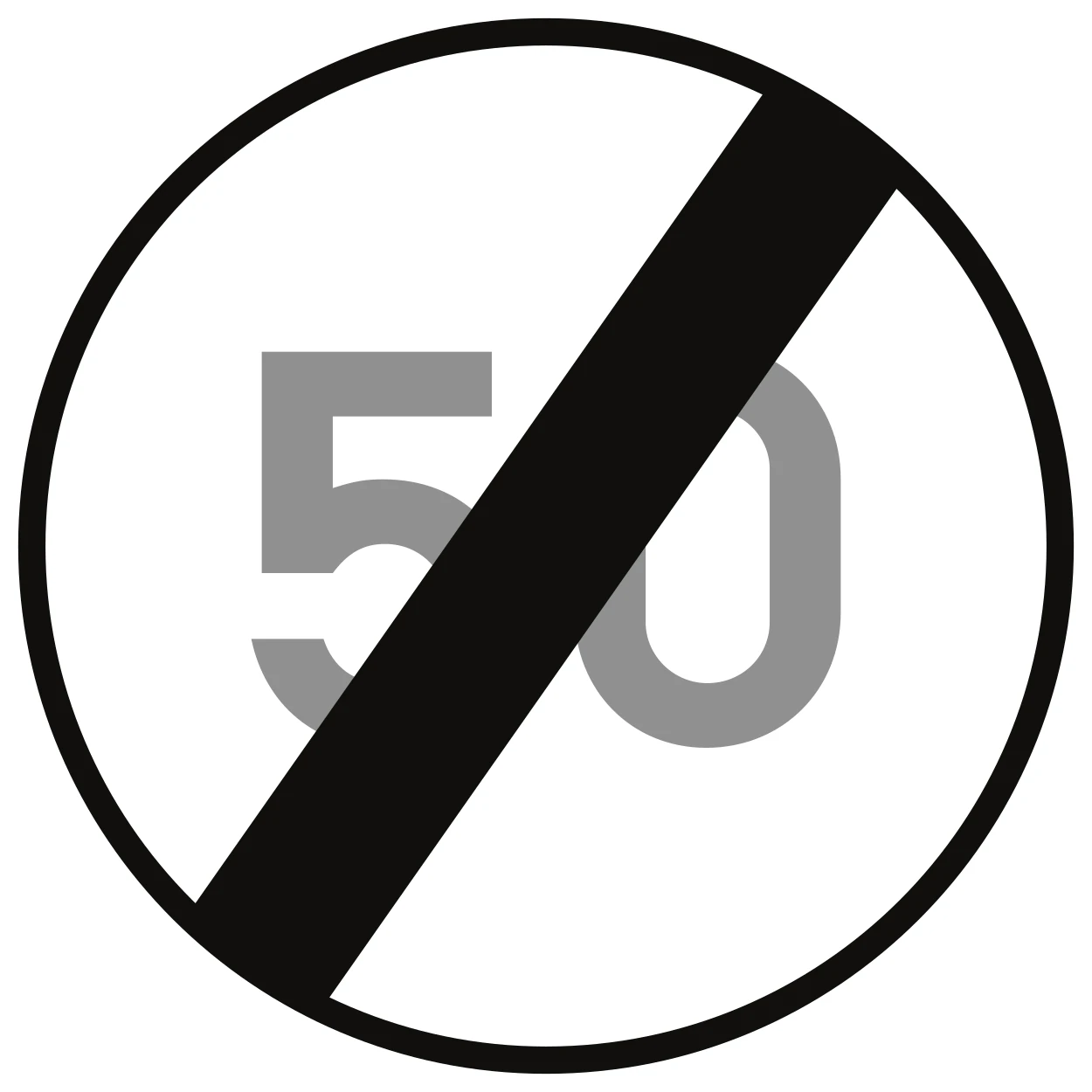
Belgian C45 Sign: Your Speed Limit Restriction Has Now Ended
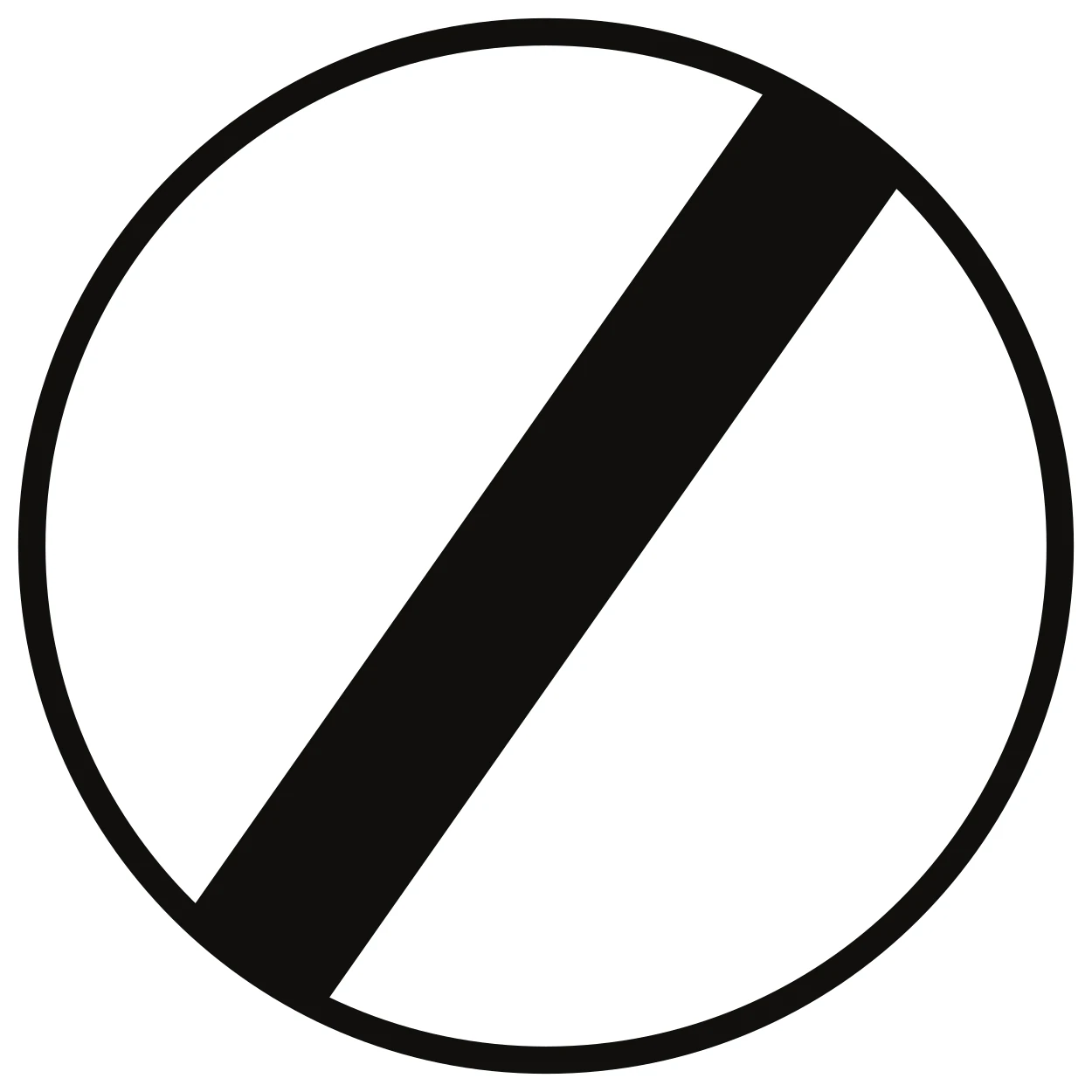
C46: Signalling the End of Restrictions for Moving Vehicles in Belgium
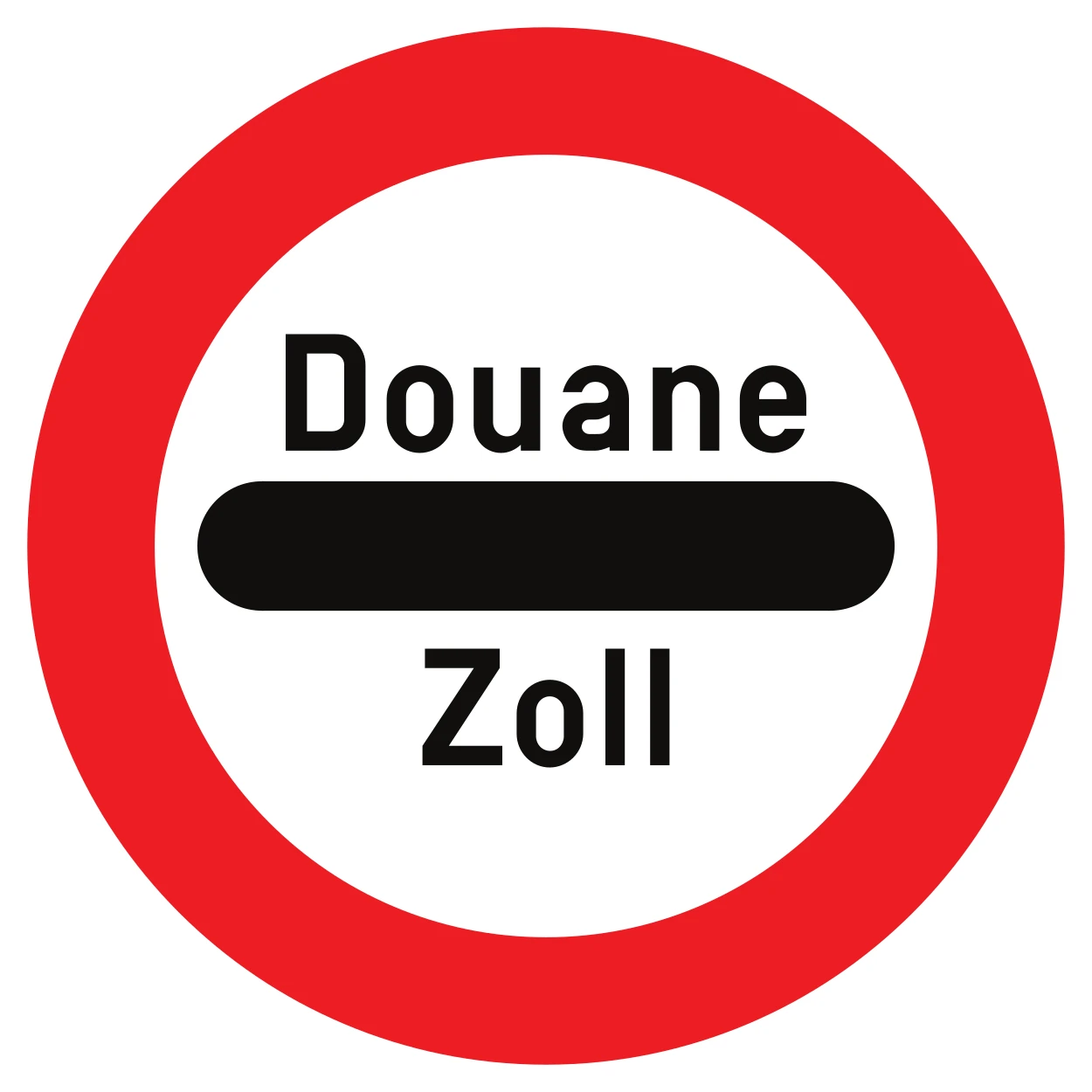
Understand the C47 'Toll Post' sign and your obligations in Belgium.
Clear answers to common questions about the Belgian Prohibitory Signs road sign category. Use this FAQ to review tricky rules, understand how these signs appear in exam scenarios, and remove confusion that often leads to mistakes in the Belgian driving theory exam in Belgium.
The main purpose of Belgian prohibitory signs is to inform drivers about actions, entries, vehicle types, speeds, or manoeuvres that are forbidden. They are essential for maintaining order and safety on the roads by clearly outlining what drivers must not do in specific locations or under certain conditions.
Yes, many prohibitory signs can have exceptions indicated by supplementary panels. These panels might specify times of day, types of vehicles (e.g., allowing residents), or specific conditions under which the prohibition does not apply. It is crucial to read these supplementary panels carefully before deciding if an exception applies to you.
The C1 sign ('Do Not Enter') means that you are prohibited from entering the road or area it is placed on. The C3 sign ('No vehicles in both directions') indicates that no vehicle traffic is allowed on that road in either direction. While both restrict entry, C3 specifically applies to two-way roads where all traffic is forbidden from entering from either side.
A maximum speed sign (C43) sets a speed limit. Overtaking restriction signs (like C35 for all vehicles or C39 for heavy vehicles) prohibit overtaking, often on roads where it would be particularly dangerous. These can be present independently or together. Crucially, there are also signs (C37, C41, C45, C46) indicating the *end* of these restrictions, which drivers must also recognise.
If a prohibitory sign appears unclear, especially with a supplementary panel, it's best to err on the side of caution. Slow down and assess the situation carefully. If unsure, it is often safest to assume the prohibition applies to you unless an exception is explicitly stated and understood. In a driving exam context, you would be expected to interpret the signs correctly based on the rules you've learned.
Navigate each road sign category to deepen your understanding of Belgian traffic rules. Focus on warning, regulatory, or informational signs. This structured pathway helps solidify your knowledge for the driving theory exam. Explore specific sign groups now to boost preparation.
Explore Road Sign Categories