
The 'Stop' sign, officially catalogue code B13, is a crucial Danish priority sign. It mandates a complete halt before entering a conflict area, such as an intersection or junction. You must stop early, check all approaches for traffic, and only proceed when you have clear priority, good visibility, and a safe gap. Understanding its placement and context is key to navigating Danish roads safely and passing your theory exam.
Mastering the "Stop" sign (B13) is crucial for Danish theory test revision, as it mandates a full halt before proceeding. Accurate sign interpretation ensures you yield correctly, preventing dangerous situations on Danish roads and aiding your licence process.
This Danish priority sign controls the order of movement where traffic streams may conflict. Priority signs decide whether the driver must stop, yield, continue on a main road, merge carefully, or give priority to oncoming traffic. The safe response is to slow early, observe every approach, and proceed only when the signed rule and actual traffic gap both allow it. Official catalogue code: B13.
The "Stop" sign requires a complete stop before entering the conflict area. Proceed only when priority, visibility, and traffic conditions are clear. Catalogue code B13.
Get clear, practical answers to the most common questions about the B13 - Stop road sign. Learn how the sign works, what rules it represents, and how it affects real driving situations. This FAQ strengthens your understanding and supports accurate decision making for the Danish driving theory exam in Denmark.
When you see the B13 'Stop' sign, you must bring your vehicle to a complete stop before entering the junction or conflict area. You should then check for other traffic and only proceed when it is safe to do so and you have priority.
No, stopping is just the first step. After stopping, you must assess the traffic situation. You only proceed if you have a clear path and do not impede other road users who may have priority or are already in the conflict area.
A common trap is assuming you can proceed immediately after a rolling stop, or failing to properly check for traffic from all directions. Another mistake is not stopping far enough back, especially if road markings indicate a specific stop line. Always come to a complete halt and ensure a safe gap.
The sign's placement indicates where the priority rule changes. You should observe for the sign well in advance and slow down to prepare for the stop. Pay attention to any white stop lines on the road, as this is typically where you must stop fully.
Absolutely. Even after stopping at a B13 sign, if you then enter the road and force another user to brake or swerve to avoid a collision, you have failed to yield correctly. This is a serious offence and a likely exam failure point.
A clear reference image of the B13 - Stop road sign used in Denmark.
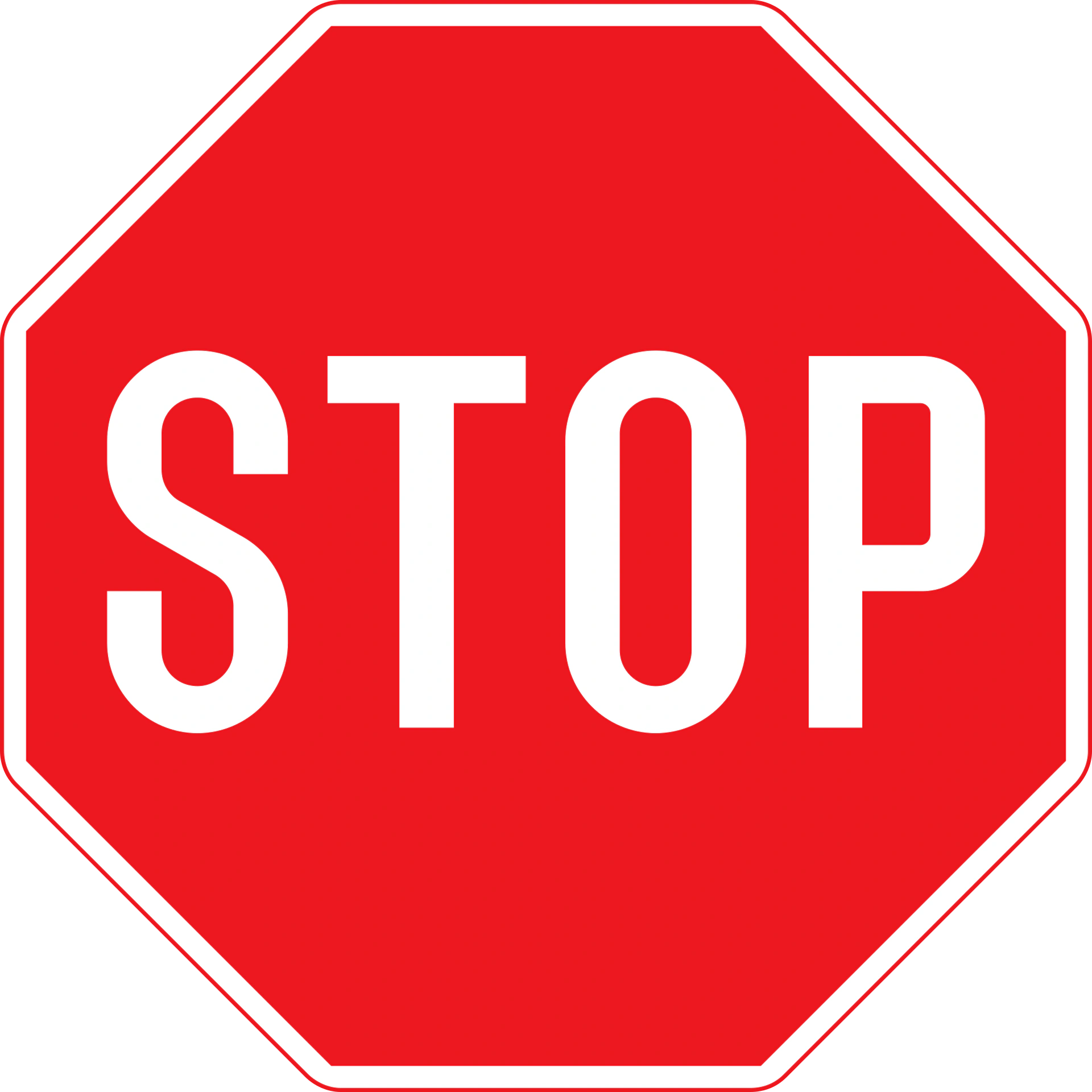
The B13 - Stop road sign may also be known by these alternative names or terms.
The B13 - Stop road sign is part of the Danish Priority Signs category, which groups together signs with similar rules and functions.
Understanding the subtle differences between similar Danish road signs is crucial for theory test success. Comparing signs like 'Stop' with other priority signs aids recognition and reduces errors during your exam preparation.
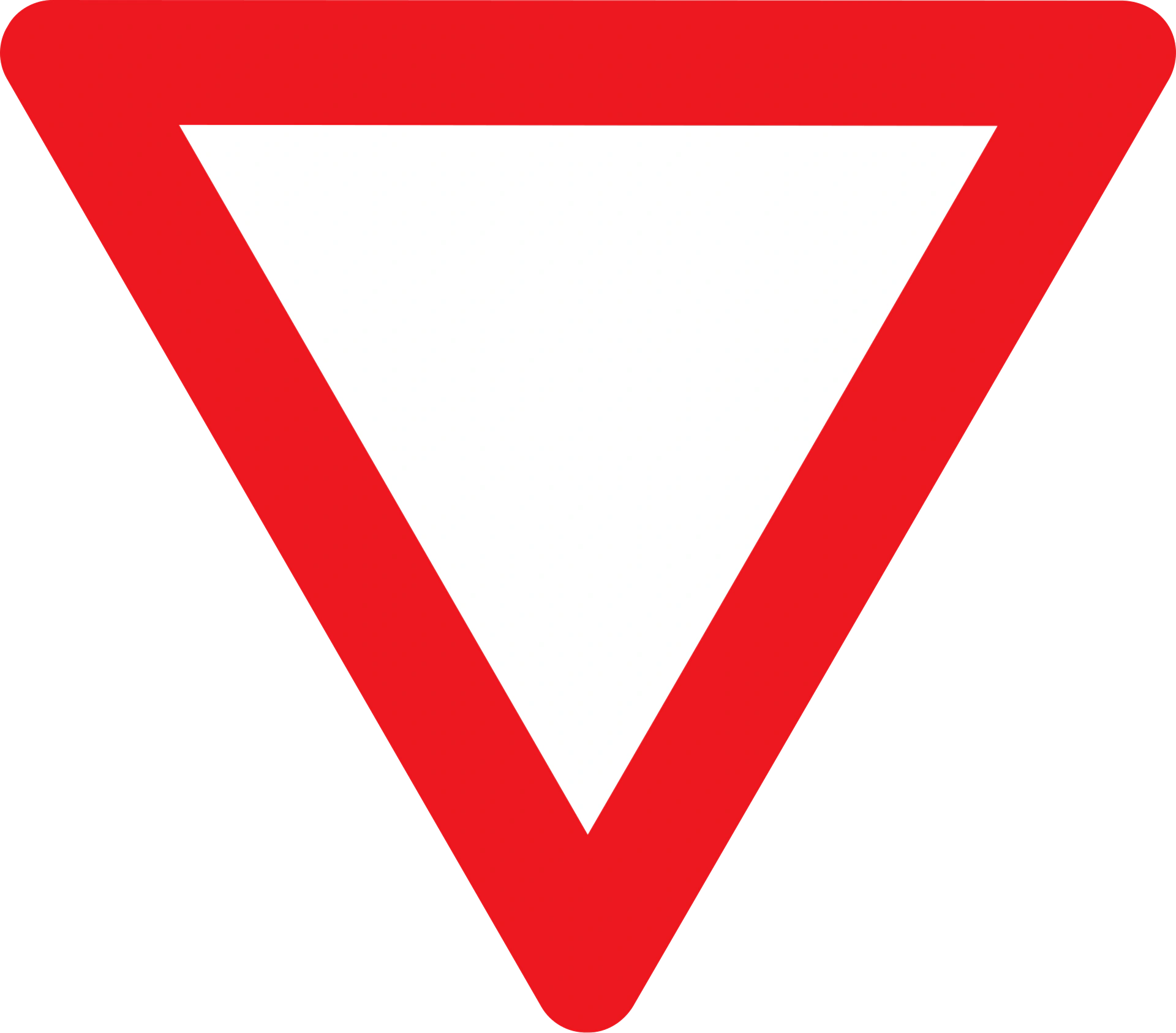
The B11 'Yield' sign means you must give way to other traffic.
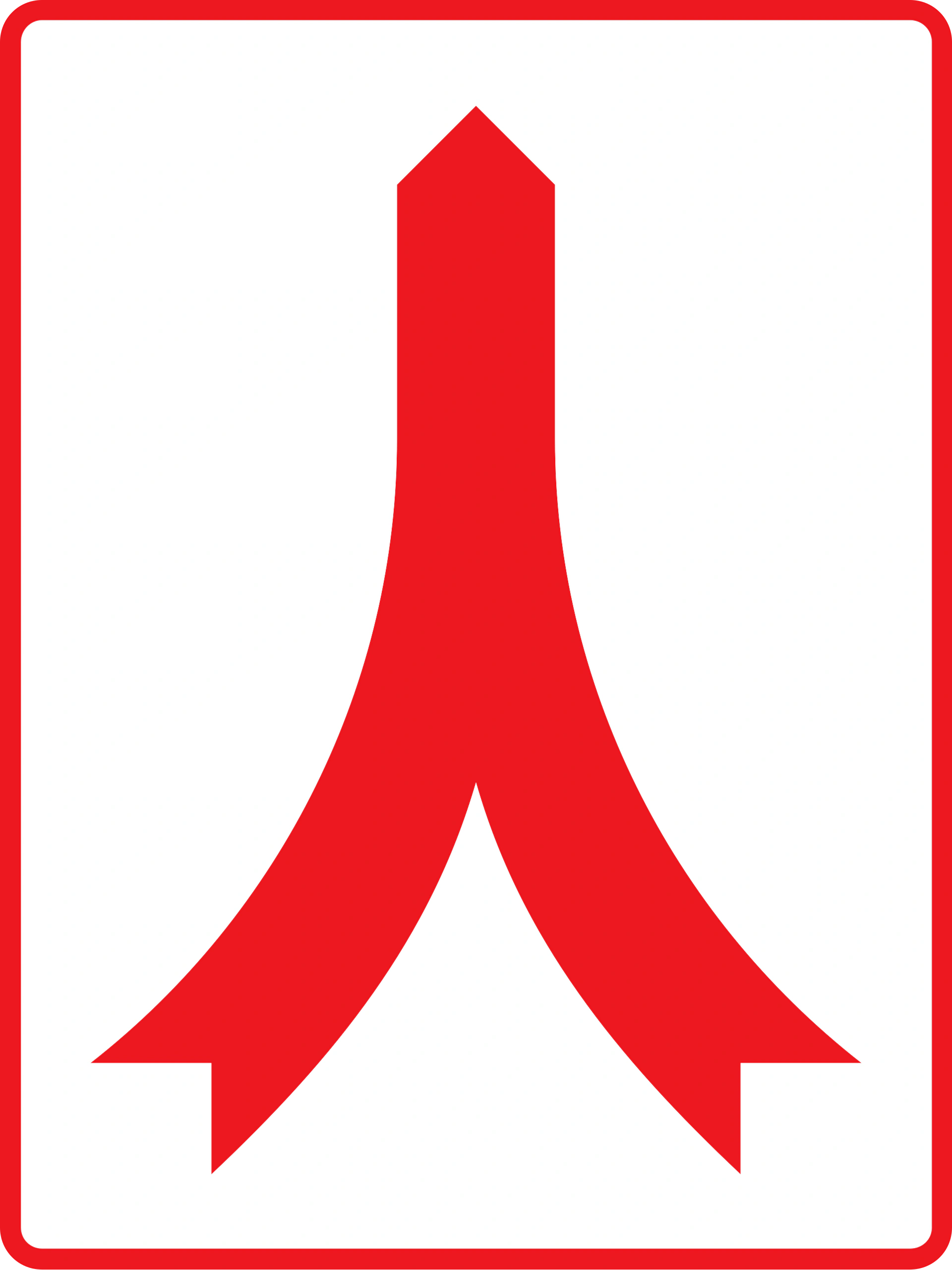
Understand the B15 Lane Merge Sign for Danish Road Priority
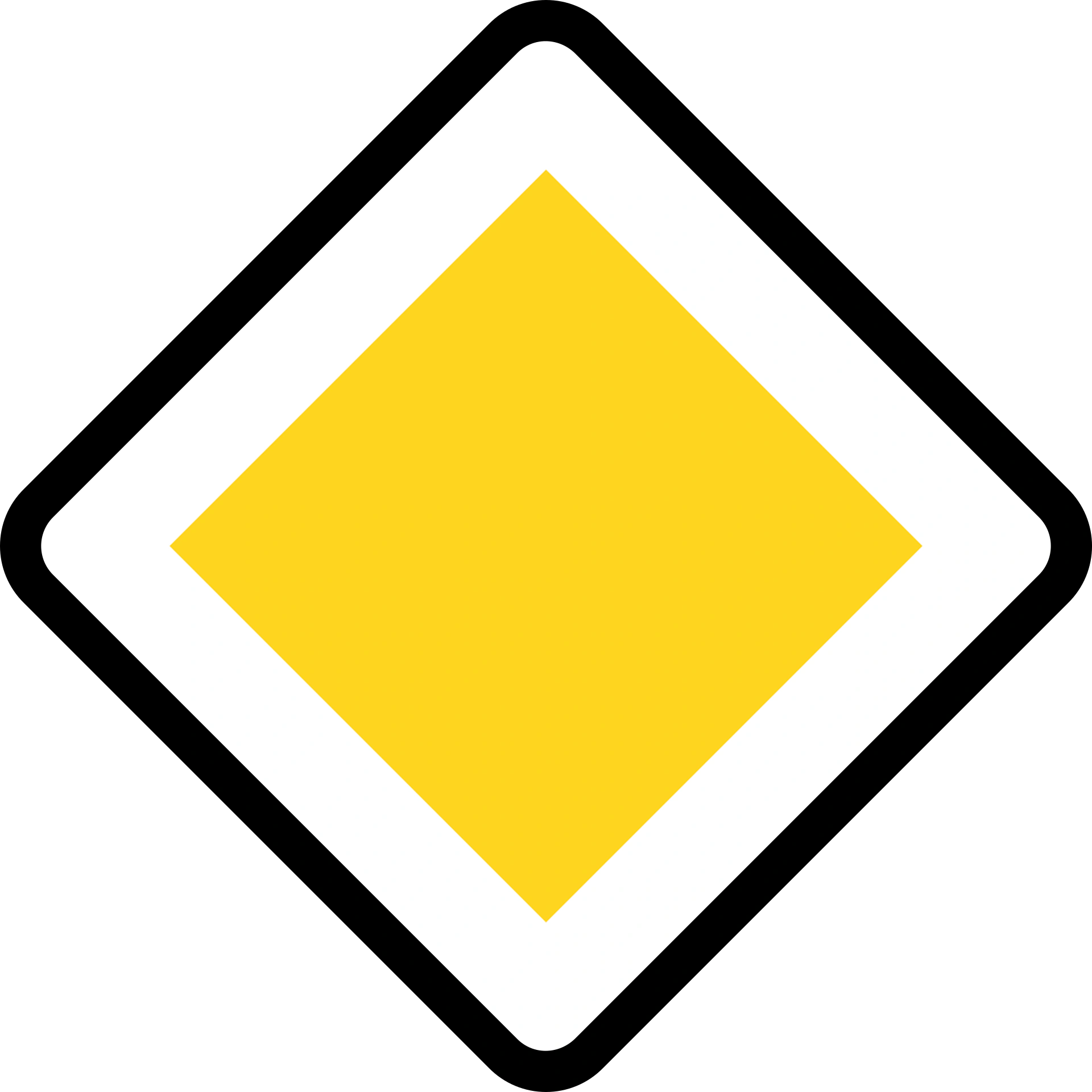
Understand the B16 Main Road sign and its priority rules in Danish traffic.
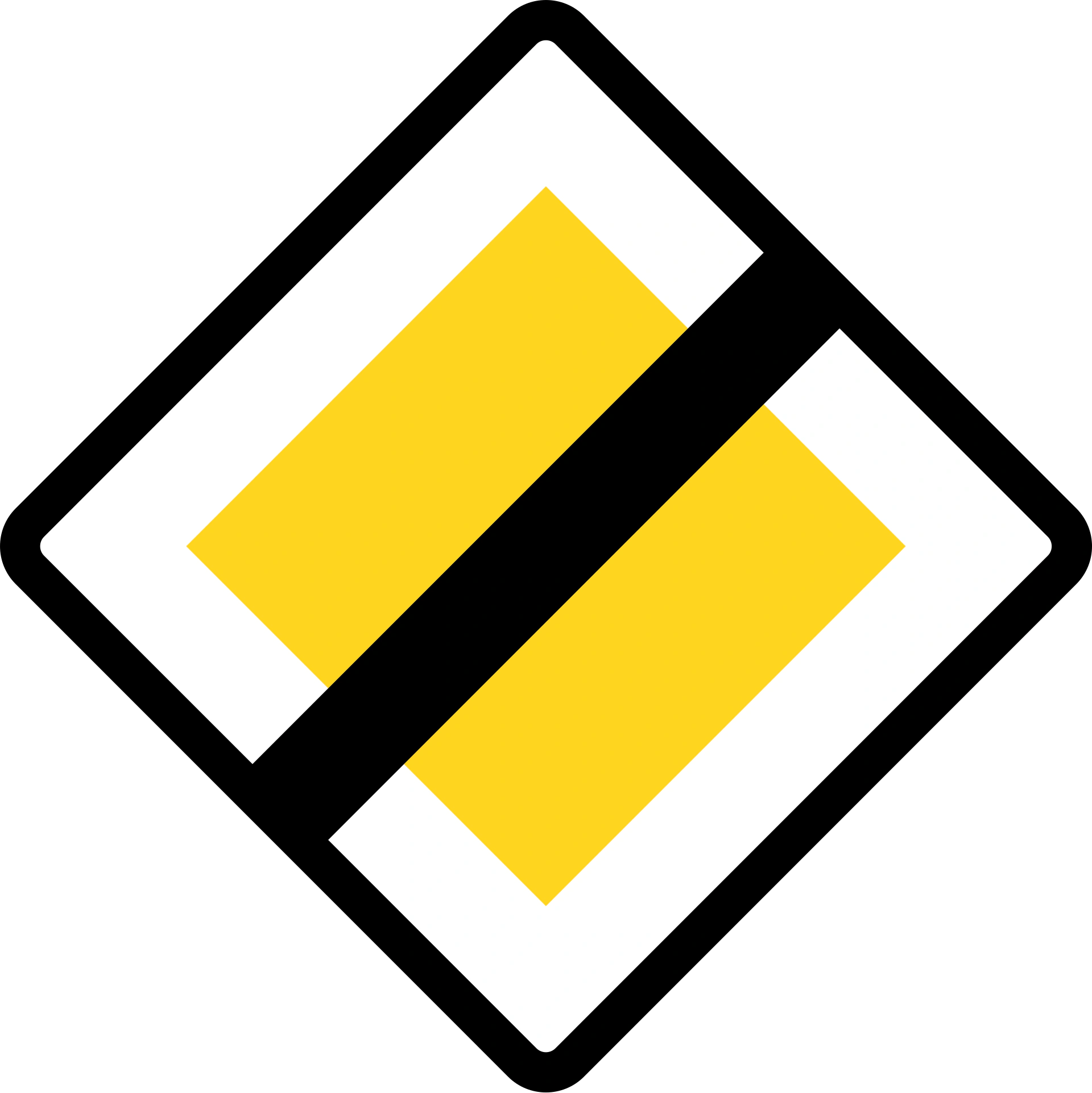
End of Main Road: Understand Your Priority Here
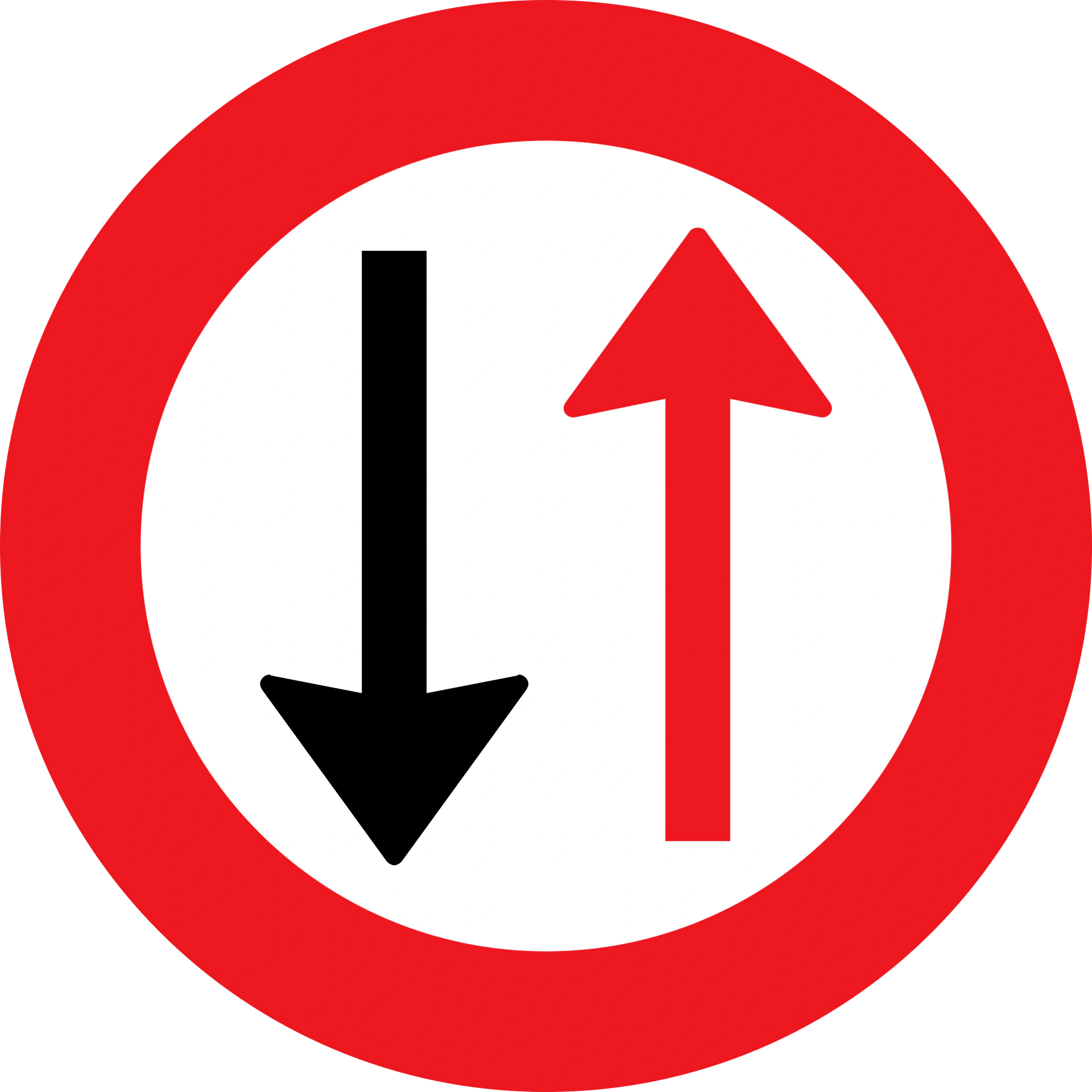
Understand the B18 'Priority for Oncoming Vehicles' Traffic Sign in Denmark
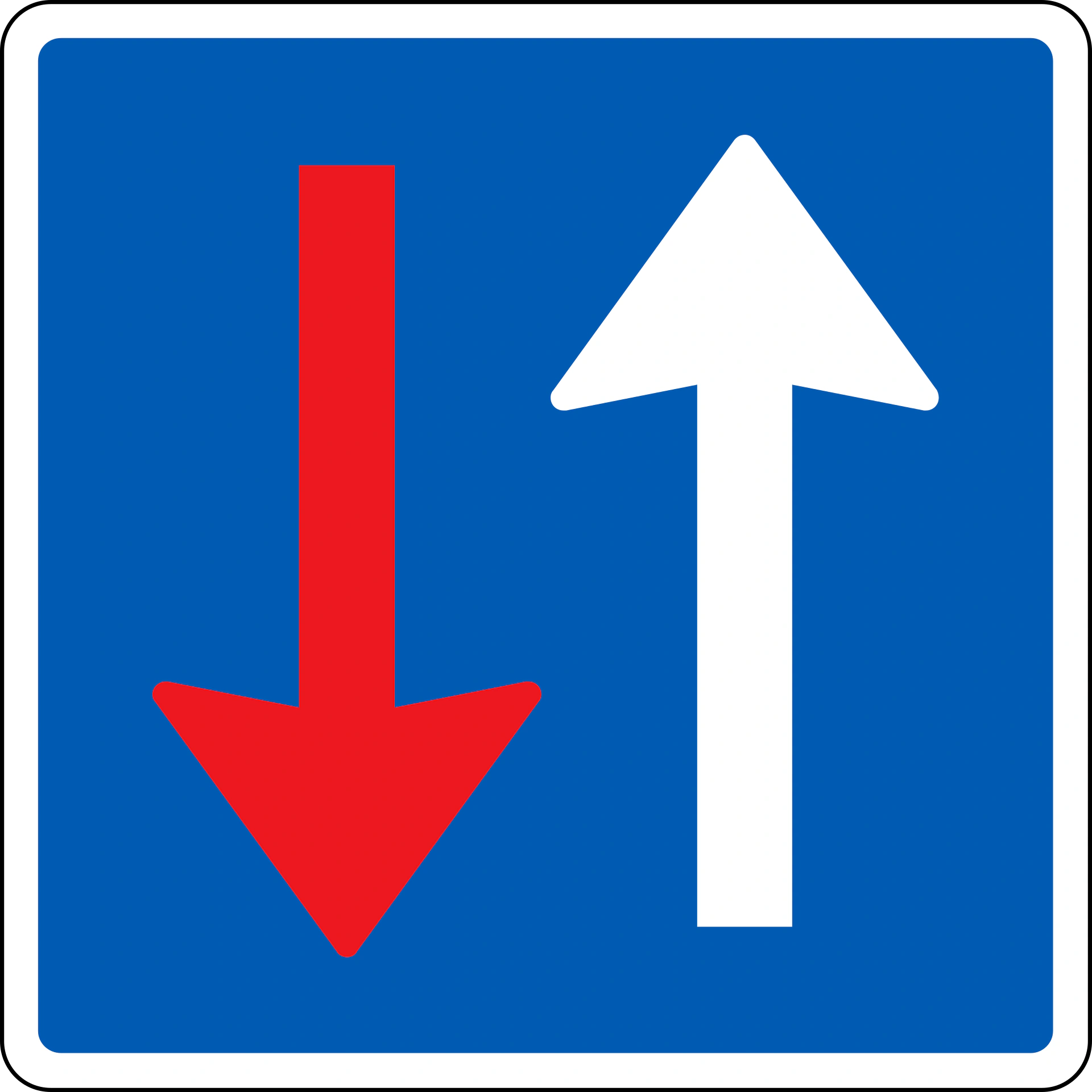
Understand Priority When Facing Oncoming Traffic with the B19 Sign
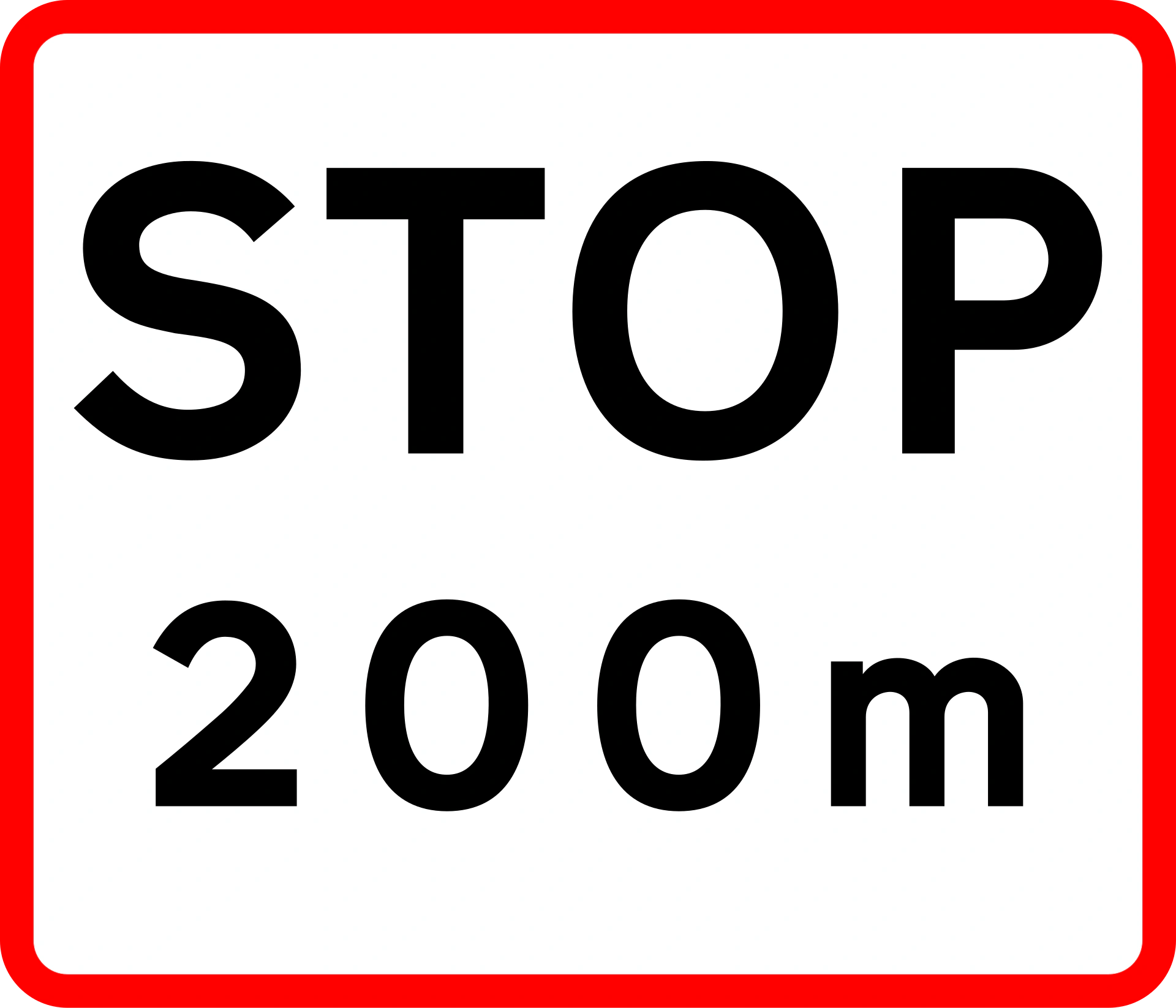
Understand the Danish 'Stop Ahead' (UB11.1) Priority Sign
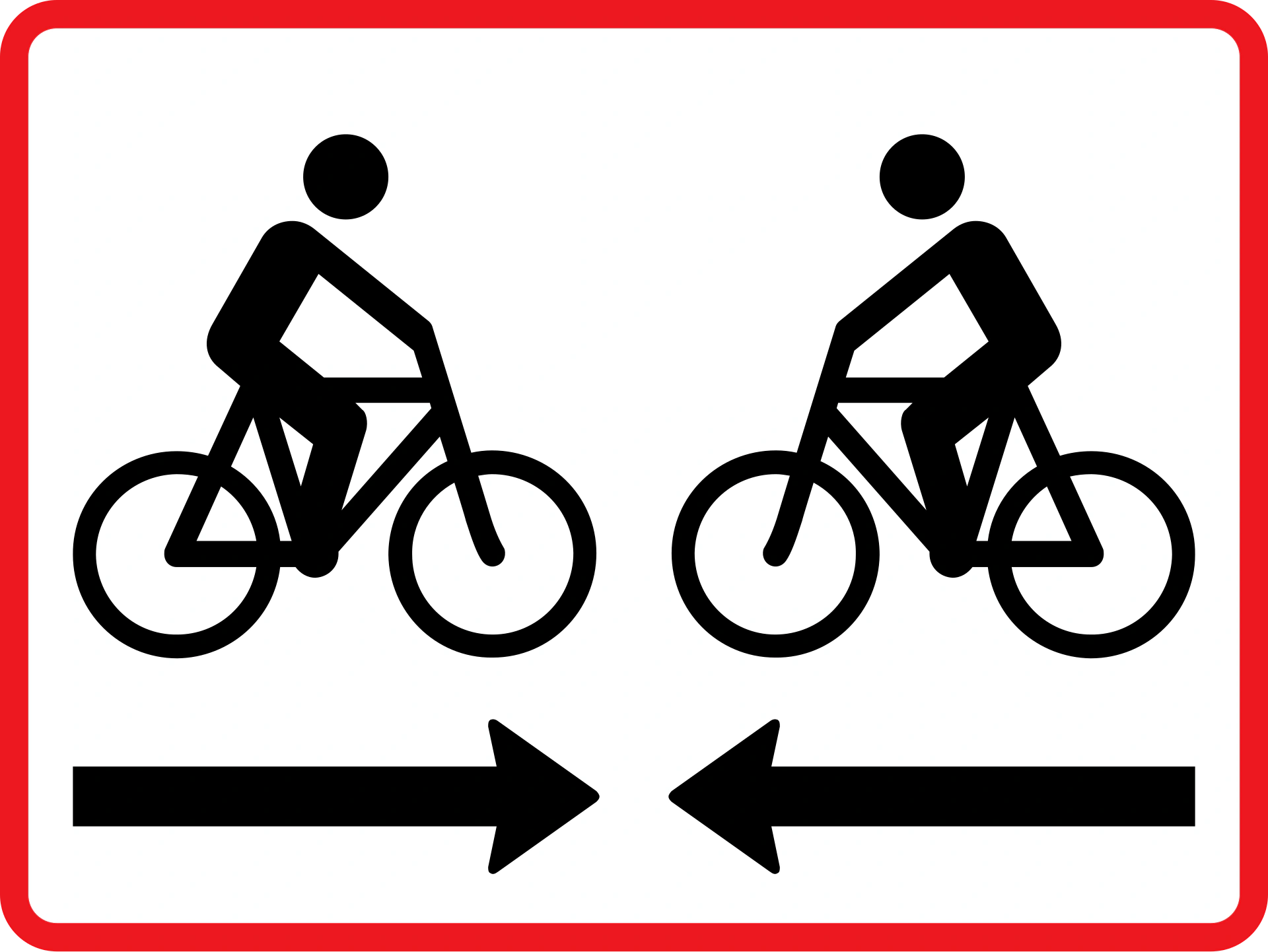
Know your priority at this two-way cycle track crossing with sign UB11.2
Strengthen your theory test preparation by exploring how these specific road signs influence priority, speed limits, and traffic flow across Danish roads. Review our curated resources to ensure you understand the legal obligations associated with each sign.
Navigating the rules for towing a trailer is essential for both your driving theory test and your future as a responsible driver. This guide explains how weight limits on registration documents determine your licence needs, distinguishing between basic Category B, Code 96, and Category B/E requirements. You will learn the importance of the combined total weight of your vehicle and trailer to ensure you stay within legal limits on Danish roads.
Ensuring all passengers are safely secured is a fundamental legal obligation for every driver in Denmark. In this article, you will learn the specific height requirements for child safety equipment, the legal distinction between adult and child safety duties, and the strict penalties associated with failing to follow these rules according to the Danish Road Traffic Act.
Master the Danish Digital Theory Test: Know Your Categories and How to Approach Questions.
Master Denmark's unique road and sea connections for a smooth journey.
This Danish priority sign controls the order of movement where traffic streams may conflict. Priority signs decide whether the driver must stop, yield, continue on a main road, merge carefully, or give priority to oncoming traffic. The safe response is to slow early, observe every approach, and proceed only when the signed rule and actual traffic gap both allow it. Official catalogue code: B11.
This Danish priority sign controls the order of movement where traffic streams may conflict. Priority signs decide whether the driver must stop, yield, continue on a main road, merge carefully, or give priority to oncoming traffic. The safe response is to slow early, observe every approach, and proceed only when the signed rule and actual traffic gap both allow it. Official catalogue code: B15.
After reviewing the full list of Danish road signs, test your understanding by attempting practice questions focused on sign recognition and meaning. Reinforce your learning and identify areas needing further study to confidently pass your driving theory exam.
View All Danish Road Signs List