
The UB11.2 'Two-way cycle track or lane crossing' sign is a Danish priority sign used to regulate traffic flow where multiple paths intersect or merge. It clearly indicates which road user has the right of way, helping to prevent confusion and potential conflicts. Drivers must slow down early, observe all approaches, and proceed only when it is safe and permitted by the sign and actual traffic conditions.
This essential Danish priority sign, UB11.2, dictates right-of-way at crossings with two-way cycle paths. Proper interpretation is crucial for safe navigation and exam success, aiding your theory test revision for complex traffic scenarios.
This Danish priority sign controls the order of movement where traffic streams may conflict. Priority signs decide whether the driver must stop, yield, continue on a main road, merge carefully, or give priority to oncoming traffic. The safe response is to slow early, observe every approach, and proceed only when the signed rule and actual traffic gap both allow it. Official catalogue code: UB11.2.
The "Two-way cycle track or lane crossing" sign defines priority for the relevant crossing, merge, main road, lane, or narrow section. Use it to decide who may proceed first. Catalogue code UB11.2.
Get clear, practical answers to the most common questions about the UB11.2 - Two-way cycle track or lane crossing road sign. Learn how the sign works, what rules it represents, and how it affects real driving situations. This FAQ strengthens your understanding and supports accurate decision making for the Danish driving theory exam in Denmark.
The UB11.2 sign, meaning 'Two-way cycle track or lane crossing', is a priority sign. It specifically defines who has the right of way at a point where traffic streams might conflict, such as a crossing, merge, or narrow section. It ensures orderly traffic flow by indicating which user may proceed first.
Upon seeing the UB11.2 sign, you must be prepared to yield or stop if you do not have priority. Slow down sufficiently in advance to observe all potential traffic, especially from the cycle track or lane that has priority over you. Only proceed when it is clear and safe to do so according to the signed priority rule.
A common trap is assuming you always have priority or not slowing down early enough. Learners might also forget to consider cyclists or other traffic from the direction indicated as having priority. Always remember that this sign dictates priority, and you must respect it to avoid forcing others to brake or swerve.
Not necessarily. The UB11.2 sign's purpose is to define priority. If the sign indicates that you have priority over the crossing cycle track or lane, you may proceed. However, if the cyclist or other traffic has priority, you must stop or yield. Always assess the situation and the signed rule before entering the conflict area.
Yes, the 'Additional notes' state that you should interpret the UB11.2 sign in conjunction with its placement, lane context, road markings, and traffic signals. These elements provide further guidance and context for the priority situation. Always consider all available traffic controls.
A clear reference image of the UB11.2 - Two-way cycle track or lane crossing road sign used in Denmark.
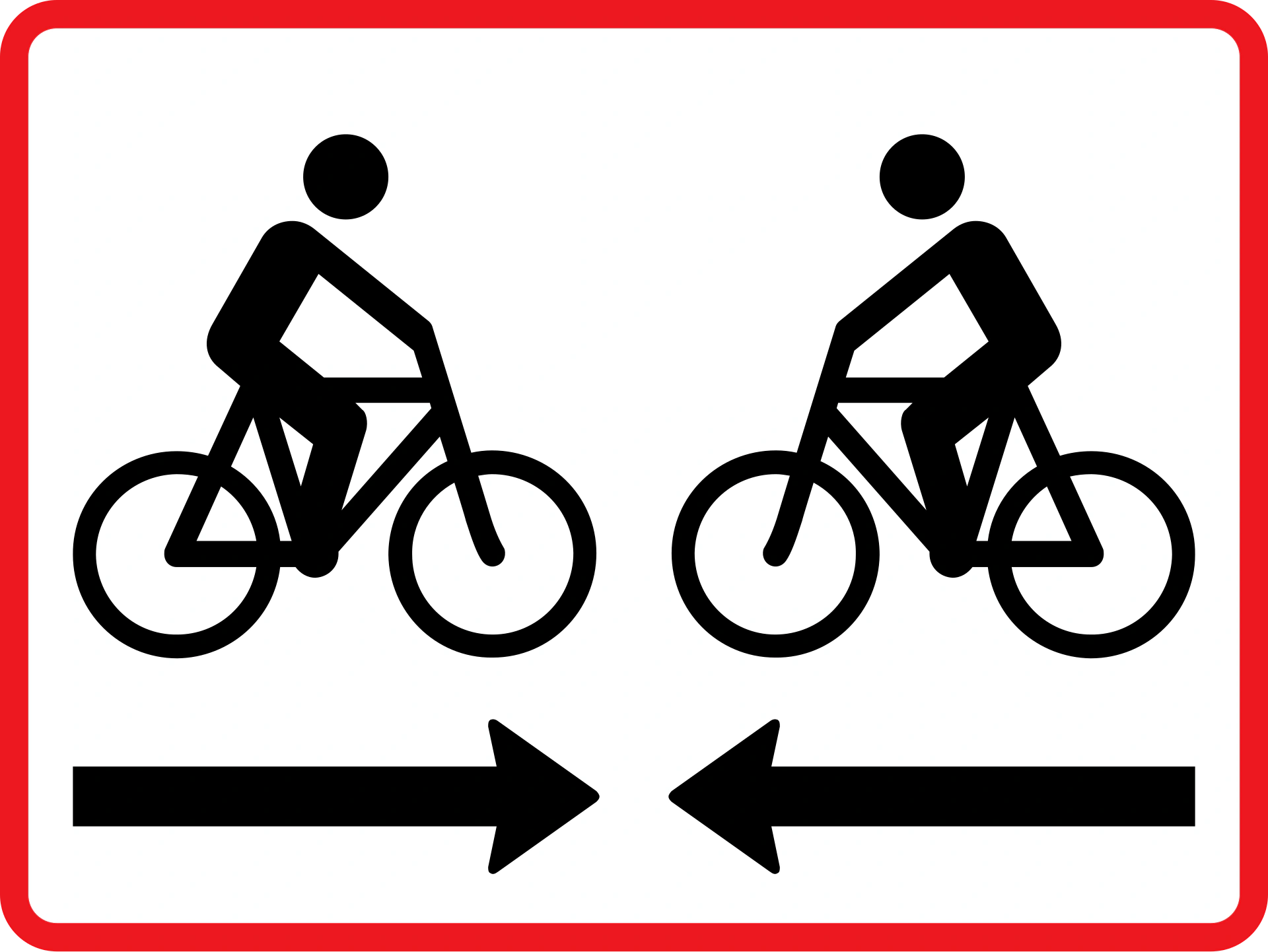
The UB11.2 - Two-way cycle track or lane crossing road sign may also be known by these alternative names or terms.
The UB11.2 - Two-way cycle track or lane crossing road sign is part of the Danish Priority Signs category, which groups together signs with similar rules and functions.
Reviewing similar road signs side-by-side is crucial for sharp recognition and fewer errors in your Danish driving theory test. Effective traffic sign comparison aids memory and builds confidence for your exam preparation.
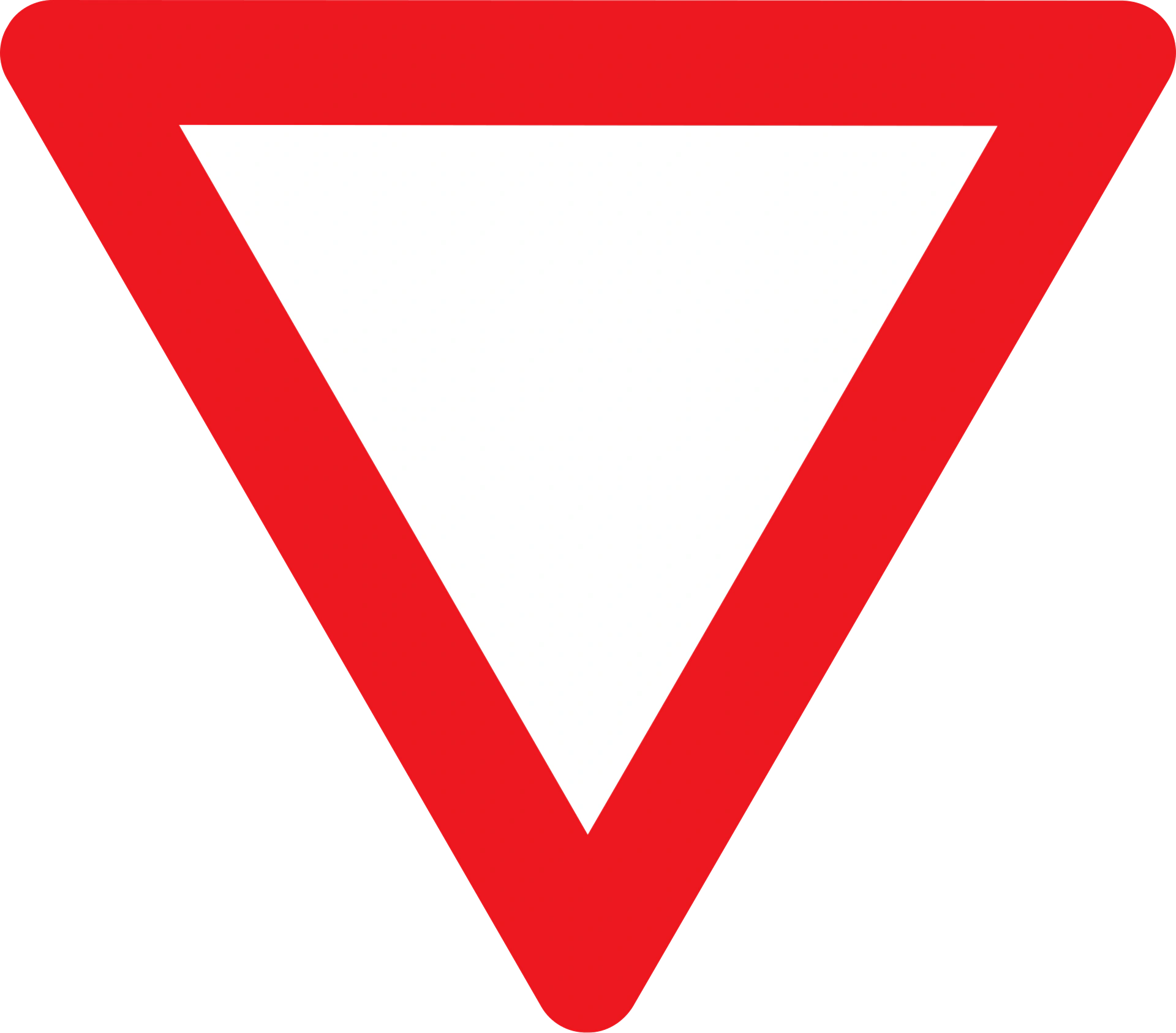
The B11 'Yield' sign means you must give way to other traffic.
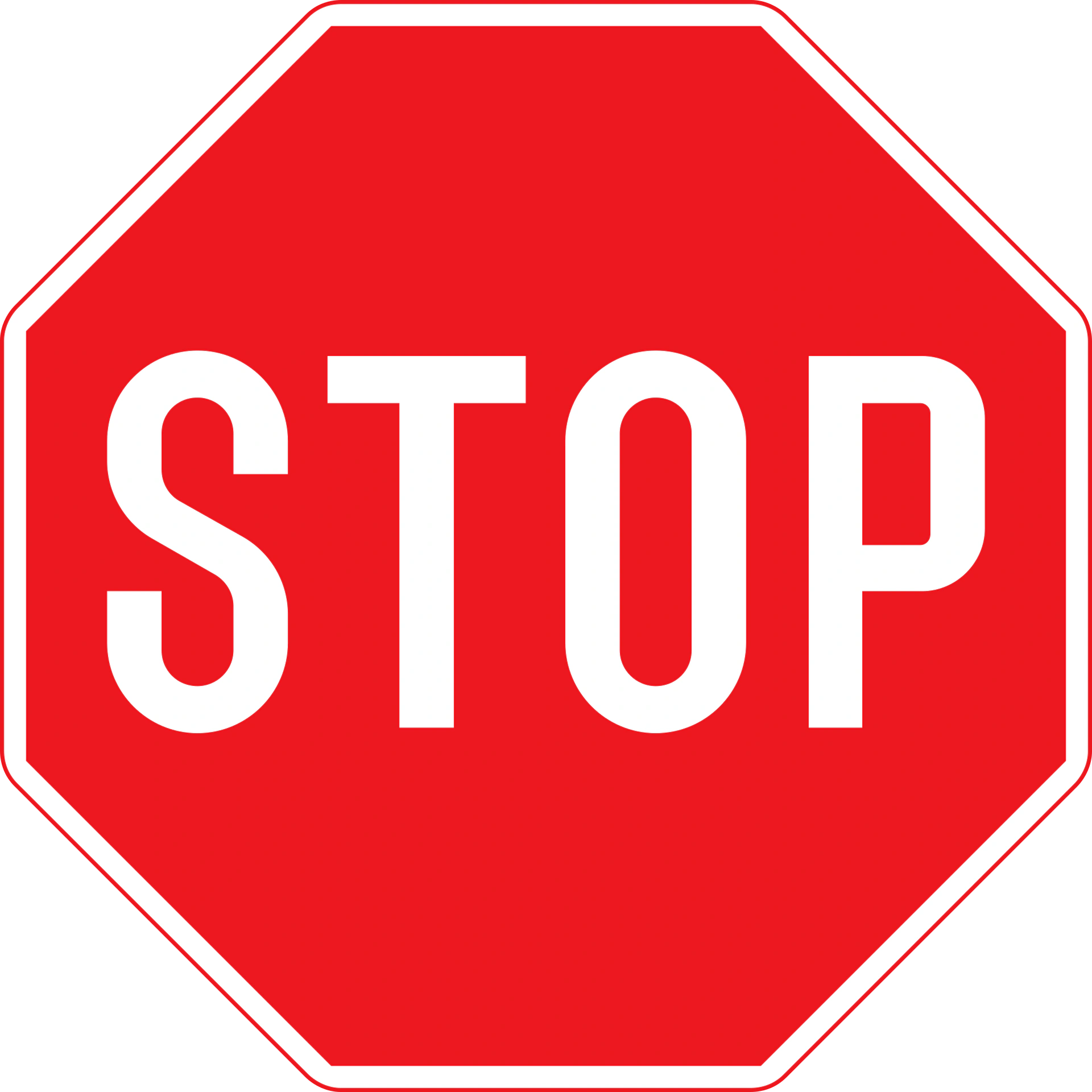
Master the 'Stop' sign (B13) for safe Danish driving and theory test success.
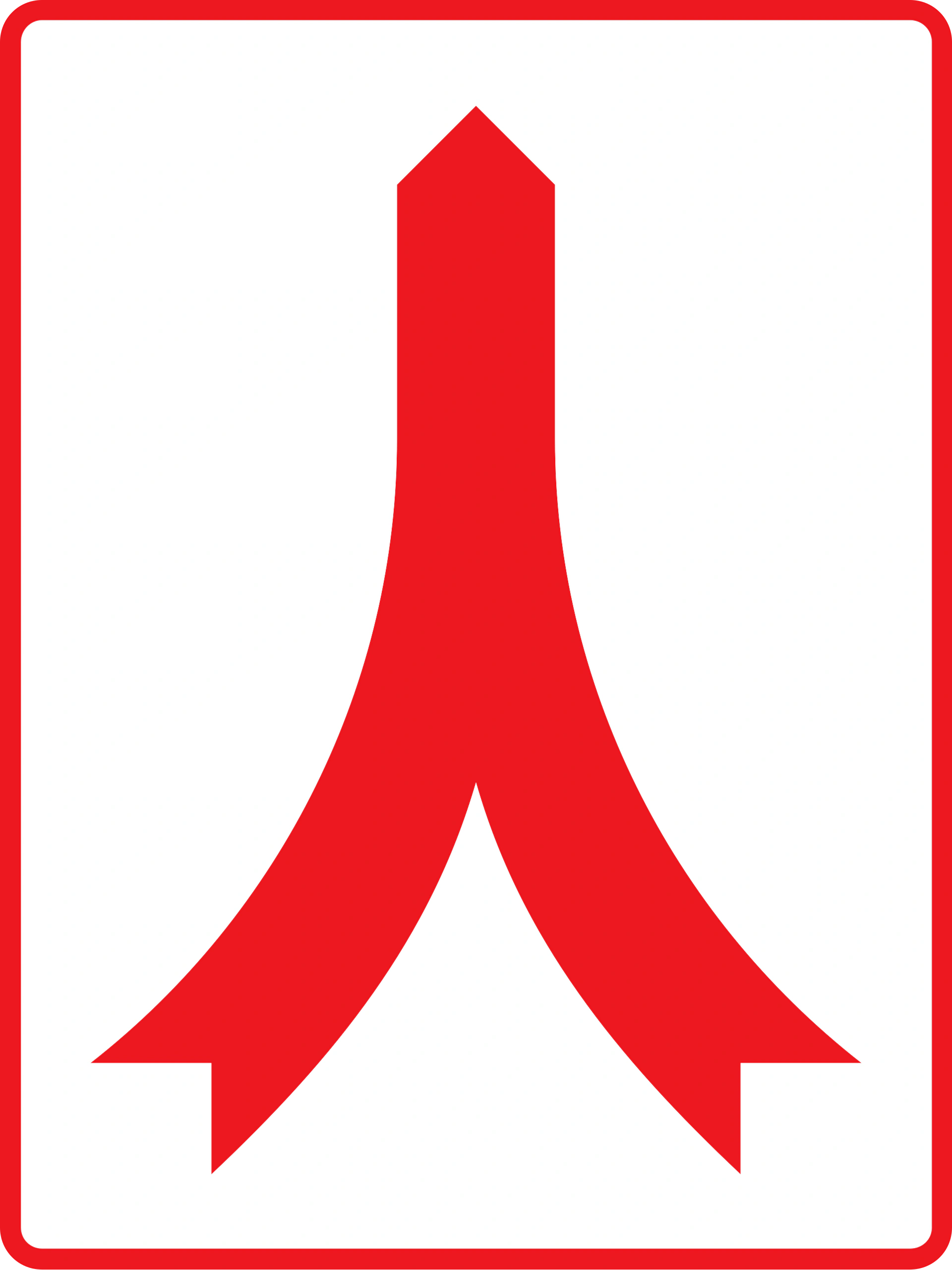
Understand the B15 Lane Merge Sign for Danish Road Priority
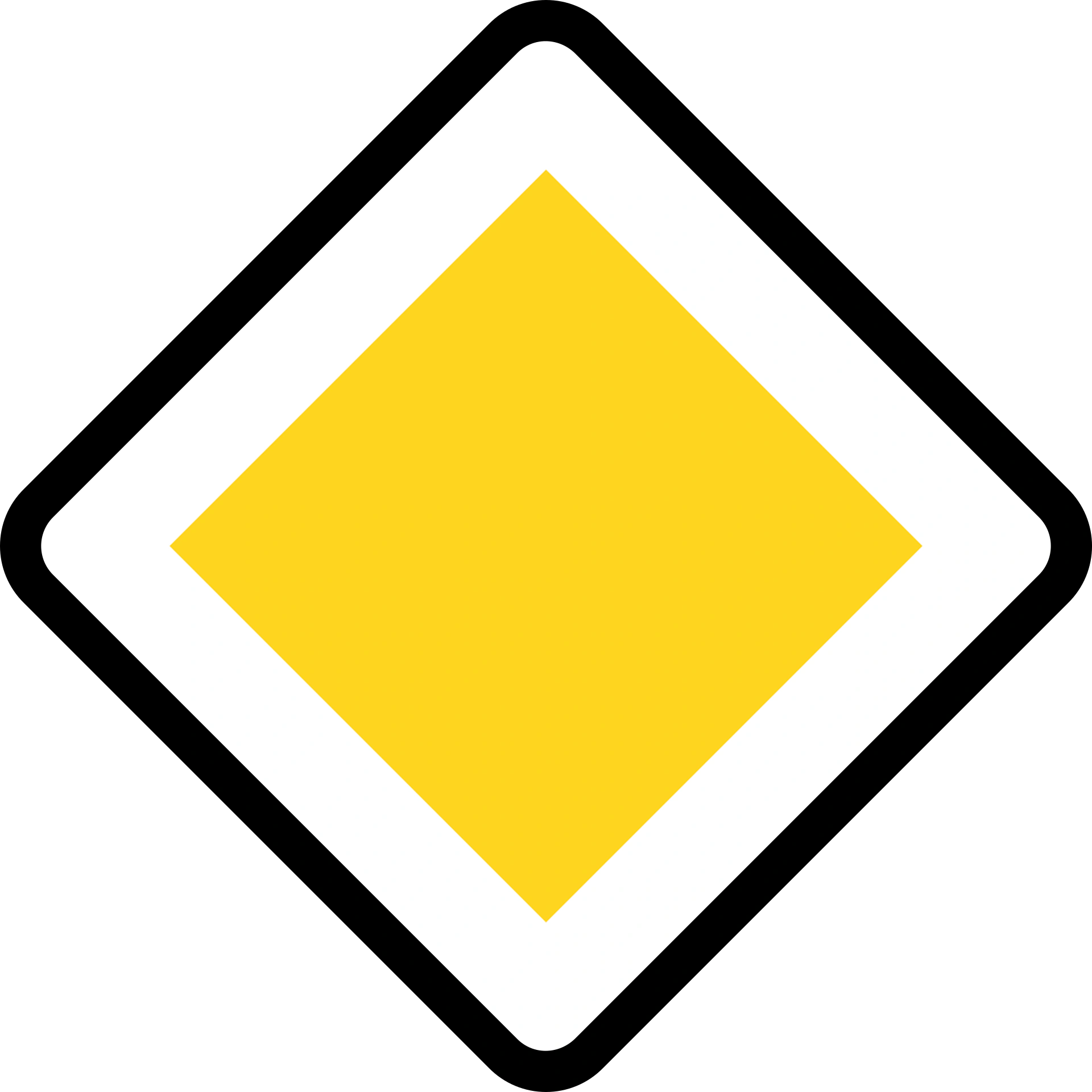
Understand the B16 Main Road sign and its priority rules in Danish traffic.
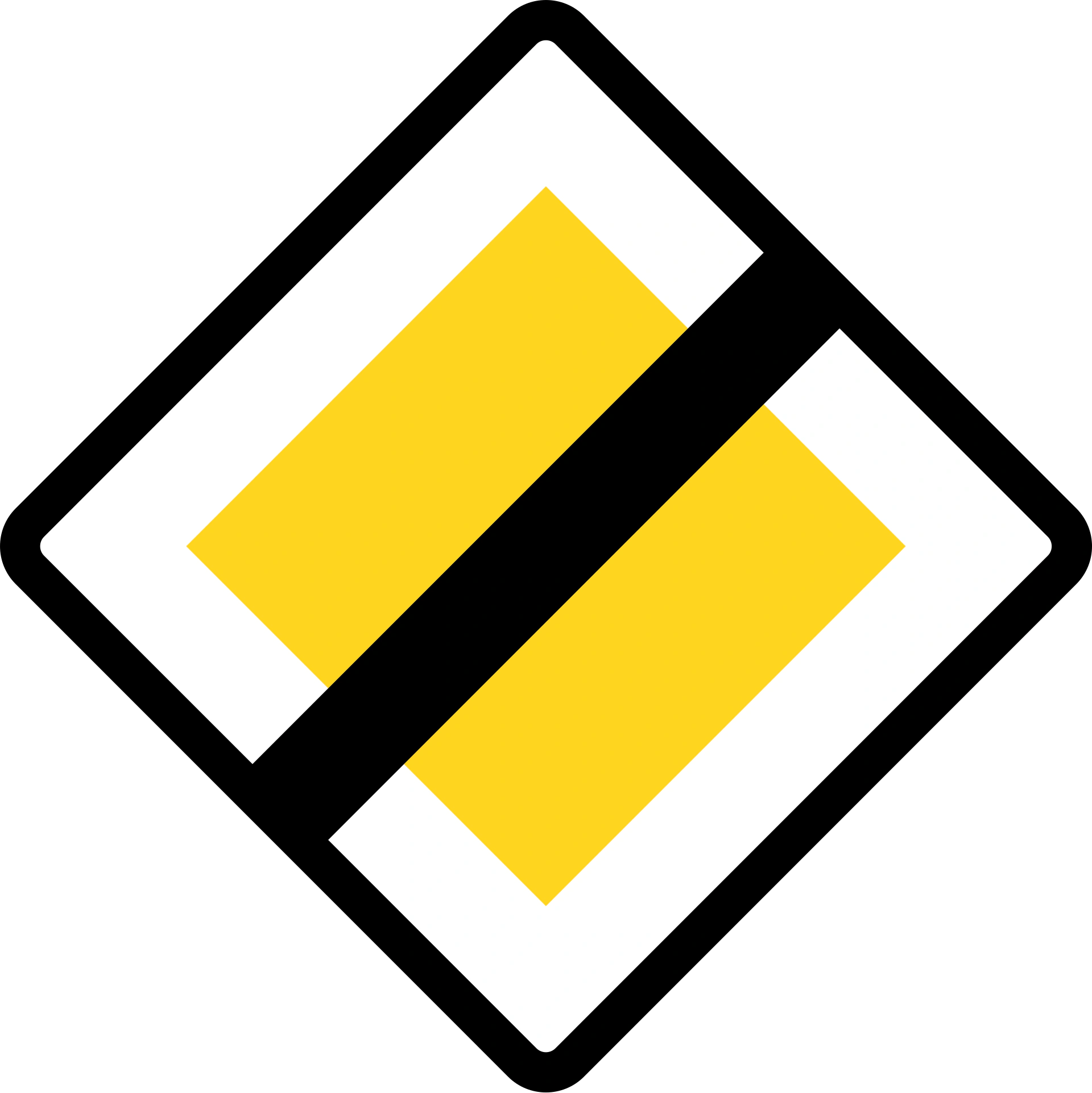
End of Main Road: Understand Your Priority Here
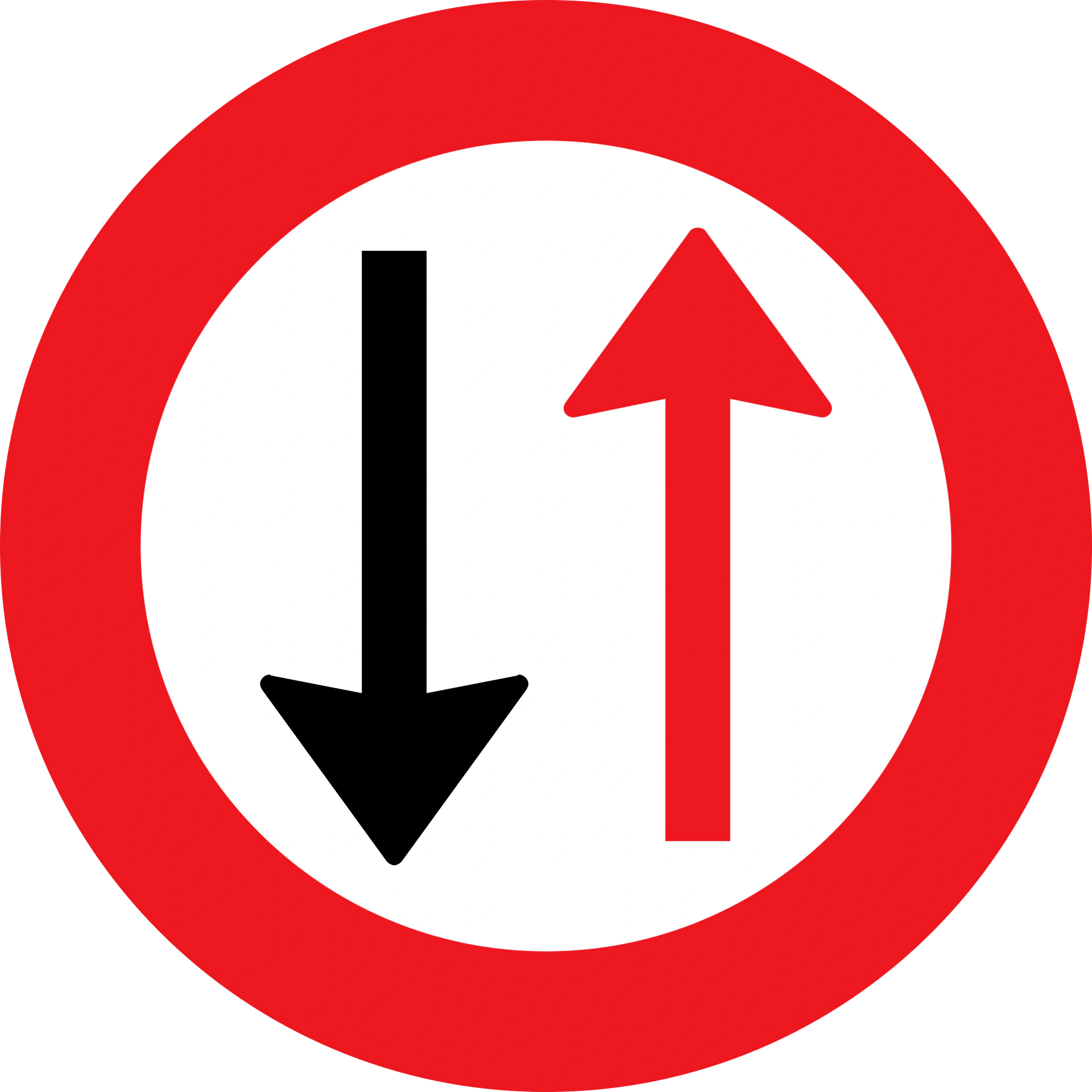
Understand the B18 'Priority for Oncoming Vehicles' Traffic Sign in Denmark
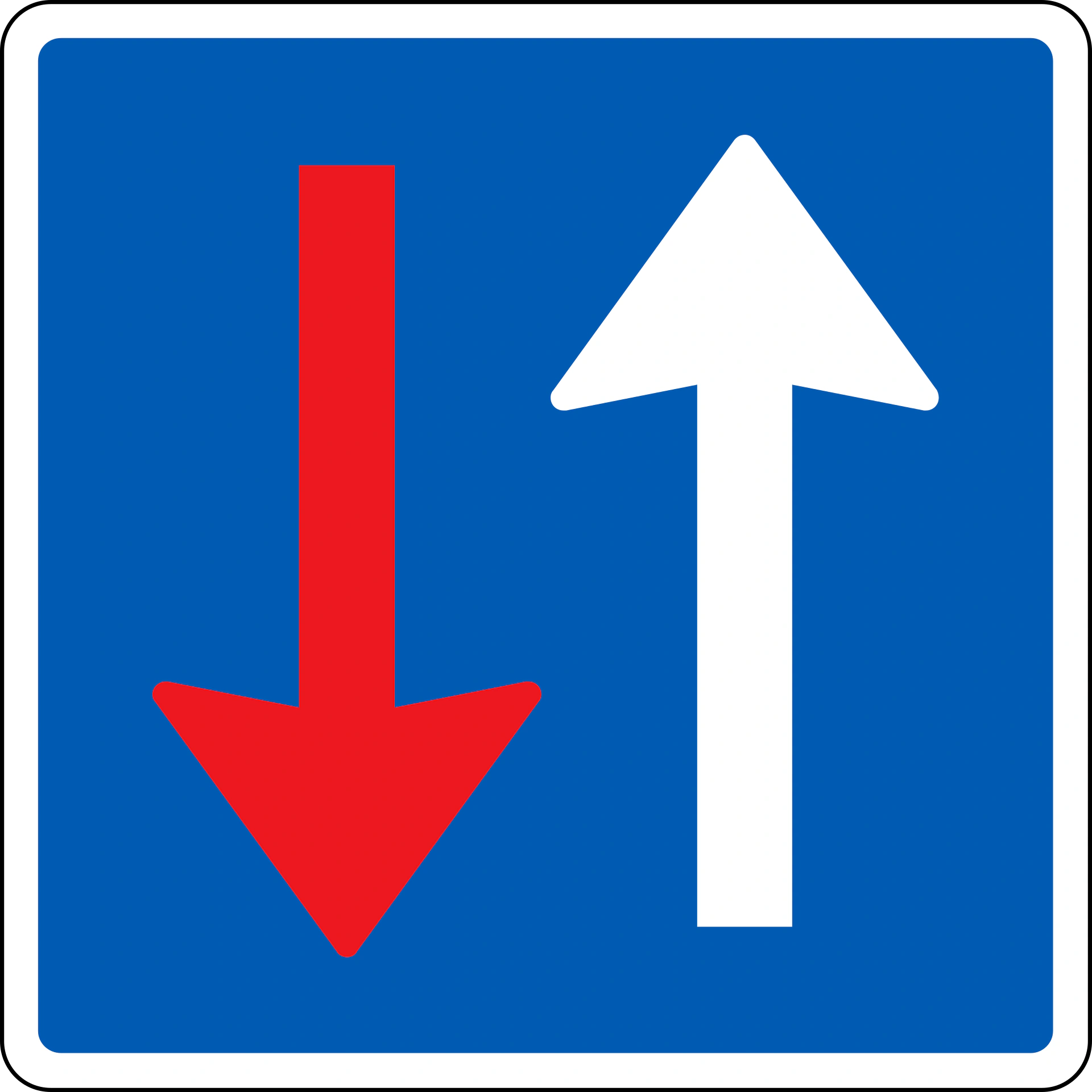
Understand Priority When Facing Oncoming Traffic with the B19 Sign
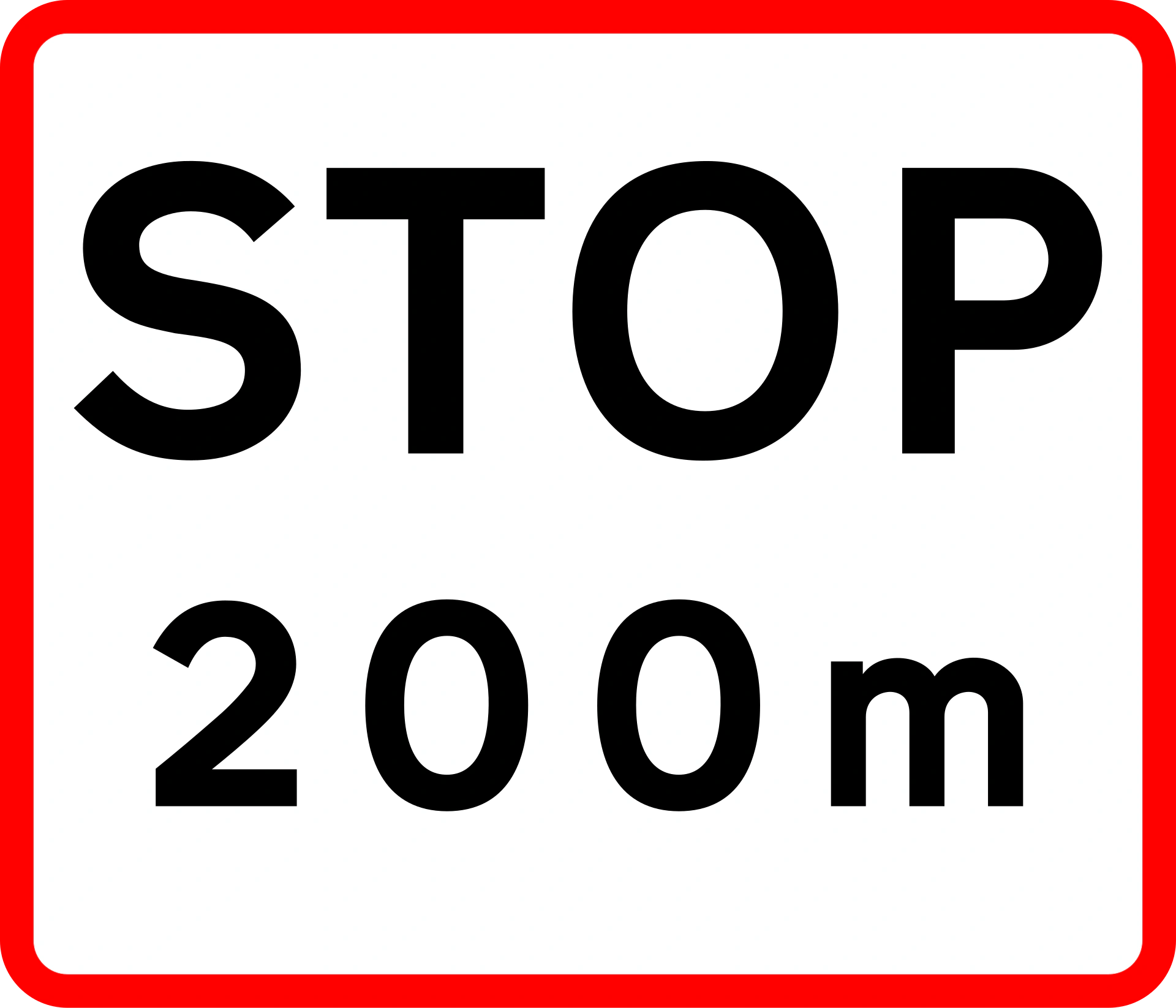
Understand the Danish 'Stop Ahead' (UB11.1) Priority Sign
Strengthen your theory test preparation by exploring how these specific road signs influence priority, speed limits, and traffic flow across Danish roads. Review our curated resources to ensure you understand the legal obligations associated with each sign.
Navigating the rules for towing a trailer is essential for both your driving theory test and your future as a responsible driver. This guide explains how weight limits on registration documents determine your licence needs, distinguishing between basic Category B, Code 96, and Category B/E requirements. You will learn the importance of the combined total weight of your vehicle and trailer to ensure you stay within legal limits on Danish roads.
Passing your Danish driving test in an automatic car means your 'kørekort' will carry a Code 78 restriction, limiting you to automatics. This article clarifies what Code 78 signifies, why it's in place according to Færdselsstyrelsen regulations, and the essential steps to undertake a manual transmission test to remove this restriction. Learn how to navigate this rule to gain full driving flexibility in Denmark.
Master the Danish Digital Theory Test: Know Your Categories and How to Approach Questions.
Master Denmark's unique road and sea connections for a smooth journey.
This Danish priority sign controls the order of movement where traffic streams may conflict. Priority signs decide whether the driver must stop, yield, continue on a main road, merge carefully, or give priority to oncoming traffic. The safe response is to slow early, observe every approach, and proceed only when the signed rule and actual traffic gap both allow it. Official catalogue code: B13.
This Danish priority sign controls the order of movement where traffic streams may conflict. Priority signs decide whether the driver must stop, yield, continue on a main road, merge carefully, or give priority to oncoming traffic. The safe response is to slow early, observe every approach, and proceed only when the signed rule and actual traffic gap both allow it. Official catalogue code: B11.
After reviewing the full list of Danish road signs, test your understanding by attempting practice questions focused on sign recognition and meaning. Reinforce your learning and identify areas needing further study to confidently pass your driving theory exam.
View All Danish Road Signs List