
The C92 'Continuing without Stop Prohibited' sign is a critical Danish prohibitory traffic sign that mandates a complete stop. It means you are legally required to bring your vehicle to a halt before proceeding, regardless of whether other traffic is present. This sign is often used to control movements at junctions or other points where visibility may be limited or a specific traffic flow needs to be strictly managed. Always obey this sign to ensure safety and avoid penalties.
Mastering the 'Continuing without Stop Prohibited' sign (C92) is crucial for your Danish theory test revision, as misinterpreting it can lead to penalties. This detailed explanation will help you recognise this prohibitory sign and understand its specific meaning in real traffic situations.
This Danish prohibitory sign creates a binding restriction. It can control turns, entry, access, vehicle category, load, dimension, speed, overtaking, stopping, parking, environmental-zone access, or use of shoulder and sidewalk areas. Correct interpretation means checking whether the rule applies to your vehicle and intended action before passing the sign. Official catalogue code: C92.
The "Continuing without stop prohibited" sign sets a binding prohibition or restriction for the movement, vehicle category, stopping action, parking action, dimension, load, or road user shown. Catalogue code C92.
Get clear, practical answers to the most common questions about the C92 - Continuing without stop prohibited road sign. Learn how the sign works, what rules it represents, and how it affects real driving situations. This FAQ strengthens your understanding and supports accurate decision making for the Danish driving theory exam in Denmark.
The C92 sign's primary purpose is to enforce a mandatory stop. It prohibits drivers from proceeding without first coming to a complete stop, ensuring that all traffic situations are assessed and yielding rules are followed. This sign is particularly important for managing safety at complex intersections or where visibility is restricted.
Yes, you must always stop completely when you encounter the C92 'Continuing without Stop Prohibited' sign, even if the road appears clear. The purpose is to force an assessment of the traffic situation, giving you a moment to check for hidden dangers or to ensure you are yielding correctly to other road users who may not be visible initially.
A common mistake is assuming you only need to stop if there's traffic. Learners might also fail to stop fully, creeping forward instead of making a complete halt. Another trap is confusing it with a 'Give Way' (Yield) sign; the C92 demands a full stop, not just slowing down.
Generally, no. The C92 sign represents a binding prohibition. It is crucial to stop at the sign's position or the marked stop line. Always check local road markings, traffic signals, or subpanels accompanying the C92 sign, as they might provide additional context or specify exactly where the stop is required, but the requirement to stop remains.
The fundamental difference is the action required. A 'Give Way' sign (often indicated by a triangle with a red border, or specific junction signs) requires you to slow down and yield to other traffic if necessary, but not necessarily stop. The C92 'Continuing without Stop Prohibited' sign unequivocally demands a full stop before proceeding, regardless of traffic conditions.
A clear reference image of the C92 - Continuing without stop prohibited road sign used in Denmark.
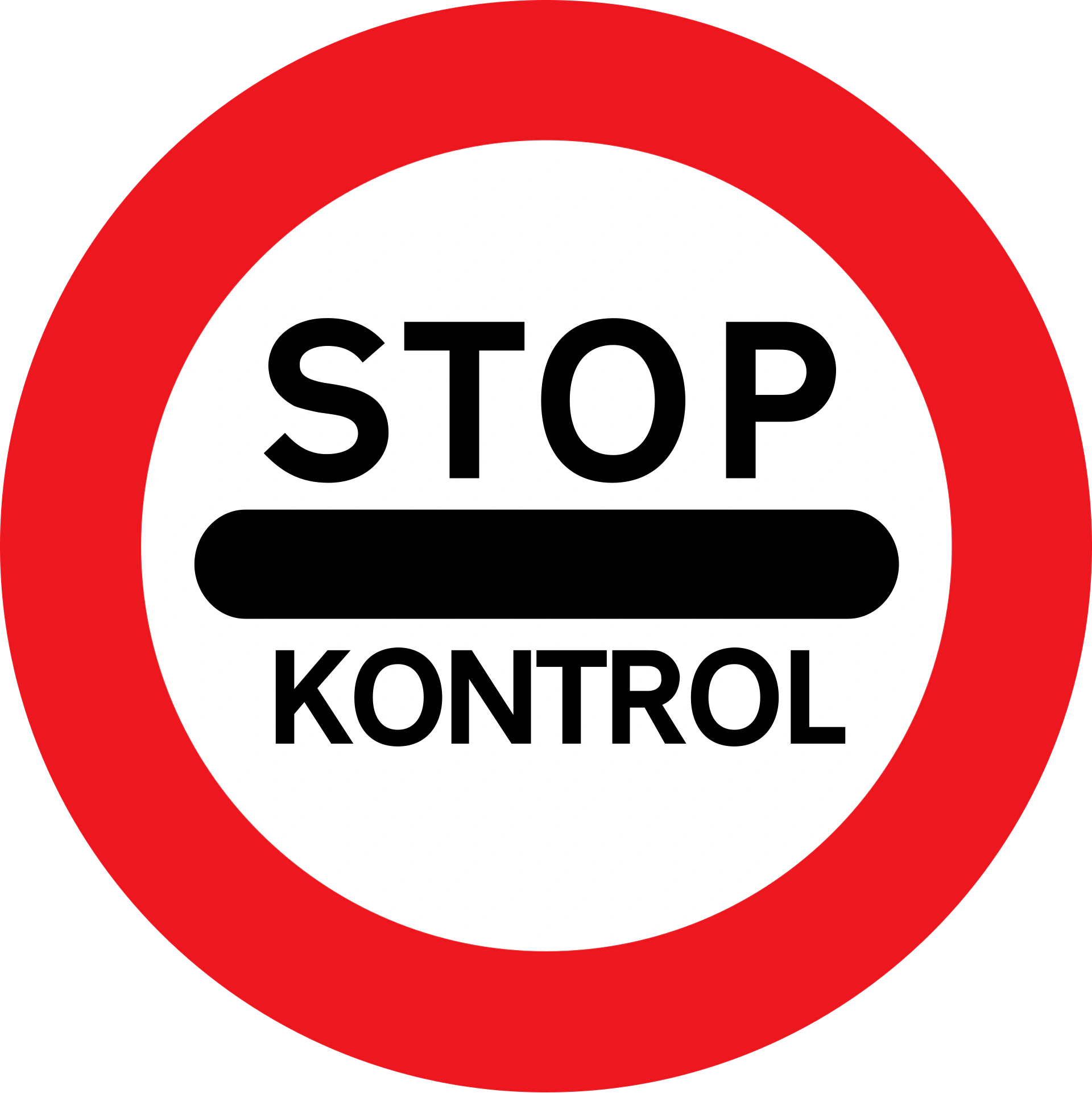
The C92 - Continuing without stop prohibited road sign may also be known by these alternative names or terms.
The C92 - Continuing without stop prohibited road sign is part of the Danish Prohibitory Signs category, which groups together signs with similar rules and functions.
Master Danish traffic rules by comparing 'Continuing without stop prohibited' (C92) with similar prohibitory signs. Understanding distinctions aids recognition and reduces theory test errors, crucial for successful exam preparation.
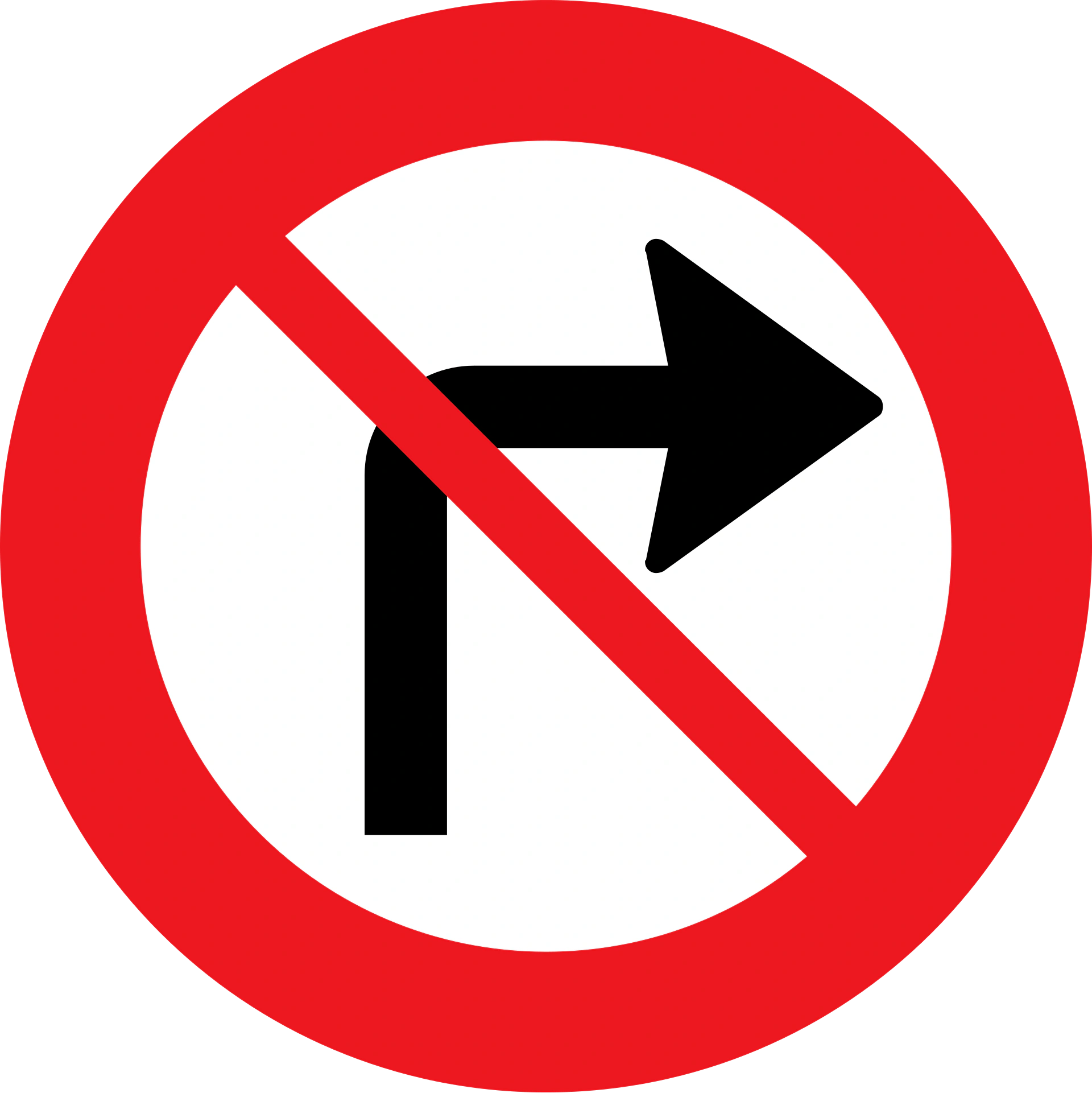
Understand the C11.1 'No Right Turn' prohibitory traffic sign in Denmark.
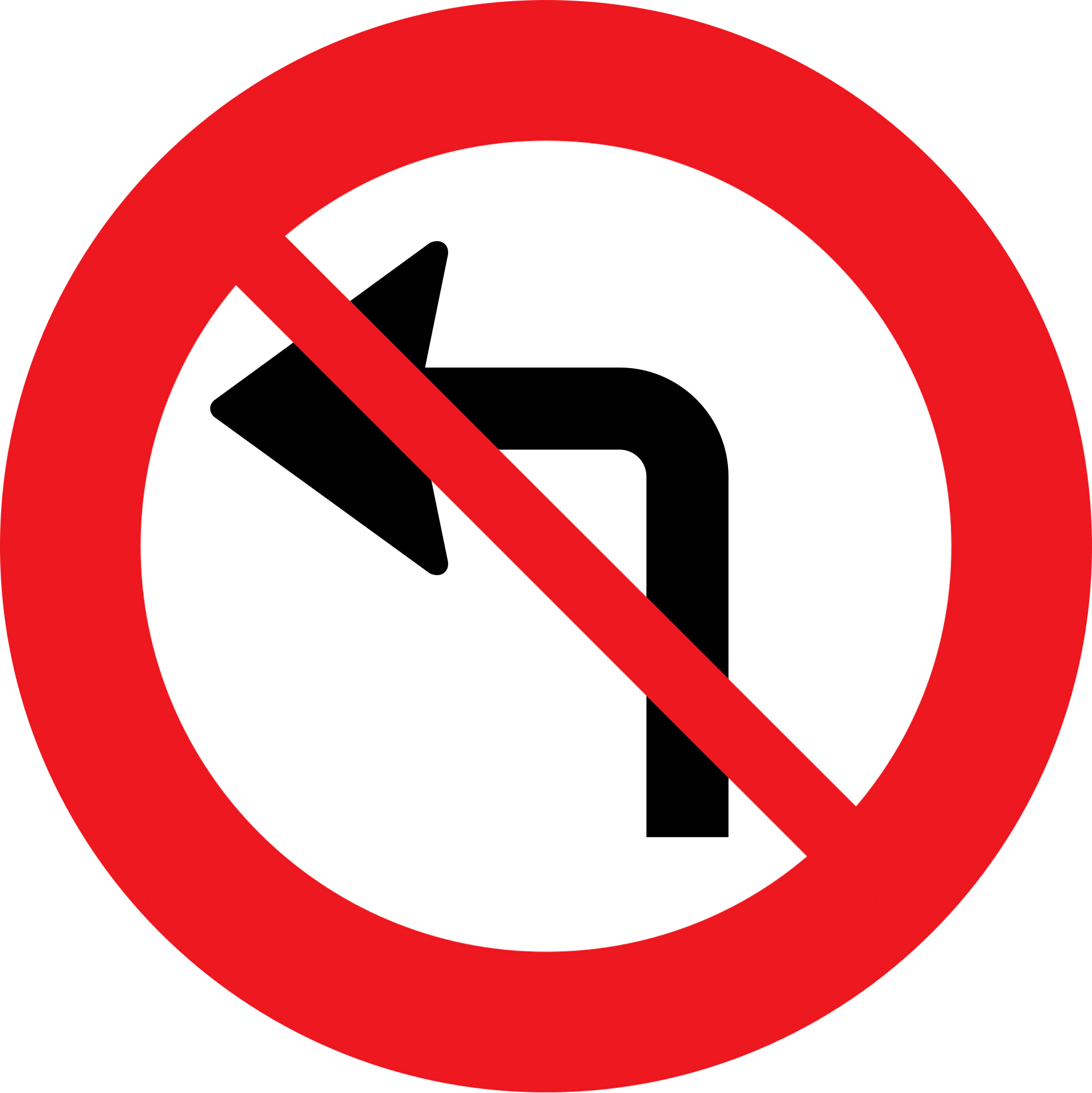
What the C11.2 'No Left Turn' Sign Means and How to Comply
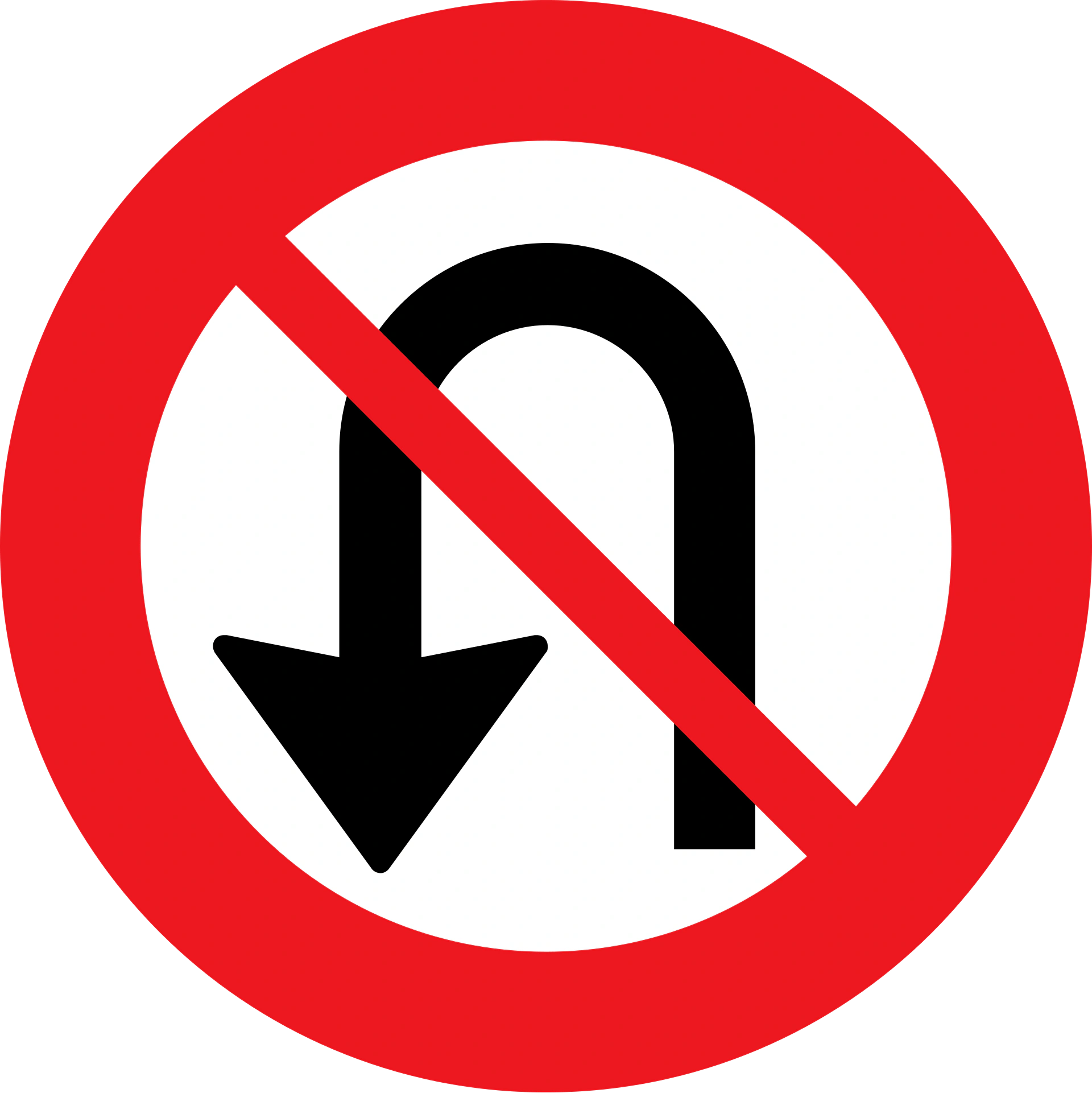
Understand the C12 'No U-turns' prohibitory traffic sign in Denmark

C19 No Entry: Obey This Prohibitory Sign and Stay Out
Understand the C21 'Driving in both directions prohibited' sign in Denmark.
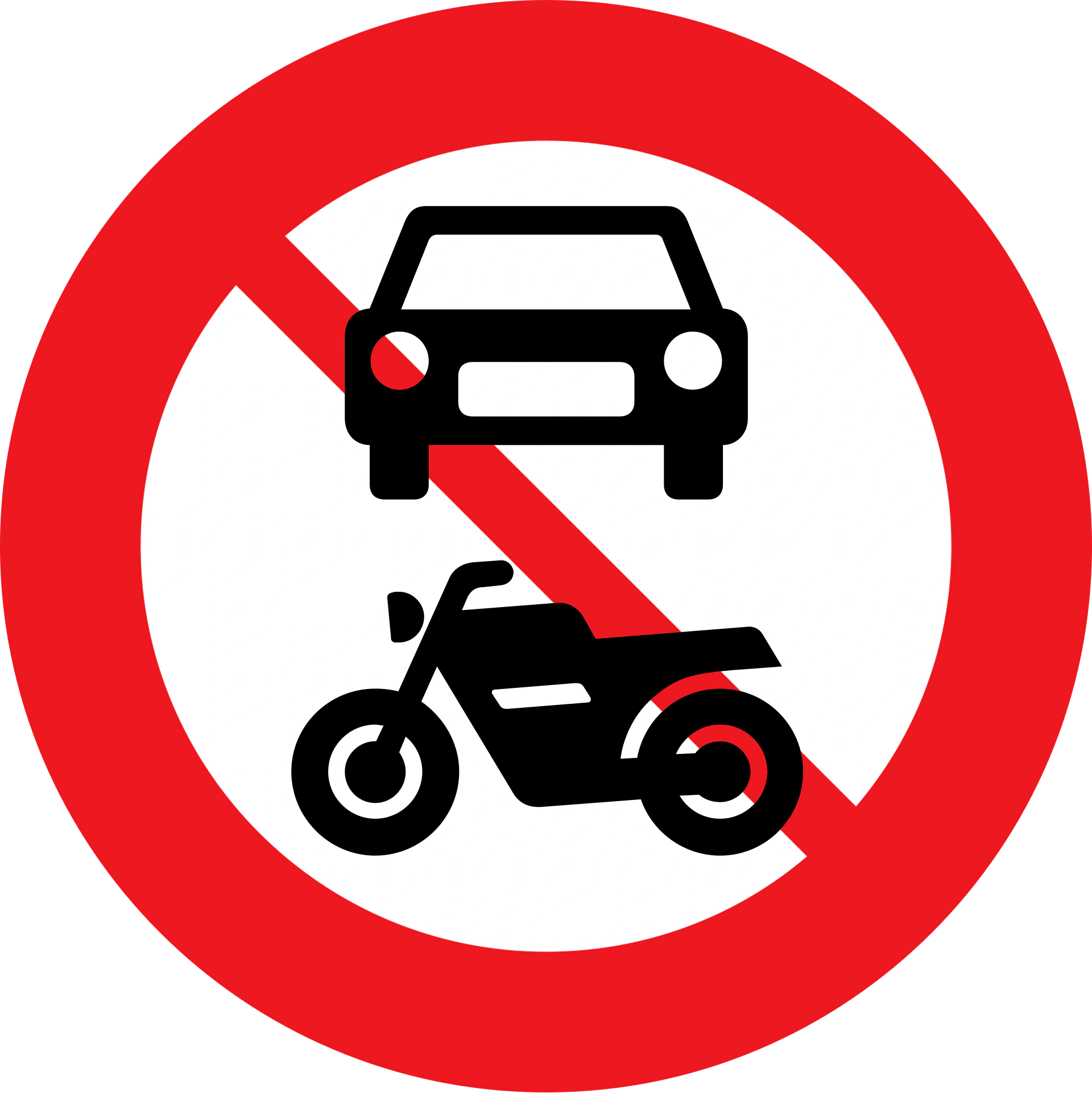
Understand the 'No Motor Vehicles' (C22.1) Sign: What It Means and How to Obey It
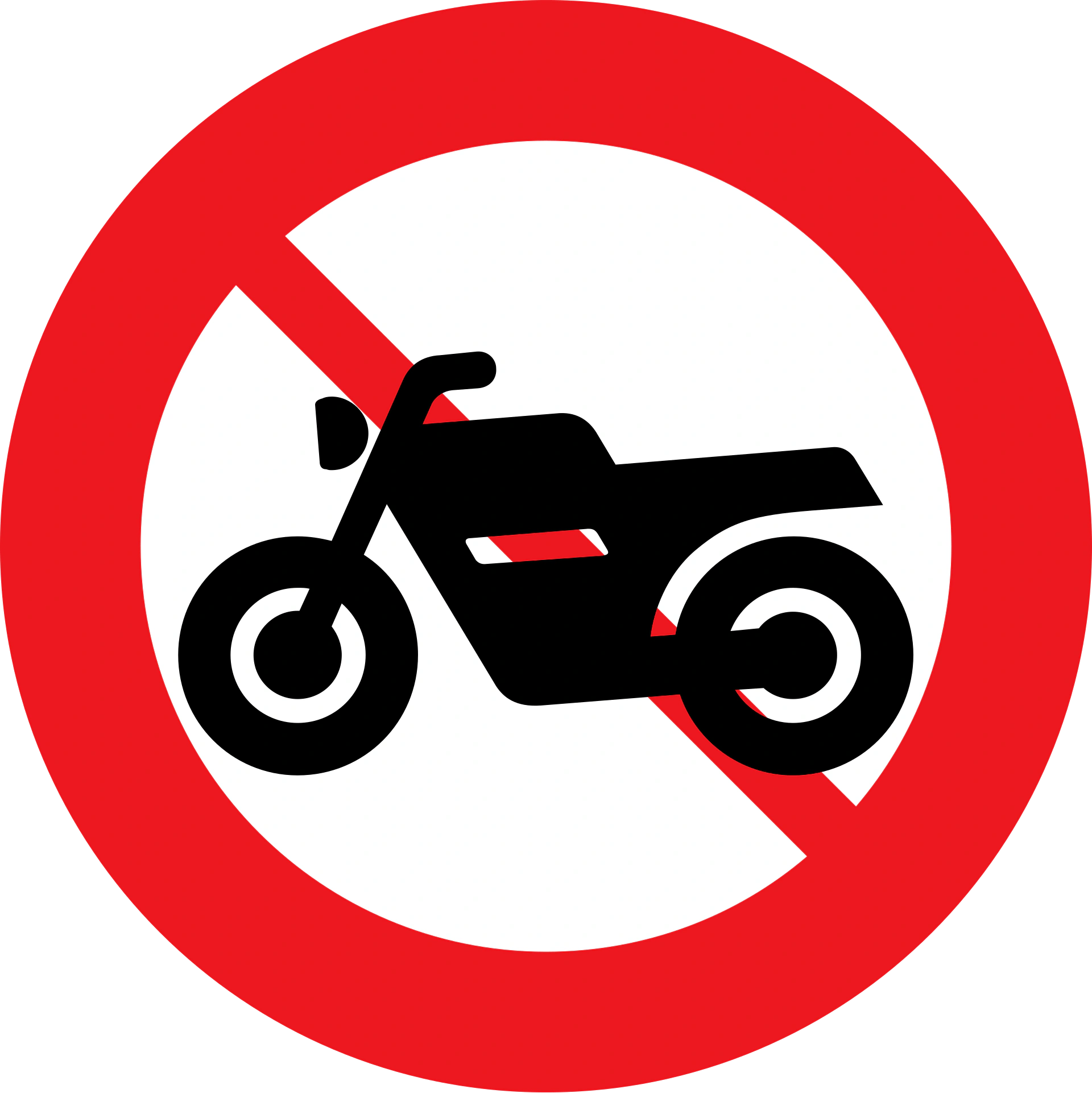
C22.2 Sign: No Motorcycles or Large Mopeds Allowed Ahead
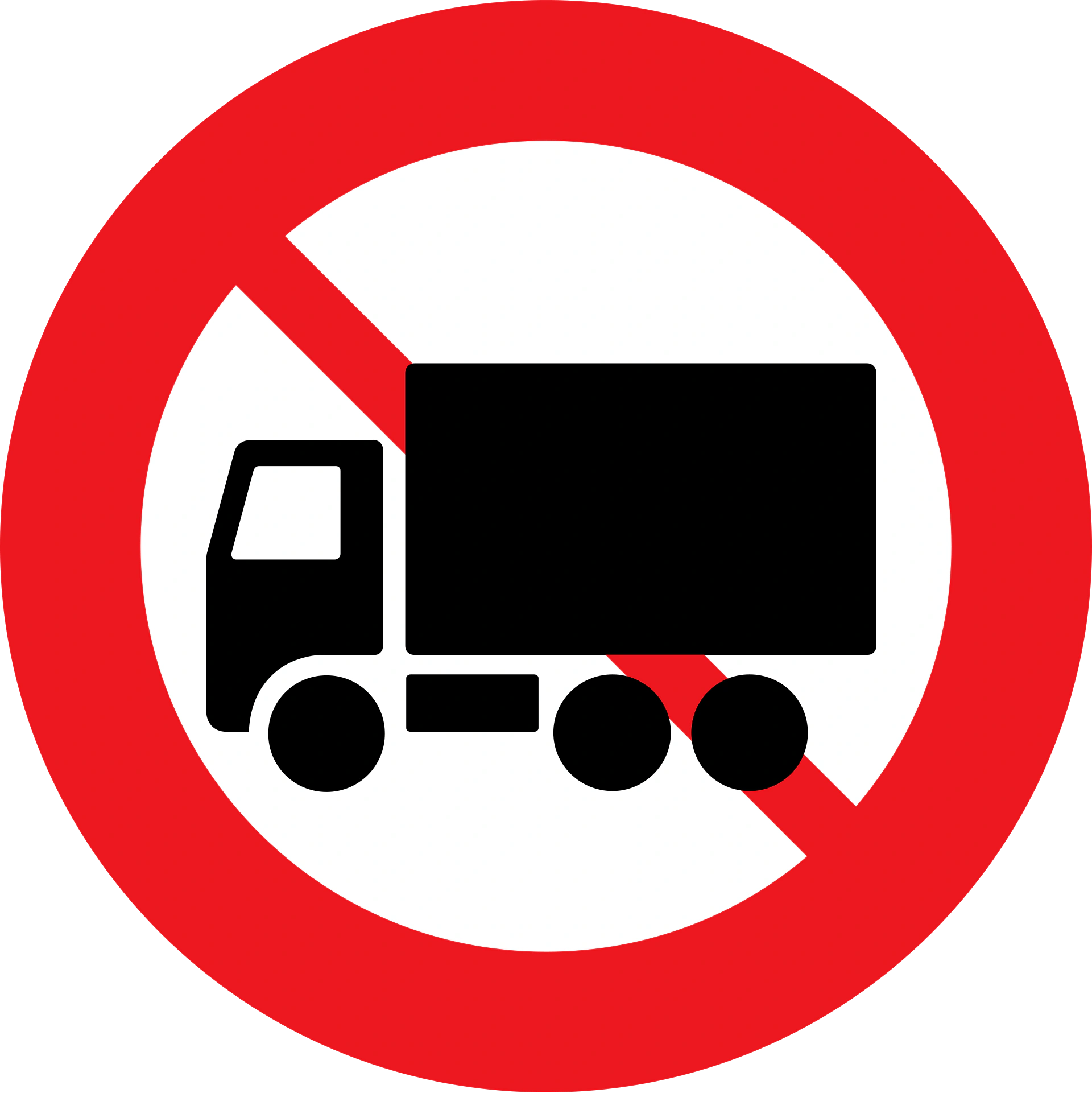
The C23.1 Sign: What 'No Heavy Goods Vehicles' Means for Your Drive
Strengthen your theory test preparation by exploring how these specific road signs influence priority, speed limits, and traffic flow across Danish roads. Review our curated resources to ensure you understand the legal obligations associated with each sign.
Master Danish Category B Rules and Vehicle Entitlement
Navigating Denmark's roads with a moped requires understanding the specific rules for 'lille knallert' and 'stor knallert'. This guide breaks down precisely where each category can legally ride, covering essential distinctions about cycle tracks and forbidden zones like motorways. This knowledge is fundamental for safe operation and crucial for passing your Danish driving theory test.
Master the Special Rules for Young Danish Drivers Aged 17
Navigating the rules for towing a trailer is essential for both your driving theory test and your future as a responsible driver. This guide explains how weight limits on registration documents determine your licence needs, distinguishing between basic Category B, Code 96, and Category B/E requirements. You will learn the importance of the combined total weight of your vehicle and trailer to ensure you stay within legal limits on Danish roads.
This Danish prohibitory sign creates a binding restriction. It can control turns, entry, access, vehicle category, load, dimension, speed, overtaking, stopping, parking, environmental-zone access, or use of shoulder and sidewalk areas. Correct interpretation means checking whether the rule applies to your vehicle and intended action before passing the sign. Official catalogue code: UC60.1.
This Danish prohibitory sign creates a binding restriction. It can control turns, entry, access, vehicle category, load, dimension, speed, overtaking, stopping, parking, environmental-zone access, or use of shoulder and sidewalk areas. Correct interpretation means checking whether the rule applies to your vehicle and intended action before passing the sign. Official catalogue code: C26.1.
After reviewing the full list of Danish road signs, test your understanding by attempting practice questions focused on sign recognition and meaning. Reinforce your learning and identify areas needing further study to confidently pass your driving theory exam.
View All Danish Road Signs List