
This C23.2 'No Buses' prohibitory road sign in Denmark indicates a binding restriction specifically for buses. As a driver, you must understand that this sign, part of Denmark's comprehensive traffic signage system, means that buses are not permitted to proceed past this point or in the designated area. Always pay attention to its placement and any accompanying road markings or signals to ensure compliance and road safety.
Mastering the "No buses" sign is crucial for your Danish theory test revision, as it prohibits specific vehicle types from proceeding. Accurate road sign meaning and interpretation are essential for safe driving and passing your exam.
This Danish prohibitory sign creates a binding restriction. It can control turns, entry, access, vehicle category, load, dimension, speed, overtaking, stopping, parking, environmental-zone access, or use of shoulder and sidewalk areas. Correct interpretation means checking whether the rule applies to your vehicle and intended action before passing the sign. Official catalogue code: C23.2.
The "No buses" sign sets a binding prohibition or restriction for the movement, vehicle category, stopping action, parking action, dimension, load, or road user shown. Catalogue code C23.2.
Get clear, practical answers to the most common questions about the C23.2 - No buses road sign. Learn how the sign works, what rules it represents, and how it affects real driving situations. This FAQ strengthens your understanding and supports accurate decision making for the Danish driving theory exam in Denmark.
The C23.2 sign's main purpose is to enforce a prohibition or restriction specifically on buses. It clearly signals that buses are not allowed to enter a certain road, area, or perform a specific manoeuvre.
Generally, the C23.2 sign targets buses. However, it's crucial to observe its context. Sometimes, related signs or road markings might imply broader restrictions, but primarily, this sign means 'no buses allowed'.
The primary prohibited action is for buses to proceed into the restricted area or perform the restricted manoeuvre. Drivers of other vehicles are not directly prohibited by this specific sign, but should remain aware of traffic context.
The effectiveness and meaning of the C23.2 sign depend heavily on its placement. Always check the specific location where it's displayed, along with any lane markings, traffic lights, or supplementary signs, to understand the exact scope of the restriction for buses.
A common trap is assuming all prohibitory signs apply to your vehicle. For C23.2, remember it specifically targets buses. However, always check for accompanying signs that might extend the prohibition, or if the context implies a general restriction.
A clear reference image of the C23.2 - No buses road sign used in Denmark.
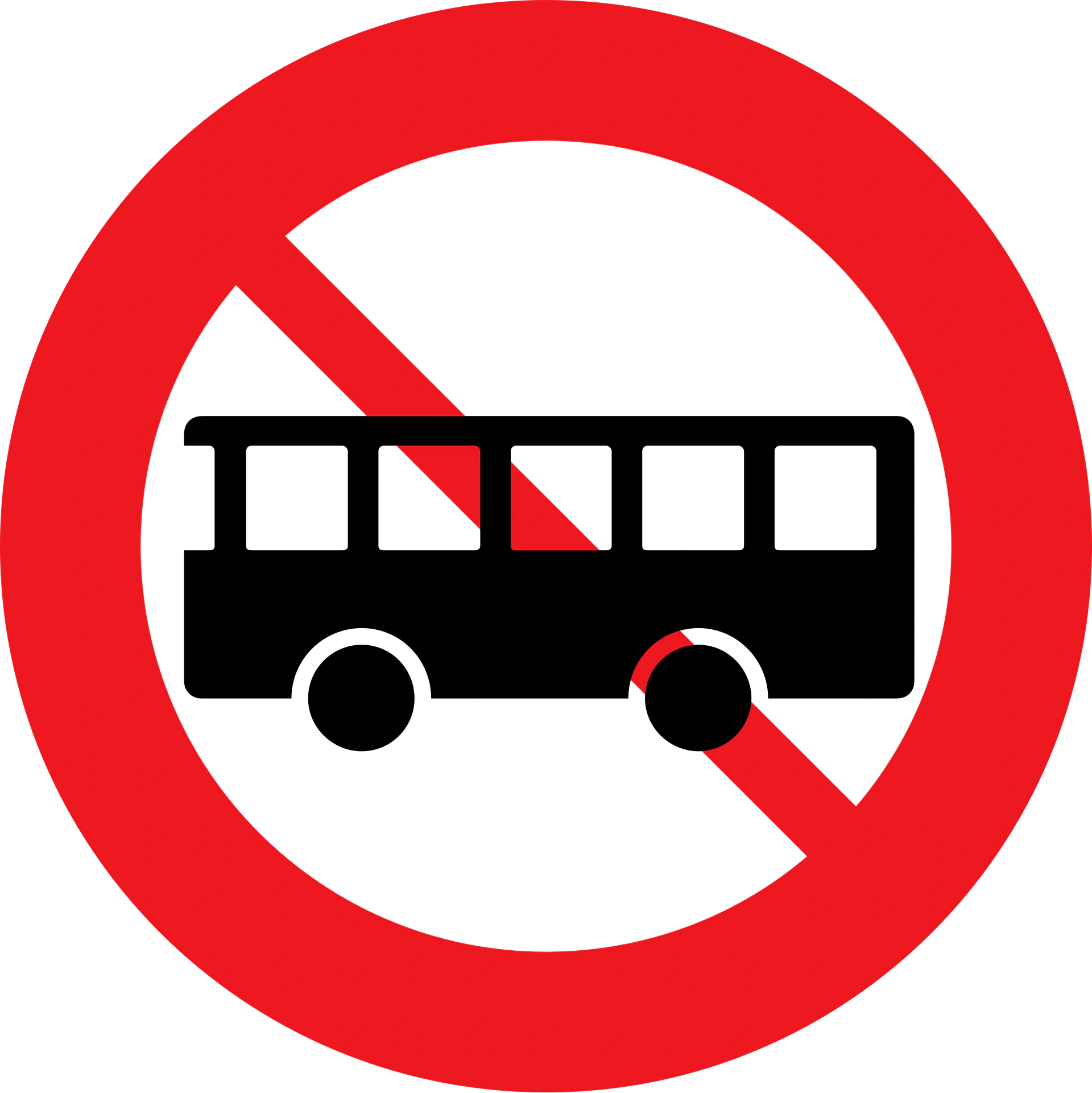
The C23.2 - No buses road sign may also be known by these alternative names or terms.
The C23.2 - No buses road sign is part of the Danish Prohibitory Signs category, which groups together signs with similar rules and functions.
Reviewing related prohibitory signs like 'No buses' alongside others helps cement your understanding and prevents confusion during your theory test revision. Sharpen your sign recognition skills through direct traffic sign comparison to master Danish road rules.
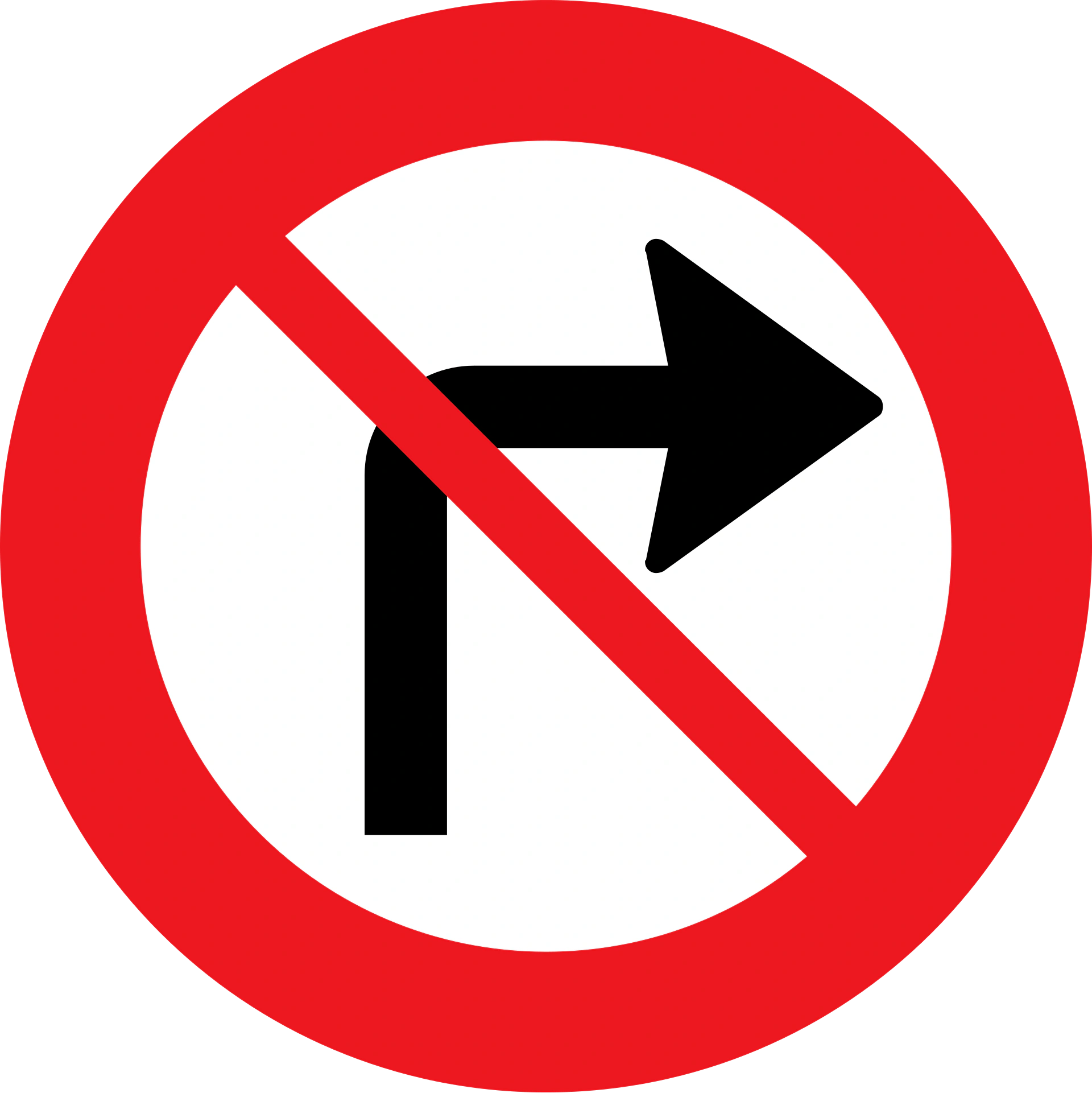
Understand the C11.1 'No Right Turn' prohibitory traffic sign in Denmark.
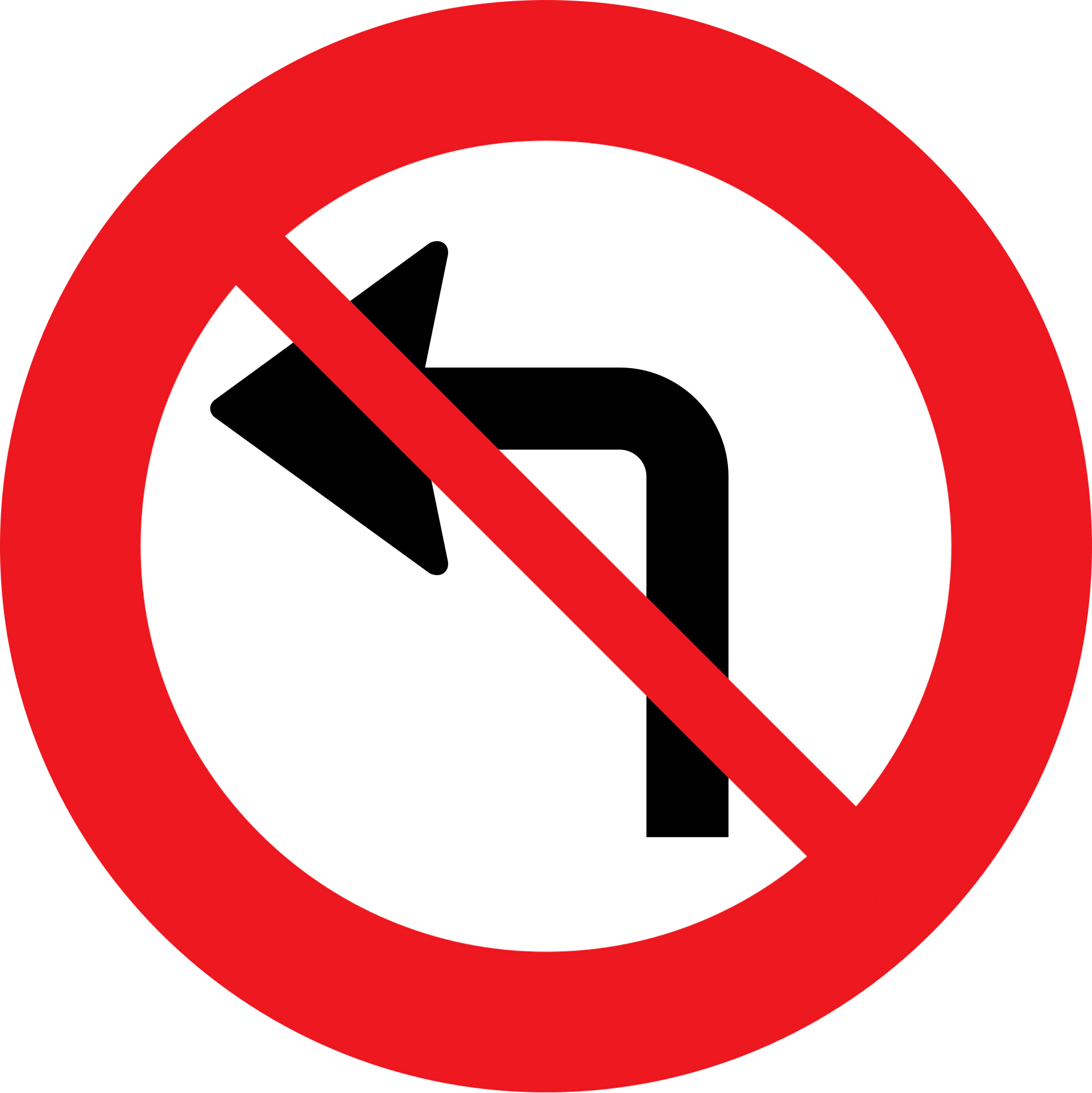
What the C11.2 'No Left Turn' Sign Means and How to Comply
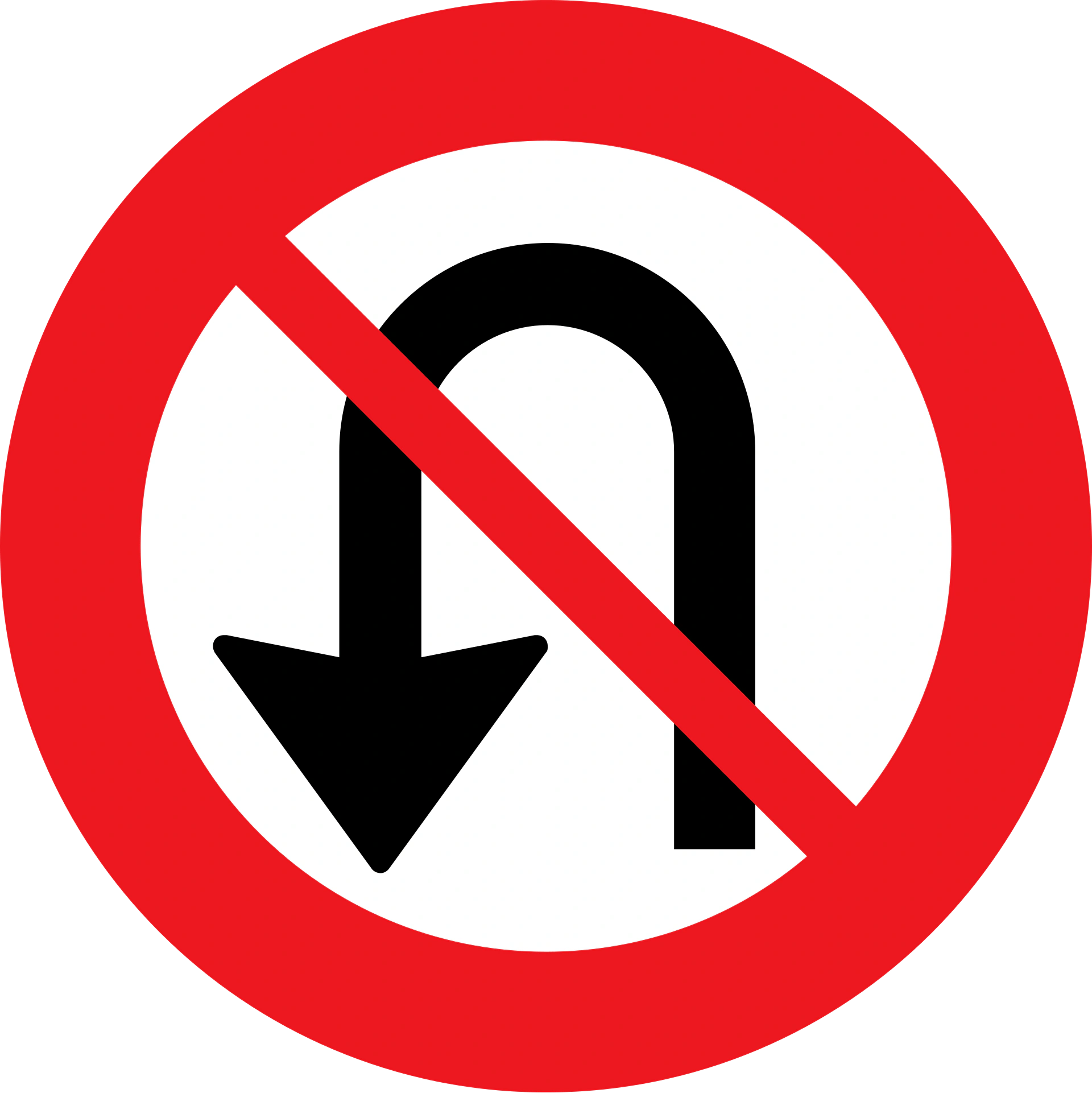
Understand the C12 'No U-turns' prohibitory traffic sign in Denmark

C19 No Entry: Obey This Prohibitory Sign and Stay Out
Understand the C21 'Driving in both directions prohibited' sign in Denmark.
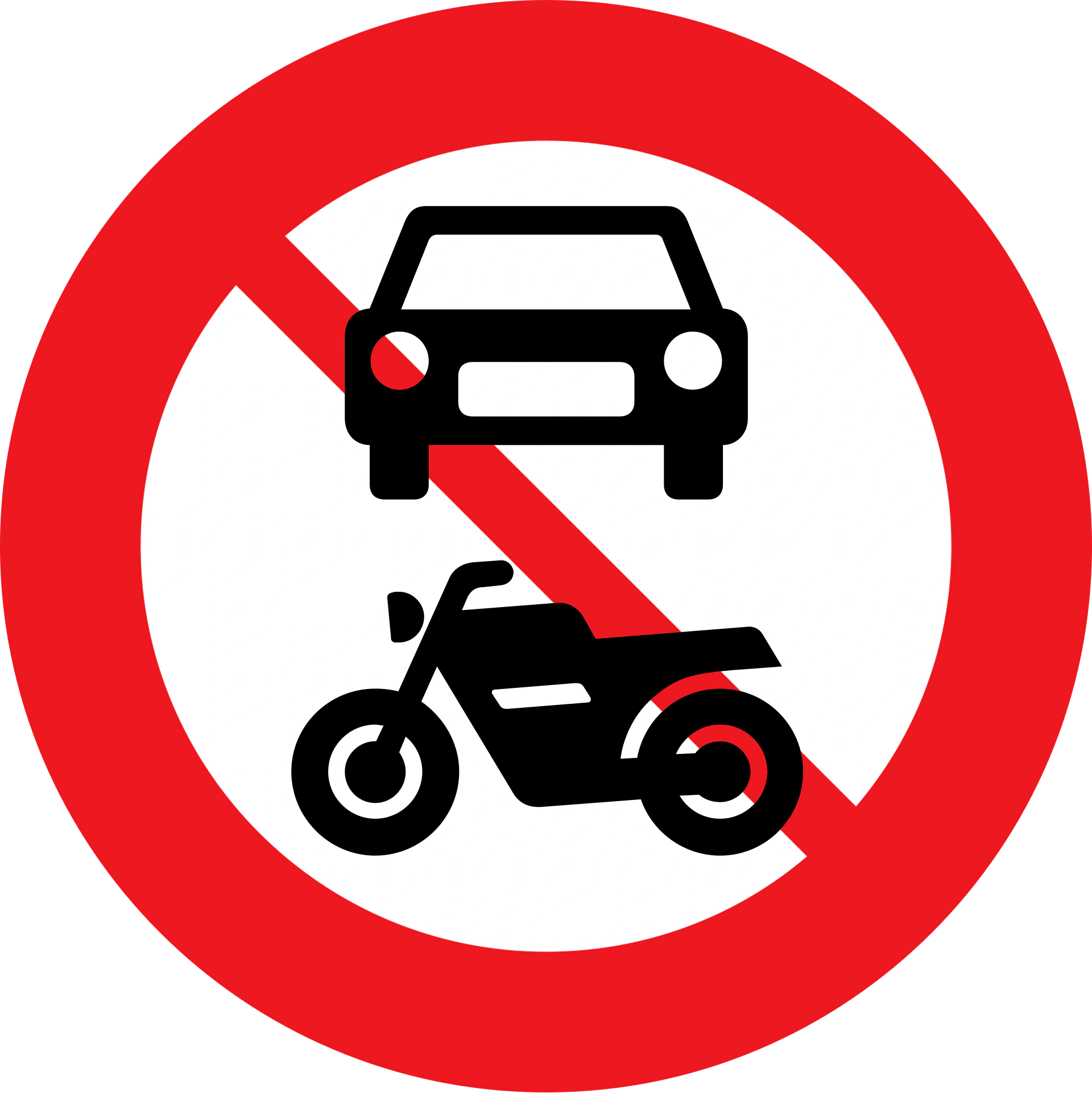
Understand the 'No Motor Vehicles' (C22.1) Sign: What It Means and How to Obey It
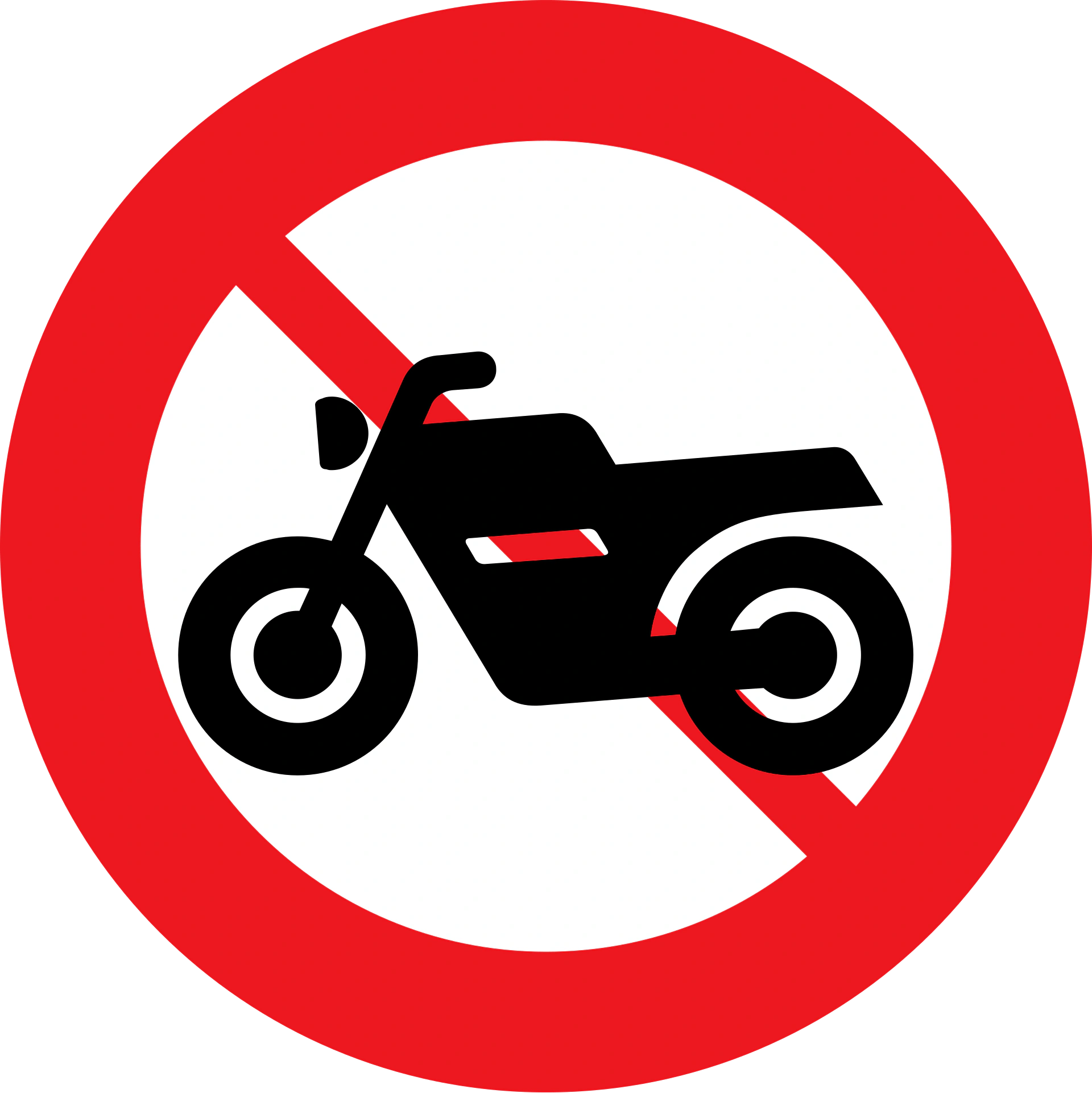
C22.2 Sign: No Motorcycles or Large Mopeds Allowed Ahead
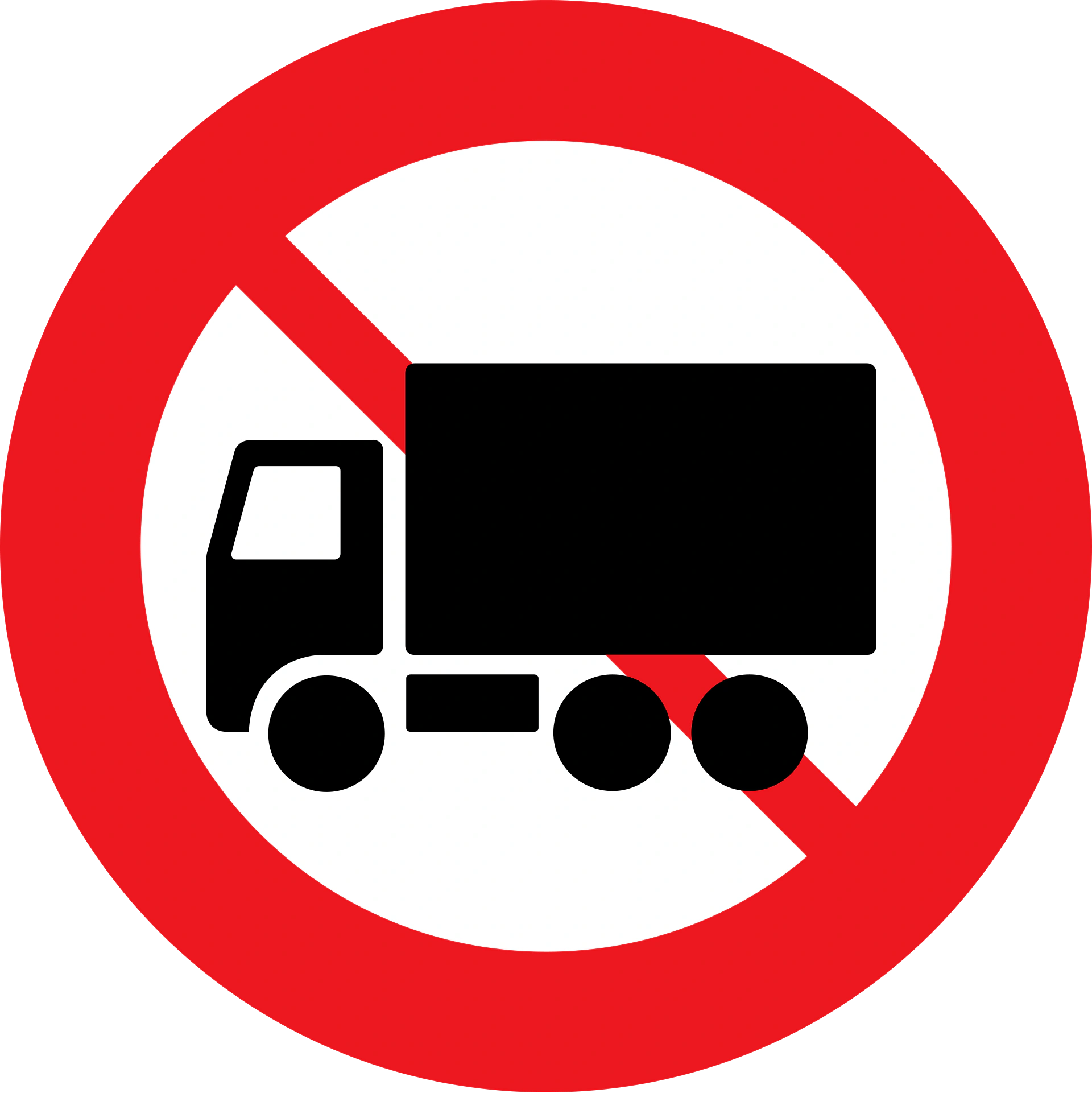
The C23.1 Sign: What 'No Heavy Goods Vehicles' Means for Your Drive
Strengthen your theory test preparation by exploring how these specific road signs influence priority, speed limits, and traffic flow across Danish roads. Review our curated resources to ensure you understand the legal obligations associated with each sign.
Learn the precise requirements for mobile phone usage while driving in Denmark, including why the law strictly prohibits handheld devices even when stationary in traffic. We break down the 'klippekortordning' penalty system and how a single violation can lead to points on your record, with heightened risks for those holding a probationary license. This guide ensures you understand your legal obligations to prevent distractions and pass your theory exam with confidence.
Navigating Denmark's roads with a moped requires understanding the specific rules for 'lille knallert' and 'stor knallert'. This guide breaks down precisely where each category can legally ride, covering essential distinctions about cycle tracks and forbidden zones like motorways. This knowledge is fundamental for safe operation and crucial for passing your Danish driving theory test.
Mastering Safe Driving in Denmark's Bicycle-Focused Urban Spaces.
Master Denmark's unique road and sea connections for a smooth journey.
This Danish prohibitory sign creates a binding restriction. It can control turns, entry, access, vehicle category, load, dimension, speed, overtaking, stopping, parking, environmental-zone access, or use of shoulder and sidewalk areas. Correct interpretation means checking whether the rule applies to your vehicle and intended action before passing the sign. Official catalogue code: UC60.1.
This Danish prohibitory sign creates a binding restriction. It can control turns, entry, access, vehicle category, load, dimension, speed, overtaking, stopping, parking, environmental-zone access, or use of shoulder and sidewalk areas. Correct interpretation means checking whether the rule applies to your vehicle and intended action before passing the sign. Official catalogue code: C26.1.
After reviewing the full list of Danish road signs, test your understanding by attempting practice questions focused on sign recognition and meaning. Reinforce your learning and identify areas needing further study to confidently pass your driving theory exam.
View All Danish Road Signs List